
Are you struggling to keep everything in the air this school year? These practical back-to-school organization tips for parents will help you regain balance and stay sane.
Back-to-school season often feels like a fresh start: sharpened pencils, new notebooks, and the hope of a smooth routine. Without a plan, though, mornings and afternoons can quickly become chaotic. Below are simple, actionable strategies to help families stay organized, reduce stress, and keep the household running smoothly once school begins.
Common obstacles to a smooth school routine
- Parent and kids wake-up times overlap, making mornings feel rushed.
- Papers needing signatures, permission slips, and notes pile up with no processing system.
- No consistent place to drop backpacks, shoes, and lunch boxes leads to last-minute scrambling.
- Clothing is missing, wrinkled, or not ready, causing delays and stress.
- Lunches are thrown together at the last minute without a plan.
- Homework lacks a distraction-free, consistent workspace.
7 Tips for a Smooth Back-to-School Routine
Tip #1: Establish a Parent Morning Routine Before the Kids Wake Up
Waking 30–60 minutes earlier to focus on yourself sets the tone for calmer mornings. Use that time to get dressed, enjoy a cup of coffee, and gather your thoughts for the day. Even a short, consistent routine—getting presentable, checking the family calendar, and reviewing priorities—can reduce stress and make mornings run smoother.
Tip #2: Create a Family Command Center
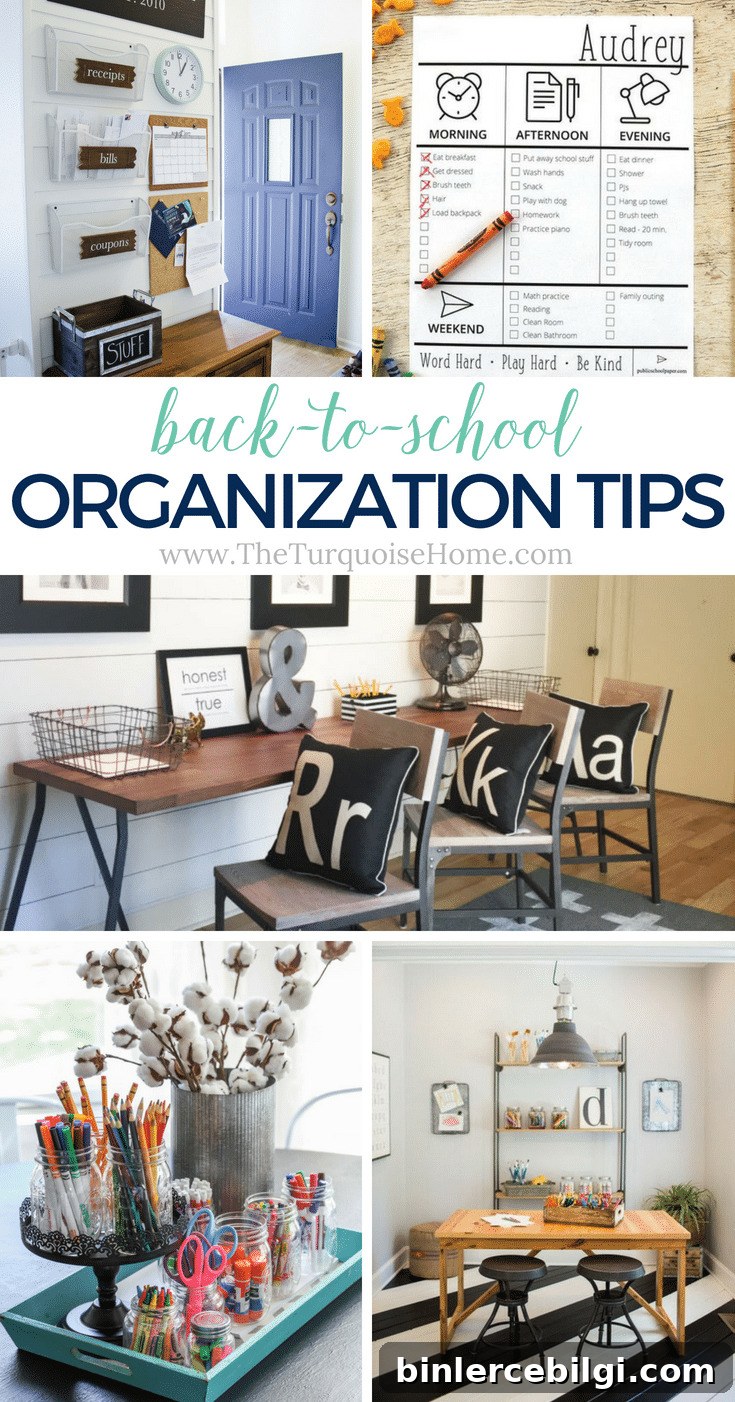
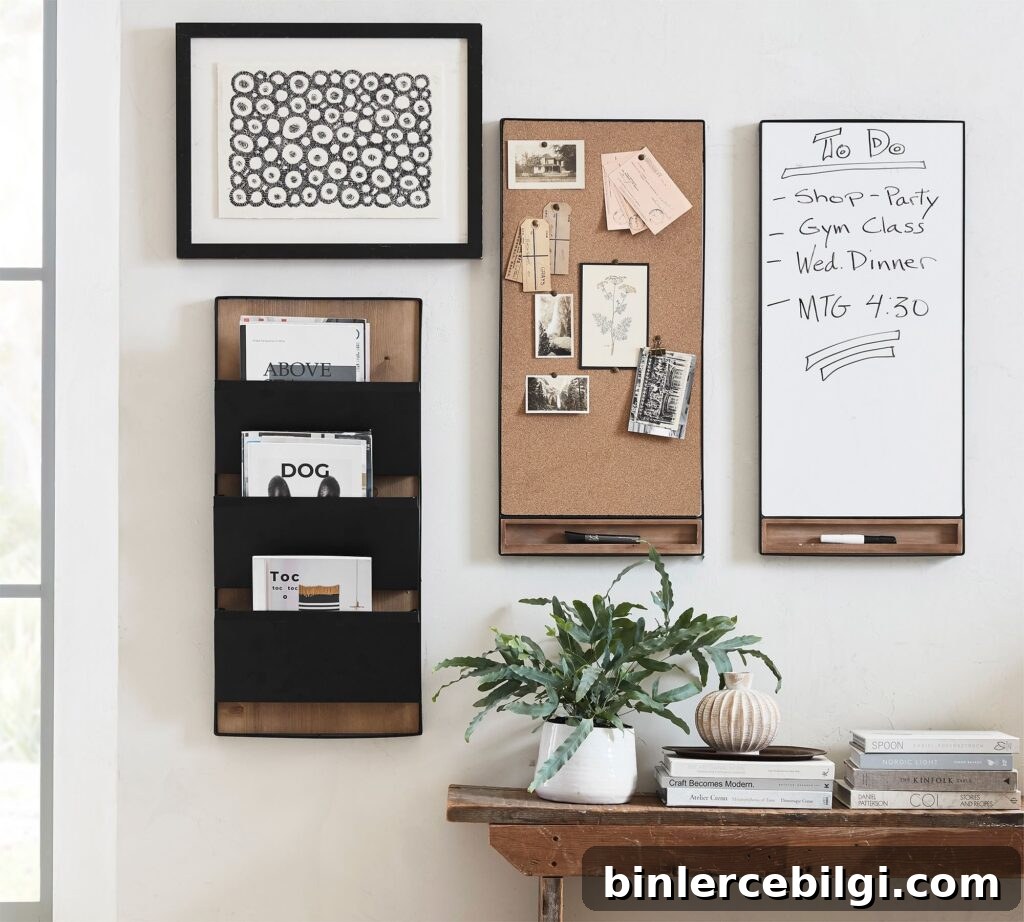
Designate a centralized drop zone near your main entry for calendars, permission slips, incoming mail, and daily essentials. A command center can include a wall calendar, a small bulletin board, labeled cubbies or folders for each family member, hooks for backpacks and activity bags, and a spot for keys and sunglasses. Placing a bench or shoe storage nearby makes putting shoes on faster and tidier.
Tip #3: Create a Getting-Ready Checklist for Kids
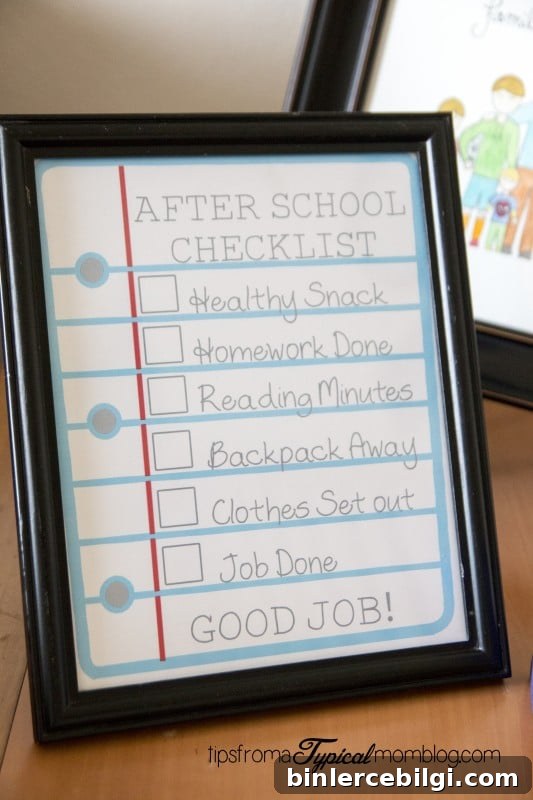
Use checklists and charts so children know exactly what to do before they leave for school or after they arrive home. Placing a printable checklist in a frame or a dry-erase sleeve makes it reusable—kids can check off tasks each day and erase them for tomorrow. Checklists build independence, reduce reminders, and help kids form consistent habits.
Pair checklists with a child-sized alarm clock so older kids can wake themselves and start their routine without a parent having to nag them out of bed.
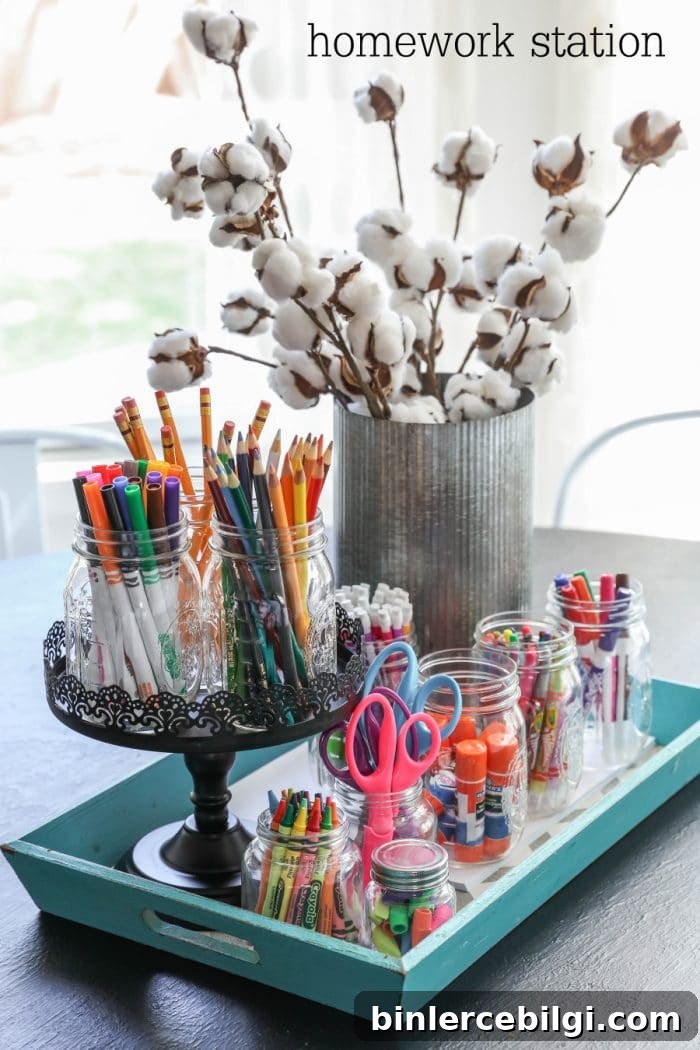
Tip #4: Set Up a Homework Caddy
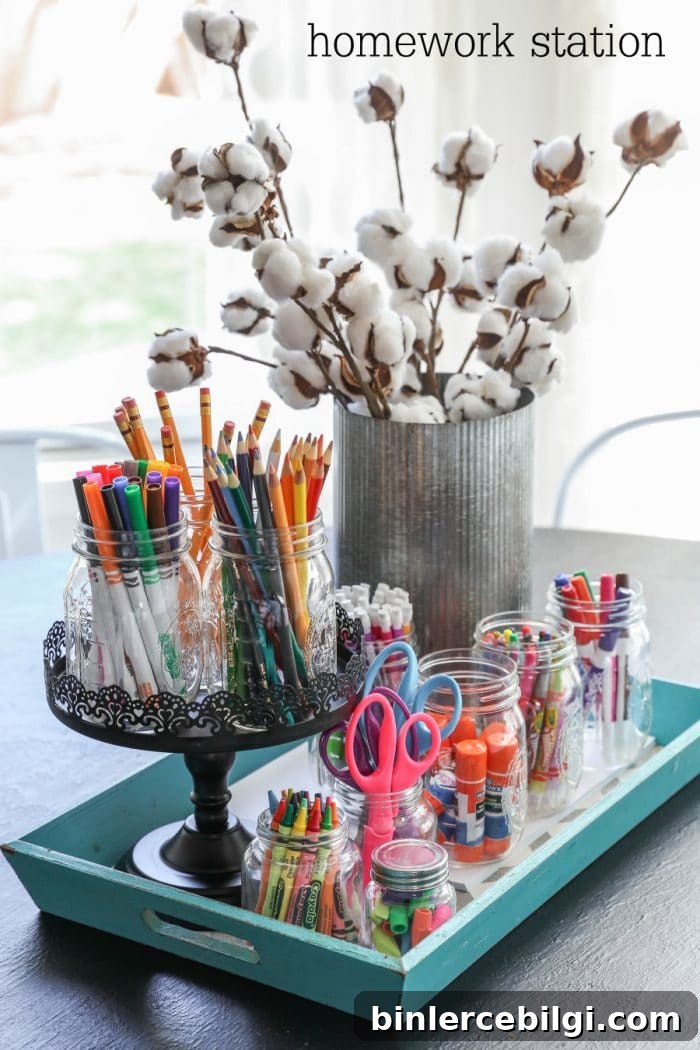
Keep pencils, erasers, a sharpener, ruler, calculator, markers, and scissors in a portable caddy that can be placed on the homework table or carried to any workspace. A well-stocked caddy empowers kids to complete homework independently and keeps supplies from scattering around the house. When the table needs clearing, simply pick up the caddy and put it back in its storage spot.
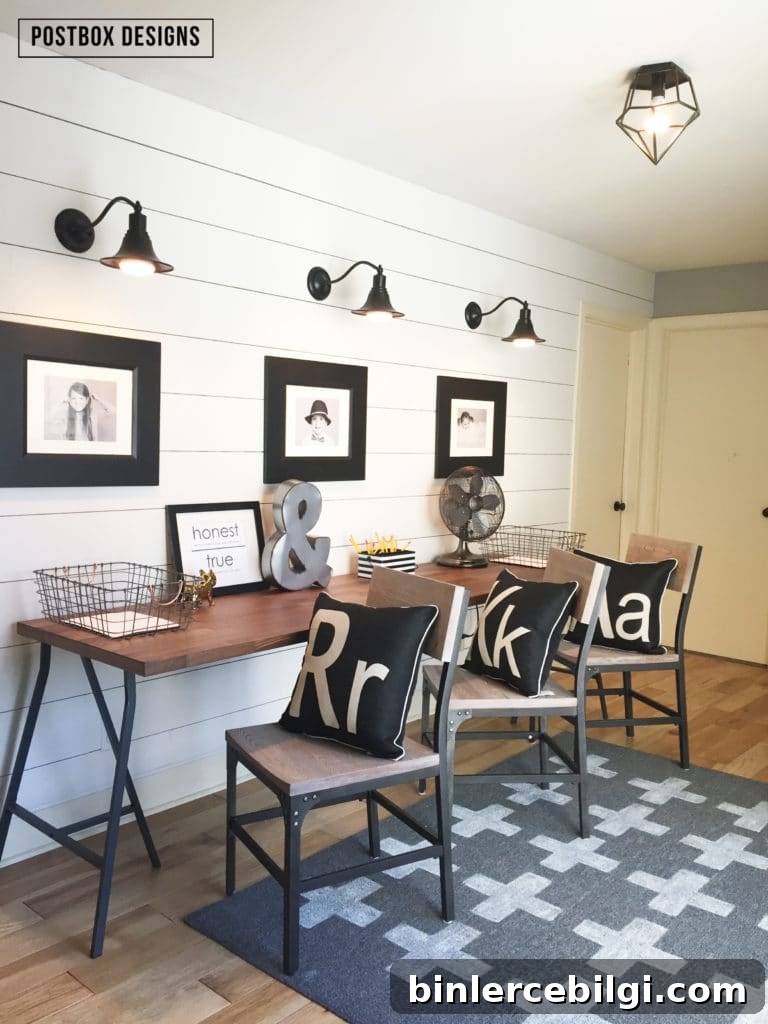
Tip #5: Designate a Distraction-Free Homework Space
Create a consistent, quiet area for homework—this can be a kitchen nook, a small hallway desk, a built-in workspace, or a desk in a bedroom. A dedicated space helps kids switch into “work mode” and keeps schoolwork from spreading across the kitchen table at mealtime. Outfit the area with good lighting, a comfortable chair, and essential supplies.
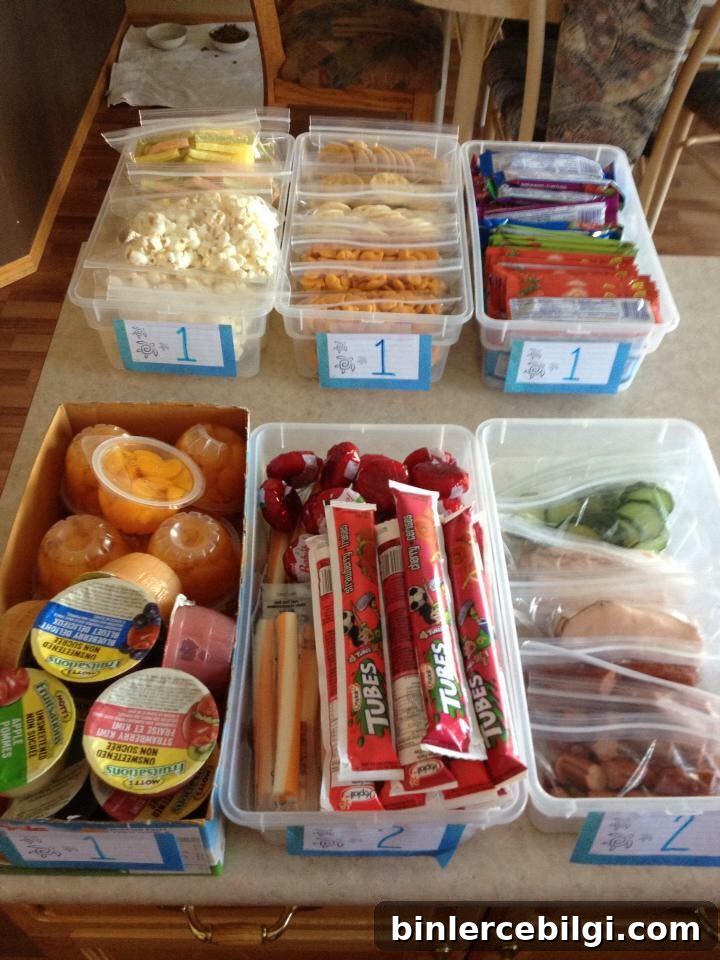
Tip #6: Create a Lunch-Packing Station and Pack the Night Before
Organize a lunch station in the pantry or a lower cabinet where kids can easily reach labeled bins of snacks, fruits, sandwiches, and sides. Packing lunches the night before saves time in the morning and makes sure healthy options are ready to go. Encourage kids to assemble their own lunches when appropriate—this builds responsibility and reduces morning pressure.
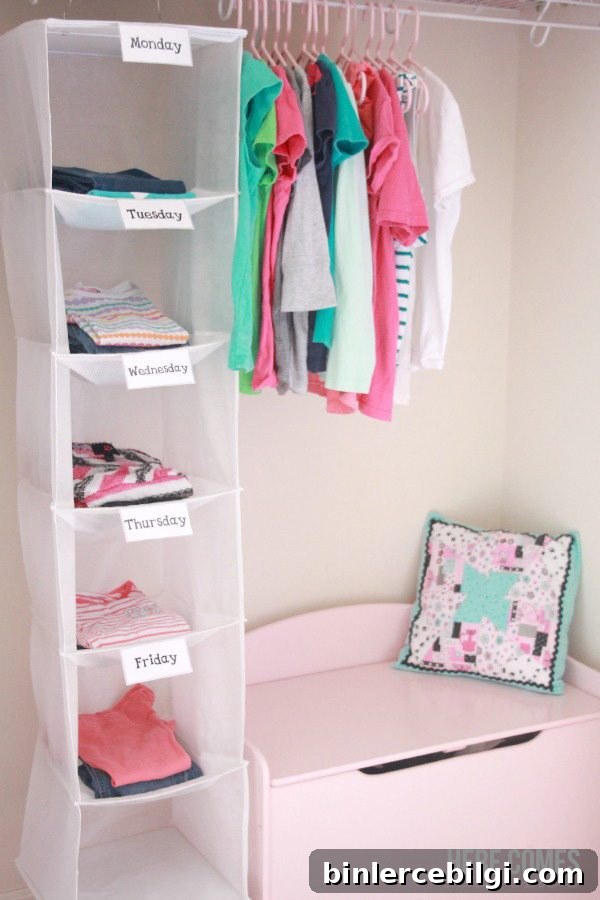
Tip #7: Plan Clothing Ahead of Time
Lay out outfits for the week on Sunday night or at least set out tomorrow’s clothes before bed. For younger kids, use a hanging organizer with daily sections or simple labeled bins. Planning outfits in advance avoids last-minute wardrobe crises—no missing socks, wrinkled shirts, or frantic searches for a matching bow.
Implementing even a few of these systems will make a noticeable difference. Start small—pick one or two strategies to try for a week, then add more as you find what works for your family. Over time, these routines will save time, reduce chaos, and give your mornings and afternoons more calm and control.
Which tip will you try first? Share your favorite back-to-school routine ideas and what’s worked for your family.
More ideas to explore:
- Teacher appreciation and small classroom gifts
- Practical tips for organizing kids’ clothing and closets
- How to create a home organization binder to keep family information in one place
- Strategies for organizing a home with limited storage
- Creative and functional arts & crafts storage solutions