
Thankfully most of us only move a few times in our lives. These packing tips for moving will protect your sanity and help you arrive at your new home far better prepared. If you’ve moved before and weren’t organized, you know it can quickly become chaotic.
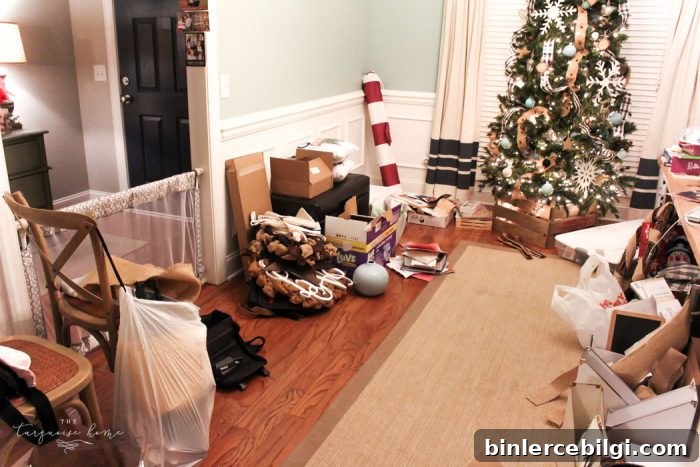
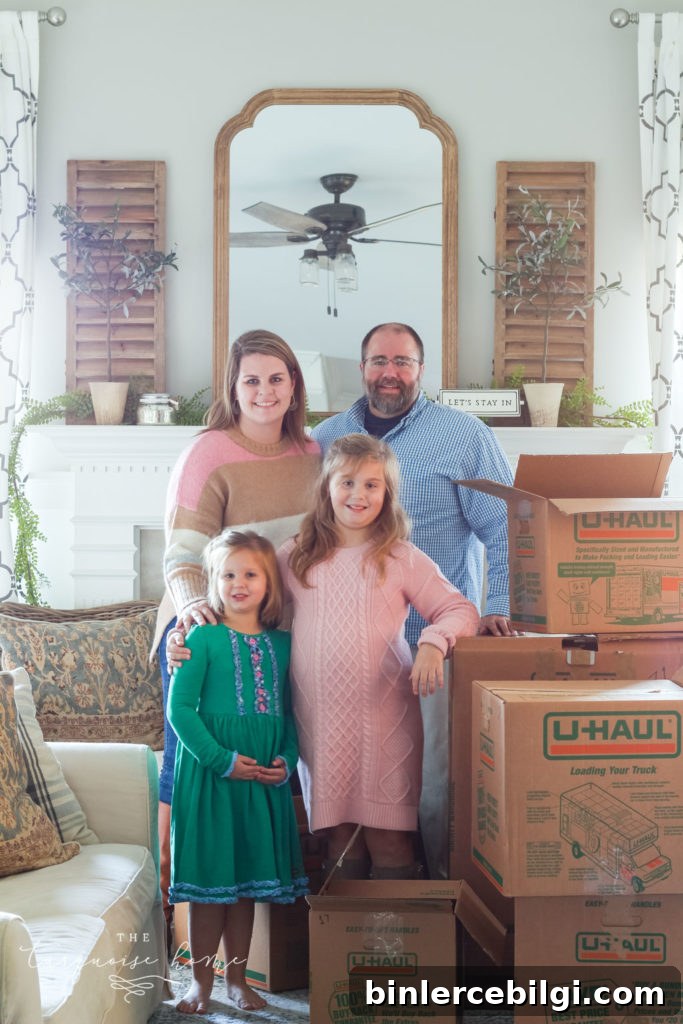
We recently moved and I’ve learned a lot through the process. Moving—especially during the holidays while juggling full-time work, a blog, and two young children—made our schedule hectic. Staying organized made the difference between manageable stress and total chaos.
If you enjoy labeling and assigning every item a place, you’ll love these strategies. They make packing more efficient and dramatically reduce the time you spend searching for things once you arrive.
Helpful Packing Tips for Moving
Below are my tried-and-true packing tips for moving out. Use these to streamline your next move and reduce stress.
1. Get Rid of Clutter
Don’t move items you haven’t used in the last year. Moving is a perfect opportunity for a fresh start—whether you’re moving across town or across the state. Go through drawers, closets, and cabinets while you pack. Broken or unused items should be tossed; gently used items can be donated.
If you have items worth selling, try local marketplaces or a yard sale. You may be surprised how much you can recoup from clothes, toys, or household goods. If selling isn’t worth the time, donate—many shelters and thrift stores will gladly accept gently used items. Removing clutter saves space on the truck and reduces moving time and cost.
2. Work in Short Spurts
Packing an entire house can feel overwhelming. You don’t need to do it all in one marathon session. Break tasks into manageable chunks and build a schedule—by room and by time. If you only have an hour or two each day, use it productively. Short, focused sessions often accomplish more than sporadic attempts spread over long periods.
3. Pack One Room at a Time
Contain the chaos by finishing one room before moving on. Jumping from room to room wastes energy and makes it harder to track what’s packed. Completing a room gives a satisfying sense of progress and keeps things organized.
4. Use High-Quality Boxes
Invest in sturdy moving boxes. Grocery boxes or mismatched used boxes may seem free, but they can collapse or allow damage and dirt to affect your belongings. Moving supply companies sell a range of box sizes, all designed to be stackable and labeled. Good boxes reduce breakage and can be reused for future moves.
If buying new boxes is not in the budget, ask friends or check local community marketplaces for gently used moving boxes. Quality boxes are worth saving and using again.
5. Use a Clear Labeling System
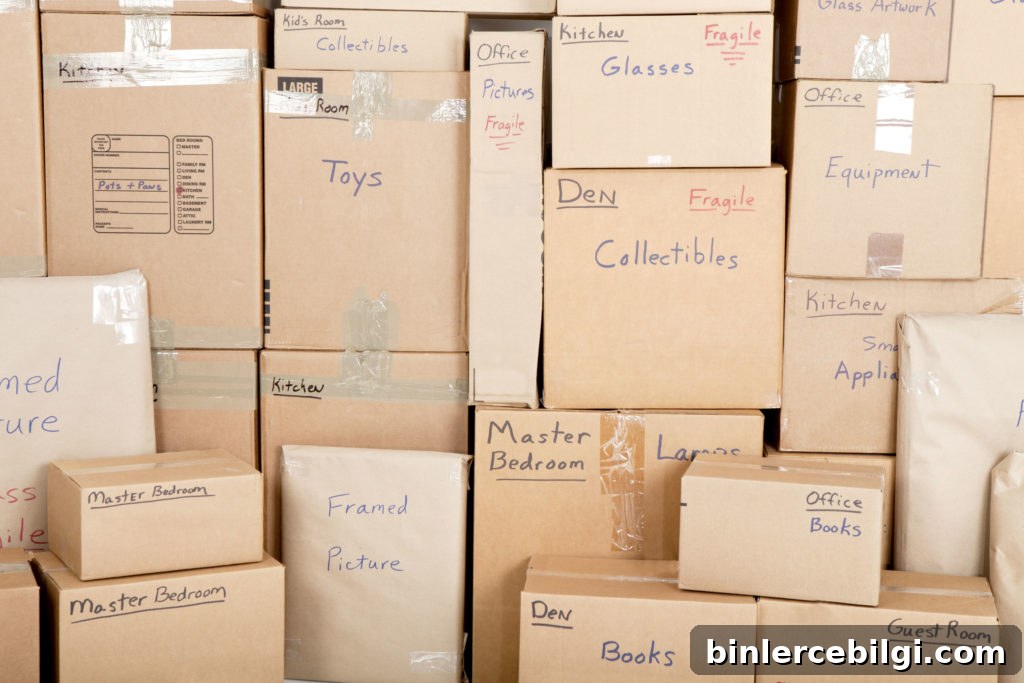
Labeling is the single best habit to adopt for an organized move. Color-code boxes by room and write a short list of the box contents on the outside. Use colored stickers, a label maker, or printable labels—whatever works for you—so movers know exactly where each box belongs.
Include specifics on the box (for example: “kitchen — baking pans & measuring cups”) so you can find essential items quickly after arrival. This small step saves countless minutes and headaches.
6. Bag and Label Hardware
When disassembling furniture, immediately place all screws, bolts, and small parts in a sealed bag. Label the bag with the furniture name and tape it to one of the larger pieces. If you have assembly instructions, include them in the bag. Never mix hardware from different items—keep everything clearly separated to make reassembly painless.
7. Wrap Fragile Items Carefully
Wrap each fragile item individually using bubble wrap, packing paper, corrugated cardboard, or clean newspaper. Fill any voids in the box so items can’t shift during transit. Use sturdy boxes and mark them as fragile so they are handled appropriately.
8. Keep an Essentials Box Out
Pack a clearly labeled essentials box or tote that you’ll keep with you during the move. This should include daily necessities for the family and the first 24–48 hours in the new home. Suggested items:
- Toilet paper
- Toothbrushes and basic toiletries
- Prescription medicine and a first-aid kit
- Paper towels and garbage bags
- Box cutter for opening boxes
- Favorite toys, books, and tablets/chargers for kids
- A cup or mug for each family member
- Laundry soap and dish soap
- Clothes for a few days
- Coffee maker or coffee supplies if you need caffeine right away
Keep this box accessible in your car or with you at the front of the moving truck so it’s easy to grab when you arrive.
9. Arrange Childcare for Moving Day
Moving day requires full attention, so arrange childcare ahead of time. Whether you rely on family, friends, or a hired caregiver, having someone watch the kids removes distractions and safety concerns. Young children can accidentally get underfoot or be frightened by heavy activity, so limiting their presence during loading and unloading is a big help.
These moving tips may feel like extra work at first, but they will keep your move organized and help you declutter before you settle into your new home. With a solid plan, good supplies, and a bit of foresight, your move will go much more smoothly.
MORE POSTS YOU WILL LOVE:
- January Reset Home Ideas: 25 Simple Tasks You Can Do After Christmas
- Daily Simplified Planner Review & Favorite Planner Hack
- How to Organize Christmas Decorations
- How to Organize a House With No Storage
- Under the Bathroom Sink Storage Ideas
- How to Organize a Linen Closet
- How to Declutter an Entire Room in 5 Simple Steps
- Bedside Cord Organization Ideas
- Maximizing Closet Space with IKEA Pax Closet System