
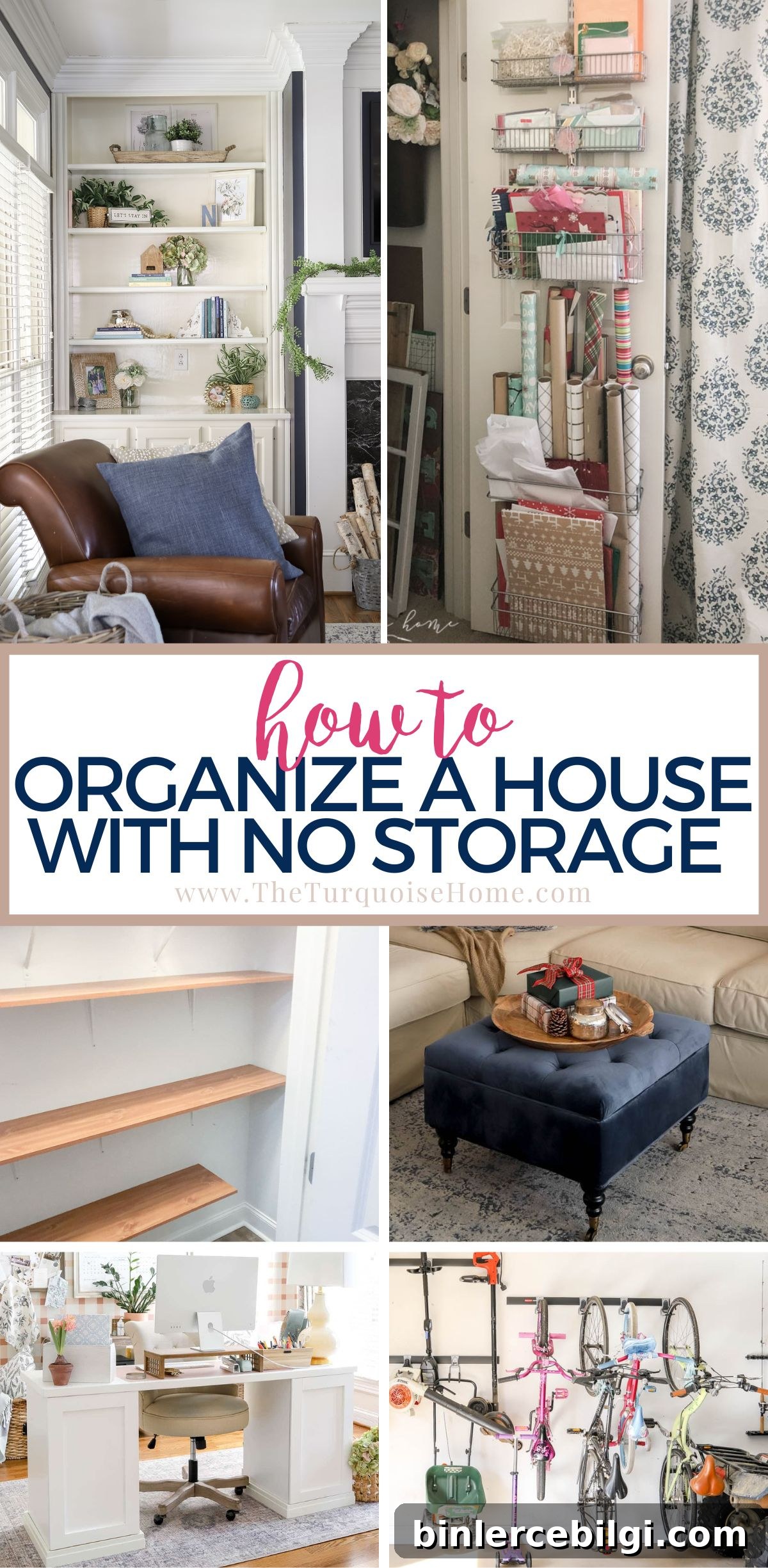
Does your home feel like it’s overflowing even though you don’t have room to add closets or cabinets? You’re not alone. Organizing a small house with little or no built-in storage can feel overwhelming, but with a few creative solutions you can reclaim space and calm the chaos.
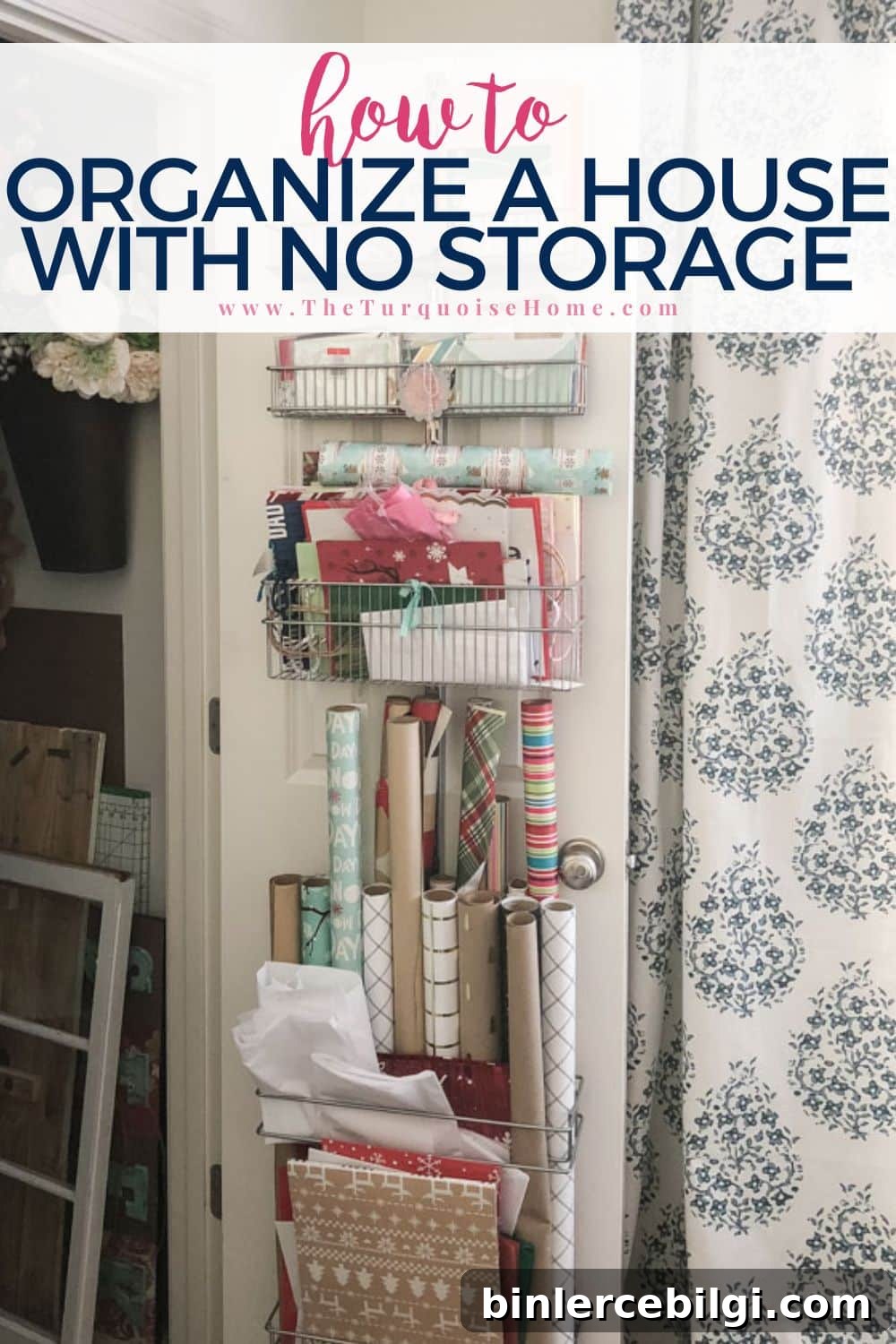
Having too much stuff isn’t always the only problem. While a thoughtful declutter helps, it won’t solve a lack of storage in an older house or a small floor plan. Instead, smart organizing solutions—ones that add function without taking up valuable floor space—make the biggest difference. I learned this firsthand in a previous home that had virtually no closets; creativity and a few well-chosen pieces turned it into a calm, organized space.
Below are seven practical, room-by-room strategies that worked for me and can be adapted to most homes. They focus on maximizing vertical space, repurposing furniture, and hiding clutter so every room feels tidy and welcoming.
7 Great Solutions for Small Space Organization
These ideas cover living areas, offices, closets, garages, and pantries. Use them as inspiration and tailor each approach to the dimensions and needs of your home.
1. Storage ottomans and tables
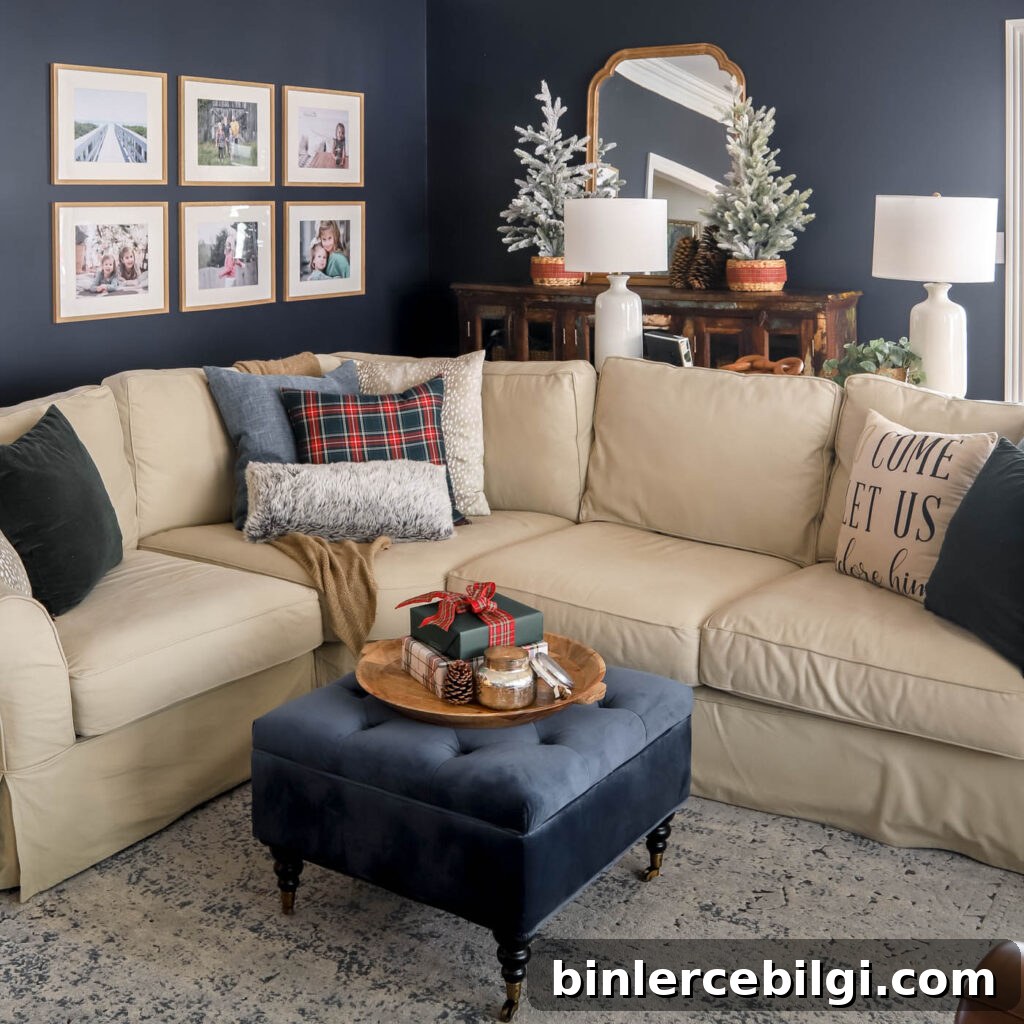
The living room sees the most daily use, so it’s a natural place for clutter to gather. Replacing a traditional coffee table with a storage ottoman gives you a comfortable surface and concealed space for blankets, toys, magazines, and board games. For a sleeker look, consider a lift-top coffee table with hidden compartments—perfect for remotes, chargers, and smaller items. When choosing one, match size and style to your room and decide what you’ll store so it truly improves function.
2. Built-in bookshelves
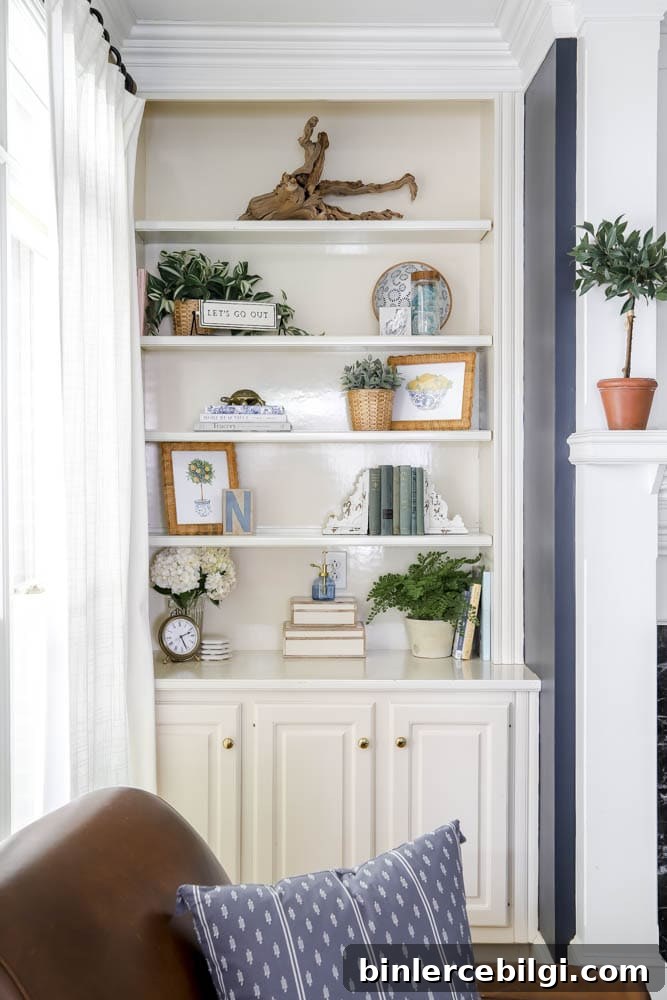
Built-ins add vertical storage and architectural interest while keeping surfaces clear. They can flank a fireplace or fit into a small alcove and are invaluable in living rooms, offices, and dining areas. Mix open shelving for display with closed cabinets or baskets to hide clutter. Thinking about the items you plan to store—books, baskets of toys, office supplies or seasonal serving pieces—helps you design shelves that are both beautiful and practical.
3. Desk with built-in filing cabinets
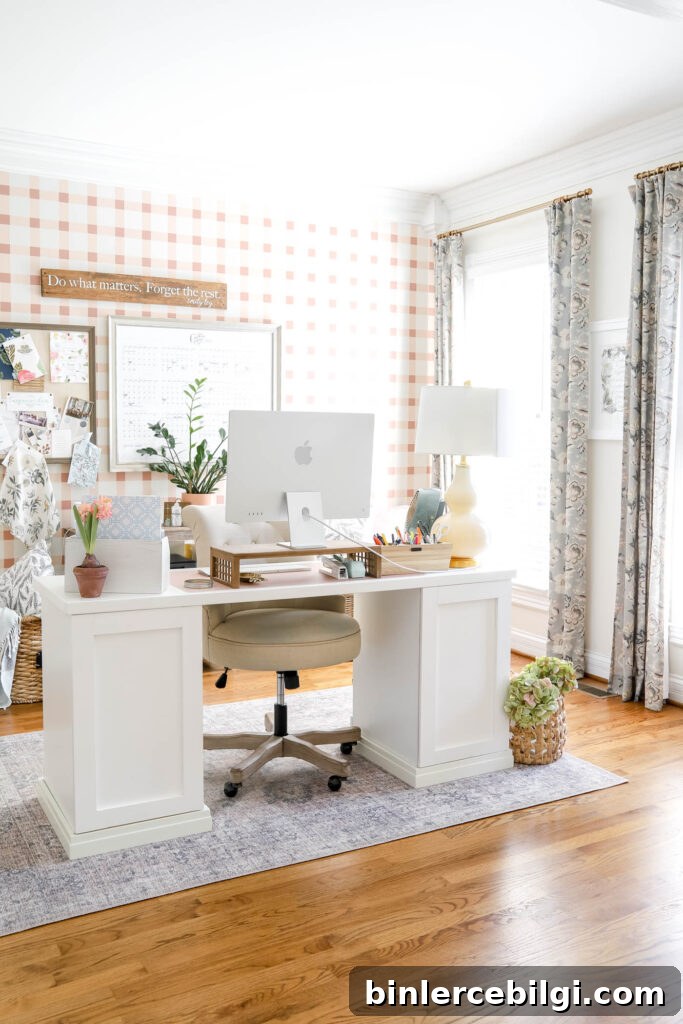
In a home office, a desk with integrated drawers or filing cabinets creates hidden storage without adding bulk. This keeps important documents and supplies close at hand while maintaining a clean desktop. If you prefer a minimalist look, even slim drawers beneath the desk can make a big difference. Prioritize pieces that fit your workflow so storage supports productivity rather than getting in the way.
4. Vertical rack systems, clips and hooks
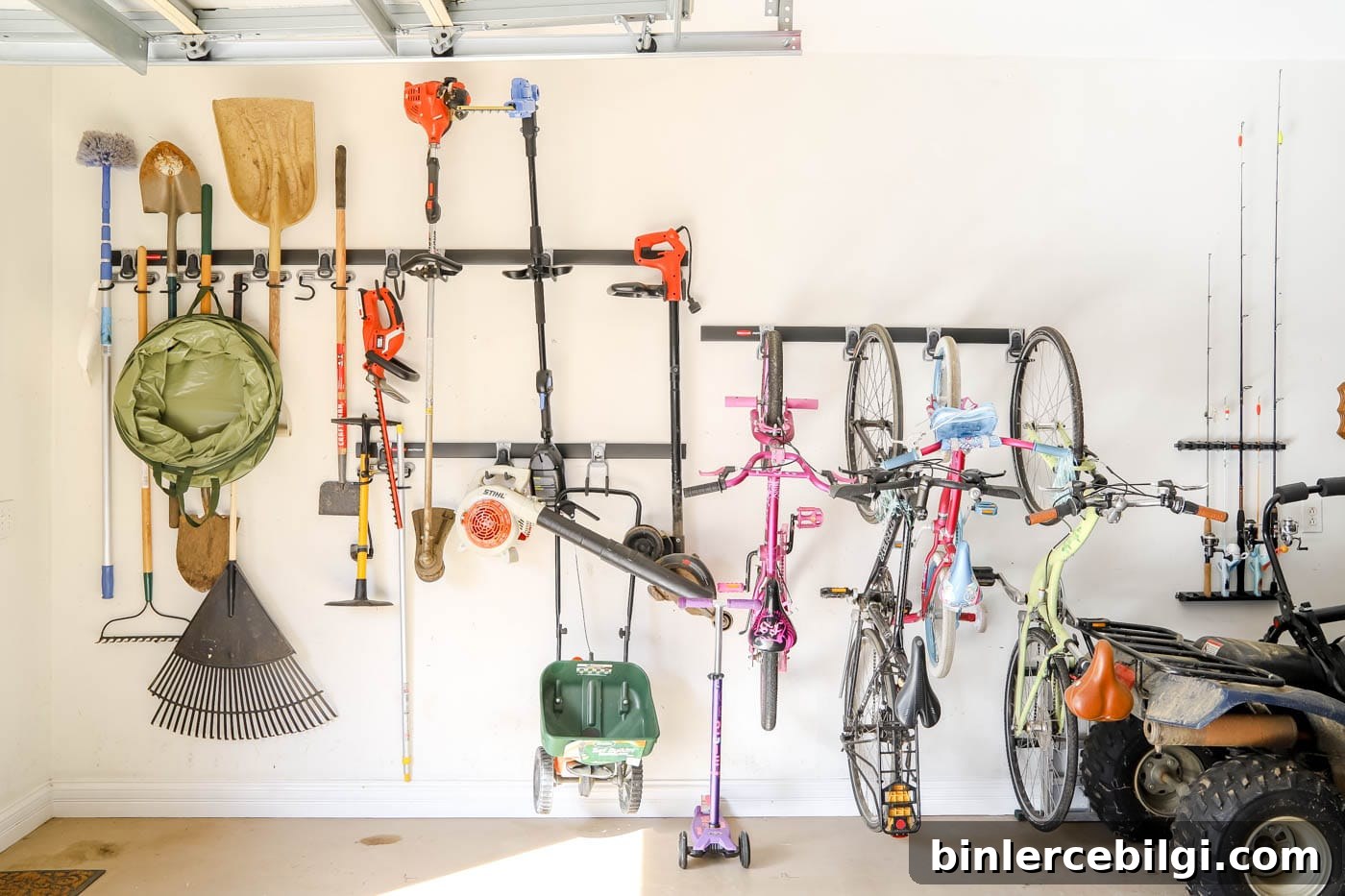
When floor space is limited, go vertical. Wall-mounted racks, pegboards, and ceiling-mounted systems help organize tools, bikes, extension cords, and other bulky items out of the way. For garages and utility areas, sketch the items you need to store and plan a layout of hooks, racks, and shelves to keep everything accessible. Even inside the house, small clip racks or pegboards can clear up cramped closets and craft corners.
5. Dressers as console tables
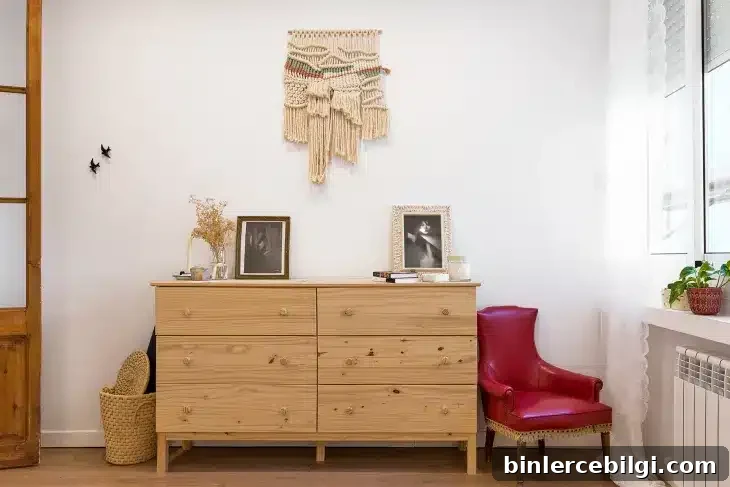
Repurposing a dresser as a TV console or entry table instantly adds drawer storage to living rooms and hallways. It’s a budget-friendly way to hide games, linens, office supplies, or seasonal items while adding character to a room. Look for pieces at secondhand stores or refresh an existing dresser with paint and new hardware for a customized solution.
6. Closet shelving
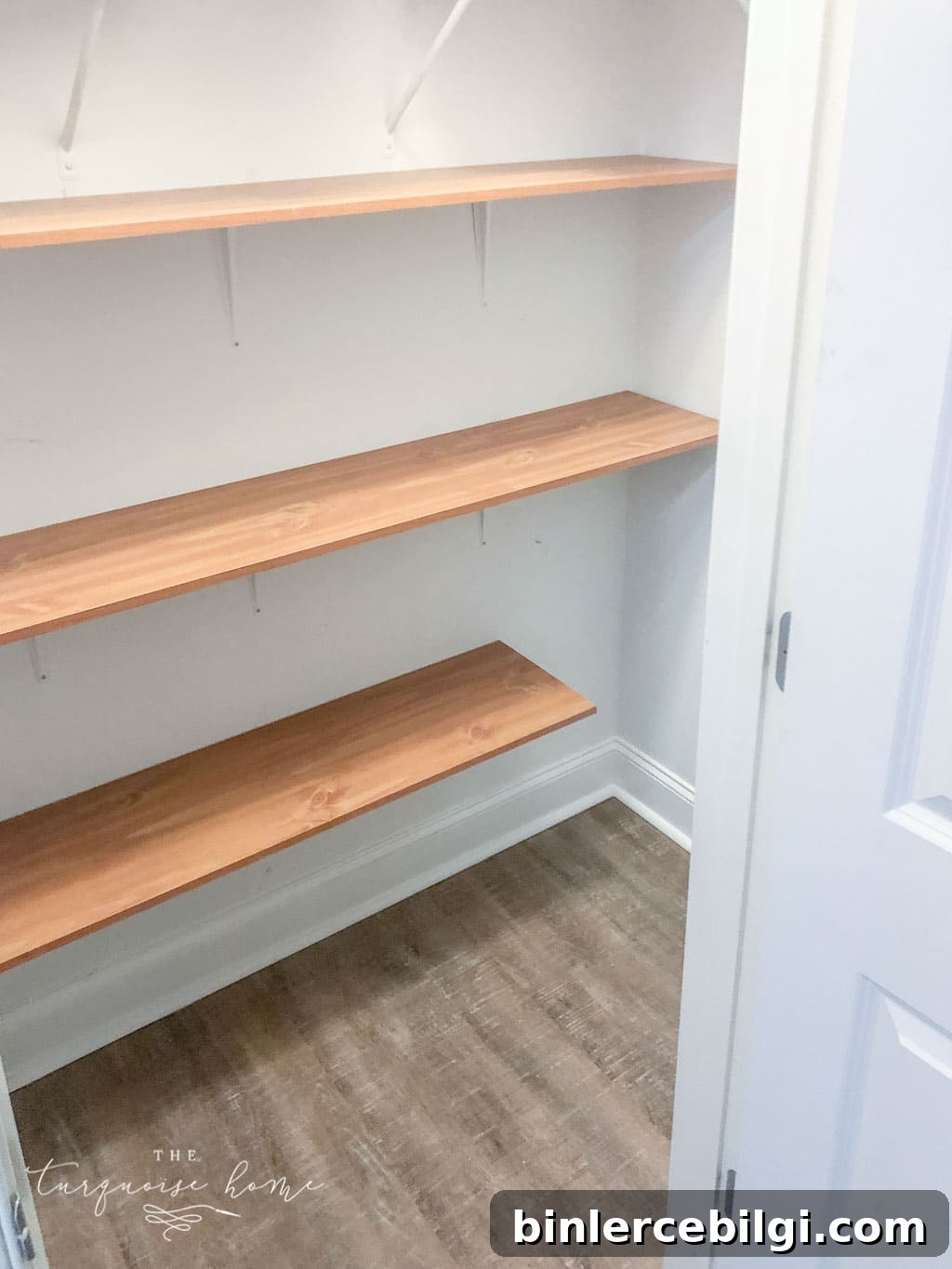
Shelving transforms unused closet space into functional storage. A narrow coat closet can become a pantry with simple, adjustable shelves, improving food organization and meal prep. Measure the space, plan shelves that accommodate tall and short items, and add door-mounted racks or baskets for extra capacity. Labeling bins and shelves helps everyone find and return items to the right place.
7. Over-the-door storage
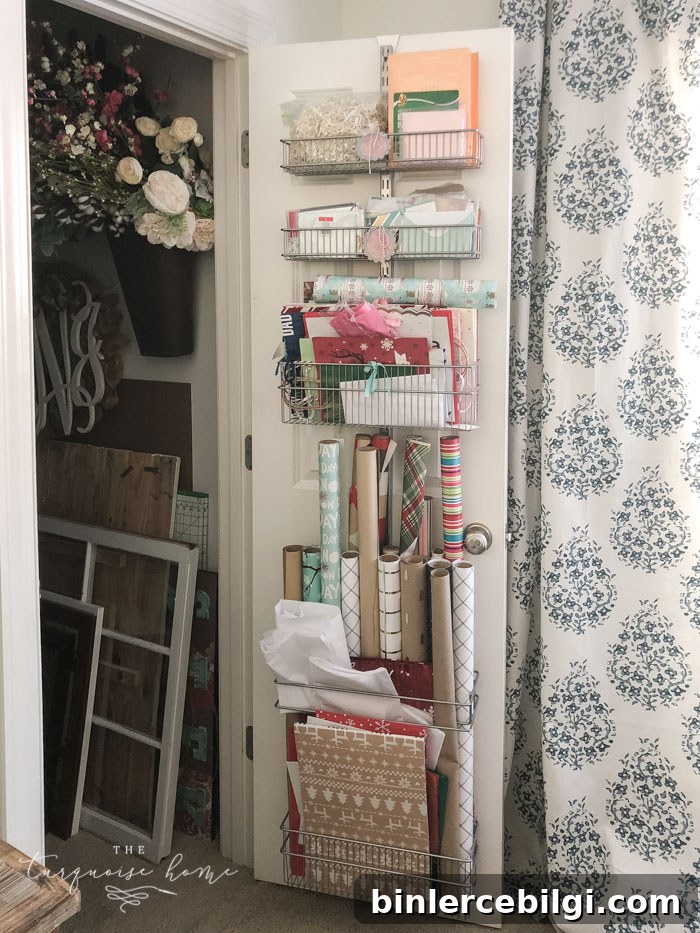
Over-the-door organizers are an easy, low-cost way to use often-forgotten space. They work well for gift wrap, shoes, accessories, toiletries, and pantry items. Install one in a bathroom, bedroom, or pantry to free up shelves and counters—small changes that add up to a more orderly home.
Small Space Organization Solutions for Your Home
All of these solutions share one principle: use space imaginatively and prioritize what you really need. Built-ins and tall storage pieces make the most of vertical space; repurposed furniture adds hidden capacity; and hooks, racks, and over-the-door organizers reclaim overlooked areas. Combine a few strategies to create a cohesive, functional home where everything has a place.
An organized home not only looks better but reduces stress and makes daily routines smoother. Start small—tackle one area, add a storage piece that fits the need, and build from there. If you try any of these ideas or create your own clever fixes, I’d love to hear about your results and what worked for your space.
More posts you will love:
- How to Organize a Linen Closet
- The 10 Easiest Family Command Centers to Get Organized
- How to Declutter Your Home in 5 Simple Steps
- DIY Industrial Jewelry Organizer
- An Organized House Cleaning Schedule