
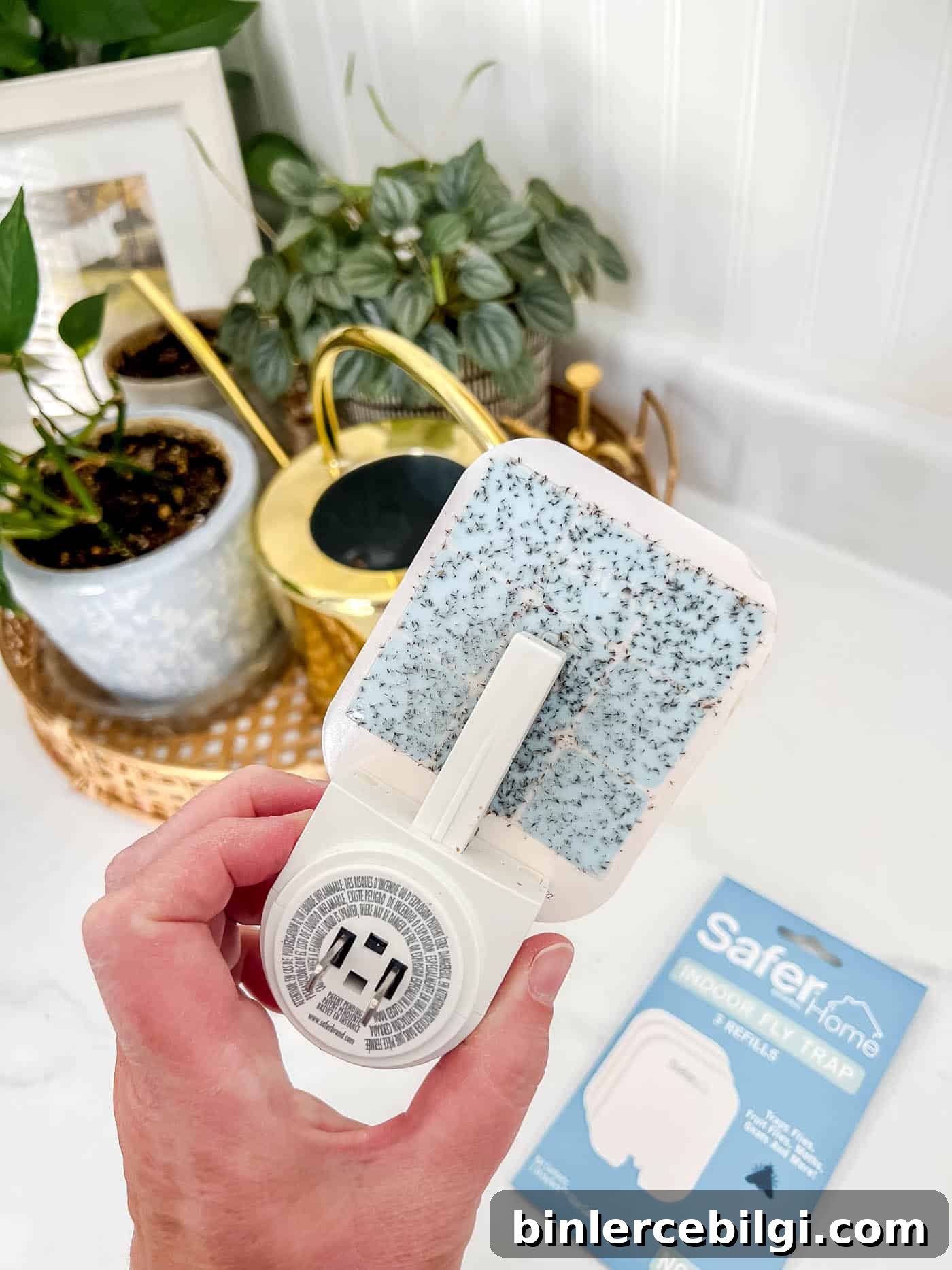
It’s time to address a question every houseplant enthusiast will face sooner or later: why are my indoor plants attracting fungus gnats? Pour a cup of tea and let’s dig into what attracts these pests and how to get rid of fungus gnats in houseplants for good.

A few years ago I finally embraced the houseplant life. I loved how greenery transformed rooms and slowly filled my home with easy-care plants like a ZZ plant, snake plant and pothos. As my collection grew, so did my experience with pests—especially fungus gnats. Over time I learned how to spot infestations early and which treatments actually work. Below I’ve compiled practical, effective methods to remove gnats and prevent them from returning.
How can I tell if my plants have fungus gnats?
Look for tiny, mosquito-like flies hovering around your pots, especially when you disturb the soil. You may find small white or translucent larvae in the top inch of potting mix. Plants suffering from larvae feeding on roots and organic matter can show signs of stress: slowed growth, yellowing leaves, wilting, or general decline despite normal care. If you notice these signs, a gnat infestation is a likely cause.
Don’t be embarrassed—fungus gnats are common, and even careful plant owners can get them. The good news is they’re manageable with consistent steps.
Why are my indoor plants attracting gnats?
Fungus gnats are native to outdoor environments where they breed in moist, organic-rich soil and decaying plant matter. Indoor pots that stay consistently damp are an inviting breeding ground. The combination of moist potting mix, organic material, and stable indoor temperatures creates ideal conditions for females to lay eggs. In short: gnats are drawn to wet soil.
What is the fastest way to get rid of gnats in plants?
Adult gnats are mostly a nuisance, but larvae do the real damage by feeding on roots and soil nutrients. Fast results come from combining methods that target adults and larvae. Use traps to reduce the flying adults while treating soil directly to kill larvae and interrupt the life cycle. Below are several effective strategies you can use together for faster control.
10 Ways to Get Rid of Gnats in Houseplants
Here are practical, tested approaches—from simple traps to soil treatments and prevention tips. Combining two or three methods usually gives the best results.
1. Plug-in gnat traps
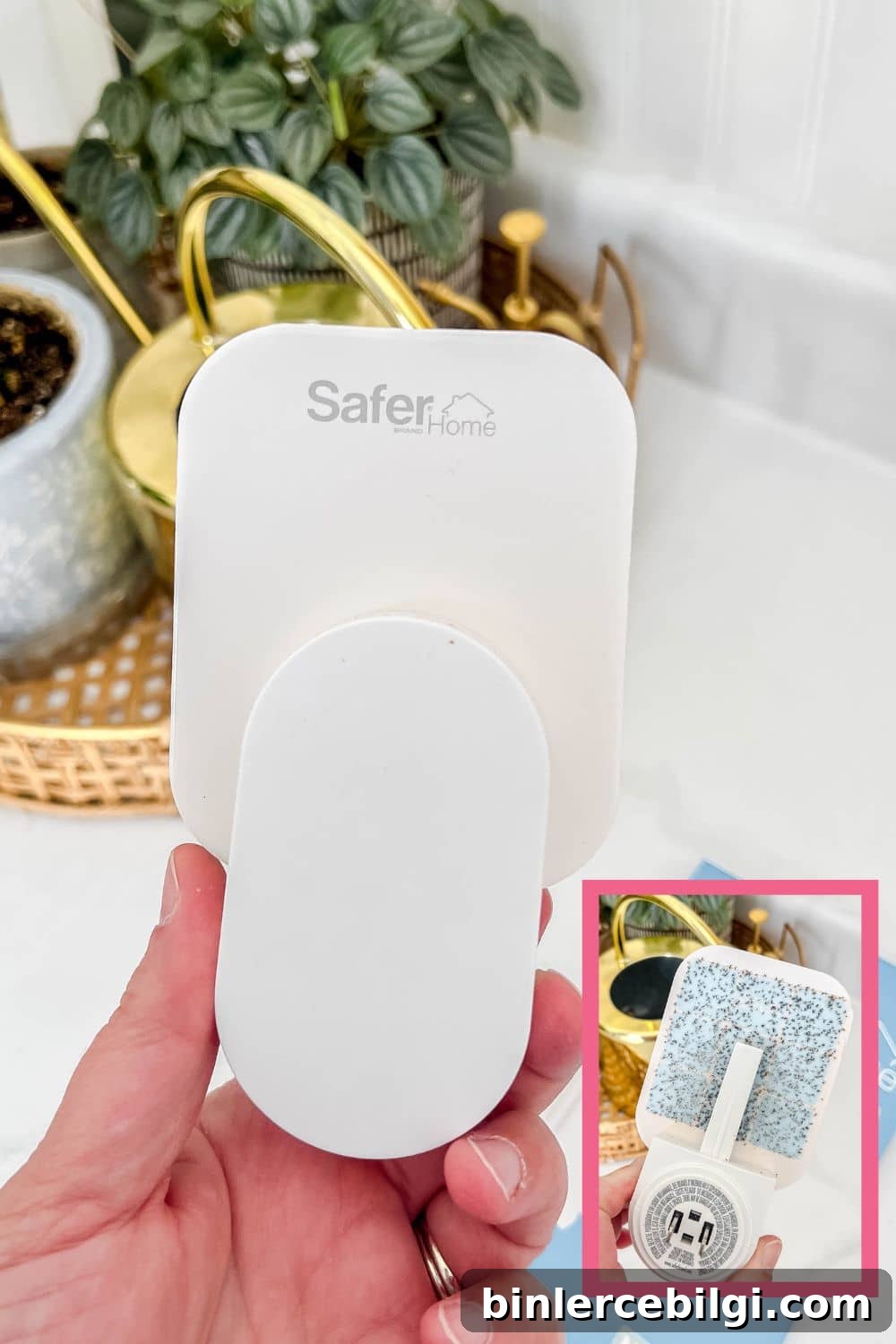
Plug-in electric traps attract and capture flying insects in the room. They won’t treat larvae in the soil, but they reduce the adult population quickly, which lowers egg-laying and shortens the infestation period.
2. Neem oil spray
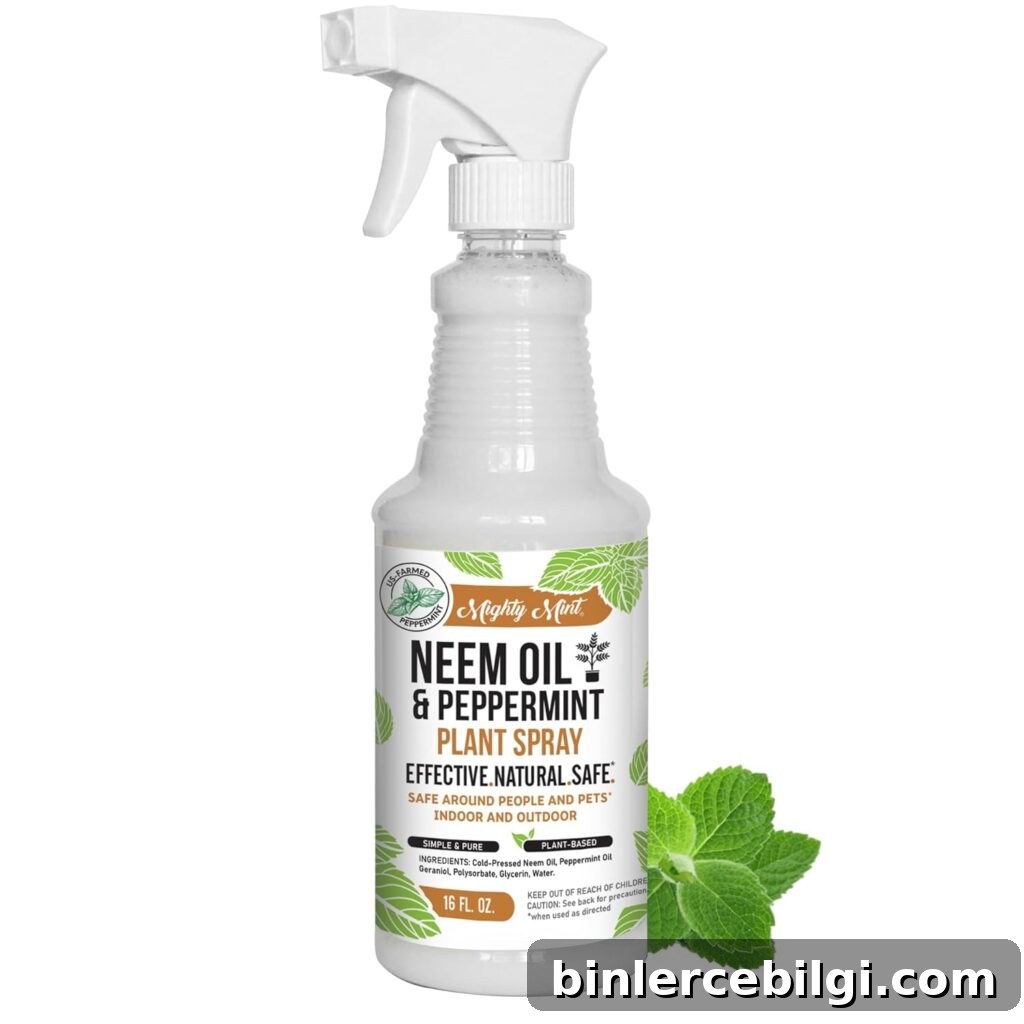
Neem oil is a natural insecticide that can deter pests and reduce egg-laying. Use a diluted spray on foliage and lightly on the soil surface according to product instructions. Repeat treatments as needed.
3. Biological larvicides (BTI)
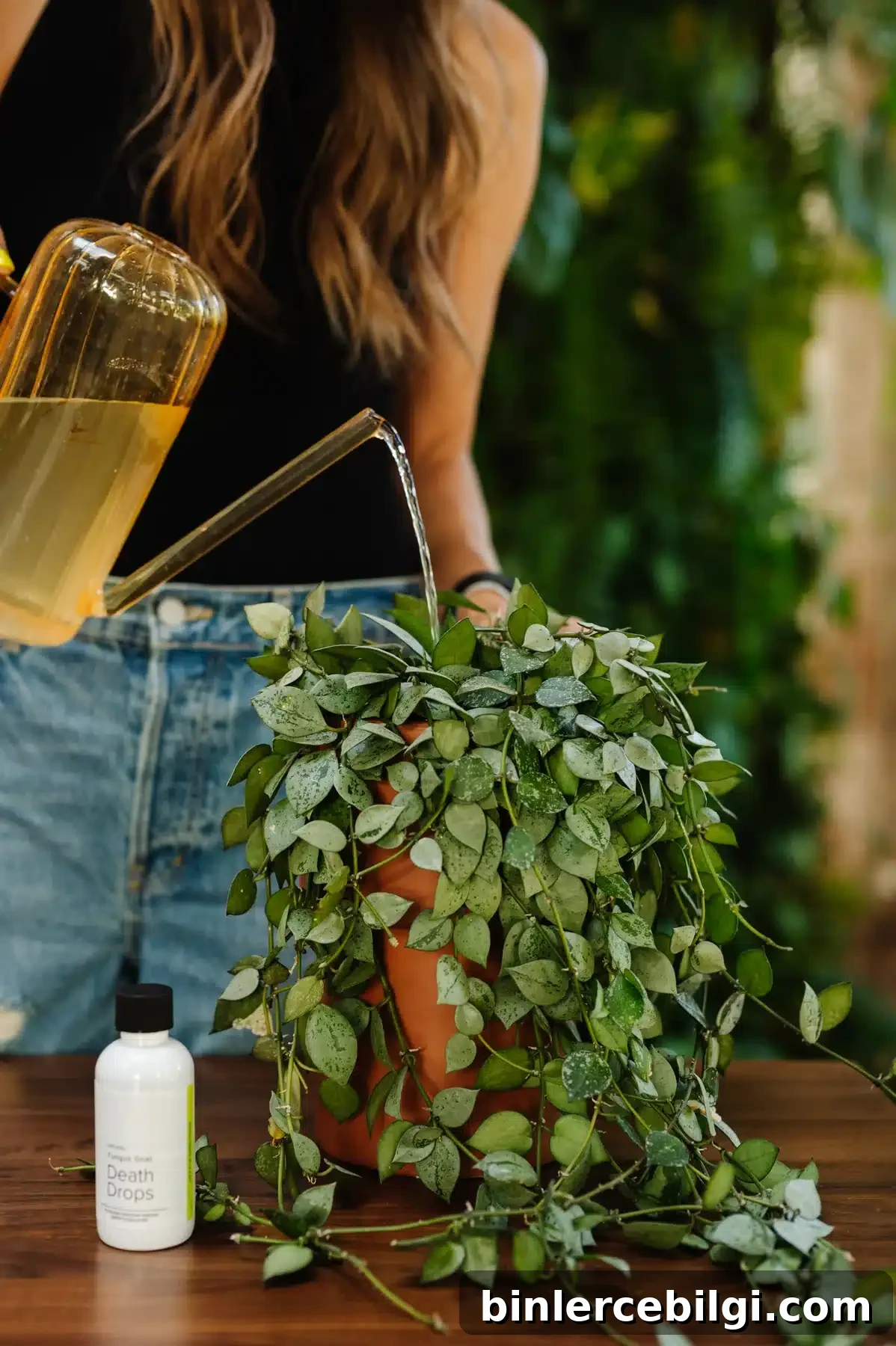
Products based on Bacillus thuringiensis israelensis (BTI) are proven to kill gnat larvae when applied as a soil drench. Follow dilution and application directions carefully; these treatments kill larvae without long-term harm to plants.
4. Yellow sticky traps
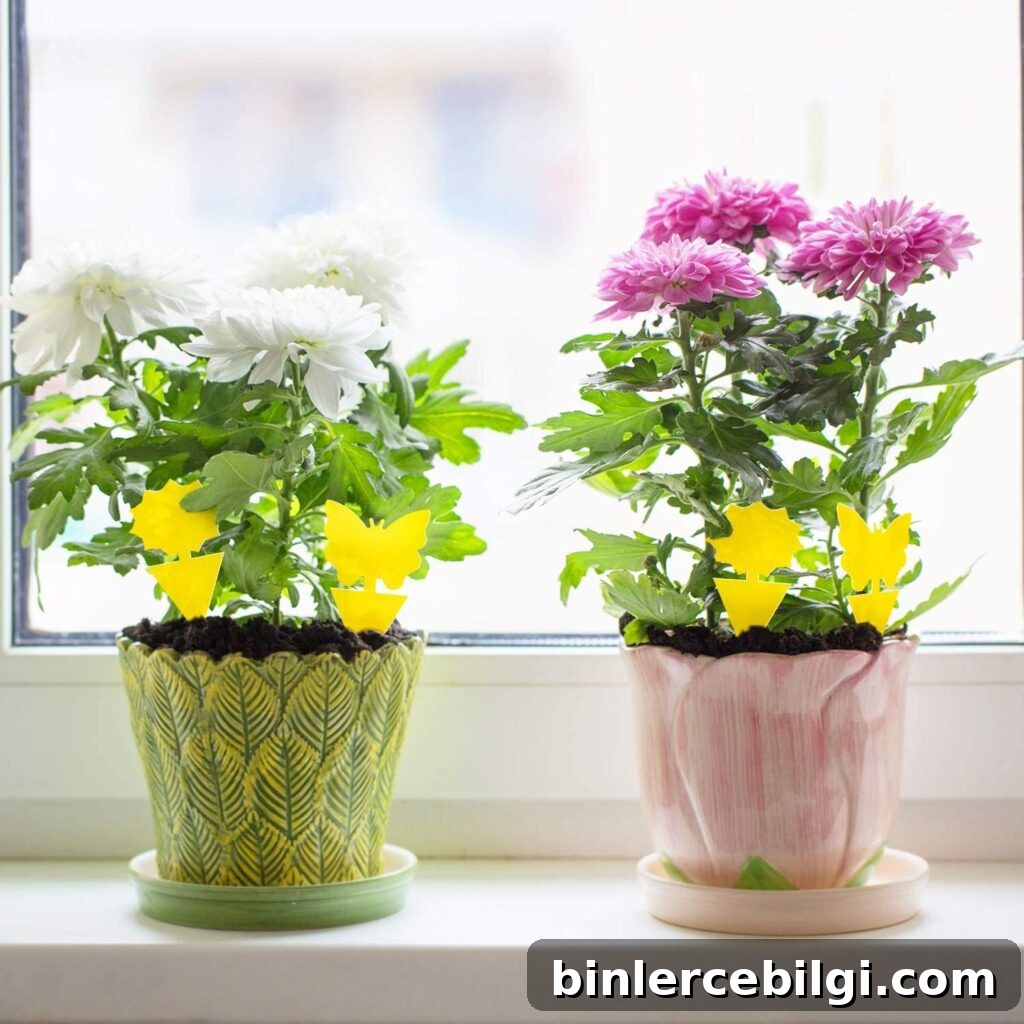
Place sticky cards near pots to trap flying adults. This reduces breeding adults and helps you track infestation levels.
5. Diatomaceous earth (DE)
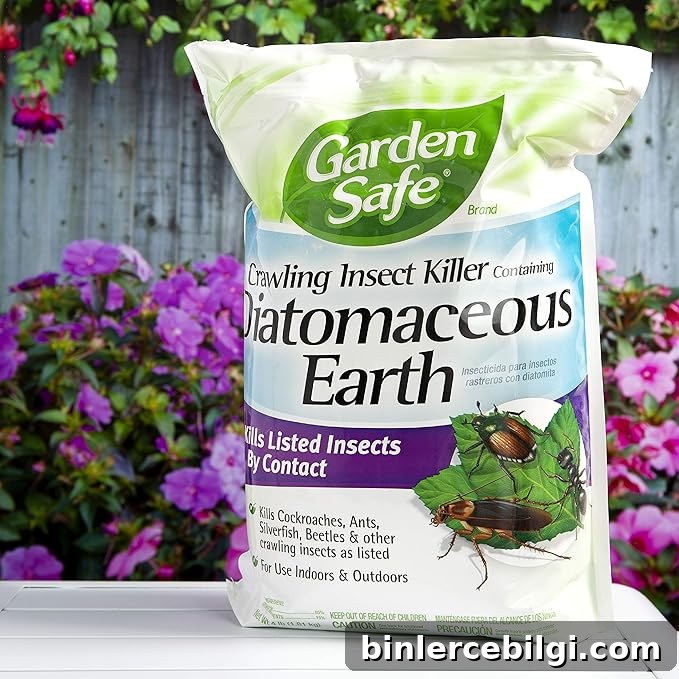
Sprinkle a thin layer of food-grade DE on the soil surface. It dehydrates soft-bodied larvae and can reduce populations. Wear a mask while applying to avoid inhaling dust.
6. Apple cider vinegar and dish soap trap

Mix apple cider vinegar with a few drops of dish soap in a shallow dish. The scent attracts adults and the soap causes them to drown. Replace the solution every few days for best results.
7. Hydrogen peroxide soil drench
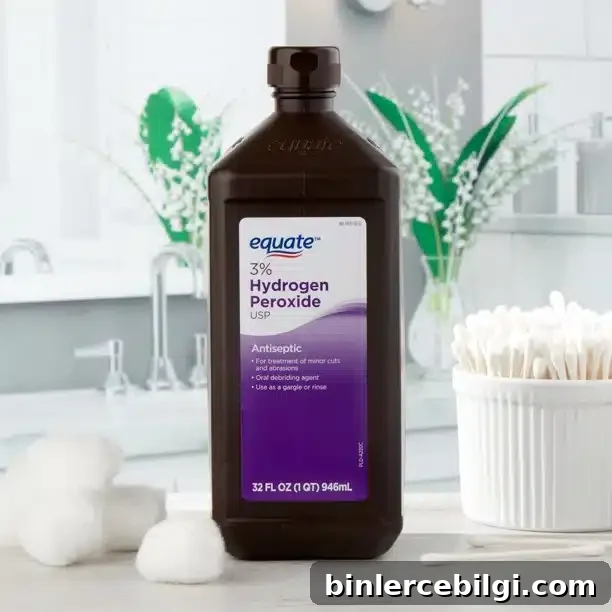
Mix one part 3% hydrogen peroxide with four parts water and water the soil with this solution. It kills larvae and oxygenates the soil. Allow the soil to dry between treatments and use only as needed.
8. Potato slice traps
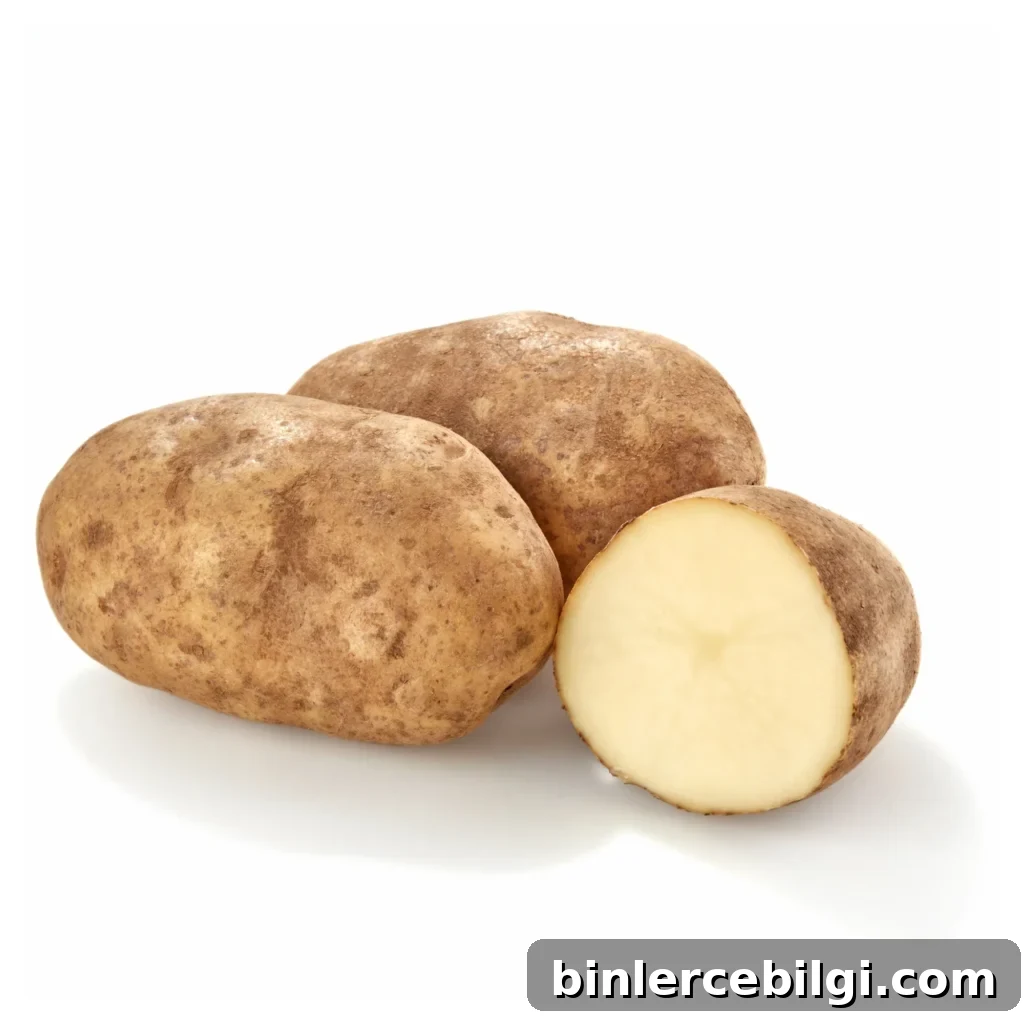
Lay raw potato slices on the soil surface to attract larvae away from roots. Replace slices every couple of days until infestations drop.
9. Add a sandy soil cover
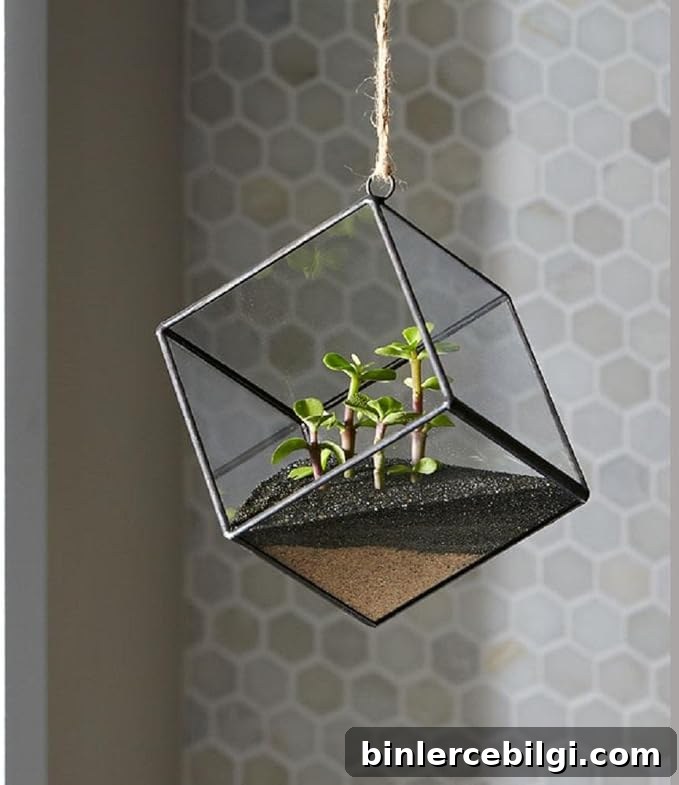
A thin layer of coarse sand or decorative grit on the soil surface dries faster and reduces the moist top layer that attracts gnats. This is especially useful when repotting or for new plants.
10. Avoid overwatering
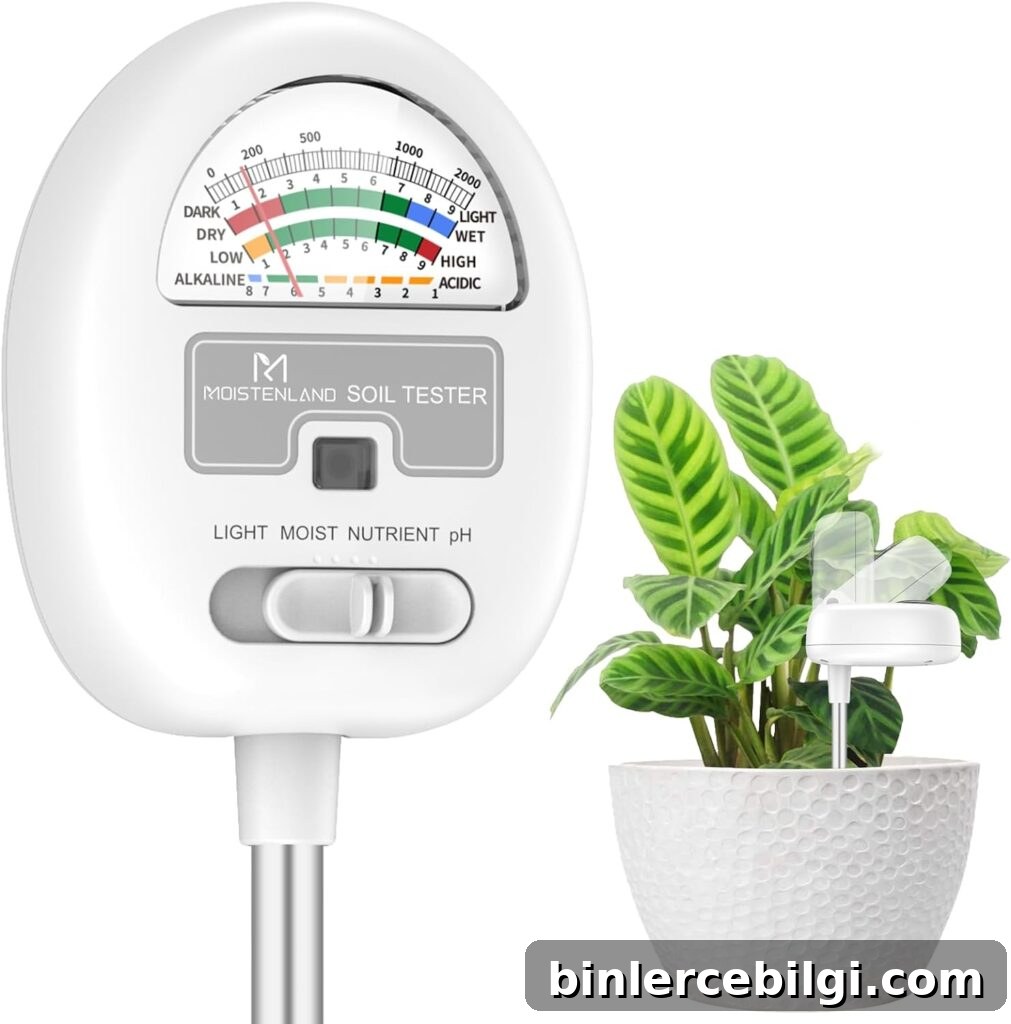
Because gnats love moist soil, the simplest prevention is to let the top inch or two of potting mix dry before watering again. Use a moisture meter or stick your finger into the soil to check. Proper watering reduces the chance of eggs being laid and prevents other problems like root rot.
More FAQs About Eliminating Gnats Around Indoor Plants
Can I bring new plants in while dealing with a fungus gnat infestation?
It’s best to wait until the infestation is under control. New plants can introduce more gnats or become infested themselves. If you must bring new plants in, quarantine them in a separate area and inspect the soil and foliage closely for signs of pests.
Are some plants more resistant to fungus gnats?
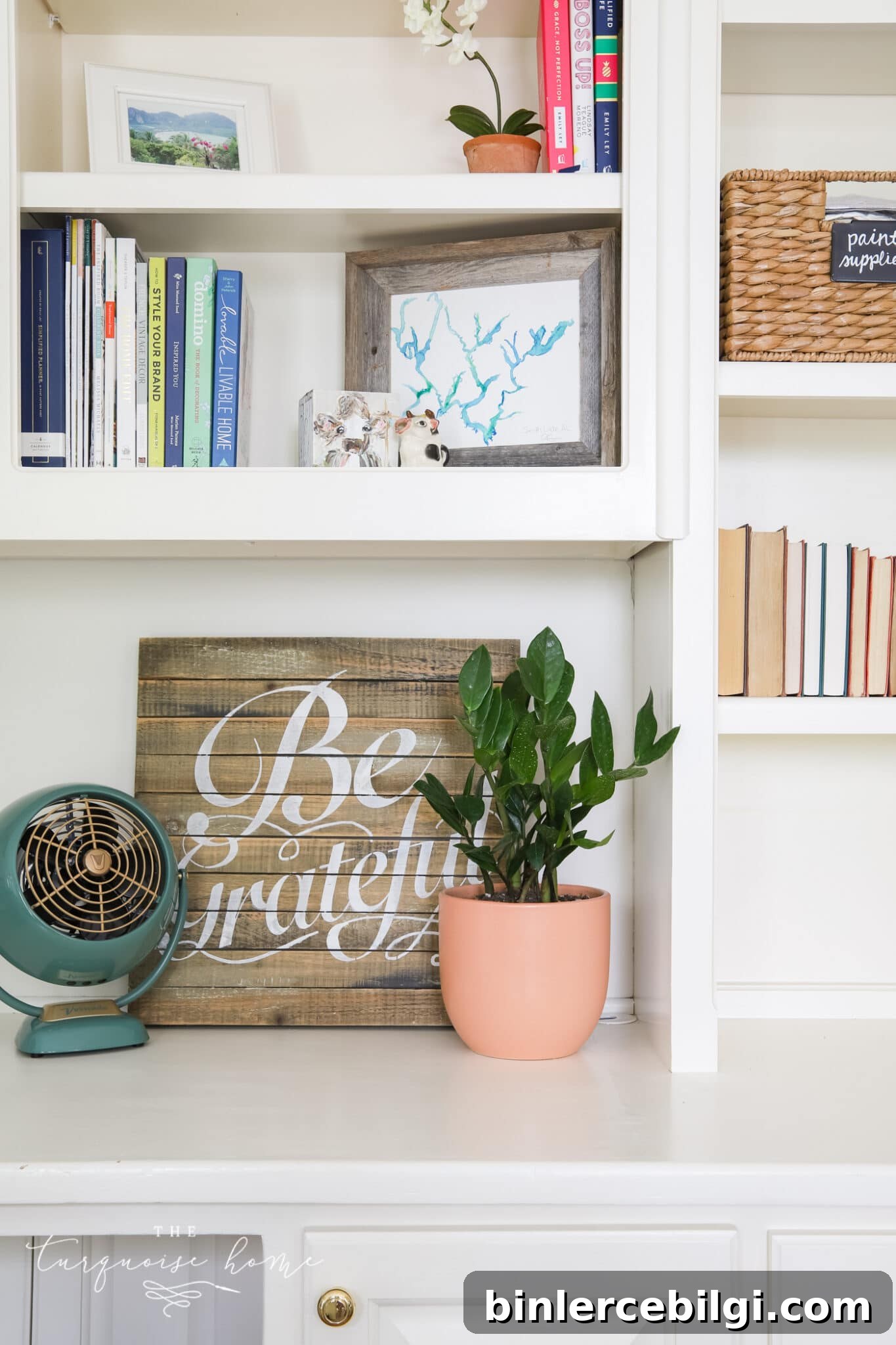
No plant is completely immune, but low-moisture species such as succulents, cacti, snake plants and ZZ plants are less attractive to fungus gnats because their soil dries faster between waterings.
Do fungus gnats spread diseases to plants?
Adult gnats don’t typically transmit diseases, but larvae can worsen root issues by feeding on roots and potentially spreading fungal pathogens that cause root rot. Treating larvae helps protect plant health.
Will using a fan help deter gnats?
Yes. A gentle fan creates airflow that makes it harder for small flies to settle and reduces humidity near the soil surface, helping discourage egg-laying.
How long does it take to eliminate fungus gnats?
Eradication time varies with infestation severity and the methods used. With consistent application of traps and soil treatments, you should see significant reductions within a few weeks. Persistence is key—follow up treatments and prevention will keep gnats from returning.
Combining multiple methods—traps for adults plus a larval soil treatment and drier topsoil—gives the best chance of success. Stay vigilant, adjust watering habits, and your plants will recover and remain healthy without gnats.
More posts you may enjoy:
- The 3 Easiest House Plants + Indoor Plant Care Tips
- How to Plant Flowers in a Pot, Planter or Container
- ZZ Plant Care Guide
- Where to Buy the Best Fake Plants
- Simple DIY Wood Planter Box