
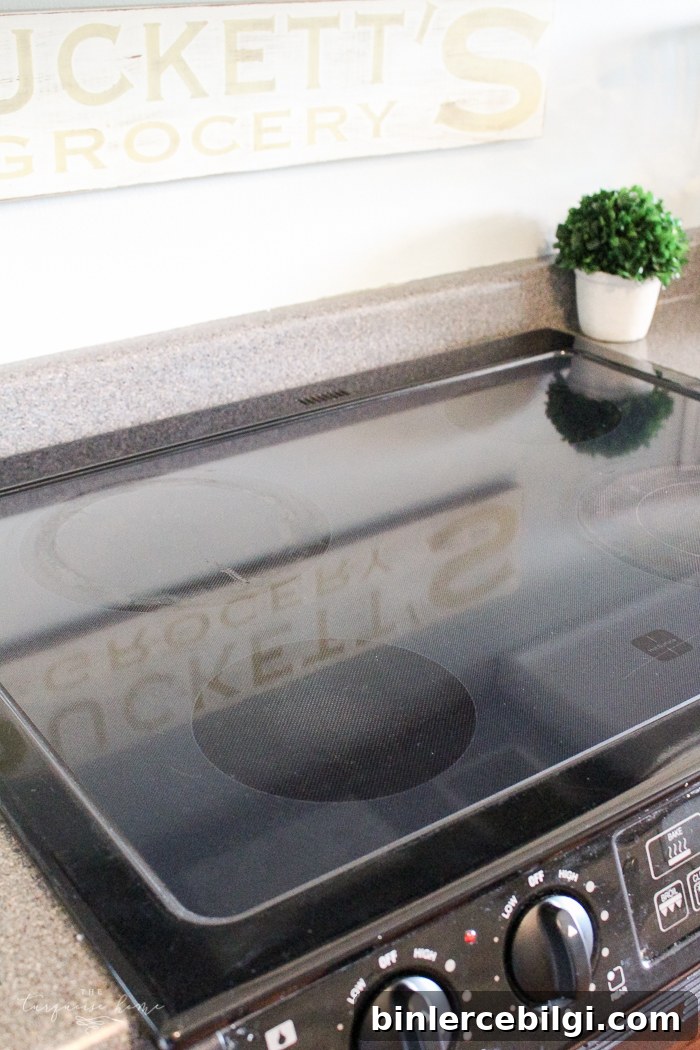
This DIY non-toxic glass stovetop cleaner uses just three simple ingredients you probably already have at home. It’s effective, eco-friendly, and free of harsh fumes—perfect for leaving your cooktop sparkling without toxic chemicals.
A few weeks ago I decided to clean my glass stovetop and photograph the process to show how easy this is. If you boil pasta, potatoes, or anything that tends to bubble over, you know how quickly a glass cooktop can collect burnt-on spots. With a little elbow grease and this safe homemade cleaner, you can restore shine without resorting to commercial chemical cleaners.
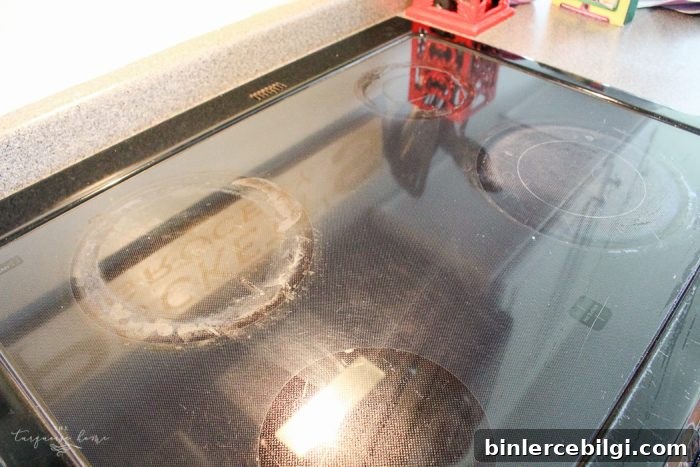
I use a concentrated natural scrubbing paste for many cleaning tasks around the house. It’s fantastic on sinks and tile, and it pairs perfectly with this stovetop method. For really stubborn, baked-on residue you might still need a razor scraper designed for glass cooktops, but most everyday messes come up easily with this mixture.
How to Clean Your Glass Stove Top (Step-by-Step)
This entire process takes about 10–20 minutes depending on how long you let the cleaner sit and how tough the stains are. Gather a microfiber cloth, a soft sponge or non-abrasive pad, and a spray bottle of white vinegar before you start.
Step 1: Cool Down and Prep
Make sure the stove is turned off and completely cool. Remove loose crumbs and debris with a damp cloth or a vacuum hose. Working on a cool surface protects the glass and prevents steam from altering the cleaner’s action.
Step 2: Apply the Cleaner
Spread the non-toxic cleaning paste over stained or greasy areas. For heavy, burnt-on food, apply more paste and let it sit for 5–15 minutes so it can soften the grime.
Step 3: Gently Scrub
Use a soft, non-abrasive sponge, a microfiber cloth, or a soft scrubbing pad to work the paste in circular motions. Avoid steel wool or harsh scrubbing pads that can scratch the glass. A small toothbrush is useful for edges and crevices around burners.
Step 4: Wipe It Away
Spray white vinegar over the treated areas to dissolve residue and create a gentle fizz with the baking soda paste. Wipe away the loosened grime with a damp microfiber cloth, rinsing and repeating as needed.
Step 5: Buff to Shine
Finish by buffing the surface with a clean, dry microfiber cloth until it’s streak-free and glossy. If tiny ring marks remain, repeat the paste application or, for extreme cases, carefully use a razor scraper held at a low angle to lift baked-on deposits.
DIY Glass Stove Top Cleaner
This homemade cleaner is inexpensive, non-toxic, and safe for glass cooktops when used gently. It’s ideal for routine cleaning and light to moderate stains.
Ingredients:
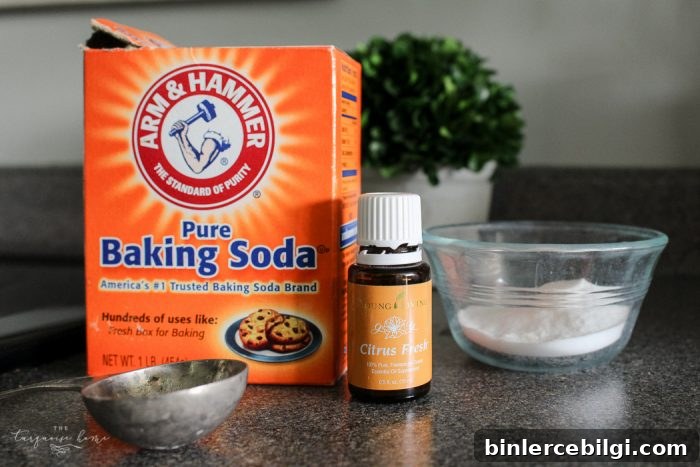
- 3 tablespoons baking soda
- 10–15 drops of a citrus essential oil (optional—but useful as a natural degreaser and for a fresh scent)
- 1–2 tablespoons water to form a paste
- White vinegar in a spray bottle
Directions:
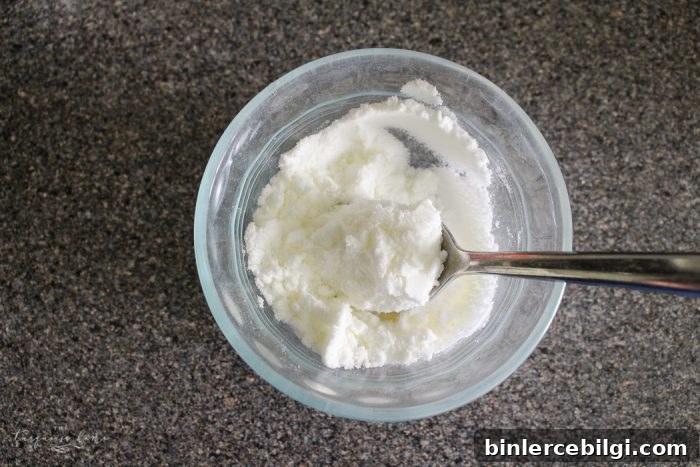
- Combine baking soda with a little water in a small glass jar or bowl until you reach a paste-like consistency. Add essential oil drops if using and stir well.
- Apply a thin layer of the paste to any stained or greasy areas on the cool cooktop.
- Spray white vinegar over the baking soda paste; the mixture will fizz slightly as it helps break down grime.
- Gently massage the mixture into the stains with a soft cloth or non-abrasive pad. Wipe clean with a damp microfiber cloth, then dry and buff to a shine.
This paste is effective on grease and everyday burnt-on food. It’s gentle enough for glass surfaces yet strong enough to lift grime without toxic ingredients. The citrus oil acts as a natural degreaser and leaves a pleasant aroma, but it’s optional—plain baking soda and vinegar do most of the work.
If rings or stubborn marks remain after one treatment, repeat the process. For particularly stubborn, carbonized spots, carefully use a razor scraper designed for glass stovetops at a low angle—only when the surface is cool—to avoid scratching.
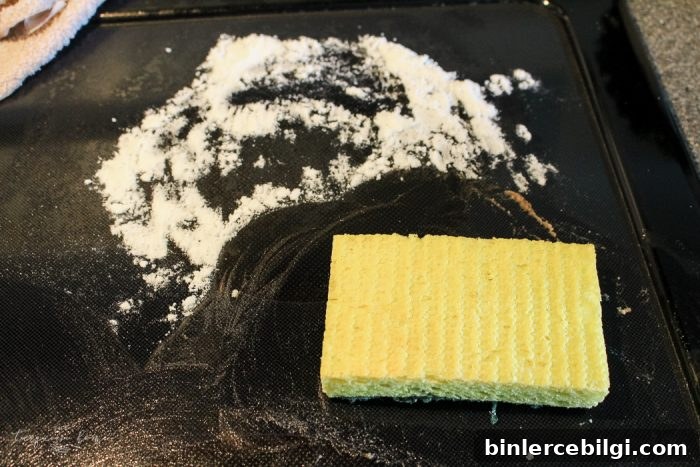
Enjoy a cleaner, brighter cooktop without harsh chemicals. With just baking soda, water, and vinegar—plus an optional splash of citrus oil—you’ll have an effective, eco-friendly cleaner that’s safe for your home and for the environment.
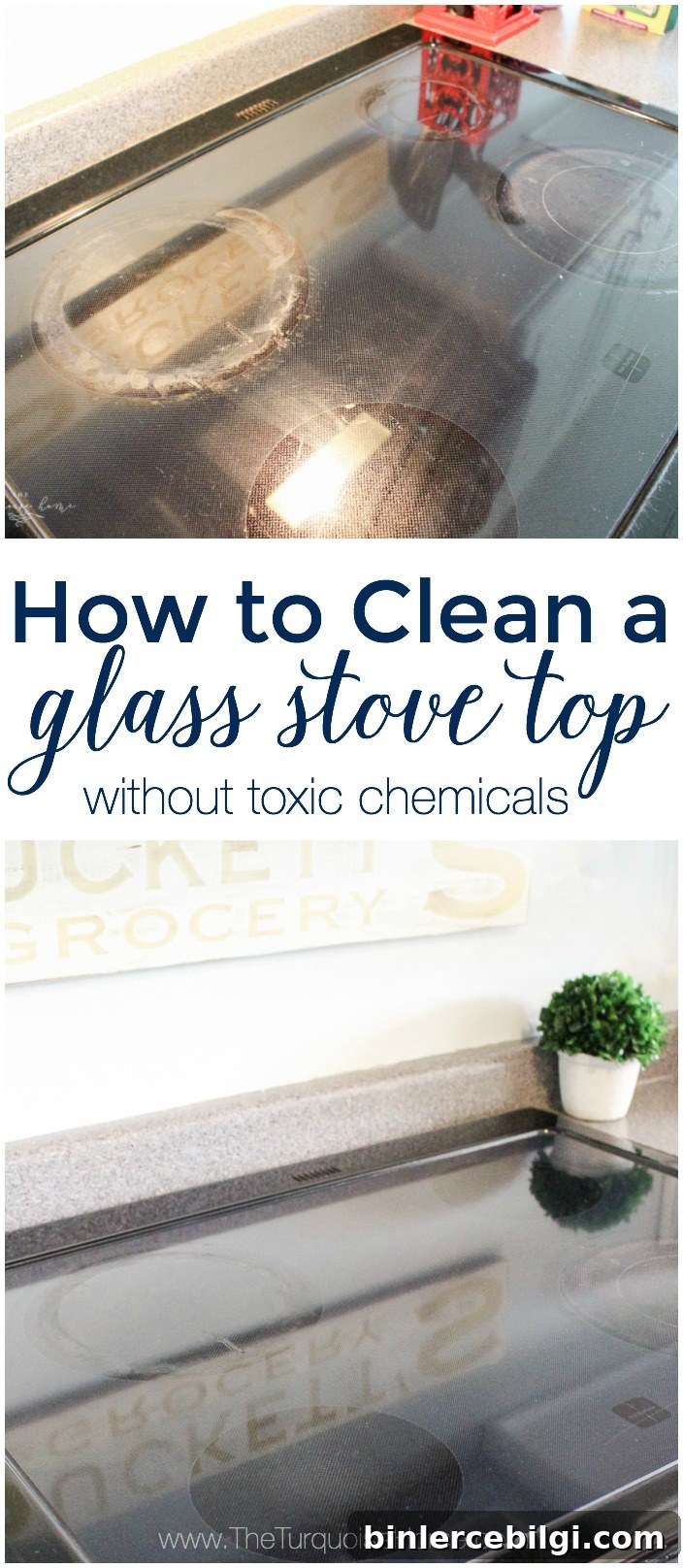
Tips: Always use non-abrasive tools on glass cooktops. Test a small, inconspicuous area if you’re unsure about a surface finish. Store any leftover paste in a sealed container for future spot cleaning.
More posts you will love:
- Homemade Lavender Bath Salts
- DIY Bath Bombs + Printable Gift Tag
- DIY Lemon Sugar Scrub + Free Printable Labels
- Top Gifts for the Essential Oil Lover
- Spring Cleaning Checklist (Free Printable)