
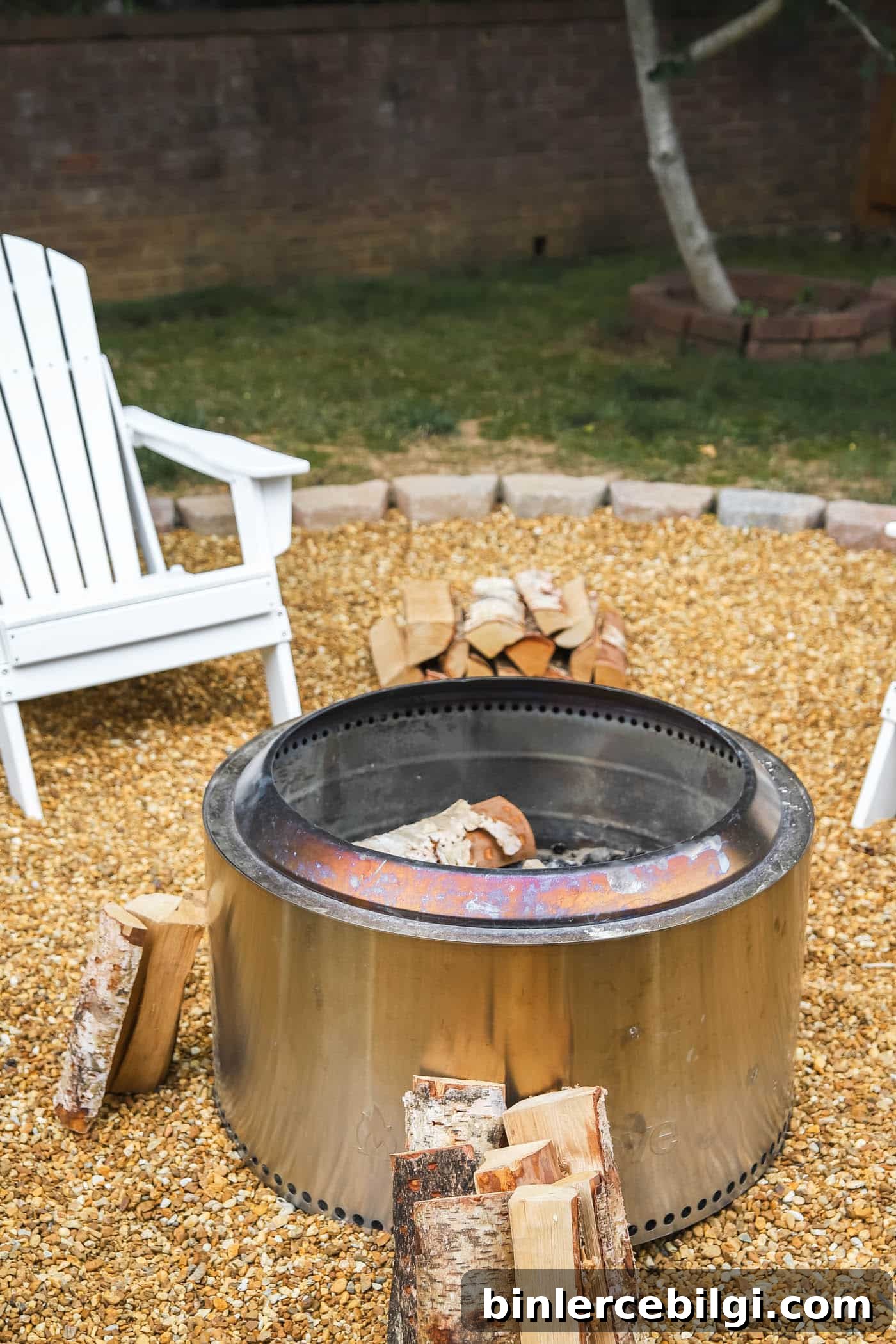
Few things beat gathering around a cozy fire pit for conversation or roasting marshmallows—except for that stubborn smoky smell that sticks to your clothes and hair afterward. I found a solution: our Solo Stove Yukon has transformed backyard gatherings into smoke-free, relaxed evenings.
We’ve owned a smokeless Solo Stove for several years, and this is a firsthand Solo Stove review based on regular, real-world use.
This post originally contained affiliate references for convenience.
Are Solo Stoves really good?
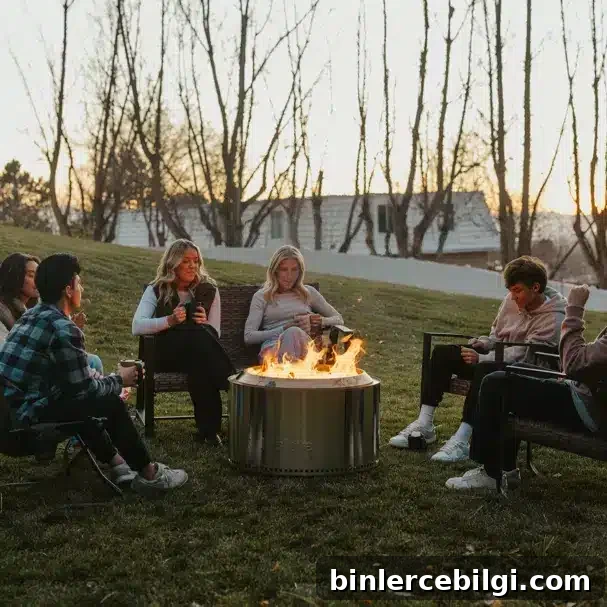
In short, yes. We absolutely love ours. It’s one of the best outdoor purchases we’ve made—giving us the glow and warmth of a real wood fire with much less smoke and mess. Before switching to a Solo Stove, I often avoided fire pits because of the lingering smell and ash. Now I can enjoy an evening around the fire with my family without having to rush straight to a shower afterward.
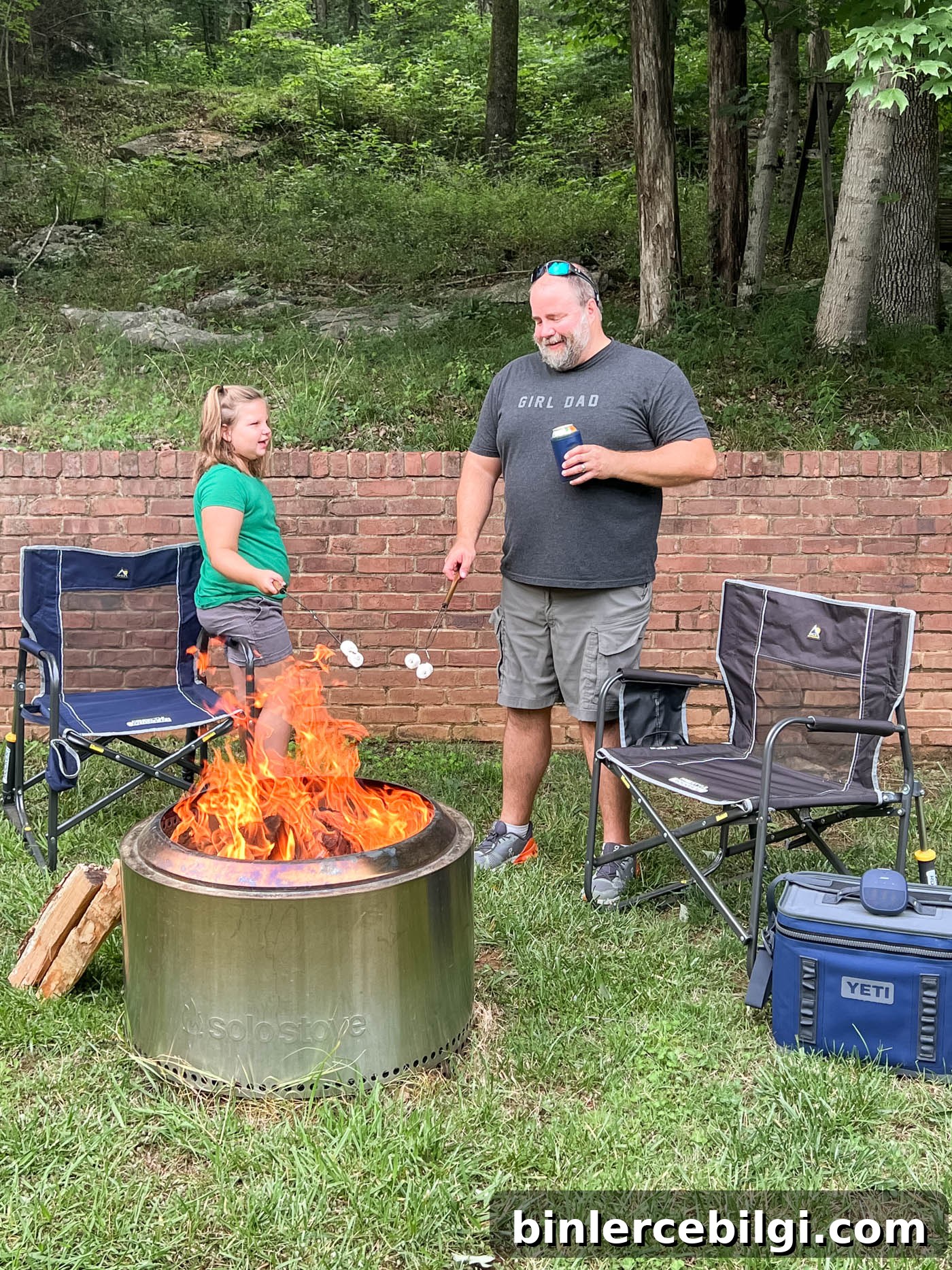
Our girls especially love making s’mores, and the cleaner burn makes spring and fall nights even more enjoyable.
Benefits of Solo Stoves
Solo Stoves offer several clear advantages compared with a typical open wood fire pit. Here are the key benefits that apply across the different sizes and models.
Smokeless performance: how it works
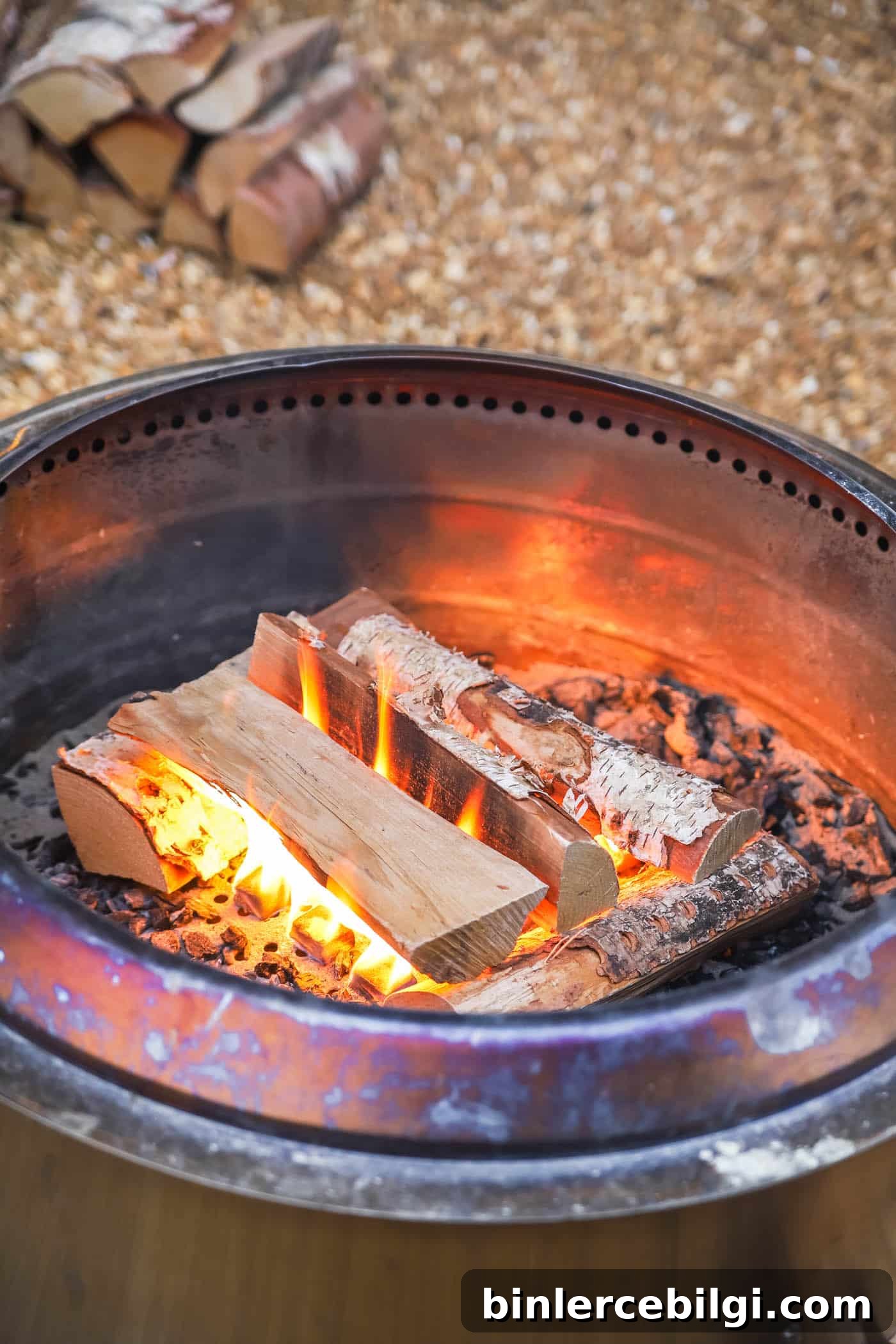
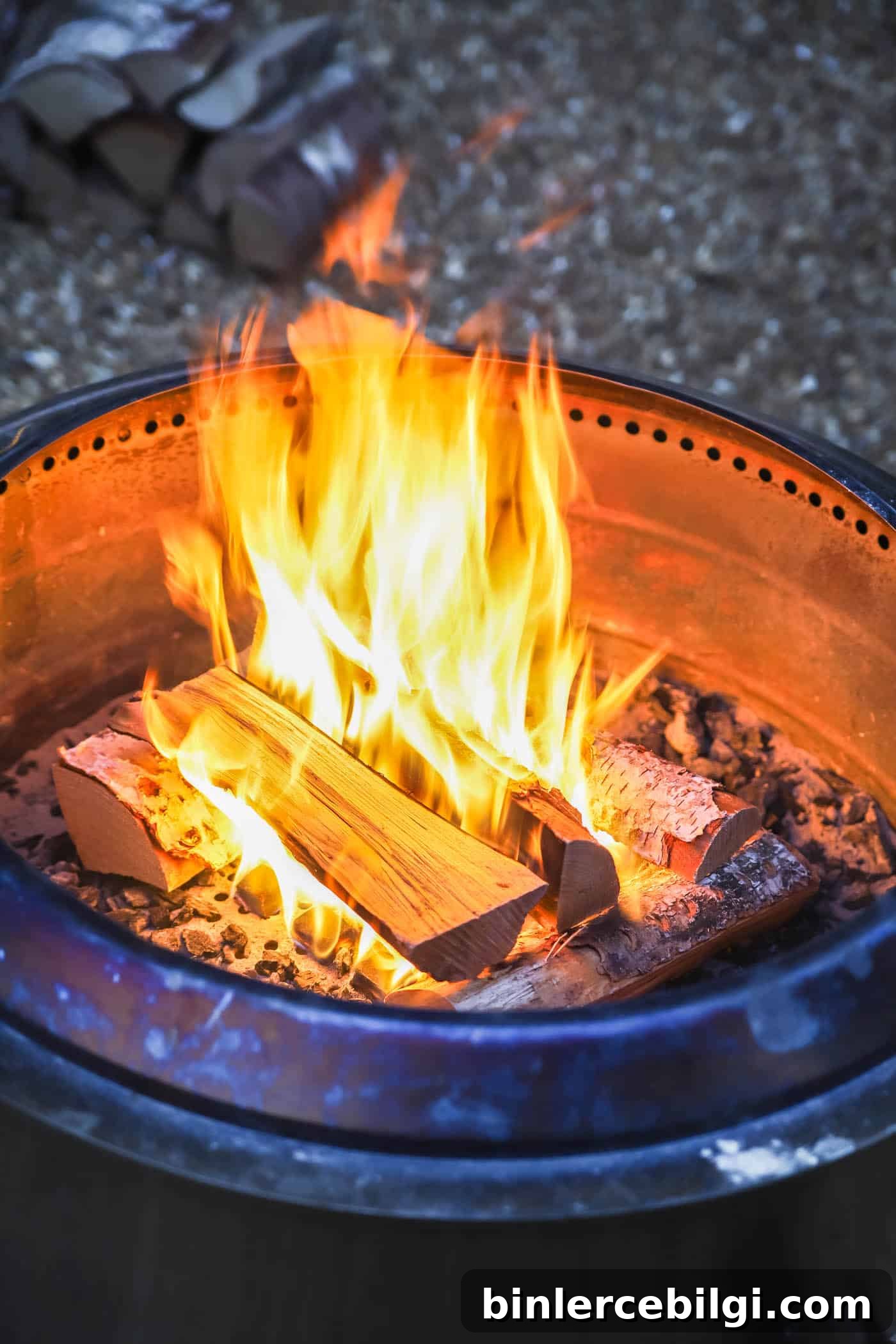
The defining feature of Solo Stoves is their dramatic reduction in smoke. Their double-wall design and carefully placed air vents promote strong airflow and a very hot burn. Cooler air is drawn in through lower vents and heated inside the burn chamber; once it rises through the top vents, it creates a secondary combustion that burns off smoke and small particles. The result is far less smoke reaching people gathered around the fire and fewer sparks and flying embers to worry about.
Because of that efficient secondary burn, there’s less ash and less smell clinging to clothing, hair, and outdoor furniture.
Easy to use
Lighting a Solo Stove is straightforward: start with a small grid of kindling, add a fire starter, then place progressively larger pieces of wood. Build the fire up slowly until the secondary burn engages—after that, the stove maintains a clean, steady flame. Cleanup is also simple: most models include removable ash pans or trays that allow you to empty cold ash without lifting or tipping the entire unit.
Portability
Solo Stoves are portable enough to move around the yard or take to a campsite. Smaller models are light and easy to transport; even the largest model is manageable for two people and includes features to protect heat-sensitive surfaces.
Durability
These stoves are manufactured from 304 stainless steel, which is highly durable and resists rust when cared for properly. The company backs its products with a lifetime warranty against manufacturing defects, so with basic maintenance—keeping the stove dry, covered when not in use, and cleaning out ash—it can last a long time.
Solo Stove sizes
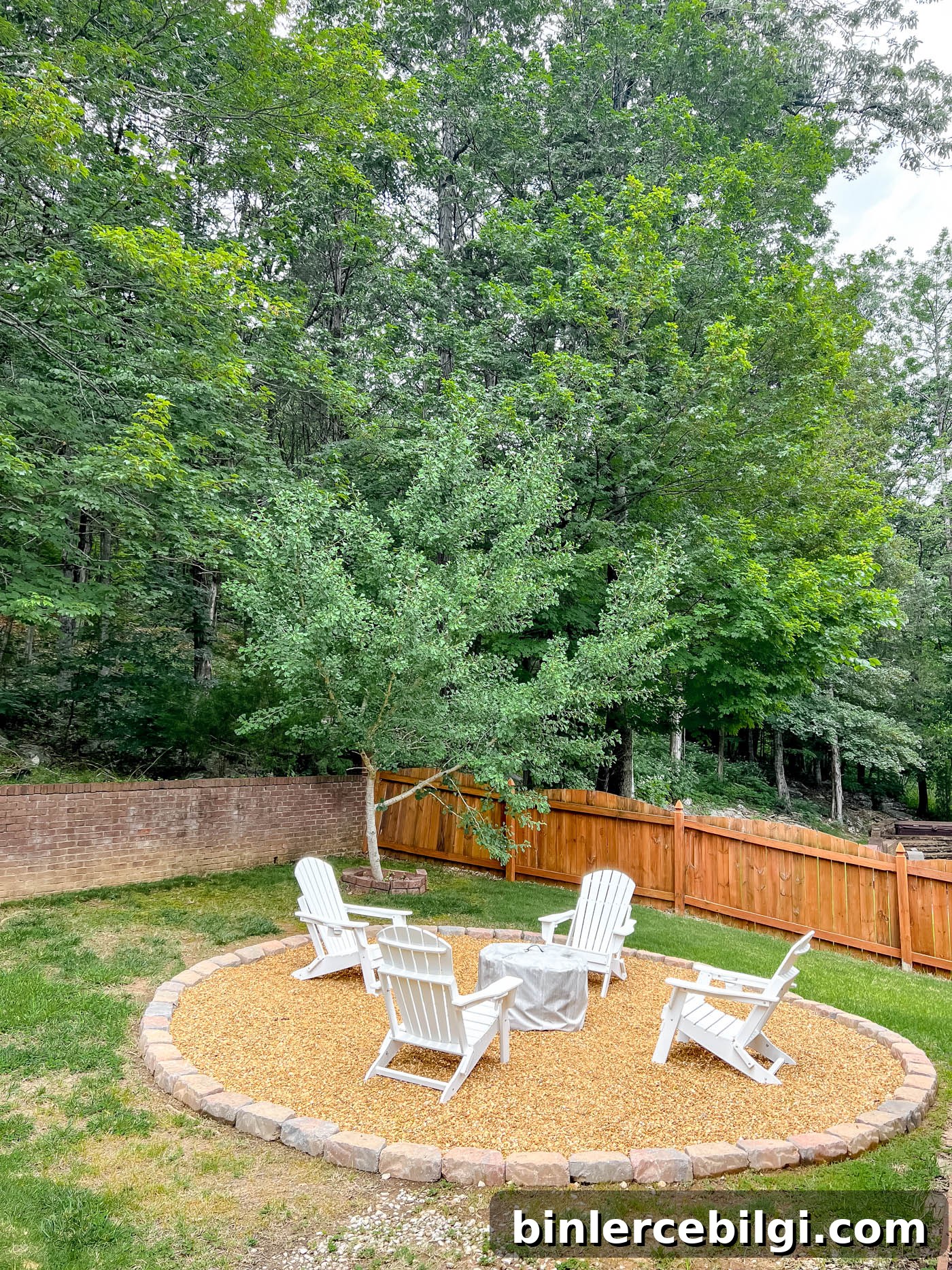
We chose the Yukon model a few years ago; our original Yukon measures about 30 inches in diameter (newer versions are slightly smaller). Solo Stove offers several sizes to suit different needs, from compact portable units to large backyard fire pits:
- Ranger – The most portable option, small diameter and light weight, ideal for camping or small outdoor spaces.
- Bonfire – The best-selling mid-size model that balances portability and power; also available in multiple finishes.
- Yukon – A larger option designed for bigger gatherings, available in several finishes and sizes; offers a more substantial flame and heat output.
- Canyon – The largest model, heavier and intended for semi-permanent backyard installation; typically includes a cover and optional stand for sensitive surfaces.
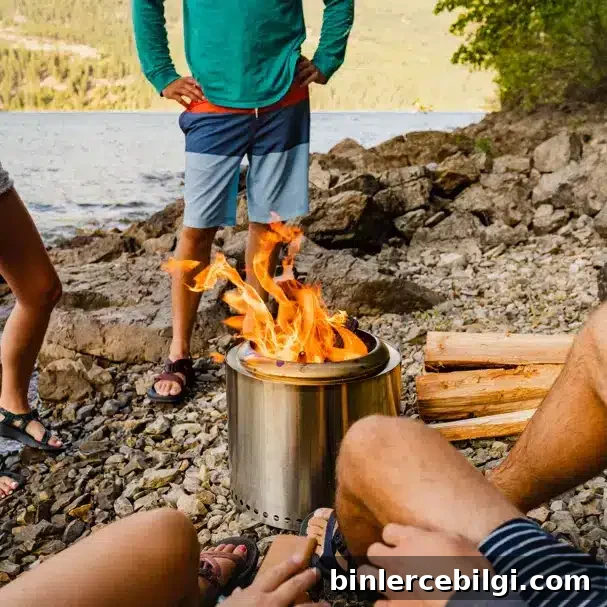
Ranger Solo Stove
Compact and lightweight, built from stainless steel and easy to carry to beach or campsite.
Bonfire Solo Stove
A popular mid-size model that strikes a balance between portability and presence; available in stainless steel or coated color options.
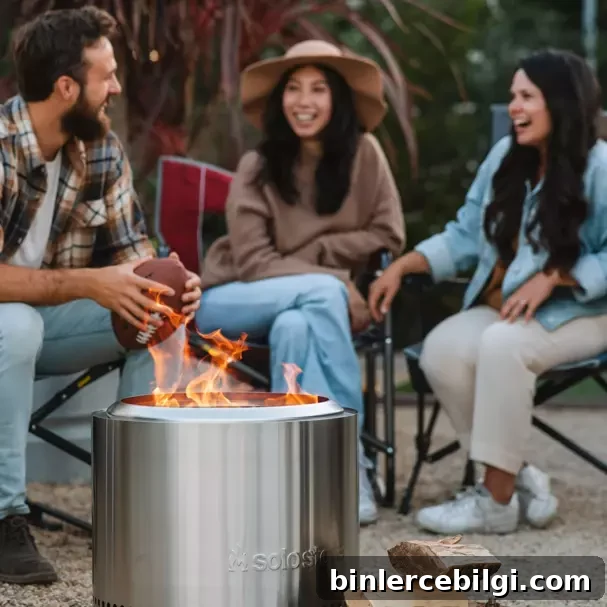
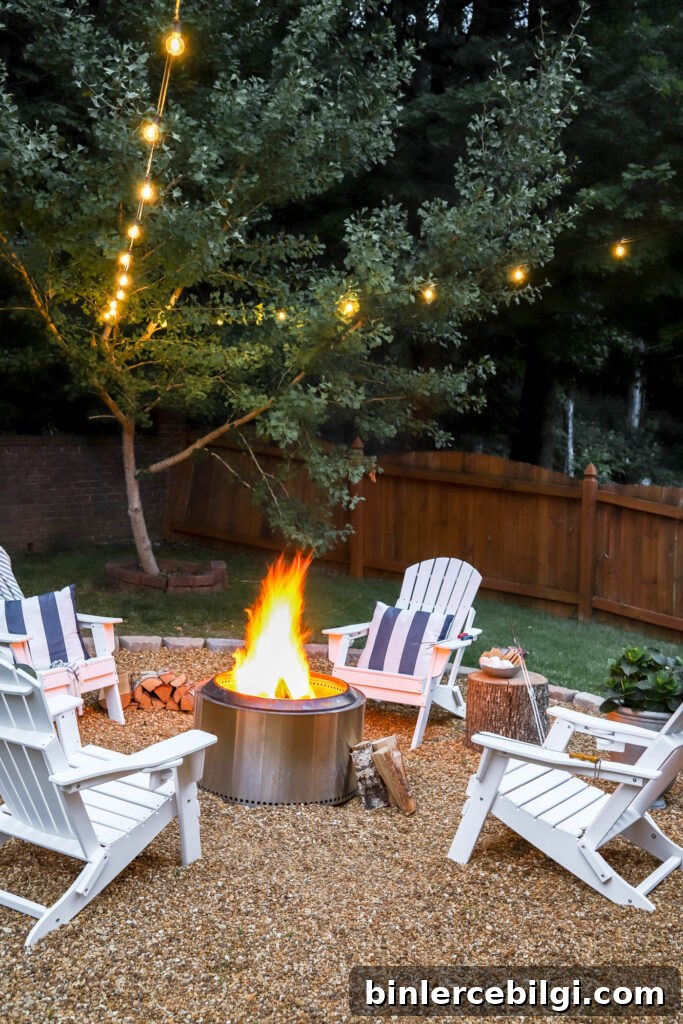
Yukon Solo Stove
A larger backyard option that provides a more substantial flame and heat, ideal for family gatherings and outdoor entertaining.
Canyon Solo Stove
The largest model, intended for more permanent backyard use and heavier-duty heat output. Often sold with protective accessories for decks and furniture.
Solo Stove accessories: what to buy now and later
There are many accessories available to enhance safety and convenience. Useful items to consider include a stand (to protect sensitive surfaces), a weather-resistant shelter/cover, and a lid that doubles as a tabletop. Other popular accessories include surrounds that create a ledge for drinks and plates, heat deflectors for delicate surfaces, cooking attachments such as griddles and grills, and pellet adapters for alternate fuel options.
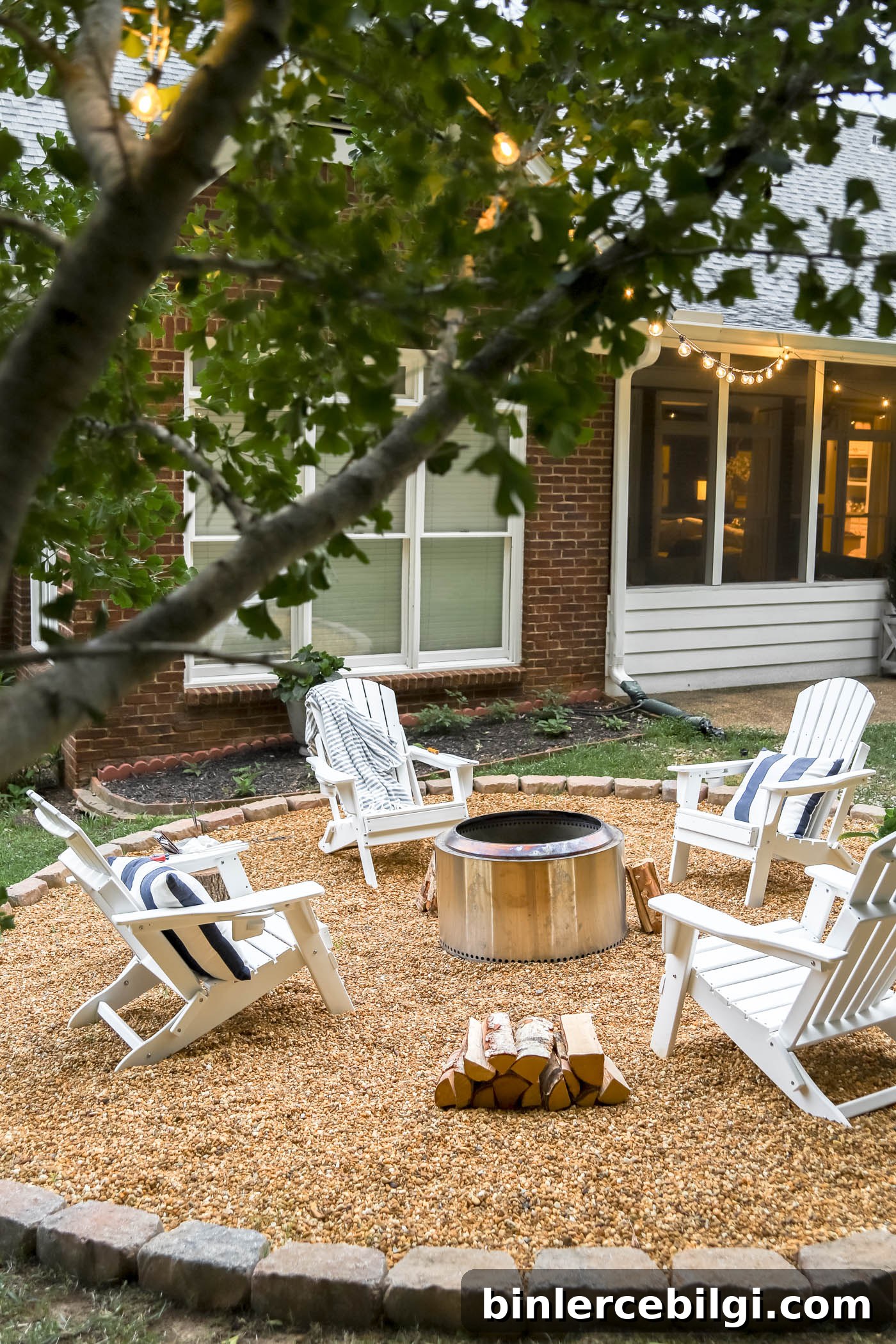
We currently use a stand and a weather shelter for our Yukon; next on our list are a lid and a surround to create a safer, more functional fire area for snacks and drinks.
Common questions about Solo Stoves
Below are answers to a few common questions based on our experience and the general characteristics of these stoves.
Can I grill on a Solo Stove?
Yes. Solo Stove offers cast iron cooking accessories and hubs that convert the fire pit into a grill or griddle, which expand cooking options beyond s’mores and skewered foods. With the right attachments you can cook burgers, chicken, and other items over the flame. There is also a separate outdoor pizza oven offered by some brands that pairs well with this style of heat source.
Do Solo Stoves burn a lot of wood?
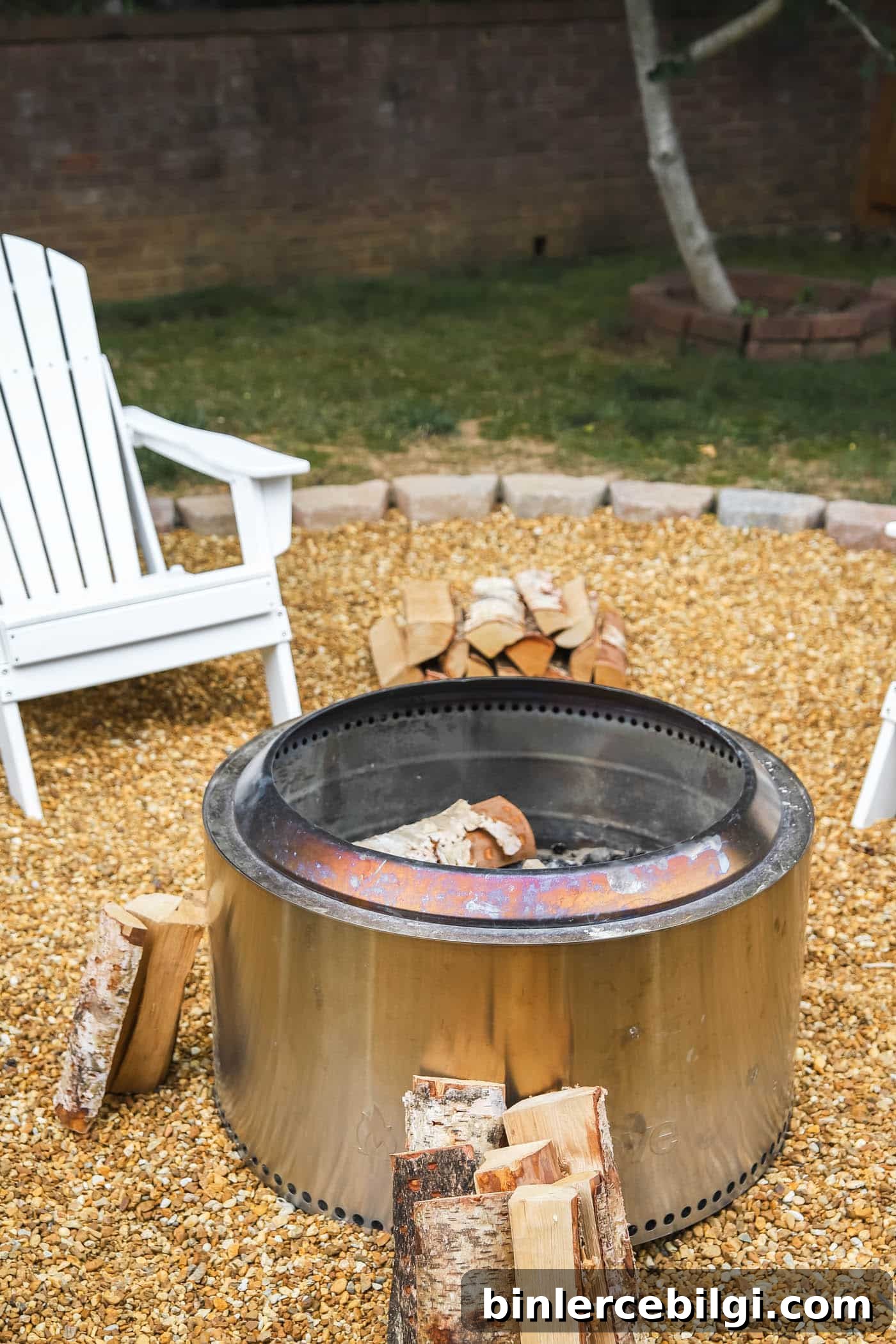
Many users report using more pieces of wood during a given session compared with a low-efficiency pit, because Solo Stoves burn wood at higher temperatures and more completely. The trade-off is a more efficient burn that leaves little unburned wood and mostly fine ash. For best results, use dry hardwoods such as hickory, oak, maple, or birch. Use pine only if fully seasoned, and primarily as kindling, since it burns quickly.
Do Solo Stoves rust out?
Stainless steel is durable but can show corrosion if left exposed to harsh conditions or chemicals. To keep a Solo Stove looking and functioning well, dry it before storing, use a cover when not in use, and store portable models indoors during prolonged wet seasons. With reasonable care many owners report long lifespans, and manufacturer warranties typically cover defects.
More posts you may enjoy:
- How to Hang Outdoor String Lights
- The Best, Affordable Wicker Patio Furniture
- How to Plant Flowers in a Pot, Planter or Container
- 12 Drool-Worthy Screened-In Porch Decorating Ideas
- My Haint Blue Porch Ceiling