

Do you know how high to mount a TV? Use these practical tips to choose the right height for mounting a TV and improve your viewing comfort and room appearance.
Remember the bulky box TVs that dominated living rooms for decades? They often looked clumsy and hard to integrate into a stylish space. The arrival of flat-screen TVs transformed interiors: slimmer profiles, sleeker lines, and the ability to mount the screen on a wall for a clean, modern look. Newer models even display artwork when not in use, making them feel like part of the decor.
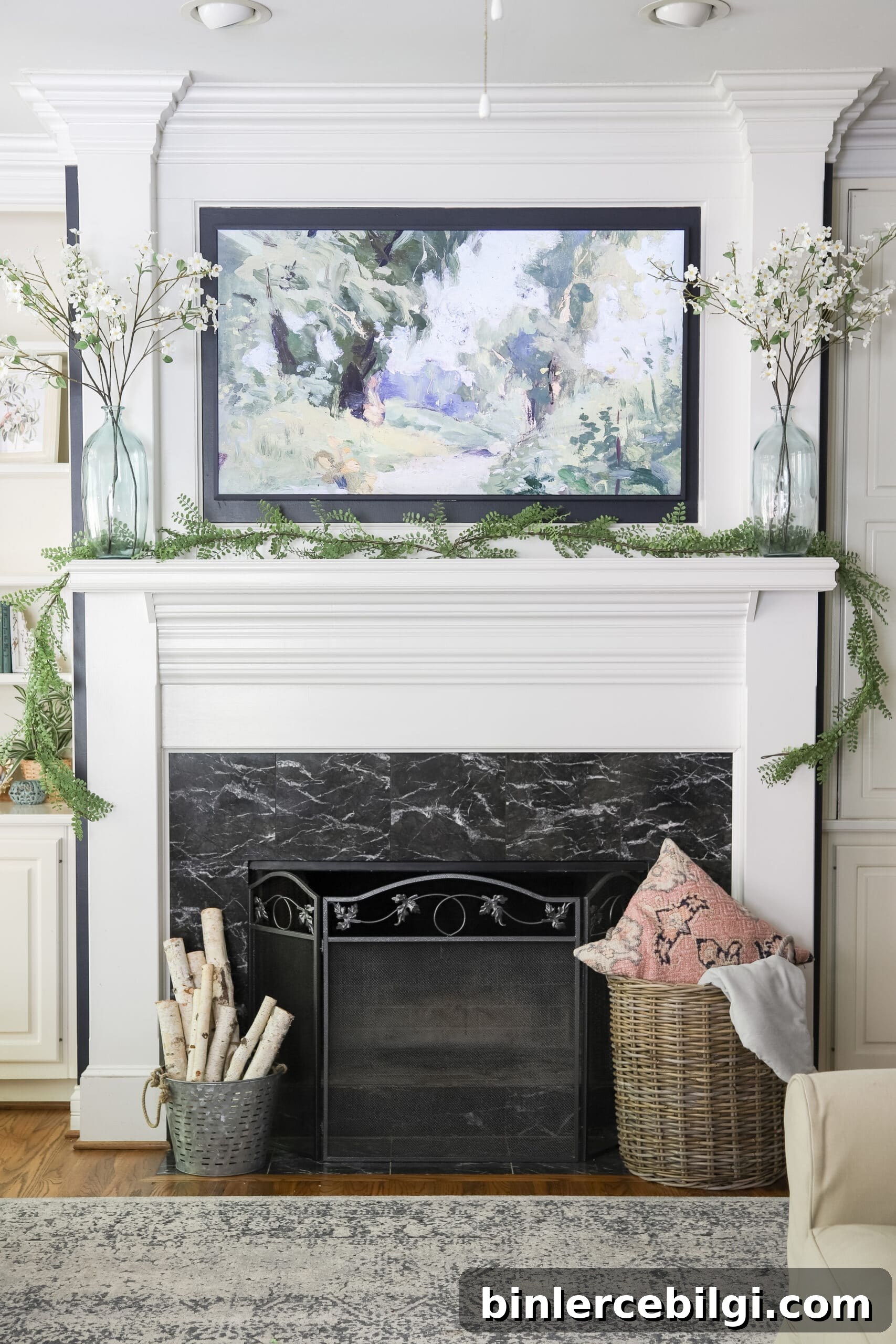
While wall mounting creates a polished look and frees up floor space, it also raises an important question: how high should you mount a TV for the best viewing experience? Before you drill holes, consider the room, TV size, viewing angle, furniture placement, and who will be watching.
How high should you mount a TV?
The simplest way to decide how high to mount a TV is to center the screen at a comfortable eye level for viewers in their typical watching position. Eye-level viewing is often the most comfortable and helps avoid neck strain. Here are the main factors to weigh when determining the ideal height.
1. Viewing angle
Mounting a TV too high forces viewers to tilt their heads upward for extended periods, which can lead to neck discomfort. Most experts recommend placing the center of the screen near seated eye level when you watch from a couch or chair. If you tilt or swivel the TV with an adjustable wall mount, a range of viewing angles becomes possible, improving comfort across multiple seating locations.
Pro Tip: Choose an articulating or tilting wall mount if your seating positions vary; these allow you to angle the screen for the best line of sight.
2. Size of the TV
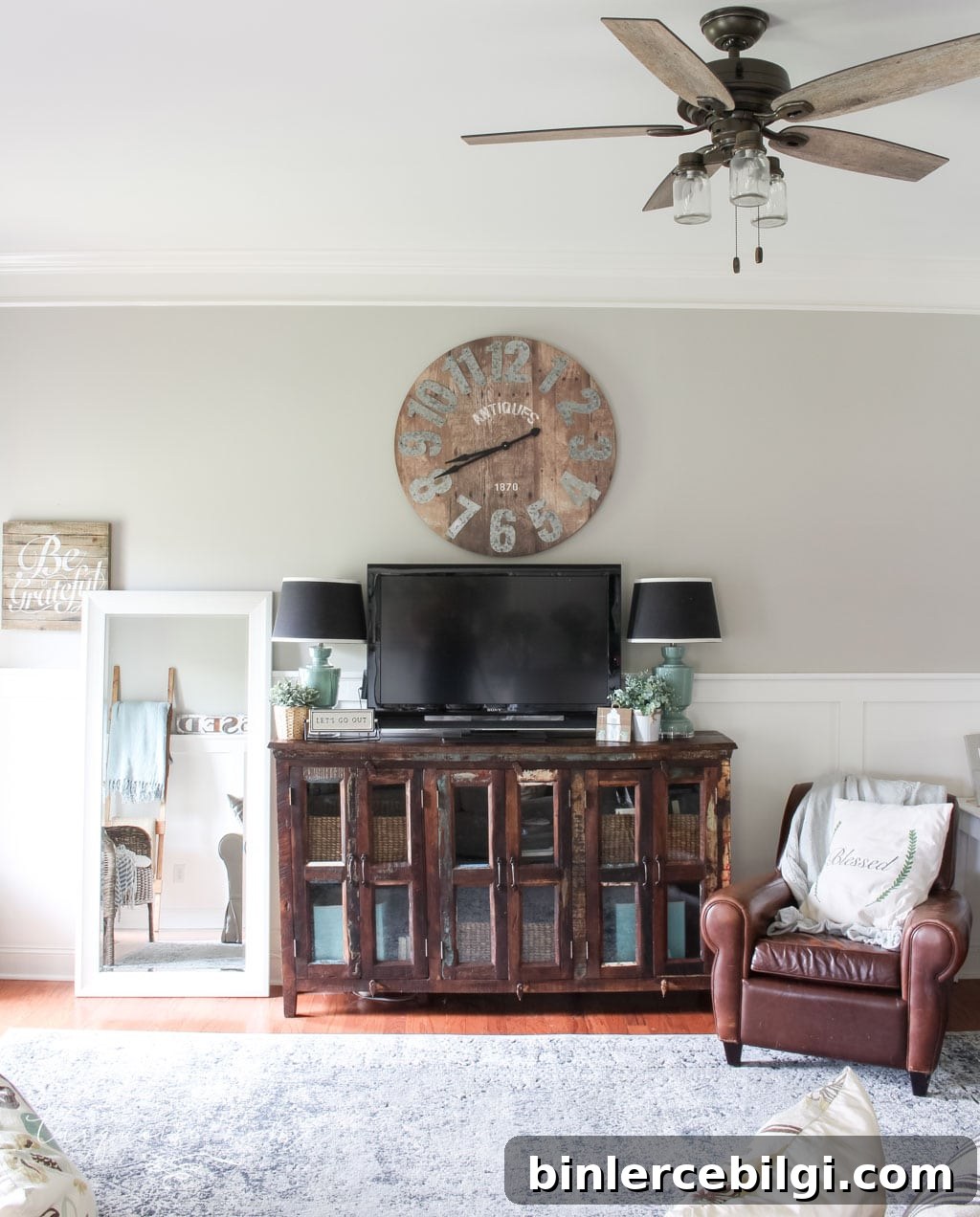
TV sizes vary widely, so a fixed mounting height based only on inches won’t suit every household. Manufacturers often suggest centering the screen at eye level. To apply this, measure the eye height of your primary viewers when seated and position the center of the TV at that height. If household members have different heights, average their preferred eye levels to find a compromise that works for most people.
This approach keeps the viewing experience comfortable regardless of the screen size you choose.
3. The room
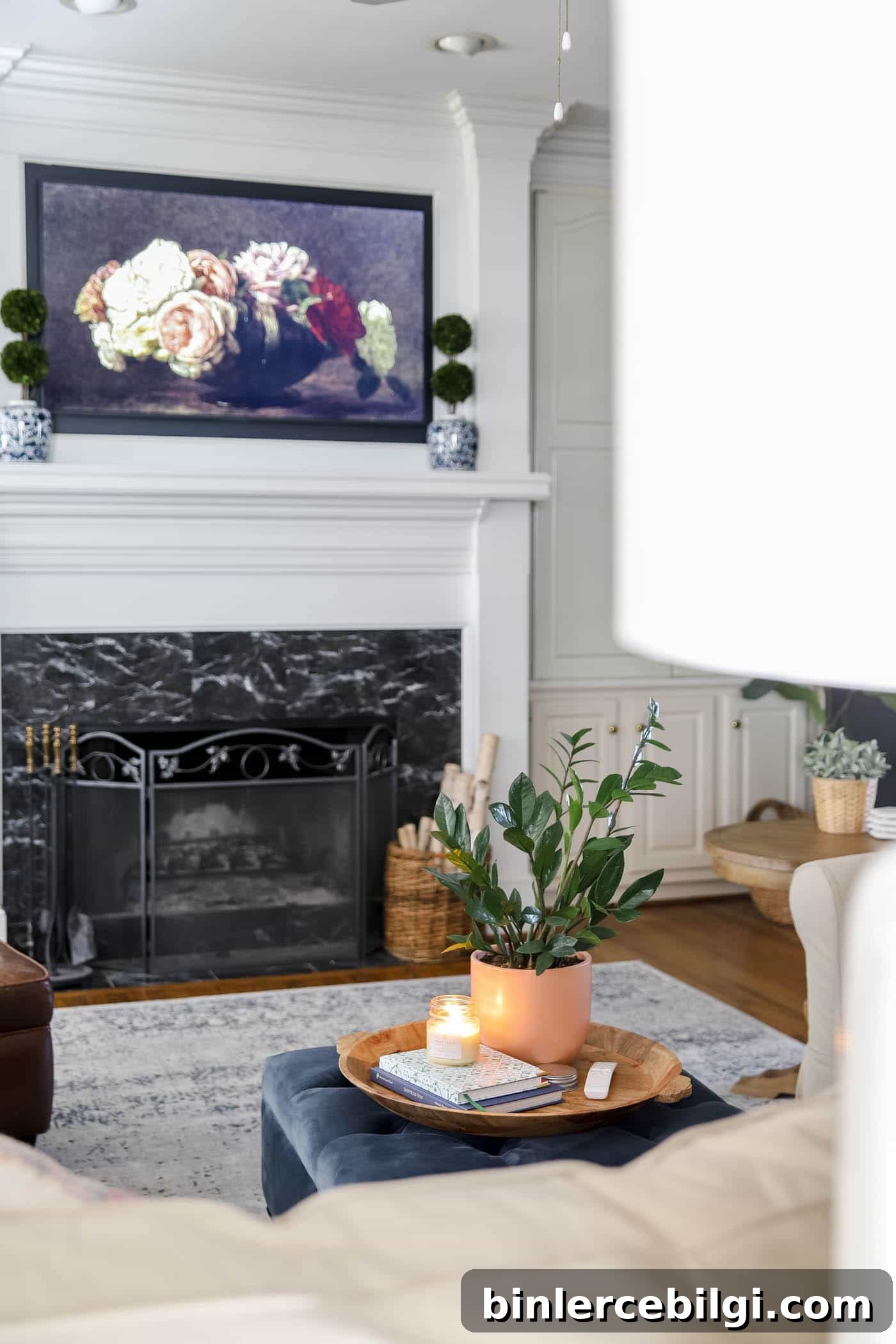
Room characteristics matter. Windows, lighting direction, and reflective surfaces can cause glare that affects where you should place the screen. Consider the room size, layout, and any architectural features on the wall where you plan to mount the TV. Also factor in the distance from the seating area to the TV and the location of electrical outlets for power and any media devices.
- Room size and layout
- Potential visual obstructions or glare
- Wall features, such as built-ins or a fireplace
- Distance from the TV to the seating area
- Direction the TV will face relative to windows and lights
- Location of power outlets and cable routing
4. Viewing distance
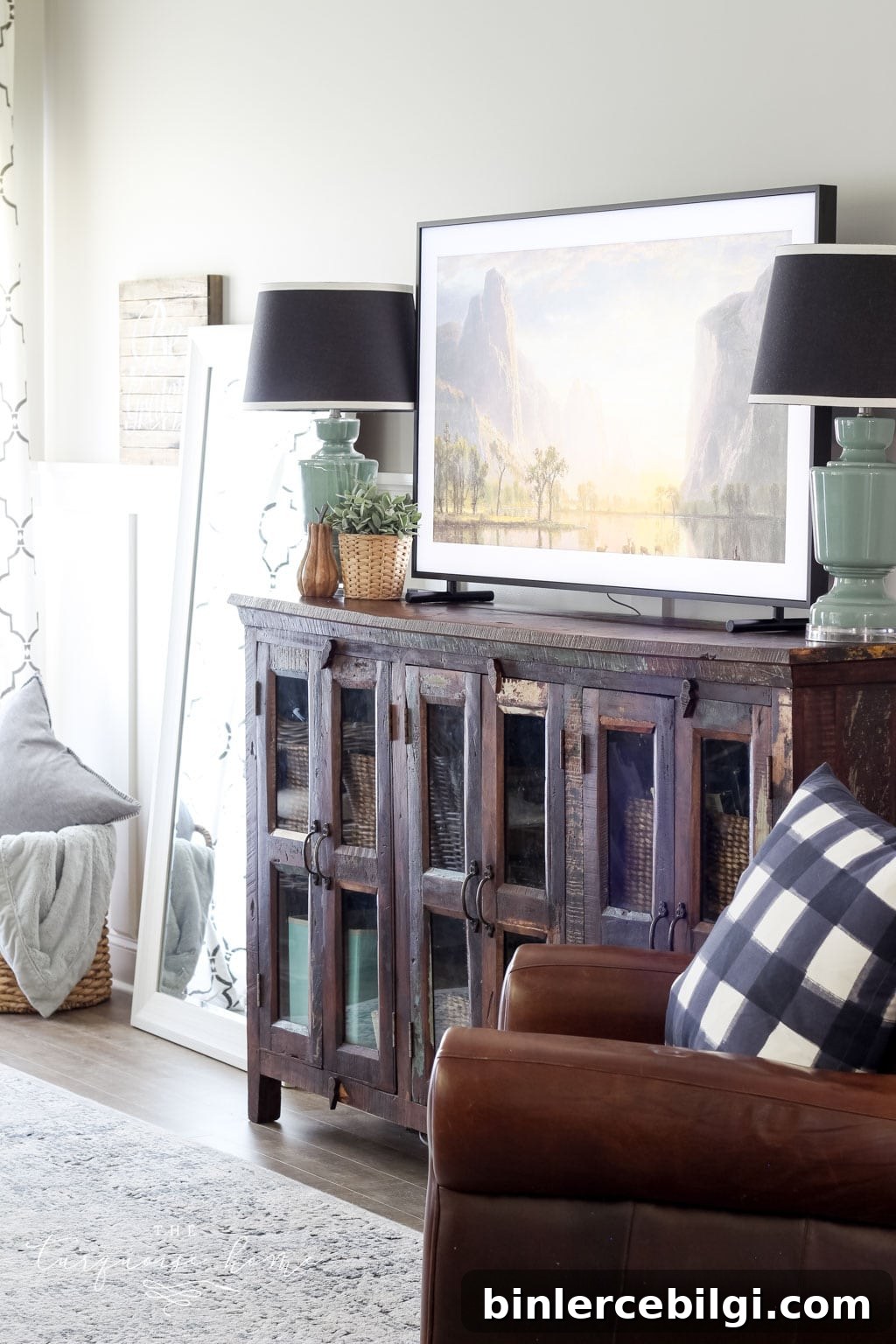
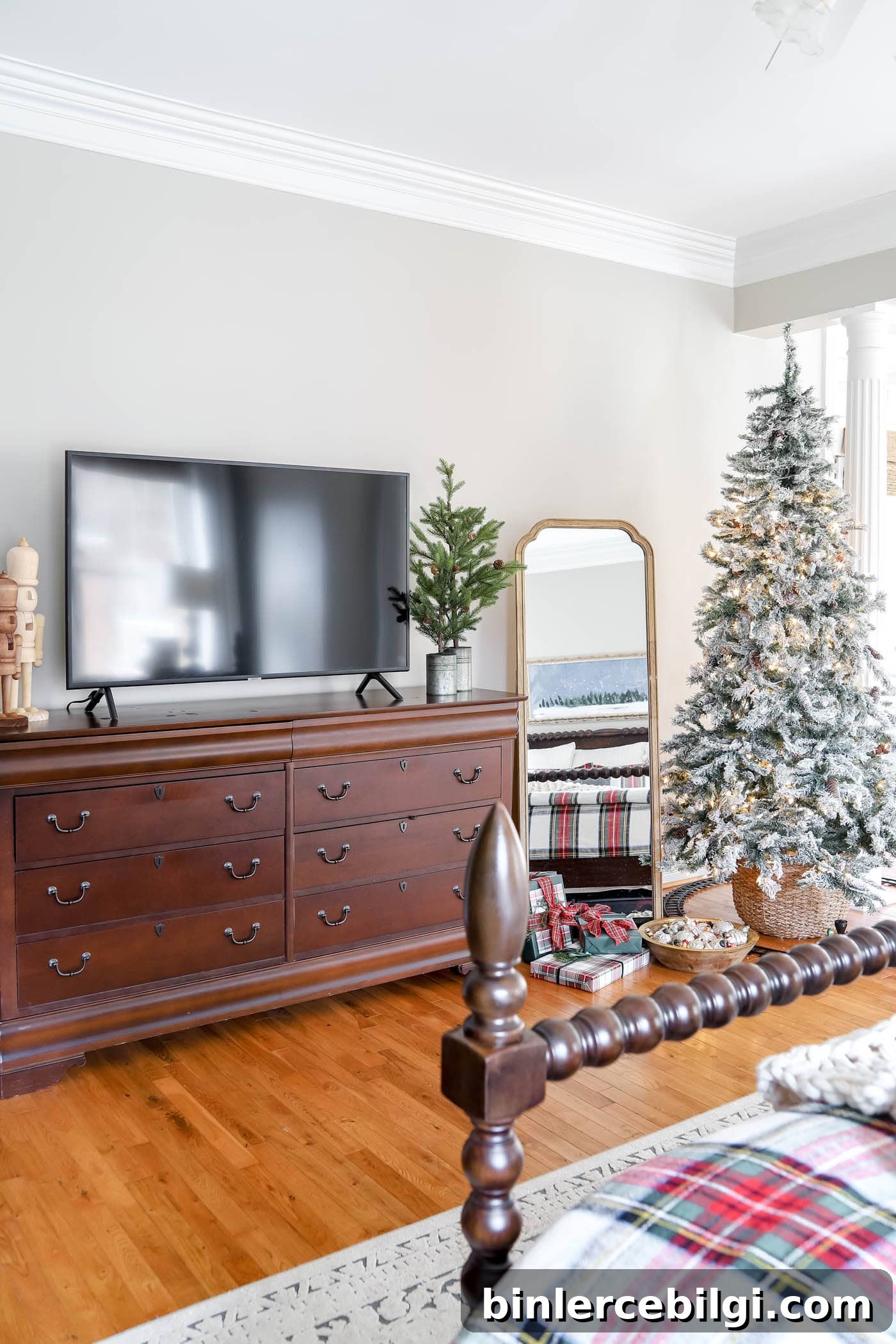
How far you sit from the screen affects perceived size and clarity. Sitting too close can cause eyestrain, while sitting too far reduces detail. A common guideline is to calculate an ideal distance based on screen size: divide the TV’s diagonal in inches by 0.55 to estimate a comfortable viewing distance in inches. For a 55-inch TV this calculation suggests about 100 inches (roughly 8 feet) of separation. You can also use an online mounting-height calculator to combine distance and viewing height recommendations.
5. Layout
Practical constraints like a fireplace mantel, built-ins, or a window may limit mounting options. If a wall feature forces the TV higher than ideal, compensate by increasing viewing distance or choosing an adjustable mount to tilt the screen down toward viewers. If the layout prevents a comfortable arrangement, consider moving the TV to a different wall if possible.
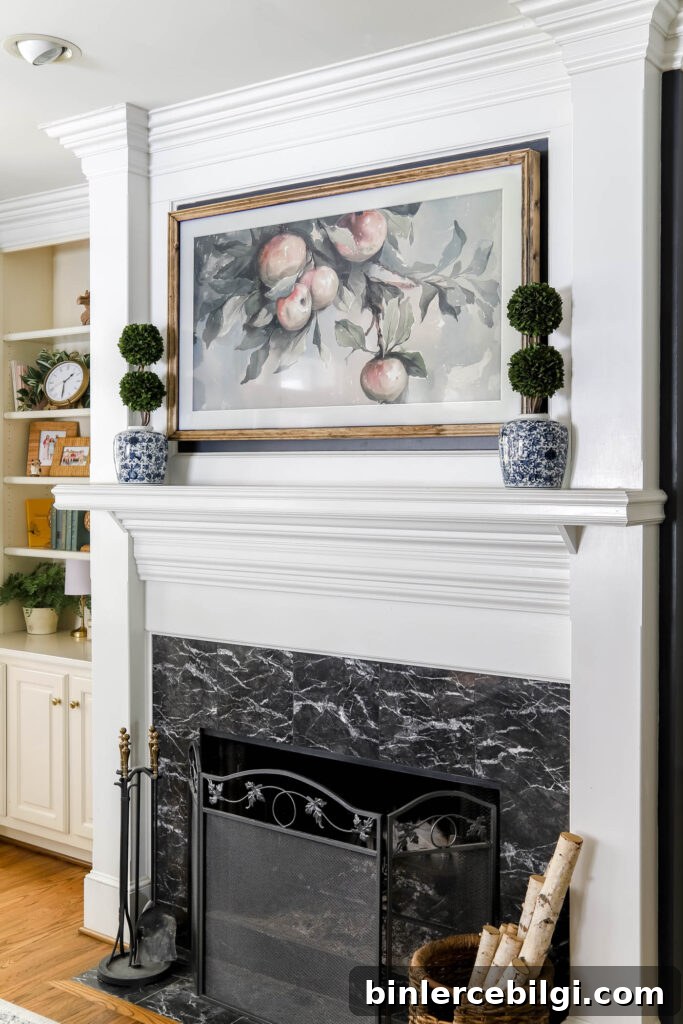
In some rooms, the only logical spot may be above a mantel between built-ins. When seating is far enough back, that higher position can still be comfortable for viewing.

How high to mount a TV: Special considerations
Different viewing habits require different approaches. Below are some special situations and how to handle them.
People who watch TV lying down
If you primarily watch TV from a bed or while reclining on a couch, mount the TV slightly higher to align with your line of sight. A practical method is to have someone lie down in your typical position while another person marks the preferred line of sight on the wall. Position the center of the TV at that mark. In smaller bedrooms, placing the TV to the side rather than directly at the foot of the bed can improve viewing distance and comfort.
Areas where viewers watch standing up
In spaces like home gyms or casual game rooms where viewers stand more than sit, determine an ideal height based on the average standing eye level. If there are significant height differences among frequent users, average their eye heights to find a comfortable midpoint.
Mounting a TV above a mantle or fireplace
Mounting a TV above a fireplace is a common solution when wall space is limited. Centering the screen over the mantel creates a balanced look. Leave 4–6 inches of clearance between the bottom of the TV and the mantel for decor and to avoid visual clutter. If the fireplace generates heat, ensure proper insulation and barriers are in place to protect the TV. Increasing clearance to 6–12 inches from the mantel can reduce heat exposure.
Concealing cables by routing them behind the wall or into nearby cabinetry improves the finished appearance and helps the mounted TV resemble a framed piece of art.
Final thoughts on how high to mount a TV
Eye-level viewing is the default recommendation for how high to mount a TV, but the best mounting height depends on the room layout, seating positions, viewing distance, and whether viewers sit, stand, or recline. Take time to measure preferred eye heights and test sightlines before drilling. Using an adjustable mount, factoring in distance, and accounting for room features like mantels or windows will help you achieve a comfortable and attractive installation.
More living room ideas to consider:
- How to hang a seasonal mantel garland
- Creative ideas for decorating a mantel with a TV above it
- DIY faux fireplace projects for a cozy focal point
- Seasonal mantel decor ideas for summer and fall