
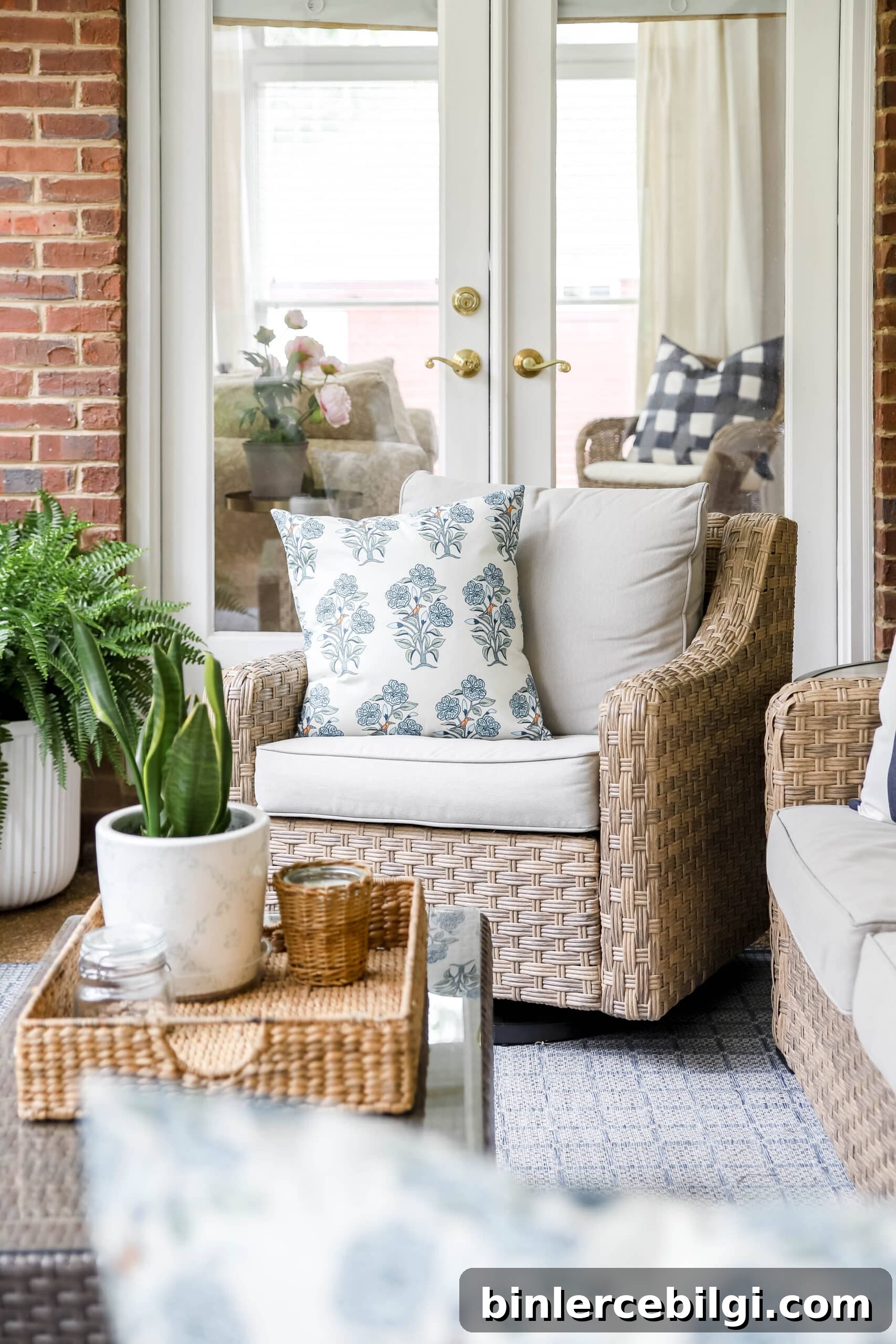
Have you ever stepped into a room and immediately sensed that something felt off? Even beautiful furniture can lose its impact when a space is affected by common décor mistakes. Small details—or the lack of attention to them—can make a home look less polished or even inexpensive, whether that was the intent or not.
You don’t need to hire a designer or fill your home with high-end pieces to improve how it looks. Simple, thoughtful changes can dramatically elevate a room’s atmosphere and make your home feel more cohesive and intentional.
There are always exceptions, and deliberate choices will sometimes break these guidelines. But in general, the following 12 design missteps are the most likely to make a home feel unrefined. I’ve made some of these mistakes myself, and I’ll point out where I’ve bent the rules and why. Let’s jump in.
This post contains affiliate links.
Top 12 Ways That Make Your Home Look Cheap
If you want your home to feel comfortable, thoughtfully designed, and more polished, this guide will help. Below are 12 common mistakes that often undermine a space—and practical ways to fix them.
1. Misplaced Curtains
Hanging curtains too low, too short, or too close to the window frame shrinks a room visually. The classic “high and wide” approach opens up the space: mount the rod close to the ceiling or crown molding, extend the rod wider than the window, and choose curtains that either just graze the floor or hover about half an inch above it. This simple change creates the illusion of taller ceilings and larger windows.
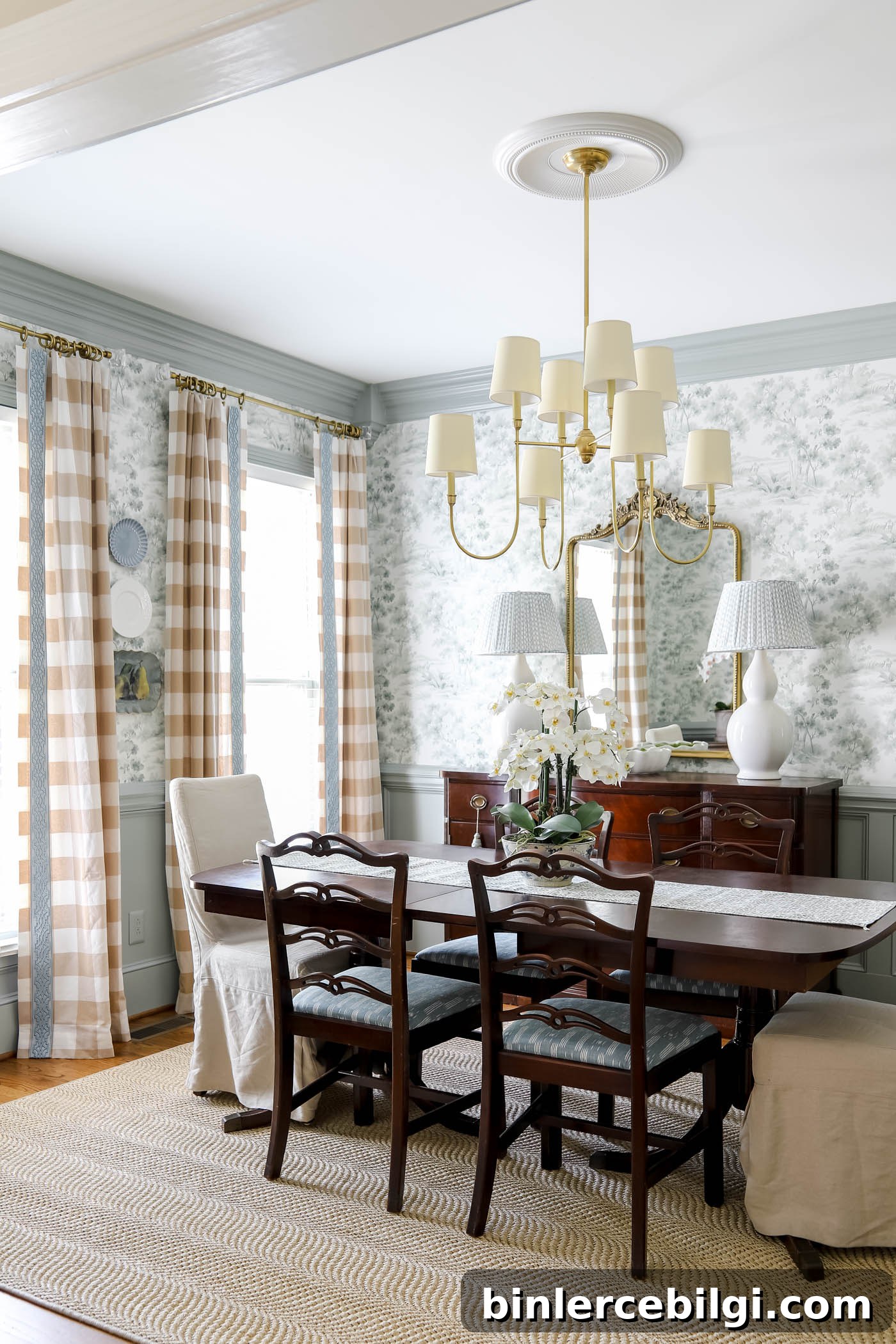
Fix it: Replace or rehang curtains at ceiling height and choose lengths that reach the floor or nearly so. The impact is immediate.
2. Wrong-Sized Rugs
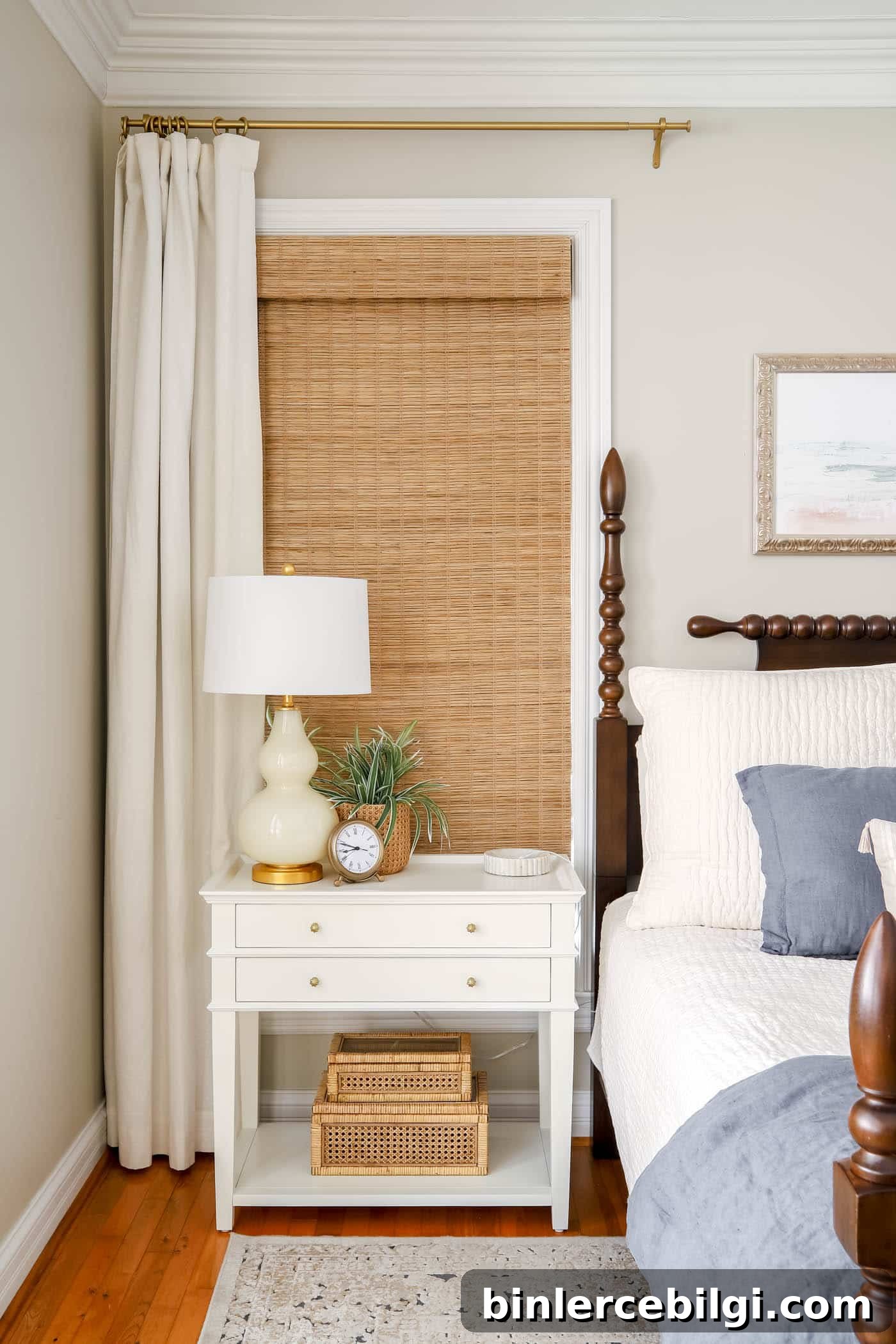
A rug that’s too small or missing entirely can make a room feel disjointed. Rugs anchor furniture and add texture, warmth, and color. In living areas, aim for a rug big enough that at least the front legs of sofas and chairs sit on it. In dining rooms, the rug should extend beyond the chairs so they don’t catch on the edge when pulled out.
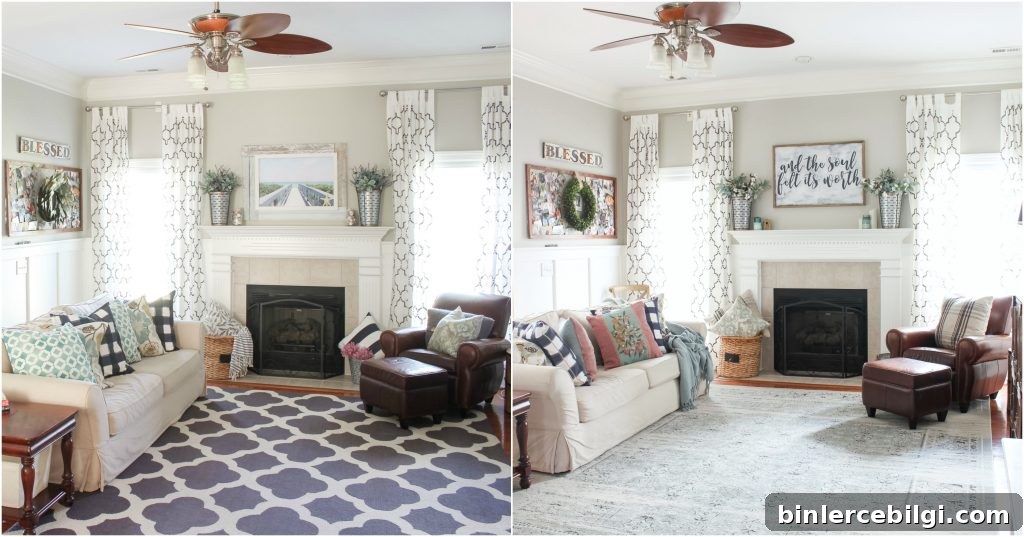
Fix it: Measure your furniture arrangement and buy the largest rug your room can accommodate. A correctly scaled rug instantly ties the space together.
3. Matchy-Matchy Furniture
Buying an entire matching furniture set can make a home look generic and dated. A more collected, layered look comes from mixing styles, finishes, and periods. That doesn’t mean everything must clash—coordinate tones and proportions for cohesion rather than matching every piece exactly.
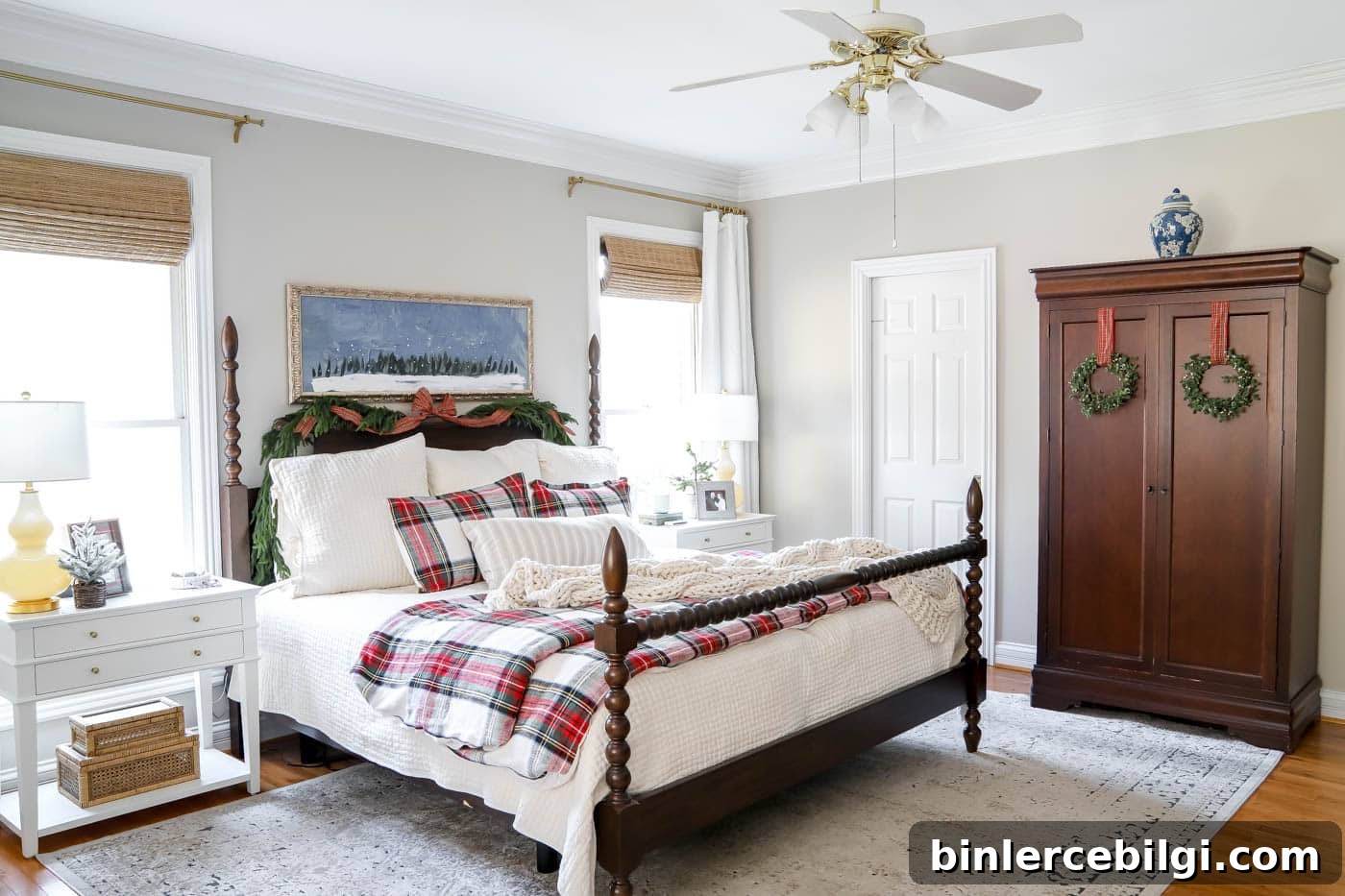
Fix it: Swap pieces between rooms or buy individual items that coordinate rather than buying a full set. Contrast adds interest and avoids that “furniture showroom” feel.
4. Poor Lighting Choices
Lighting influences mood and perceived quality. Harsh overhead lights or relying on a single source make rooms feel flat and institutional. Good lighting includes several layers: ambient (overhead), task (reading lamps), and accent (directional or decorative lighting).
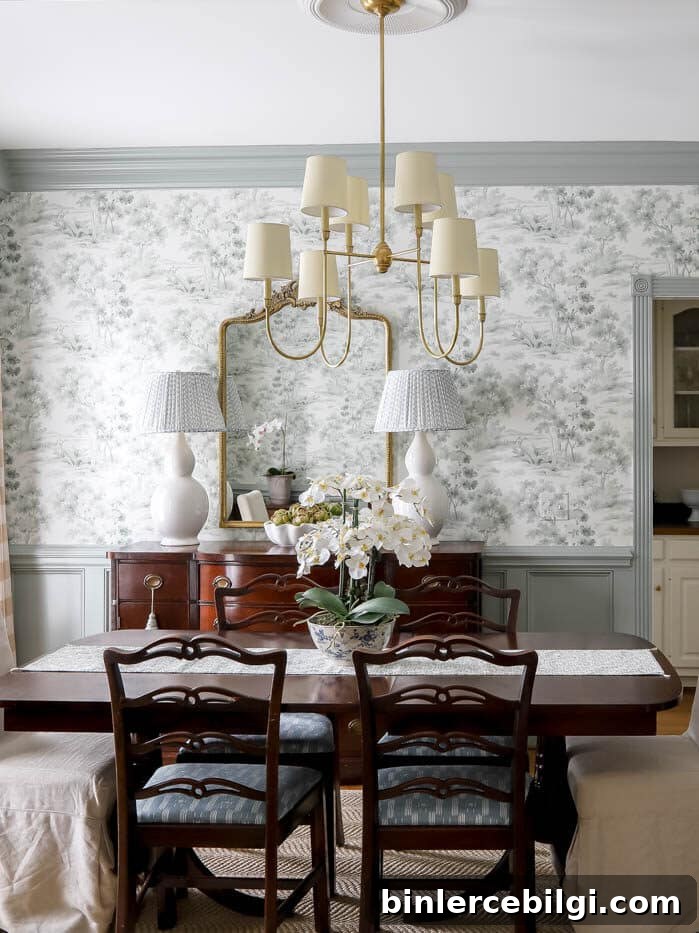
Fix it: Layer light sources and choose warmer bulbs for a cozy atmosphere. Replace outdated fixtures and pick sizes that suit the room scale—an oversized chandelier or a well-placed floor lamp can transform how a room reads.
5. Ignoring Cords and Wires
Visible, tangled cords and cables make even an attractive room feel messy and unfinished. Concealed wiring makes the space feel intentional and high-end.
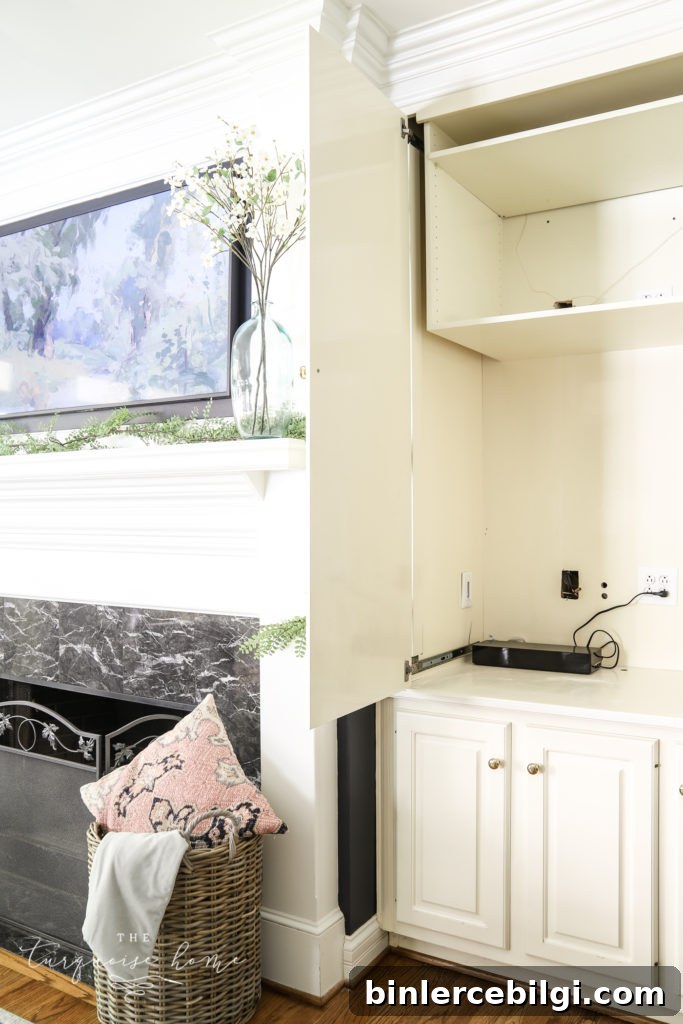
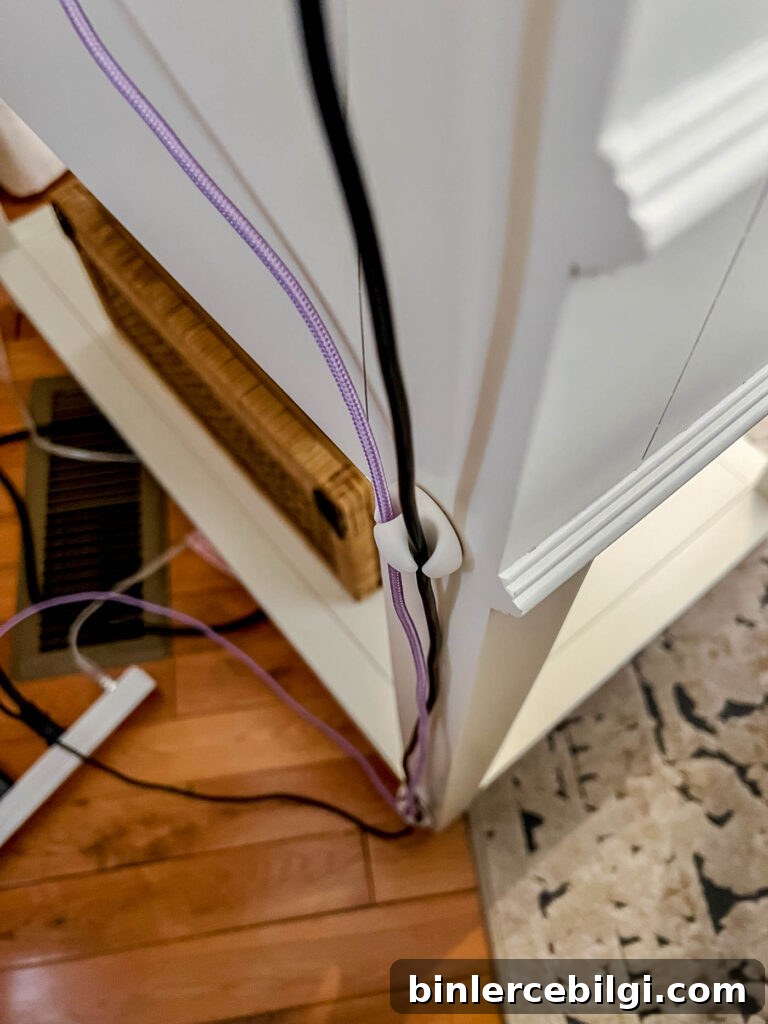
Fix it: Use cord organizers, cable raceways, or in-wall solutions where possible. Even simple clips and cable ties can dramatically clean up a space.
6. Misaligned or Wrong-Sized Art
Art hung too high or too small for the wall disrupts a room’s balance. As a general rule, aim to hang artwork so the center sits around eye level—about 57–60 inches from the floor—and choose pieces that fill the wall proportionally. When creating gallery walls, consistent framing and spacing help unify the display.
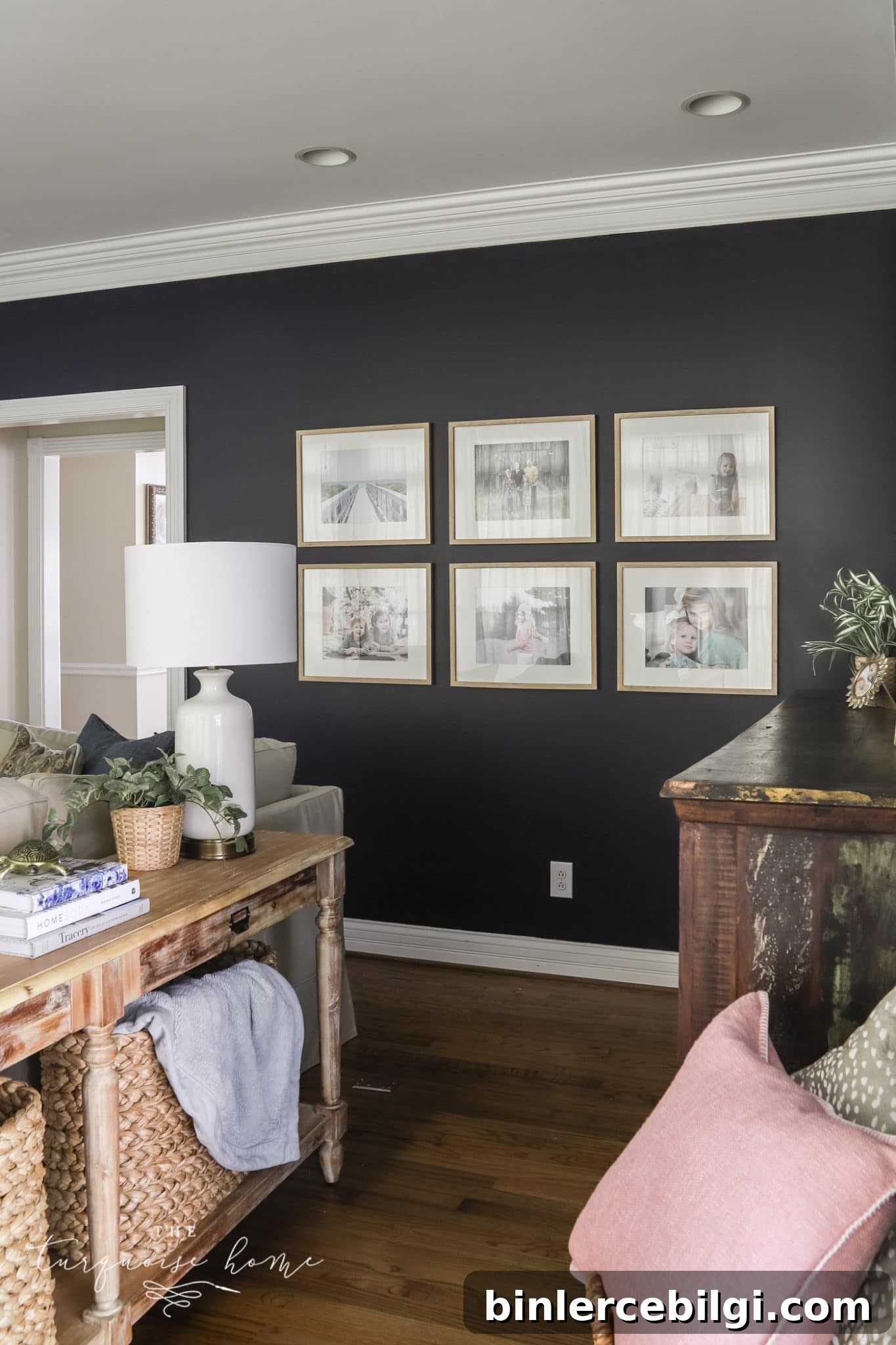


Fix it: Measure before you buy. Often one large, well-placed piece reads better than multiple tiny works competing for attention.
7. Accent Walls
An accent wall can look dated or suggest the room wasn’t fully considered. When used sparingly and with good reason, it can be effective, but more often a single painted or papered wall feels like an afterthought.
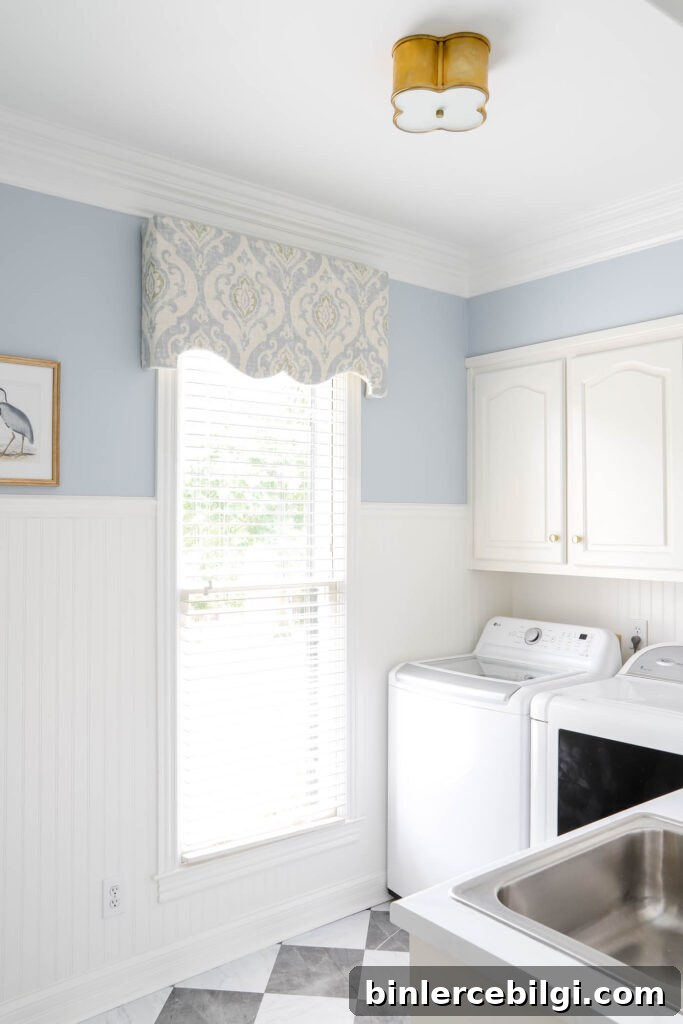
Fix it: Treat walls consistently by extending color or wall treatments across the space. Consider paneling, molding, or beadboard to add texture and a thoughtful finish that wraps the room, rather than isolating one wall.
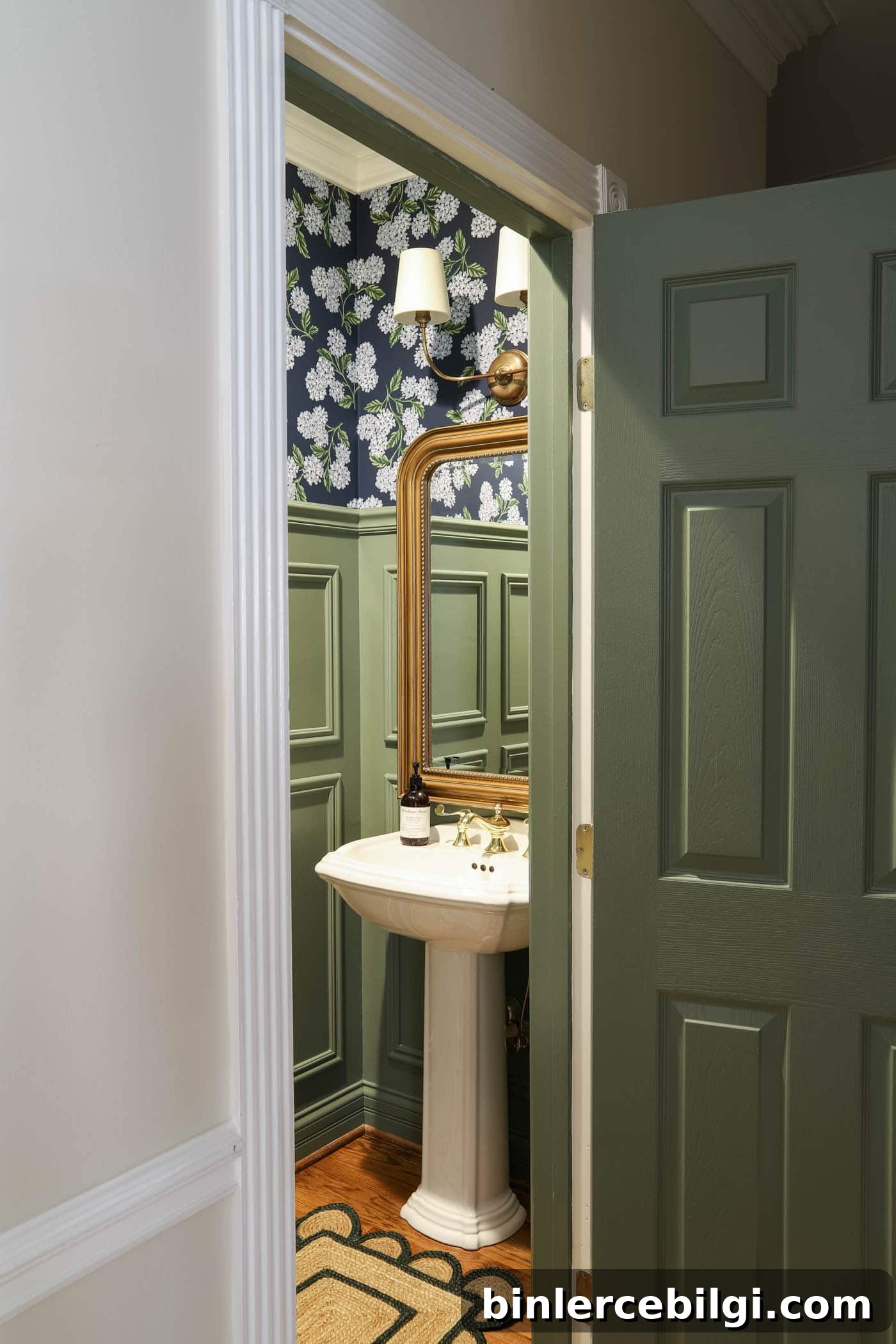
8. Too Much Clutter
Excess clutter makes rooms feel chaotic and unfinished. Too many decorative objects or stacks of papers can overwhelm your design and obscure the room’s best features. Thoughtful editing keeps surfaces purposeful and visually calm.
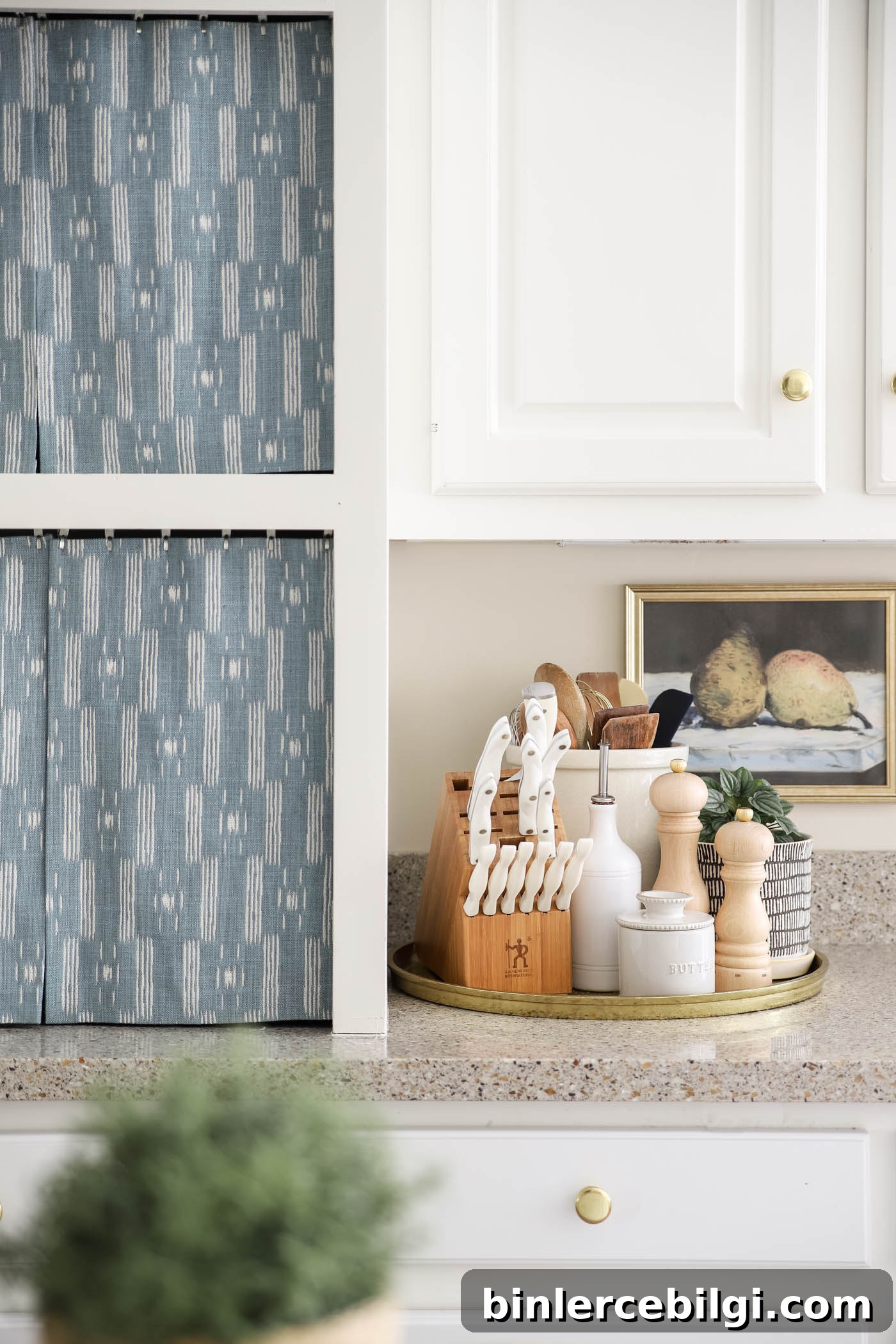
Fix it: Declutter regularly and add practical storage like baskets, trays, and closed cabinets. Adopt a “less is more” approach and remove items that don’t bring value to the space.
9. Inconsistent Flooring
Sudden changes in flooring between adjacent rooms can interrupt flow and make a home feel disjointed. Consistent flooring across a level creates unity and helps furnishings and colors feel intentional rather than disconnected.
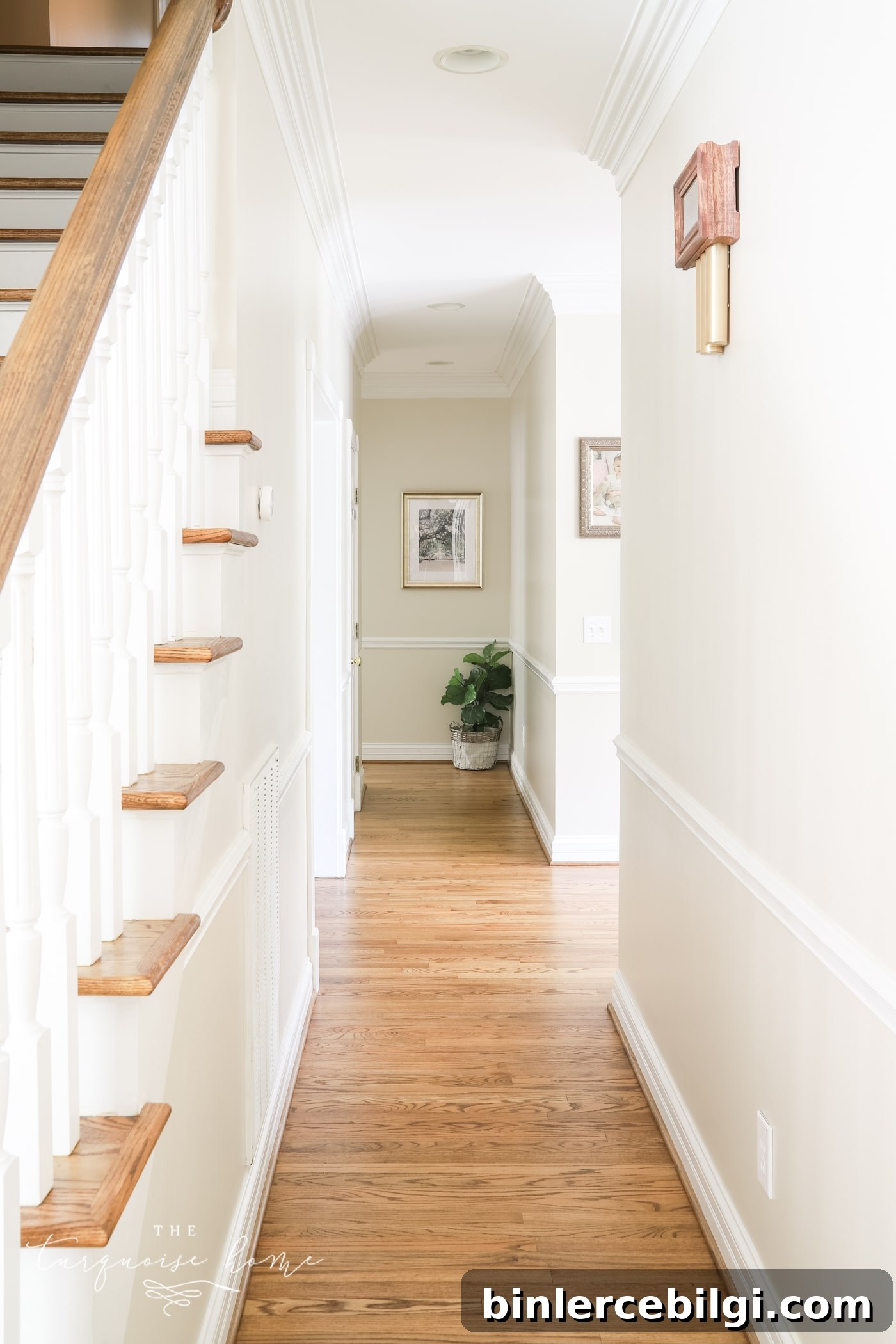
Fix it: Where possible, use the same flooring material across open areas and soften specific zones with rugs rather than changing flooring type from room to room.
10. Ignoring Greenery
A lack of plants or natural accents can make a space feel static. Greenery brings life, texture, and scale to interiors. Even well-placed faux plants can add color and softness when real plants aren’t feasible.
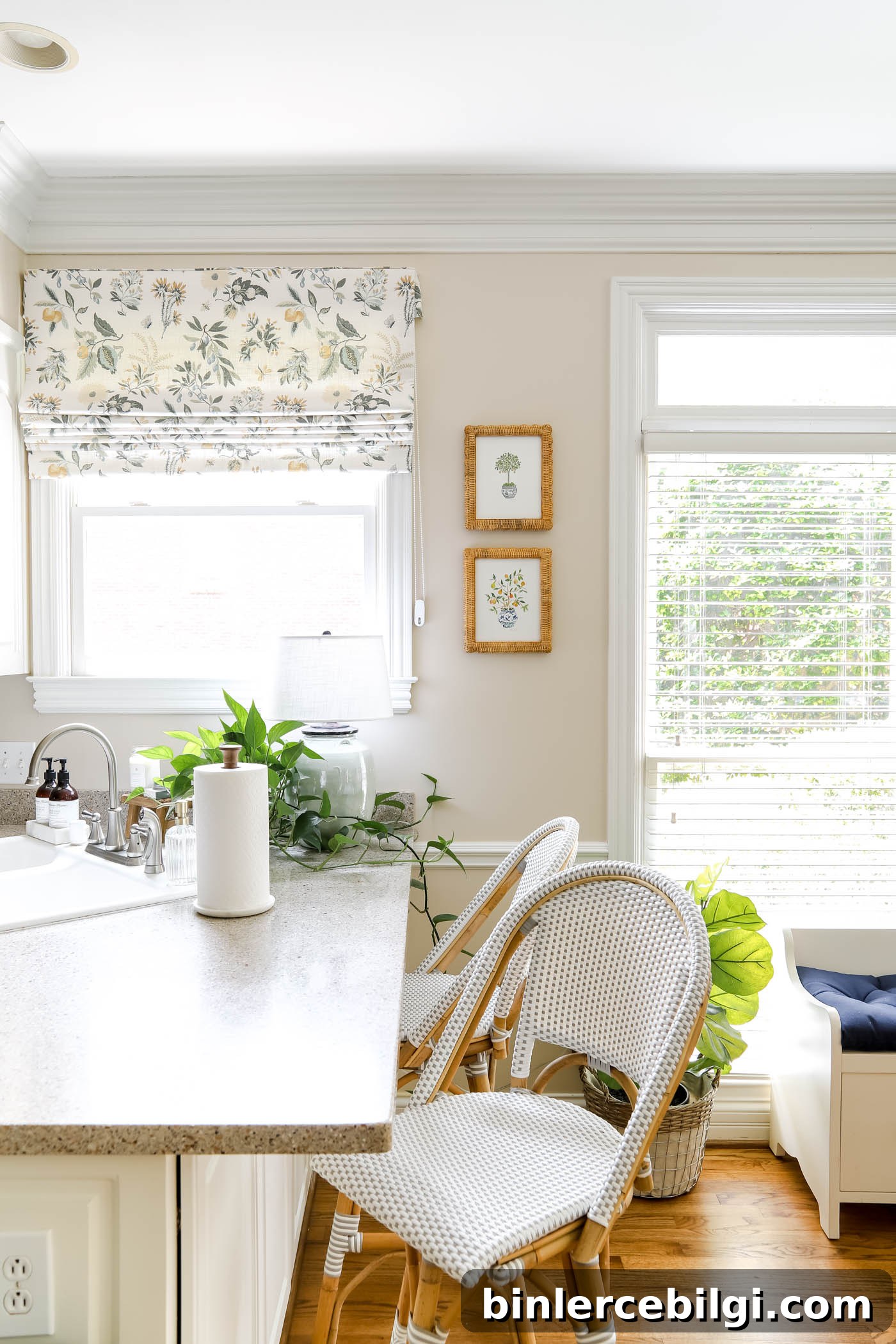
Fix it: Add a mix of real and faux plants suited to each room’s light level. Large statement plants or small grouped plants across a shelf enliven the space.
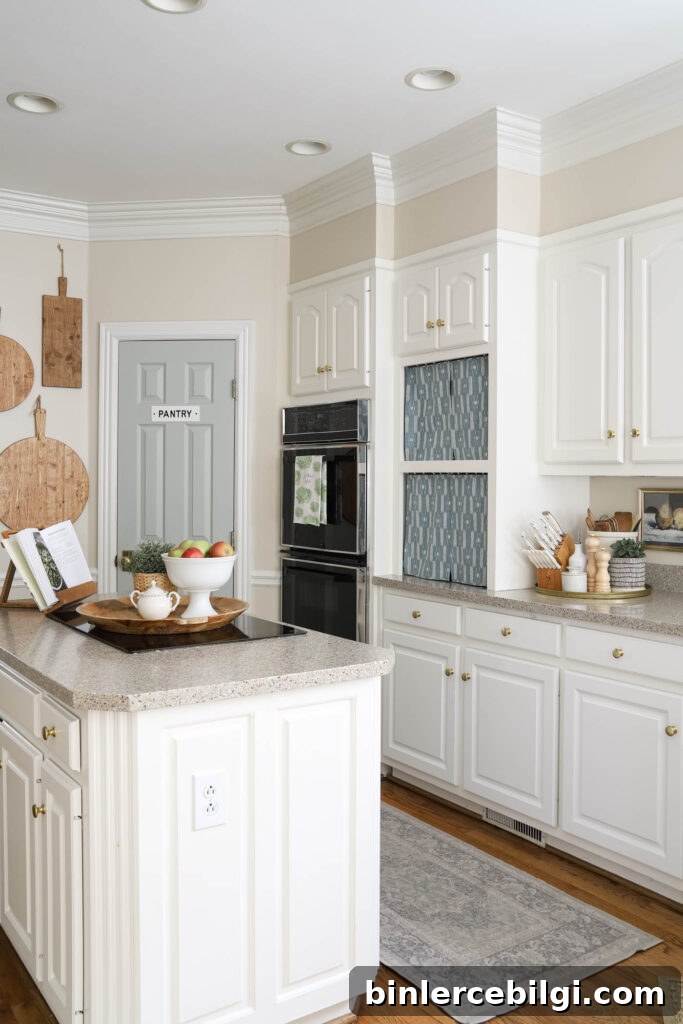
11. Too-Short Cabinets
Cabinets that stop short of the ceiling leave an awkward gap that collects dust and makes a room feel unfinished. Extending cabinetry to the ceiling creates a more custom, built-in appearance.
Fix it: If full-height cabinets aren’t an option, build a simple soffit or crown molding to visually extend the cabinets upward, or add storage above to make the transition intentional.
12. Cheap-Looking Window Treatments
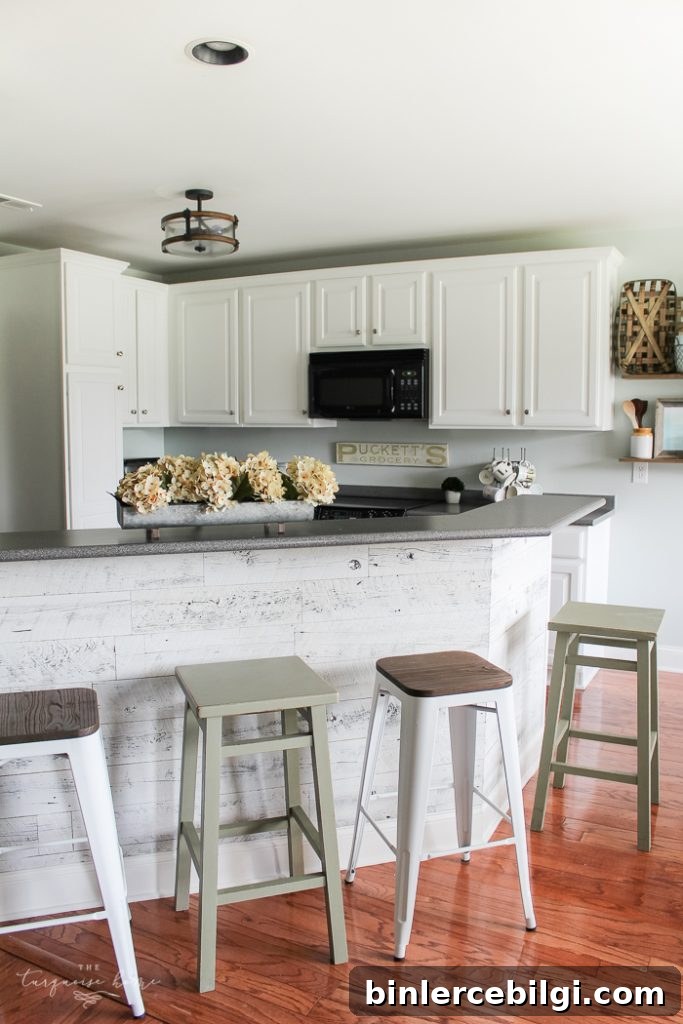
Thin blinds, flimsy shades, or poorly hung curtains can undermine an otherwise well-styled room. High-quality, well-fitted window treatments enhance privacy, light control, and overall style.
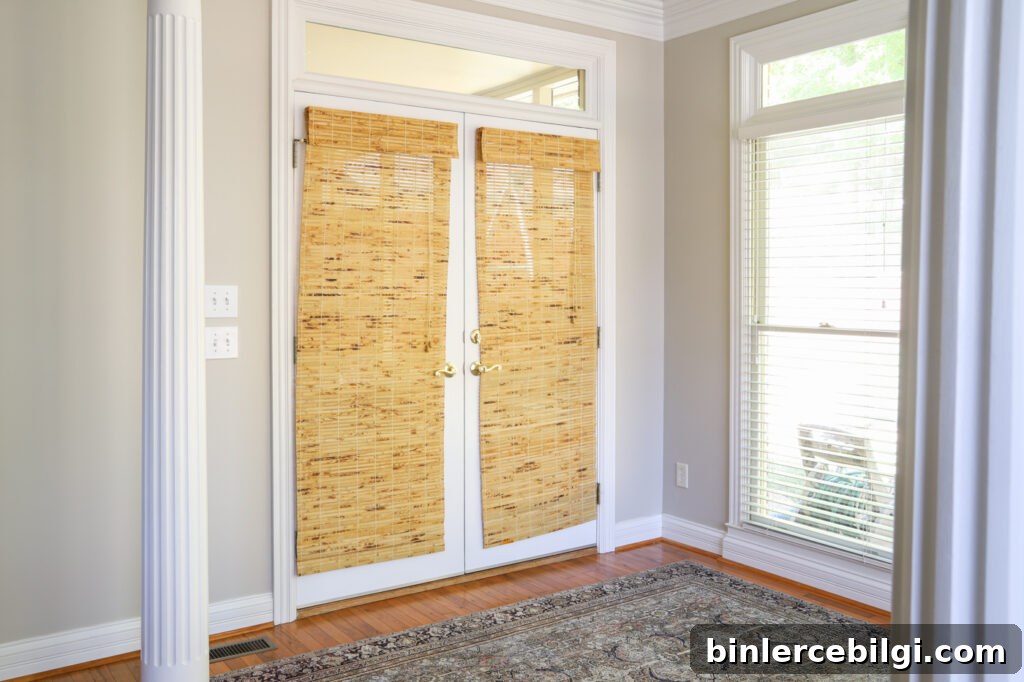
Fix it: Upgrade to fabric curtains that reach the floor, wooden blinds, shutters, or quality roller shades. Hang rods higher and wider than the window to make openings feel larger and more elegant.
Elevate Your Home—One Step at a Time
You don’t need a major renovation or an interior designer to make your home look more cohesive and expensive. Even doing one or two of the fixes above—improving lighting, hiding cords, or choosing well-scaled rugs and art—will have an outsized effect.
Experiment and make changes that reflect your taste. The goal is a home that feels comfortable, graceful, and unmistakably yours.
Have tips of your own for creating a polished home? Share them in the comments—we’d love to hear what’s worked for you.
More Posts You Will Love:
- How To Decorate With Ginger Jars
- Cheap Home Decor Ideas & Where to Buy Online
- Luxury Vinyl Plank Flooring Review
- How to Choose Living Room Curtains
- Best Living Room Paint Colors