
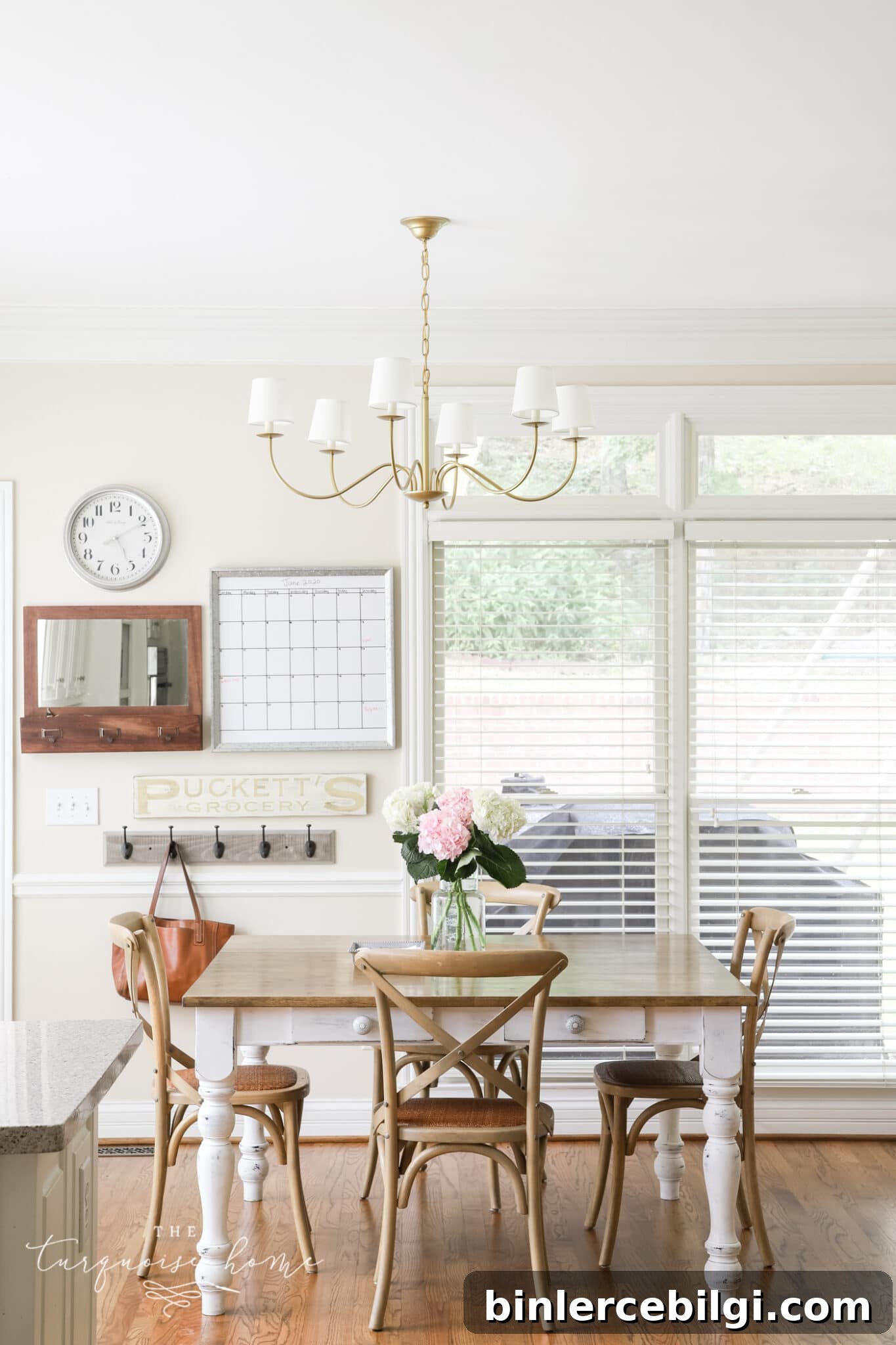
This traditional 6-light brass chandelier is a gorgeous, budget-friendly light fixture!
I’d been saying for months that I needed a new chandelier above the kitchen table. The fixture that came with the house always felt like an eyesore, but replacing it wasn’t high on the priority list—until a glass pane fell out. When we removed it, we discovered another pane on the opposite side was cracked. That was a safety issue we didn’t want to ignore, so the chandelier finally had to go.
This post contains affiliate links for your convenience.
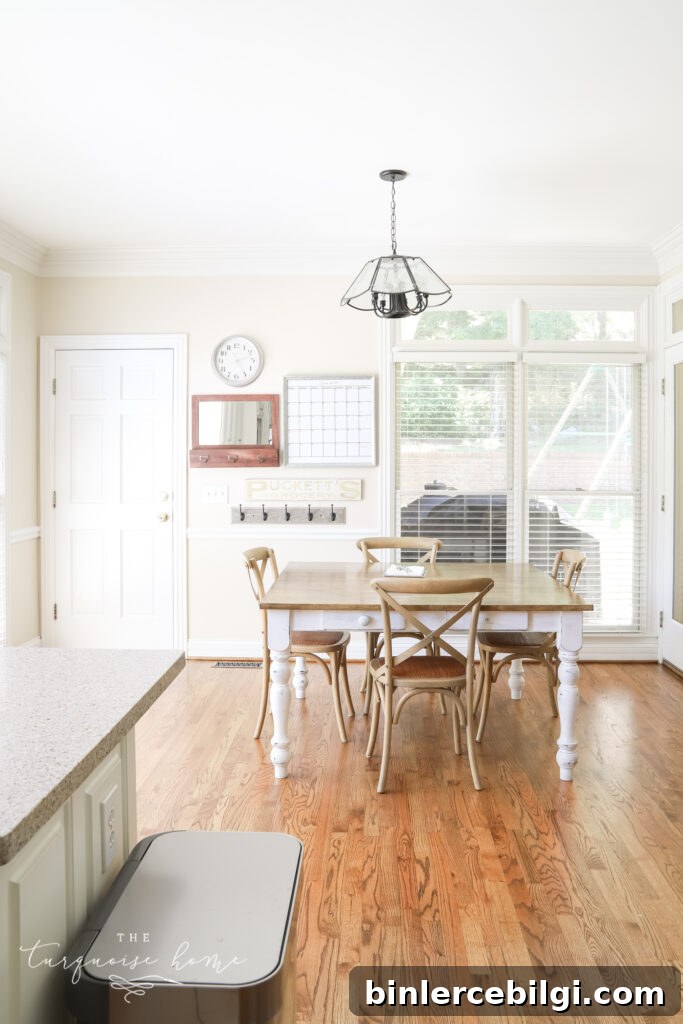
I went searching for a casually elegant chandelier that would suit the space. There are so many styles out there, but I focused on classic shapes and finishes that would complement our kitchen’s feel. After a lot of browsing, I narrowed it down and finally settled on a simple, six-light traditional brass chandelier that was easy to install and didn’t break the bank.
Meet the 6-Light Traditional Brass Chandelier.
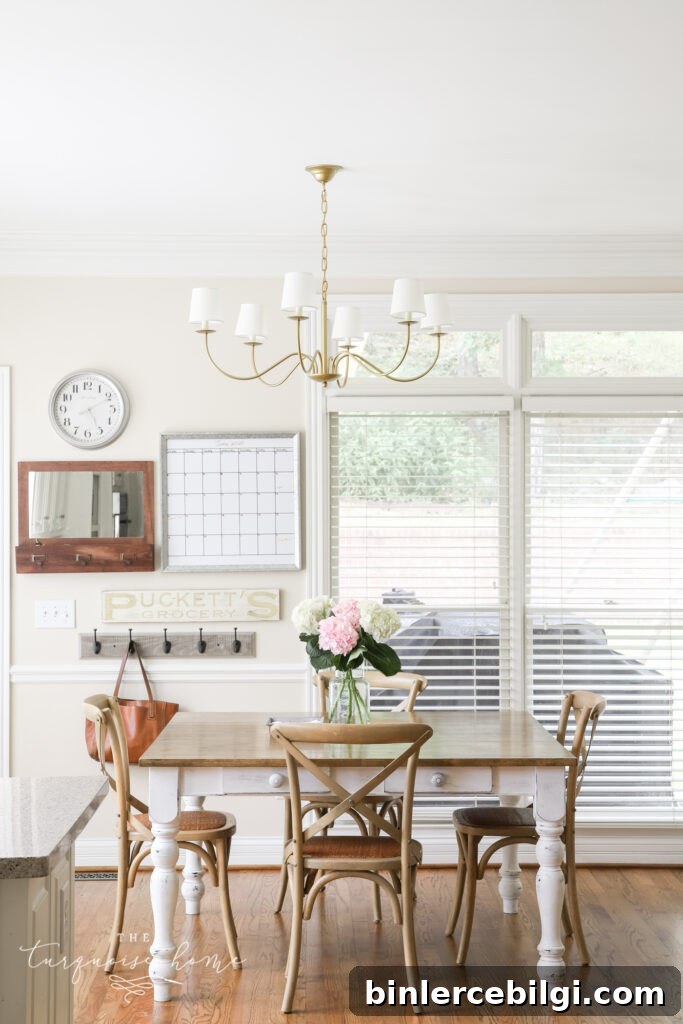
I love how it looks—clean, classic, and a little bit warm from the brass finish. Lighting is one of the quickest ways to change the character of a room, and this fixture instantly updated our kitchen without requiring a major remodel. The six bulbs give plenty of light, which is essential for dining and meal prep at our table.
I was initially drawn to fixtures that included seagrass shades for a coastal, textured vibe. Seagrass adds a relaxed, natural element that pairs beautifully with traditional brass. I ordered two different sets of seagrass shades to try them out on the chandelier, hoping they would bring the look I wanted.
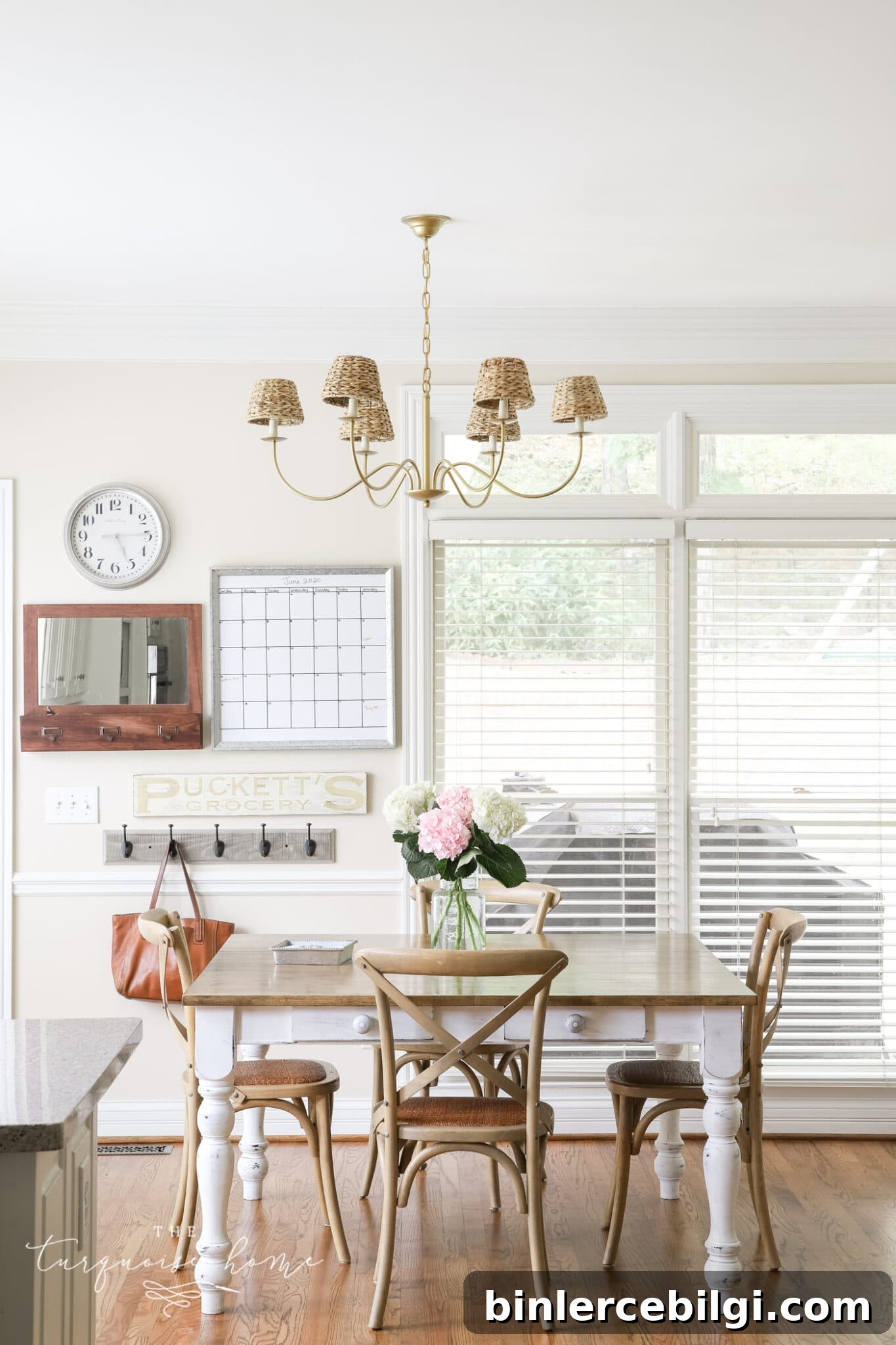
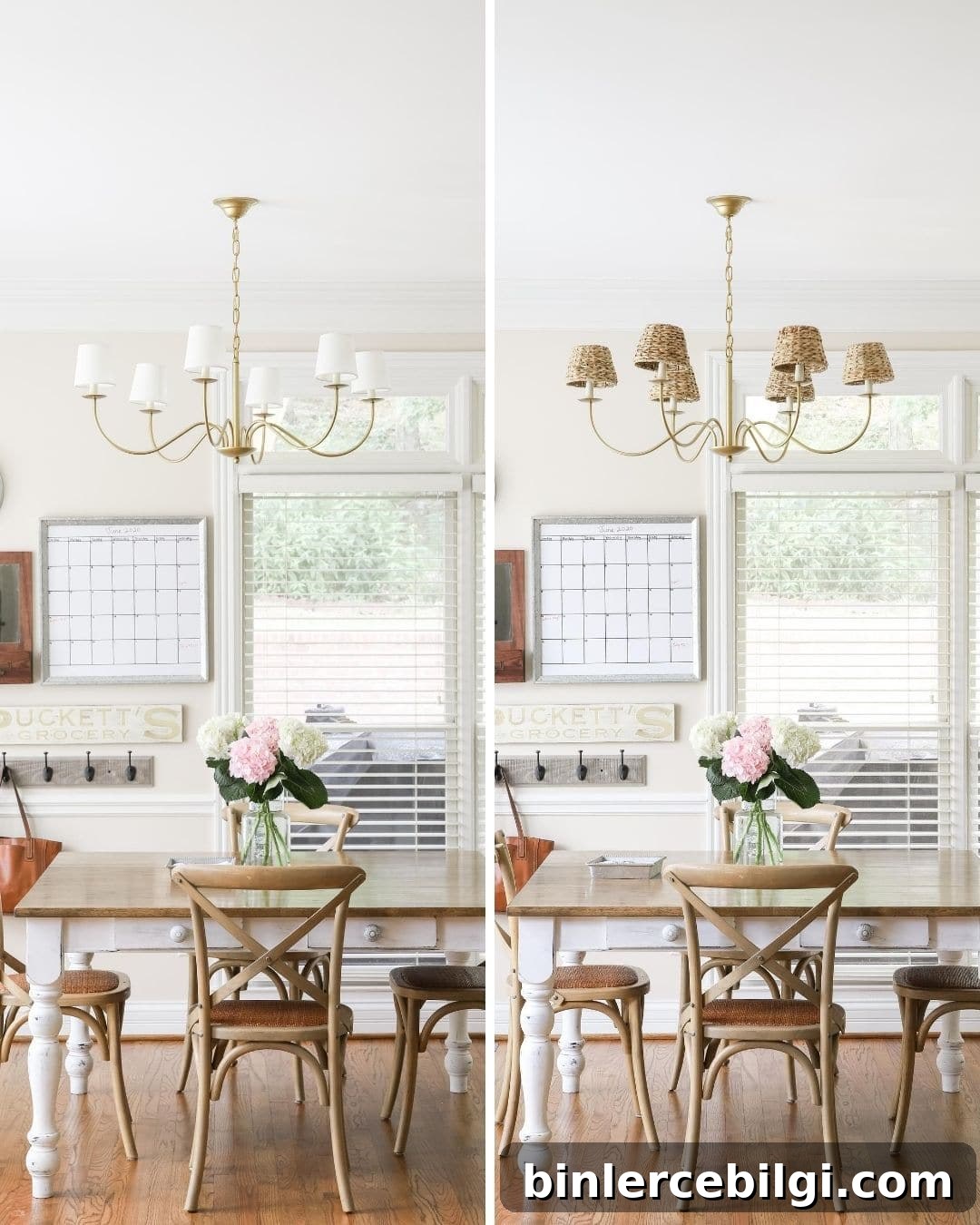
By day, the seagrass shades looked amazing—textural, warm, and exactly the style I had in mind. But at night the darker, denser shades reduced the fixture’s brightness more than I expected. The dining table felt dim, and I couldn’t get used to not being able to see the food clearly. Ultimately, I returned the seagrass shades and kept the original white shades because they allow much more light while still looking crisp and classic.
Here’s a side-by-side view so you can see the difference between the seagrass and white shades. The seagrass look is lovely and very on-trend, but if your priority is bright task lighting for dining or food prep, lighter shades will almost always perform better.
A few quick takeaways from my chandelier swap:
- Choose a fixture with enough bulbs for the task: a 6-light chandelier provides bright, even illumination for dining tables and kitchens.
- Consider how shade color and material affect light output: darker natural shades look great in daylight but may dim the space after dark.
- Classic finishes like brass are versatile and pair well with both coastal and traditional interiors, making them a smart long-term choice.
- Installation was straightforward: swapping a chandelier is a relatively simple upgrade that can dramatically change a room’s look without a big investment.
Replacing the broken fixture pushed me to finally make the kitchen a priority, and I’m so glad it did. The new chandelier feels like the right fit—elegant but approachable, and most importantly, bright enough for everyday life. I’m really happy with how the space came together.
What do you think of the brass chandelier—do you prefer the seagrass shades for the texture or the white shades for the brightness? Share your thoughts in the comments below.
MORE POSTS YOU WILL LOVE:
- 15 Flush Mount Lighting Ideas For Your Home
- 17 Stunning Entry Way Light Fixtures
- 17 Beautiful Dining Room Chandeliers
- Plaid Christmas Kitchen
- 7 Ways to Refresh a Kitchen