
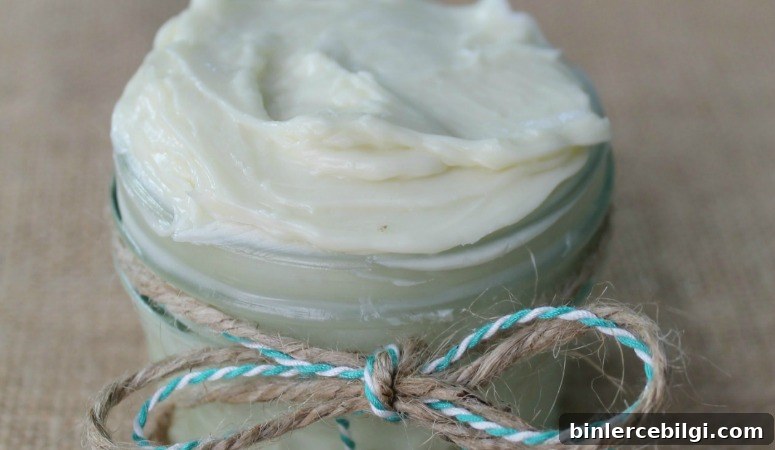
Learn how to make a simple, all-natural homemade body butter with just a few wholesome ingredients. It’s nourishing, long-lasting, and gentle enough for the whole family.
I’ve wanted to share this body butter recipe for a while. I’ve never been a fan of conventional lotions—many feel sticky or leave a greasy residue. But during the colder months my skin gets very dry, so I started experimenting with natural options. This whipped body butter became a game changer for winter skin.
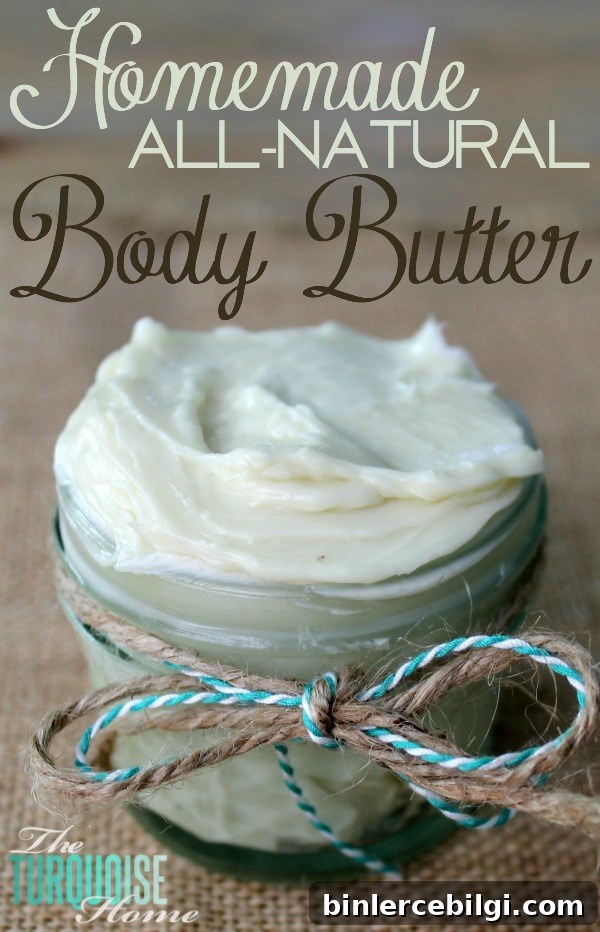
What I love most is that it’s made from simple, recognizable ingredients I’m happy to use on my kids and myself. I especially enjoy applying a lavender-scented batch to the girls after bath time—its gentle, floral aroma seems to help them relax before bed. The butter spreads smoothly, melts into the skin on contact, and a little goes a long way.
A single batch yields a generous amount and lasts a long time in regular use. I store mine in a cool place in the bathroom, and it stays solid until applied. My husband started using it on his very dry winter hands, too—he likes it.
This post contains affiliate links for convenience. See full disclosure on the original site.
Ingredients for Homemade All-Natural Body Butter Recipe
- 1 cup organic shea butter
- 1/2 cup coconut oil
- 1/2 cup almond oil (or jojoba oil if you prefer)
- About 30 drops of a high-quality essential oil of your choice (optional)
How to Make All-Natural Body Butter
1. Combine the shea butter and coconut oil in a double boiler and heat until melted.
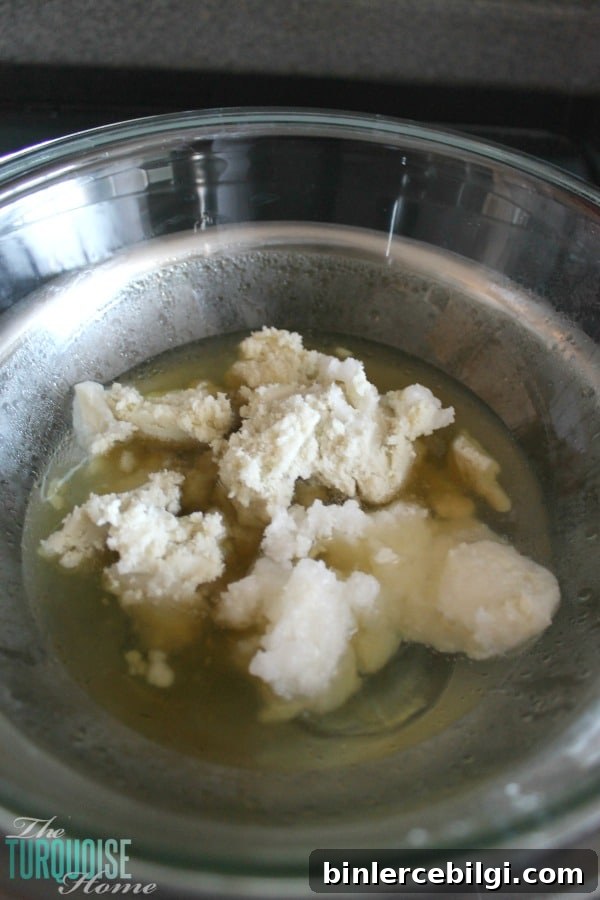
Use a true double boiler or a makeshift setup (a heatproof bowl over simmering water). Gently melt the shea butter and coconut oil together, stirring occasionally until fully liquid. Avoid overheating; low, even heat preserves the oils’ beneficial properties.
2. Allow the mixture to cool for 30–40 minutes.
Let it sit until it’s still warm but beginning to thicken. You want it to be pourable but not piping hot when you add the remaining oils.
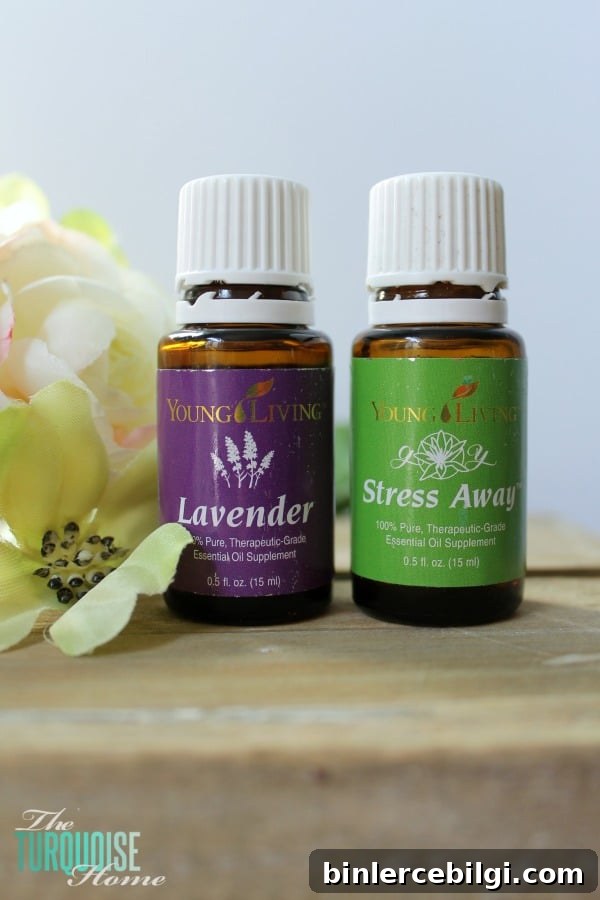
3. Stir in the almond or jojoba oil and essential oils.
Add the liquid carrier oil (almond or jojoba) and begin with about 30 drops of your chosen essential oil. Adjust the scent to taste—you can split the batch and scent half with lavender and half with another blend if you like. If you’re using essential oils around children, check recommended dilution rates and perform a patch test first.
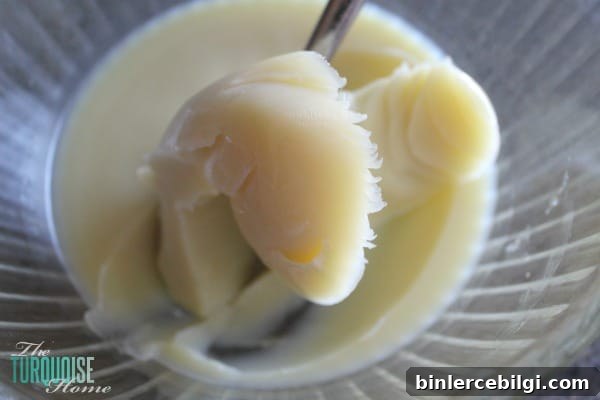
4. Chill the mixture until it’s partially solid—about 20–30 minutes.
Place the bowl in the freezer or refrigerator until the mix is fairly firm but not rock hard. If it becomes completely solid, allow it to sit briefly at room temperature before whipping.
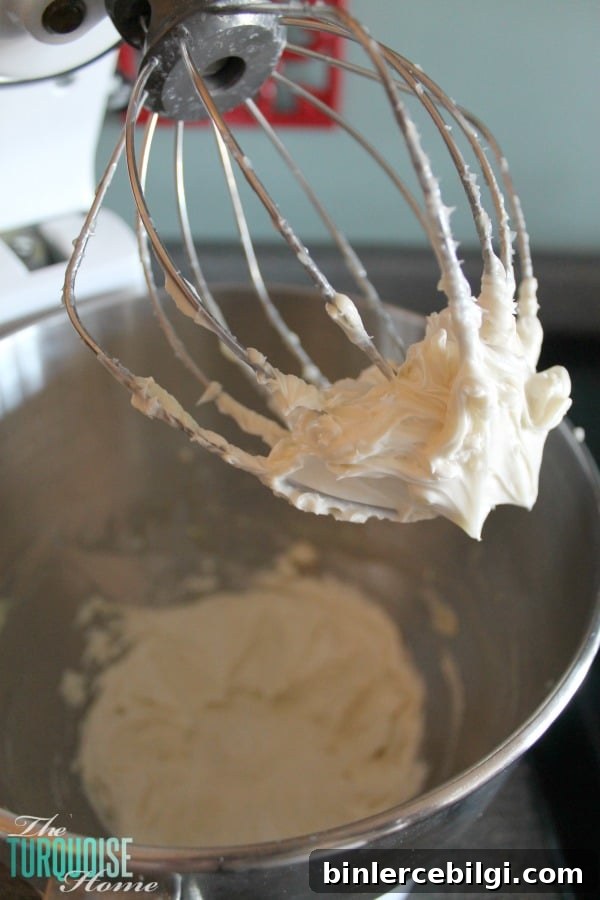
5. Whip until light and fluffy, about 5–8 minutes.
Use a hand mixer or stand mixer and whip the chilled mixture until it reaches a butter-like, airy consistency. Pause to scrape down the sides with a spatula so everything blends evenly.
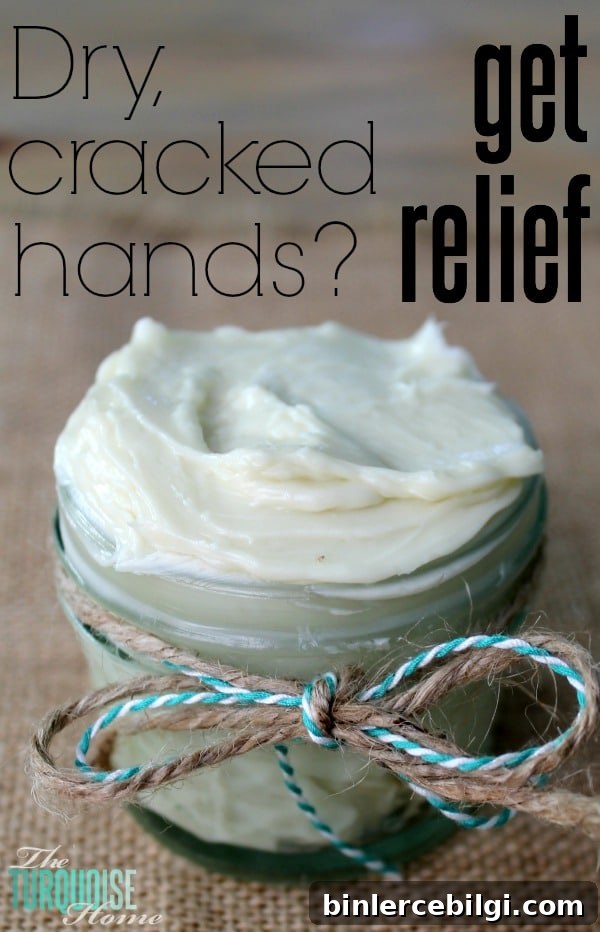
6. Transfer to clean containers and enjoy.
Spoon the whipped butter into glass jars, tins, or any clean container. I prefer glass jelly jars, but plastic works as well. Store in a cool, dry place—this product generally remains solid at room temperature and melts on contact with skin.
A small amount is usually enough: rub a pea‑sized amount between your palms, then apply to dry areas such as hands, elbows, knees, and feet. It absorbs beautifully and leaves skin feeling nourished without heavy residue.
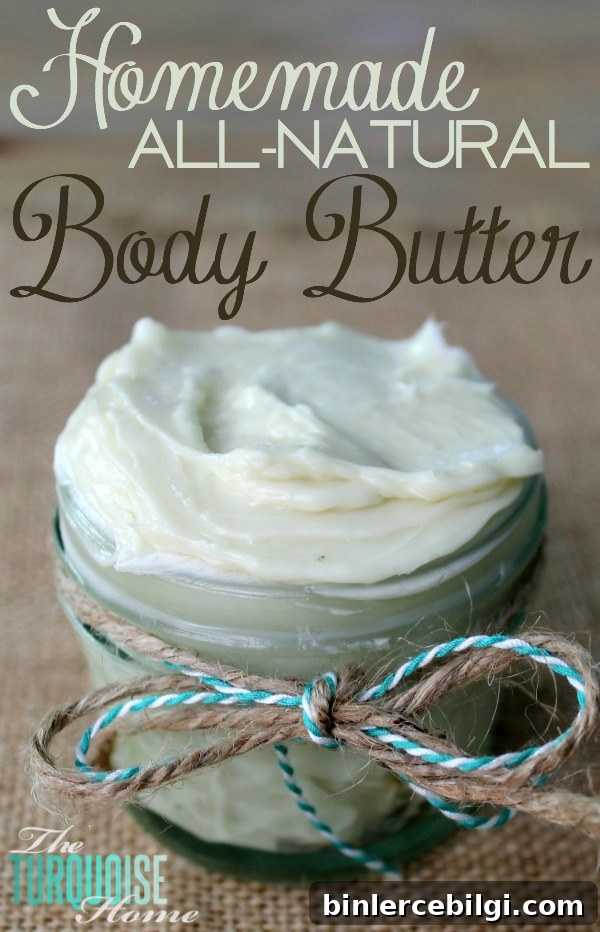
This simple homemade body butter replaces many commercial moisturizers and gives you control over the ingredients. It’s a small step toward a cleaner, more natural home routine—one jar at a time. I’ll be sharing more DIYs soon, including a gentle foaming hand soap and a sugar scrub.
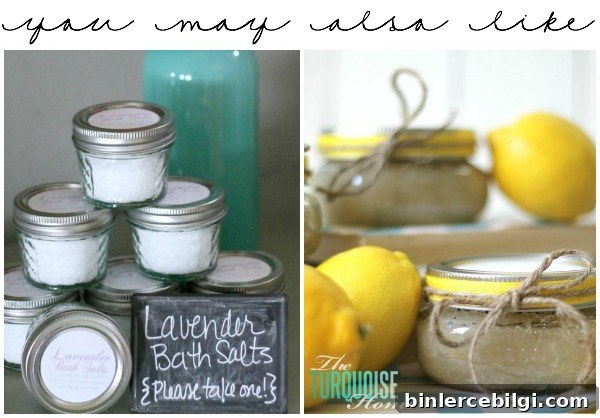
Related ideas: Lavender Bath Salts // Lemon Sugar Scrub
Suggested reads (titles only):
- Top Gifts for the Essential Oil Lover
- 10 Amazing Uses of Purification Essential Oil
- Essential Oils Every Home Needs: Stress Away
- 14 Amazing Uses for Lavender Essential Oil
- 11 Amazing Uses of Peace & Calming Essential Oil
Disclaimer: This is a personal recipe and reflects my experience. I am not a medical professional. Always research essential oil safety and perform a patch test before using new products—especially on children. This product is not intended to diagnose, treat, cure, or prevent any disease.