
Should you close the space above kitchen cabinets? Pros and cons of sealing that gap
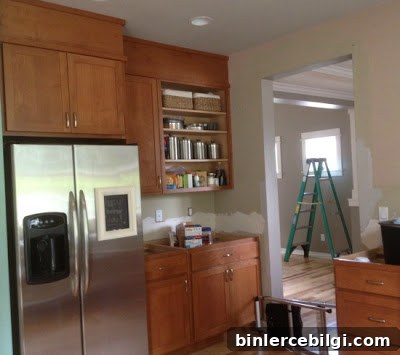
Like many homeowners, I used to have that narrow, dusty gap above my kitchen cabinets — too shallow to store anything useful and always a hassle to clean. Lately I’ve been planning a kitchen update and revisiting the question: is it better to close that space in or leave it open?
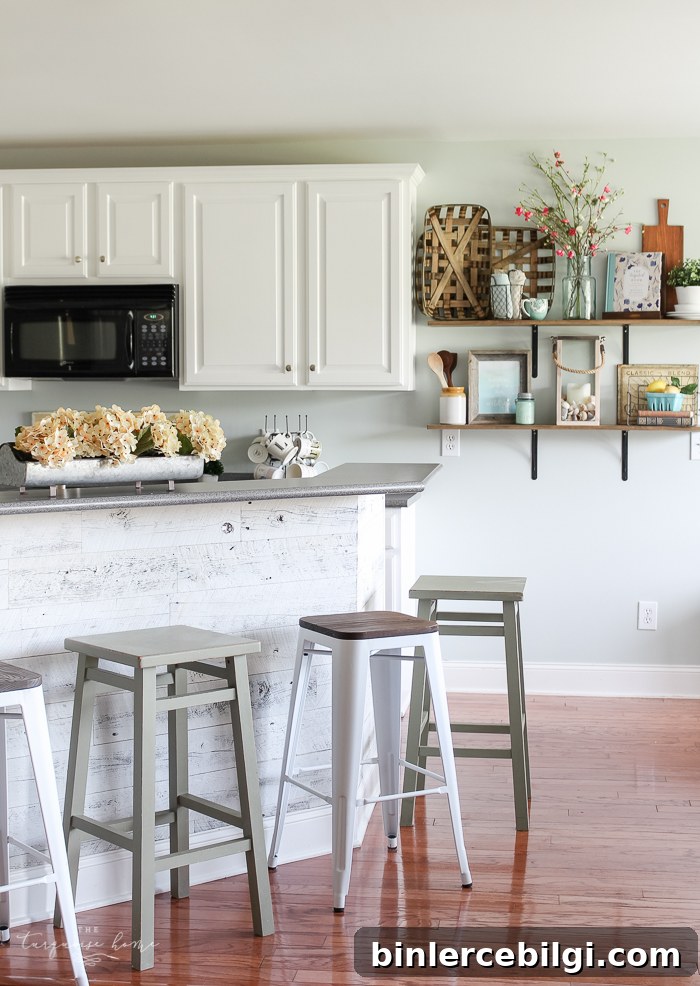
I’ve seen a number of kitchen remodels where homeowners filled in the awkward void above the upper cabinets. Melissa at The Inspired Room shared a beautiful example of this in her kitchen remodel, and another blogger posted a detailed DIY tutorial showing step-by-step how she closed the gap in her kitchen. Those projects made me rethink the space I had always ignored.
Since moving into our current home, I’ve discovered the advantages of cabinets that reach the ceiling. Our kitchen has a closed area above the cabinets and I love it. It’s simply blank space, but it draws the eye upward and makes the room feel taller and more cohesive. Best of all: no dust to clean on top of the cabinets anymore.
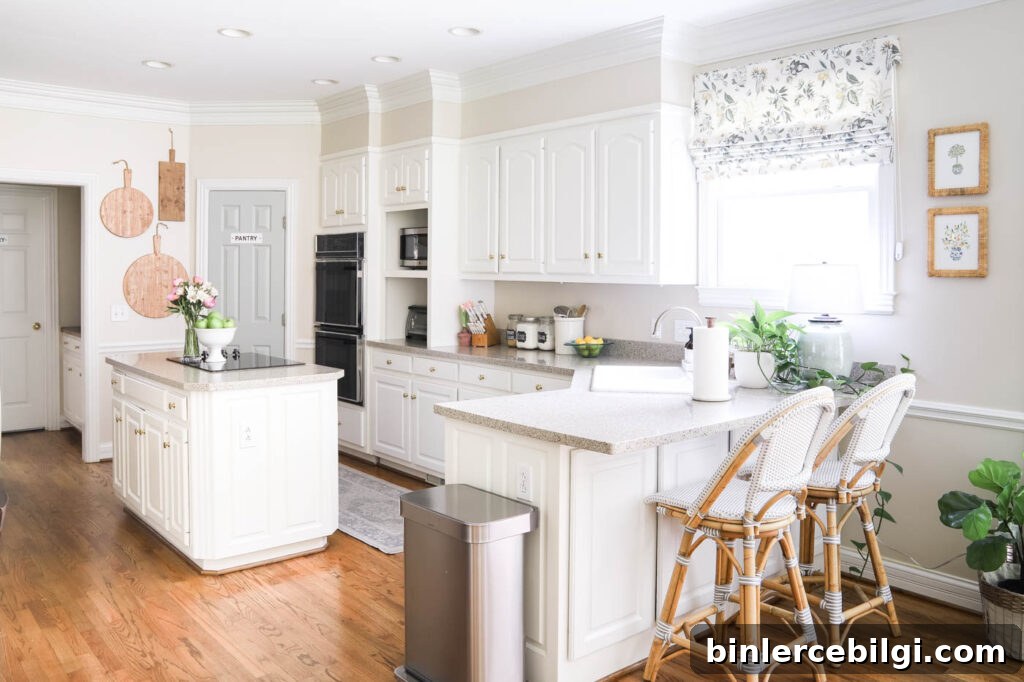
If I ever move into a home with that open gap again, I’ll likely close it in quickly. But like most design decisions, there are trade-offs. Below I’ve outlined key pros and cons to help you decide whether to close the space above your cabinets or leave it open.
Pros of closing the space above kitchen cabinets
• Cleaner appearance: Cabinets that meet the ceiling create a finished, built-in look. The kitchen feels intentional and less dated.
• Easier maintenance: With no ledge to collect dust and grease, you eliminate a nuisance cleaning task.
• Perceived height: Closing the gap can visually raise the ceiling line and make the kitchen feel taller and more spacious.
• Additional insulation and draft reduction: Sealing that area can help reduce drafts and may slightly improve energy efficiency by removing an open cavity.
• Opportunity for integrated finishes: You can add crown molding, recessed lighting, or a soffit to create a cohesive design detail across the room.
Cons of closing the space above kitchen cabinets
• Lost display space: If you enjoy styling decorative items, collecting baskets, or using that space for seasonal decor, closing it removes a display area.
• Cost and labor: Filling in the gap involves carpentry, paint, and possibly drywall or trim work — a cost to consider, especially in an older home.
• Access to mechanical elements: In some houses, vents, ductwork, or wiring may run above cabinets. Closing the space could require rerouting or creating access panels.
• Potential moisture or ventilation concerns: In very humid kitchens, trapping an enclosed pocket without proper ventilation could require attention during construction.
How to decide
Start by thinking about how you use the kitchen. If you dislike dusting the tops of cabinets and prefer a clean, streamlined look, closing the gap is an easy aesthetic win. If you love decorative displays or need that extra shallow storage for rarely used items, leaving the space open or styling it intentionally might be a better choice.
Also weigh budget and scope. A simple trim extension or soffit built to match your cabinets can look professional and keep costs down. For larger structural changes or when dealing with hidden mechanicals, consult a contractor to plan for any needed adjustments.
If you’re not ready to permanently close the space, there are alternatives: style the gap with a few well-chosen baskets and décor, install lightweight crown molding, or use removable panels that can be taken down later.
Have you closed the space above your cabinets, or do you prefer it open? What solutions worked for your kitchen layout?
More Posts You Will Love:
- How to Decorate Kitchen Counters {Decorating 101}
- 7 Ways to Refresh a Kitchen
- How to Decorate the Kitchen for Christmas