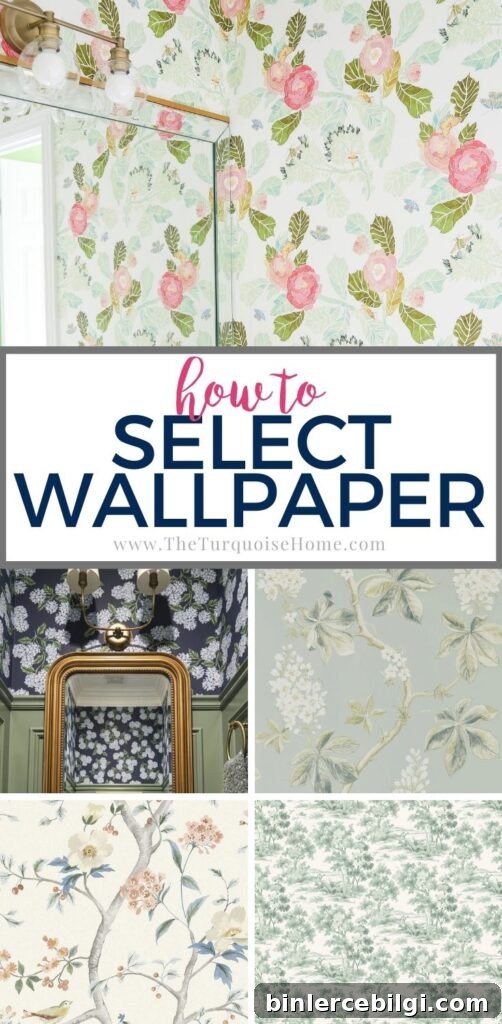
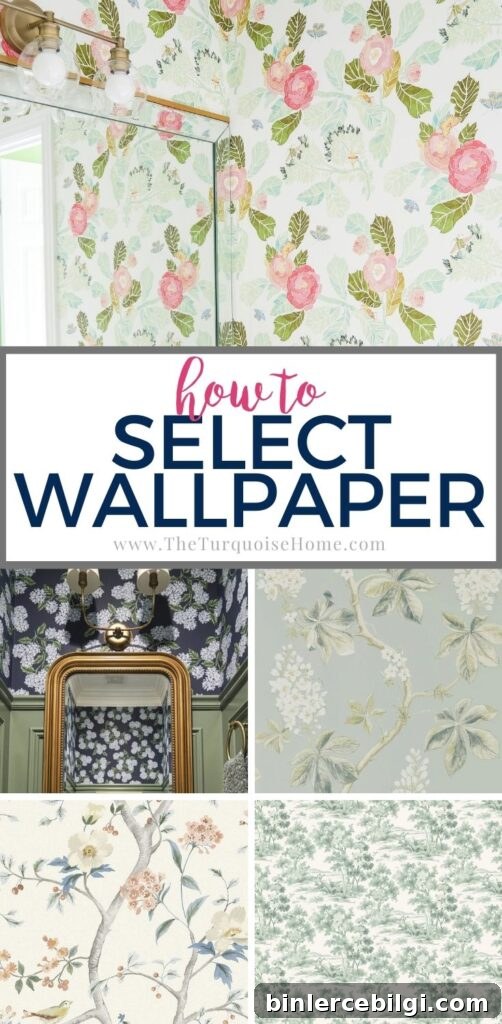
How to choose the right wallpaper for your space, where to buy it, and the main types available — everything you need to get started is here.
Wallpaper has been a decorating staple for centuries. Its popularity has ebbed and flowed over the years, but today it’s enjoying a strong comeback thanks to better materials, improved installation techniques, and more inspiring patterns than ever before.
If you remember removing wallpaper installed in the 1980s or 1990s, you likely recall the frustration: badly applied paper glued straight to drywall that tore the surface during removal. That era left many with a negative impression of wallpaper. More recently, homeowners turned to paint because it’s fast, inexpensive, and transformational. I love paint, too — it’s an excellent, budget-friendly way to refresh a room — but I’m thrilled that wallpaper is back in a big way. When chosen and installed well, wallpaper adds texture, pattern, and personality in a way paint alone can’t.
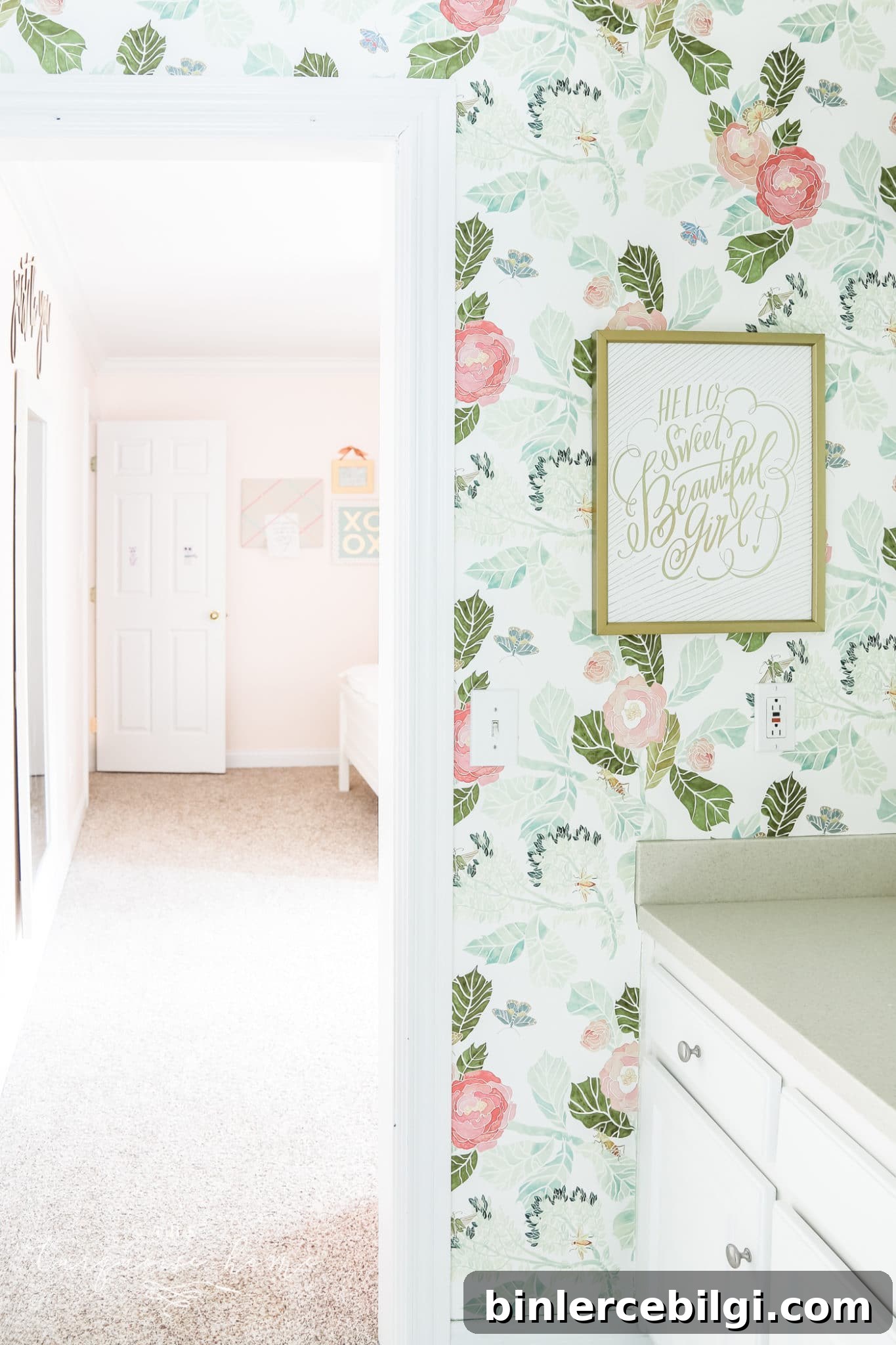
Lately I’ve had lots of questions about where to source wallpaper and whether it’s possible to hang it yourself. I’ve installed wallpaper several times — twice in bathrooms and soon in a dining room and a butler’s pantry — and I’ve tried both pre-pasted and unpasted papers. Below I’ll explain the most common types of wallpaper, share practical selection tips, and point you toward places to shop. I’m not a professional installer, but I’m a careful DIYer and can share what worked for me and what to expect if you’re a beginner.
This post contains affiliate links for convenience. See my full disclosure policy.
Different Types of Wallpaper
Most wallpaper variations are defined by how they’re applied. Here are three common types you’ll encounter when shopping.
Pre-Pasted Wallpaper
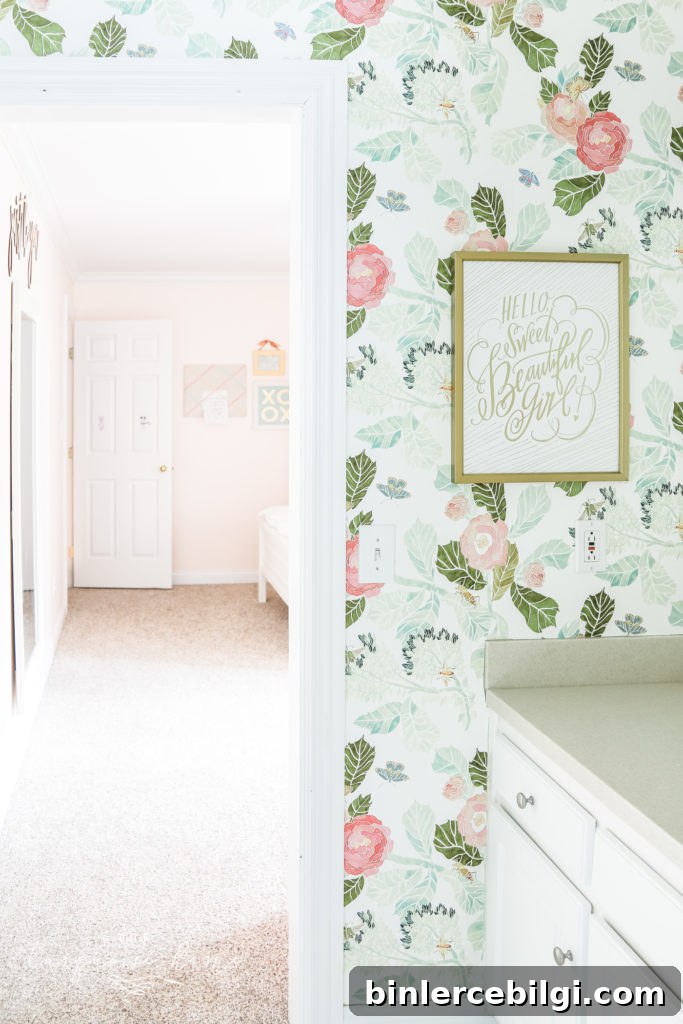
Pre-pasted wallpaper arrives with a dry adhesive already on the back. You activate the paste with water, then hang the paper. It’s a popular option for DIY beginners because it eliminates the step of applying paste separately. I used pre-pasted wallpaper in my daughter’s bathroom. It was my first wallpaper project and there were many obstacles and corners to work around, so it felt challenging at times, but it was definitely doable.
Paste-on-Wall Wallpaper
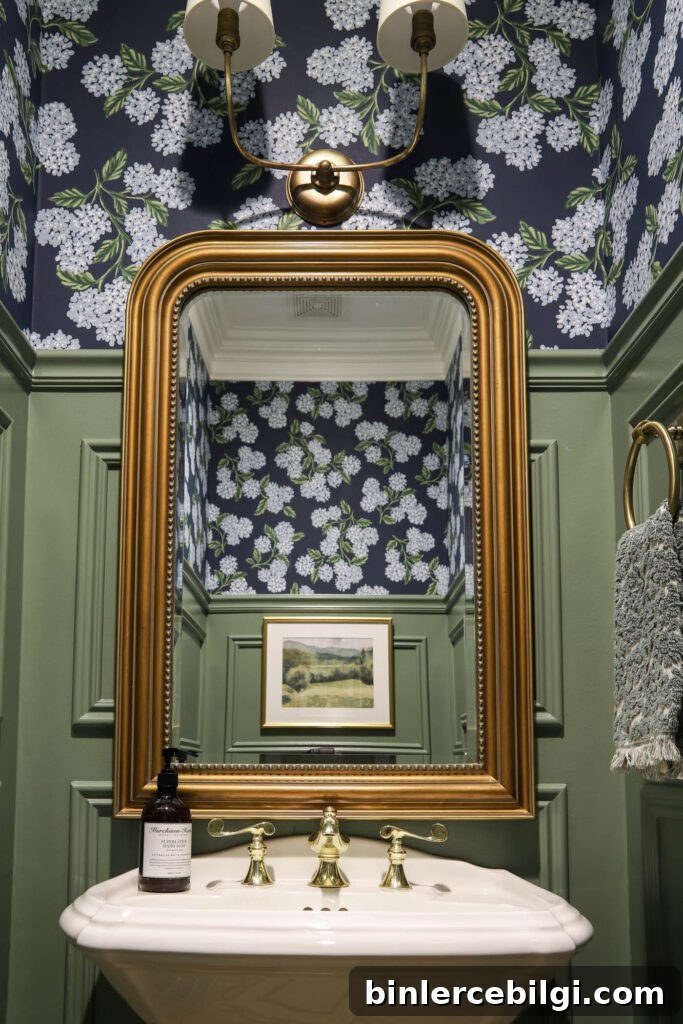
High-end and traditional papers often require you to apply paste directly to the wall (or to the paper) before hanging. I used paste-on-wall paper in my powder room and found it surprisingly straightforward. Using a large brush to spread adhesive on the wall made the process smooth, and working in a simpler space with fewer obstacles made installation faster. Of the two methods I’ve tried, paste-on-wall is my personal favorite because it’s forgiving and helps the paper lay flat more easily.
Peel & Stick Wallpaper
Peel-and-stick wallpaper has an adhesive backing covered by a protective liner you peel away when ready to install. It’s often promoted as the easiest option and is popular with renters. I haven’t used it personally, but I’ve heard mixed reports: some find it simple, others find it tricky to align perfectly. Additionally, while peel-and-stick is marketed as removable, it can sometimes damage the surface beneath, so I’d reserve it for small areas or temporary projects unless you know the product’s removal reputation.
How to Select the Right Wallpaper
Choosing wallpaper involves more than picking a pretty pattern. Consider color, scale, the room’s function, and how patterns will interact with existing fabrics and finishes. A little planning will help you avoid design mistakes and ensure a cohesive result.
Wallpaper Color Scheme
I usually begin with the color palette for the room. Many online wallpaper retailers allow filtering by color, which makes it easy to narrow options. Order samples before committing—colors and textures can look quite different in person than on a screen. When samples arrive, test them in the room next to your lighting, furniture, and paint swatches to see how they behave throughout the day.
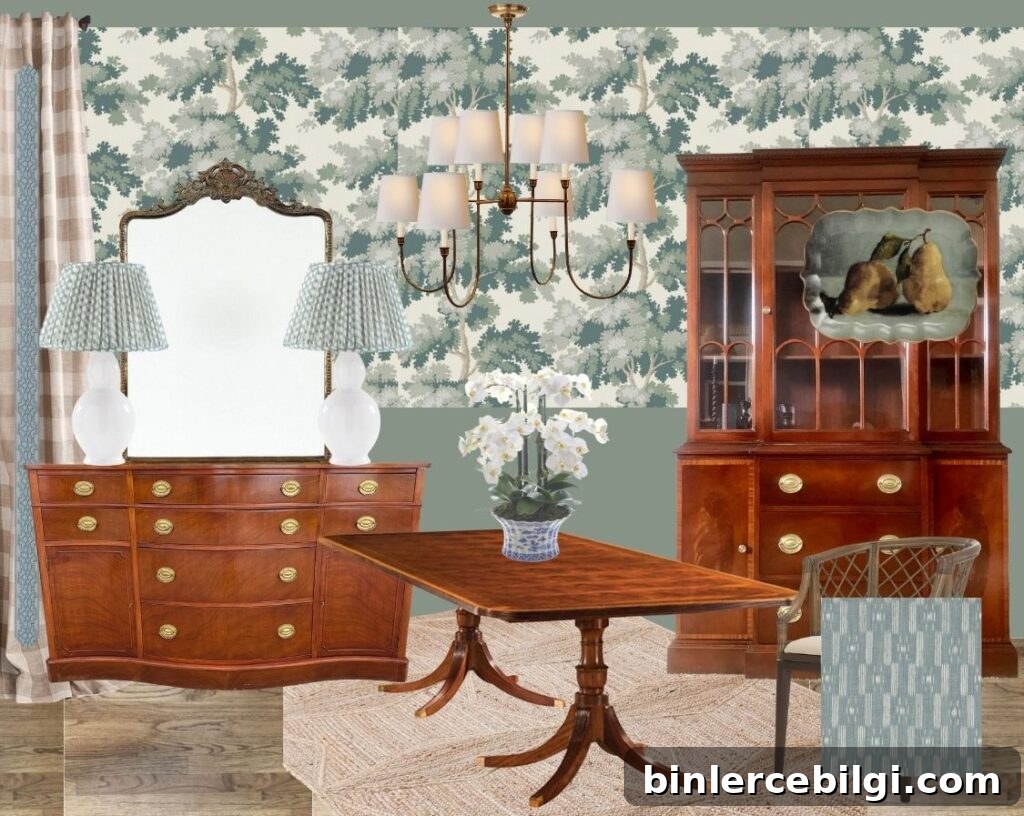
Creating a mood board is a helpful way to assemble all the room elements—paint chips, fabric swatches, and wallpaper samples—so you can visualize the finished space and avoid surprises.
Floral vs. Geometric
Pattern mixing follows the same rules in wallpaper as it does elsewhere in decor. Look at the other patterns in the room and choose wallpaper that complements, rather than competes with, those elements. A simple guideline:
- Pick one item with a multicolor, botanical or floral pattern.
- Add a large-scale pattern (geometric, stripe, or a bold motif) in one of the colors from the floral piece.
- Introduce a third element with a smaller-scale pattern or a solid in another coordinating color.
Ask a Designer
If you’re uncertain, a professional designer can be invaluable. Designers often have extensive sample libraries and an eye for scale and flow between adjacent rooms. When I worked with a designer to choose wallpaper for my dining room and butler’s pantry, she selected a large floral to pair with a smaller geometric that ties the two rooms together. The result felt thoughtful and balanced.
Tip for Picking Coordinating Paint Colors
A color-matching tool can make paint selection easier. These devices scan a surface and suggest the closest paint colors from major brands. I used one to match paint samples to wallpaper swatches, which saved time and ensured better color coordination without hauling samples into the paint store.
Where to Buy Wallpaper
There are more options than big-box branded collections. Shop a range of online retailers, compare prices, and order samples before you buy. Many sites offer free samples and online calculators to estimate how many rolls you’ll need. I saved a significant amount on my powder room wallpaper by searching multiple vendors and catching a sale.
- Look for specialty wallpaper retailers and larger home stores that carry designer collections.
- Order free samples from sellers when available to evaluate color, texture, and scale in your room.
- Use online price comparison and sales to stretch your budget—rolling discounts are common.
Favorite Wallpapers For Your Home
I’ve been browsing patterns constantly as I plan new rooms and have several favorites that keep resurfacing. Floral patterns are timeless and versatile, and I’ve included a short curated list of styles I love—ranging from delicate watercolors to classic Chinoiserie and traditional Cole & Son motifs. When selecting a favorite, always order a sample to check scale and color in your space.
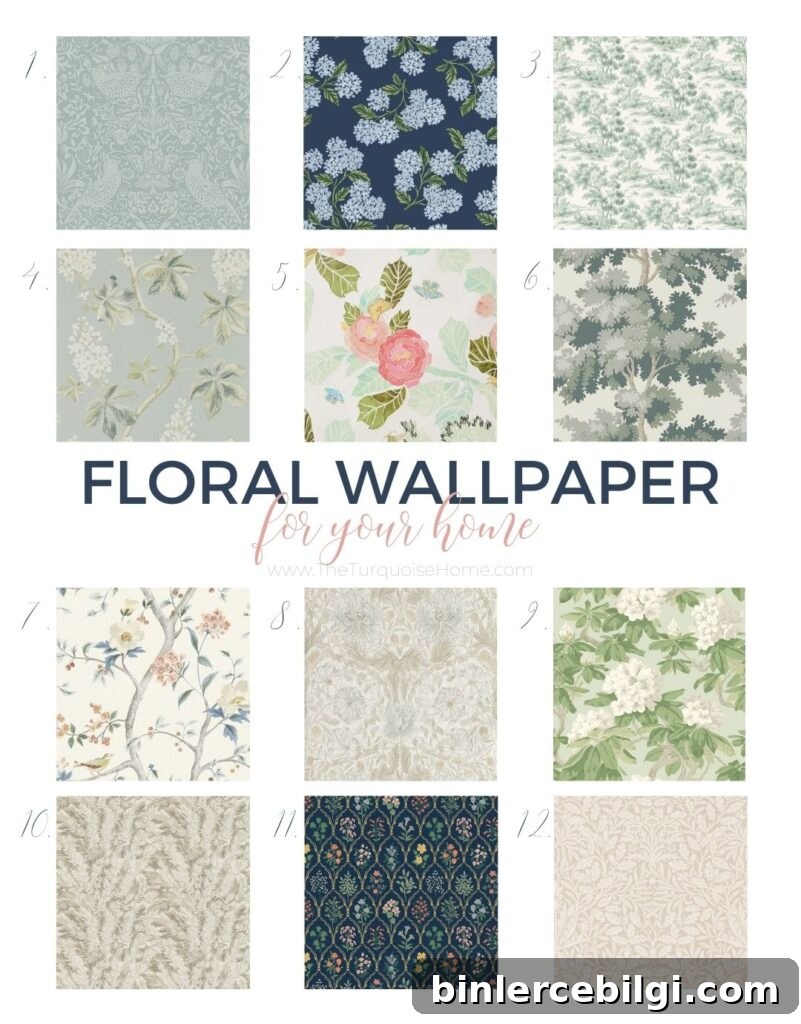
Some floral and classic favorites I’ve considered for multiple rooms: Inez Bird Floral, Navy Hydrangea, Countryside Morning, Woodland Walk Floral, Watercolor Floral, Scalamandre Raphael, Chinoiserie Floral, Pure Honeysuckle and Tulip, Cole & Son Bourlie, Cole & Son Florencecourt, Hawthorne, and Pure Acorn.
I’ll publish a roundup of my favorite geometric wallpapers soon—stay tuned.
Wallpaper can be an impactful design choice when selected thoughtfully. Order samples, plan your color story, consider pattern scale, and pick the application method that best fits your skill level and the room’s needs. If you’re excited to try wallpaper, start in a smaller or less-visible space for your first project to build confidence. I’m excited to see how you use wallpaper in your home—please share photos if you try something new!
If you have questions or want to share your experience, leave a comment or connect on social media — I’m @turquoisehome on Instagram.