
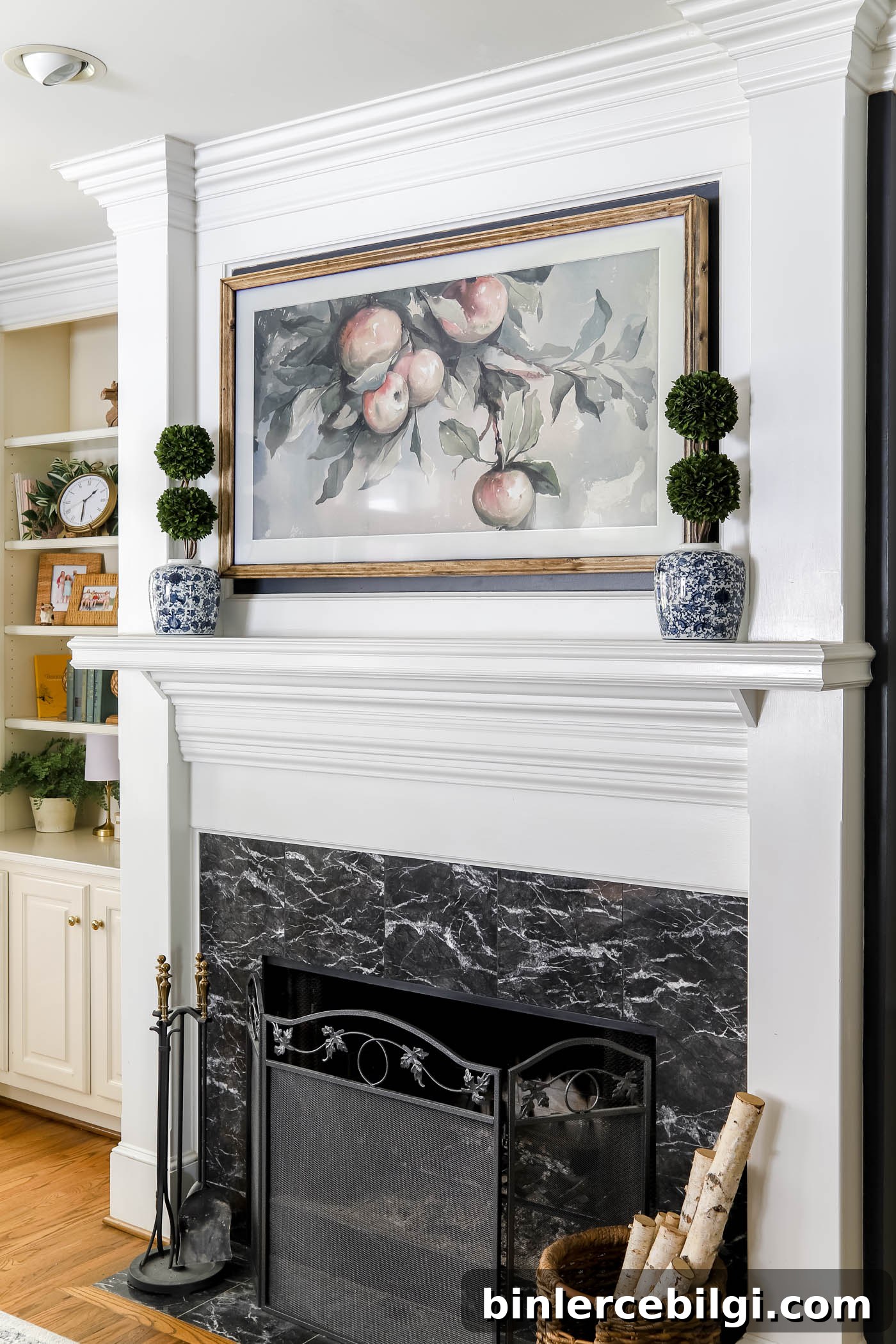
Finding your decorating style can feel overwhelming and hard to define. Follow these six simple steps and you’ll begin decorating with confidence and clarity.
Do you ever search for your decorating style and end up with more questions than answers?
Maybe your rooms are full of pieces you once loved but no longer do, or everything feels mismatched and unfinished. You can’t quite put your finger on it, and nothing seems to belong together. That’s common—and this guide will help you discover a clear, personal decorating style so choosing decor becomes easier and more intentional.
My own search for a defined decorating style has taken years. My taste shifted over time and there were many moments of frustration. But through trial and error I learned practical ways to identify what I truly love—and I want to share those lessons to help you, too.
Ready to get started?
How to Find Your Decorating Style
1. Gather Your Inspiration and Look for Common Threads
Collect the photos, magazine clippings, and saved images that catch your eye—whether in a physical binder or on digital boards like Pinterest—and study them. Look for repeating elements and themes. Ask yourself which of the following characteristics frequently appear:
- Color families and dominant hues
- Metal and finish choices
- Preferred fabrics and textures
- Recurring patterns
- Light, airy spaces versus dark, moody rooms
- Architectural features
- Ornate details versus clean, simple lines
- Formal versus relaxed atmosphere
- Whimsical or quirky elements versus historical or classic touches
- A mostly neutral palette or neutrals with vibrant accents
- Colored walls versus bold color throughout
Design labels can be useful, but they aren’t required. The goal is to understand what consistently attracts you—those recurring elements will help you define a cohesive style that feels authentic.
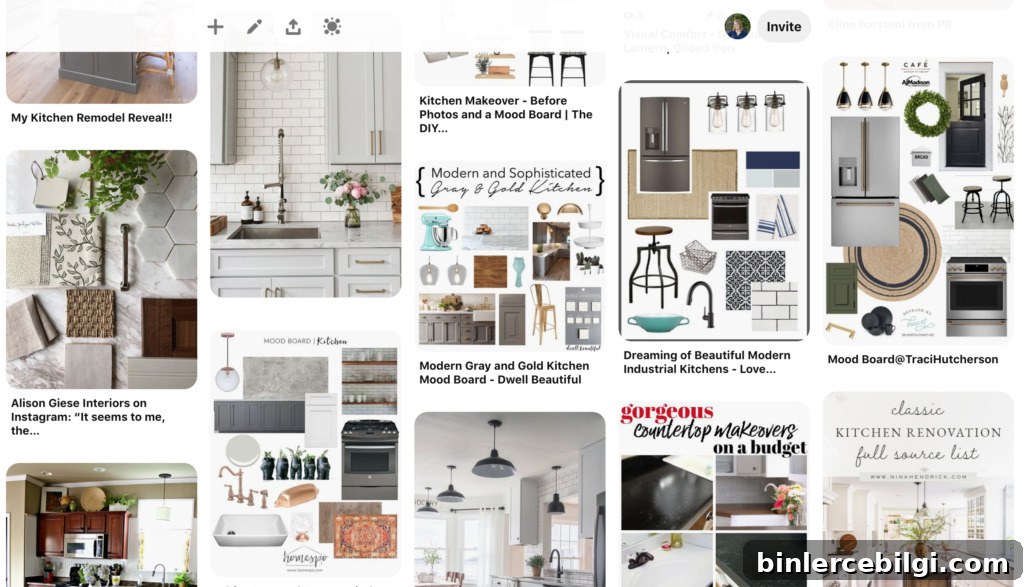
I keep multiple Pinterest boards organized by room to collect ideas for each space. When I review those boards, patterns become obvious and my preferences emerge.
For example, I’m usually drawn to:
- Architectural details like wood trim and moldings
- Neutral upholstered furniture
- Medium wood tones
- Accent colors in blue, green, gray, and soft pinks
- Pops of color through accessories and pillows
- Light wall colors, or dramatic paint paired with crisp white trim
- Brass or oil-rubbed bronze finishes
- Simple, solid or minimally patterned curtains
- Abundant greenery
- White kitchens accented with color and wood tones
Make a list of what you love—this will be a foundation for your style.
2. Define Your Color Palette
One of the fastest ways to clarify your style is to determine the colors you consistently prefer. Take the most common colors from your inspiration and build a home color palette around them.
If you want a deeper dive, consider reading a guide or post dedicated to creating a whole-home color palette. Establishing a cohesive palette helps every decorating choice—from paint to textiles—feel intentional and harmonious.
Next, choose the textures and pattern types you prefer. These soft details—woven textures, linen, velvet, floral or geometric prints—further refine your style and make it feel lived-in and personal.
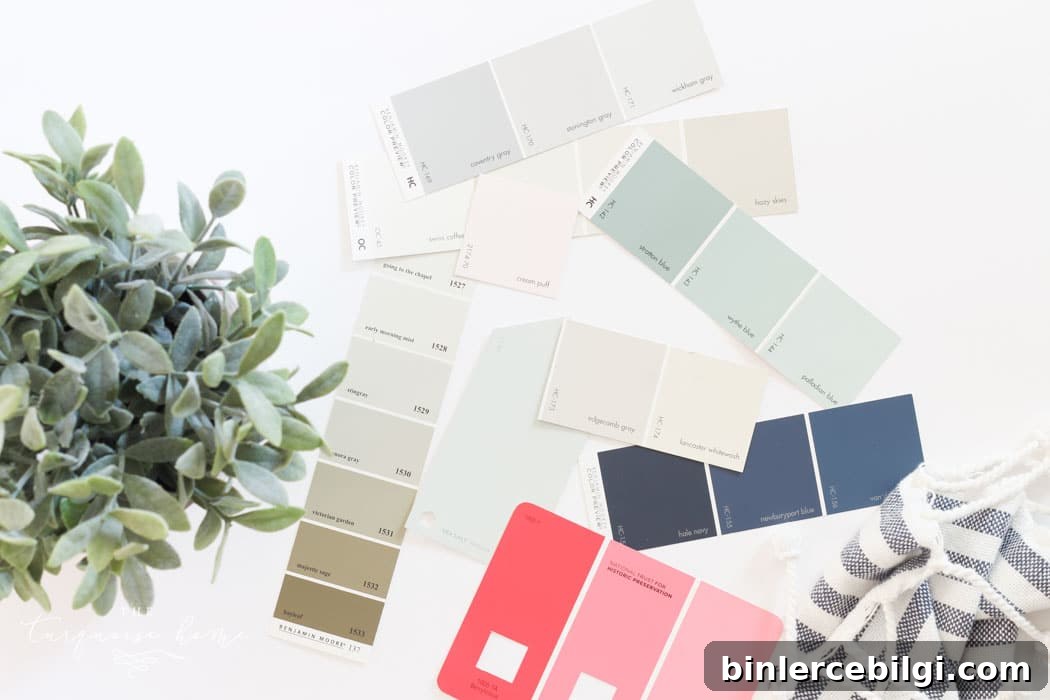
Tip: If you’re unsure, check your wardrobe. The colors you wear most often usually point toward the hues you’ll be happiest with at home.
3. Let Your Home’s Architecture Guide You
Your house itself can inform your style. A home with classic moldings and built-ins naturally leans toward traditional or transitional decor, while a modern, open-plan space might call for sleeker, contemporary furnishings.
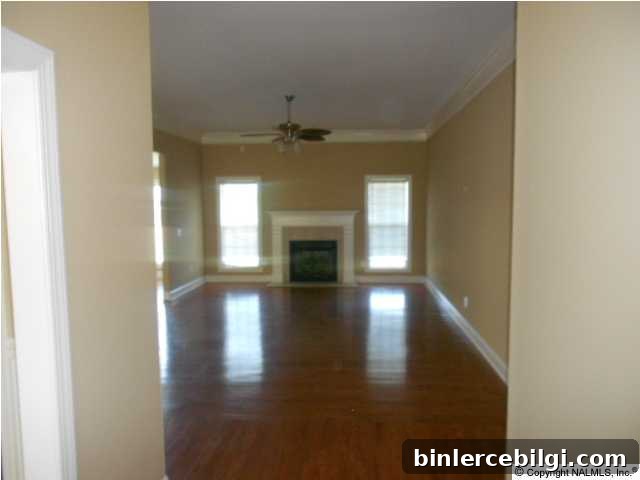
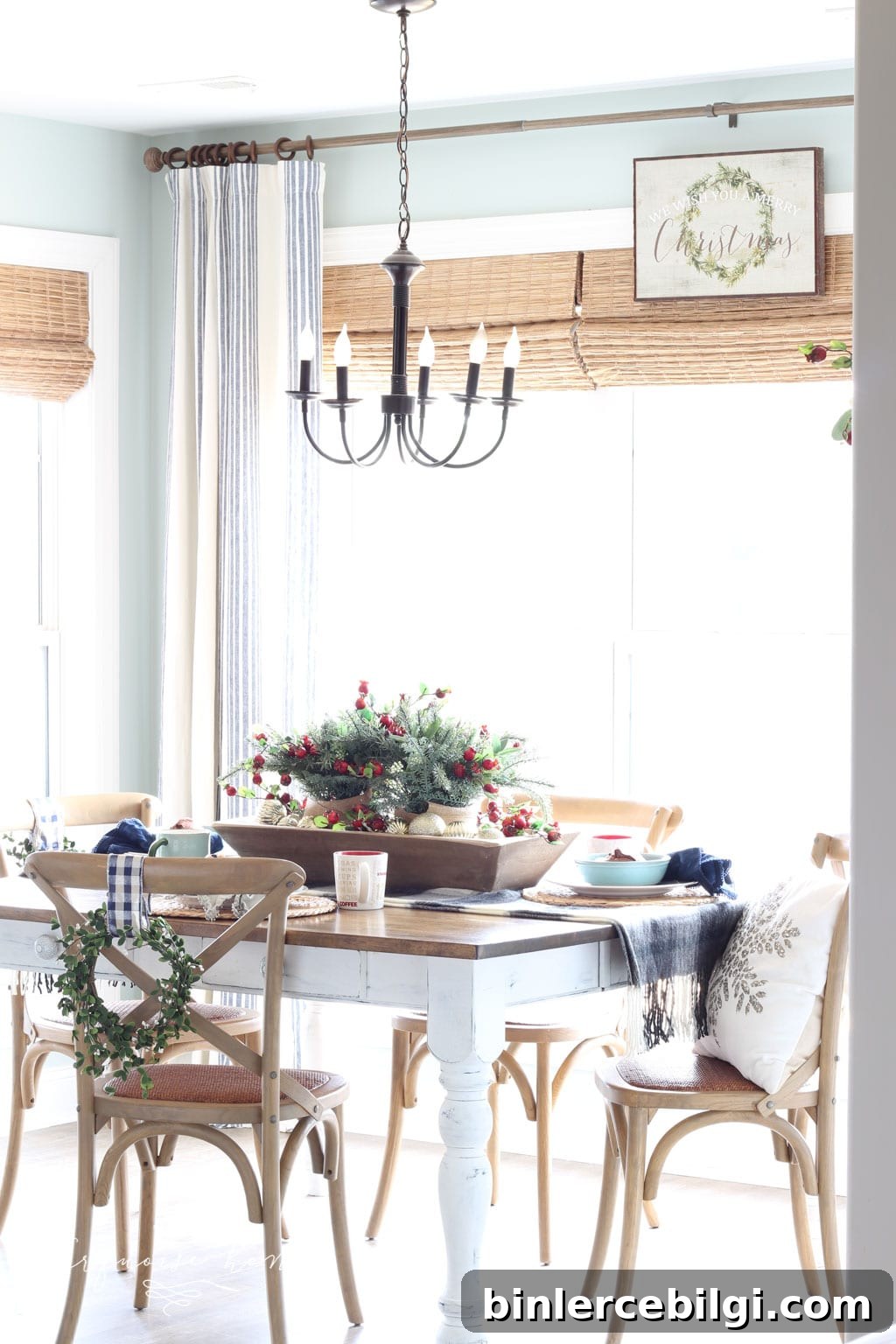
My previous house was a blank, builder-style shell so I leaned into farmhouse and rustic elements. My current home has rich architectural details—crown molding, a butler’s pantry, and built-ins—so I’m moving toward a more traditional and refined look with transitional touches.
It’s perfectly fine for your style to evolve. Over time I phased out colors and elements that no longer felt right and introduced new accents that align with where I am today. Let your home’s bones and your evolving taste work together.
4. Inventory What You Already Own and Edit Ruthlessly
Gather your decor and evaluate each piece. Ask three questions as you pick it up:
- Best: If you own multiples, keep the best one.
- Favorite: Is this a piece you truly love and would buy again?
- Necessary: Is it serving a practical need until you can replace it?
If your home contains mostly things you love—favorites and the best pieces—it will naturally feel cohesive. Use those beloved items as the foundation when adding new pieces that support your emerging style.
5. Design for How You Live
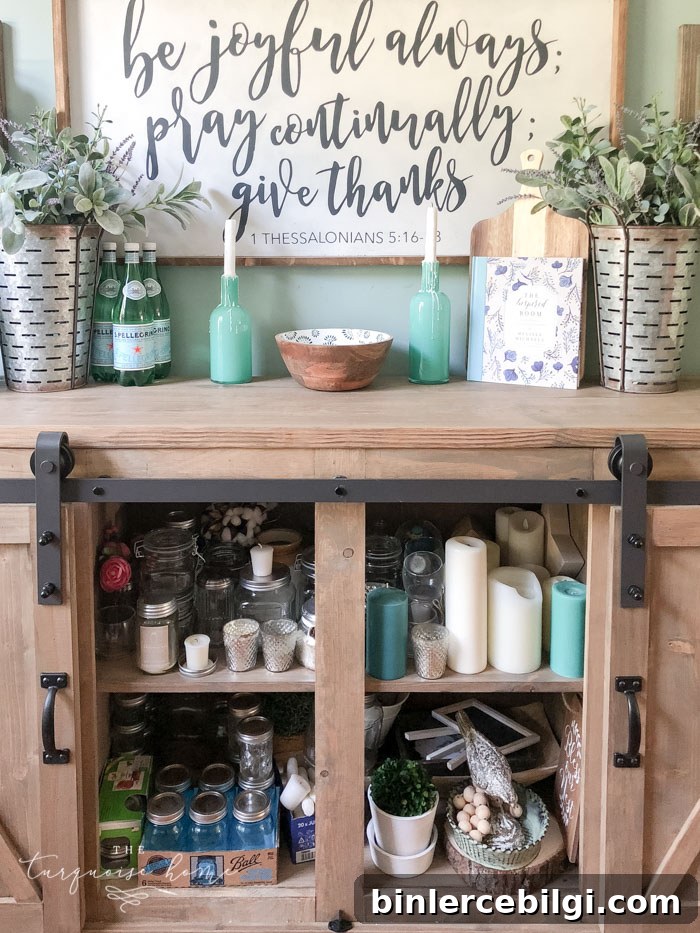
Practicality matters. Your lifestyle should shape choices about materials, finishes, and layout. Families with young children will benefit from durable fabrics, slipcovers, and rugs with forgiving patterns. Fragile antiques might not be the best fit if they’re likely to be knocked over.
If you live alone or as a couple, you may have more freedom to display delicate collections. Always choose furniture and decor that support comfort and everyday use—your home should be enjoyed, not just admired.
Note: You can absolutely have a stylish home with young children. Thoughtful storage, kid-friendly materials, and clear rules about certain decor items make a beautiful, functional home achievable.
6. Try an Online Style Quiz to Confirm Your Gut
Quizzes can be a fun way to validate what you already suspect about your style. If several reputable quizzes point to similar styles—transitional, traditional, modern, etc.—that consensus can help you name your direction and make confident choices. Use quiz results as guidance, not as strict rules.
Finally, Layer in What You Love
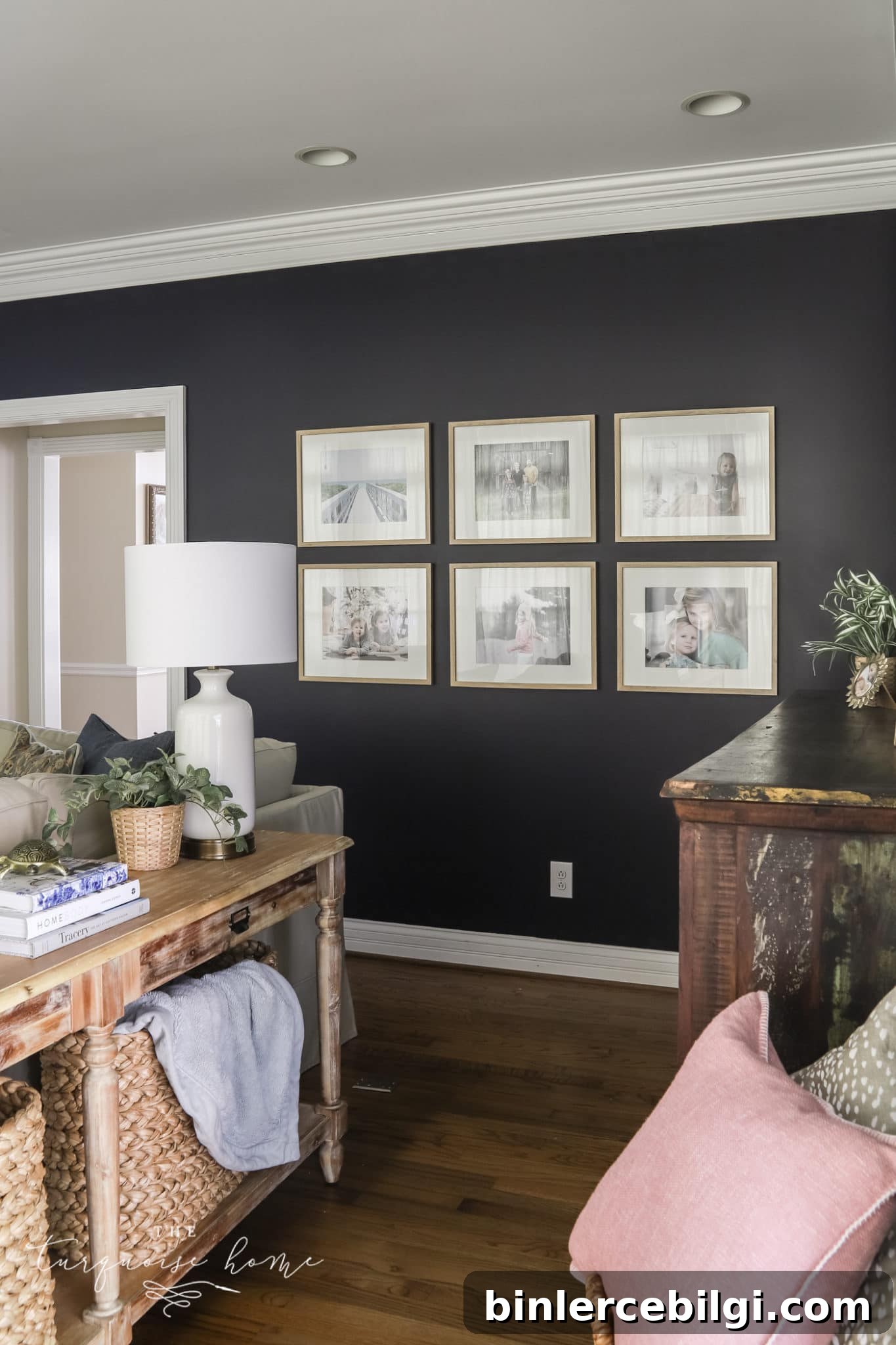
After you’ve identified common elements, chosen a color palette, respected your home’s architectural style, edited your belongings, and considered your lifestyle, the final—and most rewarding—step is to add the things you love. The most inviting homes are filled with personal touches and layered textures: pieces chosen because they bring joy, not because they fit a single label.
Mix curated finds with sentimental items, and don’t be afraid to evolve. Your style is a living thing that grows with you—and the best homes are the ones that reflect the people who live in them.
More Posts You Might Enjoy:
- How to Decorate End Tables
- How to Choose and Style Sofa Pillows
- Best 15 Haint Blue Paint Colors for Porch Ceilings
- How to Style a Console Table Behind a Couch (4 ways!)
- How To Decorate With Ginger Jars