
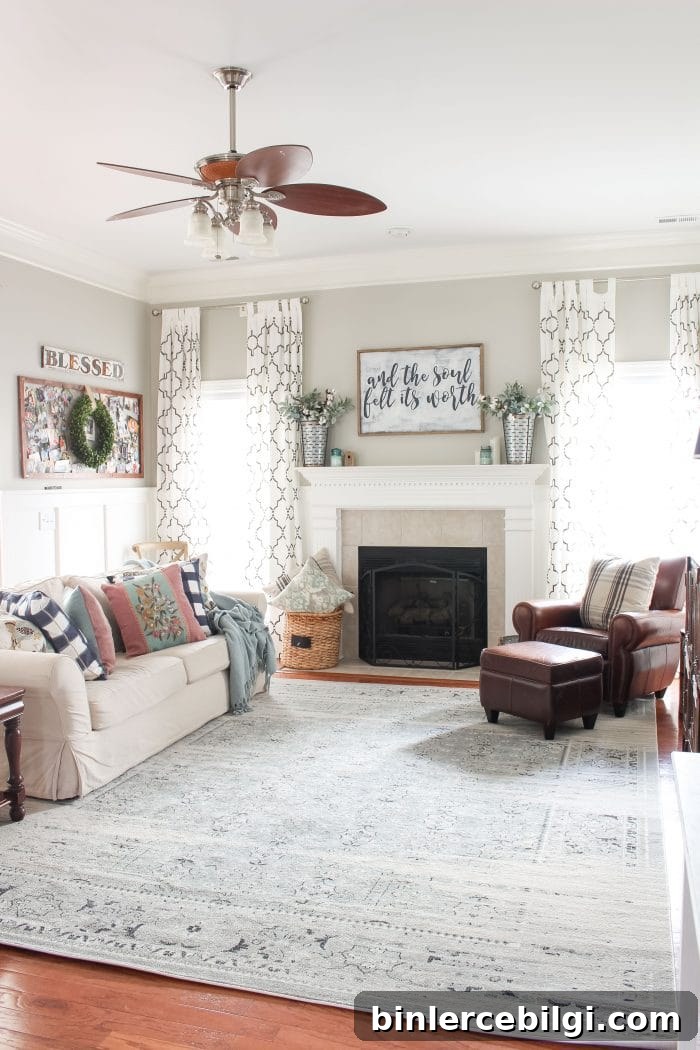
What is farmhouse style? In essence, farmhouse decor emphasizes functionality, simplicity, and a lived-in warmth. A modern interpretation keeps those practical roots while introducing cleaner lines and lighter palettes for a fresh, current look.
“Farmhouse style” has been a popular term in decorating circles for several years. While trends shift, the appeal of this aesthetic remains: it feels approachable, comfortable, and rooted in practicality. Below I’ll outline the history, key characteristics, and ways to bring both classic and modern farmhouse elements into your home.
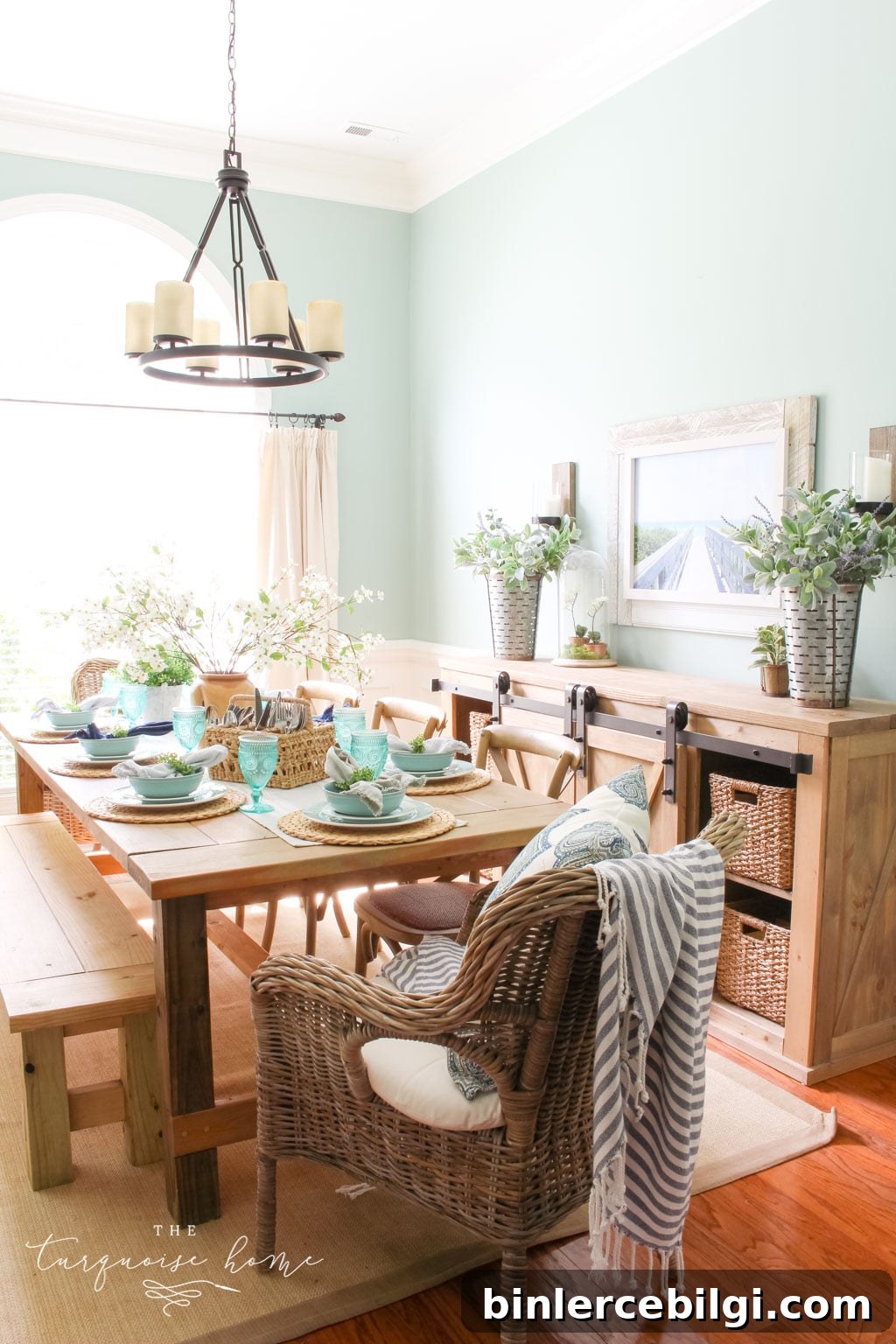
Even if farmhouse style isn’t the dominant trend where you live, you can adopt whatever elements you love and blend them with your existing decor. Many homeowners mix farmhouse touches with other styles—Cape Cod, traditional, or modern—to create a home that’s uniquely theirs.
If you’re still discovering your decorating preferences, consider exploring resources that help identify your personal style so your choices feel intentional.
What Is Farmhouse Style?
Historically, “farmhouse” described a functional dwelling built for people who worked the land. Those homes were practical, typically constructed with locally available materials and focused on durability over ornamentation.
Over time, farmhouse design adapted to regional materials and evolving needs, but its essential qualities—modesty, practicality, and comfort—remained constant. Today the term has expanded to refer not only to actual farmhouses but also to a popular interior style that celebrates those same honest, usable features.
I’ve grown up around real farmhouses and appreciate how their simple, comfortable elements translate into everyday living spaces that feel welcoming rather than overly curated.
Important Elements Of Farmhouse Style
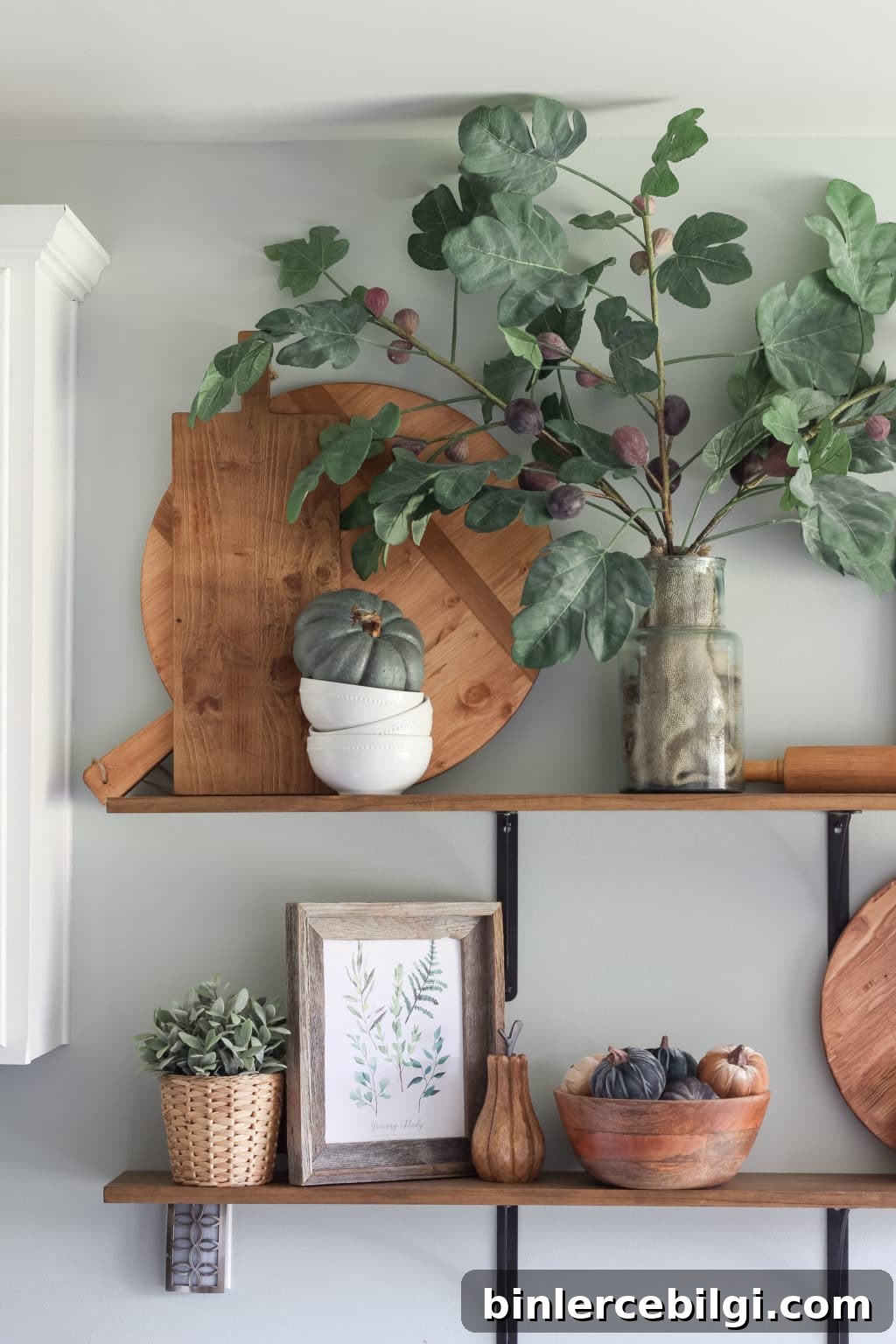
People are drawn to classic farmhouse style because it feels like home. Its rustic, straightforward approach creates a relaxed atmosphere that works well for families and everyday life.
Because the aesthetic is simple, many farmhouse pieces are DIY-friendly, which makes the style accessible even on a budget.
Common traits of classic farmhouse decor include:
- Extensive use of wood—floors, walls, exposed beams—that shows natural grain and wear
- Vintage or well-worn furniture and durable lighting; pieces that look and feel lived-in are ideal
- Wrought iron and other utilitarian metal accents
- Layered colors and fabrics to add visual depth while keeping the overall look modest and grounded
Classic Farmhouse vs. Modern Farmhouse Style
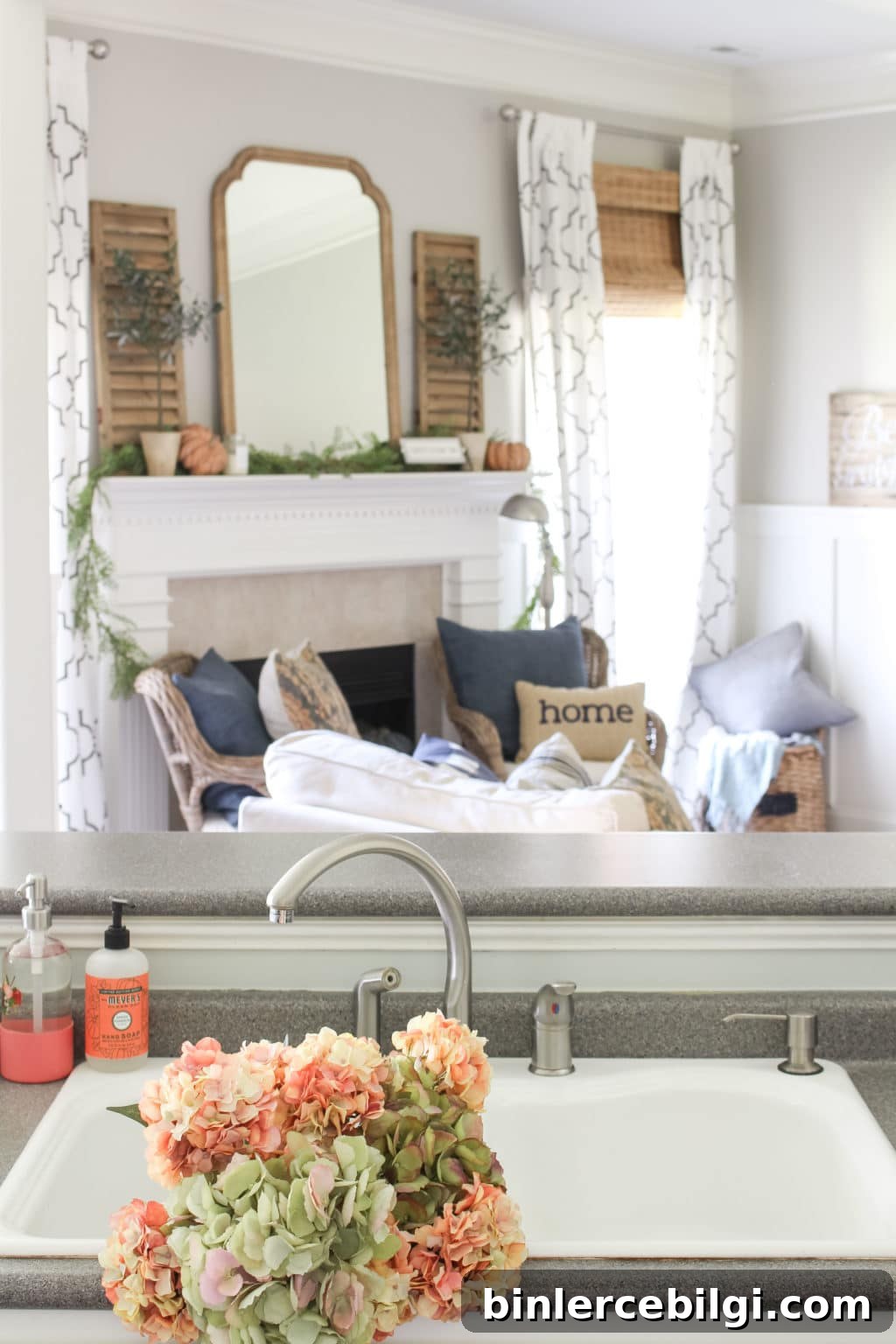
Classic farmhouse design emphasizes rustic materials and practical furnishings. Modern farmhouse keeps that foundation but refines it: cleaner lines, lighter color palettes, and contemporary details that make the space feel fresh and current.
Influenced in part by recent design shows and trends, modern farmhouse blends warmth and simplicity with updated finishes and a more restrained, uncluttered approach.
Important Elements Of Modern Farmhouse Style Decor
Merging classic farmhouse character with contemporary design is easier than it sounds. The core principles of modern farmhouse are straightforward:
- Functionality – Furnishings should be comfortable, practical, and used daily. Nothing should feel too delicate for real life.
- Natural Elements – Prioritize natural materials: distressed wood, stone, and natural fibers like cotton, linen, or wicker.
- Industrial Metals – Mix warm woods with industrial metal accents—lighting, hardware, and fixtures—to balance rustic and modern tones.
- Neutral Palette – Warm neutrals (creams, greiges, beiges, and soft grays) complement wood tones and create an airy, cozy backdrop.
- Simplicity – Keep spaces uncluttered. A calm, edited environment enhances the cozy, lived-in feeling.
Farmhouse Style Homes: How To Create The Look
You don’t have to choose strictly between classic and modern farmhouse—you can blend elements of both to suit your home. Here are practical tips to achieve the look.
Practicality
Modern farmhouse is rooted in function and thoughtful restraint. Choose pieces that serve a purpose and contribute to an uncluttered, comfortable environment. This approach is especially useful in family homes where durability matters.
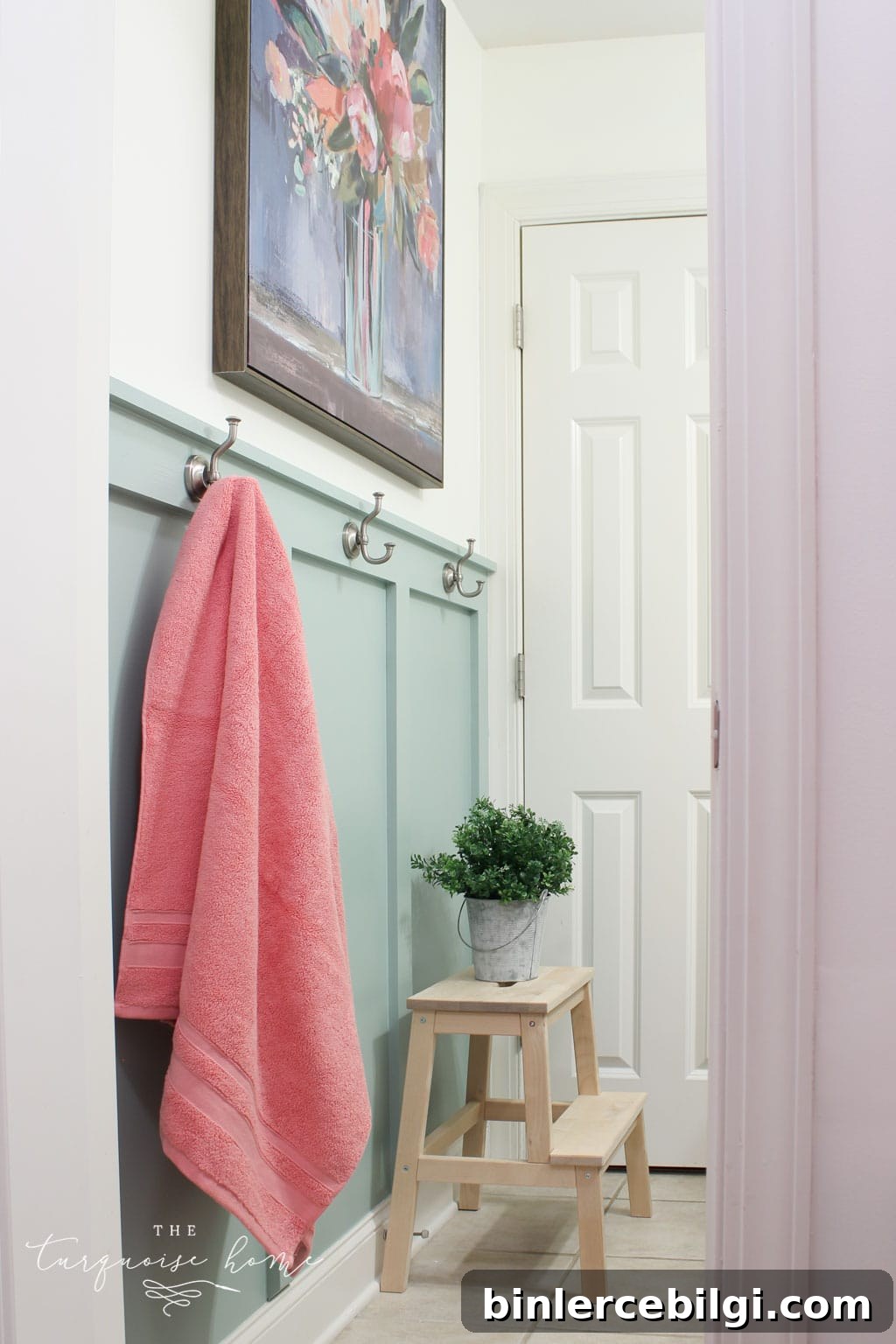
Small changes—open shelving, hooks, or a simple storage solution—can make rooms feel more functional and less cluttered.
Use The Right Materials
Anchor rooms with authentic materials: painted or natural wood, stone countertops, and classic farmhouse sinks in kitchens; wood furniture, cotton bedding, and neutral rugs in bedrooms. These elements create texture and a cohesive, grounded feel.
Add An Industrial Look
Incorporating industrial touches—wrought iron fixtures, barn-style doors, or practical lighting—adds character and pays homage to the working roots of farmhouse design. These pieces often serve both style and function, fitting the farmhouse ethos.
Use Neutral Colors
Neutrals are central to modern farmhouse. Play with contrasts by pairing light wall colors and upholstery with darker woods and metal accents to create balance and warmth without overwhelming the space.
Natural Fibers
Favor natural textiles—wood, cotton, linen, jute, and hemp—over synthetic materials. Texture and layered fabrics add visual interest and comfort while keeping the overall aesthetic organic and approachable.
Create Your Dream Farmhouse Look
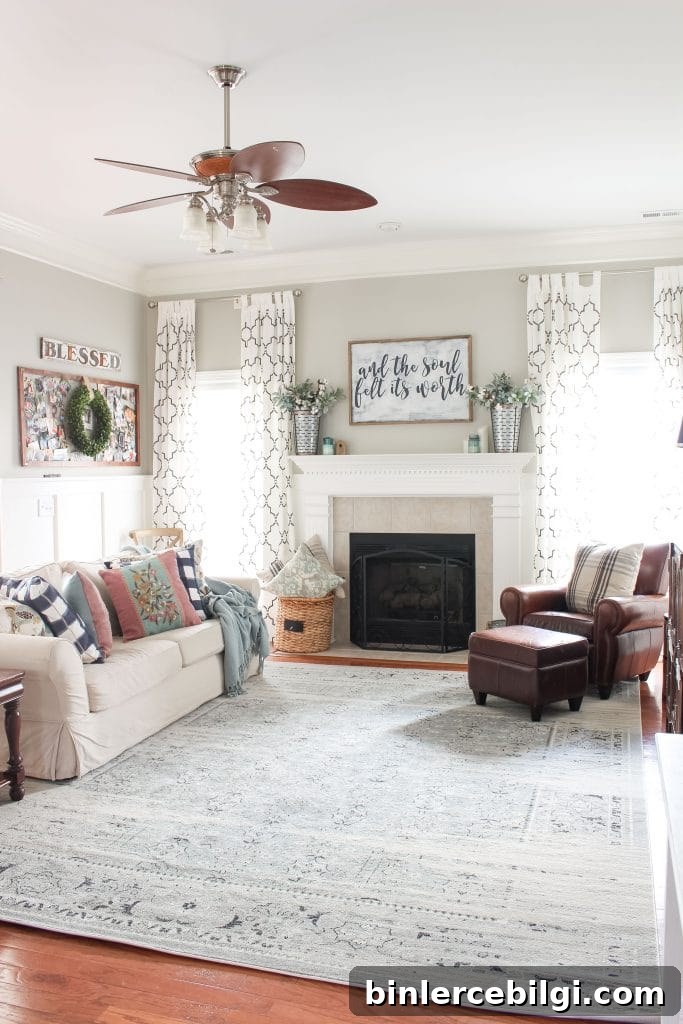
If the modern farmhouse look appeals to you, start with a few well-chosen elements—natural materials, neutral paint, functional furnishings, and a few industrial accents—and build from there. The goal is a home that feels both fresh and welcoming, where beauty and usefulness coexist.
With thoughtful choices, you can create a space that reflects the timeless comfort of farmhouse living while remaining relevant and livable for today.
MORE POSTS YOU WILL LOVE:
- What is Grandmillennial Style? {Decorating 101}
- Home Decor 101: How to Decorate End Tables
- Timeless Home Decor Essentials