
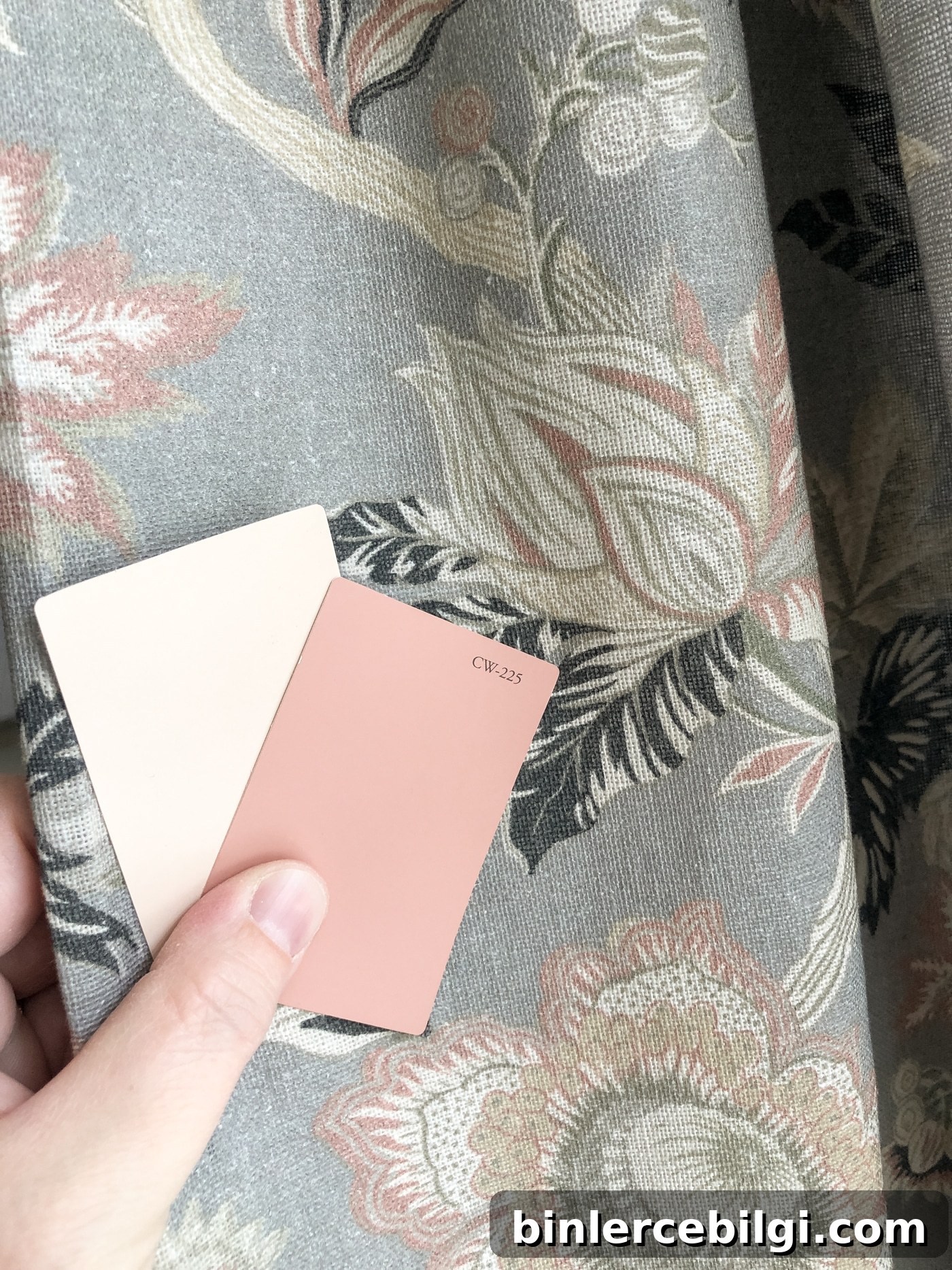
Learn how to choose the perfect paint color for your home with this simple, step-by-step guide. From understanding undertones to testing samples, this post walks you through exactly how to find a shade that suits your space.
I realized I’d never written a full guide on how to pick a paint color, even though I’ve talked about it many times. So here it is: a clear, practical process that helps you choose the right paint the first time. With a little knowledge, patience, and an elimination process, you’ll avoid costly mistakes and end up with a color you love.

Choosing paint trips up a lot of people because color behaves differently in every room. Follow the steps below and you’ll make a confident choice that looks great with your furnishings and lighting.
This post contains affiliate links for convenience. See my full disclosure policy in my site resources.
How to Choose the Right Paint Color in 6 Simple Steps!
1. Furnish the Room First
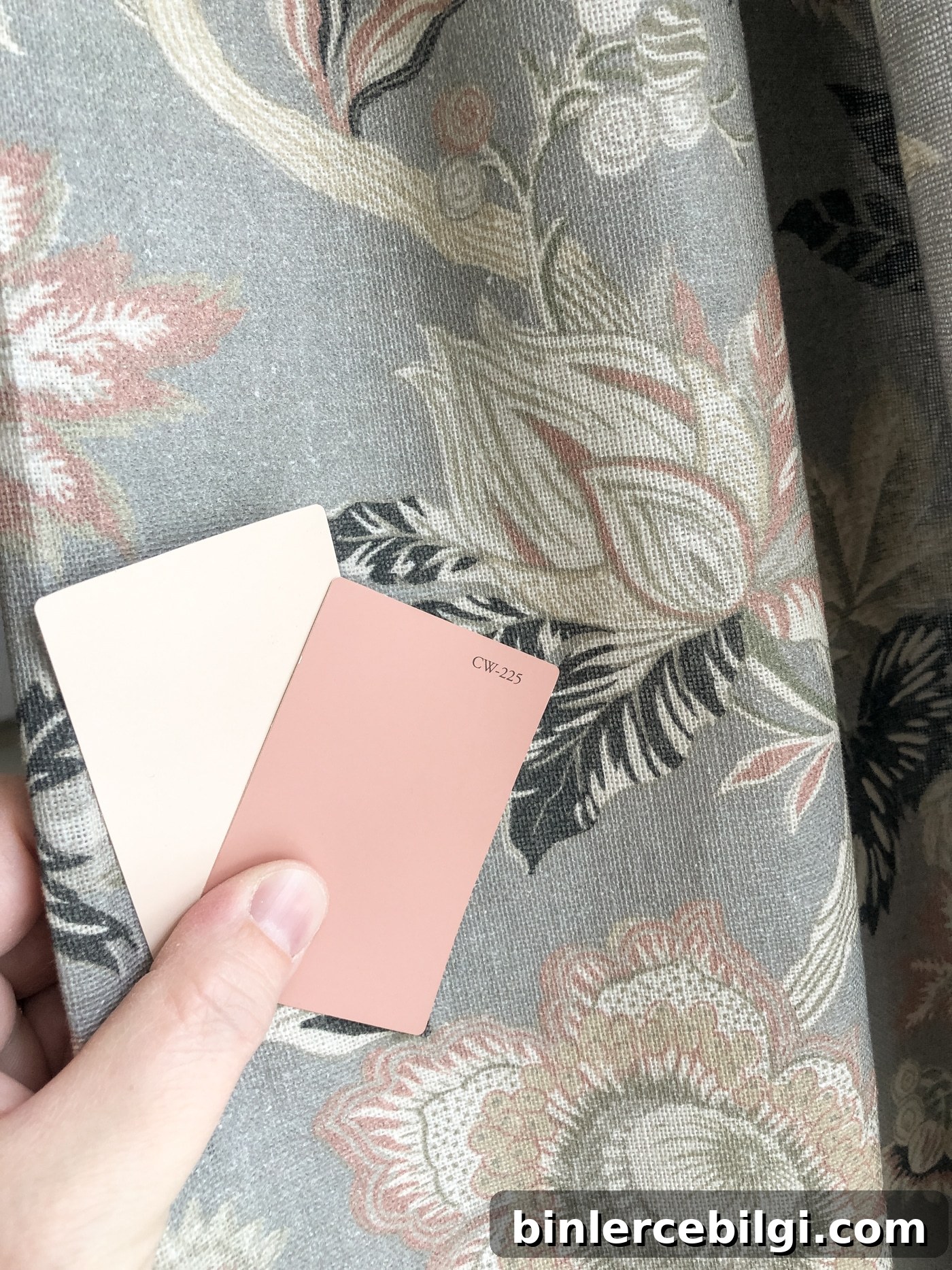
One common mistake is choosing paint before placing any furniture or textiles. Instead, bring in key pieces first—rugs, a sofa, curtains, or artwork. These elements give you reference points so you can match paint to what you already love rather than trying to force furnishings to work with a wall color.
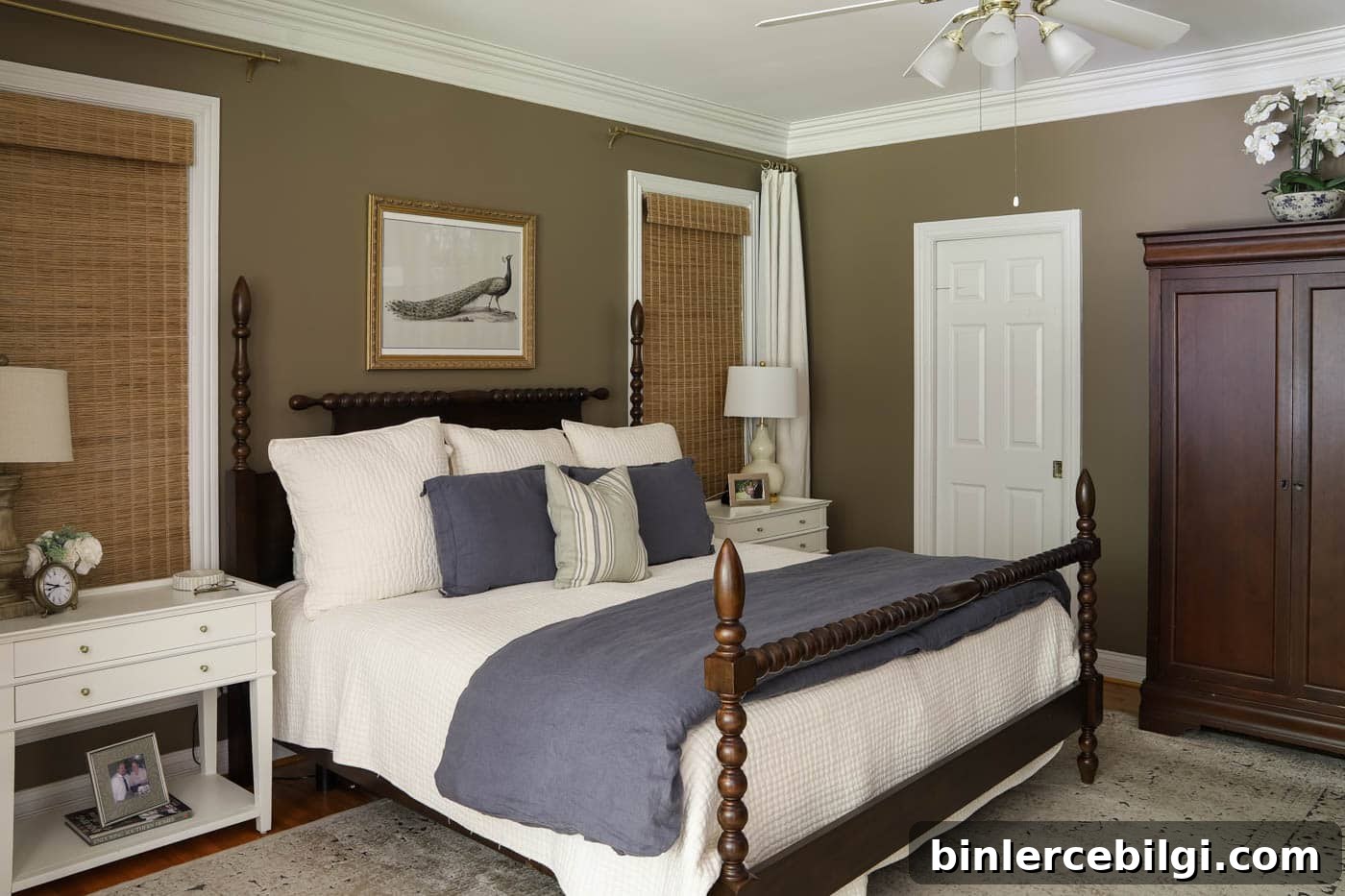
If you’re starting from scratch, pick a few anchor pieces and place them in the room before you commit to a paint color. It’s much easier to coordinate paint with furniture, rugs, and art than to do the reverse.
Design tip: Start by assembling a few key furnishings or creating a mood board to clarify the look you want—then select paint to support that vision.
2. Consider Existing Elements
Think about permanent finishes. Built-in elements—hardwood floors, tile, countertops—have undertones that affect how paint reads. Match the paint undertone to those elements so everything feels cohesive.
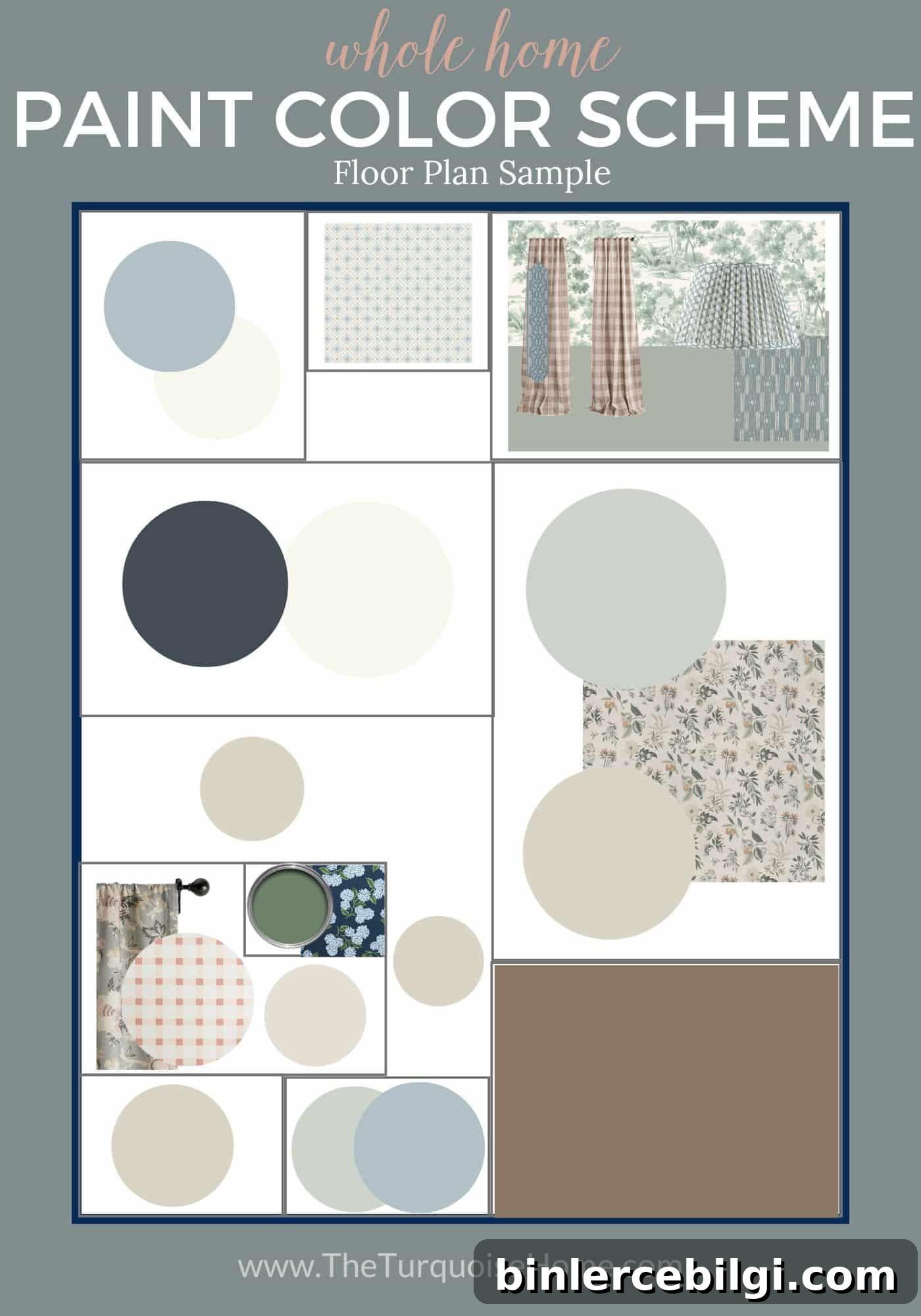
Think about adjacent rooms and overall flow. Your home should feel like a connected whole. Repeating color families or related tones from room to room creates continuity and a more intentional palette. Sketching a simple floor plan and placing color swatches can help you visualize how colors transition through your home.
Account for natural light. The direction a room faces and how many windows it has change how paint looks throughout the day. Here’s a quick overview:
- North-facing rooms: receive cool, gray light; choose warmer paint tones to avoid a cold feel.
- South-facing rooms: get bright, warm light; cooler paints can balance the yellow cast, or you can embrace warmth with warm undertones.
- East-facing rooms: have bright morning light and cooler afternoons; slightly warm colors often work well.
- West-facing rooms: are neutral to cool in the morning and warm later in the day; both warm and cool undertones can work depending on the mood you want.
Decor Tip: Lightbulbs Matter!
Consistent, high-quality light bulbs make a huge difference when comparing paint colors. Mixed bulb types will make colors read differently from room to room. Use the same color temperature across your home when testing and installing paint to get accurate results.
3. Educate Yourself on Undertones
Understanding undertones is essential. Any paint color reads as warm (yellow, orange, red) or cool (blue, green, purple) depending on its undertone. To see an undertone, place a paint chip against a sheet of pure white paper—this helps reveal whether the color leans warm or cool.
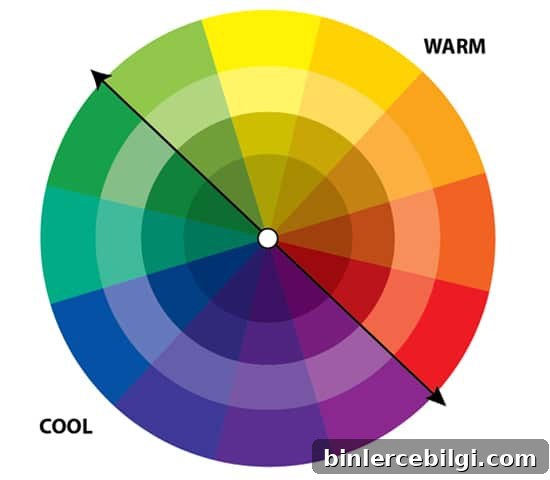
Once you can identify a color’s undertone, you’ll be better equipped to pick shades that harmonize with your finishes, furnishings, and lighting.
4. Narrow Down Your Color Family
After assessing furnishings, finishes, and light, start choosing a color family—neutrals, warm taupes, cool grays, soft greens, etc. Picking a family narrows the field and makes comparison easier. For instance, I selected a dark taupe family for a bedroom based on the furniture and adjoining room colors.
5. Research Selected Colors
Look for real-life photos of rooms painted in the families you like. Search image galleries and social feeds for examples that show how a color behaves in different lights and with different furnishings. Make a list of repeatedly recommended or visually appealing colors to shorten your candidate list.
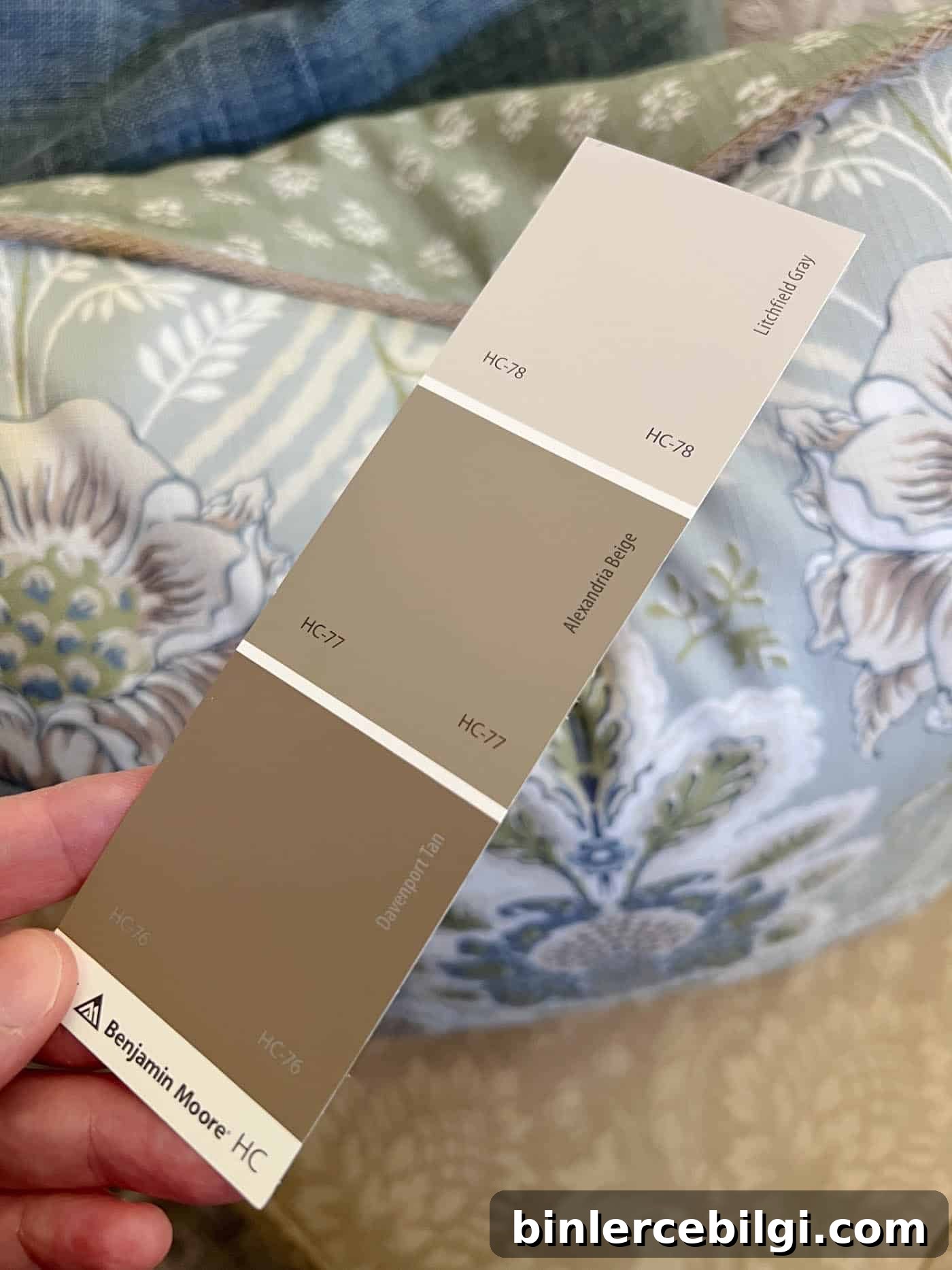
Collect a shortlist of favorites—typically 5–10 colors—before you move to physical testing.
6. Test Samples
Testing is the most important step. Order peel-and-stick samples or small paint pots and test your shortlisted colors in the actual room. Move samples around and observe them at different times of day and under both natural and artificial light.
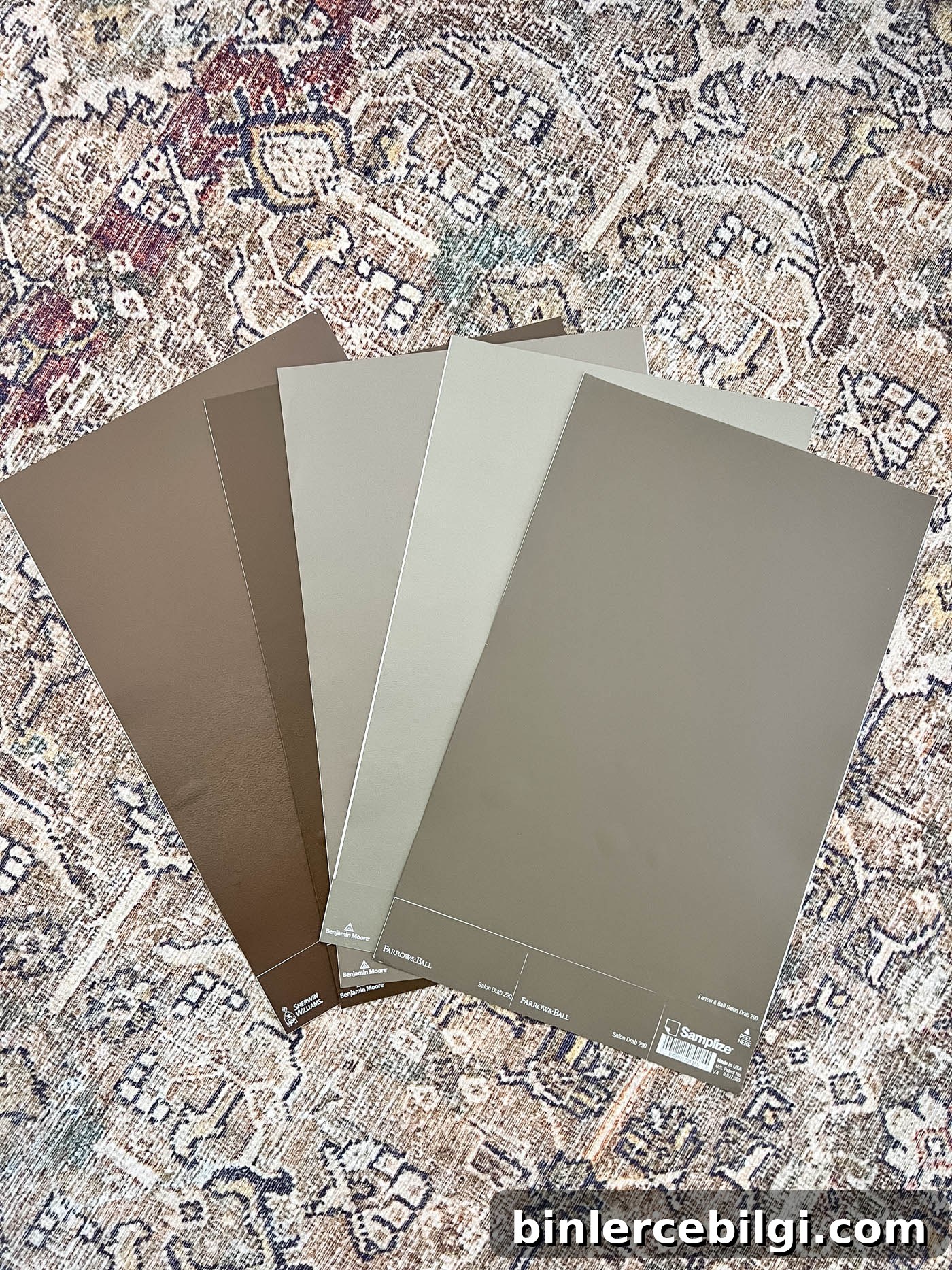
How to test effectively:
- Apply samples to several walls and leave them up for days to see how they change with light.
- Compare samples under natural and artificial light to judge warmth or coolness.
- Paint swatches on white poster board or paper so the sample isn’t influenced by the existing wall color.
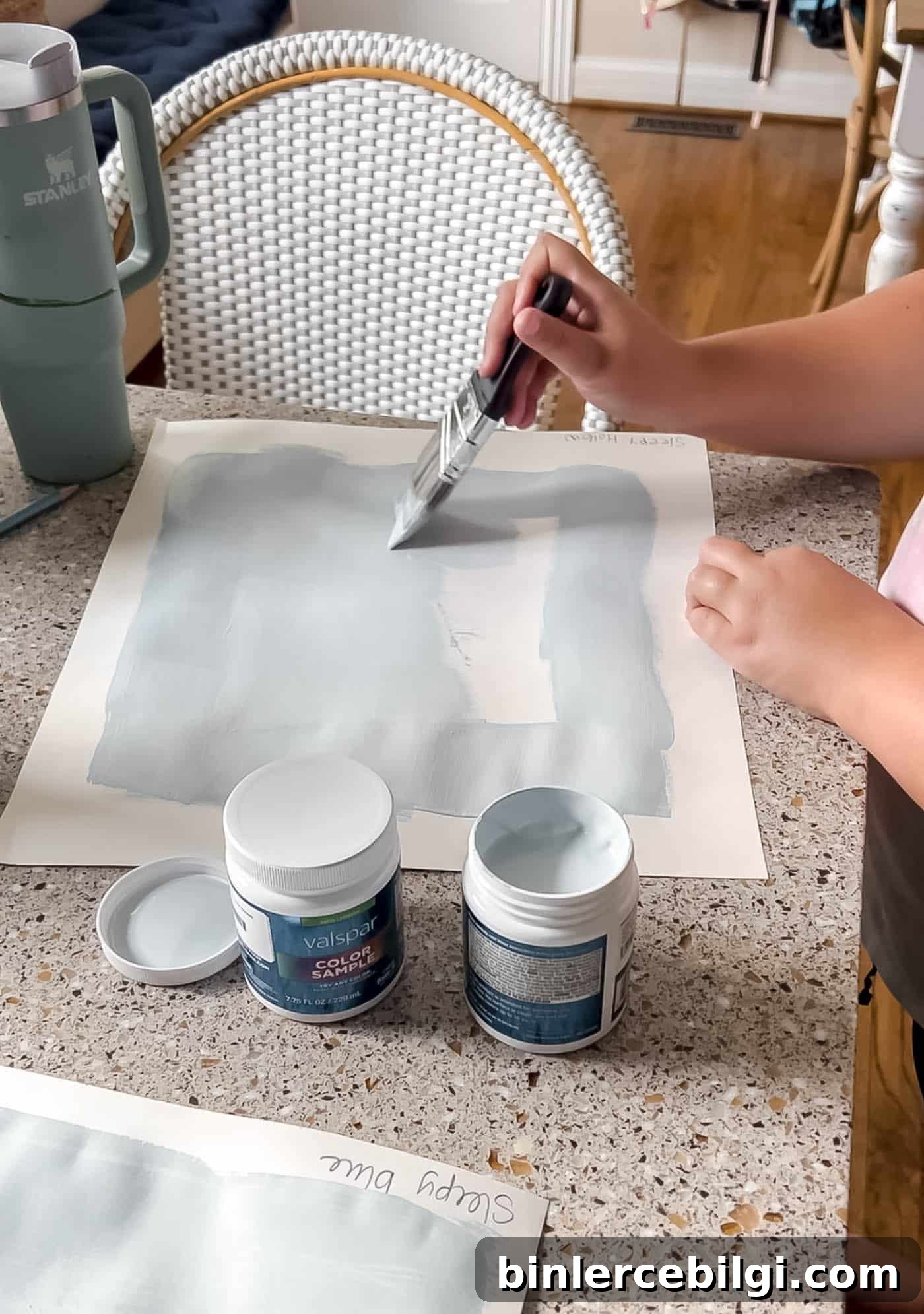
After live testing with peel-and-stick or painted poster boards, paint small sections of wall with sample pots to confirm your choice. If you’re undecided, live with the samples for a week or two—your instincts usually guide you toward the right color. If needed, ask a trusted friend for a second opinion.
Final Thoughts
Following a clear, step-by-step process removes much of the stress of choosing paint. Start with furnishings, consider existing elements and light, learn about undertones, narrow your family, research examples, and test thoroughly. When you slow down and follow these steps, selecting paint becomes easier and even enjoyable.
It’s not about picking the prettiest color on a mood board—it’s about finding a color that works with your home, lighting, and personal style. With patience and careful testing, you’ll make confident, beautiful choices that make every room feel like home.
More posts you may find helpful:
- How to Paint Outlet Covers
- Samplize Peel-and-Stick Paint Samples Review
- Best Paint Colors that Go with Oak Cabinets
- The Best Grout Refresh with Grout Paint
- My Favorite Paint Tools, Tips and Tricks