
Smart homes aren’t just a future trend — they’re practical tools you can use today. If you haven’t yet invested in smart devices, you’ve probably at least thought about it. For many people, the decision comes down to whether a device will actually make daily life easier.
I’m not an early adopter by nature, so I waited until I was certain a smart device would solve a real, everyday friction point before buying one. For our household, that tipping point was the small but annoying chore of walking around the living room twice a day to switch every lamp on or off.
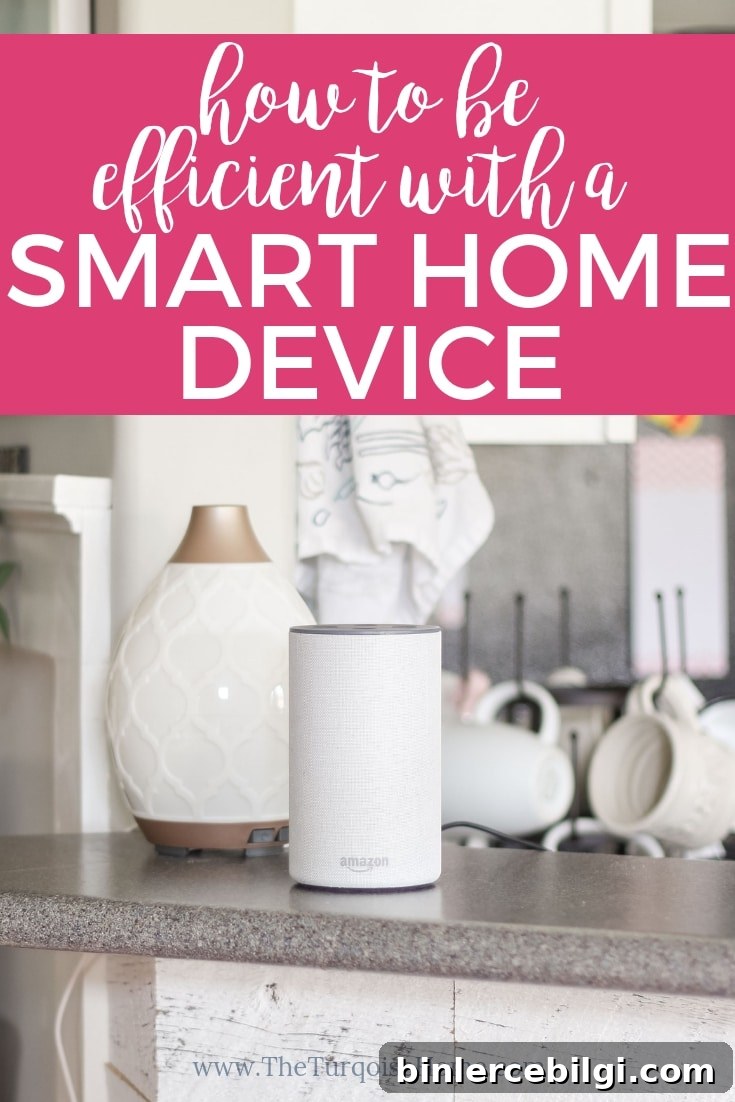
If you’re unsure whether a smart assistant is worth it, think about one recurring task it could simplify. For us, that daily lamp routine provided enough value to invest in smart lighting and a voice assistant.
We rely on lamps to light our living room in the evenings. When I received a set of Philips Hue light bulbs as a gift, I realized that a smart hub would let us control those bulbs more easily. While the Hue bulbs can be managed from a phone and scheduled automatically, I wanted one-step voice control: “Alexa, turn on the living room lights,” and they come on instantly.
At bedtime I simply say, “Alexa, turn off the living room lights.” I can also ask her to dim or brighten them, which is surprisingly fun and convenient.
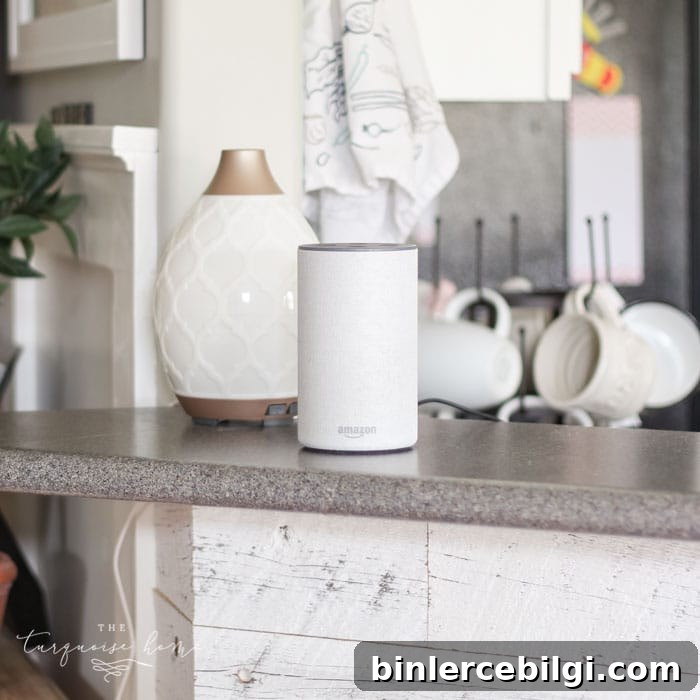
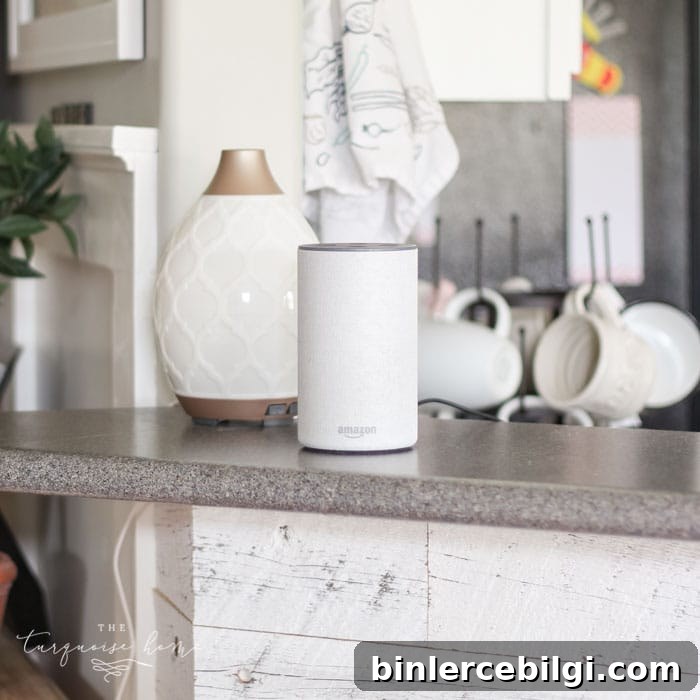
Because we use the name Alexa in these examples, we chose an Amazon Echo device as our smart home hub. We settled on the Echo 2nd Generation in sandstone fabric and also considered newer options like the Echo Plus. Another common choice is the Google Home. If you already own smart devices, check which assistant they work best with—compatibility and ecosystem matter. We already had Alexa-compatible devices and liked the Echo’s sound quality, so Amazon’s assistant became our home’s voice control center.
We use our voice assistant daily for many tasks, and I’d recommend getting one if you’re on the fence. Prices often drop around big shopping events like Black Friday, so that can be a good time to buy.
I’m also planning to add an Echo Dot or Echo Spot to our master suite, and I’ll likely shop for those during sales as well.
Below I’ve listed how we currently use smart devices to boost convenience and efficiency in our home, plus a few upgrades we plan to add.
How we Make our Home More Efficient with Smart Devices
1. Control lighting. Controlling lamps with voice commands was the main reason we bought our voice assistant. Philips Hue light bulbs are Wi-Fi-enabled and easy to install: screw them in, pair the Hue hub with your phone, and you can control them from an app or set schedules. I immediately put our living room lights on a convenient timer.
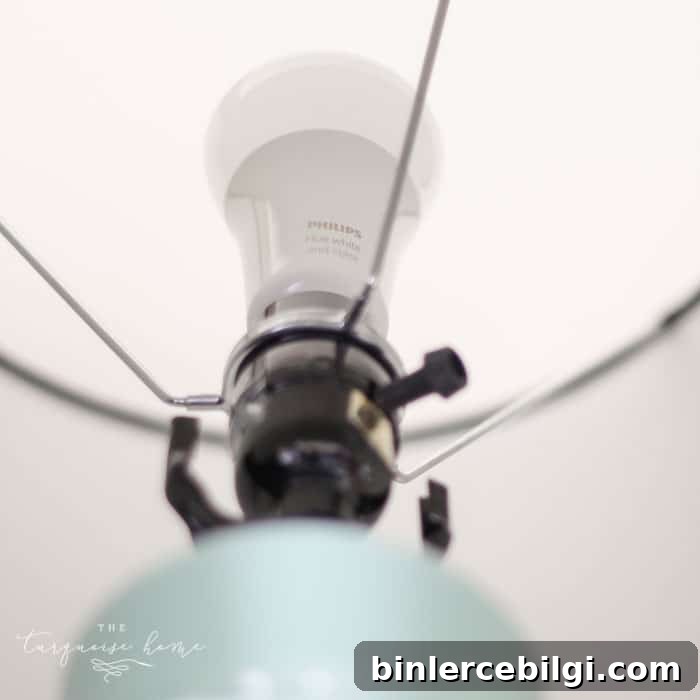
Pairing the Hue hub with our Echo gave us full voice control: say “turn on the living room lights” or “turn off the living room lights” and it happens. It might seem small, but avoiding that daily lap around the living room is genuinely satisfying. This year I’m planning to use smart plugs with the Christmas tree lights so I won’t have to crawl behind the tree to switch them on or off.
If your lighting setup is awkward to reach, a smart plug can be a practical, cost-effective alternative to replacing bulbs—useful for lamps, holiday lights, or any appliance you want to control remotely.
2. Add items to a list. I used to keep a paper grocery list on the fridge, which I often forgot to bring. Then I switched to my phone’s notes app. Now I simply say, “Alexa, add chicken to my grocery list,” and the item appears in the Alexa app. When I’m at the store, the list is already there. It’s faster and stops me from interrupting whatever I’m doing to jot things down.
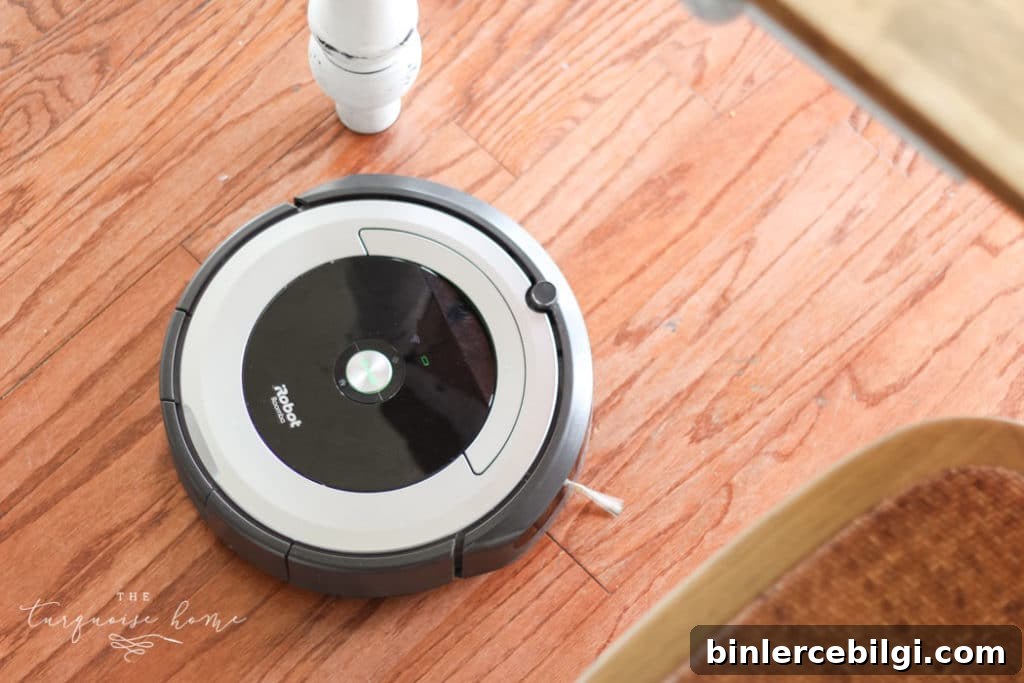
3. Control the robot vacuum. Our iRobot Roomba 690 is Wi‑Fi enabled, so I can start it from my phone or by voice. I’ll say, “Alexa, ask Roomba to start cleaning,” and it begins. If the Roomba gets stuck, I can ask, “Alexa, ask Roomba where it is,” and it emits a sound so I can find it. It feels a bit like living in the future.
4. Set timers. Timers are a simple but handy feature: “Alexa, set a timer for five minutes.” I use this for cooking, timing kids’ breaks or play sessions, and any situation where I’d rather not keep checking a clock.
5. Check the weather. Instead of unlocking my phone each morning, I ask the assistant for the forecast to decide how to dress the kids and plan the day.
6. Find and launch TV shows. We cut cable and use a streaming stick to watch shows. Our streaming remote includes a voice button: we hold it and say, “Alexa, play Friday Night Lights,” and it takes us directly to the show. Voice search for streaming content saves time and makes the experience more seamless.
7. Start dance parties and play music. While not strictly about efficiency, voice-controlled music is a huge convenience. The kids will say, “Alexa, play Taylor Swift,” or “Alexa, play Kids Bop,” and the living room turns into a dance party. I also enjoy background music while cooking; asking to play a playlist is quicker than pulling up a phone.
We end up listening to more music because it’s so easy to ask for it aloud.
Ways we Want to Make Our Home More Efficient in the Future
1. Ring Doorbell. A video doorbell that integrates with our voice assistant would let us see who’s at the front door from the Echo Spot or our phones. That’s high on our list for added convenience and security.
2. Nest Thermostat. Our current thermostat is old and clunky to program. A smart thermostat would let us control home temperature from our phones and by voice, improving comfort and likely saving energy.
These are the primary ways we use and plan to expand our smart home setup. New integrations and apps keep appearing, so we’re always discovering easier or more fun ways to use our devices. What are your favorite smart home uses? Share your ideas in the comments.
More Posts You Will Love:
- How To Choose The Best Light Bulbs For Your Home
- How to Budget for Home Projects
- Paint a Room Like a Pro in 5 Easy Steps