
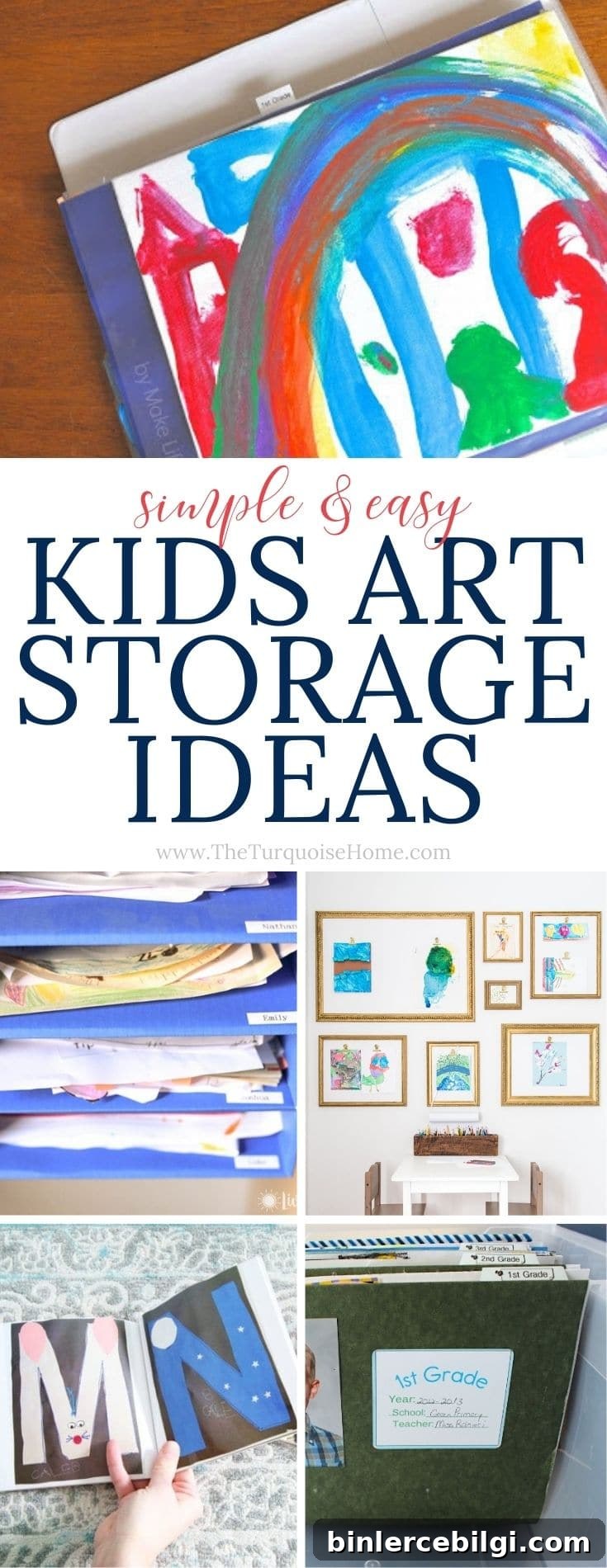
Even in a digital world, children’s artwork, school papers, and treasured mementos can quickly overwhelm the home. These practical kids art storage ideas and organizing tips will help you preserve memories without drowning in paper.
School is back and the papers are pouring in. Every drawing, worksheet, and craft feels meaningful, but keeping everything isn’t realistic. Paper may seem thin, yet the stacks multiply fast. A simple, consistent plan will keep clutter under control while letting you hold on to the most important pieces.
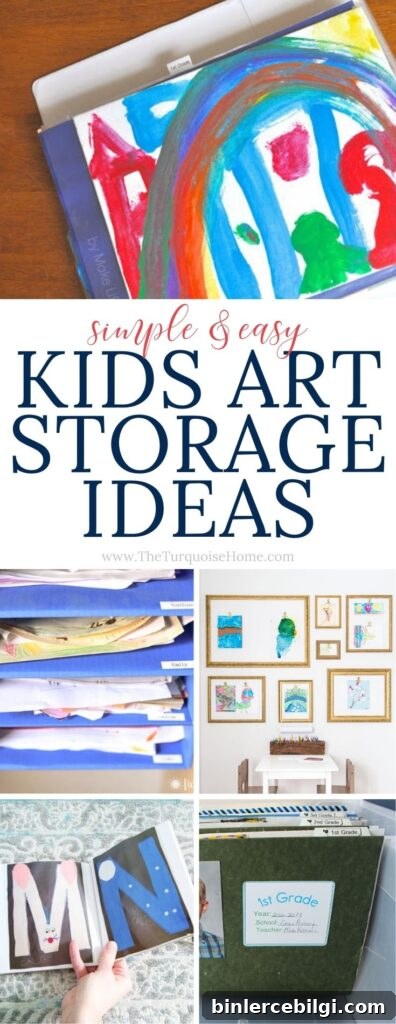
How to Start Organizing Kids’ Art
If you feel sentimental about every scribble, you’re not alone. The trick is to balance sentiment with selectivity so you keep what matters and prevent boxes of forgotten, damaged pages from piling up in storage. Here are practical steps to begin.
Give Yourself Permission to Let Go
Letting go of some pieces is healthy and necessary. Children rarely remember most of the drawings they make, and keeping everything only creates future work and clutter. Aim to curate—choose a small number of truly meaningful or exceptional pieces to save rather than hoarding everything.
Think quality over quantity: ten cherished works stored neatly mean more than thousands shoved in an attic box. Decide which pieces capture milestones, personality, or creative growth, and let the rest be recycled without guilt.
Involve Your Child in the Process
Kids are often much less attached to their art than parents are. Invite your child to pick their favorites from a batch of projects. Giving them a role teaches decision-making and helps them value the pieces they choose. You can combine their selections with a few you want to keep as a parent so both voices are represented.
Review Papers Daily or Weekly
Paper multiplies quickly. If you wait until the end of the year, the pile becomes daunting and you’ll likely avoid sorting it. Set a short regular routine—daily or weekly—to sort incoming work into “keep,” “share” (gifts to relatives), and “recycle” piles. Be decisive: limit what goes into long-term storage.
Two Main Approaches: Physical and Digital
There are two primary ways to manage kids’ papers: physical storage and digital archiving. Many families find a hybrid approach works best—keep a curated physical collection and digitize the rest.
Below are practical, easy-to-implement solutions you can adapt to your space and schedule.
How to Organize Kids’ Artwork Physically
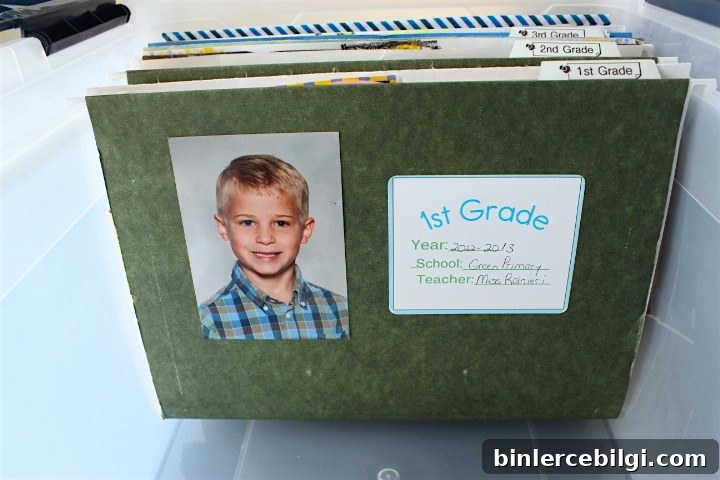
1. Use a simple filing system
A basic filing bin with labeled folders is a low-cost, low-effort solution. Create folders by child, school year, or grade, and immediately file standout projects and important school paperwork. This keeps paper from accumulating on counters and makes retrieval easy.
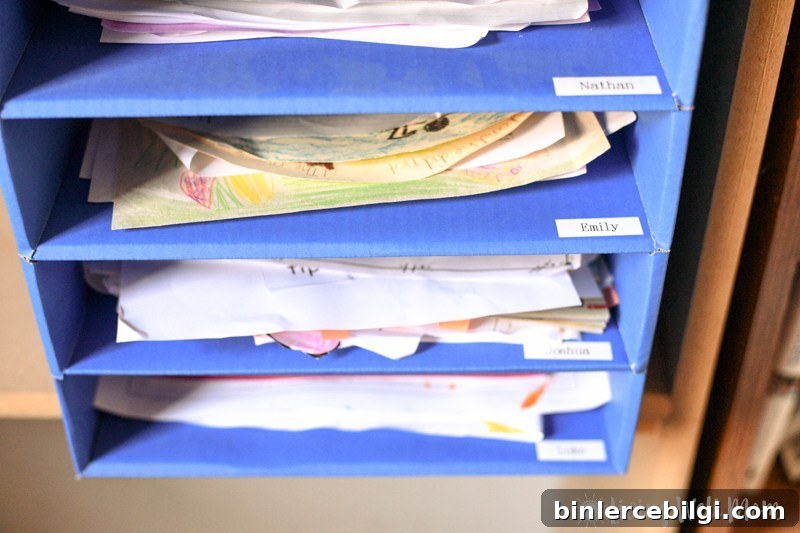
2. Create a simple shelving or cubby system
Dedicated shelves or cubbies—whether store-bought, repurposed, or DIY—give each child a visible and accessible place to deposit their recent work. This encourages accountability and makes it easy to review items regularly without searching through piles.
3. Create a rotating display
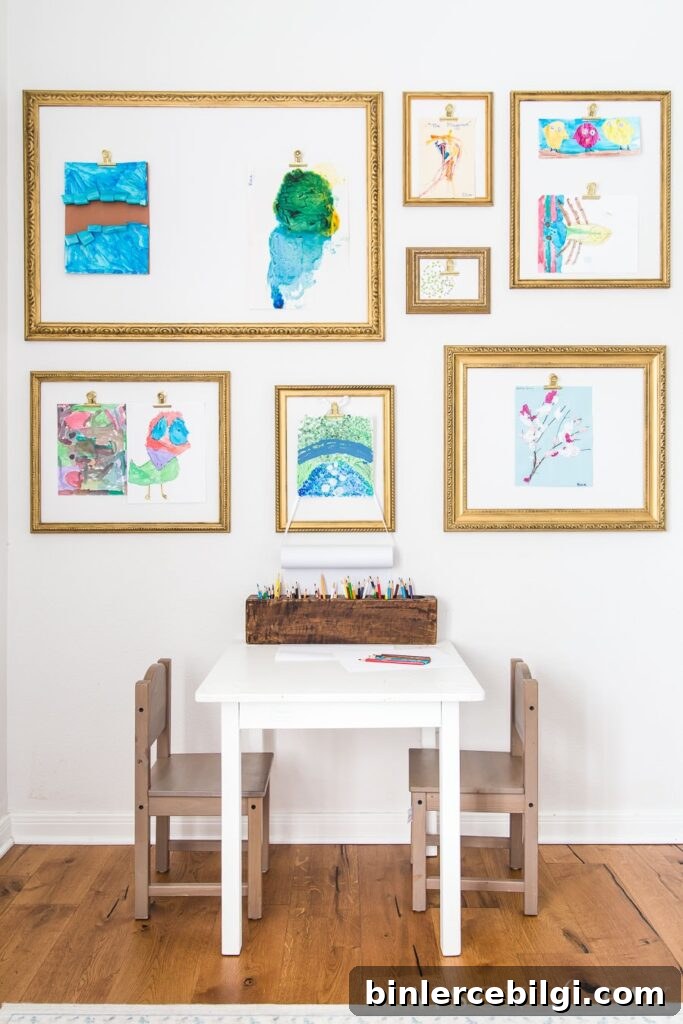
Designate a wall, corkboard, or framed gallery space to show current favorites. Rotate artwork regularly—monthly or by season—so the display stays fresh and only a limited number of pieces are on view at once. Once artwork comes down, decide whether to archive, digitize, gift, or recycle it.
4. Put favorites in a binder or portfolio
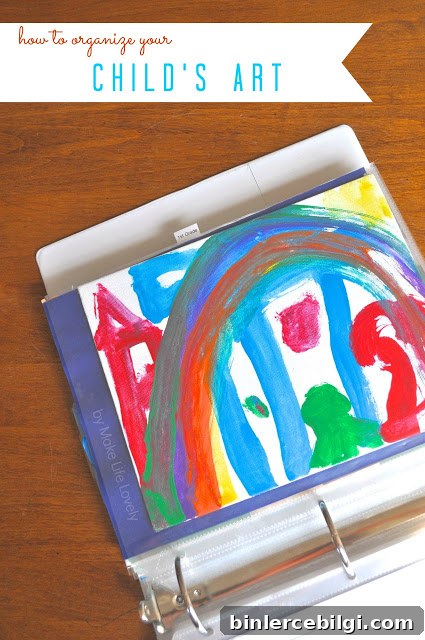
A three-ring binder with clear page protectors or a museum portfolio is an elegant way to store flat artwork. Organize by date or theme so you can flip through the collection easily. This method protects pieces from damage and keeps them compact.
How to Organize Kids’ Artwork Digitally
Digitizing artwork is a space-saving, long-term way to preserve memories. High-quality scans or photos let you keep everything without clutter. Digital files can be organized into folders by child and year, and turned into printed photo books or slideshows.
1. Make printed photo books
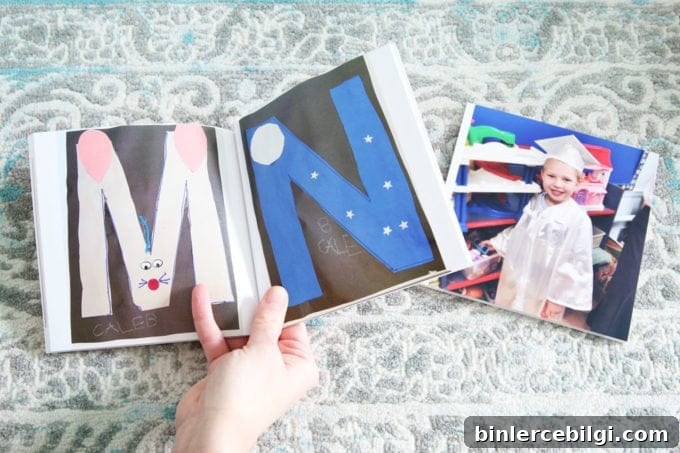
Scan or photograph artwork and compile the best images into an annual photo book. Good lighting and a neutral background produce the best images. Photo books are a compact, attractive way to store many pieces and make thoughtful gifts for grandparents.
2. Use a digital app or cloud folders
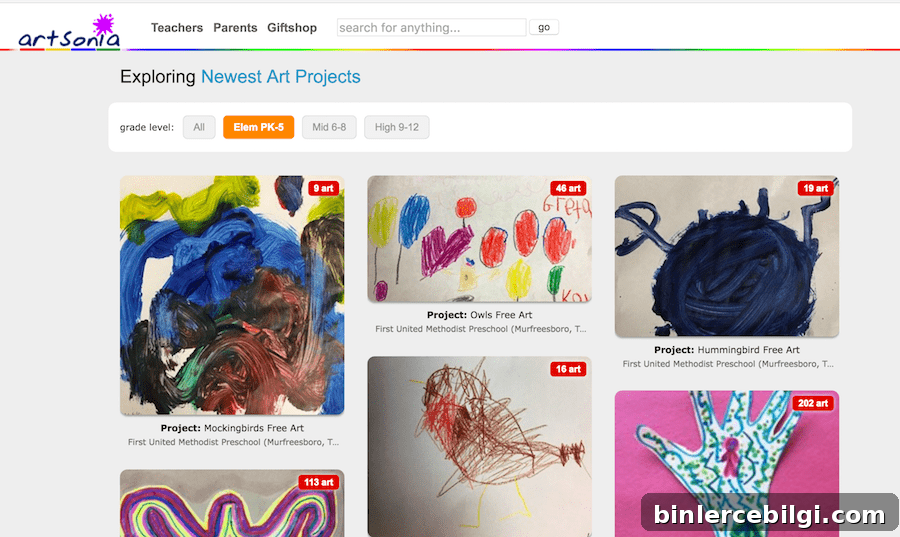
There are apps and cloud solutions designed to catalog kids’ art. These tools let you tag, sort, and easily share images. Even standard cloud storage (organized folders by child and year) works well—just keep consistent naming and backup routines so files are easy to find.
Choose the approach that fits your family: physical storage for a curated selection, digital archives for everything else, or a mix of both. With regular sorting and a few reliable systems in place, you can preserve memories without the mess.
MORE POSTS YOU WILL LOVE:
- 6 Tips to Keep the Kid Clutter in Check!
- Top 5 Tips for Kids Clothes Organization
- Beginner’s Guide to Doing Disney World with Little Kids