
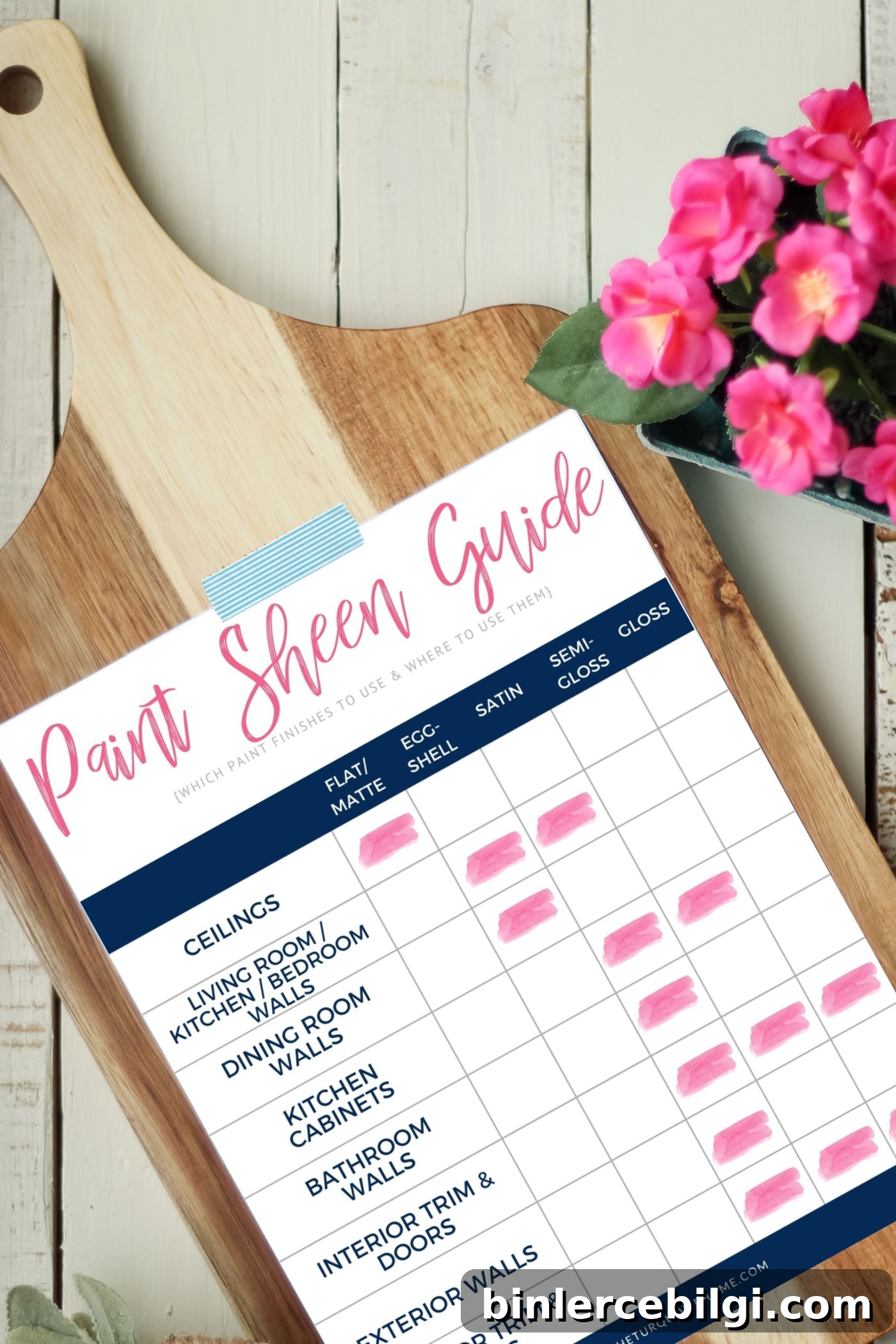
When it comes to painting, preparation is half the battle. Choosing paint tools matters, but there’s a lot more to decide before you start—one of the most important choices is the paint finish, also known as paint sheen. This guide will help you understand the different sheens and where to use them.
Picking a paint color can feel daunting, and after you decide on color you still need to select the finish. Paint sheens affect durability, cleanability, and how light reflects off your walls, so choosing the right one matters just as much as the color.
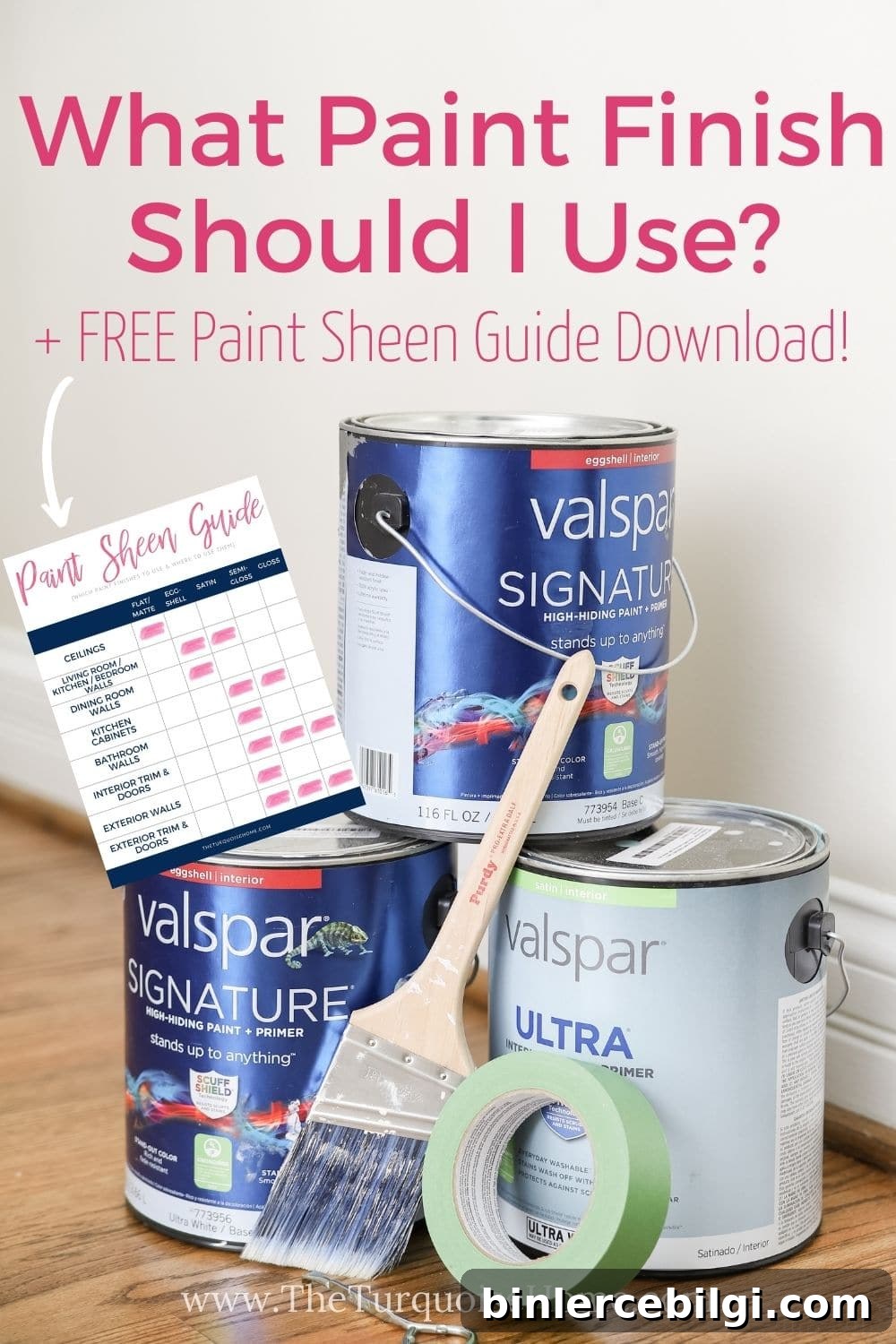
At the end of this article you’ll also find a free Paint Sheen Guide you can download to take with you when buying paint.
What are the different types of paint finishes?
Paint finishes range from highly reflective to very matte. Each sheen has pros and cons depending on the room and the condition of your walls. Common options, listed from highest gloss to lowest, include:
- Gloss: A high-sheen finish that reflects a lot of light. Gloss is very durable and easy to wipe clean but will highlight surface imperfections and can be challenging to touch up seamlessly.
- Semi-gloss: Less reflective than full gloss but still shiny. Semi-gloss cleans easily, making it a common choice for trim, doors, and rooms that need frequent wiping like playrooms and bathrooms.
- Satin: A soft sheen with a pearl-like finish. Satin is durable and wipeable while remaining less shiny than semi-gloss, making it a versatile choice for many living spaces and cabinetry.
- Eggshell: A low-sheen finish with a subtle, velvety appearance. Eggshell reflects very little light and gives walls a soft, elegant look while still being more durable than flat paint.
- Flat (Matte): A non-reflective finish that absorbs light and hides imperfections best. Flat paint is ideal for ceilings and older walls where texture and flaws may be noticeable.
Note: Paint manufacturers sometimes use different names for similar sheens. For example, certain brands label a finish differently even though it performs like a satin or eggshell from another company. When buying paint, ask your retailer which of their sheens matches the finish you want.
The Best Paint Finishes For Each Room
Now that you know what each finish does, here are practical recommendations for the most common rooms in a home.
Which paint finish should I use on my ceiling?
Ceilings are traditionally finished in flat or matte paint. Flat paint hides imperfections better than any other sheen and is easier to touch up—a helpful quality since ceiling painting is more labor-intensive than wall touch-ups. While modern decorating sometimes uses color or patterns on the ceiling, the finish typically remains flat for its forgiving appearance.
The Best Paint Finishes For A Living Room
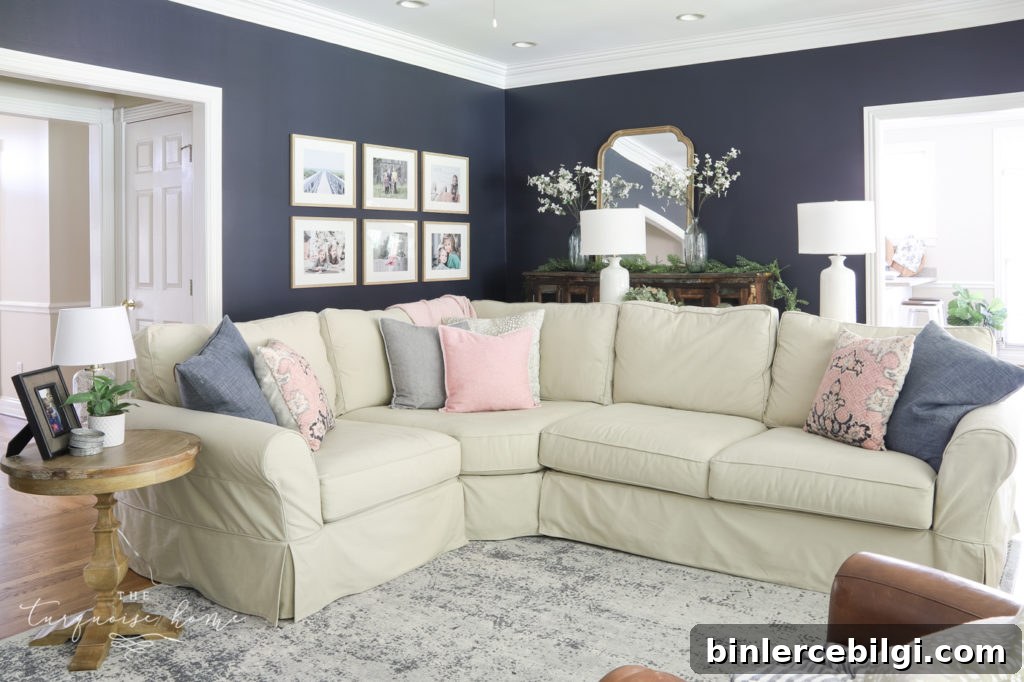
Living rooms are high-traffic, everyday spaces where you want both comfort and durability. A mid-range sheen such as eggshell or satin gives a pleasant, lived-in look while offering enough cleanability for occasional scuffs and fingerprints.
Dining Room Paint Finishes
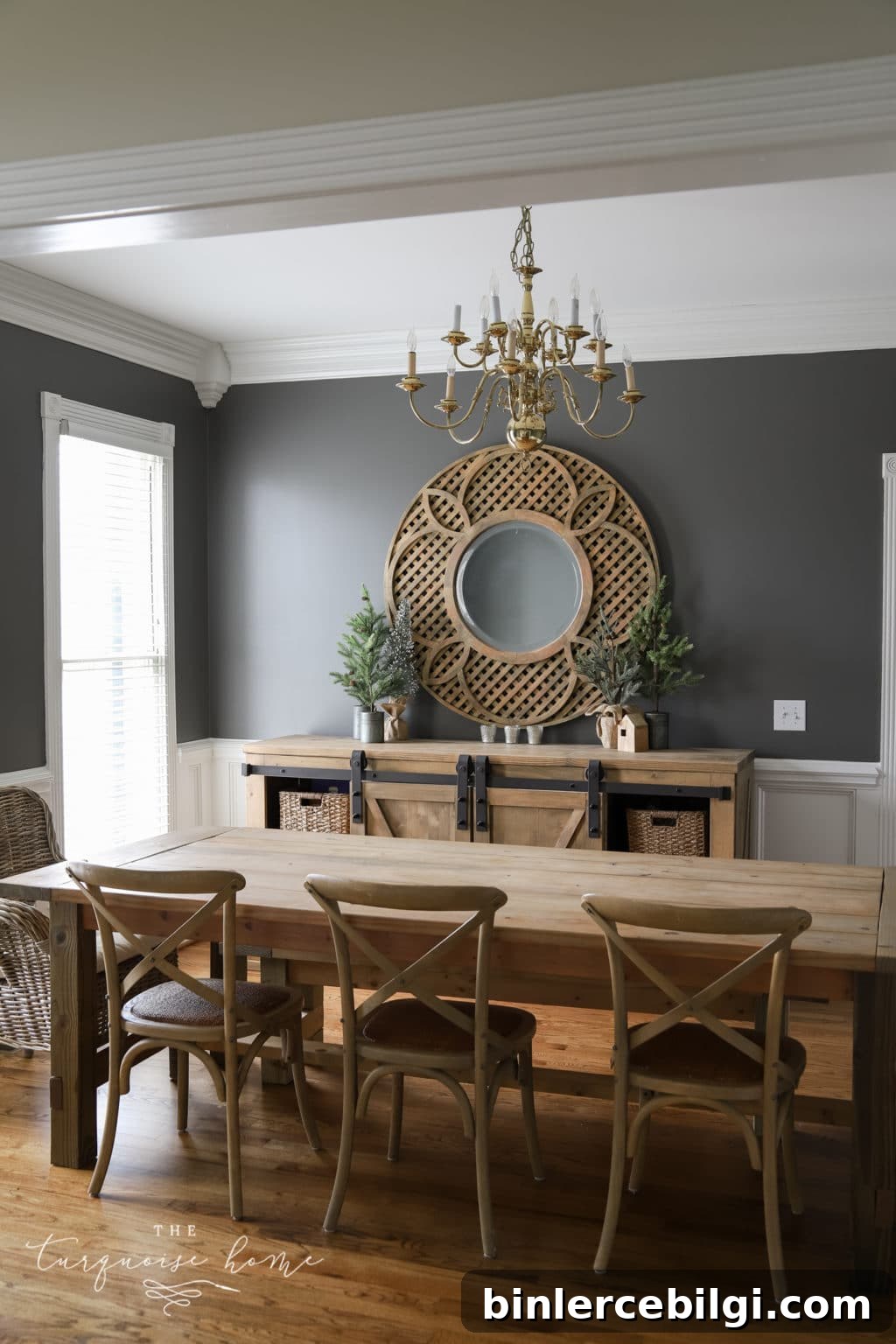
Dining rooms should feel warm and inviting. Eggshell is a great choice because its soft, velvety finish adds cozy depth without being too shiny. It looks elegant while hiding minor surface flaws better than glossier finishes.
The Best Kitchen Paint Finishes
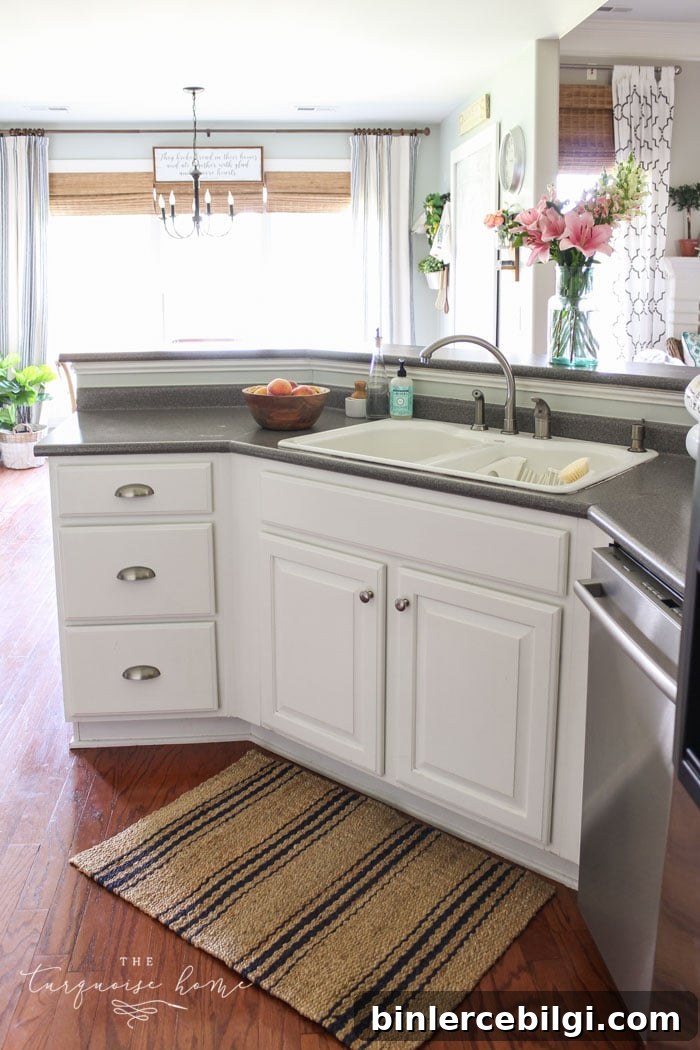
Kitchens are high-use and prone to spills, splatters, and humidity. Use a more durable, wipeable finish on walls and cabinets. For walls, satin balances cleanability and a soft look. For painted cabinets, choose satin, semi-gloss, or gloss depending on the level of shine you want; satin is often a preferred compromise for cabinets because it cleans well without being overly reflective.
Types Of Paint Finishes To Use In Master and Guest Bedrooms
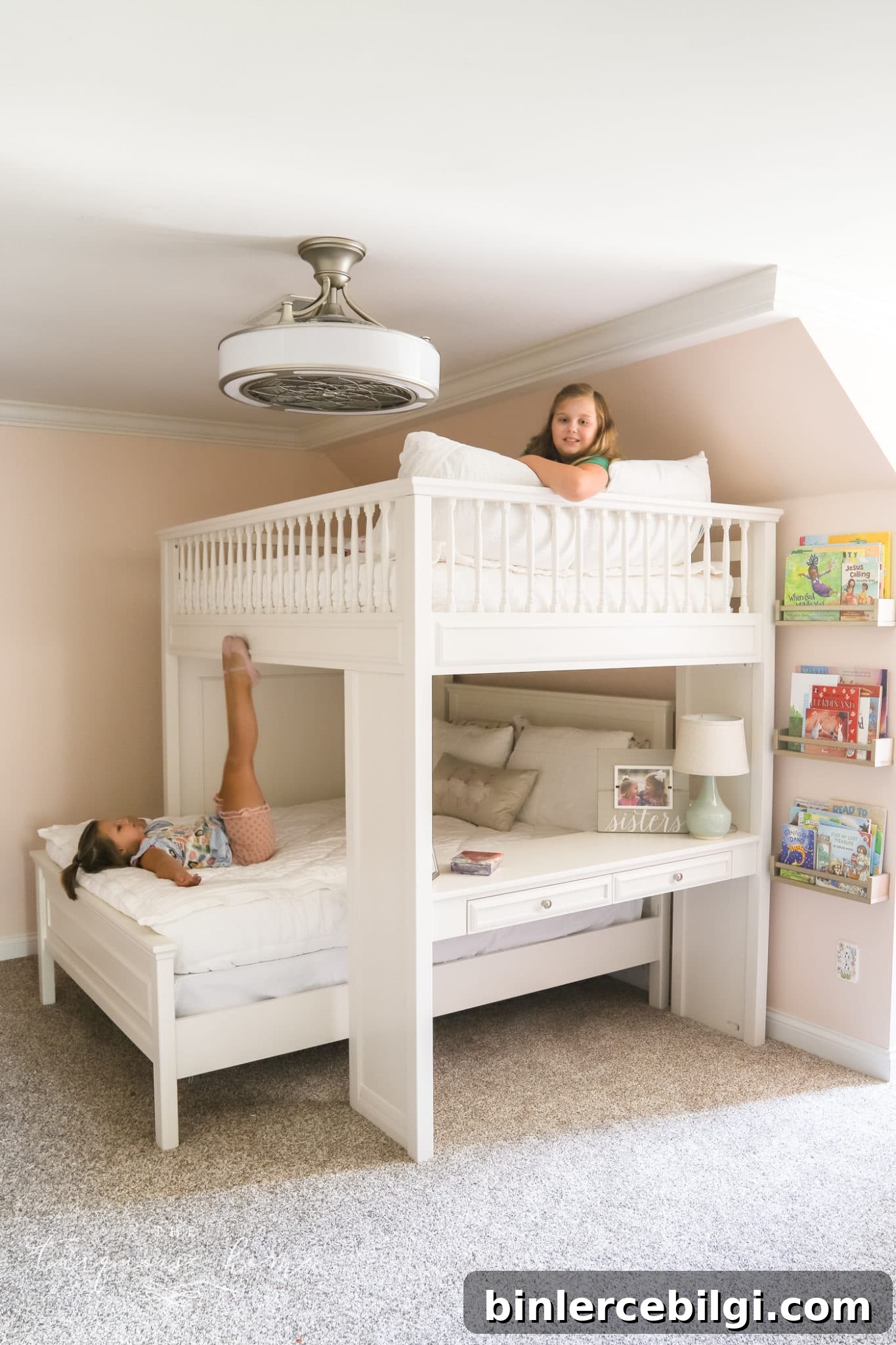
Bedrooms are spaces for relaxation, so a less reflective finish is often best. Eggshell or satin both work well depending on your lighting and the mood you want. Eggshell provides a softer, more matte feel, while satin offers a touch more durability if you expect the walls will need occasional cleaning.
Kid-Friendly Finishes (Perfect for Playrooms and Kids’ Bedrooms)
For children’s rooms and play areas, cleanability is a priority. A glossier, wipeable finish such as satin or even semi-gloss in high-traffic areas makes it easier to remove crayon marks, fingerprints, and spills. If your kids are tidy, eggshell can work; if you expect heavy wear, choose a higher-sheen option.
Bathroom Wall Finishes
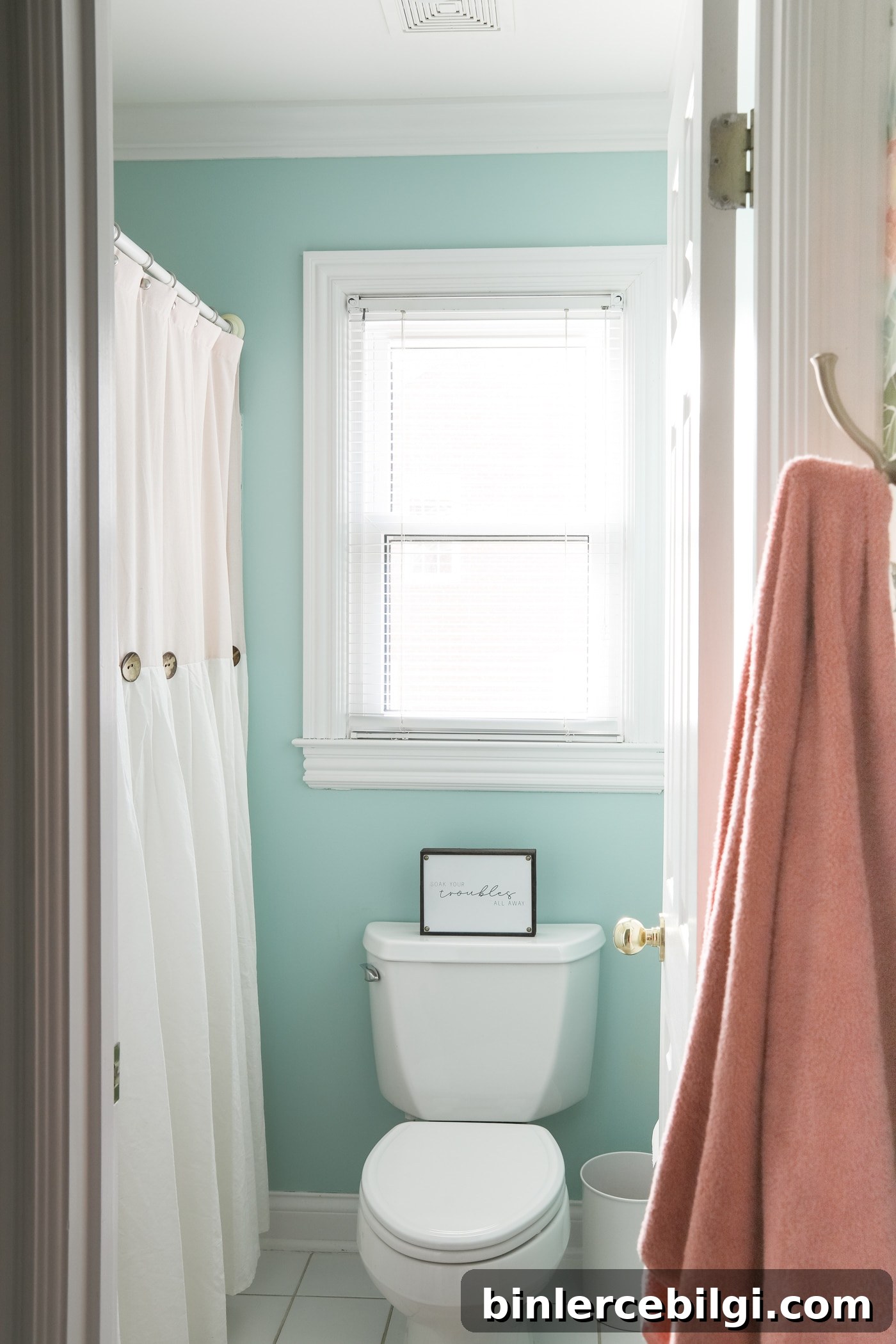
Bathrooms require finishes that resist moisture and can be wiped clean. A satin finish is a smart choice for bathroom walls because it tolerates humidity better than flatter sheens and is easy to maintain. In powder rooms and high-traffic bathrooms, satin provides the durability you need while still looking attractive.
Final Thoughts
If you prefer a softer, less shiny look, choosing finishes no glossier than satin is a reliable approach. I personally avoid very glossy sheens for most interior walls and reserve semi-gloss or gloss for trim, doors, and cabinetry when I want extra durability and a sharper visual contrast.
Remember that the same color will look different depending on the sheen. Matte and flat finishes absorb light for a more muted appearance, while glossier sheens reflect light and can make colors read lighter or more vibrant. Consider both color and sheen when planning a paint project to ensure the final result matches your vision.
Paint Sheen Guide — Free Download
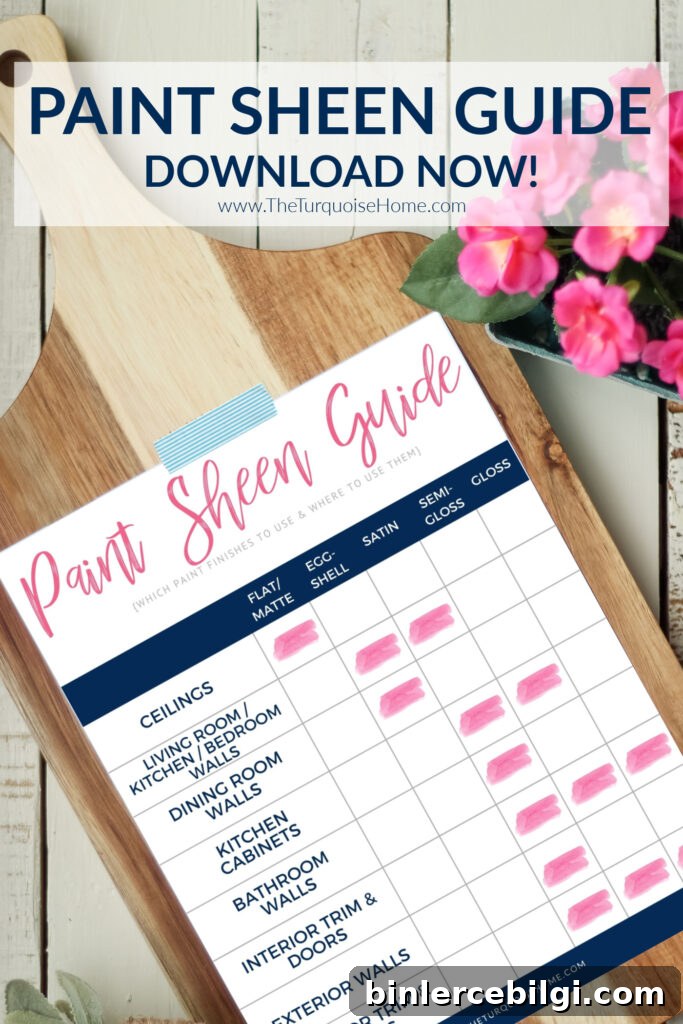
Download a free Paint Sheen Guide to take with you to the store and reference whenever you need help choosing the right finish.
More painting resources you may find helpful:
- How to paint a room like a pro in five easy steps
- Best gray paint colors for interior spaces
- Organized paint storage ideas
- Beautiful interior door paint color ideas
- Best nursery paint colors and playful accent wall ideas