
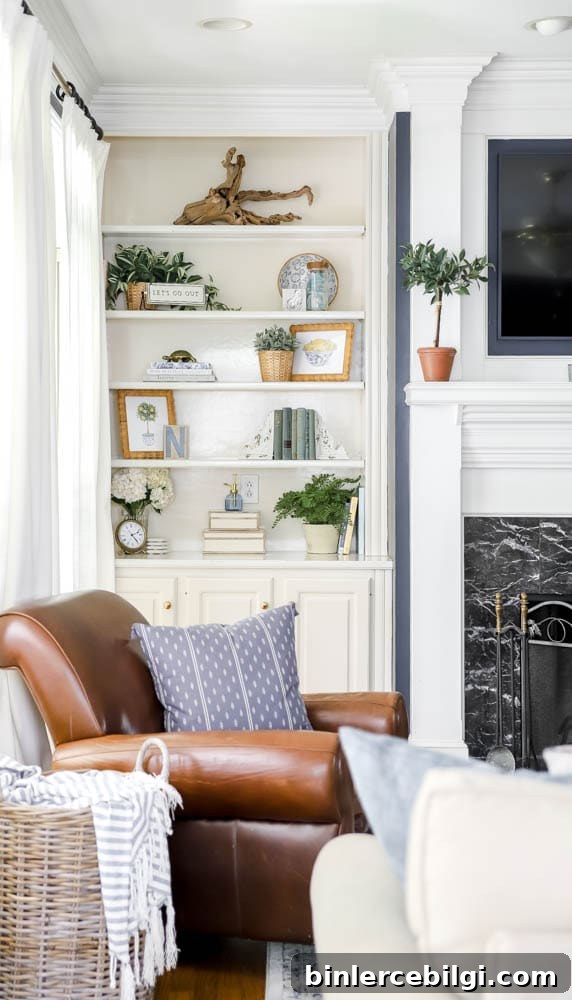
Home furnishings are the key pieces that transform a house into a warm, lived-in home. Below are seven essential home decor items that help every room feel comfortable, cohesive, and thoughtfully designed.
Decorating your home is a personal process. The best rooms reflect the people who live in them: they’re attractive, functional, and comfortable. Some people find pulling a room together intuitive; others benefit from a clear checklist. If you admire well-styled spaces but worry about budget or where to begin, this simple guide will help you make purposeful choices that feel like you.
Here are seven essential furnishings and decor elements that, when included, make each room feel complete and confident in its design.
7 Home Furnishings Every Home Needs
Home furnishings aren’t just furniture; they are the components that pull your style together and make every room functional and inviting. The seven essentials below are adaptable to any decorating style and budget—they’re not trendy gimmicks, but reliable building blocks that make a house feel intentionally designed.
Use this checklist as you plan or refresh a room: if something feels like it’s missing, one of these categories will often be the solution.
1. Lighting
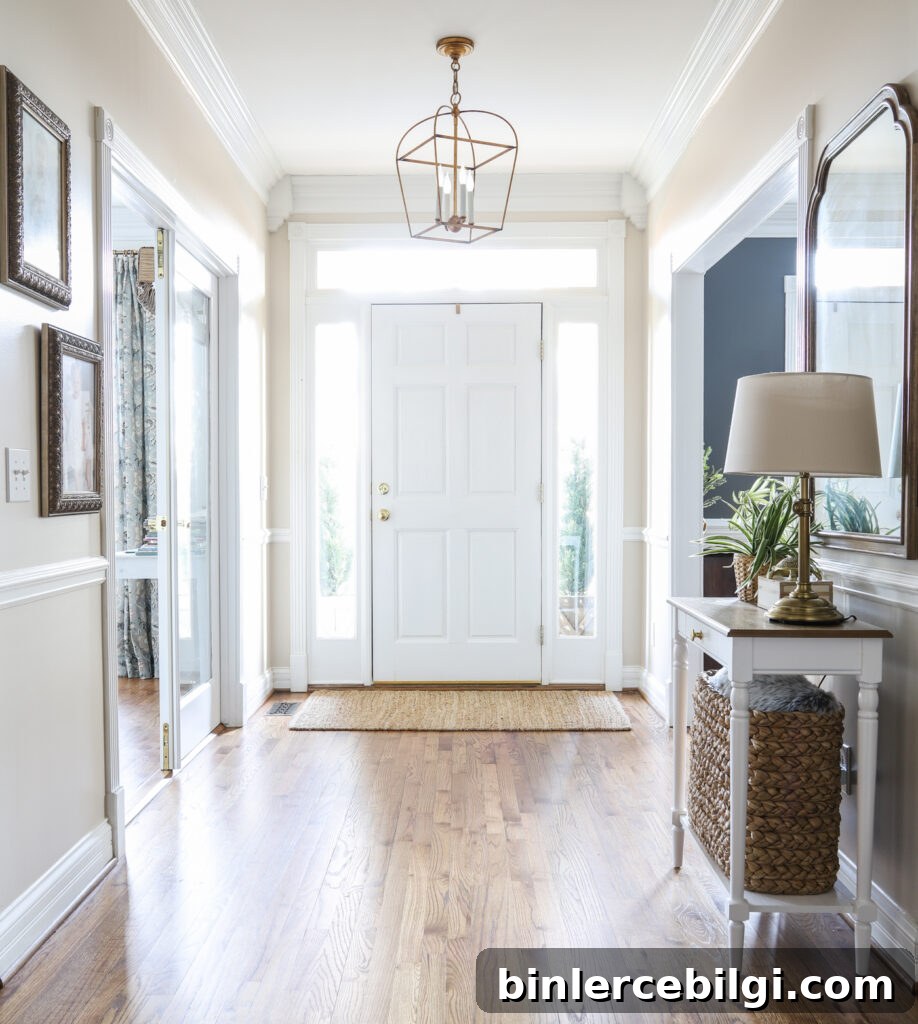
Proper lighting is one of the most impactful elements in any room. Even excellent decor will look flat under poor light. Aim for layered lighting: ambient light for general illumination, task lighting for reading or cooking, and accent lighting to highlight art or architectural details. Natural light is ideal, so make the most of windows; where natural light is limited, choose fixtures with warm, dimmable bulbs to create a welcoming atmosphere without appearing harsh or artificial.
Thoughtful placement and bulb selection can instantly elevate how a space reads in photos and in daily life—an important consideration for both comfort and resale value.
2. Color
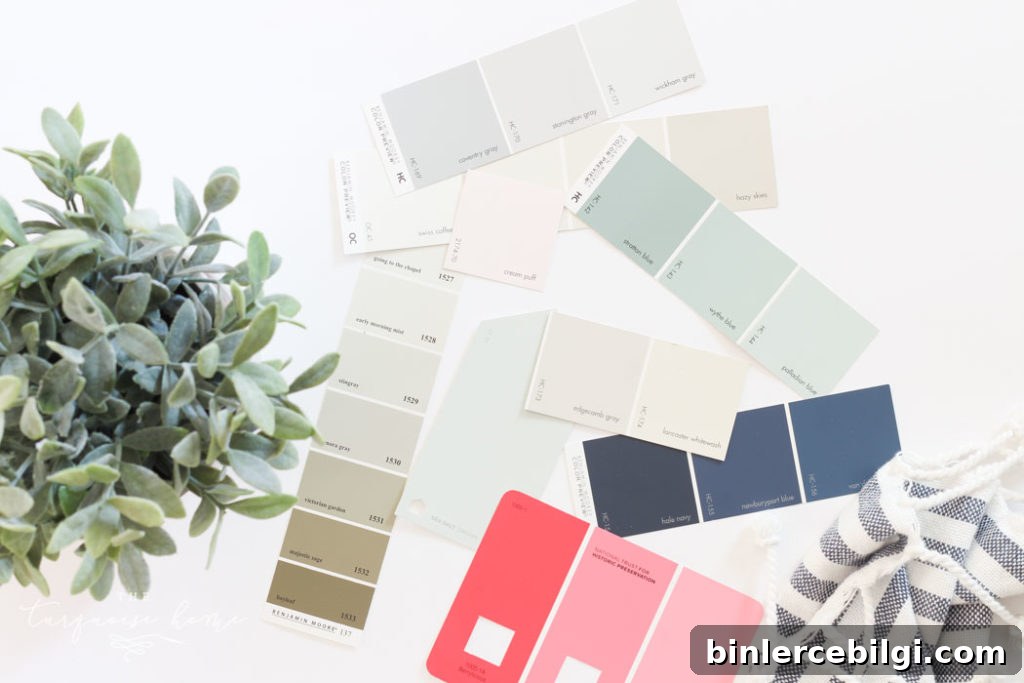
Color is the first thing people notice and the foundation for every other choice in a room. Use a restrained palette for large surfaces—walls, major furniture pieces, and flooring—and introduce brighter hues through accessories. A consistent color story carried through adjoining rooms creates flow and calm. When choosing paint, samples on the wall viewed at different times of day will help you pick the shade that reads consistently across natural and artificial light.
3. Add Natural Materials
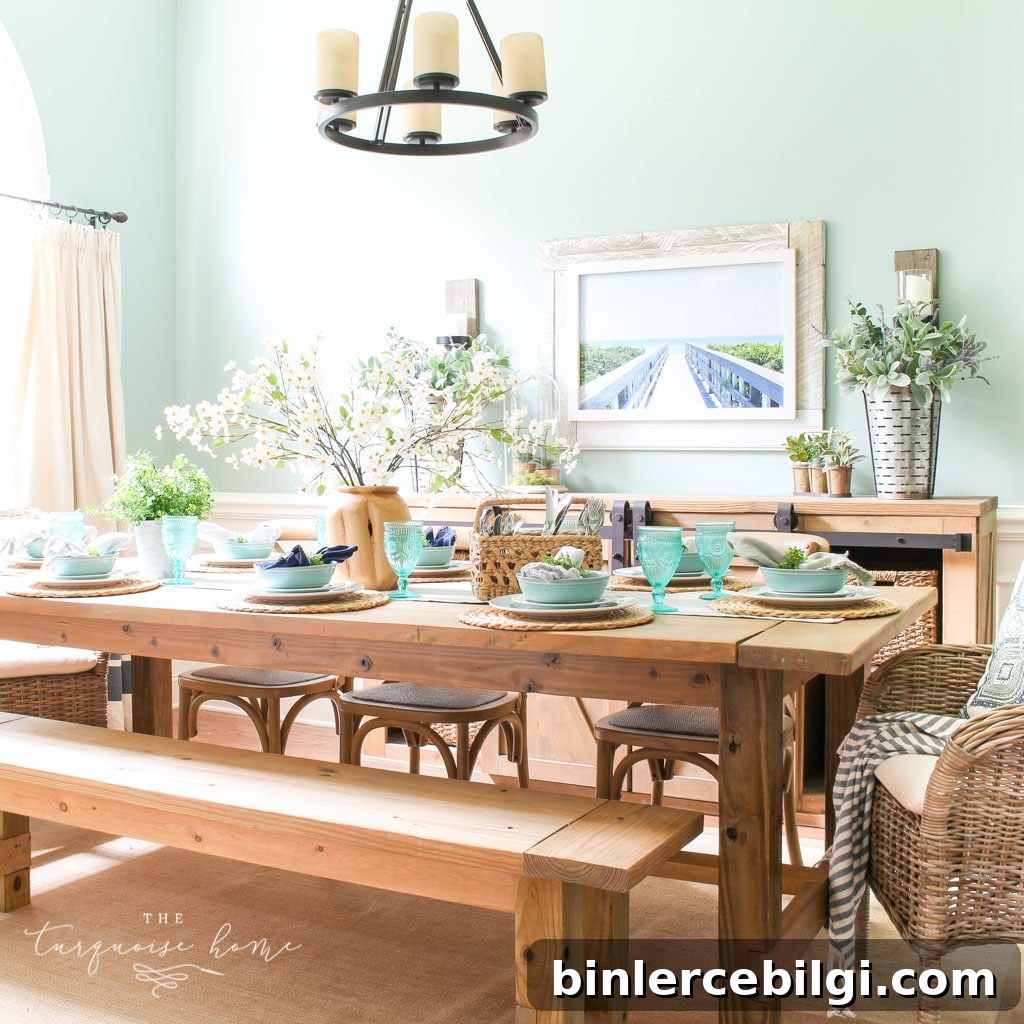
Natural materials like wood, rattan, jute, seagrass, and bamboo bring warmth and texture that synthetic finishes rarely match. Even a small wooden bowl, woven basket, or rattan chair can soften a modern space and make it feel lived-in. These materials introduce organic variation in color and grain that adds depth to layered decor.
Consider natural elements in furniture, shelving, small accessories, or framed art—each piece helps your home feel grounded and thoughtfully curated.
4. Curtains
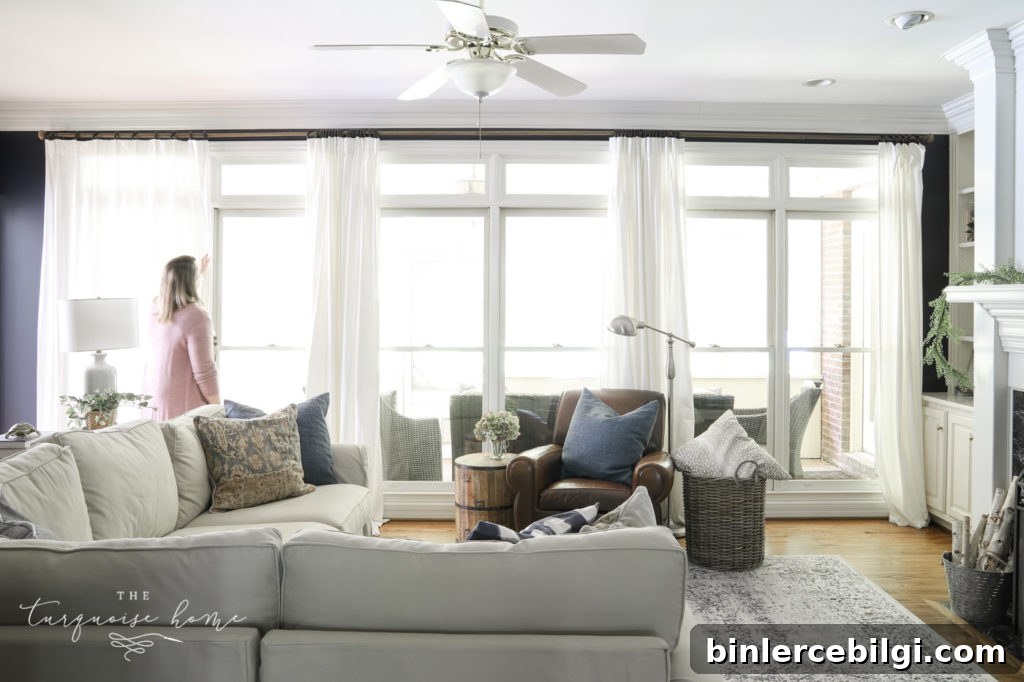
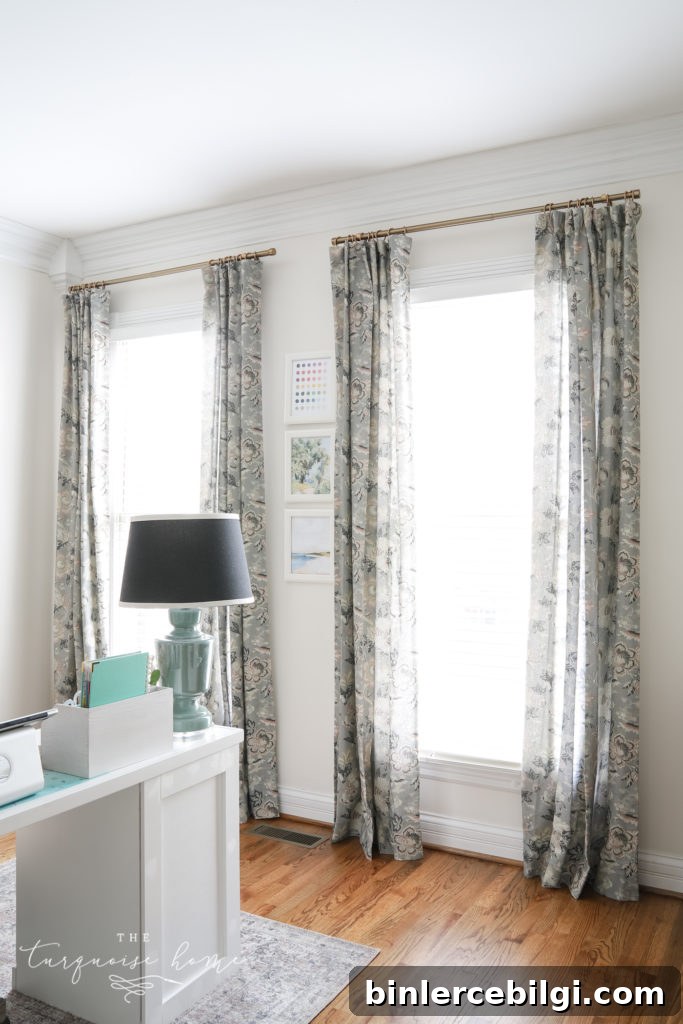
Curtains frame windows and add texture, color, and softness to a room. Without them, windows can look like gaps in the wall rather than intentional features. Choose curtains that complement your palette and hang them high and wide to make windows—and rooms—appear larger. Sheer panels keep rooms bright while filtering glare, and heavier drapes add insulation and a cozy feeling in cooler months.
5. Plants or Flowers
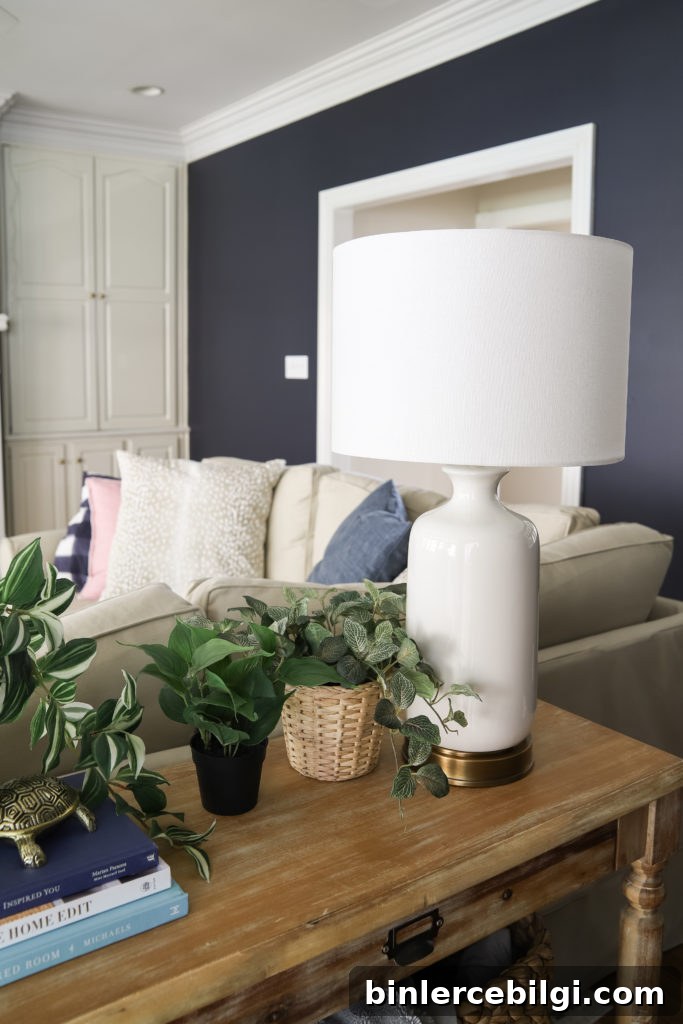
Greenery breathes life into every space. Plants and fresh flowers add color, scent, and a sense of care. If you don’t have time to maintain live plants, realistic faux plants are a convincing alternative that still create the same visual lift. For low-maintenance live options, try pothos, snake plant, or ZZ plant—each tolerates a range of light and forgiving care routines.
6. Fabric Home Decor Items
Fabrics add the soft, cozy layer every room needs. Beyond upholstery and curtains, incorporate throw blankets, pillows, area rugs, bedding, and table linens to create tactile contrast and warmth. Rugs anchor seating areas, pillows add scale and color, and blankets invite touch. Mixing textures—linen, knit, velvet, and woven fibers—makes a space feel curated rather than flat.
7. Art
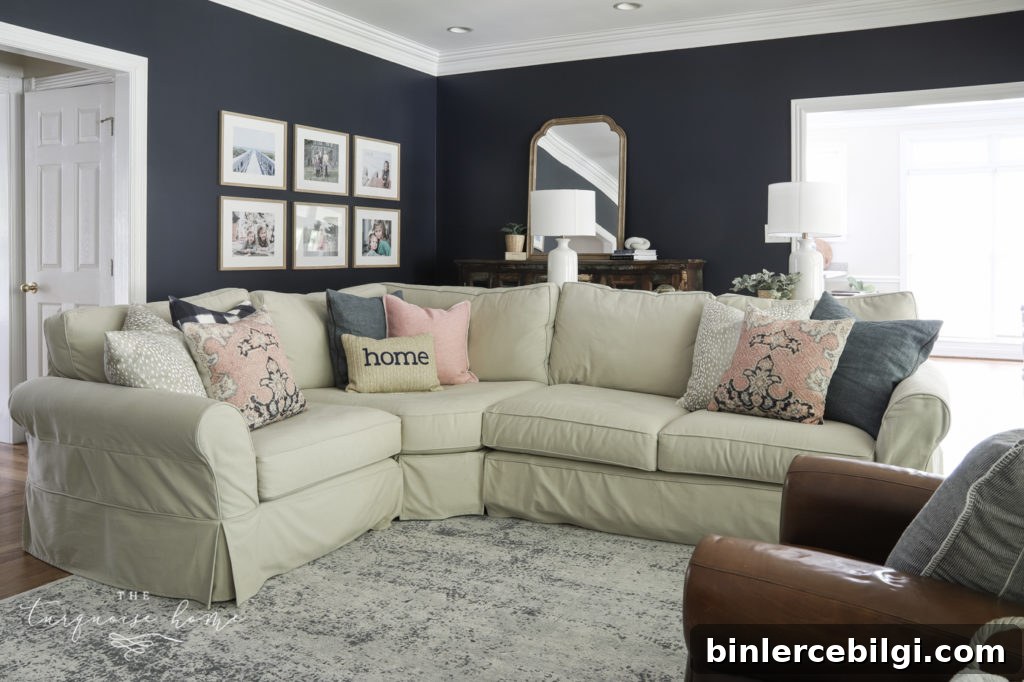
Art personalizes a room. Bare walls feel unfinished and unwelcoming; thoughtfully chosen artwork—prints, framed photos, kids’ drawings, or sculptural objects—brings personality and narrative. Art doesn’t have to be expensive: printable pieces, thrifted finds, or simple DIY projects can be expressive and affordable. Position art at eye level, group smaller pieces into gallery walls, or use a single oversized piece as the room’s anchor.
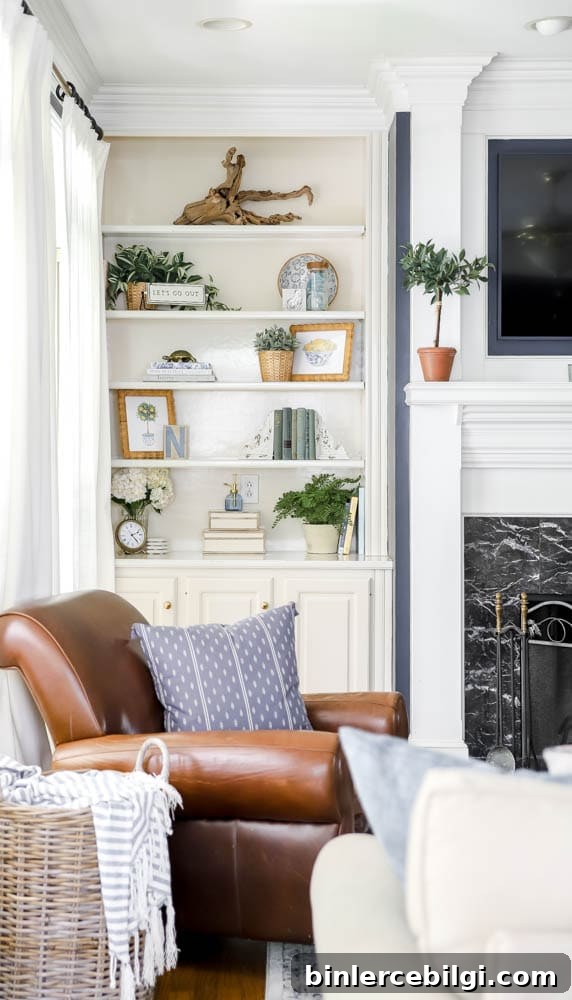
Combining art with the other essentials—lighting, color, natural materials, curtains, plants, and fabrics—creates rooms that feel intentional, comfortable, and uniquely yours. If a space feels like it’s missing something, run through this list and add or tweak one element at a time until the room feels complete.
A thoughtfully furnished home doesn’t need to be expensive. Focus on these core categories and choose pieces that reflect your taste to create harmonious, livable spaces that welcome family and guests alike.