
Welcome to Day 28 of the 30 Days to Less of a Hot Mess Challenge! Today we’re tackling kids’ clothing—decluttering, reorganizing, and creating systems that actually work for busy families. If you’re new to the challenge, consider starting at the beginning to follow along. (Affiliate links were used in the original post for convenience.)
**************************************************************
Children’s clothing can quickly become a major source of clutter. Between growth spurts, sentimental items, and the steady stream of adorable new outfits, managing kids’ wardrobes takes a plan. Over the years I’ve built simple systems that reduce chaos and make mornings easier—especially since my two daughters have birthdays only six days apart, which makes hand-me-downs both a blessing and a challenge. Here are five practical tips to help you organize kids’ clothes and keep things manageable.
5 Top Tips for Kids Clothes Organization
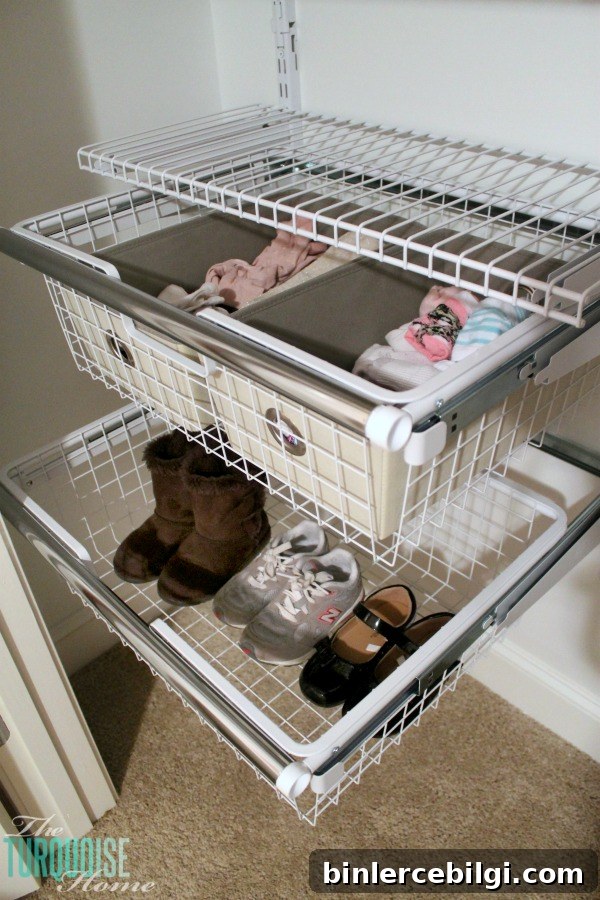
1. Keep Clothing Where Kids Can Reach It
Design your storage so children can dress themselves and put laundry away. Lower hanging rods for dresses and shirts, drawers within reach for underwear, socks, t-shirts, and pants make independence possible. When kids can access their own clothes, mornings run smoother and you’ll spend less time folding and putting things away.
2. Divide Drawer Space
Drawer dividers transform chaotic drawers into tidy zones. Use inexpensive organizers to separate socks, underwear, pajamas, and t-shirts so everything has a place. This prevents items getting lost in the back of a drawer and helps kids learn where things belong.
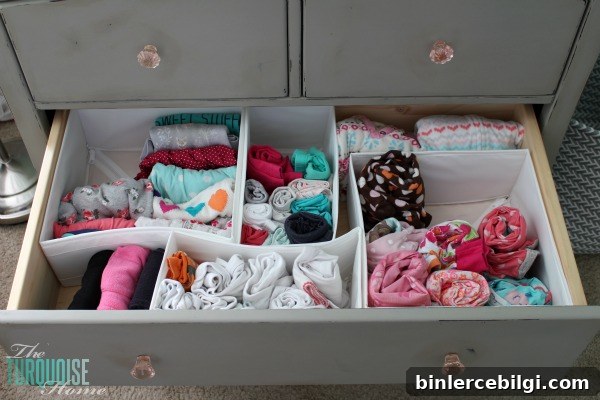
Drawer organizers like the Skubb boxes are a simple, budget-friendly way to keep small items tidy and visible.
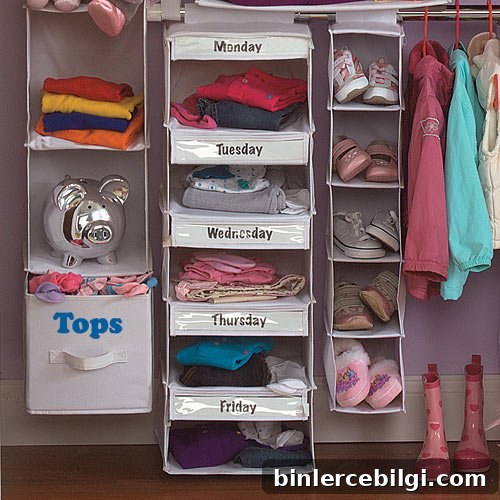
3. Set Out Clothes for the Week
If your child can dress independently, consider using a “days of the week” organizer or a simple system that sets out outfits for the whole week. This removes decision fatigue from busy mornings and teaches responsibility. Choose one day each week—Sunday, for example—to plan the week’s outfits together.
4. Keep Long-Term Storage Out of Reach
Store items you’re keeping for future children or seasonal storage high on shelves or in bins that aren’t readily accessible to young children. Little ones love to pull out baby clothes and childhood memories, which can make a neat closet messy again fast. Keeping these items up high preserves them and reduces temptation for frequent rummaging.
5. Create a Clear Hand-Me-Down System
Sorting clothing at the end of each season prevents overflow and confusion. Decide what to keep, sell, donate, or trash. When you have more children or accept hand-me-downs, an organized system will save you time and space. I learned this the hard way: saving the right pieces from my oldest daughter proved invaluable when my second daughter happened to be nearly the same age and season—hand-me-downs can be incredibly useful if planned wisely.
My Rules for Hand-Me-Downs
I sort clothing into three main categories so decisions are fast and consistent:
- Trash pile: Anything heavily stained, torn, or clearly unusable goes in the trash. For lightly stained or worn items, consider keeping them as play clothes if they’re otherwise serviceable.
- Consignment or sell pile: Items that were rarely worn, out of style, or past their prime are great candidates for resale. Selling clothes can recoup money to buy the next season’s essentials.
- Keep pile: Only the best, favorite pieces make this pile. Limit what you keep to avoid accumulating bins and only save items you truly love or that are expensive to replace—pajamas are an example I almost always save, even if a little worn.
Once I select the keepers, I store them in clear plastic tubs and keep them in a closet rather than an attic to prevent yellowing. Keeping the “keep pile” small makes it realistic to store inside and ensures you’ll actually use the items later.
Challenge for today: Choose one child’s room and declutter their wardrobe. Remove clothes that no longer fit, sort into the four categories above, and create an organized system for the clothes they can wear now. Remember to place everyday items where your child can reach them to encourage independence.
In the mess with you, Laura
More Posts You Will Love:
- Organizing Kids’ Art and Memorabilia
- Beginner’s Guide to Doing Disney World with Little Kids
- 6 Tips to Keep the Kid Clutter in Check!
- Under the Bathroom Sink Storage
- How To Organize The Playroom Before The Holidays