

When it comes to a stylish yet timeless paint choice, blue is hard to beat. Below are some of the best blue paint colors available, chosen to suit a variety of rooms and moods. Whether you prefer soft, airy shades or deep, dramatic tones, you’ll find reliable options here.
Blue is versatile—from blue-gray neutrals to clear light blues and deep navies. This guide highlights standout options and practical tips to help you choose the right blue for your space.
Note: This article originally included product recommendations and resources to help with painting. If you plan to paint a room yourself, quality brushes, painter’s tape, drop cloths, and a good roller system will make the job much easier. Also consider reading a step-by-step painting guide before you begin.

Choosing the right blue can be surprisingly tricky because subtle shifts in undertone and surrounding light can change a color dramatically. Still, blue remains one of the most popular paint families: it can brighten a room, bring serenity, or create bold, moody drama depending on the shade and finish.
Best Blue Paint Colors
Blue is considered a “cool” color—calming, refreshing, and often evocative of sky and water. Some blue shades sing for attention, while others recede and act as a neutral backdrop. When sampling colors, bring at least 2–3 large swatches home and view them in the room at different times of day so you can see how light, furniture, and textiles influence the hue.
Best Blue-Gray Paint Colors
Blue-gray shades make excellent neutrals. They pair well with varied decor, allowing furniture and artwork to stand out. These tones often pick up accents from other elements in the room, making them incredibly versatile. Below are several reliable blue-gray choices.
Agreeable Gray (Sherwin-Williams)
Agreeable Gray frequently reads as a soft blue-gray in certain light. It’s a crowd-pleasing neutral that works well in living spaces and open floor plans. If you want a safe, flexible backdrop that still reads cool, this is a solid option.
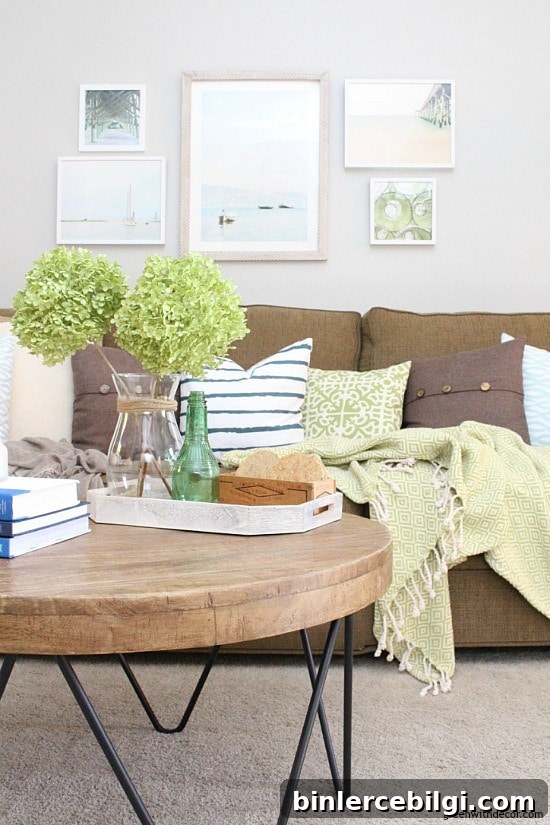
Silver Sage (Restoration Hardware)
Despite its name, Silver Sage often shows a pale blue undertone that feels soft and sophisticated. It’s a good match if you’re looking for a subtle, muted color similar to older classic neutrals.
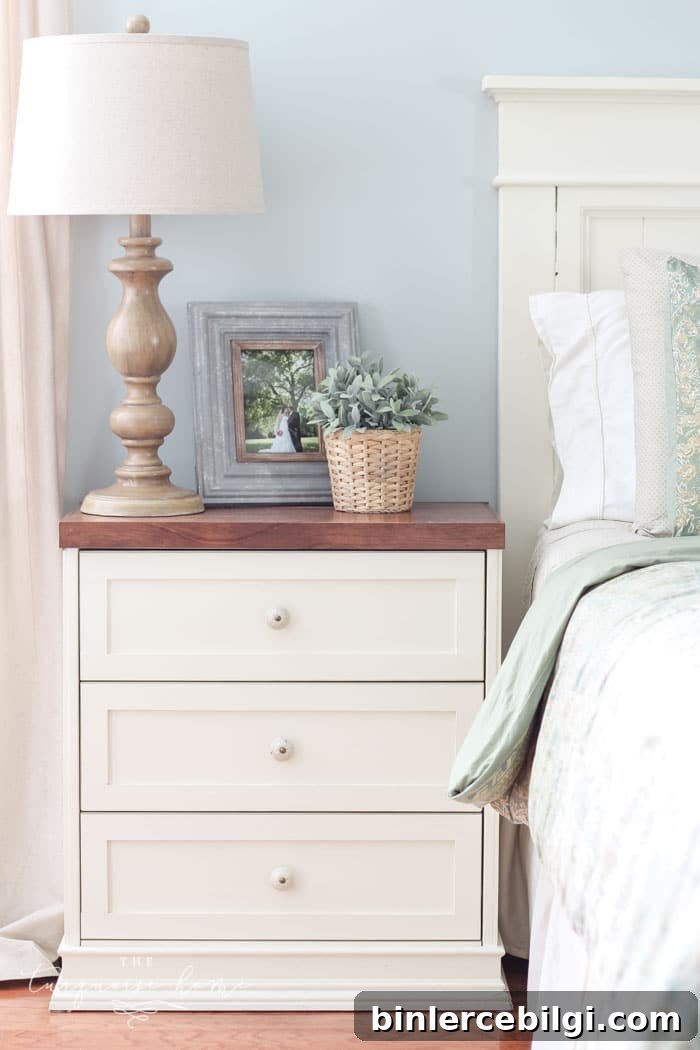
Manor Gray (Farrow & Ball)
Manor Gray is a tasteful blue-gray that works beautifully in rooms with good natural light. It can help emphasize architectural details like shelves or built-ins while still feeling calm and understated.
Other Blue-Gray Picks
- Brittany Blue (Benjamin Moore)
- Morning Fog (Sherwin-Williams)
- North Star (Sherwin-Williams)
Blue-Green Paint Colors
Blue-green paints bridge cool and fresh tones, evoking coastal or springtime moods. These shades can be bright yet calming, making them ideal for bathrooms, bedrooms, and dining rooms that aim for a relaxed, lively feel.
Wythe Blue (Benjamin Moore)
Wythe Blue is a balanced blue-green that reads serene and inviting. It works well as both a full-room color or an accent to draw attention to architectural features.
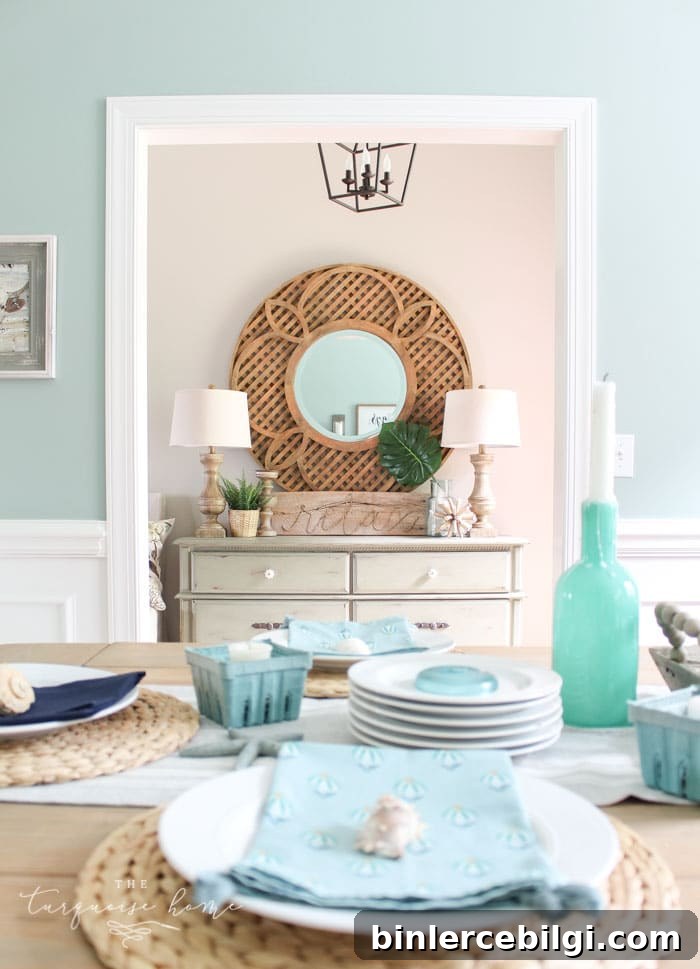
Palladian Blue (Benjamin Moore)
Palladian Blue is calm, slightly muted, and refreshingly soft—often used to create a tranquil office or bedroom. It brings a gentle color presence without overwhelming a space.
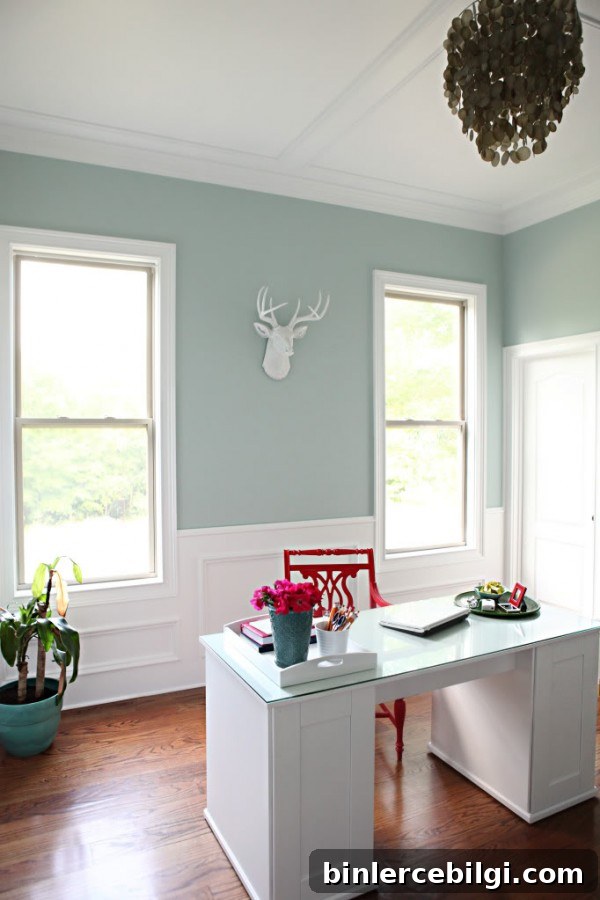
Wickham Gray (Benjamin Moore)
Wickham Gray is a refined blue-green-gray that changes subtly with light. It’s a lovely choice for spaces where you want a soft, sophisticated color that complements both warm and cool accents.
Other Blue-Green Options
- Stratton Blue (Benjamin Moore)
- Tidewater (Sherwin-Williams)
- Silver Marlin (Benjamin Moore)
Dark Blue Paint Colors
Dark blues make bold statements and are best used where you want drama or a cozy feeling. They work beautifully as accent walls, cabinetry colors, or striking exterior doors. Pair them with bright whites, warm metals like brass, or rich woods for contrast.
Hale Navy (Benjamin Moore)
Hale Navy is a popular, versatile navy that reads deep but still lively in good light. It can anchor entryways, doors, and feature walls without feeling heavy when balanced with white trim or generous natural light.
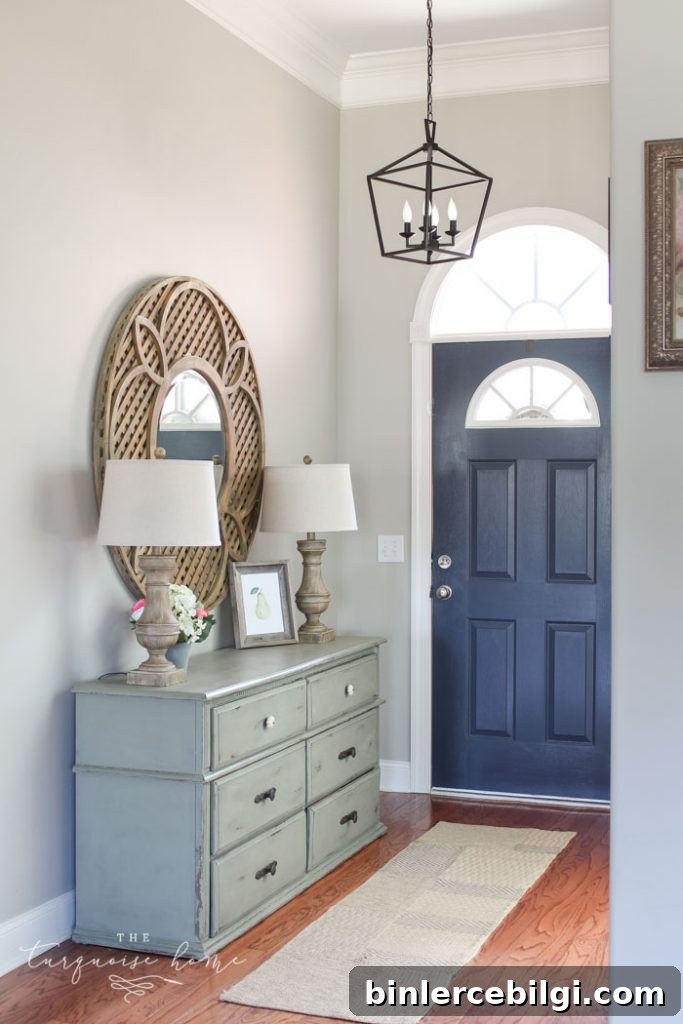
Naval (Sherwin-Williams)
Naval is an almost-night-sky navy—dramatic and grounding. It pairs strikingly with gold, brass, and crisp whites and is excellent for spaces where the paint should take center stage.
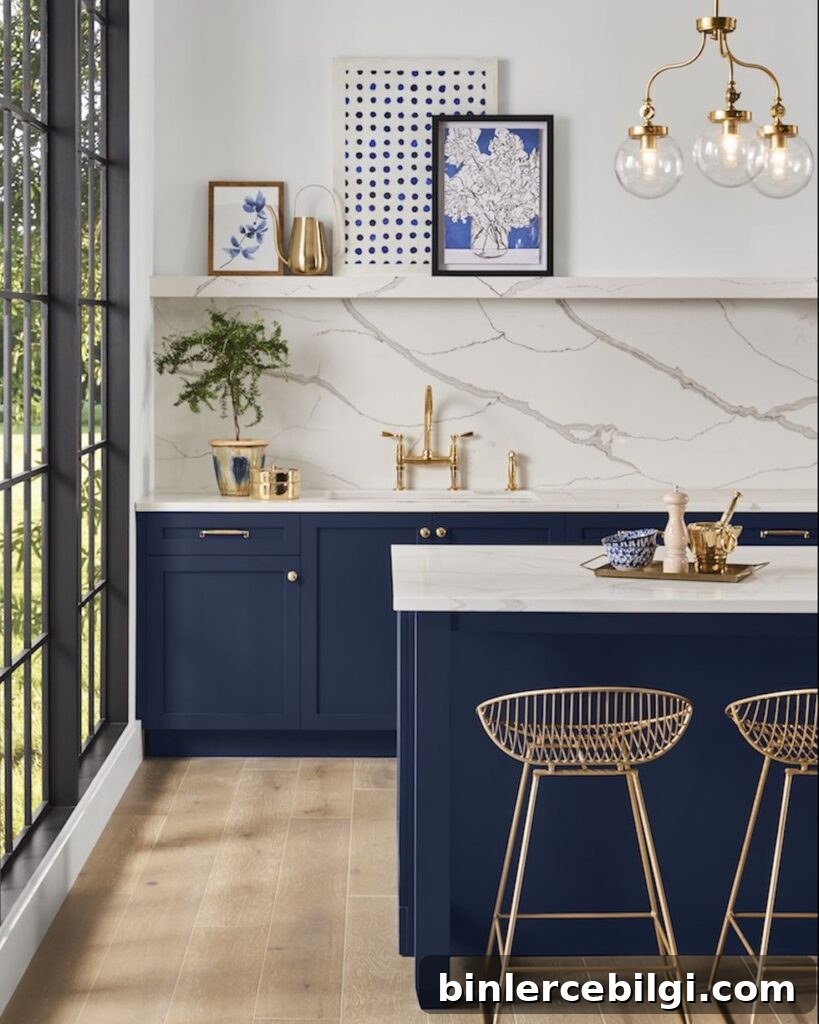
Hague Blue (Farrow & Ball)
Hague Blue is an earthy, very deep blue that works well with natural woods and leafy greens. It can feel almost black in low light, so it’s best used where it can be appreciated and balanced with lighter elements.
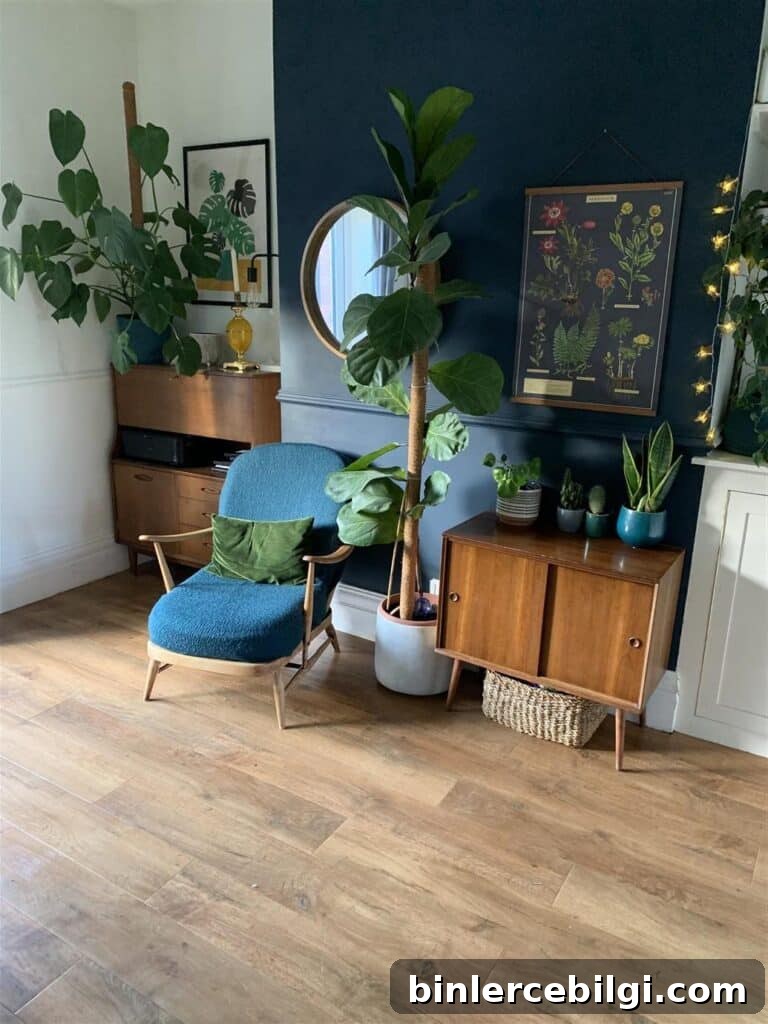
More Dark Blue Ideas
- Morning Glory (Sherwin-Williams)
- Loyal Blue (Sherwin-Williams)
- Adriatic Sea (Benjamin Moore)
Light Blue Paint Colors
Light blues are airy and peaceful—ideal for bathrooms, bedrooms, and small spaces that benefit from a soft, calming color. These shades often have generous amounts of white, creating a crisp, clean appearance.
Sea Salt (Sherwin-Williams)
Sea Salt is a pale, ocean-like blue with a subtle gray-green hint. It’s soothing and versatile, but it can read differently depending on the decor and lighting, so test it in your own room.
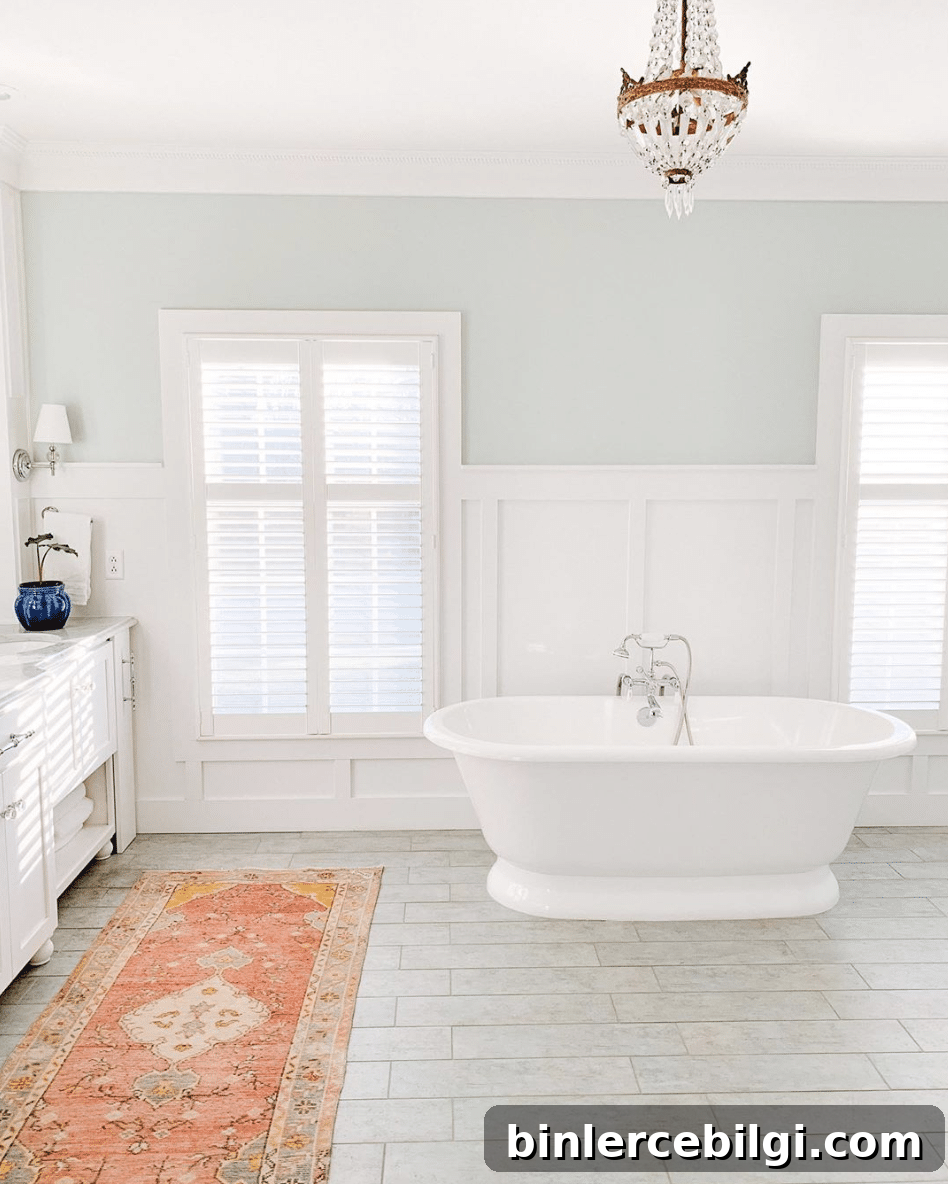
Lookout Point (Benjamin Moore)
Lookout Point is a clear, sky-inspired blue that provides gentle color without overpowering other design elements. It’s ideal when you want a hint of blue that still feels bright and airy.
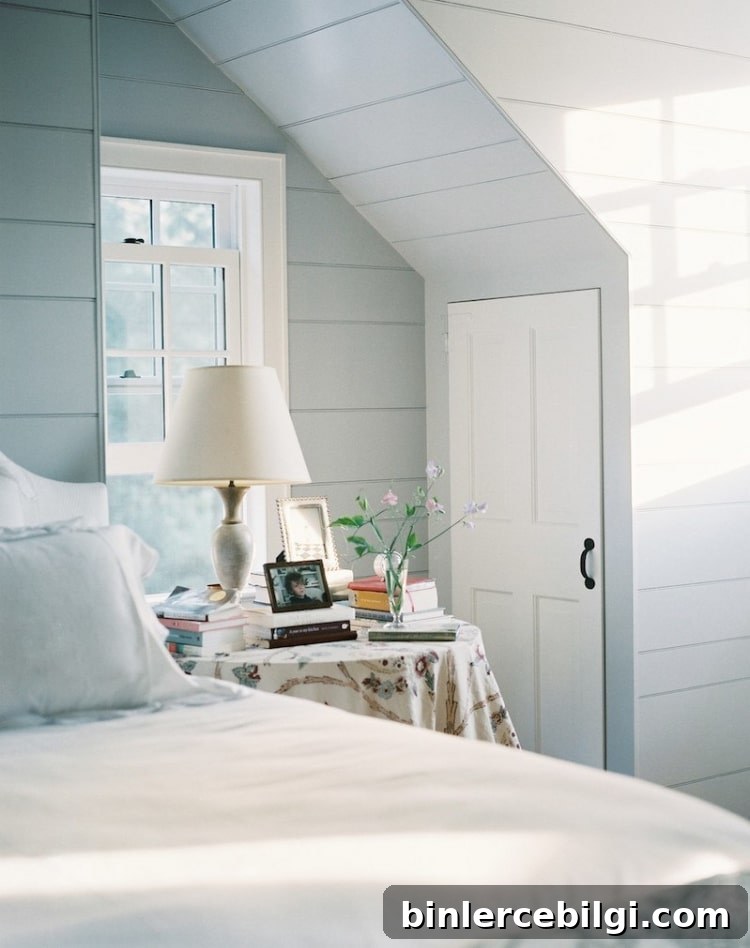
Ice Cap (Benjamin Moore)
Ice Cap is a delicate blue with gray undertones that produces a cool, restful effect—great for bedrooms. Because it leans cool, balance it with some warm textiles or wood tones to avoid a sterile look.
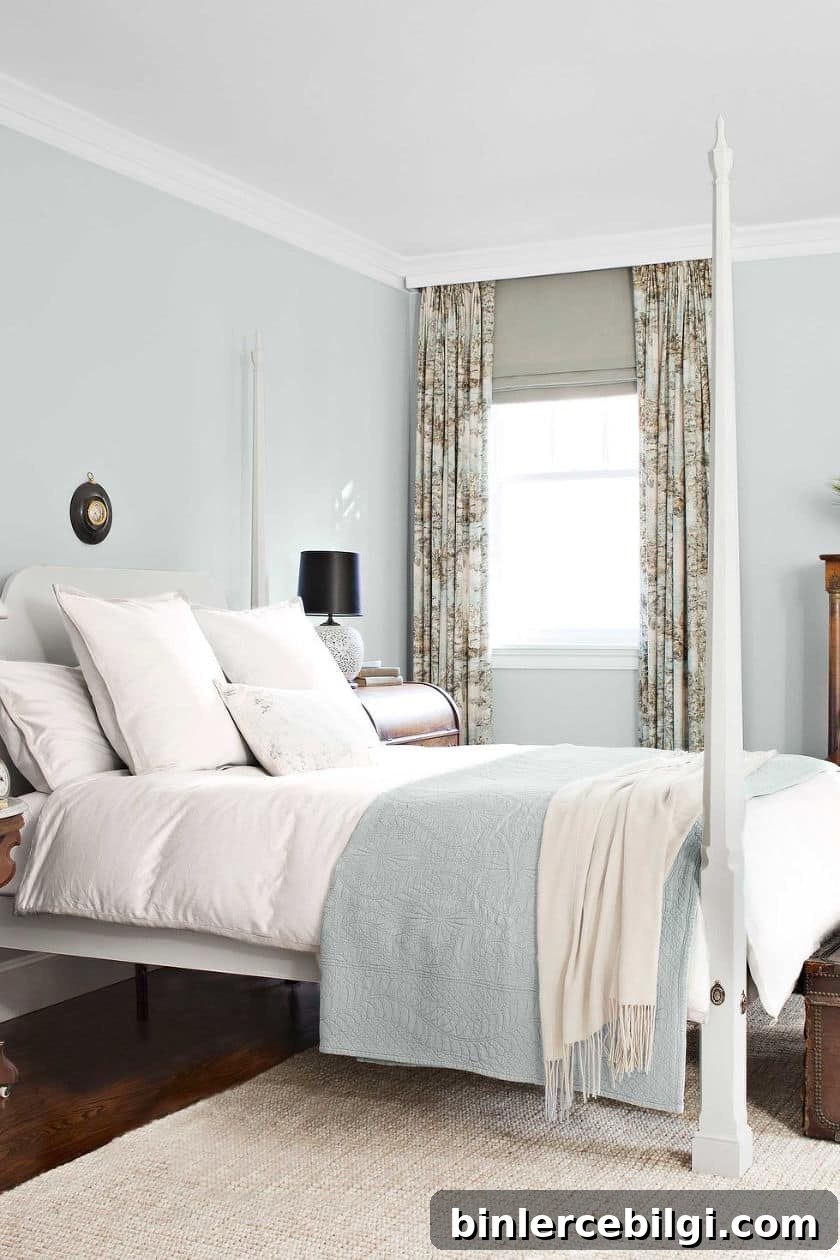
More Light Blue Suggestions
- White Satin (Benjamin Moore)
- Soar (Sherwin-Williams)
- Sweet Bluette (Benjamin Moore)
Practical Tips for Choosing Blue Paint
Always test paint samples on a large poster board or paint a 2×2 foot swatch on the wall and observe it at different times of day. Sunlight angle, artificial light, and nearby furnishings can all shift how a blue reads. Consider the room’s function: lighter blues for calm and relaxation, mid-tones for balance, and dark blues for drama or accents.
Pay attention to undertones—some blues lean toward green, gray, or purple—and choose complementary trim and accent colors to create a cohesive palette. If you don’t already have a whole-house color palette, establish one so each shade fits into the broader scheme of your home.
Tips for Painting the Room Yourself
When painting yourself, invest in quality tools: a good angled brush for cutting in, a reliable roller and tray with liners for easy cleanup, painter’s tape for crisp edges, and drop cloths to protect floors. Proper prep—cleaning walls, patching holes, and priming when necessary—will deliver the best final result.
More paint color ideas to explore:
- Repose Gray
- Revere Pewter
- Gray Owl
- White Dove
With so many beautiful blues available, the best choice is the one that complements your light, furnishings, and personal style. Test samples, take your time, and enjoy the process—blue has a timeless ability to transform a room.