
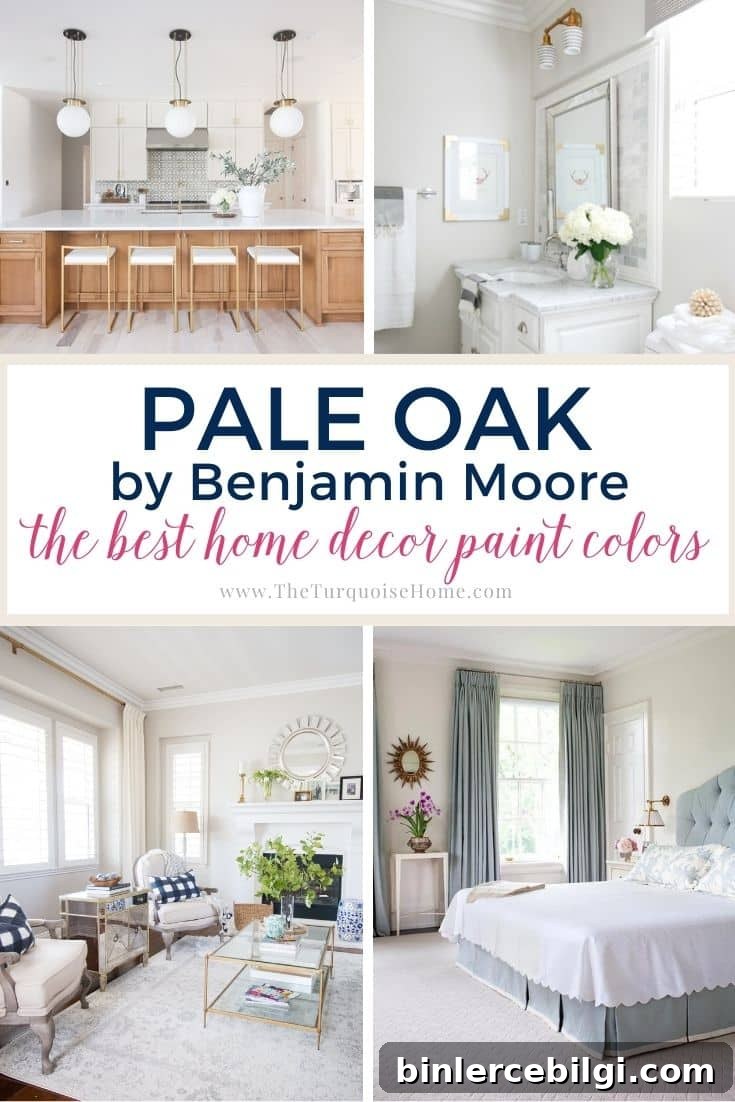
Discover the beauty of Benjamin Moore Pale Oak (OC-20) — a soft, warm greige that creates cozy, welcoming spaces. See how it behaves in different rooms and learn what pairs best with it.
If you’re looking for a warm neutral to make your home feel inviting, Benjamin Moore Pale Oak (OC-20) is an excellent choice. This versatile greige sits between gray and beige and gently warms a room without overpowering other finishes or furnishings. Depending on light and surrounding colors, Pale Oak can read as a light gray, a warm off-white, or a soft greige with a hint of color.
Benjamin Moore Pale Oak is often described as a chameleon because it adapts to its environment. It’s frequently chosen for living areas, bedrooms, kitchens, and bathrooms where a soft, comfortable backdrop is desired. Some designers also refer to it as a mushroom-toned neutral.
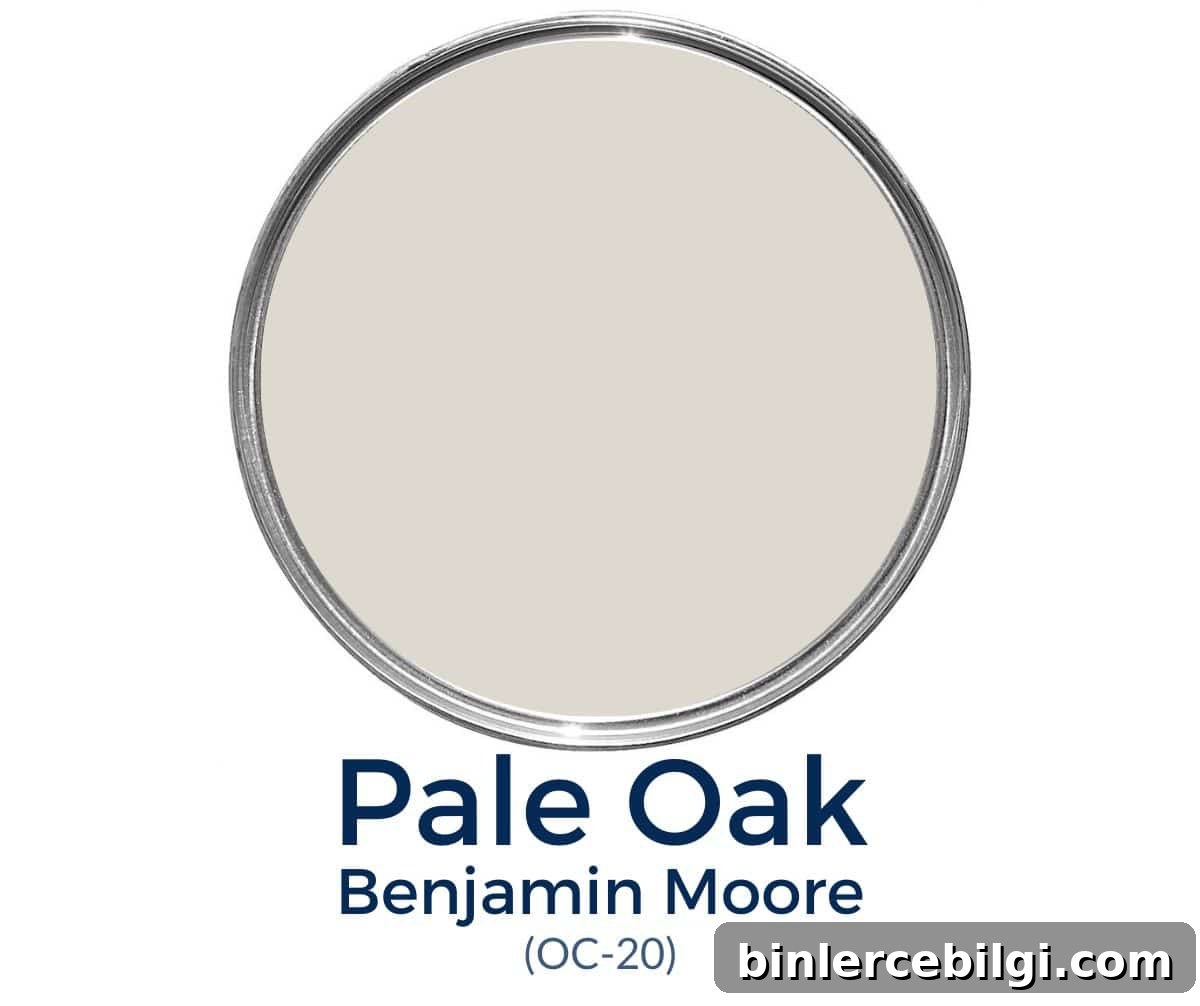
Benjamin Moore Pale Oak Undertones
Pale Oak’s undertones shift with lighting and nearby colors. The most frequently noted undertone is a soft pink that can give the paint a subtle glow in certain lighting. In some rooms and lighting conditions, you may notice a faint yellow warmth as well. In bright natural light, Pale Oak often appears closer to a warm light gray; in lower or warmer light it leans into its beige side.
Is BM Pale Oak Warm or Cool?
Pale Oak is a warm neutral. Compared to many greiges, it reads warmer and cozier, making it a great option when you want a neutral that still feels inviting rather than stark or cold. Its warmth helps create comfortable, lived-in rooms while remaining neutral enough to work with many accent colors and finishes.
Pale Oak Light Reflectance Value (LRV)
Pale Oak has an LRV of about 68.6. LRV indicates how much light a paint color reflects: 100 is pure white and 0 is pure black. With an LRV near 69, Pale Oak reflects a fair amount of light, so in bright rooms it can appear quite light and airy. In rooms with less natural light it will show more of its warm, greige character, so pairing it with good interior lighting is a smart move in dimmer spaces.
Pale Oak Color Strip
Pale Oak sits on the Benjamin Moore OC family strip near other warm neutrals. Nearby shades include Baby Fawn (OC-15), Cedar Key (OC-16), White Dove (OC-17), Dove Wing (OC-18), Seapearl (OC-19), Pale Oak (OC-20), and Winter White (OC-21). These neighboring colors show how subtly different warm neutrals can be and why sampling is important.
What Colors Go with Benjamin Moore Pale Oak?
Pale Oak pairs beautifully with warm, creamy whites such as White Dove for trim and ceilings. It also works well with richer accent colors; deep navy tones like Hale Navy create a striking contrast while still feeling grounded and sophisticated. For a pure, crisp trim, a clean white like Chantilly Lace or Simply White complements Pale Oak and highlights architectural details without competing with the walls.
Pale Oak Compared to Other Greiges
Pale Oak vs. Edgecomb Gray
Edgecomb Gray is a classic greige that leans more neutrally between gray and beige and can show slight green undertones in some pairings. It has a slightly lower LRV, so it won’t wash out as much in bright light as Pale Oak. Because Edgecomb Gray can pull green in certain contexts, avoid pairing it too closely with Pale Oak if you don’t want undertones to clash and draw out Pale Oak’s pink hints.
Pale Oak vs. Agreeable Gray
Agreeable Gray is another popular warm greige, often considered more neutral and sometimes leaning cooler due to faint blue or purple undertones. With an LRV around 60, Agreeable Gray stays a touch deeper than Pale Oak in bright rooms and may maintain more consistent tonality across different lighting conditions.
Pale Oak vs. Shoji White
Shoji White is a warm, soft white with a delicate greige cast. Compared to Shoji White, Pale Oak is a truer greige with a little more depth and warmth. Choose Shoji White when you want a lighter, airier look; choose Pale Oak for a cozier, slightly richer neutral that shifts gently with the light.
Best Trim Colors for Pale Oak
White or slightly off-white trim is the most popular and reliable choice with Pale Oak. Clean whites bring contrast and clarity while warm whites harmonize with Pale Oak’s softness. Top trim choices include Simply White, Chantilly Lace, and White Dove — all provide crisp, elegant trim that lets Pale Oak remain the room’s comfortable backdrop.
How Pale Oak Looks in Different Rooms
Pale Oak’s versatility makes it suitable throughout the home. Below are practical notes on how it performs in common spaces.
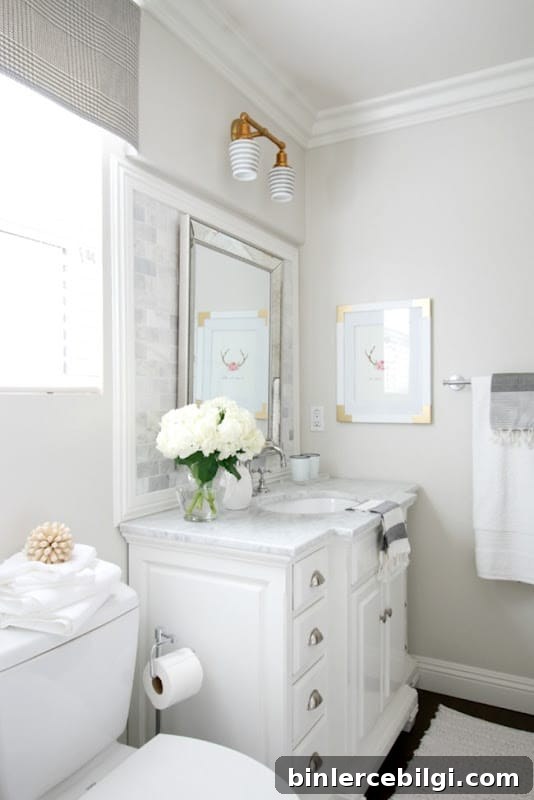
Pale Oak in Bathrooms
In bathrooms, Pale Oak creates a clean, bright atmosphere while adding subtle warmth. In small, darker bathrooms it can read as a cozy beige, while in spacious bathrooms with abundant natural light it will appear more like a warm gray. Because bathrooms often include bright white tile and fixtures, Pale Oak complements white surfaces beautifully without feeling cold.
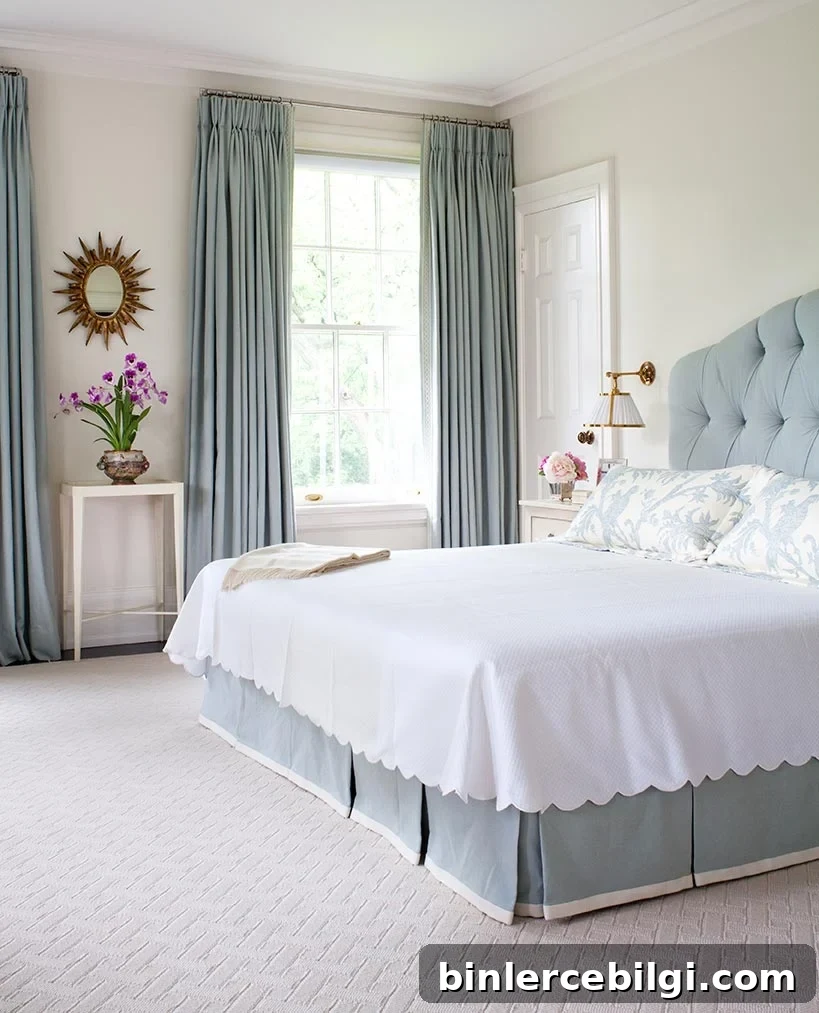
Pale Oak in Bedrooms
As a bedroom wall color, Pale Oak supports a wide range of accents and textures. It pairs especially well with soft blues, warm metals, layered textiles, and natural woods to create a tranquil, comfortable retreat. Its neutral foundation lets you change decor seasonally without repainting.
Pale Oak in the Living Room
For living rooms and open floor plans, Pale Oak offers a calm, adaptable backdrop that works with changing furniture and seasonal decor. It helps rooms feel cohesive while allowing textiles, artwork, and furniture to take center stage. In casual or formal living areas alike, Pale Oak keeps the mood inviting and flexible.
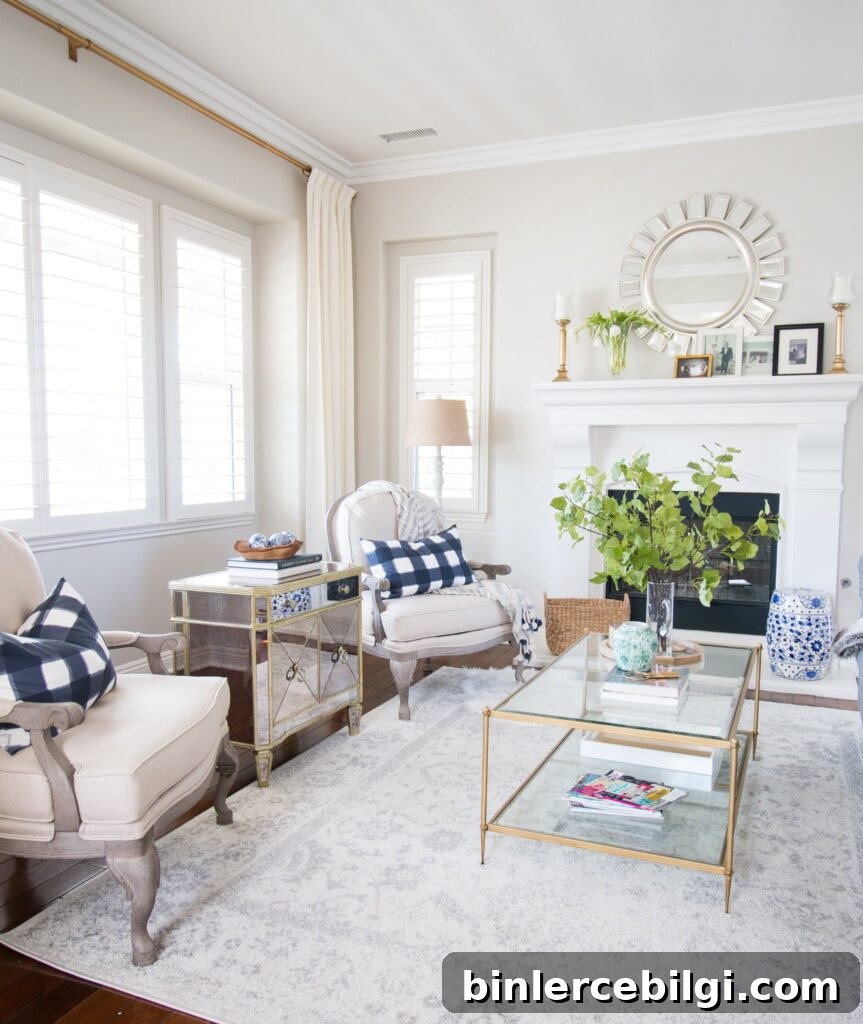
Pale Oak in Kitchens
Pale Oak works well in kitchens, whether you want to warm up white cabinets or use it on cabinetry itself. It complements warm wood tones, earth-toned tiles, and natural stone countertops, adding a lived-in warmth that suits farmhouse, traditional, and modern transitional kitchens.
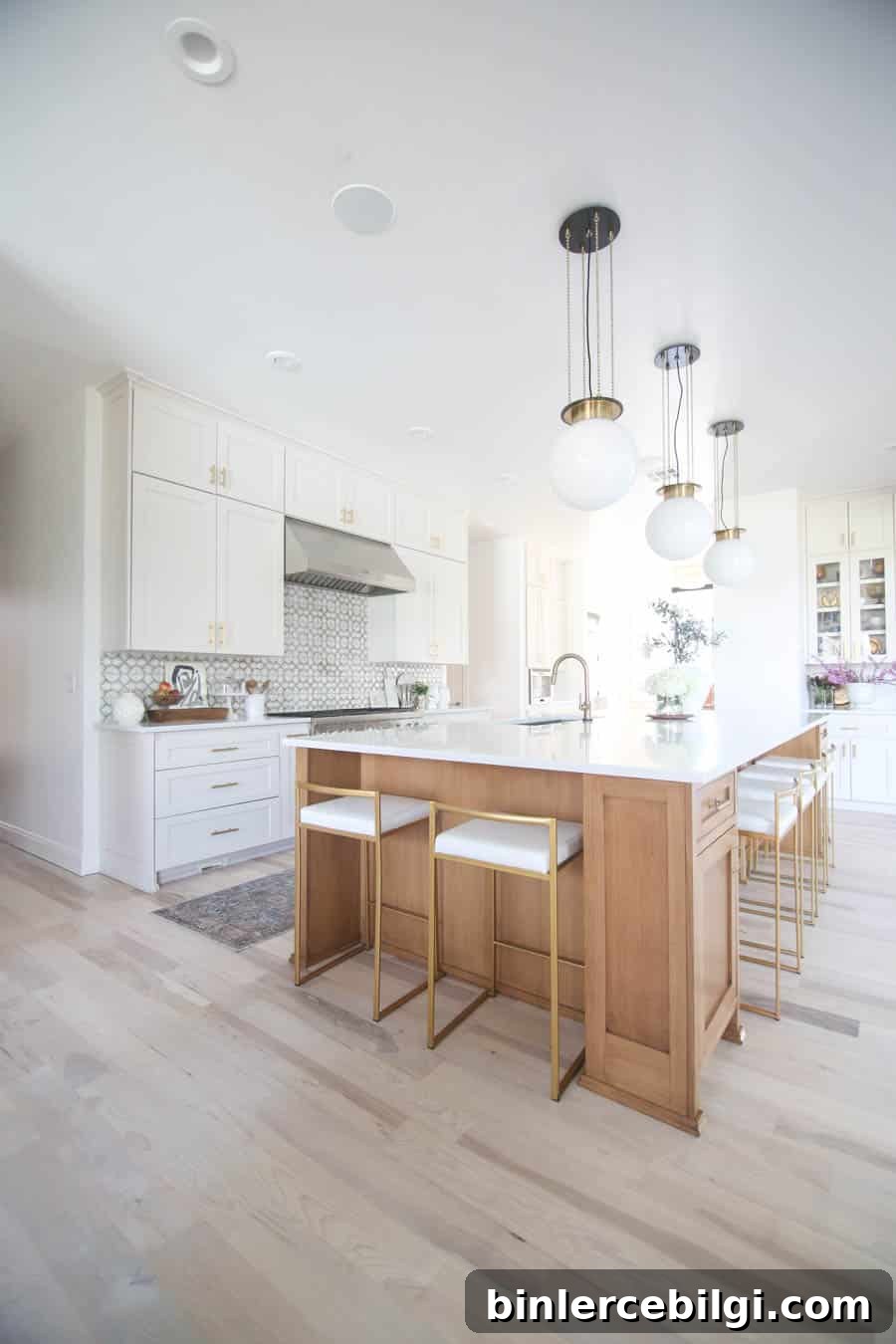
Overall, Benjamin Moore Pale Oak OC-20 is a warm, adaptable greige that performs beautifully in a variety of settings. If you’re planning to use it, test large paint samples or peel-and-stick real paint chips in different corners of your room so you can observe how the color changes throughout the day and alongside your furnishings.
What undertones does Pale Oak have?
Pale Oak often shows a whisper of pink and sometimes a soft yellow depending on lighting. These subtle undertones shift across the day and can add a warm, lived-in glow to a room.
Does Pale Oak look gray or beige?
It depends on the light. In bright natural light, it leans toward a warm, light gray. In lower light it becomes more beige and cozy — that flexibility makes it very versatile.
Is Benjamin Moore Pale Oak a good choice for small rooms?
Yes. With a relatively high LRV, Pale Oak reflects light well, making small rooms feel larger and more open while staying warm and inviting.
Can I use Pale Oak in a kitchen or bathroom?
Absolutely. Pale Oak brings warmth to kitchens and bathrooms and pairs nicely with warm woods, creamy whites, and cool blues for balanced, timeless rooms.
More Paint Colors to Consider
If you like Pale Oak, you might also consider other cozy neutrals such as Agreeable Gray, Revere Pewter, or Repose Gray. For a bold contrast, try a deep navy like Hale Navy or a soft, cool green like Sea Salt to create focal points and visual interest.
Pro tip: Always try the real paint color in your home before committing. Sample large swatches on different walls and observe them at different times of day to ensure the undertones and overall effect are what you want.