
Learn three practical tips for organizing a room overflowing with things you think you love.
A reader recently asked a question that many of us face: “How can I stay organized—and avoid feeling like a hoarder—when I love too many things?” Her note struck a chord, so I’m sharing straightforward strategies that helped me tame my own collections and keep a home that feels cozy, personal and orderly.
Here’s what she wrote:
I stumbled across some of your pins several years ago and have been decorating my small craftsman house ever since. I love collecting unique items to personalize my home (my family teases me about “hoarding”), but in a small house organization can be a real challenge. I’d love to see any posts about this. Blessings to you and your family.
— June
I can relate. I fall in love with new decor constantly and am guilty of impulse Target runs and clearance finds. Over time, those small loves add up and make it hard to keep a clean, clutter-free home. The good news is that a few habits and decisions can greatly reduce clutter without losing the personality you cherish.
Welcome to Day 21 of the 30 Days to Less of a Hot Mess Challenge—an exercise in decluttering, reorganizing and creating a home you love. If you’re new to this process, start with small, focused steps and build momentum from there.
When I decluttered my craft and decor closet recently, I realized the problem wasn’t just quantity—it was a lack of focus. I love many things, but I don’t need to keep every item I’ve ever admired. Narrowing down to what I truly love makes organizing simple, reduces storage burdens and even helps curb future impulse buys.
How to Organize a Room When You Love Too Much Stuff
1. Display Sentimental Items
Sentimental items often sit boxed up in closets, taking space and outliving their usefulness. Instead of hiding them, find ways to bring them into daily life. Frame that print taking up room in the closet and hang it on the wall rather than buying new artwork. Use a favorite bowl from your travels to hold keys or jewelry on a dresser. Turning sentimental objects into functional decor reduces stored items and lets you enjoy the memories they hold.
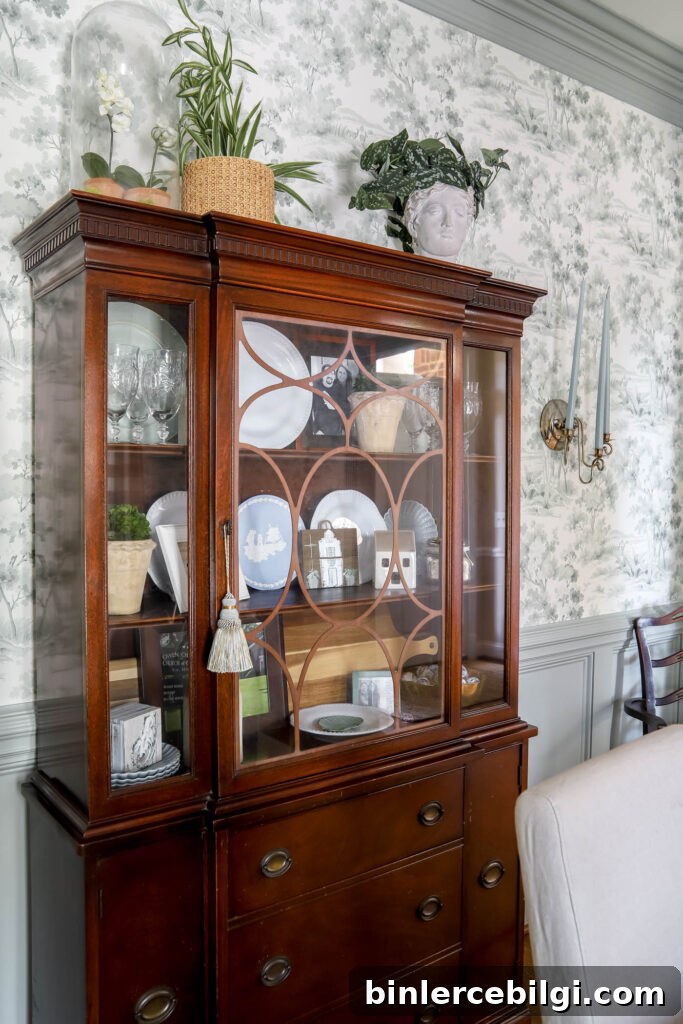
Display items meaningfully—on shelves, in glass cabinets, or as part of a vignette—so they serve a purpose and don’t remain forgotten in storage.
2. Choose Your Favorites
Collections are lovely until they become unmanageable. If you have 30 throw pillows but use only 10, pare the collection down to a realistic number—perhaps 12–15 favorites. Keep versatile pillow covers and a few seasonal options on the same inserts to rotate seasonal looks without adding clutter.
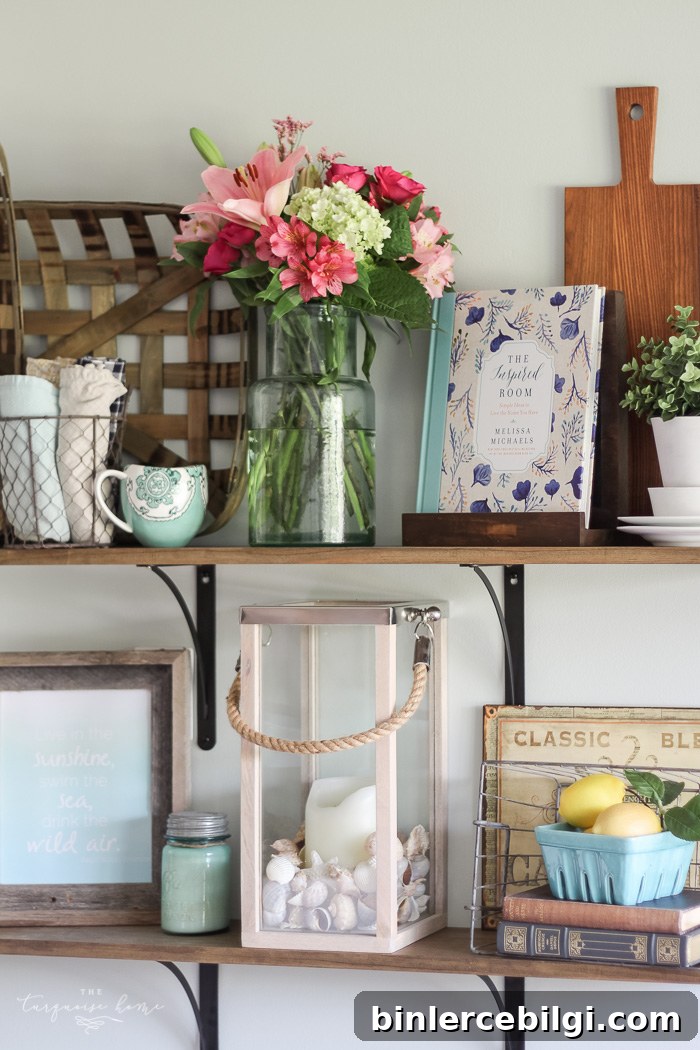
Apply this rule to any category: candle holders, baskets, frames, lamps. Keep the pieces you love most and let the rest go to new homes where they will be enjoyed. Limiting the number of items you own in each category makes daily tidying and seasonal changes much easier.
3. Know Your Style
Understanding your decorating style is one of the most powerful tools for staying organized. When you can say “my style is traditional farmhouse with coastal influences” or “I prefer modern minimalism,” choosing what to keep or buy becomes simple. Items that don’t match your preferred aesthetic are easier to part with because they create visual dissonance in your space.
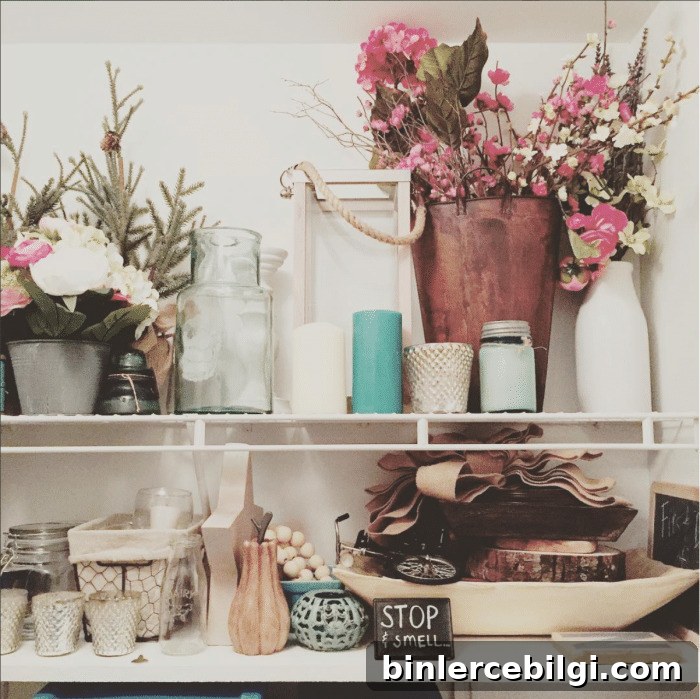
Once you know your style, purchasing decisions become quicker and more confident. You’ll stop bringing home things that don’t truly belong in your space.
A Little About Defining Your Style
Defining style isn’t about strict labels—it’s about noticing patterns in what you love. Here are two practical ways to get started:
- Look around your home and identify overall tendencies: traditional/classic, modern, rustic/industrial, coastal, etc. Notice which rooms make you happiest and identify the common elements—colors, textures, materials—that show up often.
- Define a color palette. Choose two or three main colors and a couple of accent shades. When you see an item that falls far outside that palette, it becomes easier to pass it by. For example, if your home favors blues, greens, grays and whites, a bold purple or bright red will likely feel out of place.
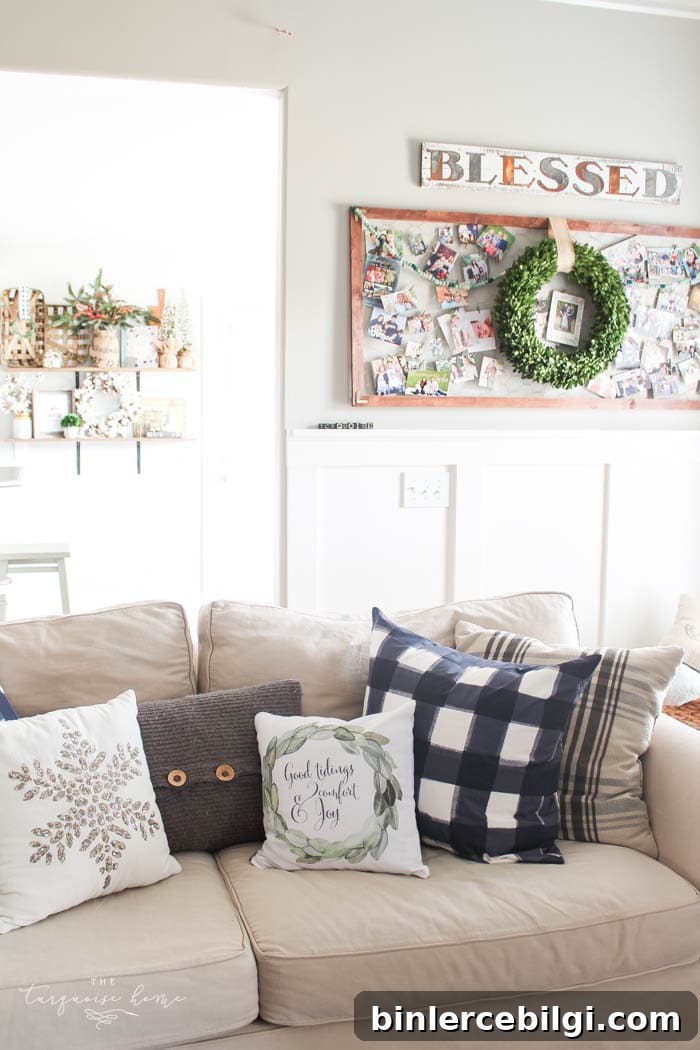
These simple guidelines help you make consistent choices about what to keep and what to let go.
The Hands-On Task: Pick one room and work through it systematically. Sort items into three categories: essential (must keep), adds personality (love but optional), and let go. If your “must keep” pile grows too large, review it again with stricter standards. Place the “let go” items in a box and plan a donation drop-off within a few days so those items don’t slip back into your storage.
You don’t have to do it all at once—small, steady steps lead to lasting change. In the mess with you, Laura
More posts you may enjoy:
- How to Declutter an Entire Room in 5 Simple Steps
- The BEST Holiday Planner Printable Binder
- How to Organize a Messy Garage