
Welcome to Day 5 of the 30 Days to Less of a Hot Mess Challenge! Today we’re focusing on decluttering, reorganizing, and carving out breathing room so your home supports the life you want to live. If you’re new to the challenge, you may want to start here at the beginning.
Hi—I’m Laura. I’m a busy work-at-home mom juggling play dates, nap schedules, school drop-offs and pick-ups, and deadlines. I used to stay up way too late and survive on coffee, diet soda, and chocolate. That lifestyle wasn’t sustainable, but it did force me to develop systems that help me work more efficiently while still being home for my girls.
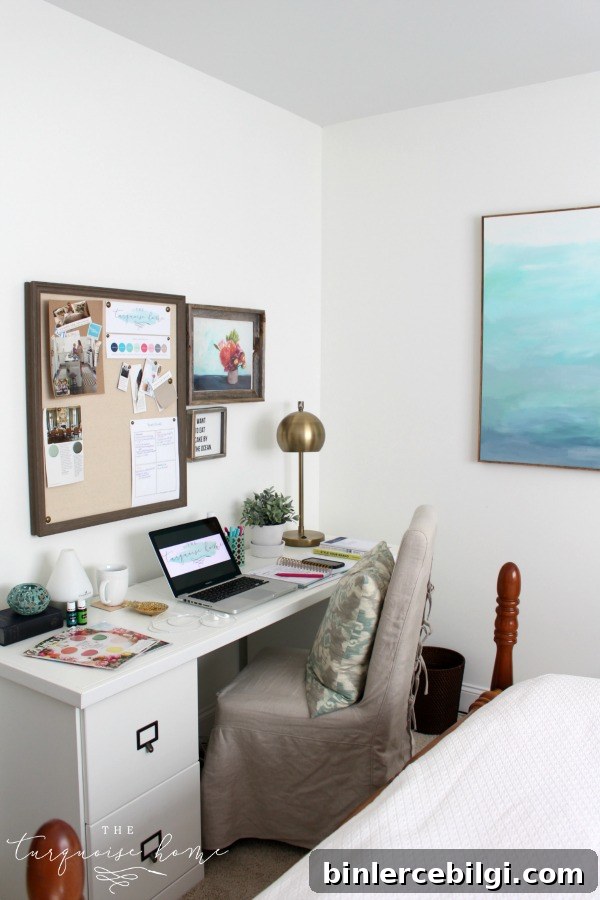
Working from home is a dream in many ways—I get to be home with my kids and set my own schedule—but it also brings real challenges. Life and work happen under the same roof, often in the same room. Sick kids, tight deadlines, and interruptions are part of the reality. That’s why clear systems, boundaries, and a tidy workspace are essential to staying productive and sane.
No matter your situation—homeschooling, full-time remote work, or working outside the home—staying focused and organized is hard. Here are the core strategies that have helped me stay on track both personally and professionally.
I wrote about How to be an Efficient Blogger in a previous post, and those principles still apply. To summarize the essentials:
- Have a designated office space. A dedicated area for work reduces distraction and helps you switch into work mode quickly.
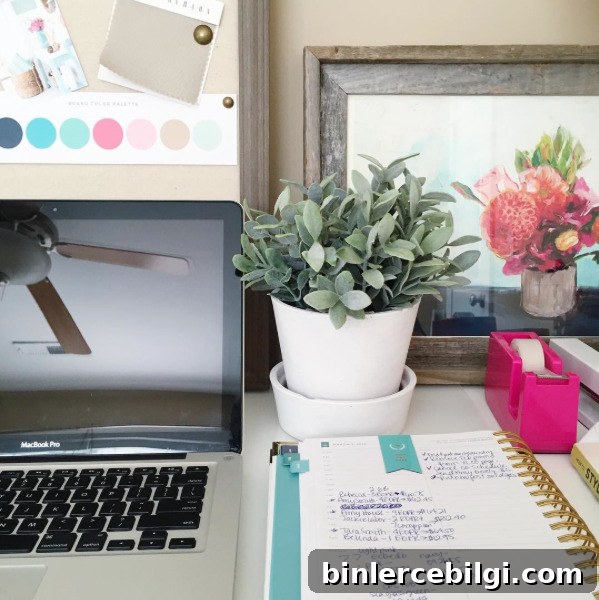
- Use a quality planner. I use a daily planner for personal tasks and a blogging planner for business planning—both help me prioritize and stay organized.
- Create office hours. Set firm work times and protect them. It’s okay if they shift seasonally, but having a routine makes productivity more predictable.
- Make organization appealing. A tidy, attractive workspace encourages you to sit down and work. Pretty organization matters—at least for me.
When everything is in its place and distractions are minimized, I get the most done. Recently I tightened my schedule and adopted a time-blocking approach that’s made a big difference in my productivity.
Find more working-from-home tips in this recent post.
How to Time Block and Work More Efficiently
I use a weekly time-block system based on focused work windows. I design this around a 20-hour work week, but you can adapt it to any schedule. Time blocking helps you focus on priority tasks and prevents scope creep.
Time Block Work Schedule Rules
- Decide your time block hours. Physically block these hours in your planner. Treat them like appointments you can’t easily move.
- Choose focus categories. Assign each block to a specific category—writing, editing, email, photography, etc.—so your brain knows exactly what to do during that time.
- Work in short focused intervals with breaks. I use 25-minute work sessions with alternating 5- and 10-minute breaks. For example, work 9:30–9:55, break 5 minutes, work 10:00–10:25, break 10 minutes, and repeat. Short blocks keep energy and concentration high.
- Eliminate distractions. Put your phone out of reach, close unrelated tabs, and silence notifications. No social media unless it’s part of your assigned task.
- Be consistent and flexible. Aim to complete your scheduled hours each week. If you miss a block due to illness or an appointment, reschedule it so your priorities still get attention.
- Communicate your plan. Let family members or housemates know your work schedule so they respect those hours and can help cover interruptions when possible.
My Sample Focus Categories
Here’s an example breakdown for a work-at-home blogger. Use it as a starting point and tailor the categories to your priorities.
- Writing – 8 blocks per week
- Staging and Photography – 4 blocks
- Photo Editing – 2 blocks
- Graphic Design – 3 blocks
- Comments – 1 block
- E-mail – 2 blocks
- Scheduling & Editing Posts – 3 blocks
- Pinterest maintenance – 2 blocks
- Goals – 2 blocks
- Newsletter – 2 blocks
- Weekly to-dos – 3 blocks
- Monthly to-dos – 1 block
That list totals about 16.5 hours; I often add a few evening blocks for other projects. The point is to create realistic, focused slots that align with your goals.
Weekly Time Block Schedule | Free Printable
To help you get started, I created a simple weekly time block printable. Fill in the time slots and label each block with a focus category. Having a visual schedule keeps you accountable and reduces decision fatigue.
If you’re already a blog newsletter subscriber, check your most recent email for the VIP Library password where the Weekly Time Block Schedule is available. You can also sign up on the page linked above.
Share your progress this month using the hashtag #lessofahotmess so we can cheer each other on.
The Messy Work: Print the Weekly Time Block Schedule. List your focus categories, block off time for each one, and stick to your plan. If you miss a block, reschedule and keep going. Tomorrow we’ll tackle an organized cleaning schedule—get ready!
In the mess with you, Laura
More Posts You Will Love:
- 50+ Things to Do When You’re Bored at Home
- An Organized Work Day: Secrets for Being Crazy Productive
- Spring Cleaning Checklist {Free Printable}
- How to Declutter Your Home in 5 Simple Steps
- Non-Toxic Glass Stove Top Cleaner