
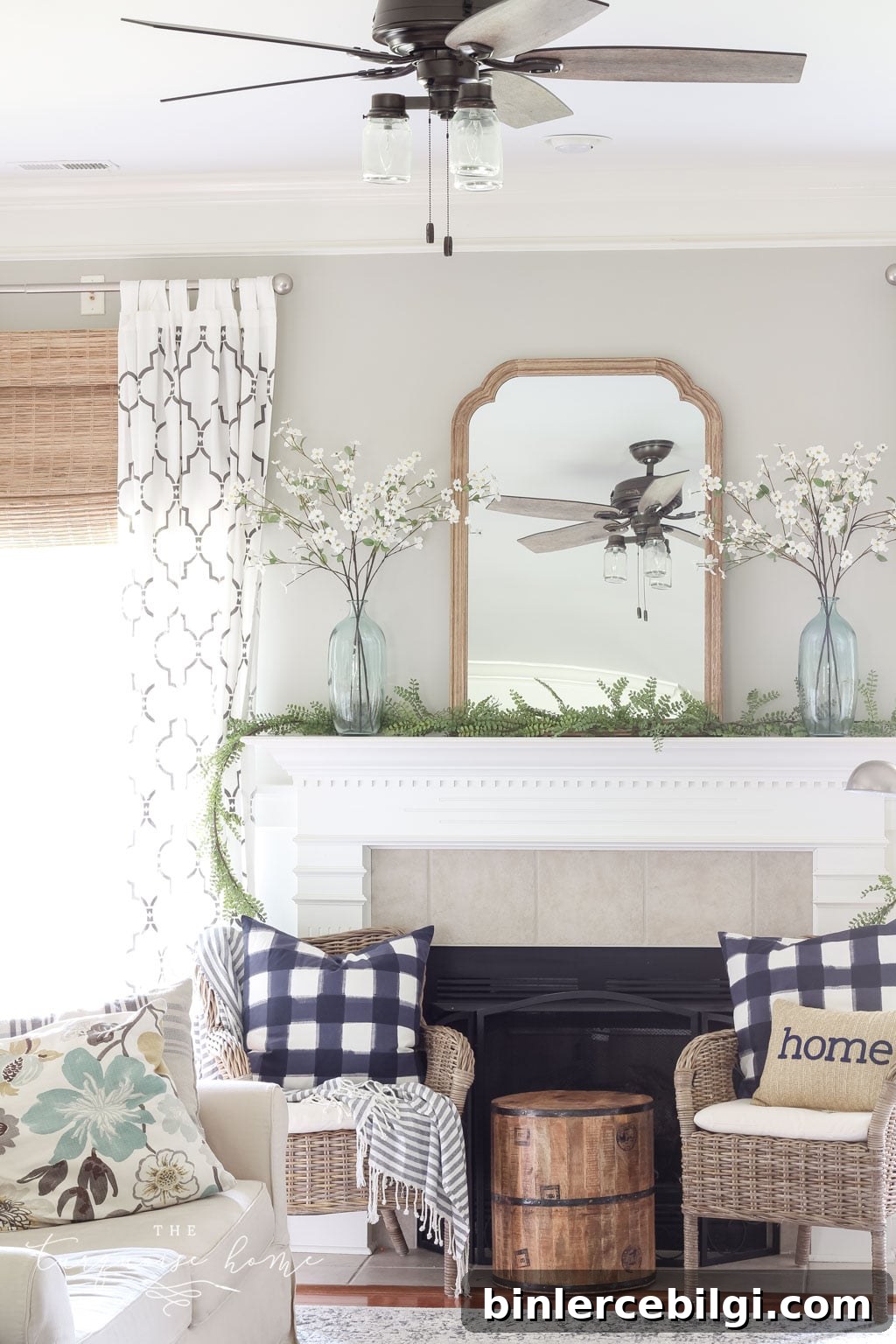
Learning how to decorate a living room can completely transform the atmosphere of your home. From making the most of what you already own to thoughtfully choosing artwork and lighting, this concise guide will walk you through decorating a living room—the simple, confident way.
If I had to pick the rooms we spend the most time in, the living room and kitchen would be neck and neck. While the kitchen is the heart of the home, the living room is equally important—it’s where we relax, visit, and entertain. Because it plays such a central role, it’s one of my favorite rooms to refresh and style.
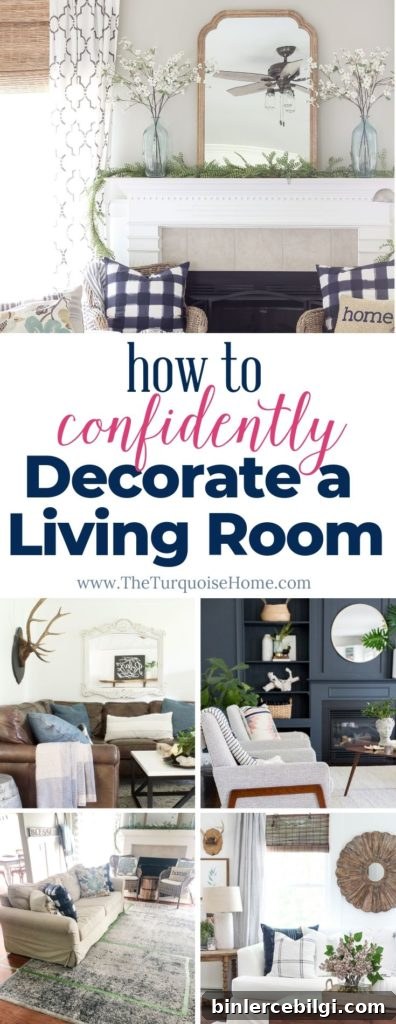
A few summers ago I had the unexpected opportunity to redecorate our living room after water damage required new flooring and fresh drywall. While the situation was stressful, the silver lining was a brand new blank canvas—everything came off the walls, the room was repainted, and I had the chance to rethink layout, color and art.
Since then we’ve made additional changes, including new flooring and a larger TV that will be mounted once our new sectional arrives. These kinds of resets are an ideal time to revisit furniture arrangement, lighting and wall decor. Below are the practical tips and ideas I used while redecorating—simple steps that help you create a comfortable, stylish living room that works for your family.
How To Decorate A Living Room
Trends come and go, but these core decorating strategies will stand the test of time. Decorating a living room doesn’t have to feel overwhelming—when you break it into clear steps, it becomes an enjoyable process. Use these tips to create a cozy, well-designed space you’ll love to spend time in.
Step #1: Arrange Your Furniture
Furniture placement forms the foundation of a successful living room design. The way you arrange sofas, chairs and tables defines traffic flow, seating areas and the room’s focal point.
Start by identifying what naturally draws your eye: a fireplace, built-ins, or a large window. Make that the focal point and orient seating toward it. Next, consider traffic patterns—avoid blocking walkways with oversized pieces. If the room is large enough, pull furniture away from the walls to create a more intimate conversation area.
If you’re not ready to buy new items, work with what you have: swap positions, replace a sofa with chairs, or move the coffee table to change the feel. Always measure the room and your furniture before purchasing anything new—accurate dimensions prevent awkward fits and wasted trips.
Keep measurements handy on your phone or in a home binder so you can compare sizes while shopping or rearranging.
Pick the Size of Area Rugs Carefully
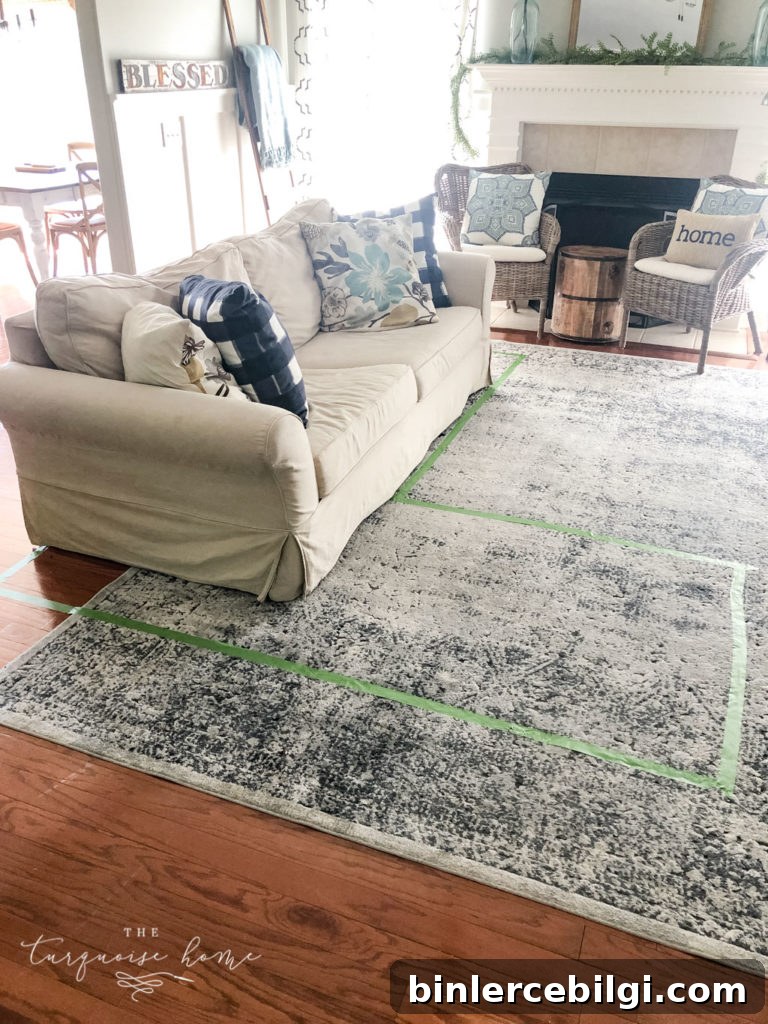
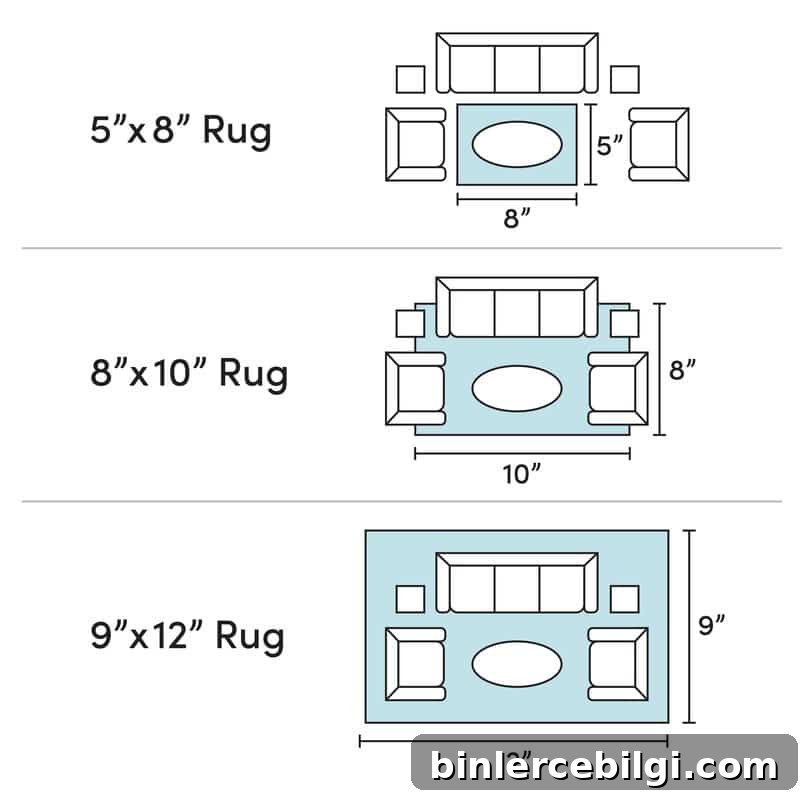
The right rug anchors your seating area and can make a room feel larger or more cohesive. Avoid undersized rugs that float awkwardly in a big room. A good rule is to leave about 18 inches between the rug edge and the wall. It’s fine for the front legs of a sofa to sit on the rug—this creates a unified look. Alternatively, choose a rug large enough for all furniture to sit on it, or small enough that nothing besides a coffee table sits on it.
Choose a rug color and pattern that complements your palette. A rug is a great place to introduce contrast or a pop of color without overwhelming the space.
Where To Hang Artwork in the Living Room
Artwork adds personality, texture and color. If your room lacks a natural focal point, a large piece of art can serve that role. In living rooms, hang art lower than you might in hallways since people will be seated—this creates a more approachable, balanced look.
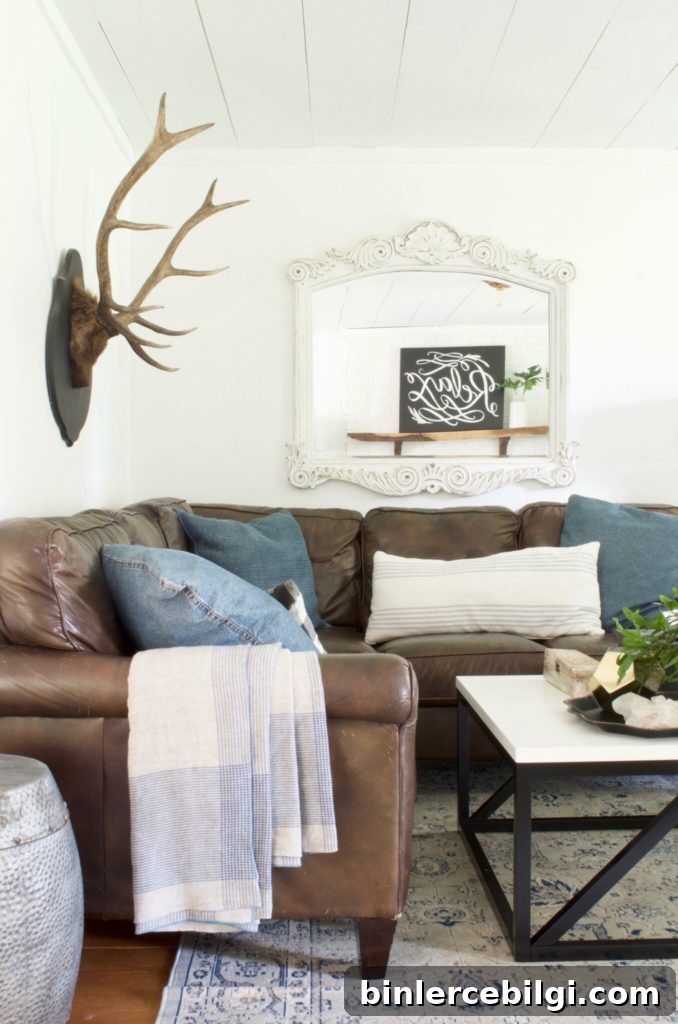
A piece hung above a sofa should generally be at least two-thirds the width of the sofa. If a single piece feels too small or too large, a curated gallery wall can fill the space more effectively. Arrange grouped art on the floor or use paper templates and painter’s tape on the wall to test layouts before making holes.
When composing a gallery, favor odd-numbered groupings and place larger pieces centrally, filling around them with smaller works for visual balance. Leave a few inches between artwork and window trim to keep the composition clean.
Set The Stage With Lighting
Lighting shapes mood and function. The living room should feel inviting rather than overly bright. Layer light with dimmable overhead fixtures, floor and table lamps, and accent lighting to highlight art. Soft, controllable lighting is ideal for relaxing and watching TV.
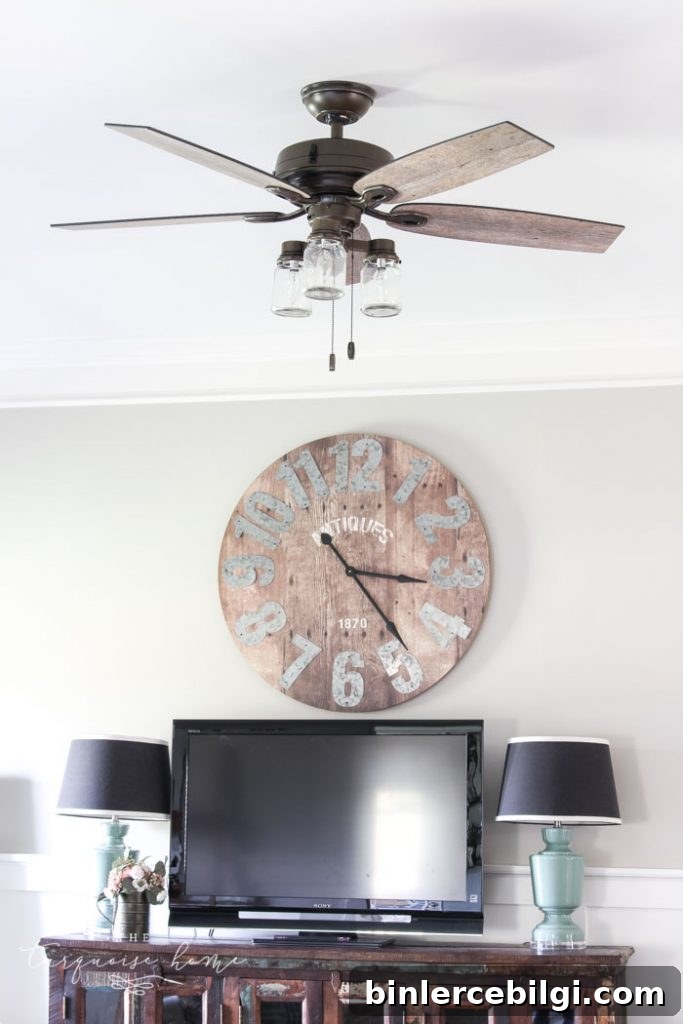
Lamps are especially useful for creating ambient light without glare. If you use smart plugs or voice assistants, you can schedule lighting for convenience and a lived-in feel.
Choosing Paint Colors
Paint sets the tone for the entire room, so choose colors you’ll enjoy long-term. Neutral tones like whites, grays, tans and taupes are timeless and versatile. Pale blues and soft greens add a calming, family-friendly feel. For a bold look, consider an accent wall rather than painting the whole room a vivid hue.
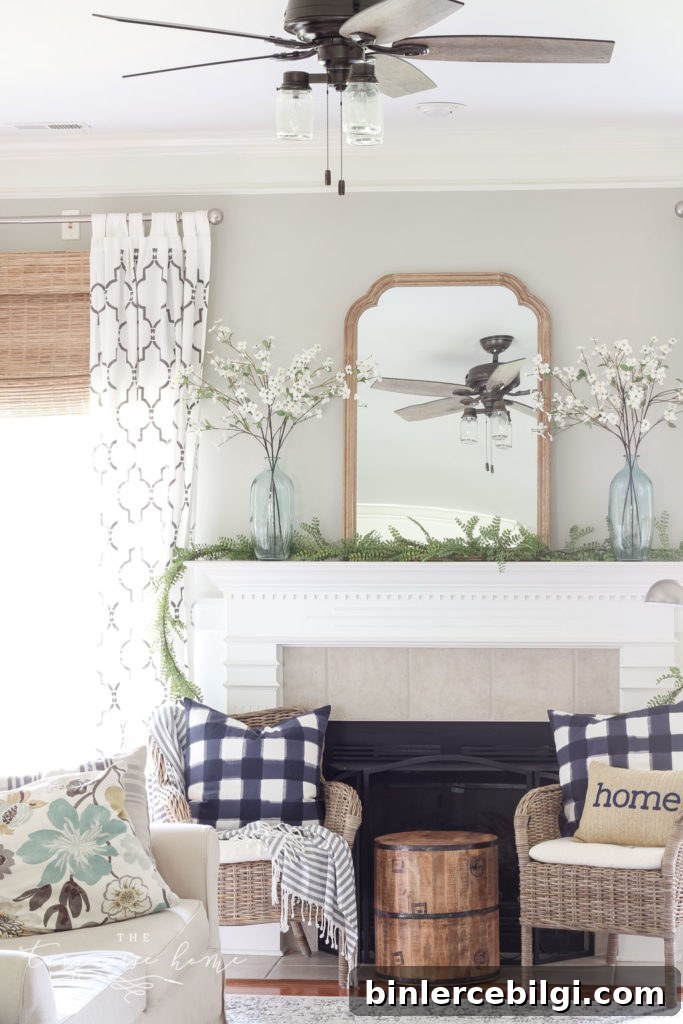
Avoid dark colors in small, windowless rooms; they can make the space feel closed-in. In larger rooms with ample natural light, darker shades can create a cozy, dramatic atmosphere.
Space Planning & Measuring
Accurate measurements are essential. Measure the room multiple times and record the dimensions. Sketch a scaled floor plan on graph paper or use a digital room planner to test layouts. Measure large furniture pieces too so you can visualize how items will fit before moving them or buying new pieces.
With a clear plan, you can experiment confidently—most living room changes are reversible, so don’t be afraid to try new arrangements, colors, or art. Happy decorating!
MORE POSTS YOU WILL LOVE:
- Traditional Christmas Living Room Decor
- How to Style a Console Table Behind a Couch (4 ways!)
- Home Decor 101: How to Decorate End Tables