

Sherwin Williams Extra White is a popular, clean, crisp white paint color that lacks noticeable undertones and brightens any room.

This post contains affiliate links for convenience. See my full disclosure policy.
Choosing a white paint might seem straightforward, but the truth is white is surprisingly complex. Different whites carry subtle undertones—blue, gray, beige, pink, or warm cream—that dramatically change their appearance in different rooms and lighting. That’s why painters and designers often test several samples before committing to a shade.
One reliable, crisp white to consider is Sherwin Williams Extra White (SW 7006). It’s widely used because it reads as a true bright white in many settings and has minimal, nearly imperceptible undertones. Below is a clear, practical guide to what Extra White looks like, where it works best, and how to pair it for the best results.
Note: If you’re painting yourself, invest in real paint samples and the right tools—good brushes, painter’s tape, drop cloths, and a quality roller will make a professional finish much easier to achieve.
What color is Sherwin Williams Extra White?
Key facts about Extra White (SW 7006):
- It’s a fresh, bright white with a slightly cool lean.
- Light Reflectance Value (LRV) of 86, making it one of Sherwin Williams’ brighter whites.
- A favorite for walls, ceilings, trim, and cabinetry because it looks clean without feeling sterile.
- Bright and crisp in appearance, yet not stark or clinical in most interiors.
Undertones in Extra White
While no paint is completely free of undertones, Extra White behaves like a near-neutral white. If you look closely, it carries a faint cool or bluish hint that gives it that crisp, fresh character designers often seek.
In rooms with cool, north-facing light or morning west light, that cool hint may become more noticeable. In warmer light—south-facing rooms or rooms with warm artificial lighting—Extra White will read as balanced, sometimes even slightly warm. Overall, Extra White performs as a versatile, mostly neutral white that adapts well to many environments.
Bottom line: Extra White is a balanced white with subtle cool undertones that rarely become dominant, making it a dependable choice for many applications.
Popular White Colors Compared to Extra White
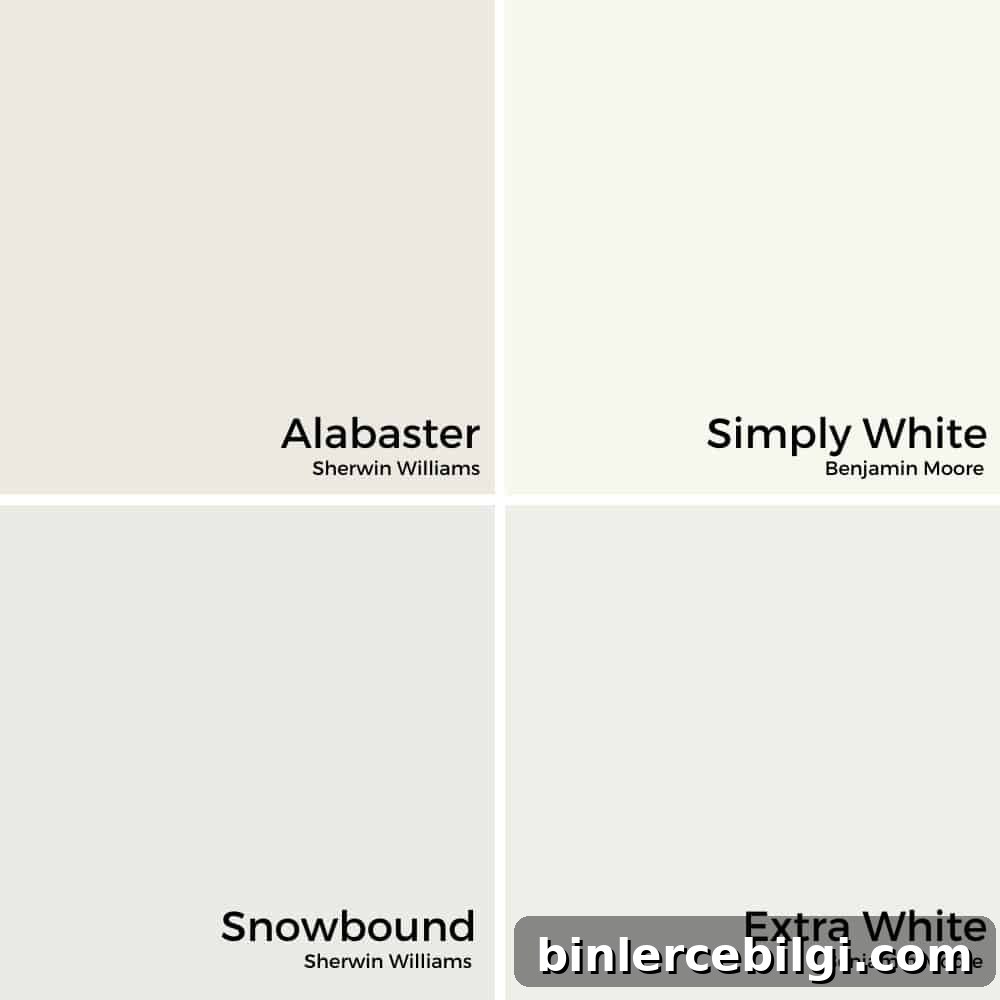
Compared to other popular whites, Extra White sits on the brighter, cleaner end of the spectrum. It’s cooler and less creamy than Alabaster, slightly cleaner than Simply White, and very similar to Snowbound—though Extra White can appear a touch brighter because it lacks gray muting.
PRO Tip
Always test a real paint sample on your walls before committing. Peel-and-stick paint samples or small painted boards are ideal because they let you view the color in different lighting and next to your furnishings.
LRV of SW Extra White
Light Reflectance Value (LRV) measures how much light a color reflects. With an LRV of 86, Sherwin Williams Extra White is one of the brand’s brighter whites (only High Reflective White is higher). It reflects plenty of light, helping small rooms and low ceilings feel more open, while still avoiding the glaring brightness of pure reflective white.
Sherwin Williams Extra White Coordinating Colors
Extra White pairs beautifully with deeper, cooler tones and many neutrals. Professional pairings often include charcoal blues, deep grays, and muted greens. It also provides a clean backdrop for warmer or wood-toned finishes when you want contrast without yellowing.
Personal favorites that work well alongside Extra White include Repose Gray, Mindful Gray, Iron Ore, Light French Gray, Naval, Sea Salt, and Chelsea Gray.
Best Trim Colors to Go With Extra White
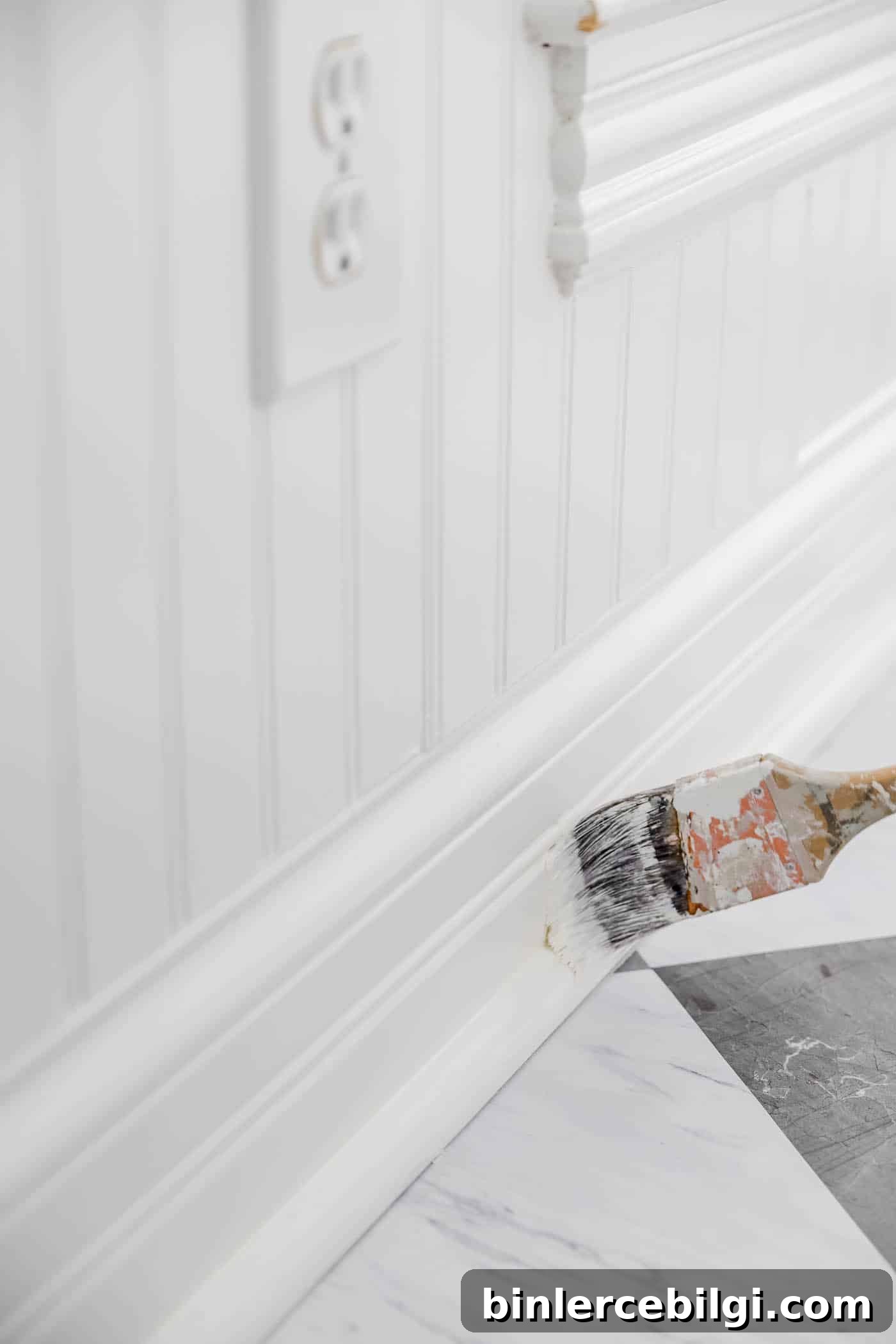
If Extra White is your wall color, you can paint trim the same shade for a seamless look, or choose a brighter white for contrast. Using different paint sheens can create contrast without changing color—consider semi-gloss for trim and eggshell for walls. For a crisp, high-contrast trim, brighter whites like High Reflective White are excellent choices.
Where can you use Sherwin Williams Extra White?
Extra White is a versatile choice suitable for nearly every part of the home. It’s especially helpful for making small spaces feel larger and ceilings appear higher. Recommended uses include:
- Trim, moldings, and baseboards
- Doors and cabinetry
- Built-ins and shelving
- Ceilings and interior walls
- Fireplaces and architectural accents
- Exterior trim and accents
Is Sherwin Williams Extra White a good color for cabinets?
Yes. Because Extra White has minimal undertones, it’s an excellent, neutral option for cabinetry. It provides a clean, modern look that pairs well with both warm and cool countertops and hardware.
Home Styles That Work With Extra White
- Farmhouse
- Modern
- Traditional
- Transitional
- Minimalist and contemporary interiors
Room Examples Using Sherwin Williams Extra White
Below are examples that illustrate how Extra White behaves across different spaces and lighting conditions. Notice how furnishings, wood tones, and natural light influence the final look.
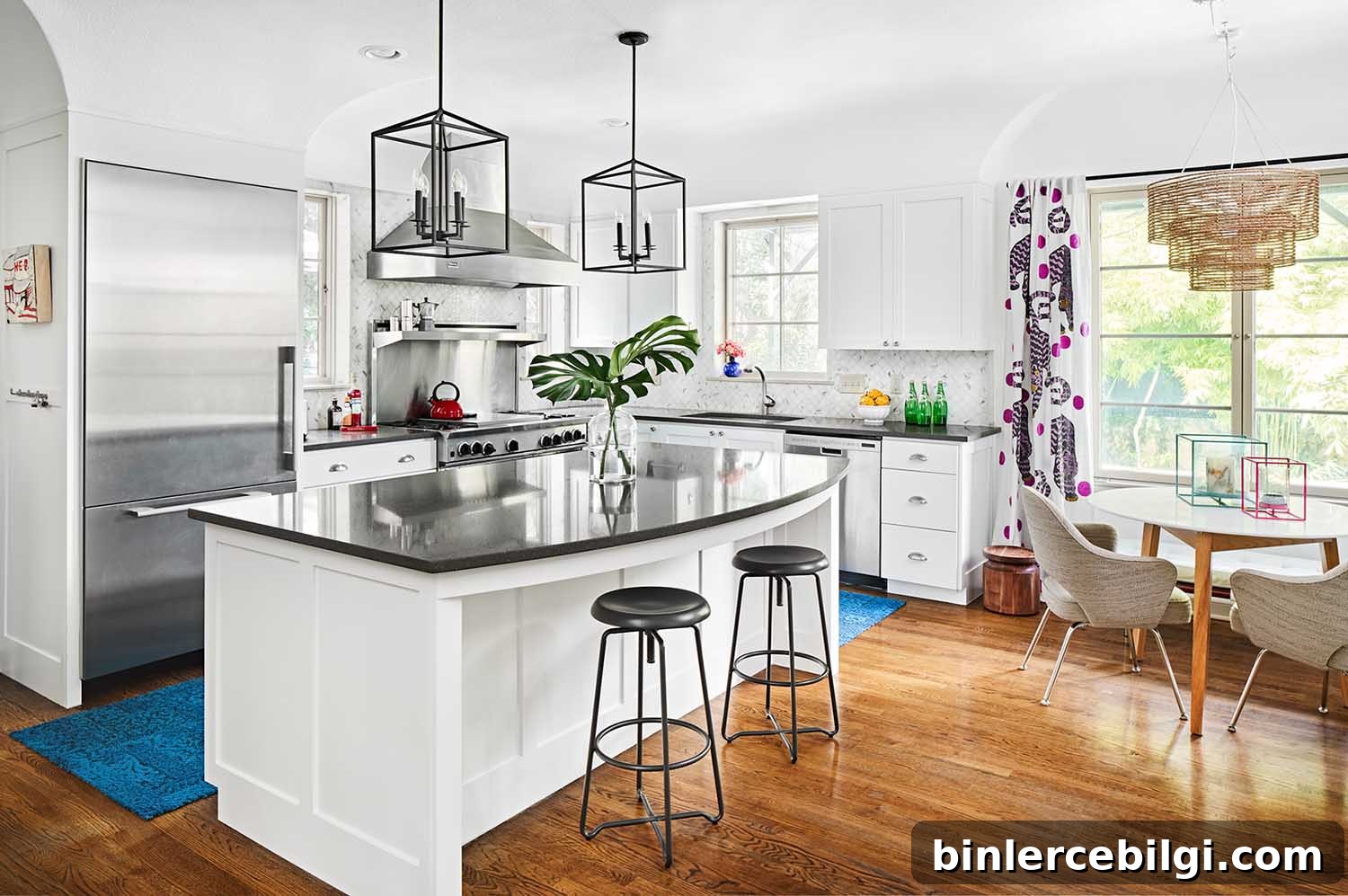
Extra White Kitchen
In sunlit kitchens, Extra White can make cabinets and walls feel fresh and crisp, allowing colorful accents or natural wood to take center stage.
Sherwin Williams Extra White Living Room
Extra White on walls or shiplap creates a timeless backdrop for blue accents and natural wood tones, lending a calm, airy feeling to living spaces.

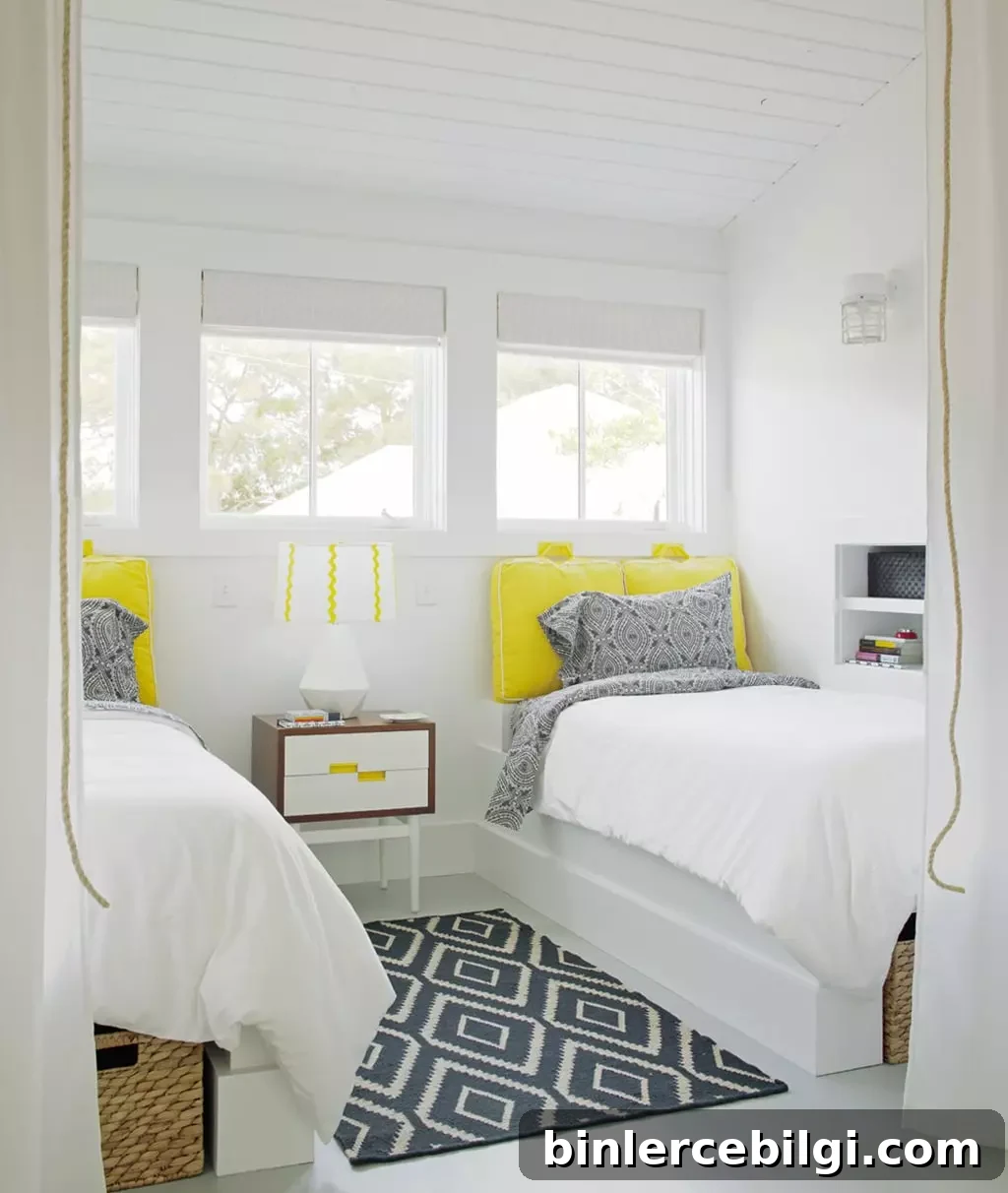
Bedroom in SW Extra White
In smaller bedrooms, Extra White helps maximize perceived space. Pairing it with textured elements like ceiling beams or woven textiles prevents the room from feeling flat.
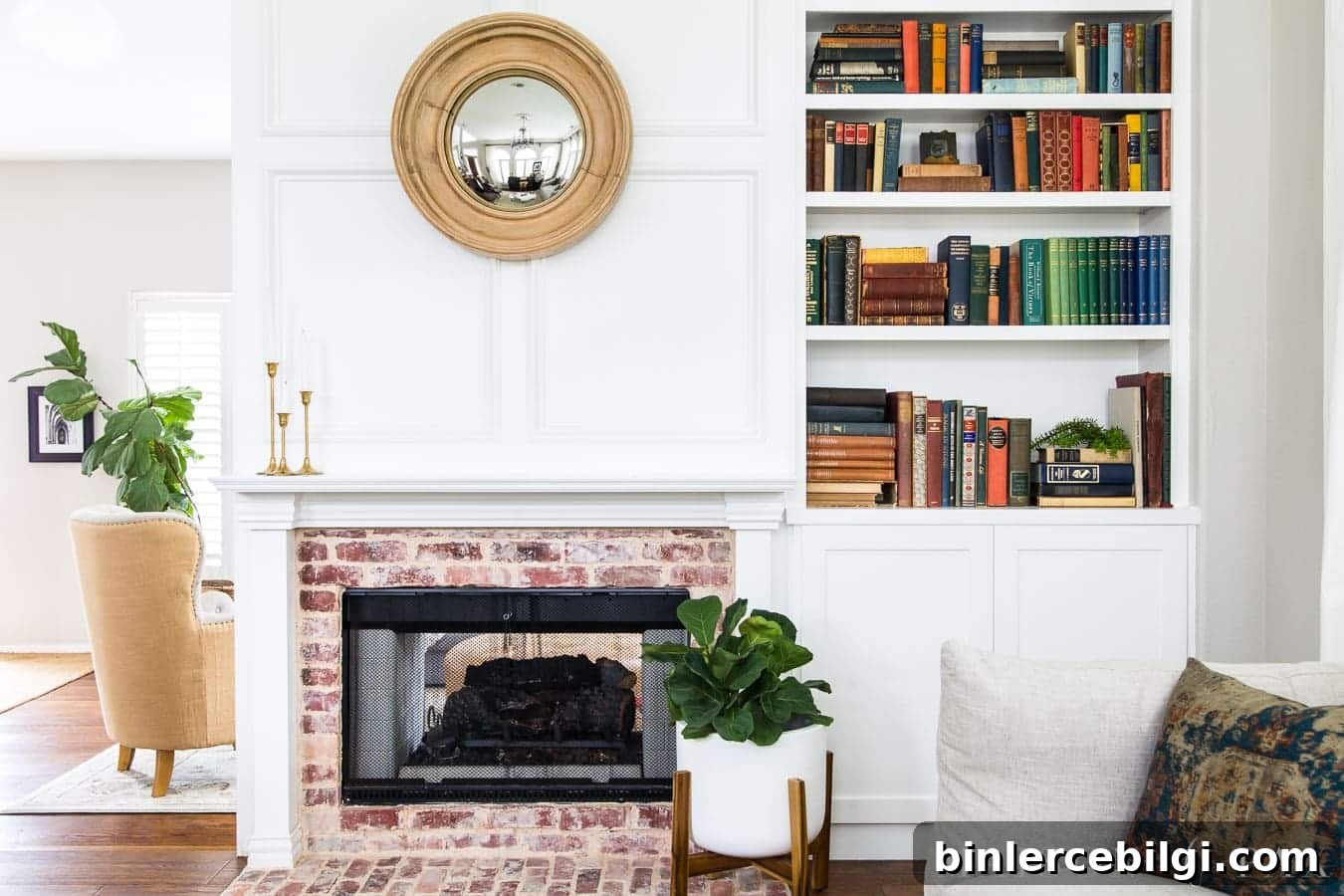
Sherwin Williams Extra White Accents
Extra White highlights architectural features such as built-ins, mantels, and moldings. It reads clean and refined, giving an instant update to classic elements.
Extra White Sherwin Williams Exterior
As exterior trim, Extra White pairs beautifully with darker siding colors and black accents. In overcast climates, it can be used for siding as well without appearing overly bright.

Frequently Asked Questions
Extra White leans slightly cool. In shadowed or north-facing rooms the cool hint may be more noticeable; in bright, warm light it will read as balanced.
No. Extra White does not have yellow undertones; it reads as a clean, bright white with a subtle cool edge rather than a warm or creamy tone.
Yes. It’s an excellent trim color and can work for siding in overcast or cooler climates. Consider surrounding landscape, lighting, and adjacent materials when deciding.
Test real paint samples under your home’s lighting and next to your furnishings. Compare whites side-by-side to find the undertone and brightness that best complement your space.
Sherwin Williams Extra White is a versatile, clean white that brings a modern, timeless quality to interiors and exteriors alike. Because it remains mostly neutral in a wide range of lights, it’s a dependable choice for designers and homeowners who want a crisp, fresh backdrop that plays well with many colors and styles.