
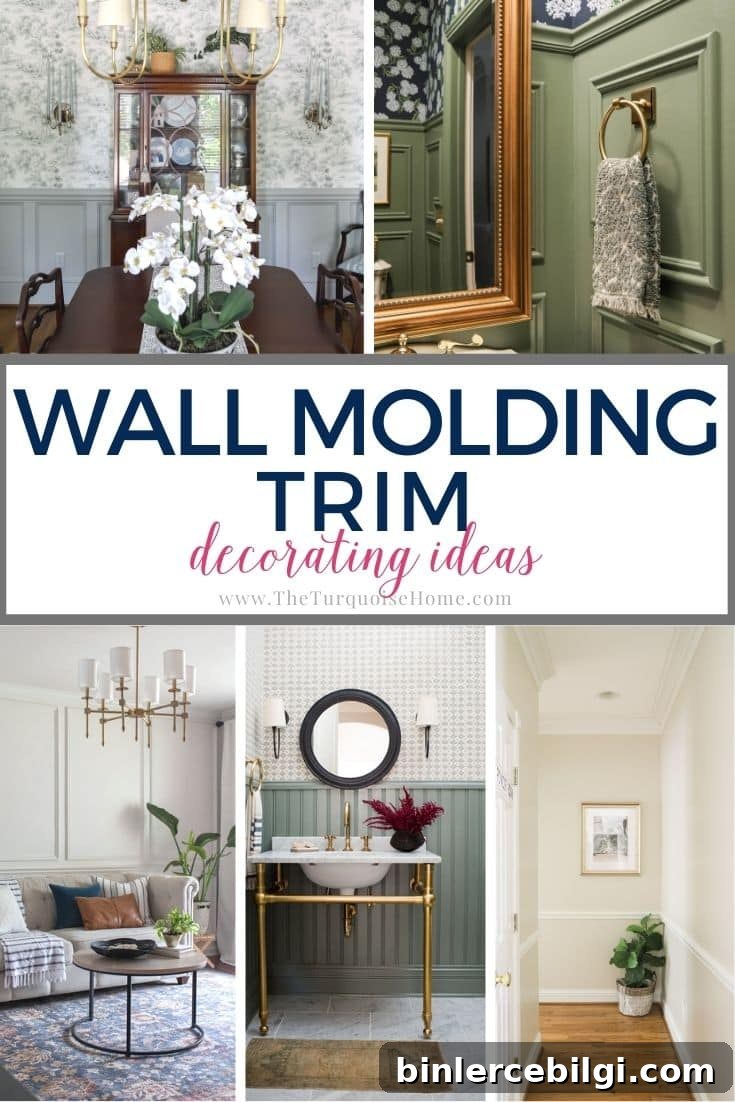
Discover fresh wall molding ideas to elevate the architectural interest in your home with only a few basic DIY skills.
Adding trim and molding to blank walls is one of the simplest and most effective ways to introduce structure, texture, and design without a major remodel. These treatments are approachable for a confident beginner, affordable, and instantly add character to living rooms, hallways, bathrooms, and more.
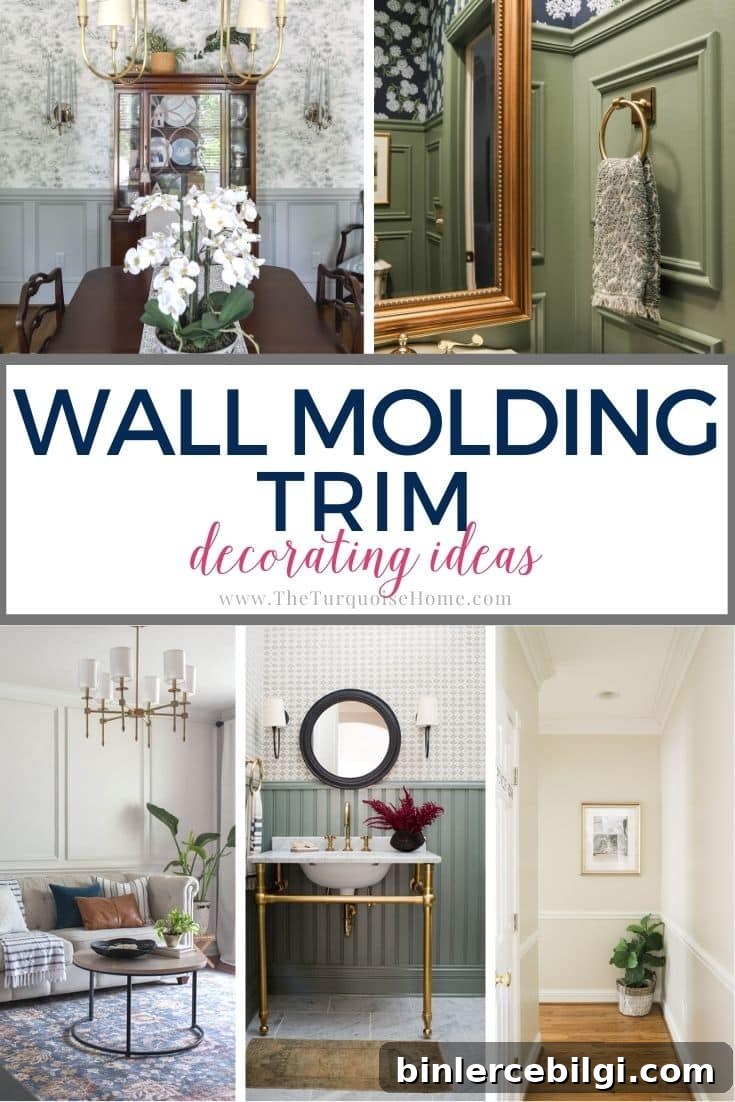
Wall trim covers a wide spectrum, from baseboards and window casings to shiplap, board-and-batten, picture-frame molding, chair rails, and wainscoting. Each style lends a different tone—traditional, modern, farmhouse, or cottage—and can be adapted to your room’s scale and design goals.
Wall Molding Trends in Interior Design
Over the last decade shiplap and vertical plank treatments surged in popularity, largely driven by farmhouse-style makeovers. While those looks remain relevant for many homes, designers and homeowners are now embracing more classic, tailored trim work—picture-frame molding, wainscoting, chair rails, and raised panels—that provides a timeless backdrop and can be painted to suit any palette.
What is Wall Trim or Wall Molding?
“Trim” is the broad term for any boards or pieces applied to walls and openings—baseboards, window and door casings, crown molding, and so on. Trim can hide construction joints and protect vulnerable wall areas. “Molding” usually refers to decorative trim used primarily for visual effect—elements such as picture-frame molding, chair rails, and wainscoting fall into this category. Both trim and molding are made from wood, MDF, plaster, or synthetic materials, and come in a range of profiles to suit different styles.
Personal Experience with Wall Trim
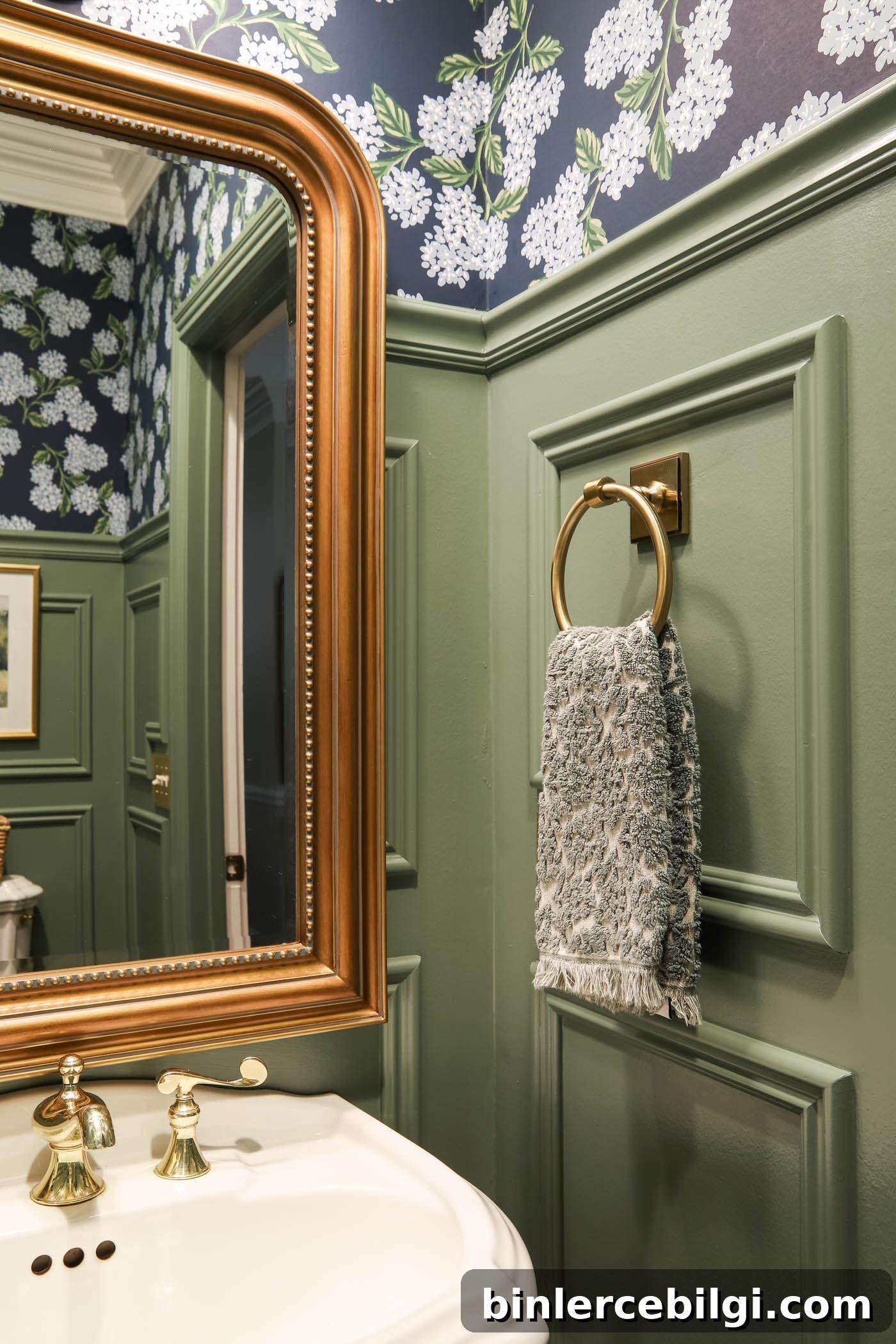
In my own homes I’ve used different trim techniques to define spaces and add personality. A board-and-batten treatment in a large open-plan living area helped visually separate the room and made the space feel cozier. In a small bathroom, board-and-batten provided a practical and decorative place to mount towel hooks. In another home, double picture-frame molding paired with a chair rail and a bold paint color transformed a modest powder room into a striking focal point. Both dining rooms I’ve lived in feature wainscoting—one with a more understated profile and the other with deeper, chunkier panels—demonstrating how scale and detailing change the feel of a room.
Different Types of Trim and Wall Molding Ideas
1. Picture Frame Molding
Picture-frame molding creates rectangular or square “frames” on the wall and can be scaled from subtle to dramatic. Use single or layered boxes to break up a wall, create architectural balance, or highlight a focal wall behind furniture. It pairs beautifully with chair rails or wallpaper above the molded area.
2. Wainscoting
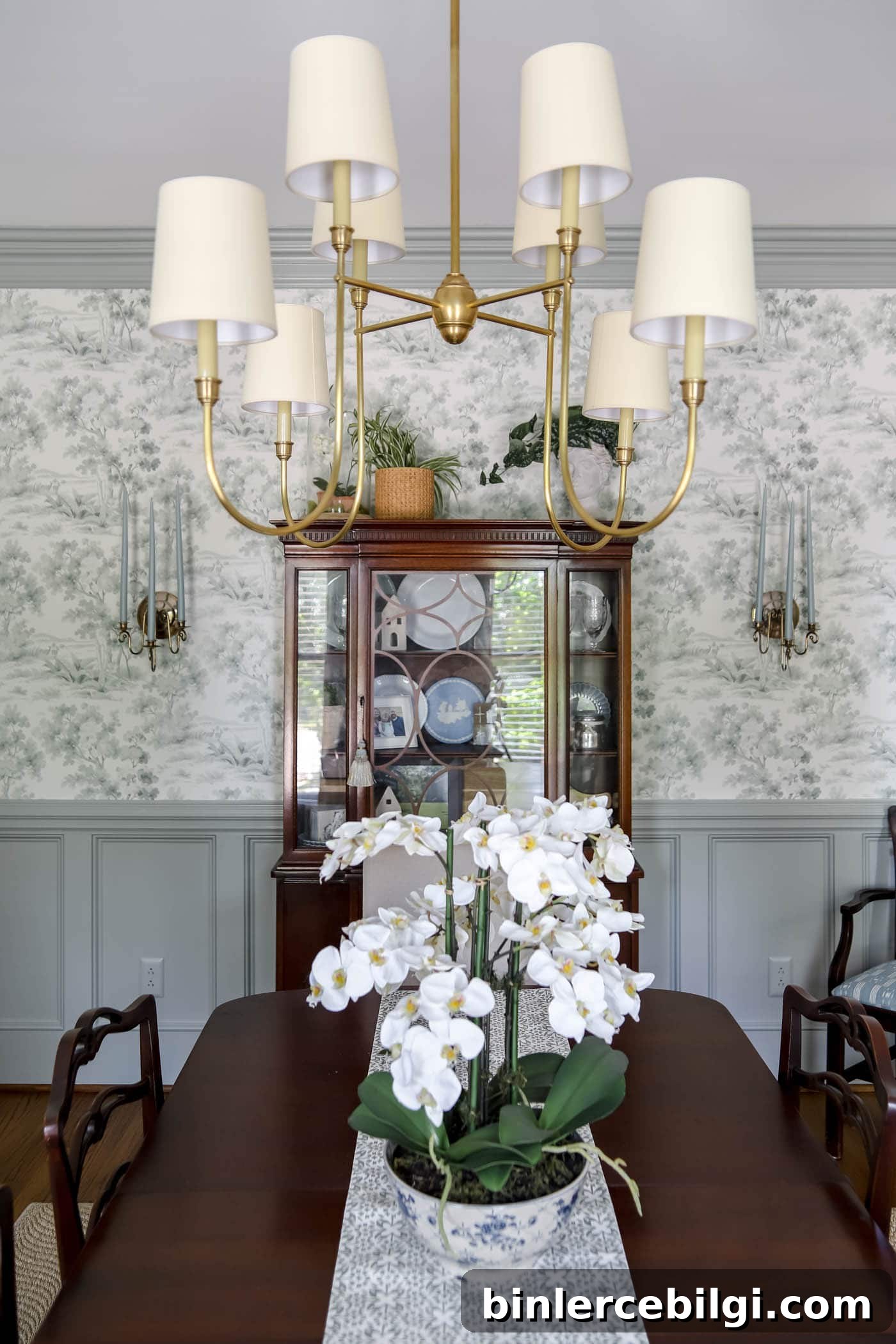
Wainscoting typically covers the lower third of a wall and is a classic choice for dining rooms, hallways, and traditionally styled spaces. The most common approach is to use picture-frame molding or paneling topped with a chair rail. It protects walls while adding a finished, elegant look.
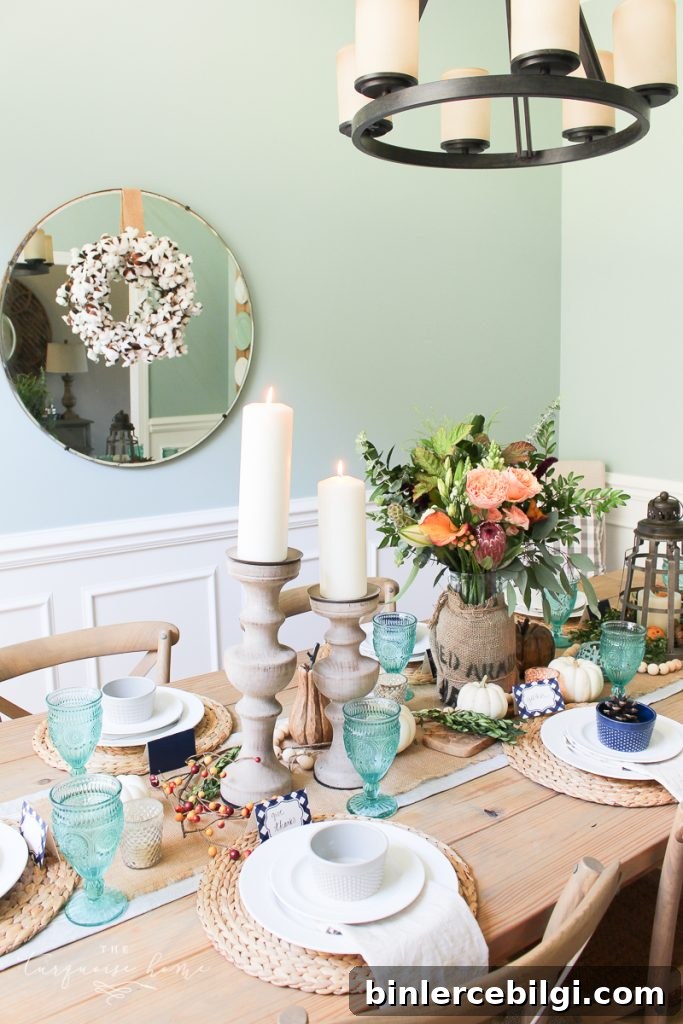
3. Raised Panel Wainscoting
Raised panel wainscoting uses thicker boards and more pronounced molding to form beveled panels that project slightly from the wall. This style adds a sense of permanence and formality. Typically constructed with 1-inch thick framing and decorative trim, raised panels create a strong, architectural statement in dining rooms and entryways.
4. Picture Rail
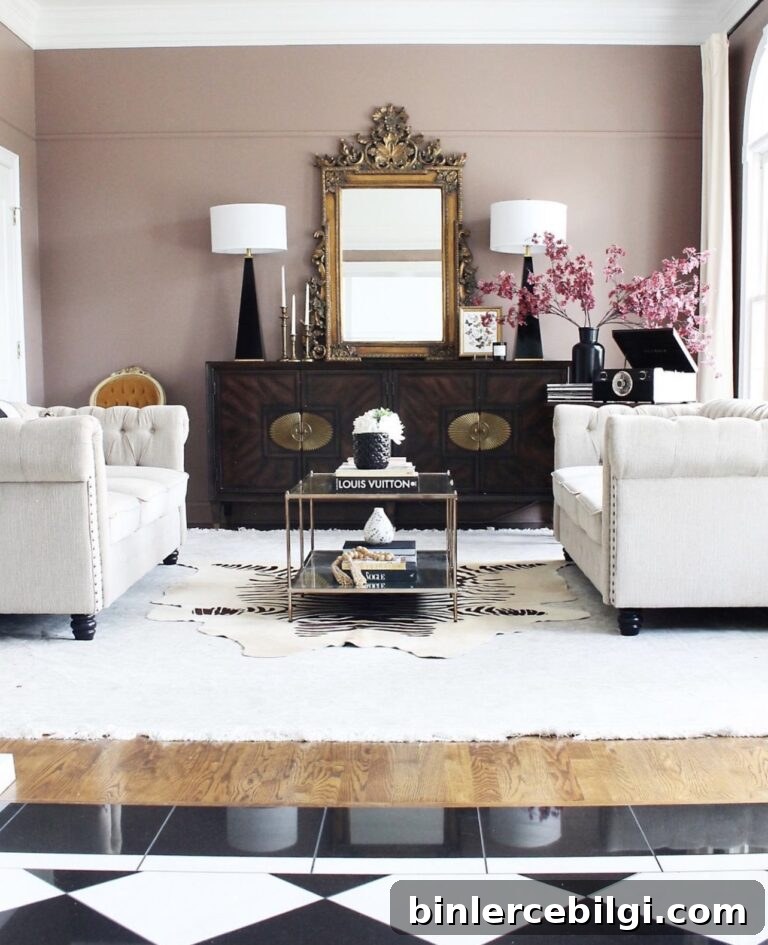
A picture rail is a thin molding set horizontally a few feet below the ceiling that was traditionally used to hang artwork without damaging walls. Today it remains a refined architectural detail—functional when needed, and attractive even when left purely decorative.
5. Board & Batten
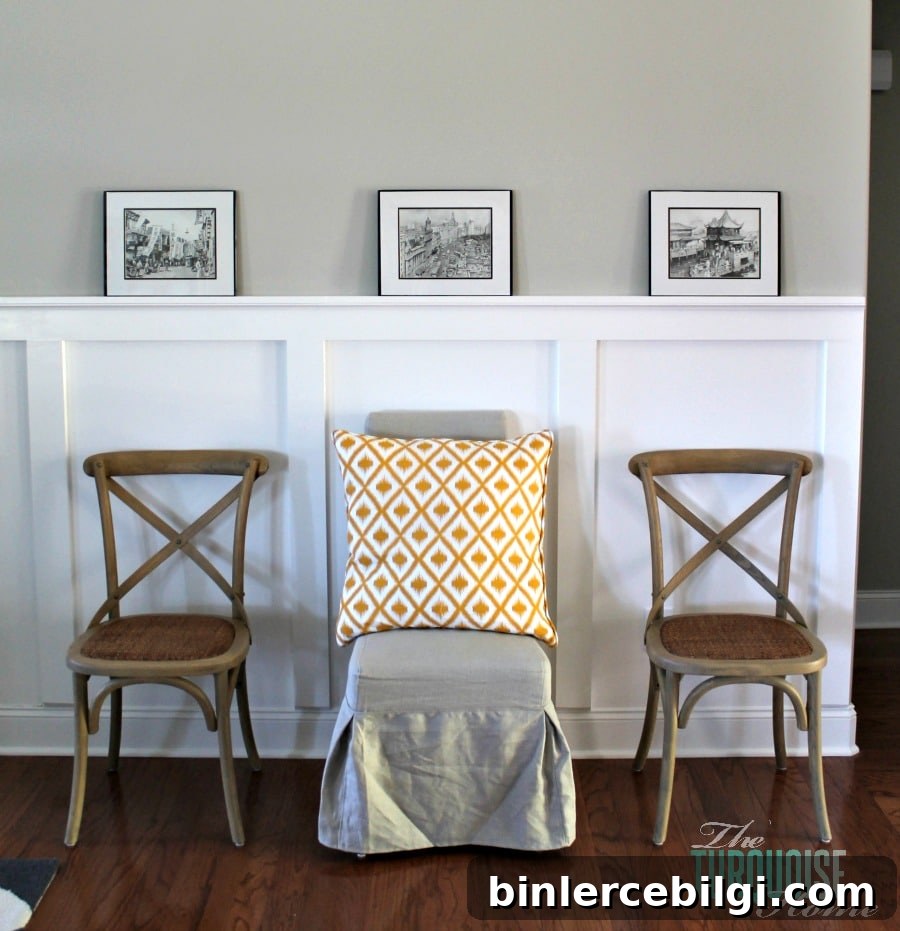
Board-and-batten pairs wider vertical boards with narrow battens (strips) placed at regular intervals. A horizontal cap or ledge at the top completes the look. This treatment leans casual and architectural, perfect for living rooms, entryways, or exterior-inspired interiors that benefit from vertical rhythm.
6. Shiplap or Vertical Plank
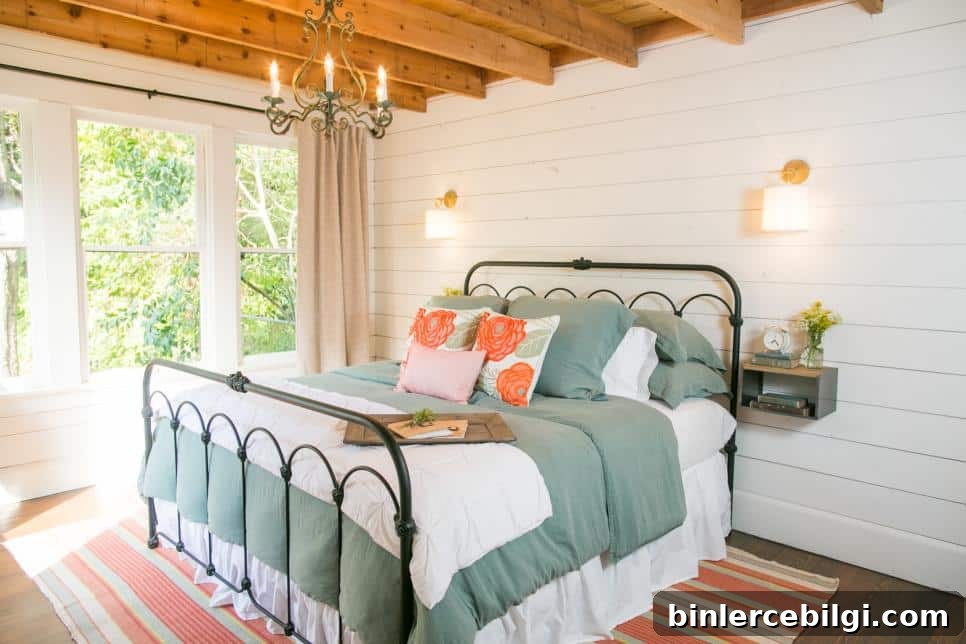
Shiplap consists of wide planks with rabbeted edges that overlap to create a flush, grooved joint. It can be installed horizontally or vertically and offers a clean-lined, textured backdrop. If true shiplap is cost-prohibitive, vertical planks spaced slightly apart can achieve a similar aesthetic at lower cost.
7. Beadboard
Beadboard features continuous vertical grooves with raised beads at regular intervals. Once built from individual slats, it’s now often sold in panels for easier installation. Beadboard works beautifully in bathrooms, laundry rooms, porches, and craftsman-style interiors.
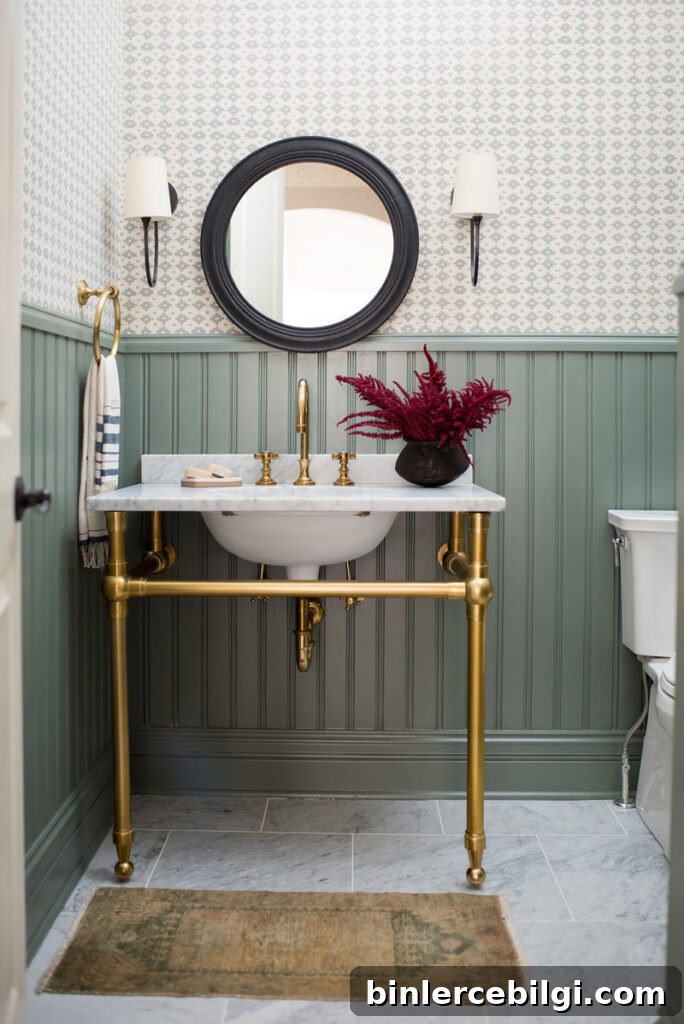
8. Chair Rail
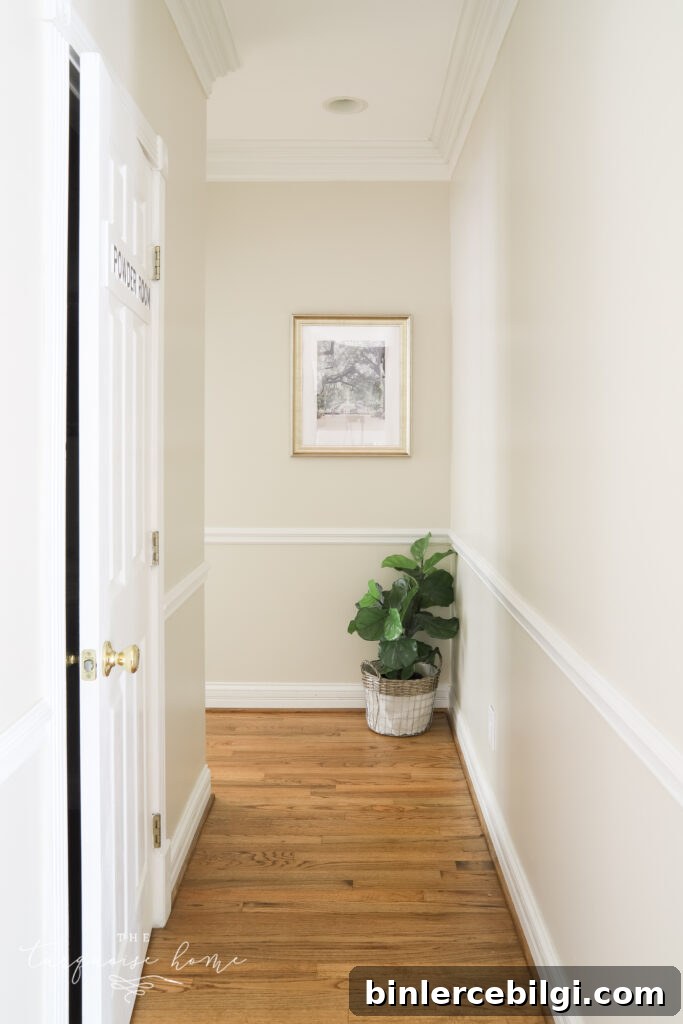
A chair rail is a simple horizontal trim usually installed 32–36 inches above the floor. Historically it protected walls from furniture; today it’s a clean way to separate paint colors or materials, top off wainscoting, or add an understated decorative line around a room.
These wall molding ideas are adaptable to most budgets and skill levels. With a good plan, a tape measure, a miter saw or hand tools, and quality adhesive or nails, you can achieve professional-looking results. Choose profiles and paint colors that complement your home’s style—white or tone-on-tone paint for a refined look, or contrasting hues for bold drama. Simple trim can completely transform an ordinary room into a curated, architectural space.
More Articles You May Enjoy:
- 15 Best Ceiling Fans for the Stylish Home
- 7 Must-Have Nightstand Decor Ideas
- How to Start a Room Makeover
- How to Get Vintage Landscape Art on a Budget
- 12 Gorgeous DIY Faux Fireplace Ideas