
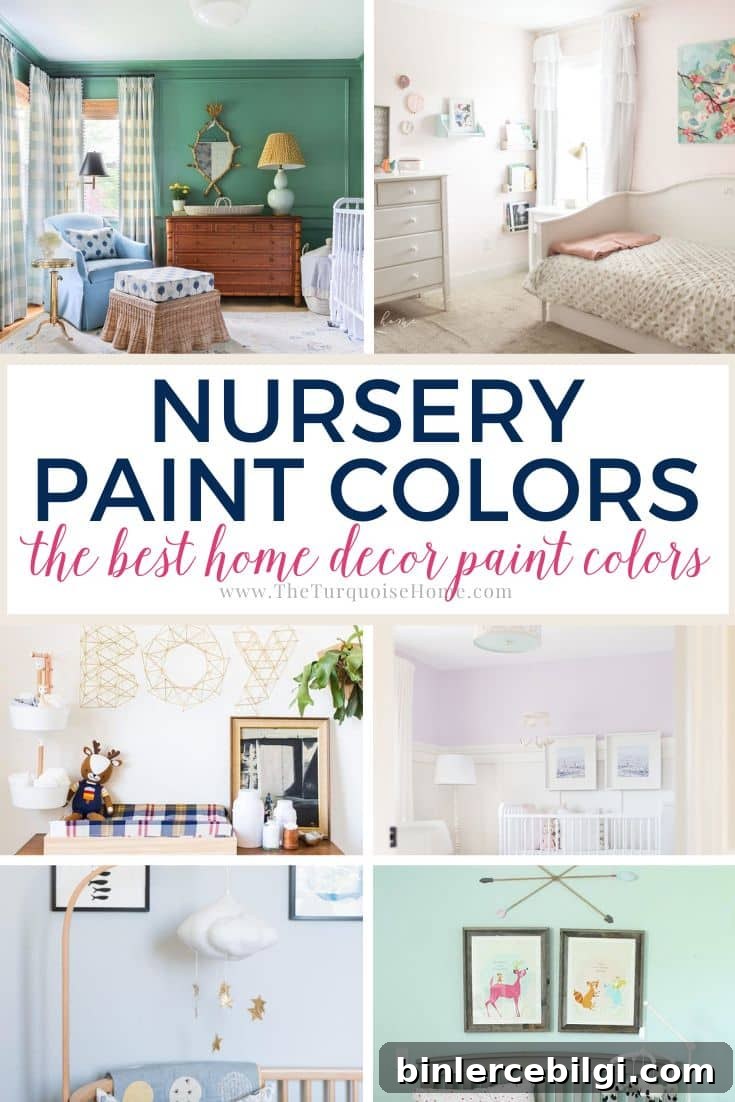
Choosing the right paint color for your nursery might feel like a small detail amid all the big decisions that come with preparing for a baby, but it truly shapes the mood of a space where you’ll spend a lot of time. To help you get started, I’ve gathered a thorough list of the best nursery paint colors, plus tips on selecting the right finish and testing colors in your room.
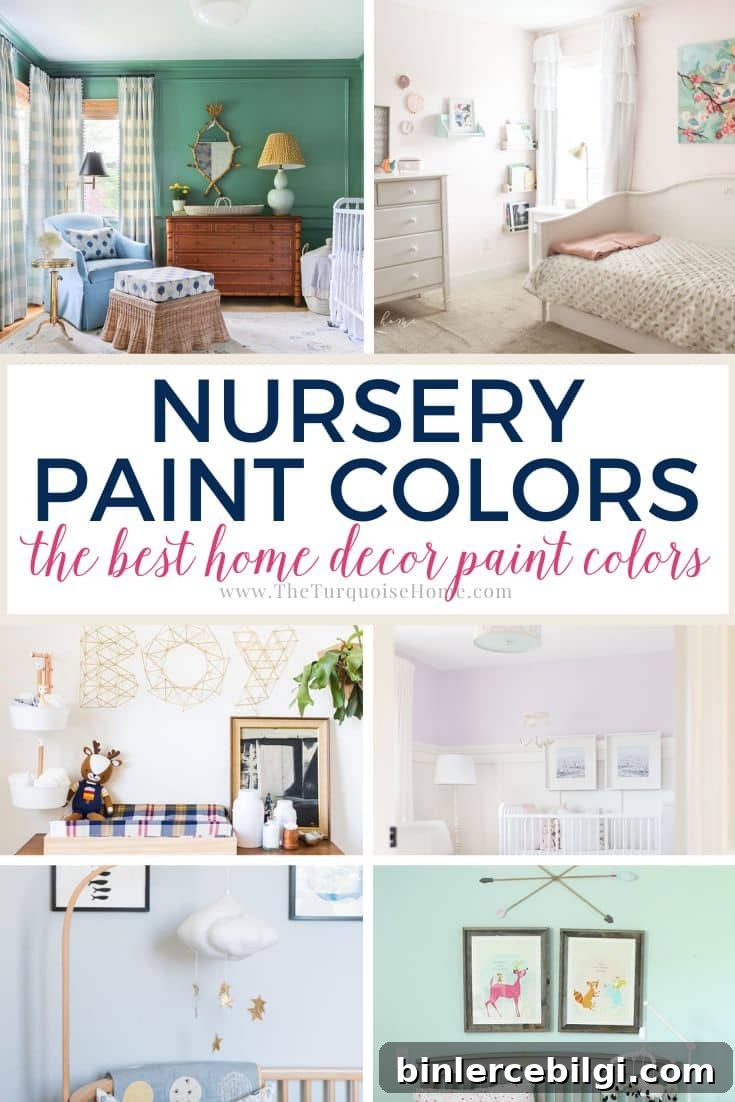
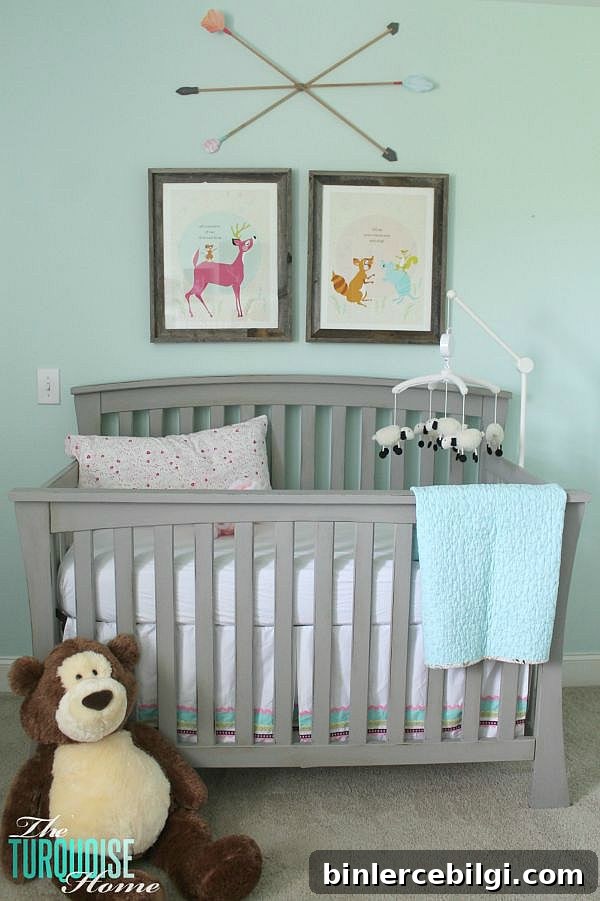
I took nearly a year to move from concept to reality when designing my daughter’s woodland nursery almost a decade ago. It was full of DIY touches and personalized details, and I still love how it turned out. The paint color I chose—Benjamin Moore Lido Green—was actually a bit of a surprise. I thought I would pick a robin’s egg blue at first, but once I sampled both on the wall, the soft minty green won me over.
Before we dive into the color picks, a few quick answers to common nursery-paint questions will help guide your choice.
PRO Tip
Always test the actual paint color in the room before committing. The same swatch will read very differently depending on natural light, the direction the window faces, and the room’s furnishings. My favorite no-mess method is real paint samples that stick to the wall—easy to move, view at different times of day, and keep for later reference.
Note: If you’re painting the room yourself, quality tools and a clear step-by-step plan make the job smoother and faster.
What paint can I use in a nursery?
For a nursery, look for low-VOC or zero-VOC paints. VOCs are chemicals that off-gas as paint dries and can cause headaches, irritation, or other symptoms. Many major paint brands offer low- or zero-VOC formulas that are safer for newly painted rooms—ask your paint retailer for their best options.
Do nurseries need to be colorful?
No. A nursery should feel calming and comfortable for both baby and caregiver. Some people prefer soft, muted palettes; others like a brighter, more playful room. Remember that textiles, rugs, artwork, and window treatments all contribute to the atmosphere, so you don’t need to rely solely on paint to achieve your vision. Creating a simple mood board or design board can keep your choices cohesive.
What are the best colors to paint a nursery?
Color psychology suggests that pale blues, soft greens, lavender, warm grays, gentle pinks, and light yellows make restful environments. When selecting a shade, consider how much natural light the room gets: cooler hues work well in bright spaces, while warmer tones can add warmth in rooms with less light.
Best Nursery Paint Colors for Girls
Here are gentle, pretty colors that have worked well in girls’ nurseries I’ve designed or admired. The first three are colors I’ve used personally in my daughters’ rooms.
1. Benjamin Moore Lido Green
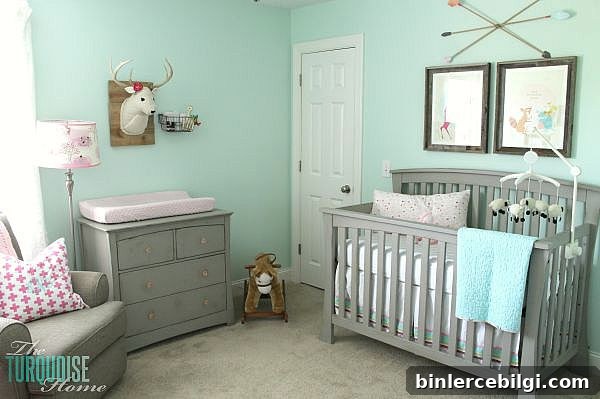
Lido Green is a soft, minty shade with a hint of blue that reads fresh and calm. It felt brighter and more modern than the robin’s egg blue I initially considered, and it makes a sweet backdrop for vintage and modern furnishings alike.
2. Farrow & Ball No. 202 Pink Ground
This peachy-pink is warm and dynamic, shifting subtly with different light levels. It’s a lovely choice for a shared girls’ room or a nursery that will grow into a child’s bedroom.
3. Benjamin Moore Cream Puff
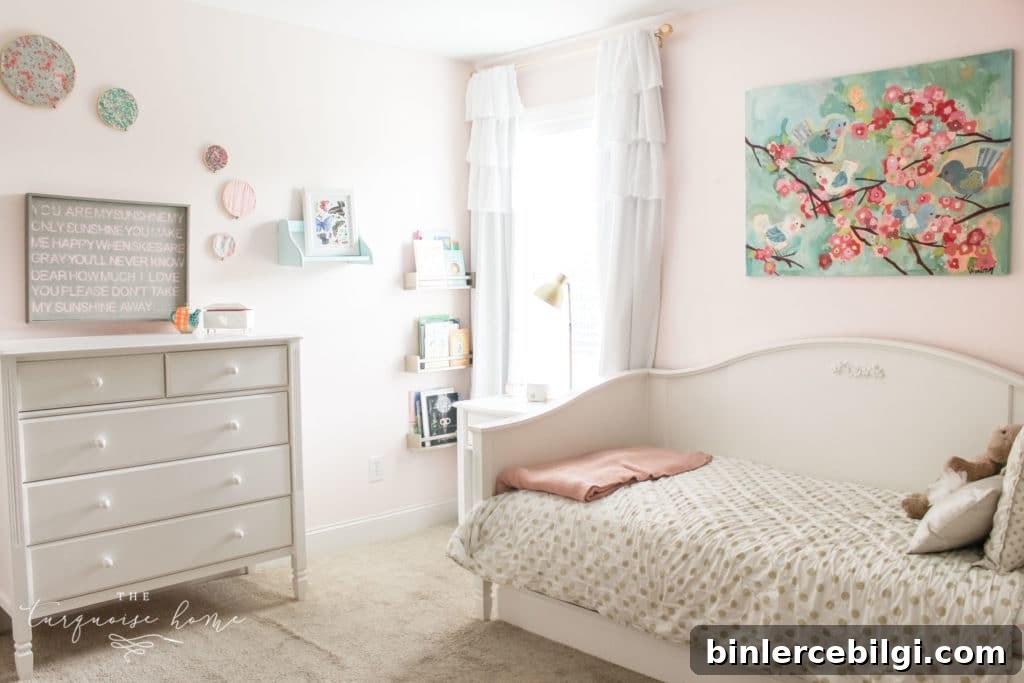
This soft pink has a gentle, rosy warmth that creates a soothing, transitional room—perfect for a newborn but also easy to grow with as a child ages.
4. Benjamin Moore Raspberry Ice
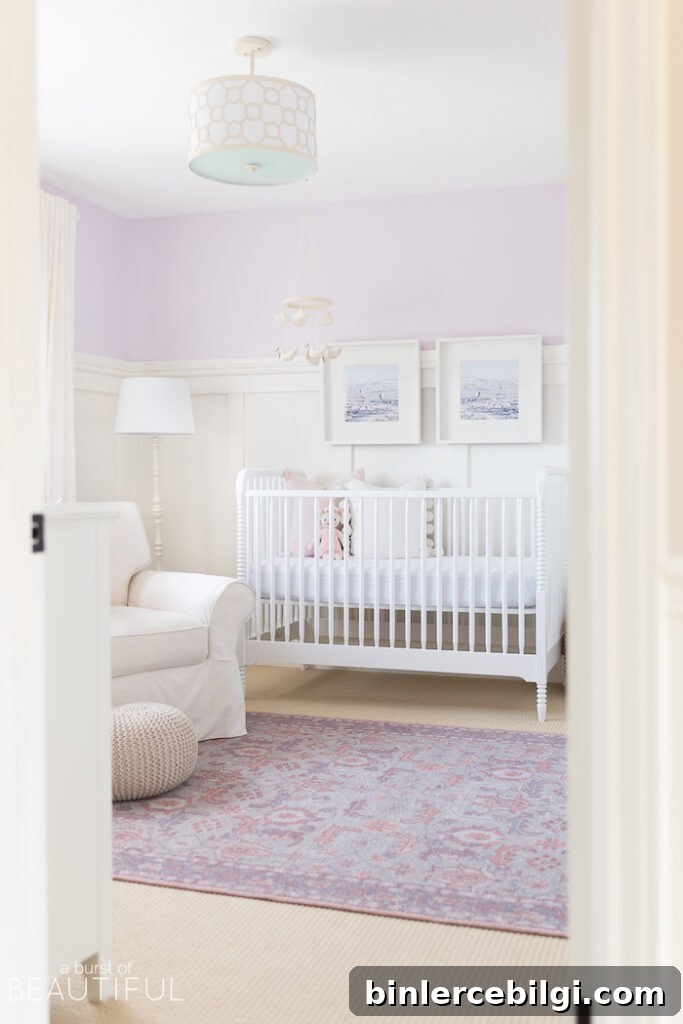
A pale, cool lavender with soft gray undertones, Raspberry Ice reads airy and elegant. It pairs beautifully with warm whites and natural woods.
5. Benjamin Moore Seaside Sand
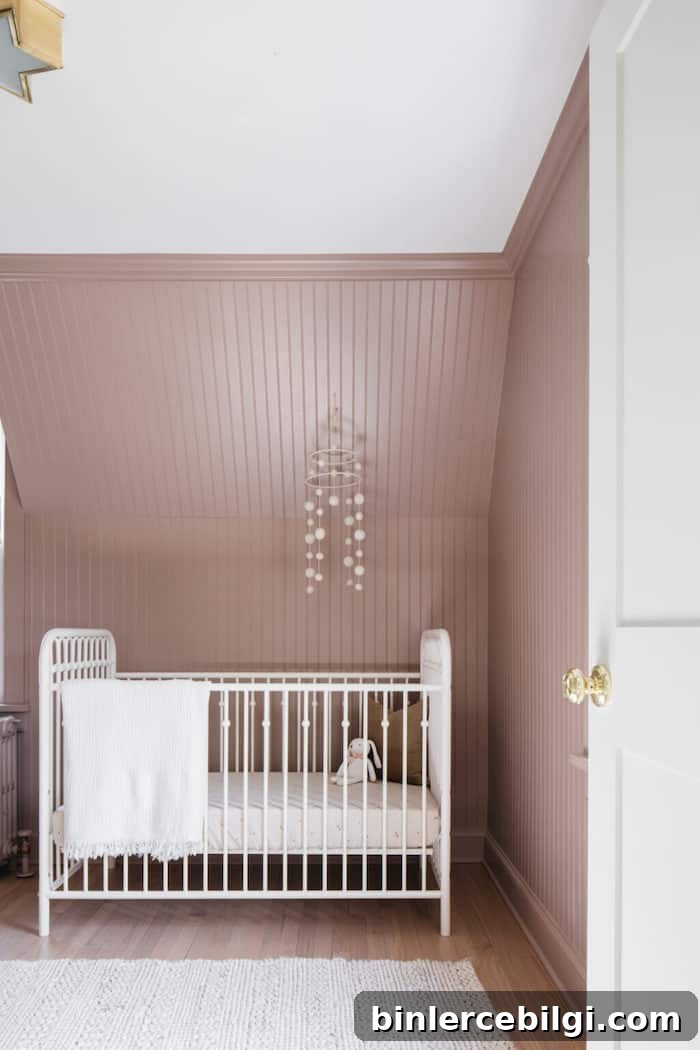
This deep mauve sits close to neutral and makes a dramatic yet cozy backdrop when paired with light furniture and natural textures.
Best Nursery Paint Colors for Boys
Whether you want a classic blue, a nature-inspired green, or a modern gray, these shades create calm, timeless nurseries for boys.
1. Sherwin-Williams Retreat
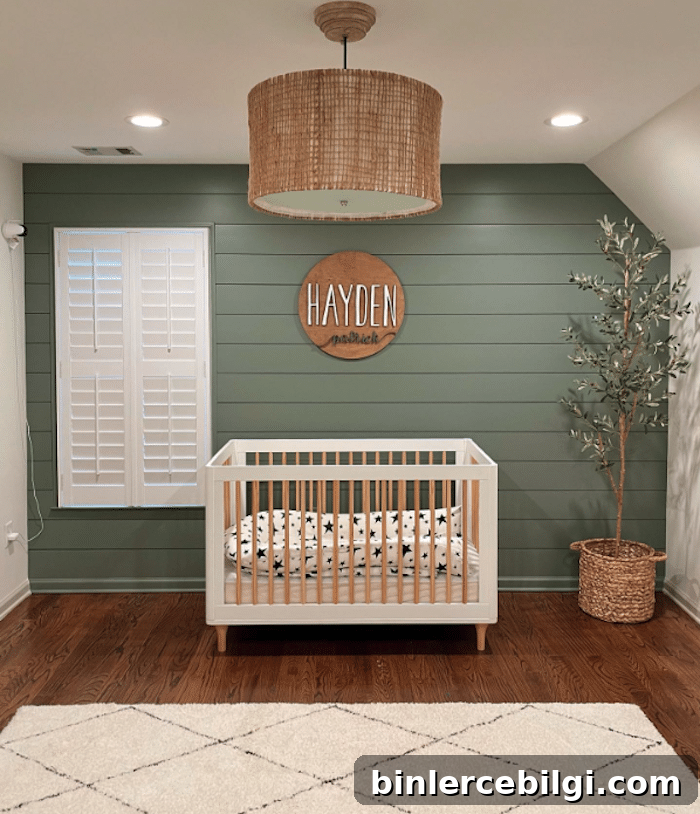
A medium-to-dark green with blue-gray undertones, Retreat evokes fresh, outdoorsy calm. It looks fantastic with natural fibers, wood tones, and soft blues.
2. Benjamin Moore Hale Navy
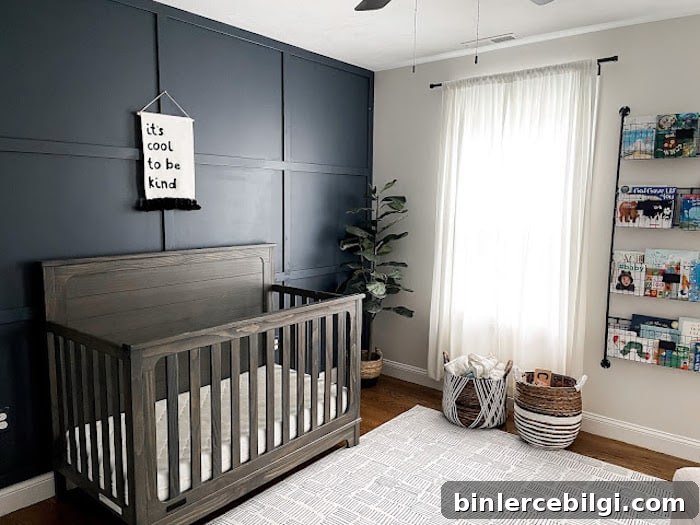
Hale Navy is a rich, deep blue that creates contrast and drama, especially as an accent wall. It pairs well with light furnishings and warm wood finishes.
3. Benjamin Moore Whitestone
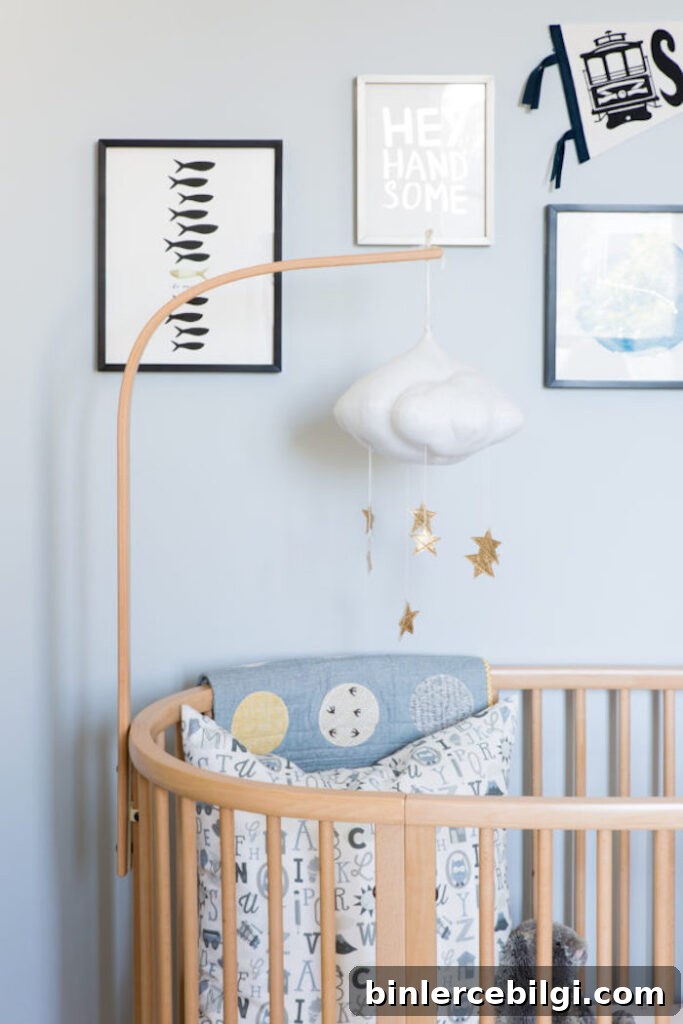
Whitestone is a cool light gray with subtle blue undertones—soft, gender-neutral, and easy to accessorize with blues or warm woods.
4. Benjamin Moore First Snowfall
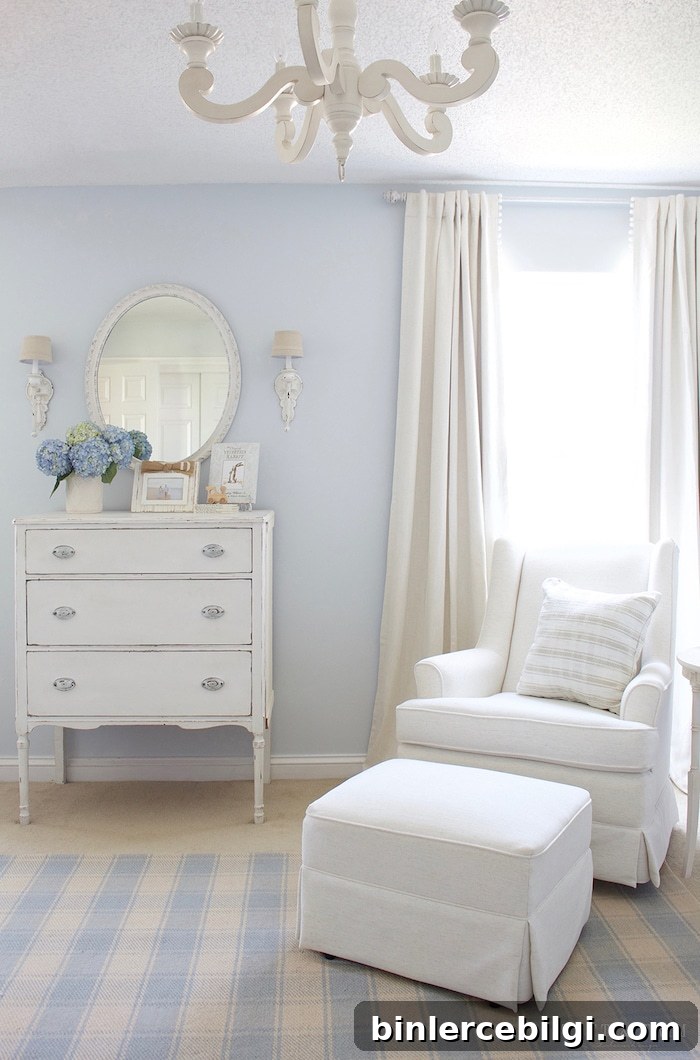
A delicate blue-gray that can read slightly lilac in certain pairings, First Snowfall adds a soft, whimsical feel, especially alongside watercolor murals or floral accents.
5. Benjamin Moore Boothbay Gray
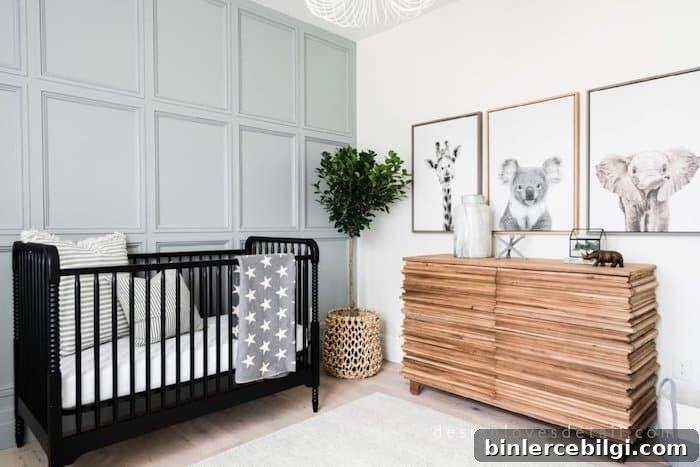
A steely gray with blue hints, Boothbay Gray reads calm and sky-like when paired with natural elements and simple art.
6. Benjamin Moore Lehigh Green
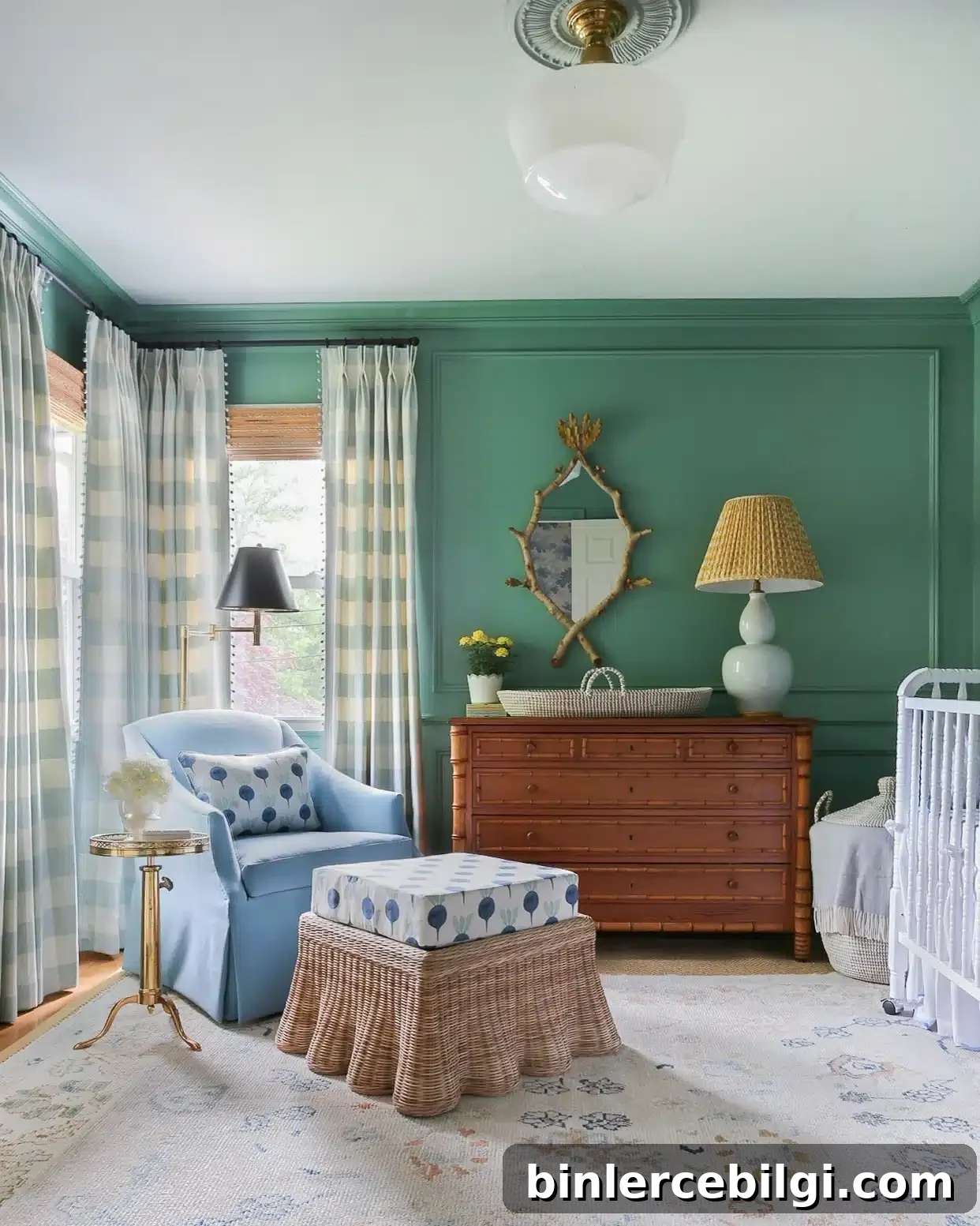
This grassy, bold green is unexpected and lush. It plays nicely with blues and adds a garden-like backdrop when you want something vibrant and modern.
Best Neutrals for Nursery Walls
If you want a room that adapts easily over time, choose a neutral base. Neutrals provide the most flexibility for changing decor, accessories, and future uses of the room.
1. Benjamin Moore Revere Pewter
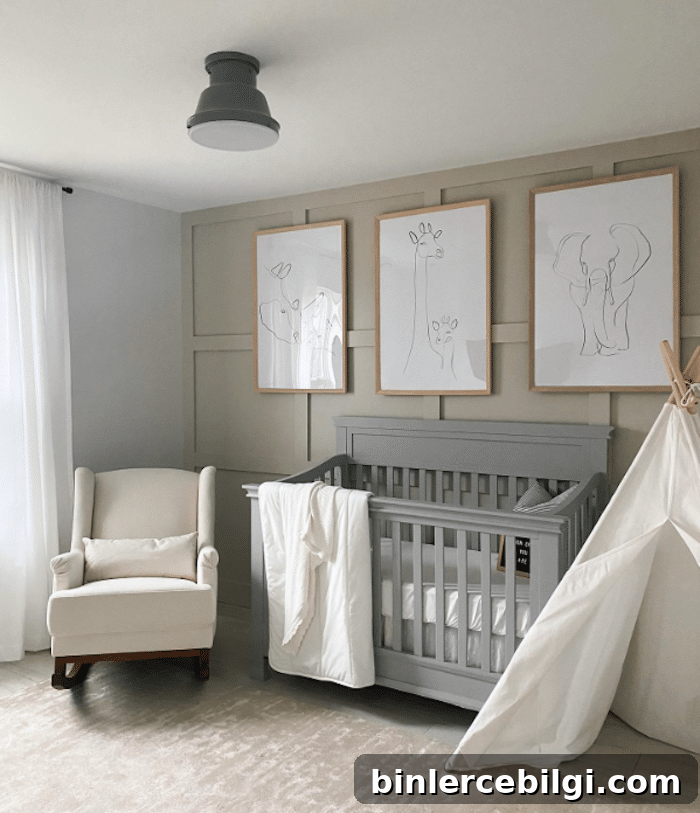
Revere Pewter is a versatile warm-gray that pairs well with both cool and warm accents—an excellent, adaptable neutral for any nursery.
2. Benjamin Moore Big Bend Beige
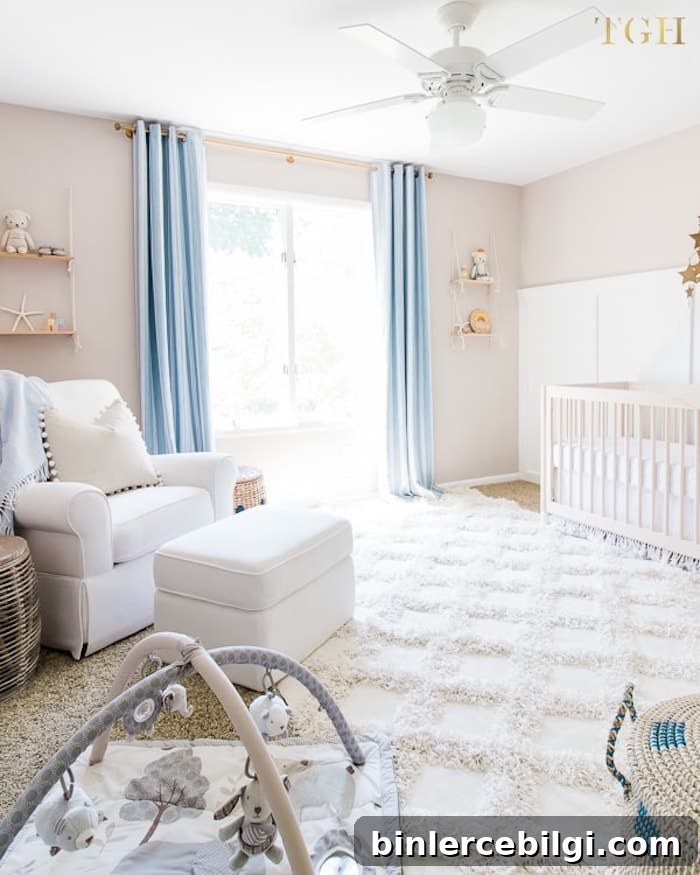
Big Bend Beige is a soothing putty-like neutral with a faint warm undertone. In bright light it can hint at pink, adding a cozy softness.
3. Sherwin-Williams Alabaster
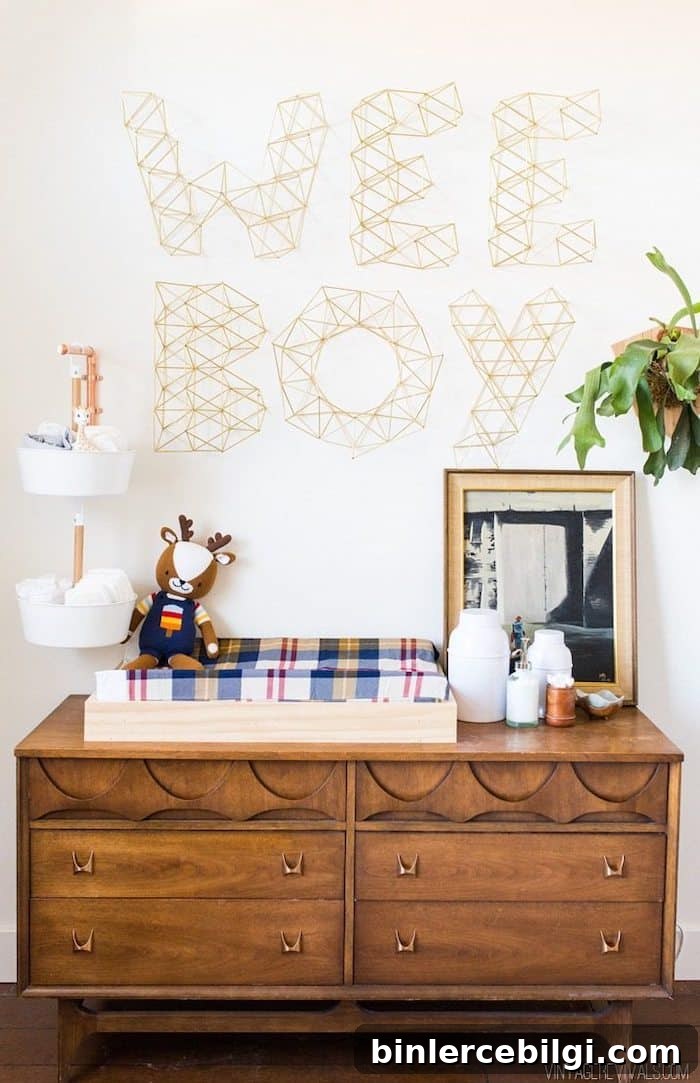
Alabaster is a warm white that maintains a soft, comforting glow—an excellent all-purpose backdrop for a calming nursery.
4. Benjamin Moore Pale Oak
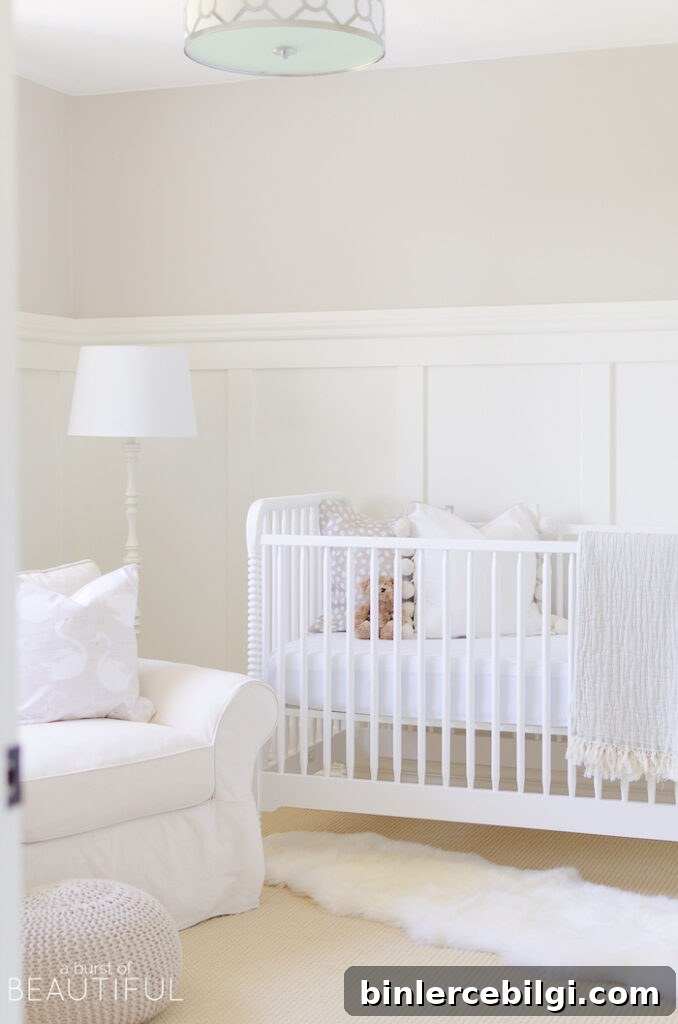
Pale Oak is a warm gray with soft beige undertones that feels natural and textural—perfect with wood tones and bright whites.
5. Benjamin Moore Paper White
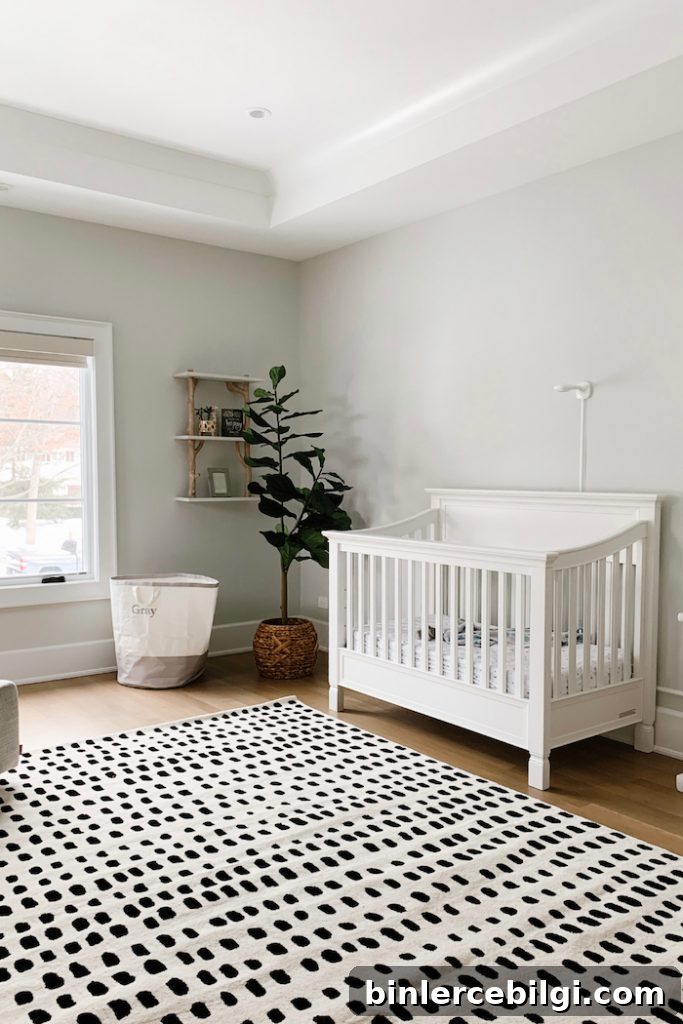
With a subtle blue-gray cast, Paper White gives dimension without feeling stark—ideal when you want contrast against crisp white trim and furniture.
Beautiful Nursery Wallpaper & Accent Wall Ideas
An accent wall or wallpaper can create a focal point without painting the entire room. Consider patterned wallpaper, a contrasting paint color, shiplap or slatted wood, or a large gallery wall to add personality and depth.
1. Traditional Woodland Wallpaper
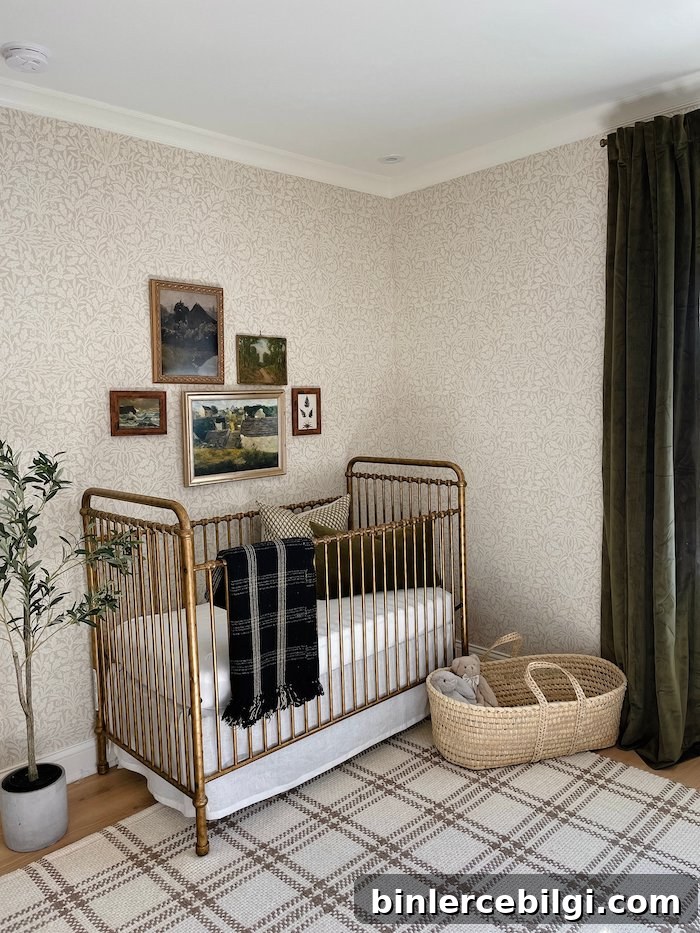
Wallpaper with neutral tones and natural motifs can add instant warmth and a storybook feel while keeping the palette calm and timeless.
2. Pretty Patterns from Studio McGee
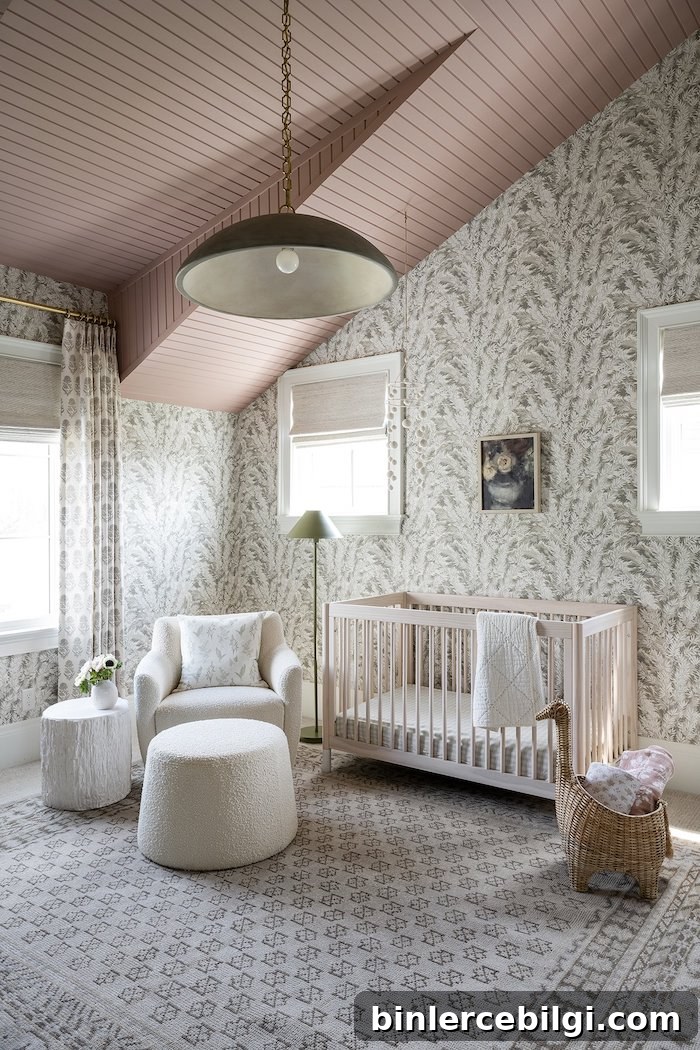
Busy, neutral-patterned wallpaper can bring texture and interest without overwhelming the space—especially when combined with soft, warm ceiling or trim colors.
3. Delightful Dots Accent Wall
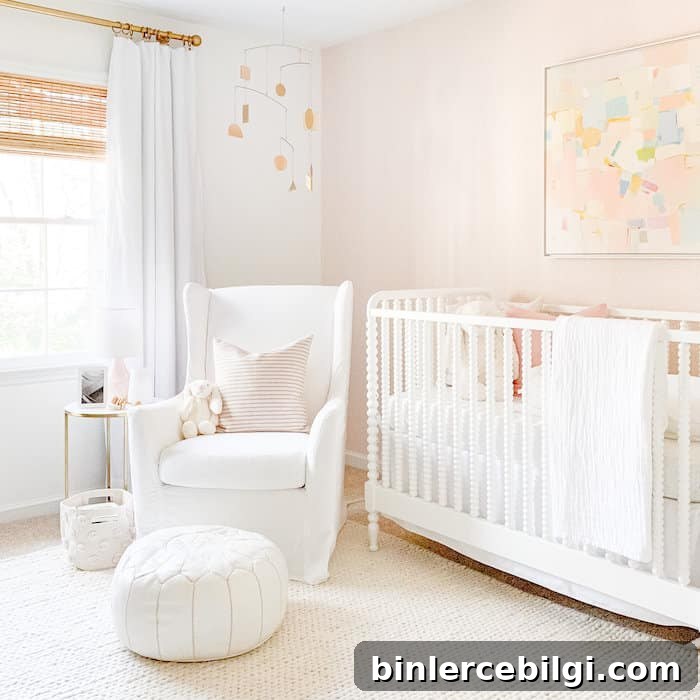
Polka-dot or other playful wallpapers are a charming way to add whimsy and color while keeping the rest of the nursery calm.
4. Slatted Wood Feature Wall
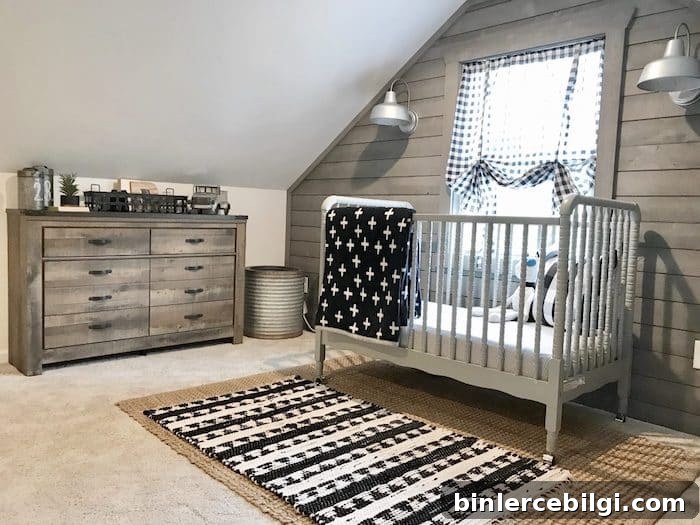
Wood accents add texture and warmth and can make an attic or oddly shaped room feel cozy and intentional.
Final Thoughts
I hope this round-up of the best nursery paint colors gives you ideas and confidence as you plan a sweet, soothing space for your little one. Test paint samples in your room at different times of day, consider how furnishings and textiles will interact with the color, and choose a shade that makes you feel calm and happy—you’ll be spending many quiet moments there. If you have a favorite color or need help narrowing options, feel free to ask!
More posts you might enjoy:
- DIY Bookshelf Ledges for the Nursery
- The Best Bedroom Paint Colors
- Furnishing a Teen Girl’s Bedroom: Tips and Tricks
- Nursery Curtains with No-Sew Pom Pom Trim
- Best Living Room Paint Colors