

White Dove by Benjamin Moore is one of the most popular designer paint colors. It blends white and cream to deliver both warmth and brightness, making it a highly versatile choice for many spaces.
Benjamin Moore White Dove (OC-17) is a warm, soft white that reads both clean and inviting. It remains bright without feeling stark, and its subtle cream and gray undertones allow it to complement a wide range of color palettes and decorating styles. Whether used on walls, trim, cabinets, or ceilings, White Dove offers a timeless, adaptable backdrop that works well in traditional, transitional, farmhouse, and contemporary interiors.
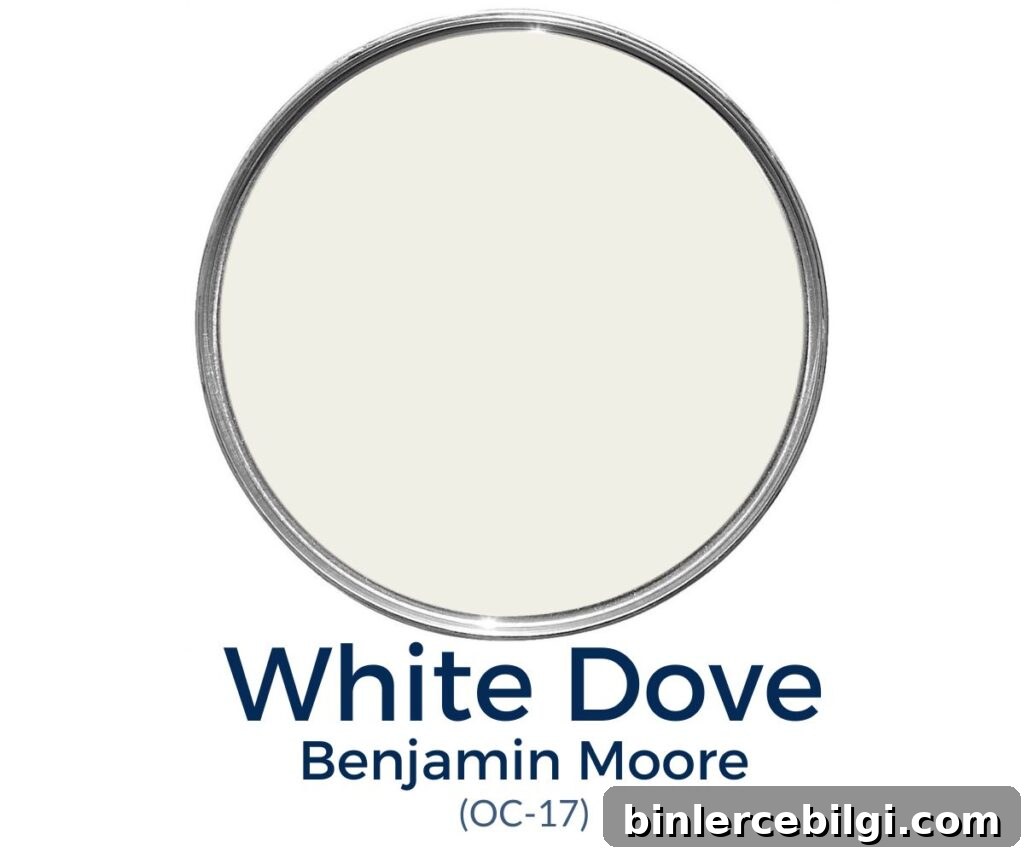
“The unerring style defines this classic, softly shaded white. Light and luminous, it is a favorite choice for moldings and trim.”
White Dove Undertones
White Dove has a clear warm, creamy yellow undertone, but it also contains soft gray notes that keep it from appearing overly yellow. Those gray undertones can become more noticeable depending on surrounding colors and lighting, which helps the paint avoid feeling too warm or too cool.
When placed next to a bright true white, White Dove will read as cream or off-white. Placed against a light gray it may take on a taupey, greige character, while against a very dark wall it can appear almost crisp white. For that reason, it’s always wise to test White Dove in the exact room you plan to paint, observing it at different times of day under natural and artificial light.
In rooms with abundant natural light, White Dove tends to look fresh and balanced, making it a reliable choice for walls and trim alike. In lower-light rooms or spaces with cool exterior light, expect the color to feel warmer — which may be desirable for creating a cozy atmosphere.
LRV of BM White Dove
White Dove has a Light Reflectance Value (LRV) of approximately 85.38. LRV measures how much visible light a color reflects — the higher the number, the more reflective (with 100 being pure white and 0 being pure black). With an LRV in the mid-80s, White Dove reflects a good amount of light while retaining enough depth to feel soft rather than flat.
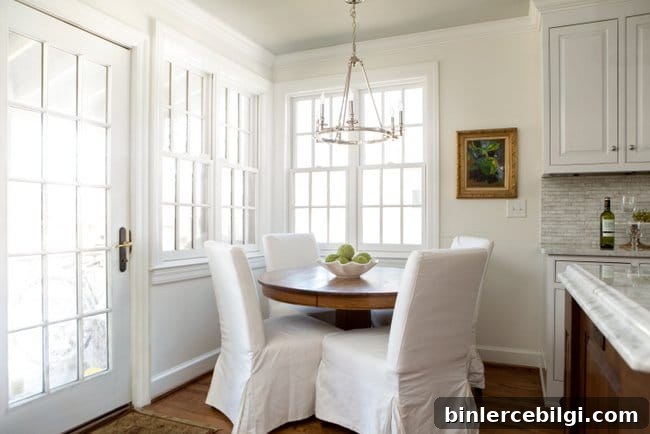
Coordinating Colors for White Dove OC-17
White Dove pairs beautifully with a wide array of colors. It works with soft neutrals, deep blues, warm woods, and many grays. Designers commonly pair White Dove with:
- Soft grays and greiges
- Deep navy blues
- Warm wood tones and chocolate browns
- Muted greens and blue-greens
Using the same white on both walls and trim often creates a seamless, sophisticated look; you can introduce subtle contrast by choosing different sheens — for example, eggshell on walls and semi-gloss on trim — to make millwork read brighter without changing color.
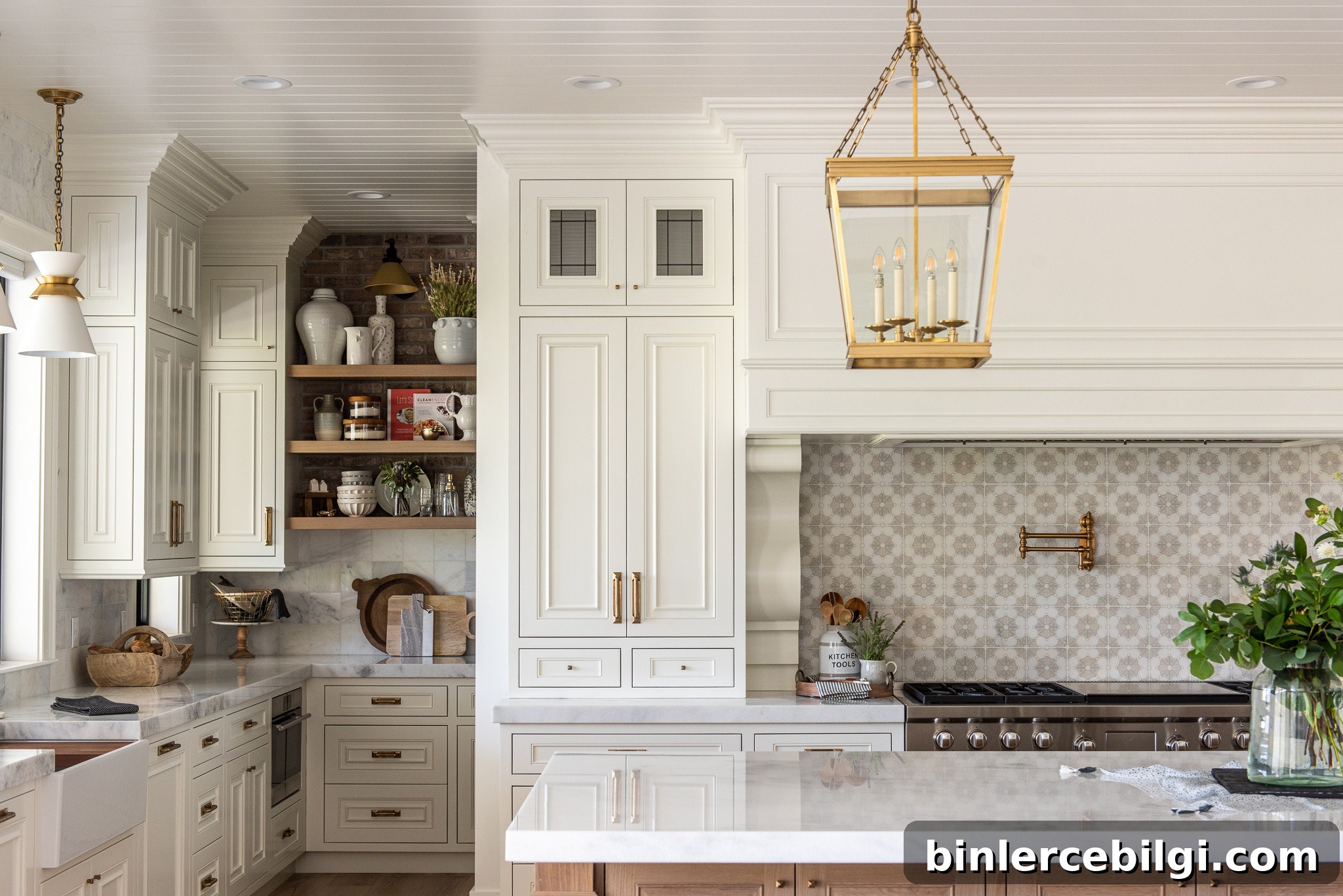
Is White Dove Too White?
No. White Dove is not a pure, clinical white. It contains soft yellow and gray undertones that give it warmth and depth. Compared to some very bright whites, White Dove is slightly richer and more forgiving, which makes it easier to live with in homes that favor a softer, more traditional aesthetic.
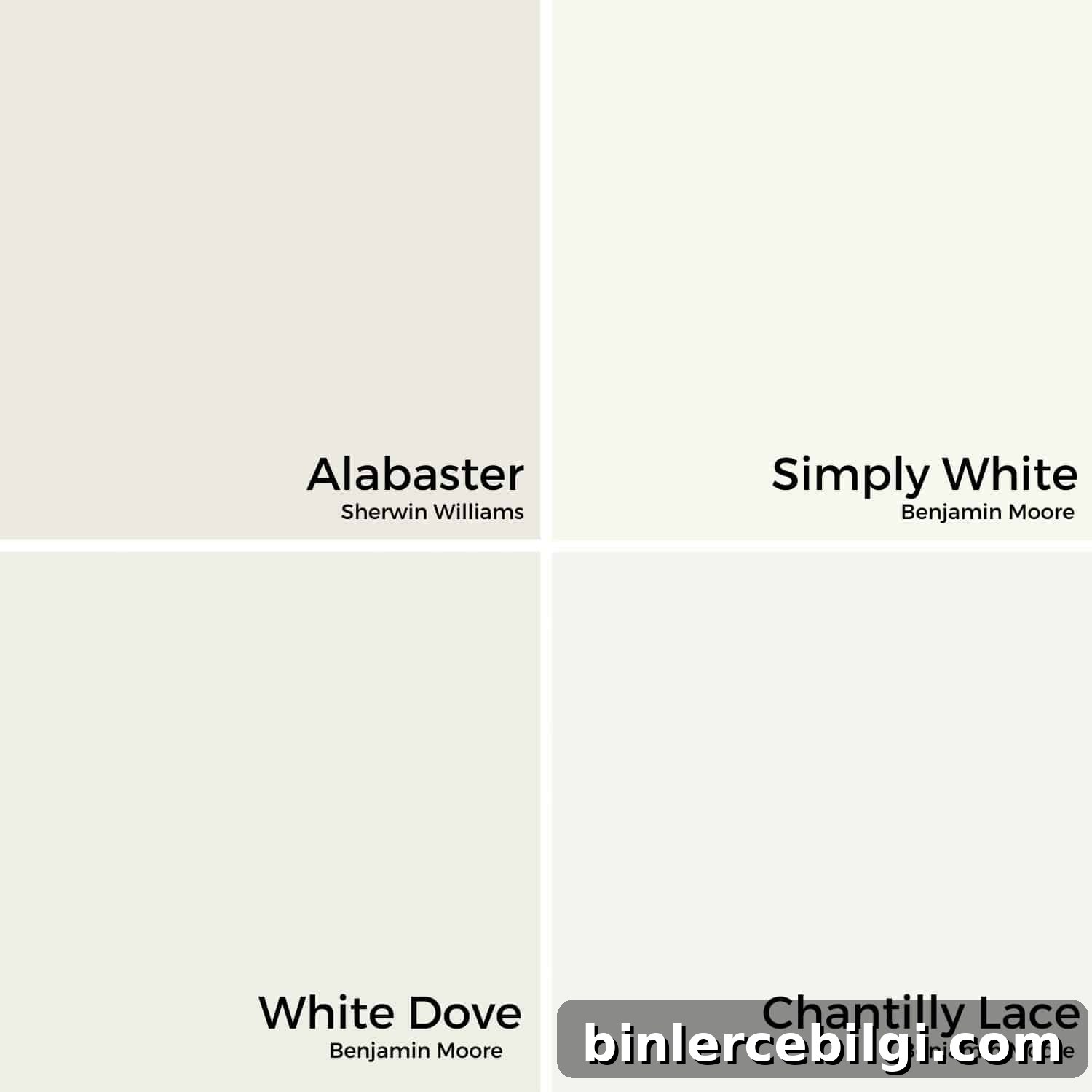
Is White Dove the Same as Sherwin-Williams Alabaster?
White Dove and Sherwin-Williams Alabaster are similar warm off-whites but not identical. White Dove typically reads a touch lighter and creamier, while Alabaster can read slightly warmer and more taupe in some lights. If you’re choosing between them, compare large painted samples in your room to pick the best match for your lighting and furnishings.
Where to Use Benjamin Moore White Dove
White Dove is among the most versatile paint colors available and can be used throughout a home. Typical applications include:
Works Well As
- Trim and moldings
- Wall paneling and millwork
- Interior walls
- Exterior siding and trim
- Ceilings
- Kitchen cabinets
How White Dove Feels
- Light and airy
- Soft and creamy
- Classic and timeless
Styles It Works With
- Traditional
- Classic
- Farmhouse
- Country
- Transitional
Room Examples of White Dove OC-17
Below are common room examples that illustrate how White Dove behaves with different materials and lighting:
Bedrooms
In bedrooms, White Dove offers a warm, calming backdrop that feels bright without being cold. It pairs well with wood floors, soft textiles, and muted accent colors.
Bathrooms
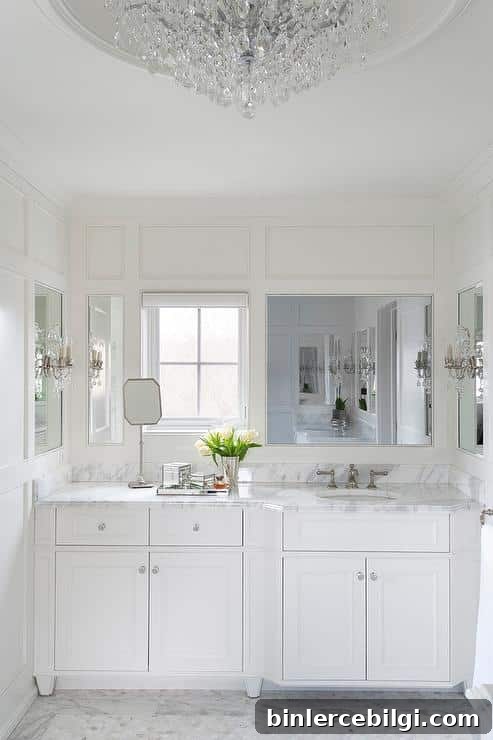
White Dove on cabinets, trim, and walls creates a unified look in bathrooms — clean and refined, but softer than a stark white. It complements marble and warm metal finishes nicely.
Kitchens
White Dove is a favorite for kitchen cabinetry and walls. It works equally well with light wood accents, dark countertops, stainless steel appliances, and warm brass hardware. The result is a welcoming kitchen that feels timeless.
Living Rooms
On living room walls, White Dove creates a versatile backdrop that plays nicely with color accents like blues, greens, and warm neutrals, and it helps soften architectural lines and unusual angles.
Exteriors
For exteriors, White Dove often reads slightly grayer in bright daylight and pairs beautifully with gray roofs, stone accents, and green landscaping. It achieves a polished exterior look that is neither too cool nor too creamy.
Frequently Asked Questions
Is Benjamin Moore White Dove warm or cool?
White Dove is primarily warm, thanks to subtle yellow-cream undertones, but it includes enough gray to prevent it from appearing overly yellow.
Does White Dove pair well with brighter whites?
Yes. Pairing White Dove with a brighter white can create a gentle contrast: use the brighter white for trim or cabinets and White Dove for walls to introduce dimension without harshness.
Will White Dove look yellow?
Not usually. Its yellow undertones are gentle and mostly undetectable unless placed next to a true, crisp white. In most settings it reads as a warm, soft off-white.
How to Choose a White Paint Color
Choosing the right white depends on light, furnishings, and materials in the room. Avoid selecting a white solely from a swatch or online image — paint several large samples on the walls and observe them at different times of day. Consider the room’s natural light, the undertones of flooring and furniture, and whether you want the space to feel warm or cool.
Other Popular White and Neutral Options
- Simply White
- Shoji White
- Alabaster
- Revere Pewter (for a greige option)
Tools to Help Paint a Room Yourself
When painting on your own, invest in quality brushes, painter’s tape, drop cloths, a comfortable paint cup, and a reliable roller tray with liners. Testing real paint samples — peel-and-stick or painted swatches — in your space is one of the simplest and most effective ways to ensure the color will behave as you expect.
White Dove remains a top choice for homeowners and professionals because of its balance, versatility, and enduring appeal. If you’re looking for a soft, warm white that works in almost any setting, White Dove is definitely worth testing in your home.