
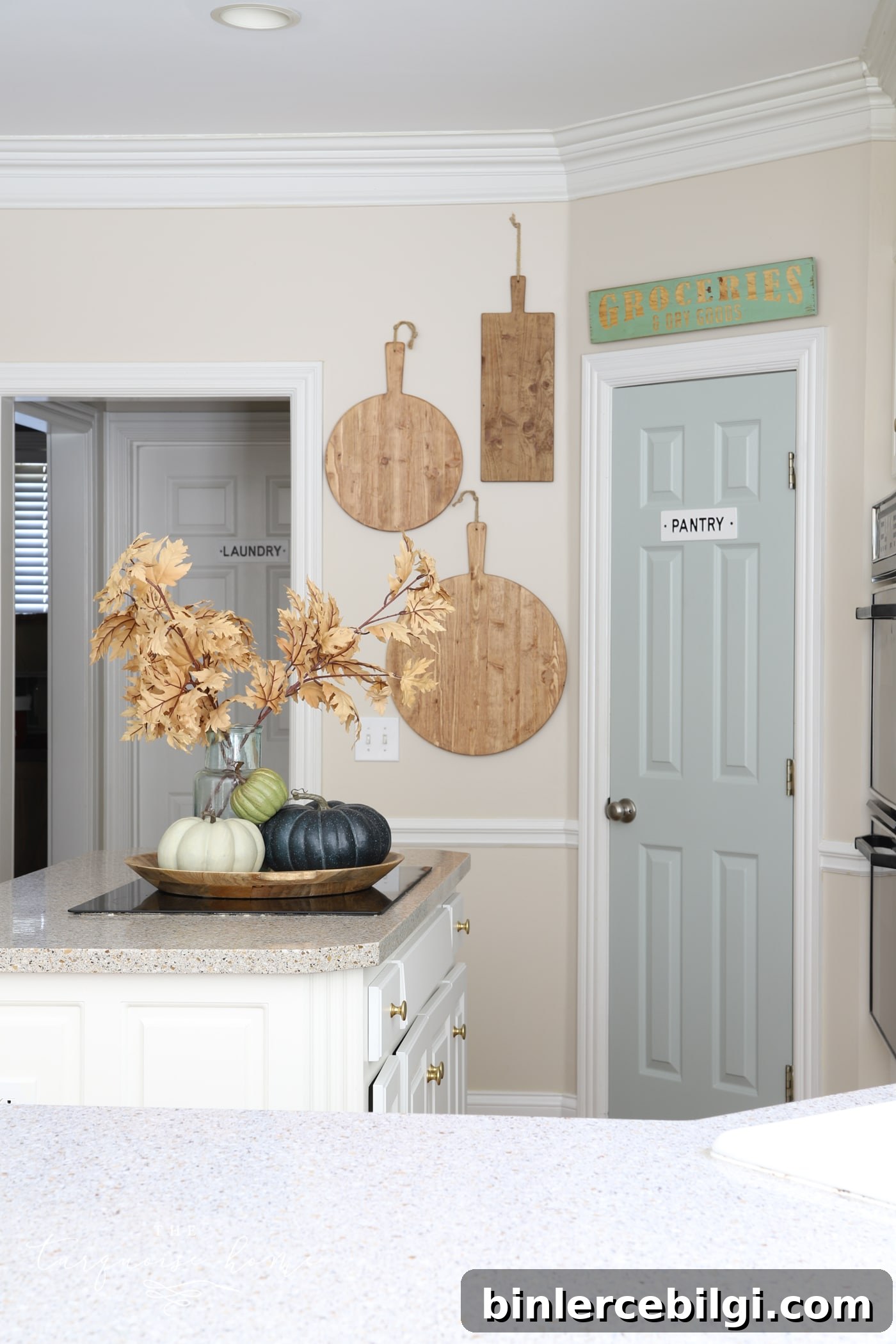
A recent trend is painting interior doors in non-white colors. Discover how this style can work in your home, tips for pulling it off, and inspiring interior door color ideas you’ll love.
Here are practical and stylish interior door paint ideas to consider.
For decades, interior doors were typically either stained wood or painted white, and trim often matched the door color. In recent years, however, painting interior doors in unexpected, non-white shades has gained momentum. This simple change brings personality, depth, and a fresh focal point without a major renovation.
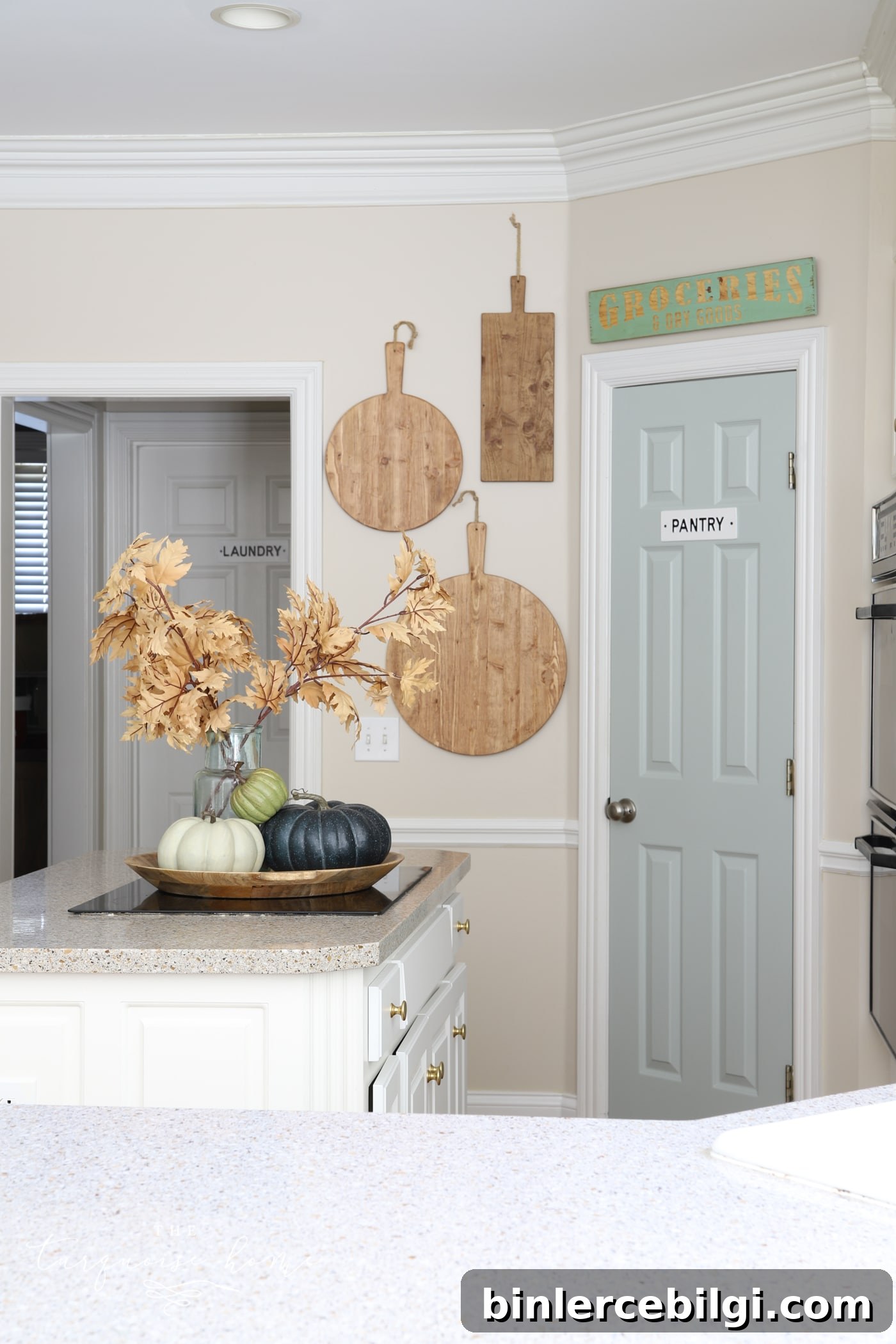
I recently painted my kitchen pantry door a different color and was cautious at first. After living with it for a few months I’m ready to paint more doors. If you’re nervous, start with one or two doors—an accent door is a low-risk way to try the trend.
The Trend of Using Non-White Interior Door Paint Colors
Today’s interiors often favor light, neutral wall colors—white, gray, greige, or beige—and minimalist decor. While neutrals create a calm backdrop, too much sameness can feel flat. Painting doors a contrasting or complementary color is an easy and effective way to add warmth and character without overwhelming a space.
That’s the appeal of this trend: it’s a small change with a big visual impact. Changing a door color is less permanent and less costly than redoing cabinetry or replacing large pieces of furniture, and you can repaint it quickly if you want a new look.
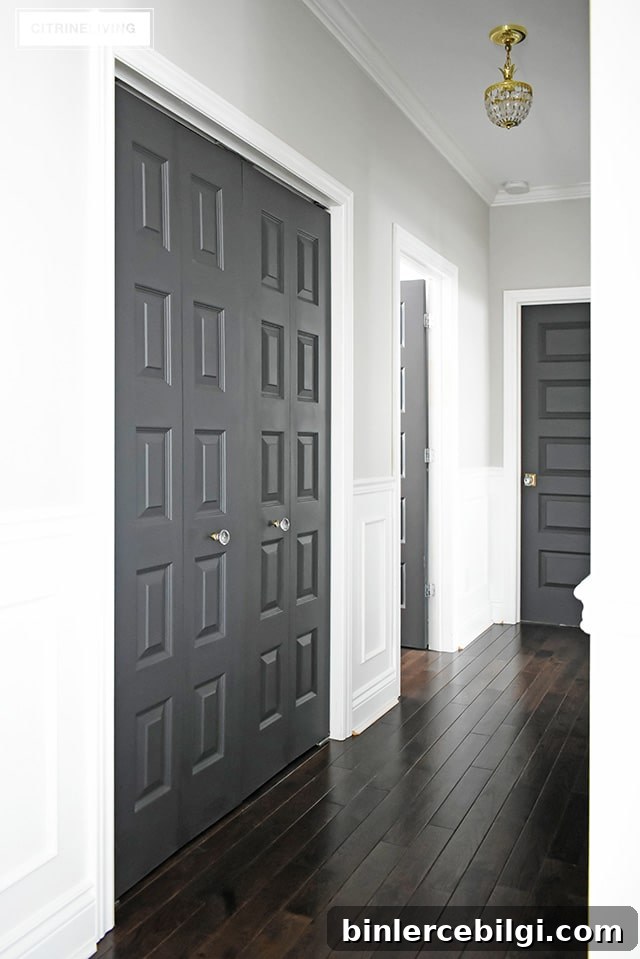
Beyond surface-level style, painted doors can help define zones in an open plan, highlight architectural details, and tie in with accent textiles or artwork. Plus, choosing a door color that complements existing finishes—hardware, flooring, and trim—keeps the look cohesive.
Do All Interior Doors Need To Be The Same Color?
No—your doors don’t have to match exactly. The key is cohesion. You can choose a single color for most doors and reserve a different shade for accent doors like a pantry, closet, or entry. If you pick multiple colors, keep the finish, hardware, or trim consistent to maintain a unified feel across rooms.
Painting every interior door the same color works beautifully if you want a streamlined, intentional look. Alternatively, using different colors strategically—one for bedrooms, another for utility areas—adds interest without chaos.
Do Interior Doors Always Have to Match the Trim?
Not at all. Door and trim color is a stylistic choice that depends on the effect you want. Matching doors and trim feels classic and formal. Contrasting them can highlight the door as a design element. Many contemporary spaces look excellent with bold door colors against crisp white trim, or with matching door and surrounding trim for a monochromatic, architectural statement.
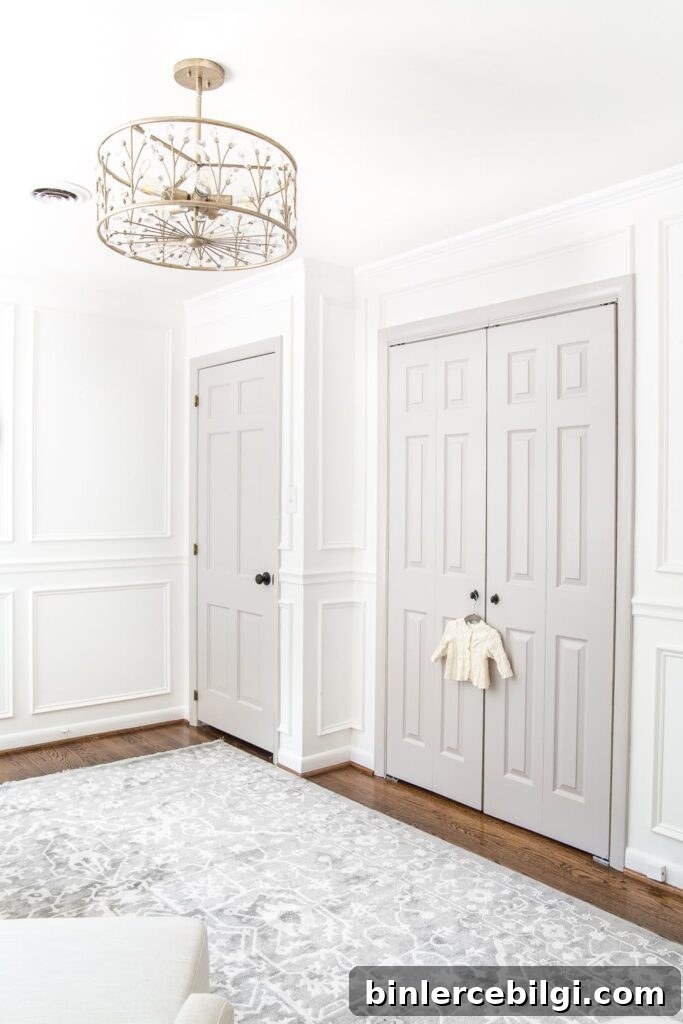
Ultimately, paint choices should reflect how you live in and feel about your home. If you enjoy a bold, dramatic look, let your doors stand out. If you prefer quiet elegance, choose colors that harmonize with trim and walls.
9 Gorgeous Examples of Interior Door Paint Colors
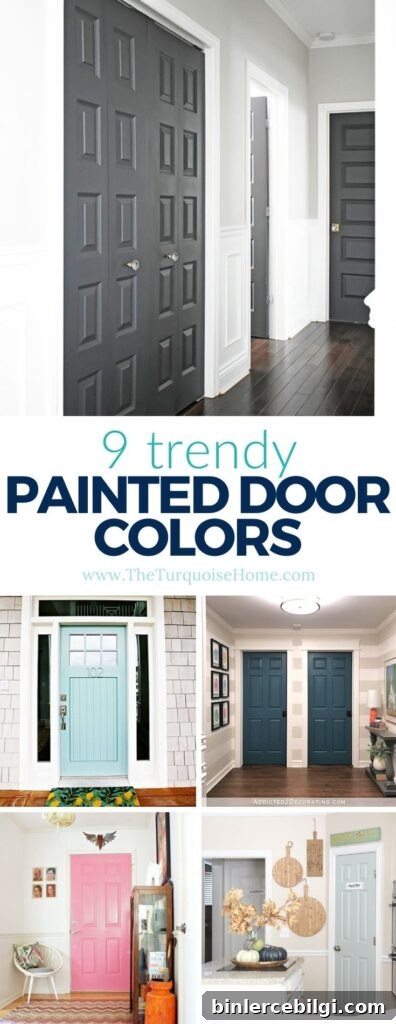
Seeing different examples helps you imagine how a color will read in your space. Below are nine approaches—from subtle neutrals to bright, playful hues—that demonstrate how painted interior doors can instantly change the mood of a room.
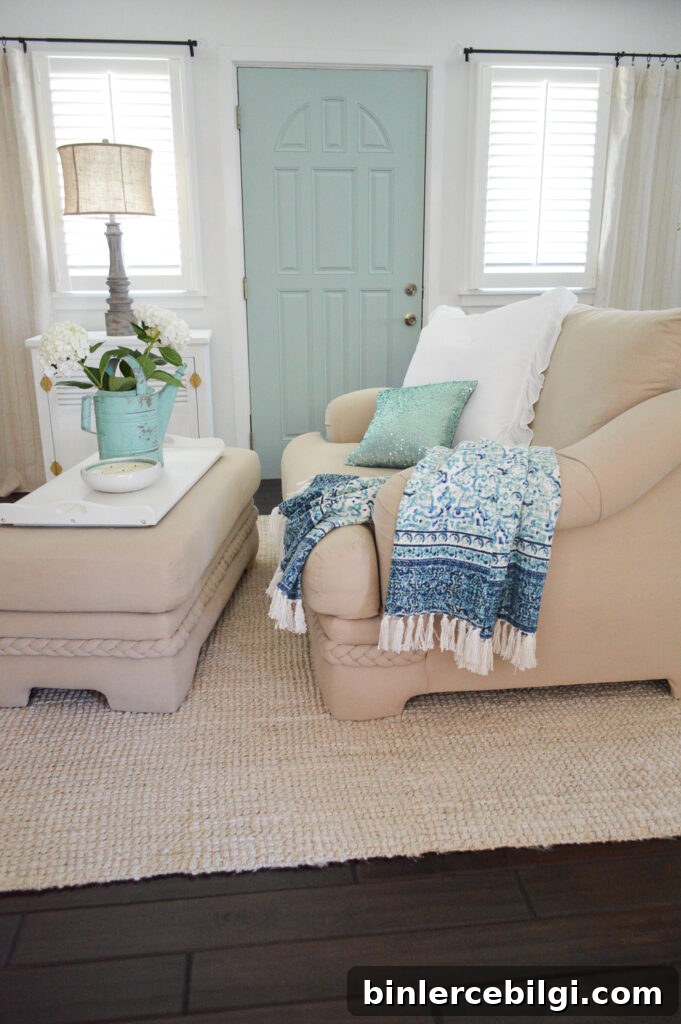
1. Pops of Blue
Soft, muted blues and aqua tones make excellent accent colors for doors. They bring a calm, coastal vibe without dominating the space. Try a muted Wythe Blue-style shade to add personality while still allowing flexibility with surrounding decor.
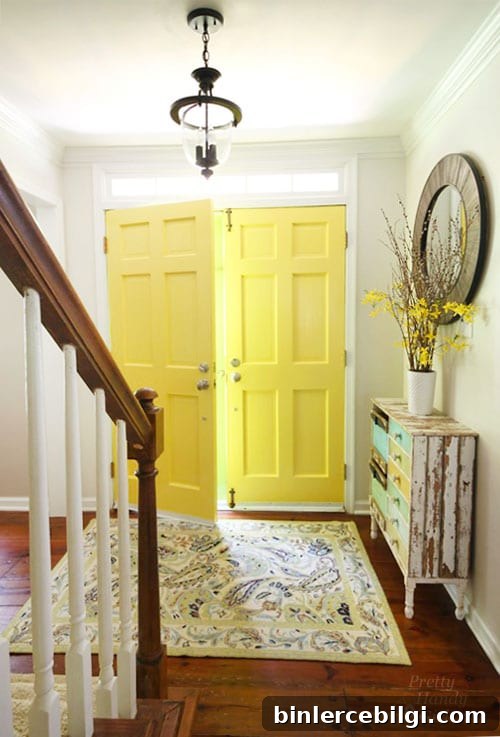
2. Bright Rays of Sunshine
If you want an instant mood lift, consider a cheerful yellow. A highlighter or sunflower shade brings optimism and vibrancy to an entryway or kid’s room. Balance the brightness with neutral walls or muted accessories if needed.
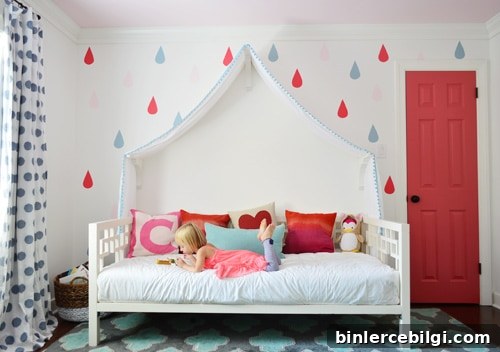
3. Raindrops and Rose
Bold reds or poppy shades are playful and energizing—especially great for children’s rooms or creative spaces. A vibrant red door becomes a focal point and adds whimsical charm.
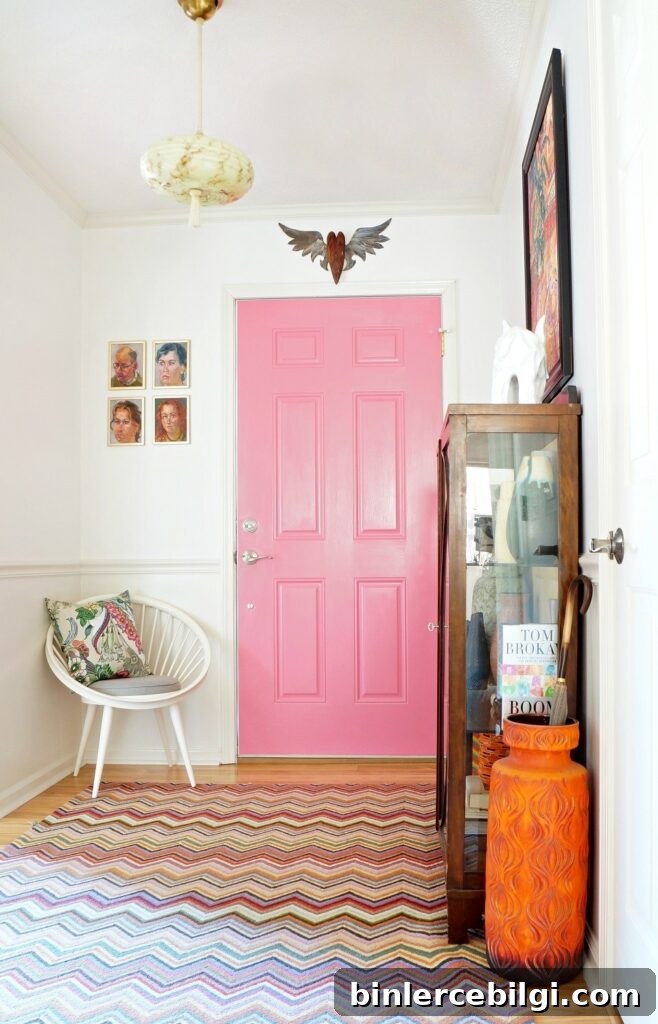
4. Pink Boho
Warm pinks—pulled from a rug or artwork—can create a soft, bohemian look. Pink tones pair beautifully with natural wood, woven textures, and eclectic decor for a welcoming, feminine touch.
5. Go Deep
Deep blues or navy doors read as sophisticated and dramatic. These shades strike a balance between bold and refined, grounding a hallway or focal wall while complementing light walls and dark flooring.
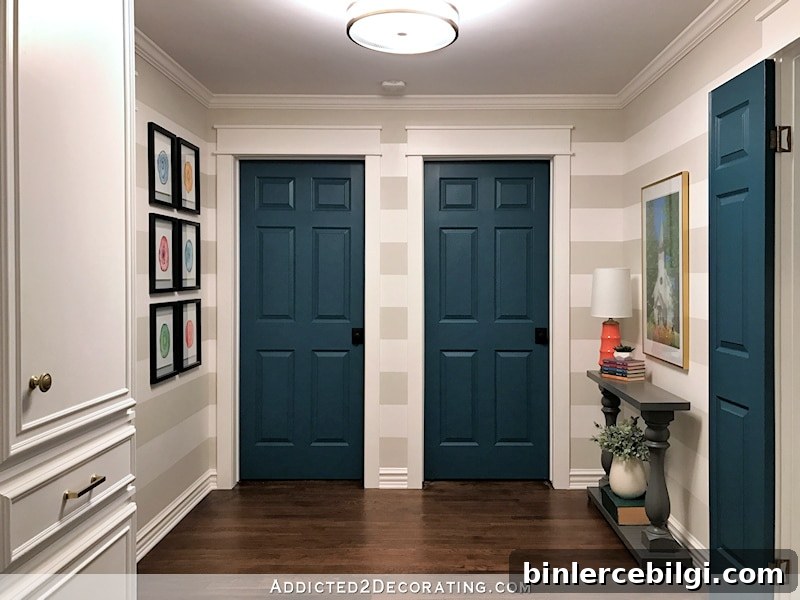
6. Subtle Blue-Gray
For a softer option, a blue-gray or greige offers understated personality without competing with other elements. These muted tones are versatile and easy to live with long term.
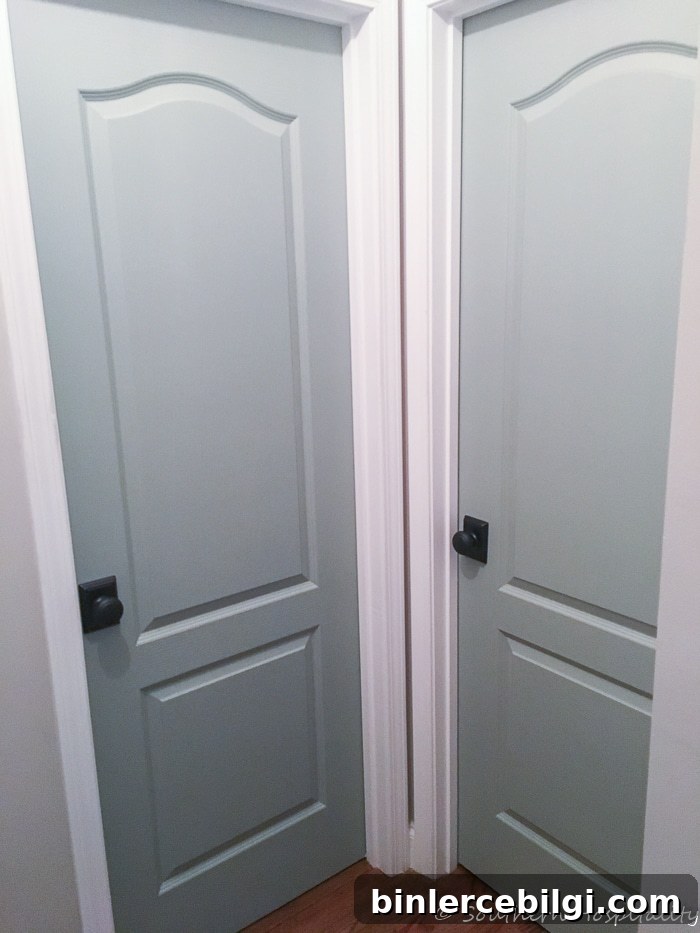
7. Classic Colors
Black doors remain a timeless choice. A black-painted interior door reads as elegant, bold, and modern—especially when paired with simple door styles and contrasting light walls.
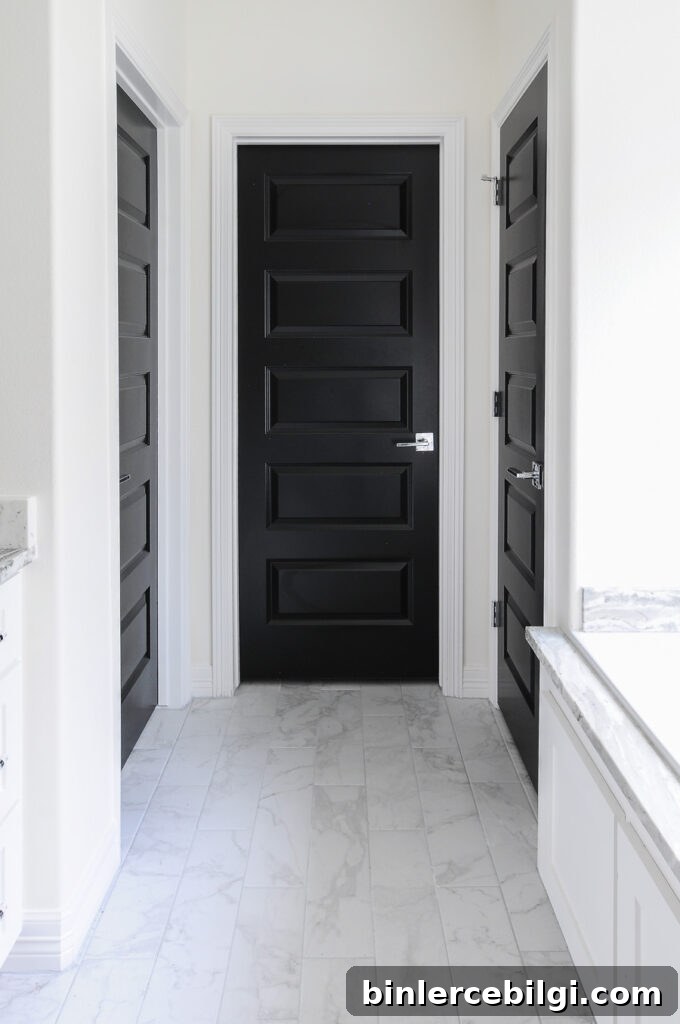
8. Warm Dark Neutral
If black feels too stark, dark warm grays give the same depth with softer warmth. A charcoal or warm gray door integrates smoothly with many color schemes while still anchoring the space.
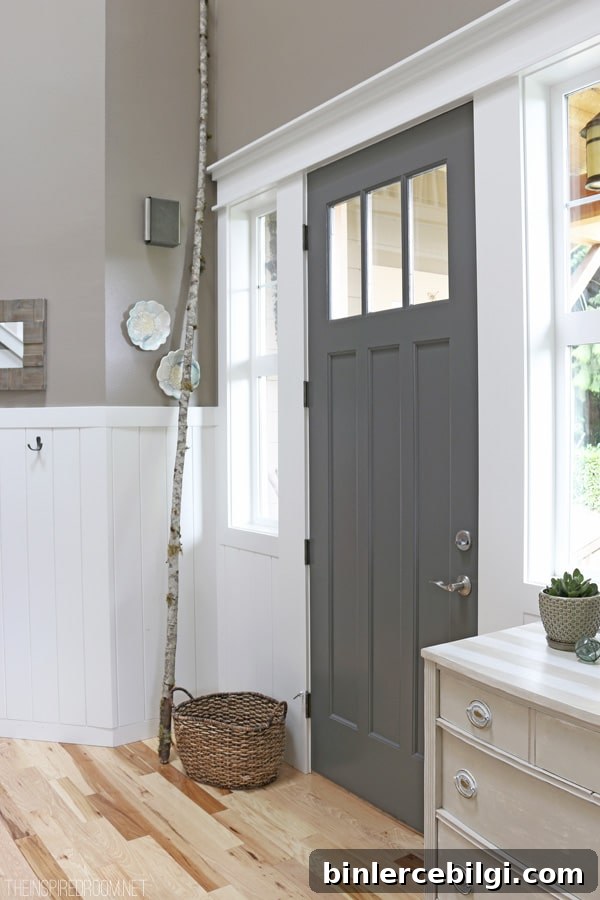
9. Color Punch
Bright green or unexpected jewel tones make a daring, energetic statement. When paired with complementary wall and trim colors, these doors create a lively, curated look that feels intentional.
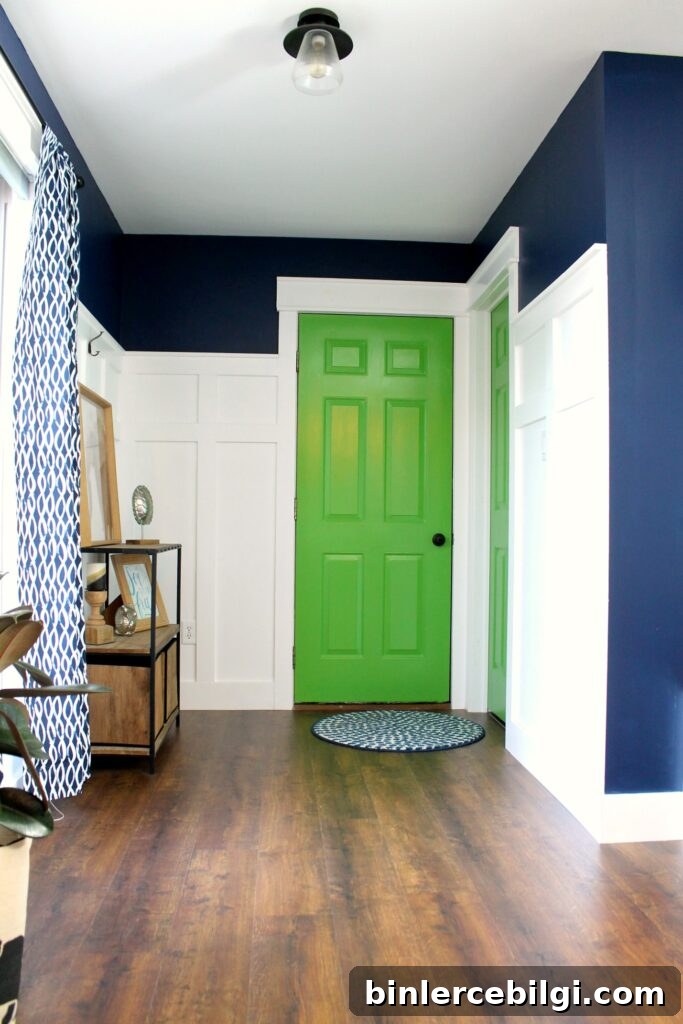
From subtle neutrals to bold color statements, painting interior doors is a versatile, affordable way to update your home’s style. Start small, test a color on a single door, and see how it transforms the room.
Which style speaks to you most? Consider your lighting, existing finishes, and the mood you want to create when choosing a color, and don’t be afraid to experiment.
More Paint Inspiration
- How to paint a room like a pro in 5 easy steps
- The best living room paint colors
- The best gray paint colors for your home
More posts you will love
Explore articles and real-room examples to help you select the perfect hues and finishes for your doors, walls, and trim. Try a sample on a small area first, view it at different times of day, and choose a sheen that suits the door’s use—satin or semi-gloss typically works best for durability.