
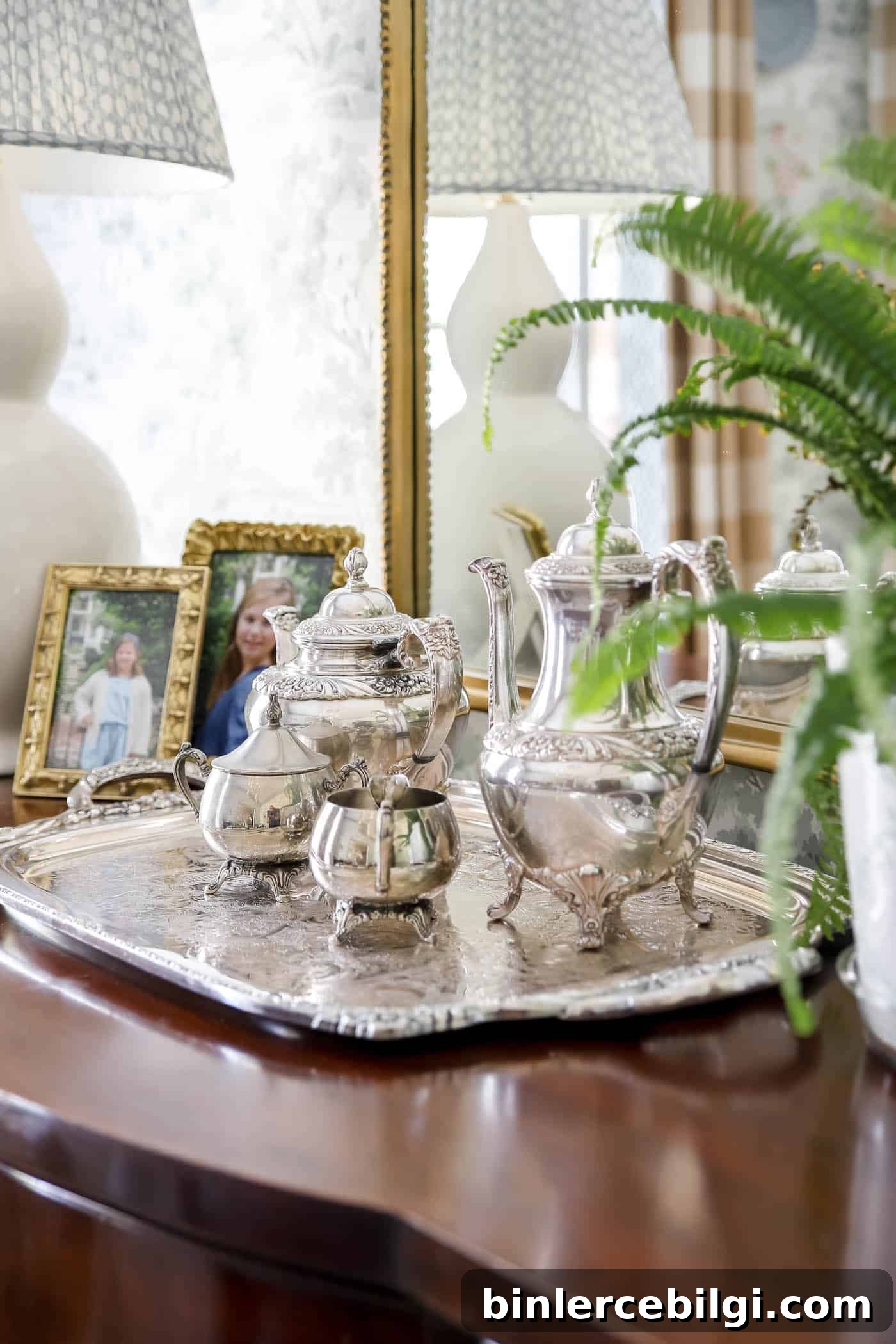
Not sure what to do with inherited silver? Discover simple, beautiful ways to display antique silver serving pieces and make family heirlooms part of everyday decor.
When my grandmother passed away last year, I was honored to receive several of her silver pieces. I had already inherited her dining room furniture, so returning the silver to that space felt like a natural reunion. It was a comforting way to keep family history visible in our home.
At first I stashed the pieces in drawers and cabinets, unsure how to use them. But it didn’t take long to realize these treasures were too lovely to hide away. I began looking for thoughtful, practical ways to display them so they would be seen and enjoyed every day.
I now keep several pieces out on counters, shelves and tables. Yes, they may need polishing more often, but having them in regular use keeps them in my sight and my care. Using heirlooms alongside modern items makes a home feel collected rather than museum-like, and it allows those objects to keep doing what they were made for: being useful and beautiful.
Heirloom silver doesn’t have to read as old-fashioned. When mixed with warm wood, woven textures and contemporary accents, antique silver fits easily into modern interiors. Below I’ll share how I’ve given each piece a place and purpose in my home.
Note: You don’t have to inherit silver to start decorating with it. I began with family pieces, but I also enjoy hunting for affordable finds at antique shops and flea markets.

Want to Save This?
Enter your email below and I’ll send it directly to your inbox!
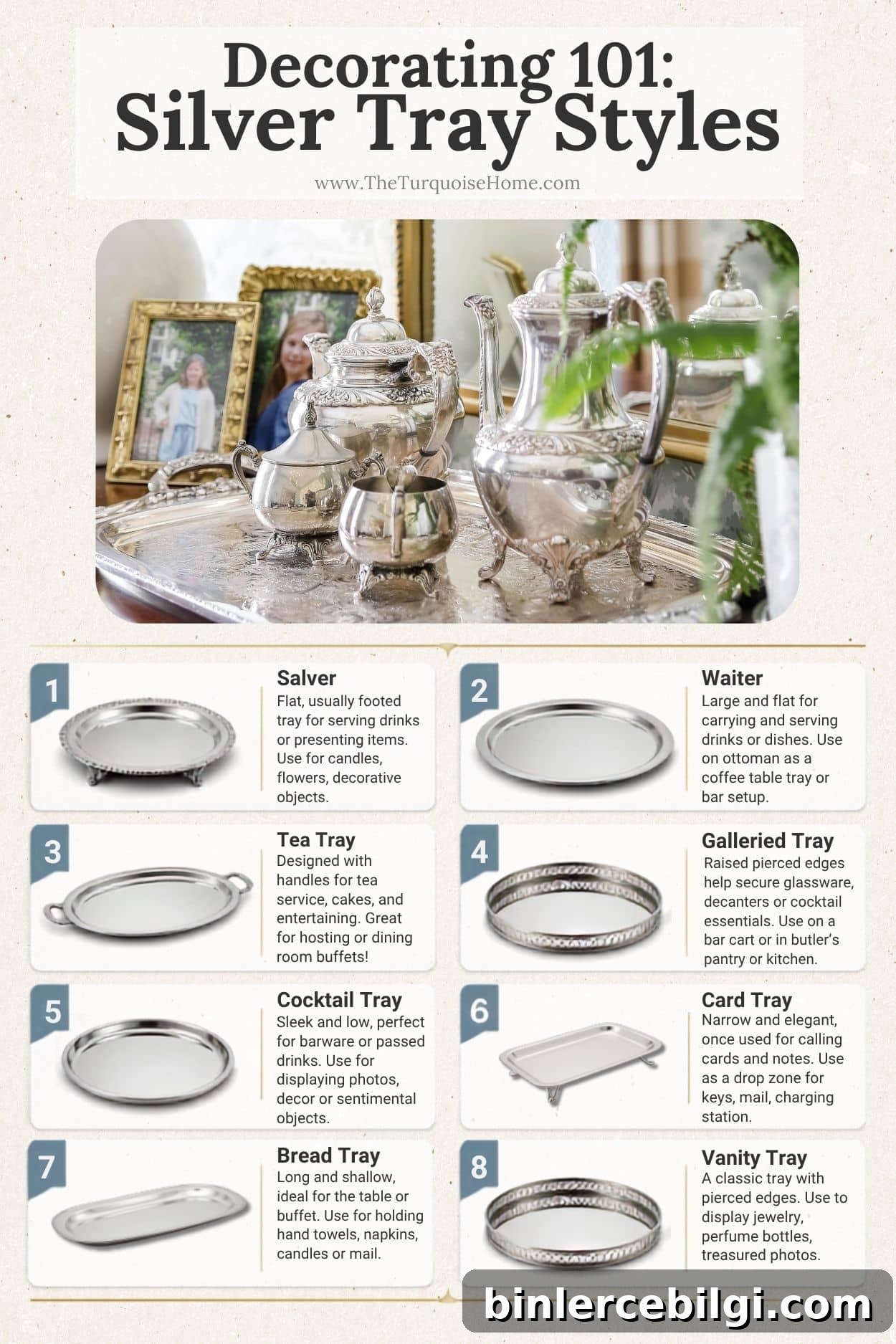
Common Types of Antique Silver Serving Pieces (and What They Were Used For)
If you’re new to collecting or inheriting silver, it helps to learn the names and traditional uses of common pieces. When I first examined my grandmother’s collection, I realized I didn’t always know which item was which. Knowing a piece’s original purpose can spark ideas for how to repurpose it well in your home.
For example, a silver card tray that once held calling cards can be repurposed as a charging station or a small catchall. Trays, bowls and pitchers are especially versatile and adapt to many rooms in the house.
Why Silver Still Works in Today’s Homes
Antique silver can feel formal, but when mixed with casual pieces it suits contemporary homes beautifully. The key is to blend silver with everyday items so it feels lived-in rather than reserved for special occasions. A single tray, bowl or pitcher can add a touch of shine and history to a Wednesday morning as easily as to a holiday table.
I love how the mellow patina on older silver gives each piece personality. Pairing it with different textures and finishes—wood, pottery, woven baskets and linen—creates a layered, collected look that makes rooms feel personal and welcoming.
Antique and vintage silver pairs especially well with:
- Warm wood: Wood’s texture and tone keep silver from feeling too formal and help both finishes stand out.
- Woven textures: Rattan and woven baskets add a relaxed contrast that balances silver’s sheen.
- White dishes: Clean white ceramics make silver look classic and timeless—whether in a cabinet or on the table.
- Blue and white pottery: This classic combination gives a collected, curated feel.
- Greenery: Fresh or faux stems in a silver pitcher soften the metal and make it more casual.
- Brass: Mixing metals creates depth and prevents a space from feeling too uniform.
- Books and everyday decor: Stack books and place a small silver item on top, or mix silver with candles, frames and lamps you already own.
Using silver regularly reminds me that these items are meant to be enjoyed, not stored away. A mismatched collection gathered over time has far more charm than a perfectly matched set kept out of sight.
How to Use Antique Silver in Your Home
1. Decorate with Antique Silver Trays Throughout Your Home
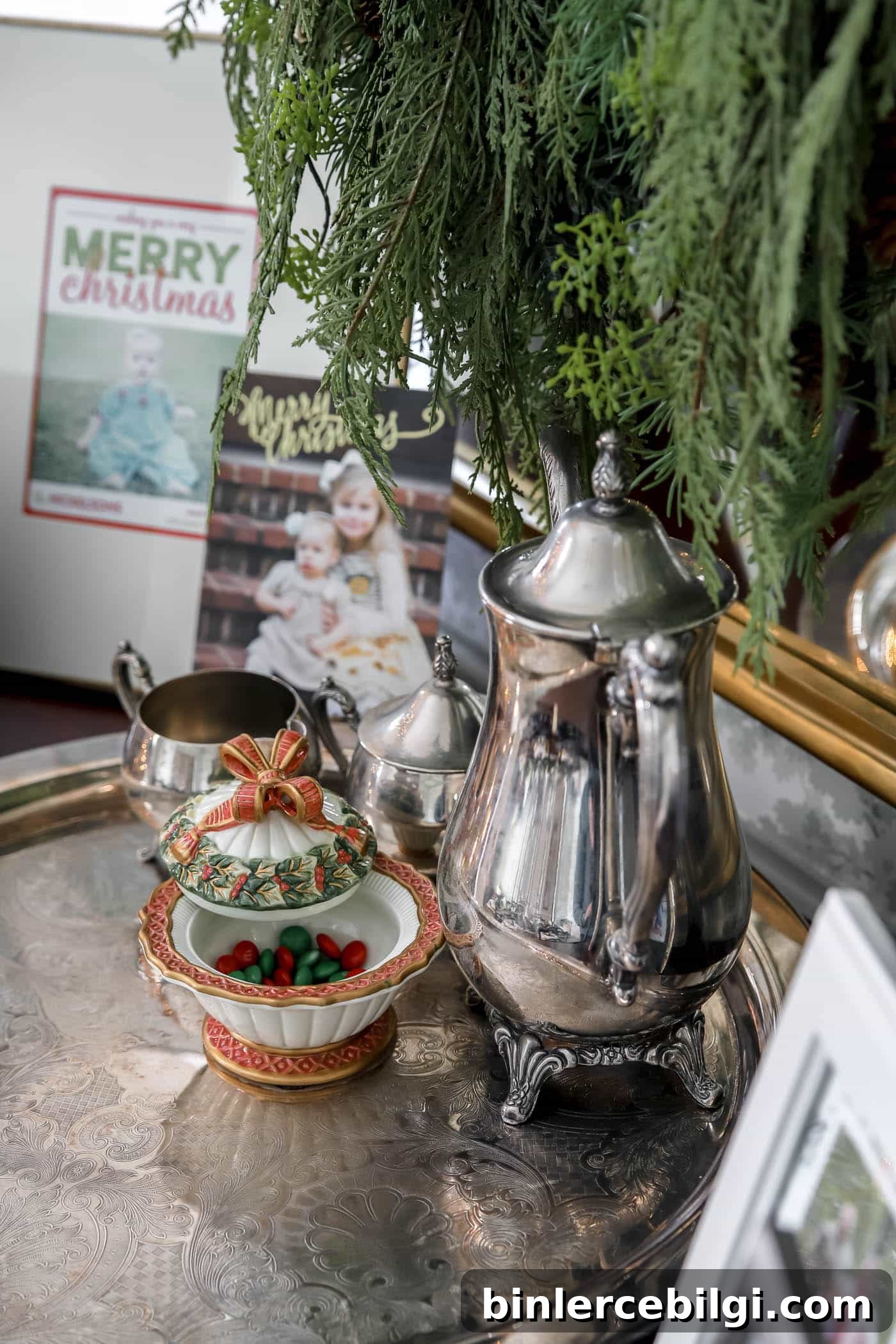
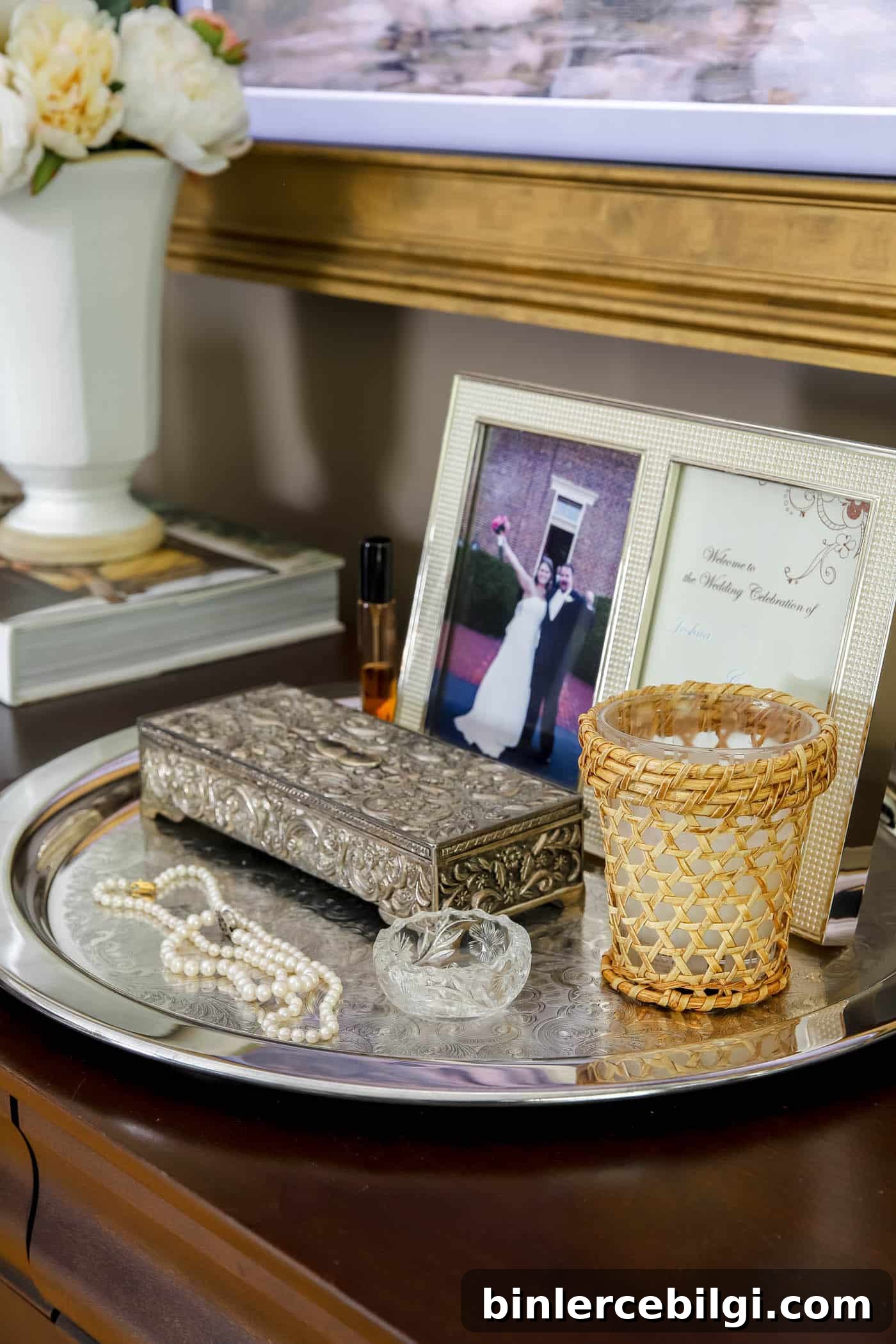
Antique silver trays and platters are among the most useful pieces to collect. They make excellent bases for vignettes on coffee tables, dressers and buffets. Use a tray to corral a stack of books, a candle and a small vase, or place a tray on a kitchen counter to organize daily essentials.
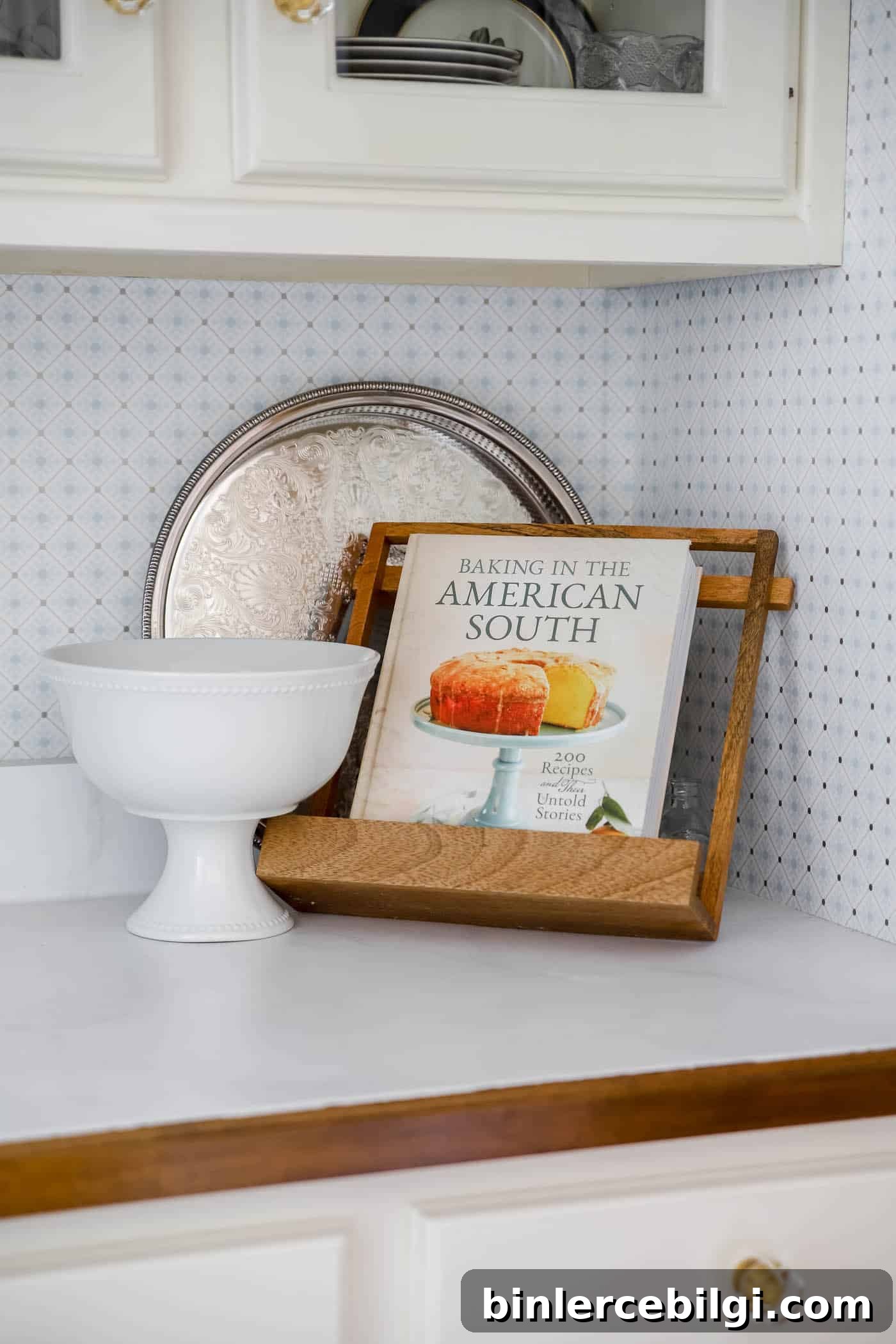
A large platter can be leaned against a wall on open shelving or behind decor to create an interesting backdrop. I lean a large silver platter behind a cookbook in my pantry; the contrast of ornate silver, warm wood and simple white dishes feels elevated but still approachable.
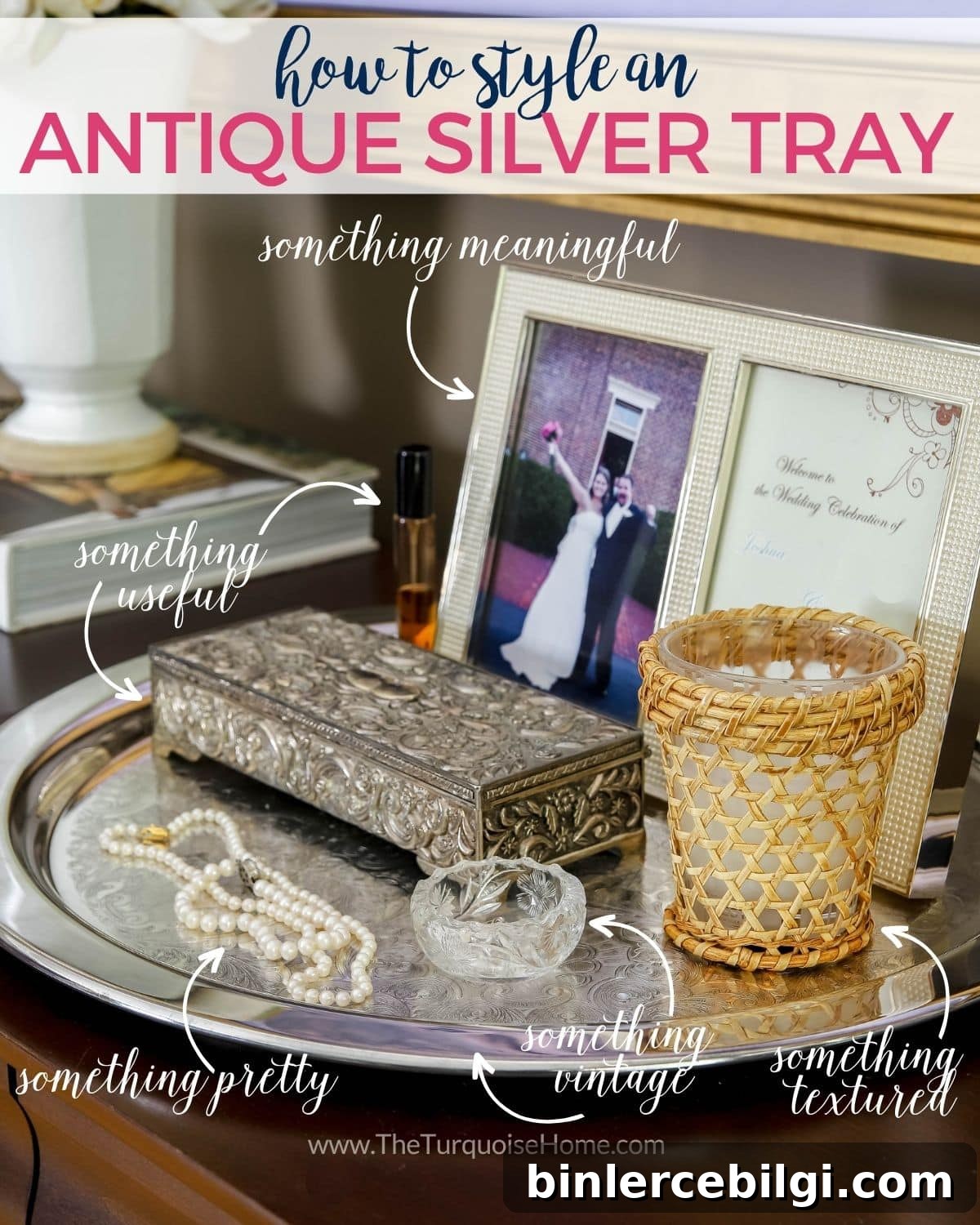
Trays also look lovely on bedroom dressers layered with personal items—framed photos, a jewelry box, a dish for rings and a candle. Scattering silver pieces throughout your home, rather than grouping all of them together, creates a collected-over-time look that feels lived-in and warm.
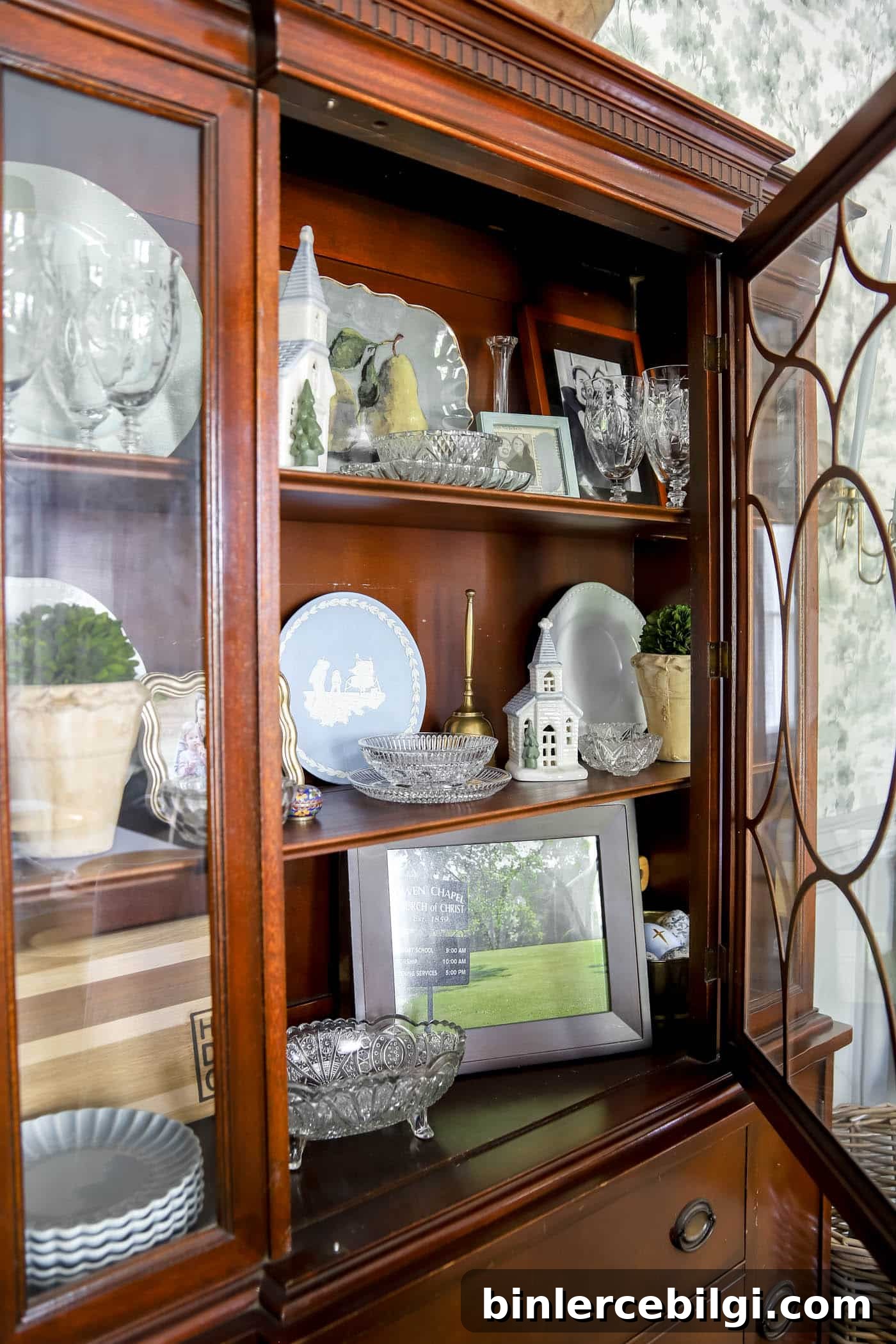
A china cabinet or open shelving is another great place to display individual pieces alongside glassware, pottery and books. Mixing finishes and textures keeps silver from reading as overly formal.
2. Turn Silver Bowls Into Pretty Catch-Alls
Small silver bowls are perfect for everyday functions: keys in the entryway, jewelry on a dresser, matches beside a candle, wrapped candy in the living room, or toiletries in a guest bath. They also make excellent seasonal vessels: fill a bowl with pinecones in autumn, pastel eggs in spring or ornaments at the holidays.
If you don’t inherit small bowls, keep an eye out for them at thrift stores and antique shops. They’re useful and often affordable.
3. Use Silver Pitchers and Vessels as Vases
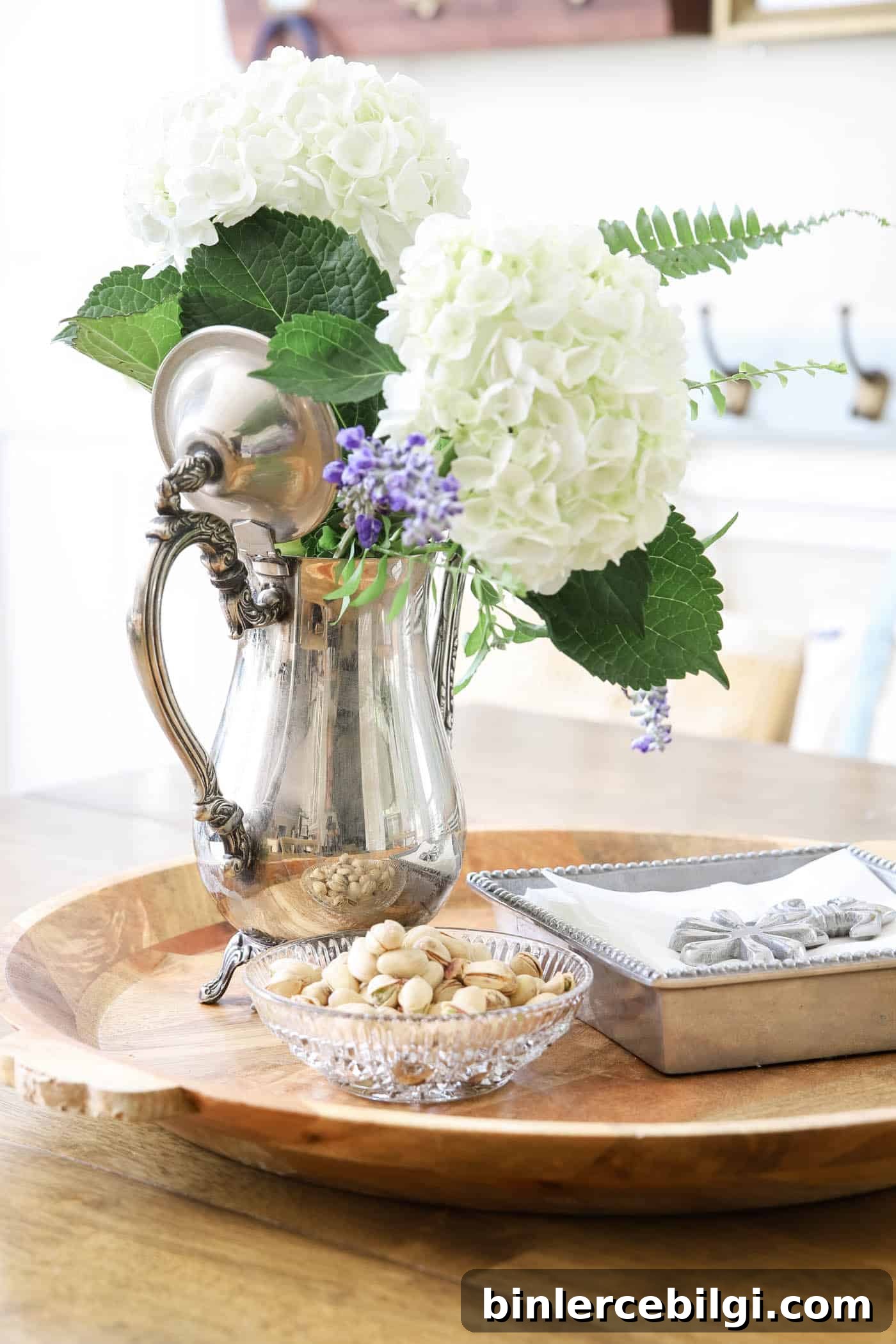
Silver pitchers, teapots and creamers make charming vases. Their shapes add character, and fresh flowers soften the metal and make the pieces feel at home. I’ve used a tea pot to hold white hydrangeas and garden blooms—the slightly tarnished finish looks beautiful next to soft flowers and a warm wood tray.
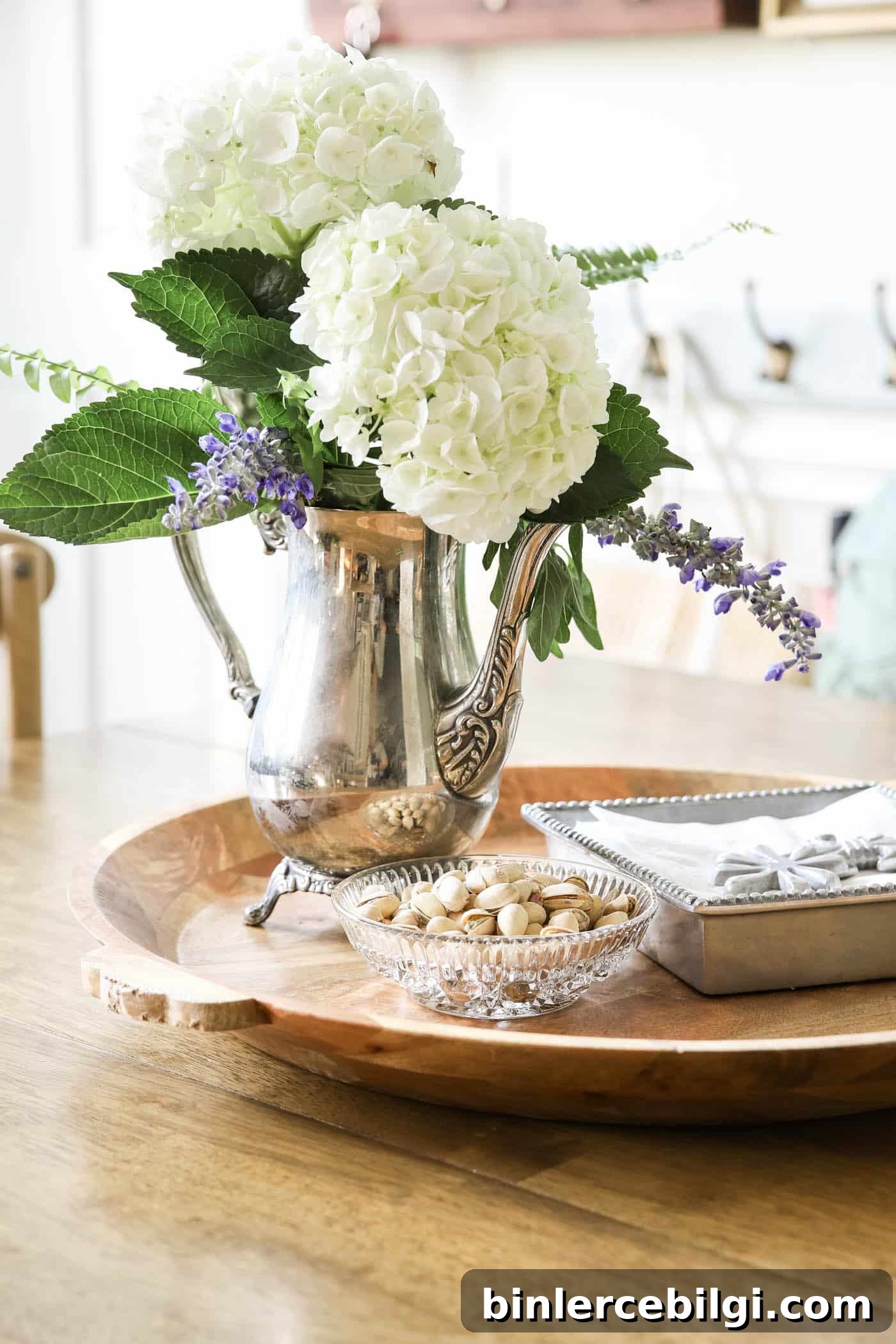
Swap blooms seasonally—tulips in spring, hydrangeas in summer, colorful branches in fall, and evergreen clippings at Christmas—to keep arrangements fresh and meaningful.
4. Mix Antique Silver With Your Everyday Decor
You don’t need a home full of antiques to make silver work. In fact, silver looks best when it sits beside things you use and love. A small card tray can become a modern charging station. A platter can display everyday items. Mixing old and new creates interest and warmth.
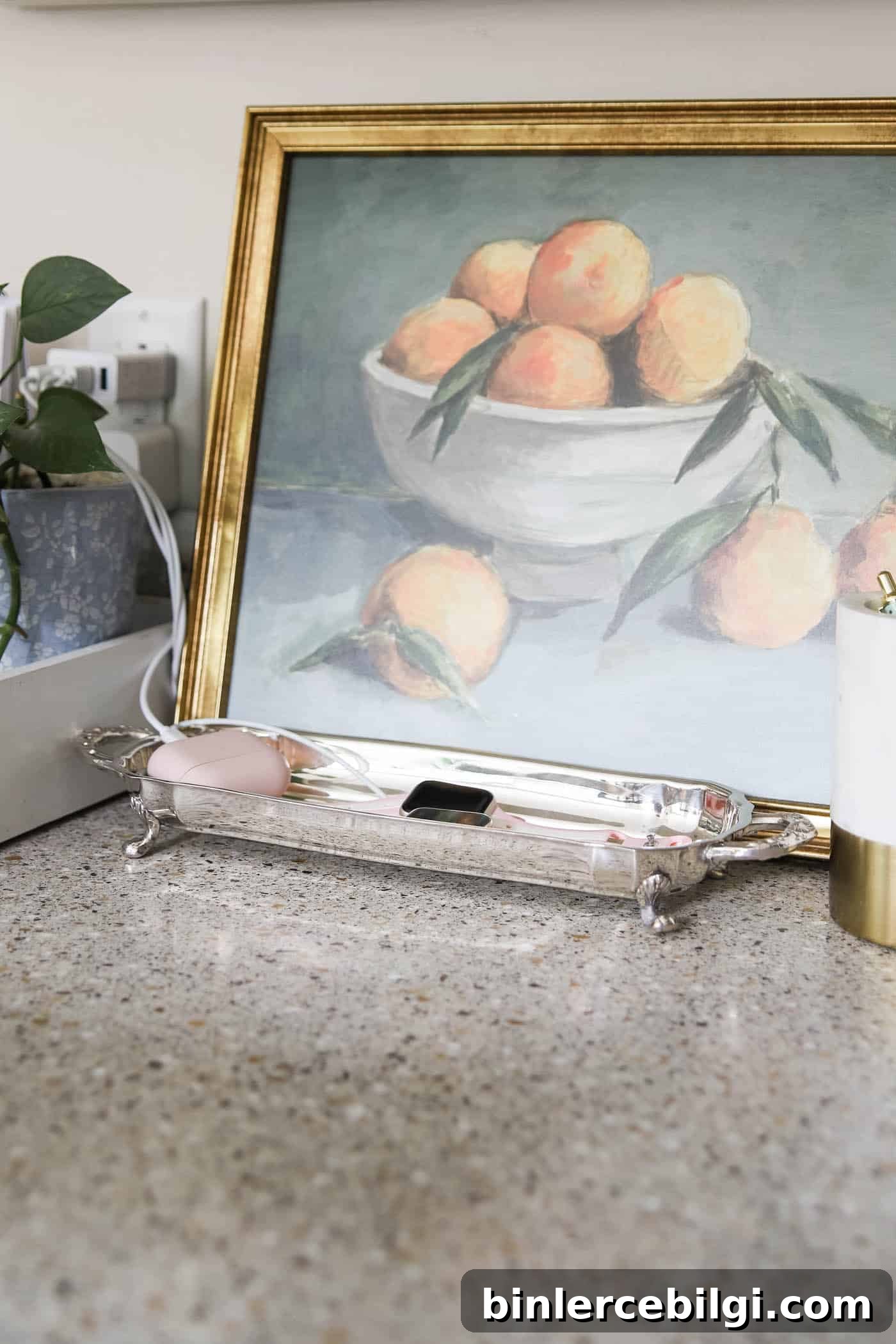
Pair silver with blue and white pottery, natural wood, wicker, linen and books to keep the look relaxed. Mixing metals—silver with brass or warm gold—also helps pieces blend into the room rather than stand apart.
Can You Mix Silver and Brass?
Yes. Mixing silver and brass brings depth and visual interest. You don’t need everything to match—combining finishes makes a space feel collected and layered.
5. Actually Use Your Silver for Entertaining
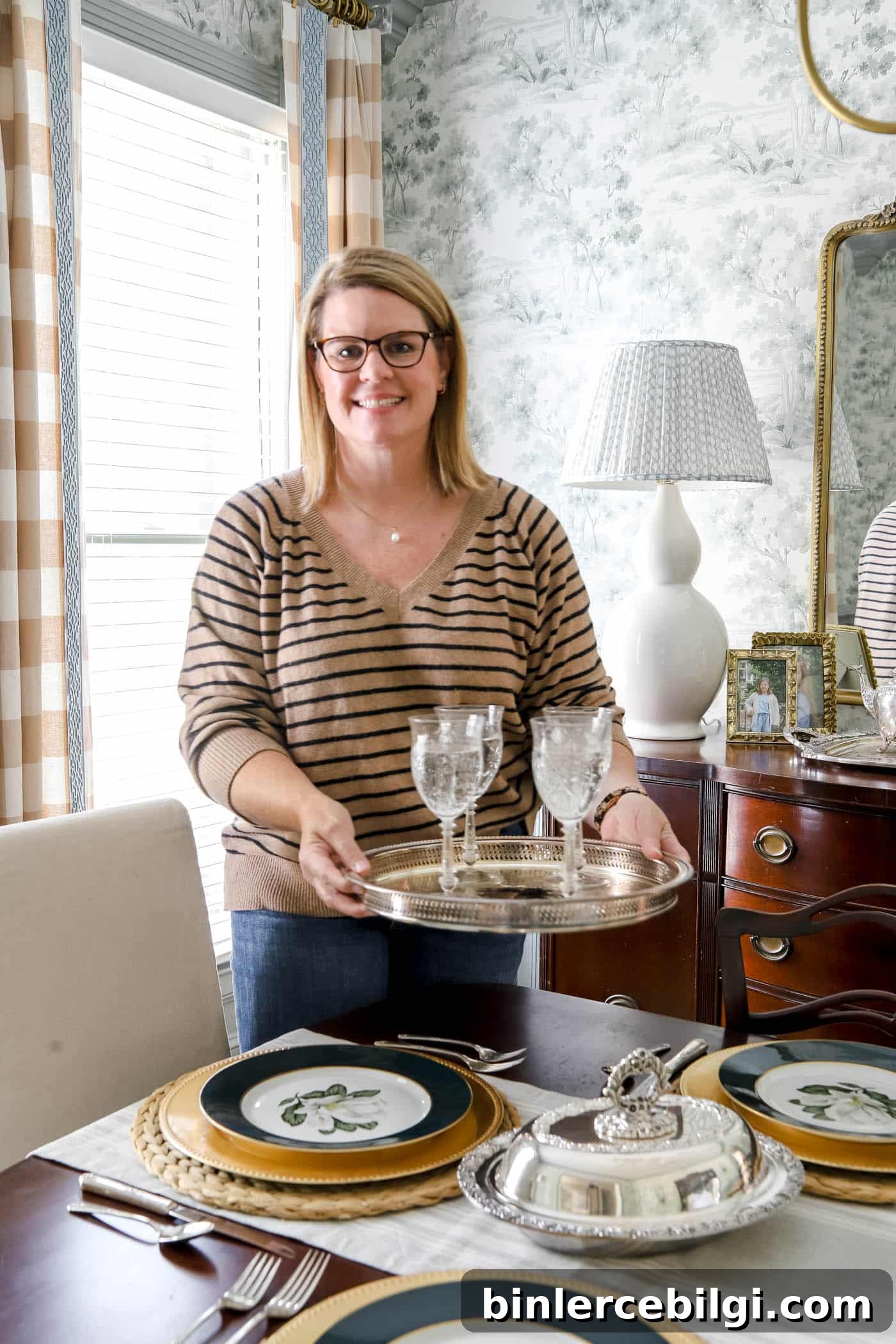
One of the best joys of owning heirloom silver is using it for gatherings. Pull out trays, bowls and pitchers for holidays, showers, brunches and casual get-togethers. Serving even simple treats on a family piece makes the moment feel special and connects you to memories of past meals and celebrations.
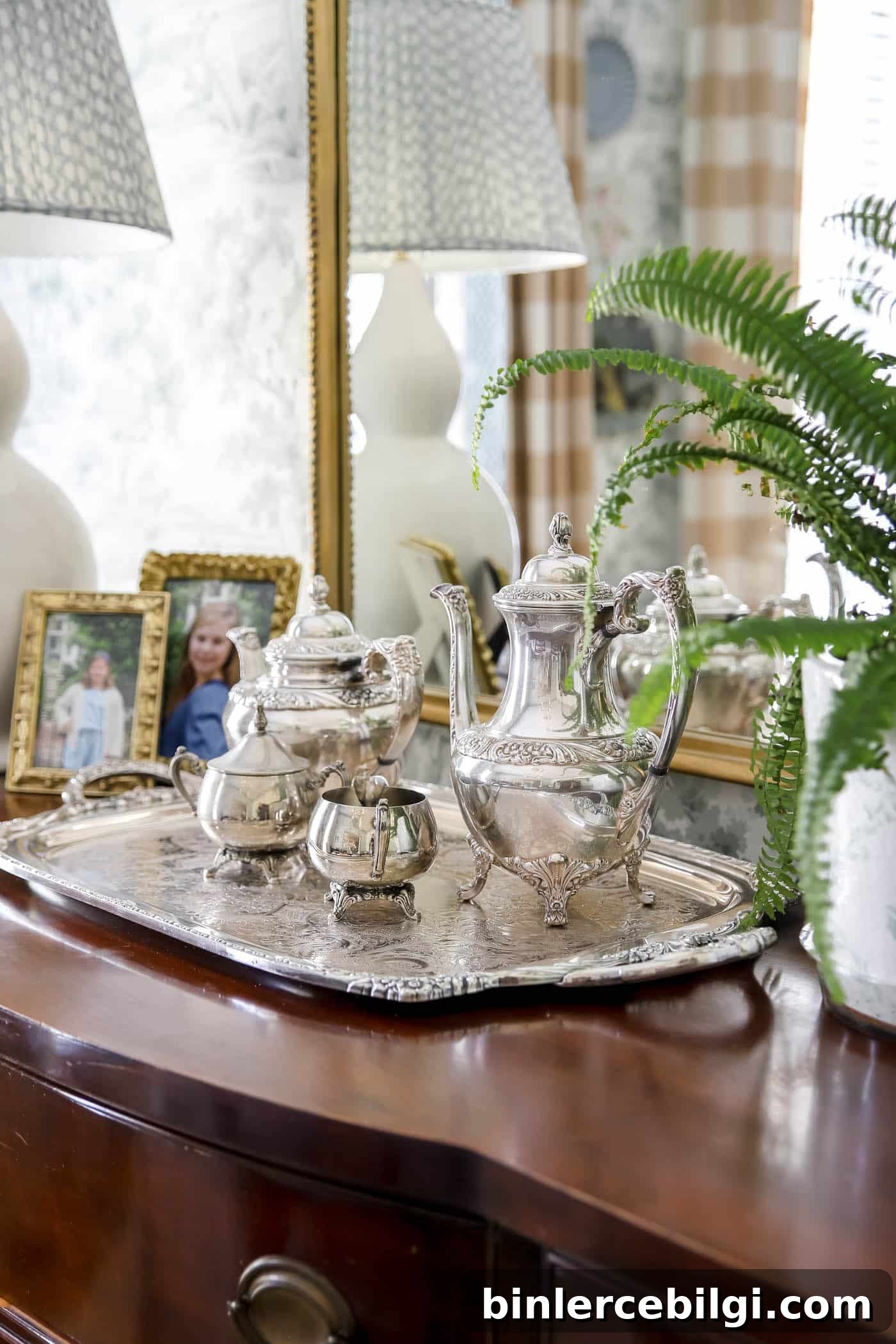
There’s a worn spot on my great-grandmother’s coffee pot where the plate has rubbed through, and I love that mark—it tells a story of use and of hands that once held it. I prefer seeing these pieces in active use rather than locked away for an imaginary someday.
How Do You Know If Inherited Silver Is Valuable?
I value my grandmother’s silver for the memories it carries, but I also enjoy learning about its maker and history. Value depends on several factors:
- Sterling vs. silver plate: Sterling contains a higher percentage of silver and generally has greater intrinsic value than plated pieces.
- Maker: Well-known silversmiths and manufacturers can be more collectible.
- Age: Older pieces may be desirable, though age alone doesn’t guarantee value.
- Pattern: Discontinued or sought-after patterns can increase demand.
- Condition: Dents, deep scratches and worn plating reduce value.
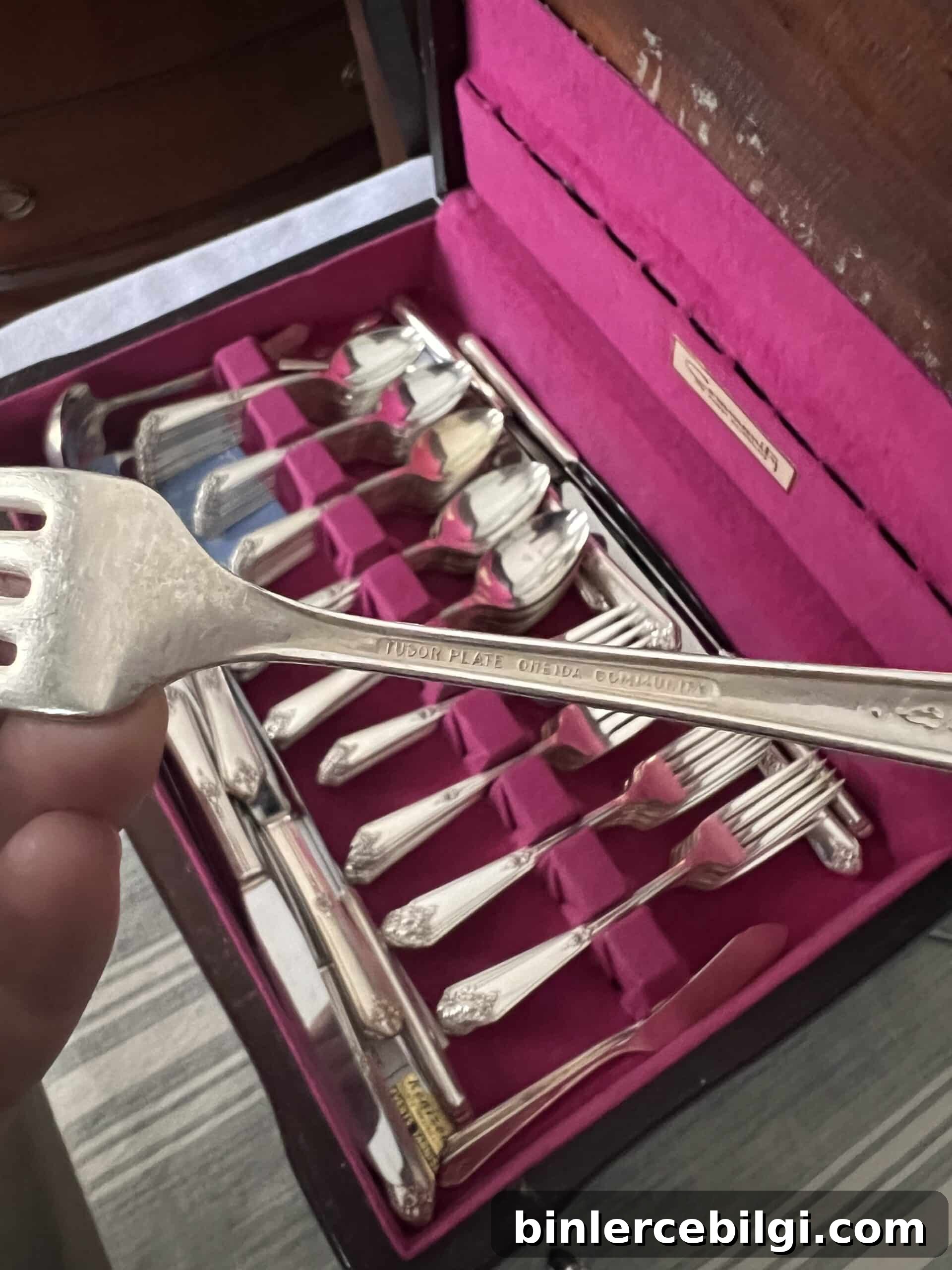
- Markings: Hallmarks and stamps reveal the maker, country and sometimes the date.
A practical first step is to look for markings under or on the back of pieces. You might find words such as Sterling, 925, Silver Plate, EPNS or maker names. These clues help you research the piece’s origin and approximate age.
Even if a piece isn’t worth a fortune, knowing its story and maker adds to the pleasure of using it in your home.
How to Start Collecting Antique Silver
Once you start looking, silver turns up everywhere: estate sales, antique shops, flea markets, thrift stores and online marketplaces. You might even find pieces among family members. When shopping, focus on items you love and can imagine using—shape, patina and price matter more than a perfect match.
A mismatched collection collected slowly over time is part of the charm; each new piece adds a layer to your home’s story.
FAQ About Inherited and Antique Silver
What should I do with old family silver?
Use it and enjoy it. Incorporate trays and bowls into everyday organization, turn pitchers into vases, and bring serving pieces out for gatherings. Keeping heirlooms in use celebrates their story.
Is antique silver still in style?
Yes. Antique silver blends beautifully with modern, collected decorating styles when paired with wood, woven textures, ceramics, books and greenery.
Should I polish inherited silver?
That’s a personal choice. Polishing brightens pieces; allowing a bit of tarnish can be attractive, too. Always confirm whether a piece is sterling or plated before choosing a cleaning method.
How can I tell if my silver is sterling or silver plated?
Look for markings such as Sterling, 925 or .925 for sterling, and Silver Plate, EPNS or EP for plated items. These marks help you identify the material and guide proper care.
Can you mix silver and gold or brass decor?
Yes—mixing metals gives a room dimension and a collected feel. Don’t worry about “matching” everything; a mix of finishes creates a layered, lived-in look.
Where is the best place to buy antique silver?
Estate sales, antique shops, flea markets, thrift stores and online vintage marketplaces are great sources. Ask family members, too—sometimes a hidden treasure is already in someone’s cupboard.
Final Thoughts
I’m grateful to have my grandmother’s collection in daily use. This hobby of collecting and displaying silver has already become a way to connect generations. I’m excited to add smaller treasures over time—vanity pieces, napkin rings and delicate bowls—that will add to the story of our home.
Collecting antique pieces reminds me that a home grows richer when it mixes old and new. These heirlooms add personality and a sense of continuity that can’t be bought all at once.
I’ve decided not to save my grandmother’s silver for an abstract someday. I’ll put hydrangeas in her tea pot, use her trays across the house and bring out serving pieces when friends and family gather. If I tuck them away, I’ll likely forget them; on display, they continue to be part of our lives.
Do you have family silver or other heirlooms? I’d love to hear what you inherited and how you’re using it in your home.