
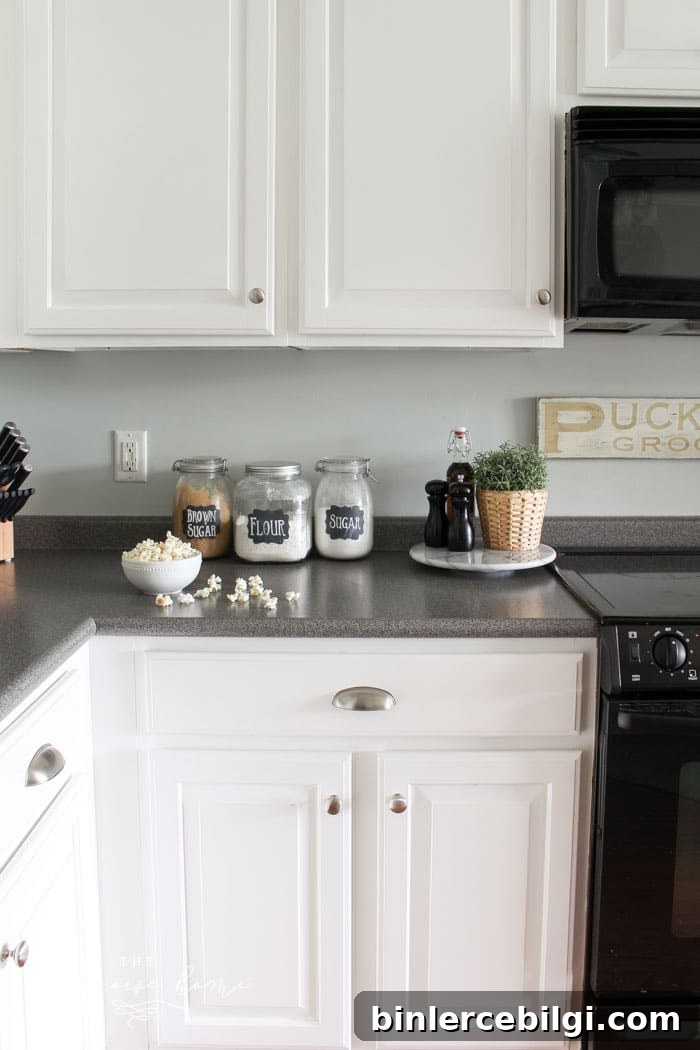
Painted kitchen cabinets are a continuing favorite in home design, and they remain one of the most cost-effective ways to refresh a kitchen. I’m often asked how my painted cabinets are holding up and whether I’d make the same decisions now that we’ve lived with them for a while.
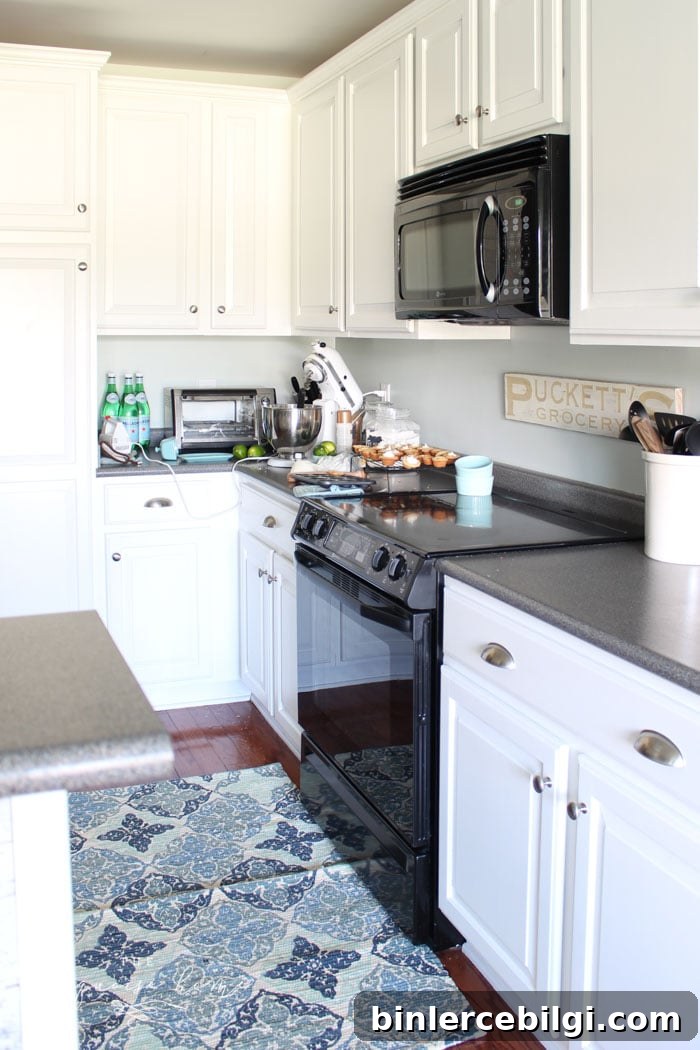
Short answer: yes—I would paint them again without hesitation. That said, there are a few practical lessons I learned during and after the project that are worth sharing if you’re considering painting your own cabinets.
RELATED: How to Paint Kitchen Cabinet without professional equipment
We haven’t quite reached the two-year anniversary since the cabinets were painted, but we’re close enough to assess their durability. I rounded up to two years for simplicity, and I expect their condition won’t change significantly once we reach the exact date.
If you’re debating whether to paint your cabinets, whether in the kitchen or elsewhere, this post should help. If you have specific questions, leave a comment and I’ll update with more details as needed.
FAQ about Painted Kitchen Cabinets
How are the cabinets holding up?
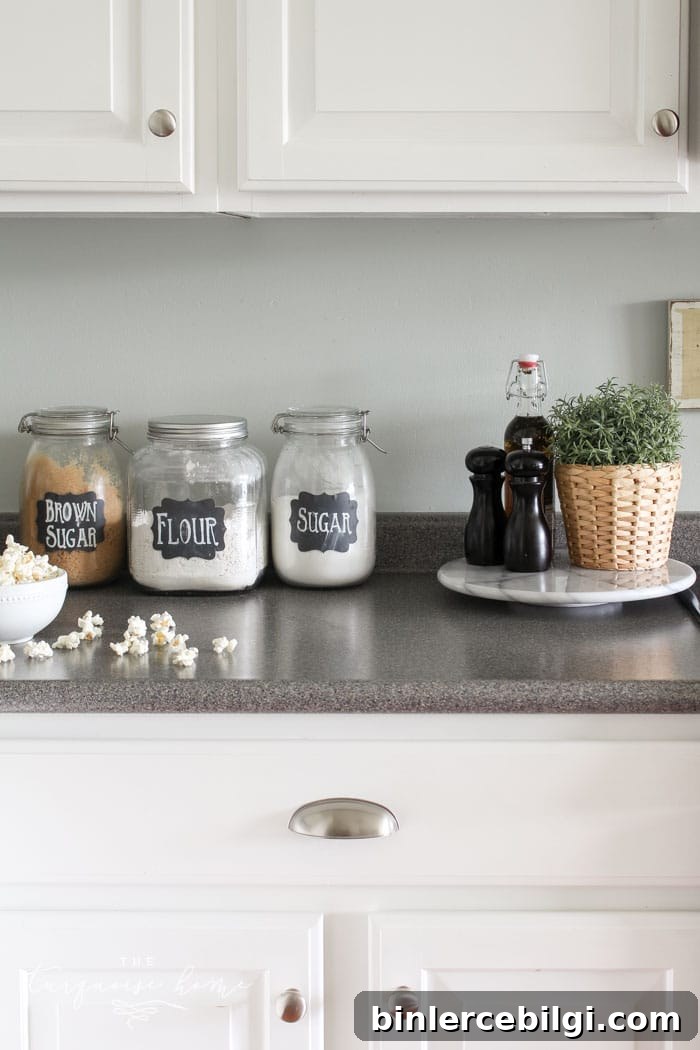
Overall, very well. There are a few small chips and dings, but they’re minor and largely unnoticeable unless you’re looking closely. Most of the small chips appeared within the first few weeks after painting, which makes me think the paint needed a little longer to cure than the can’s recommended timeframe. If you can, try to avoid heavy use for a couple of weeks after painting to let the finish fully harden.
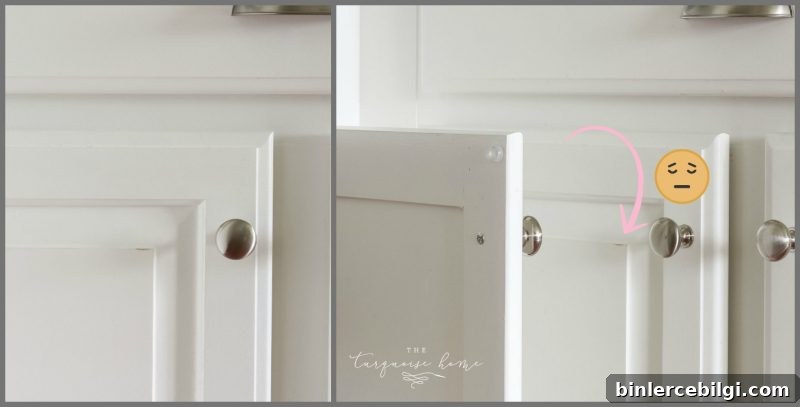
Most other wear came from normal contact—doors bumping or items rubbing against the finish. For example, one small mark appeared where a door hits the adjacent cabinet when opened. With young children, cabinets get opened and closed more roughly than I’d prefer, but the small scuffs are an acceptable tradeoff for a refreshed space.
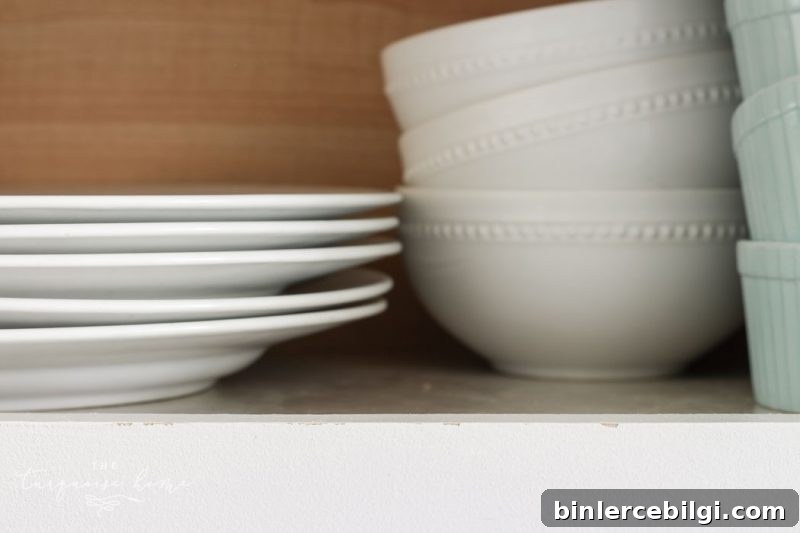
There were a few knocks during the first week while putting dishes away, but they’re very minor and don’t detract from the overall look. In short: with basic care, painted cabinets can look great for years.
Which paint should you use for kitchen cabinets?
This is the most common question I receive. I’ve used two different paints on cabinets in my home, and each has pros and cons:
Ace Hardware’s Door, Trim and Cabinet Paint: This formula is thin and flows on smoothly, making it easy to achieve a level finish without heavy brush marks. It benefits from multiple thin coats, and you can quickly run a brush through any small drips or pooling to help the paint level out before it skins over.
Benjamin Moore Advance (used on the kitchen cabinets): This waterborne alkyd paint is thicker and dries faster than the Ace formula. It produces a very durable finish, but it can show slight brush strokes in recessed or beveled areas after two coats. You can thin it slightly according to the manufacturer’s instructions to improve flow if needed.
My takeaway: Benjamin Moore Advance offers a beautiful, durable cabinet finish, but pay attention to application—thin the paint if recommended and work quickly to maintain a smooth surface.
Has Benjamin Moore Advance yellowed over time?
No. Despite suggestions online that Advance can yellow—especially on whites—I haven’t experienced yellowing. We used Benjamin Moore’s Simply White and it has retained its color well in our kitchen.
Can you paint kitchen cabinets without sanding?
Yes—you can, but preparation is key. I avoided sanding the cabinet bases to cut down on dust and disruption, and instead used a liquid deglosser. I was initially skeptical about the longevity of that approach, but it has held up well. The small chips occurred early on, which suggests the finish needs proper curing time; if possible, try to let freshly painted cabinets sit unused for a couple of weeks to minimize early wear.
Should you spray-paint kitchen cabinets?
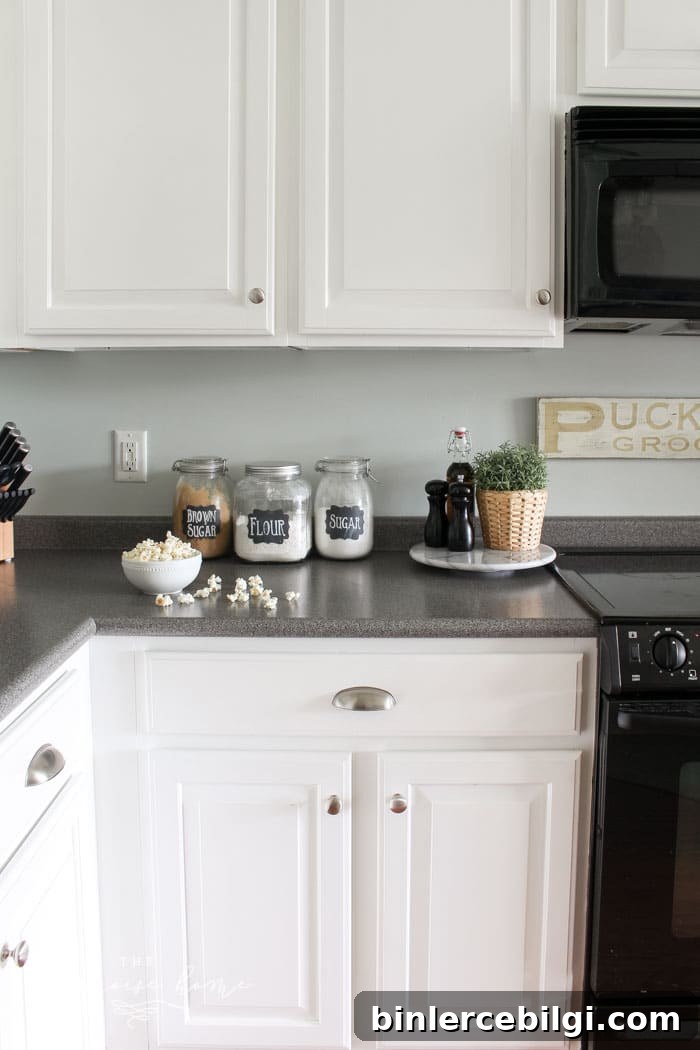
I recommend considering a paint sprayer for large projects. I hand-brushed my kitchen cabinets because I didn’t own a sprayer at the time, but after using a sprayer on other projects I can see how it would speed up the process and yield an extremely smooth finish. If you plan to repaint many cabinet faces or large surfaces, renting or buying a sprayer is worth exploring.
In conclusion: painting your cabinets is labor-intensive but highly rewarding. With the right paint, preparation, and patience during curing, painted cabinets can look fresh and perform well for years. If you go ahead with it, I’d love to see photos of your finished cabinets.