
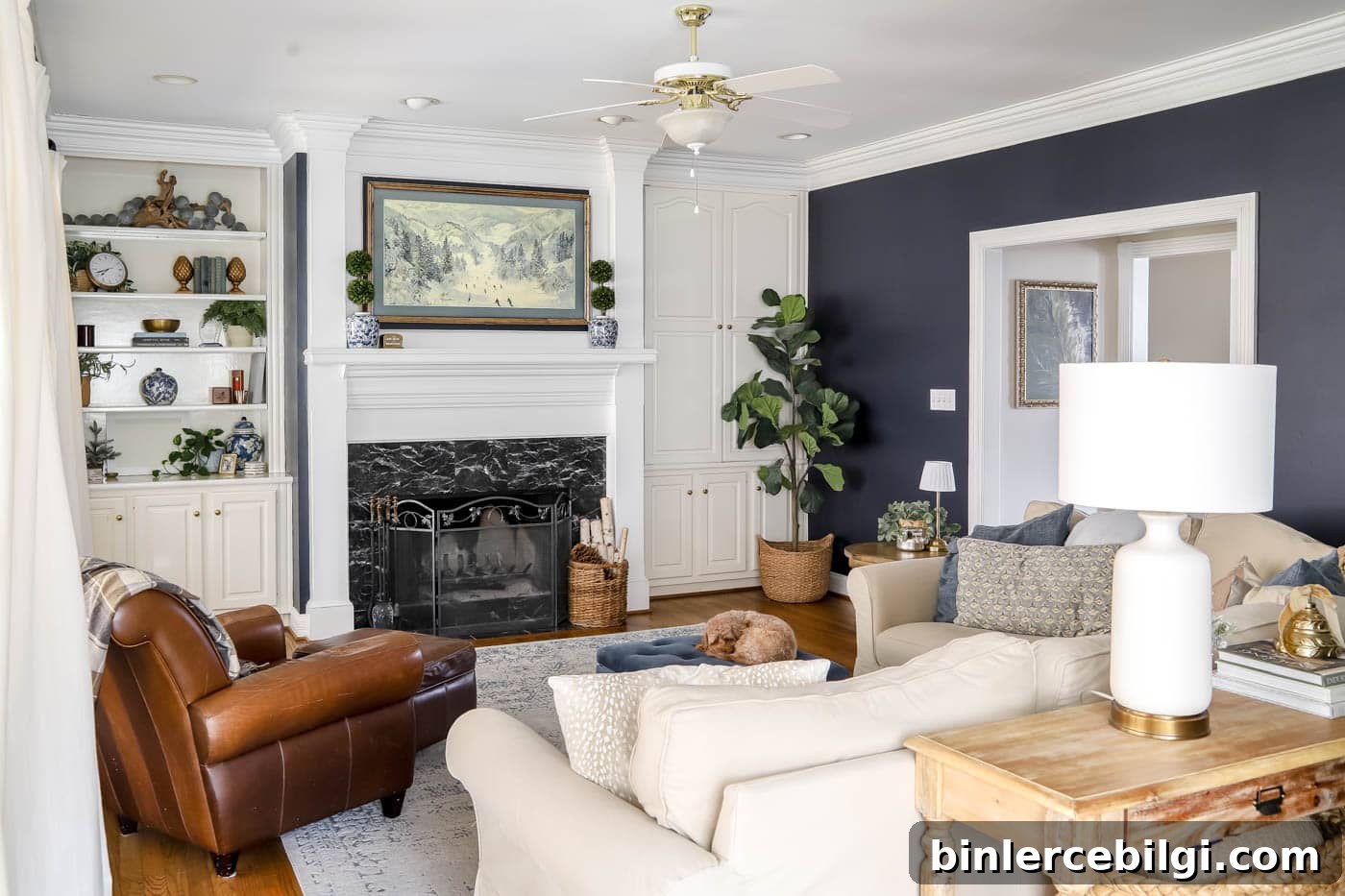
For a long time I equated a “finished” room with success.
Painted walls. Styled shelves. A crisp before-and-after photo ready for social media.
But after years of raising kids, living with the everyday messes of life, and learning what truly endures in a home, my perspective changed: I no longer want fast, trendy rooms—I want spaces that are beautiful and meaningful.
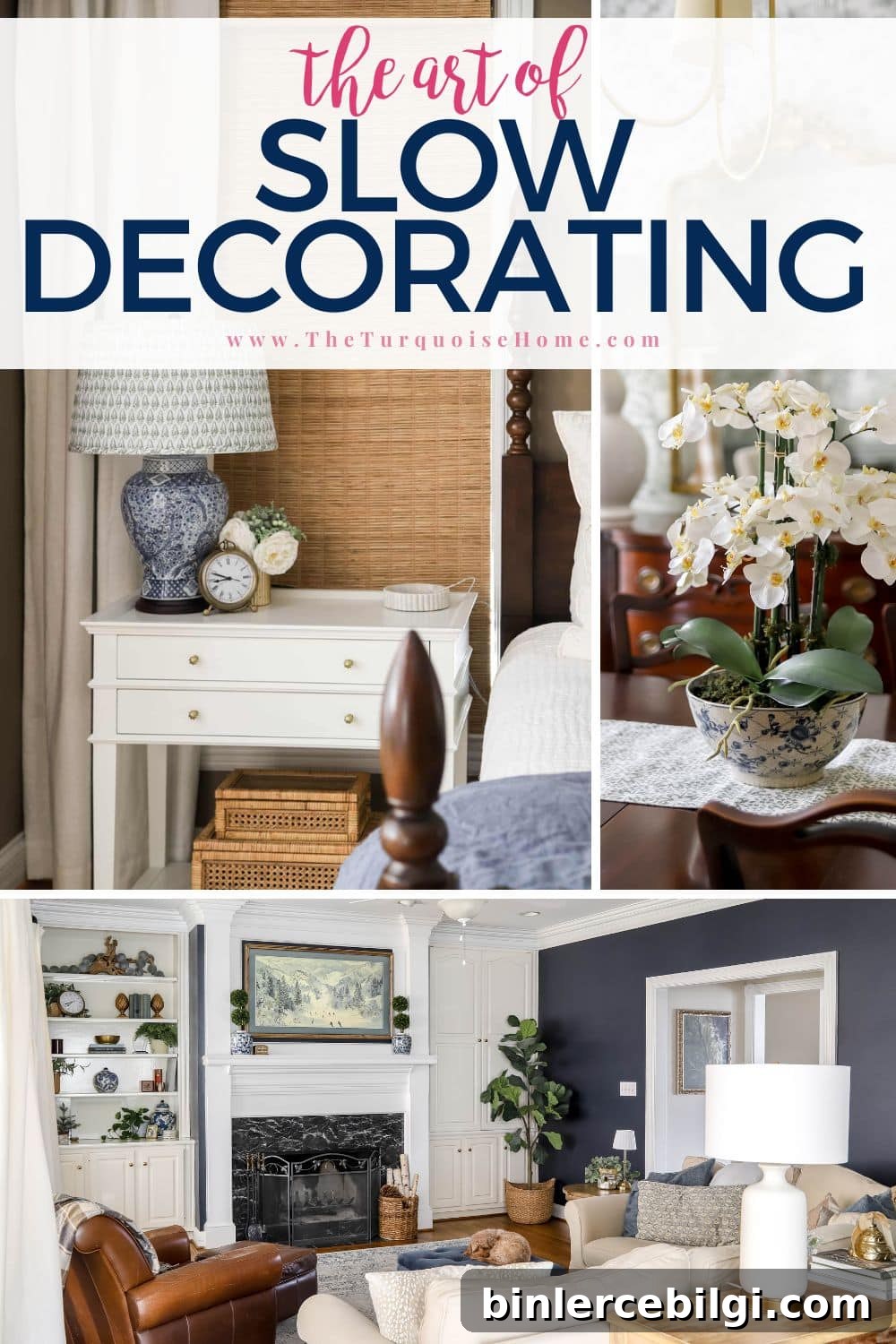
This realization led me to slow decorating—an approach that has quietly reshaped the way I think about our house. It’s been one of the most peaceful shifts I’ve made: intentional choices, patience, and letting a room evolve over time.
I still prefer to work one space at a time because completing a room provides focus and momentum. But I’ve stopped rushing. It’s perfectly fine to update a room or two each year, and to let some projects unfold over several seasons.
This post contains affiliate links for your convenience.
What Is Slow Decorating?
Slow decorating means deliberately building your home’s style over time. Instead of filling every corner at once with impulse buys or the latest trend, you prioritize careful, considered choices that reflect your family and your life.
That process creates a collected, storied look. Rooms feel layered and authentic because they develop as you use them and discover what they really need. Slow decorating values comfort, function, and longevity over fleeting trends and instant gratification.
My master bedroom is a good example. I could have implemented a quick plan based on what was available in stores, but I waited. Over five years I made small, intentional updates, saved for better-quality pieces, and finally arrived at a look I truly love and that will last.
In short: slow decorating is decorating with patience and purpose.
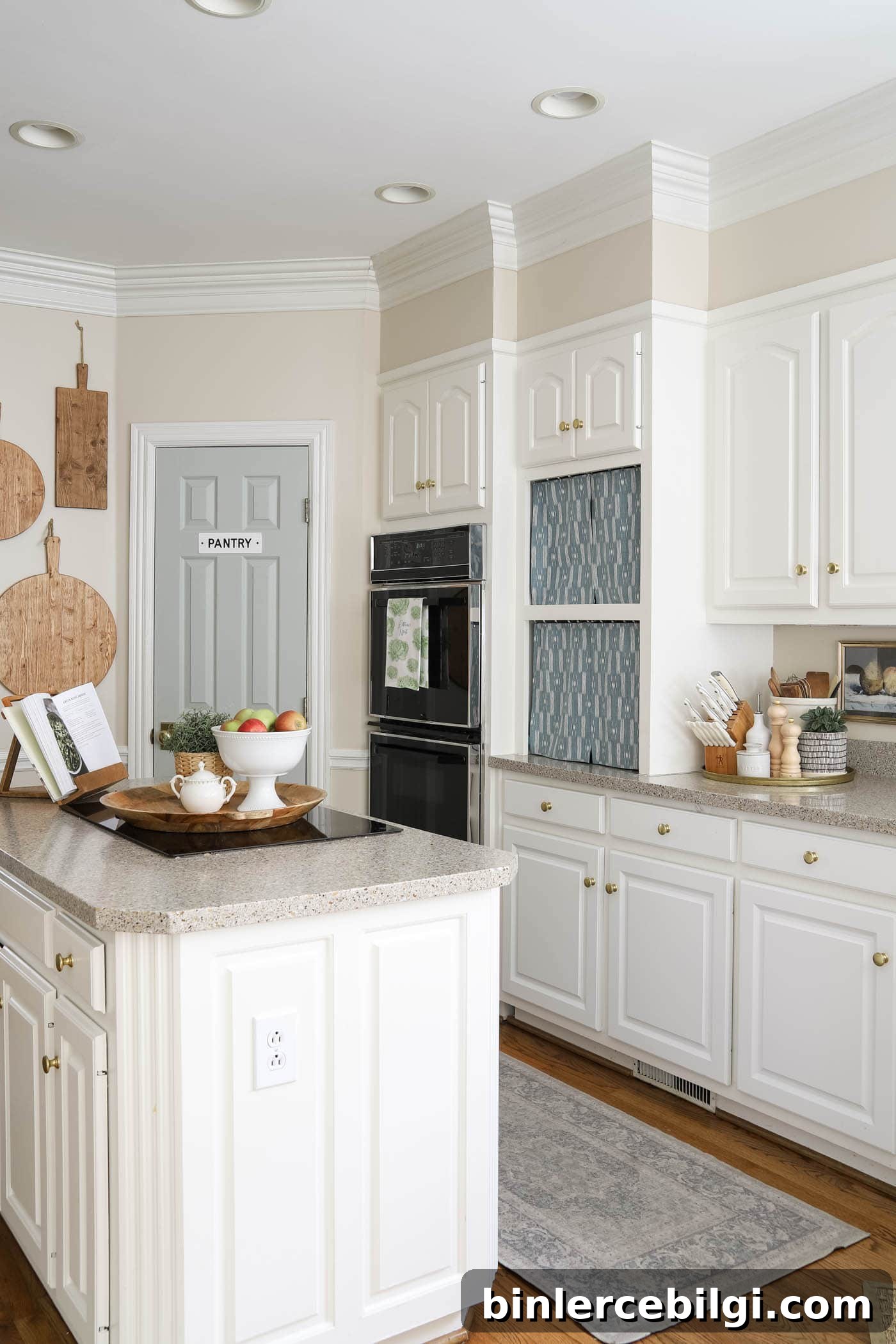
Why I Stopped Rushing Room Makeovers
I used to rush from one project to the next, feeling pressure to finish quickly because that’s what we often see online. But real life rarely matches that accelerated timeline.
Rushing taught me a few hard lessons:
- I bought decor just to fill space.
- I followed trends that didn’t age well.
- I replaced items too often and wasted money.
- Rooms looked styled but didn’t always feel like us.
Once I gave myself permission to slow down, my choices felt more confident. I spent less on impulsive items and more on pieces I truly loved and that fit our daily life.
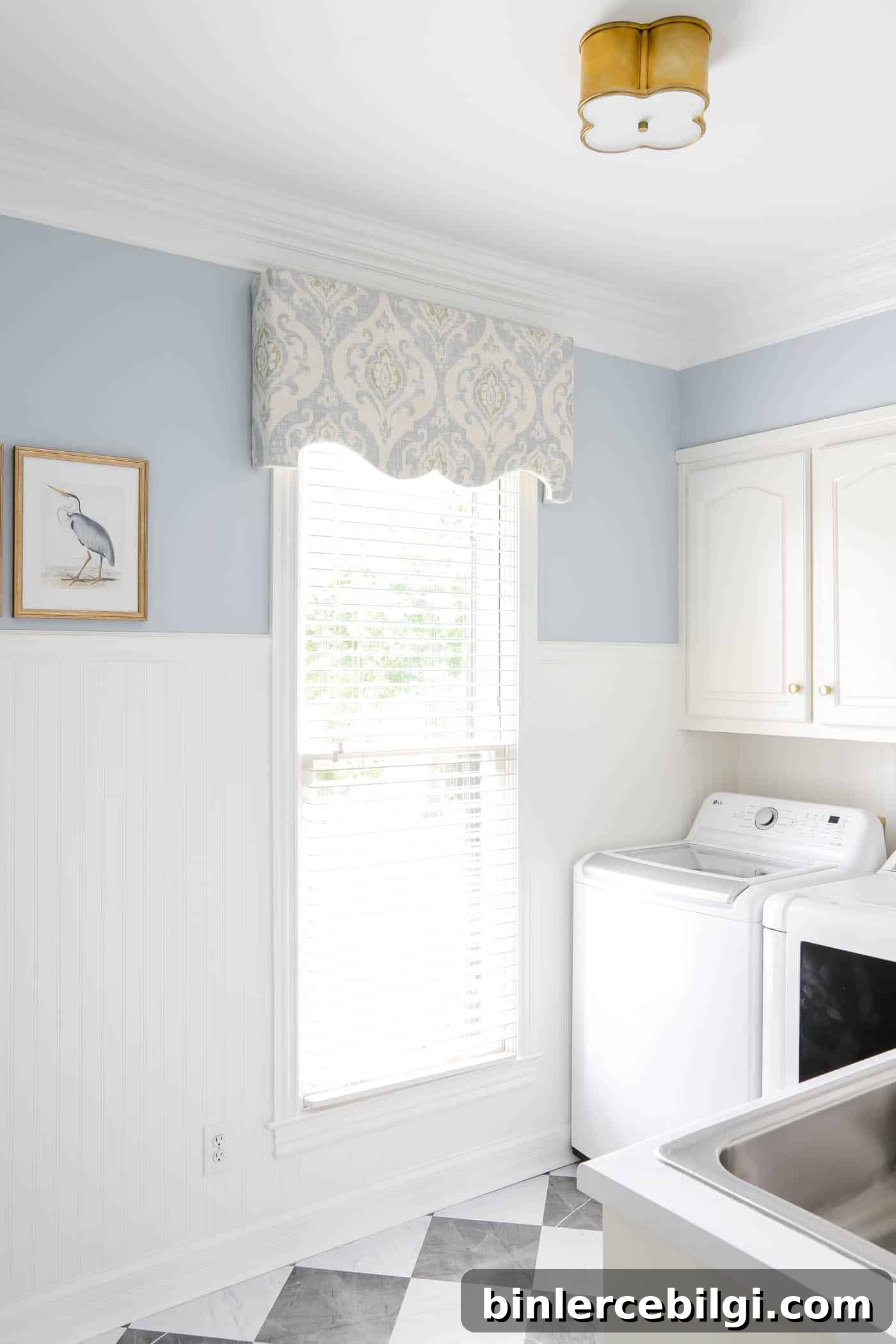
How to Decorate a Home Slowly (Without Feeling Stuck)
If slow decorating sounds appealing but you worry about living with blank walls forever, there’s a sensible middle ground. I usually do a minimal baseline makeover to get each room to a comfortable starting point, then let the rest develop naturally.
That baseline might include neutral paint, sensible lighting, and a functional layout. These foundational choices make living in the space pleasant while giving you time to refine the style.
For example, we painted our bedroom a color we liked when we moved in and then repainted years later when a clear design plan emerged. Living in the room first helped me understand what it actually needed.
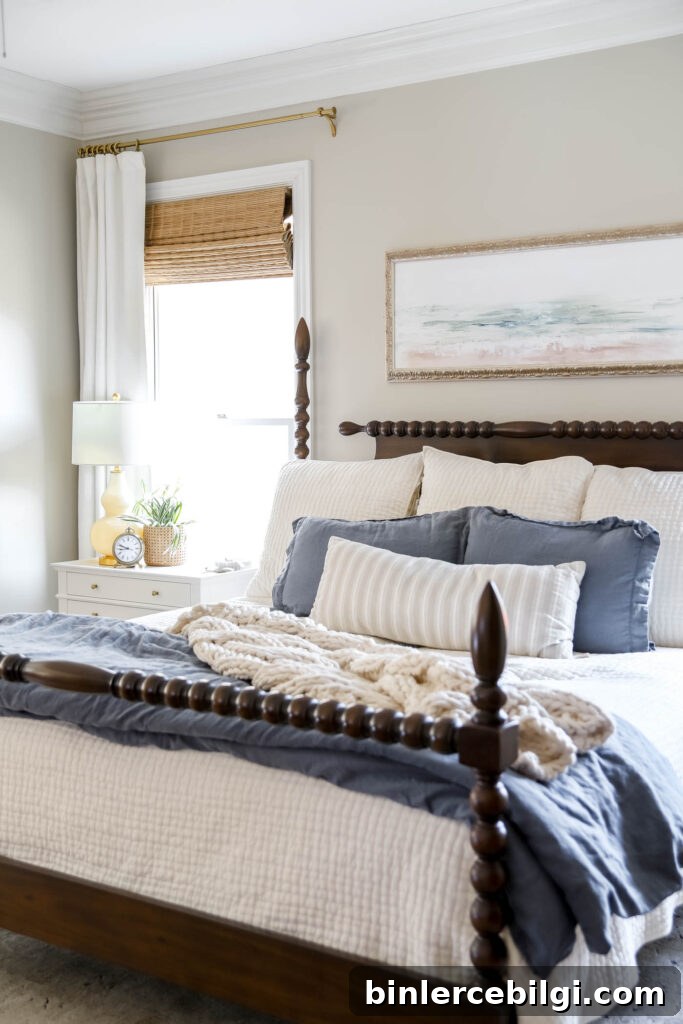
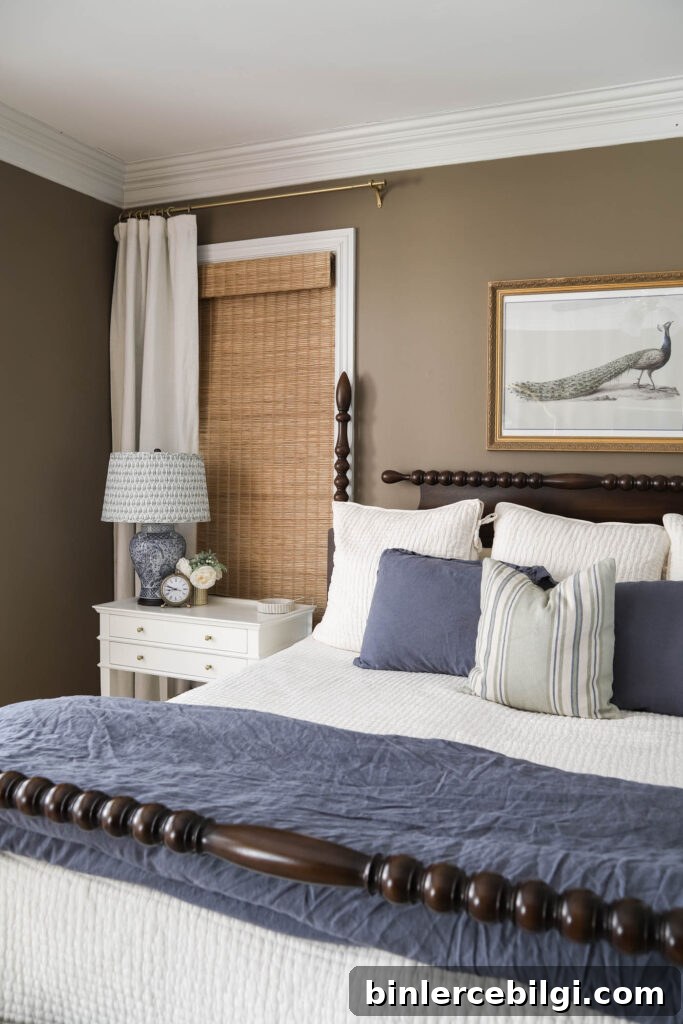
Here are the practical steps that help me move forward without feeling pressured.
1. Start With the Bones
Paint, flooring, lighting, and layout are the foundation. When those elements are right, the rest of the room falls into place much more naturally. Opt for classic, timeless choices so the room can evolve without feeling dated. Think medium wood tones, neutral rugs or wall colors, and dependable lighting fixtures that suit everyday use.
2. Live in the Space First
Before buying major furniture or decor, use the room and observe how you naturally interact with it. Ask:
- Where do we naturally sit?
- Does anything feel awkward?
- What’s missing?
- What’s unnecessary?
Your daily habits will reveal what truly matters far better than a mood board alone.
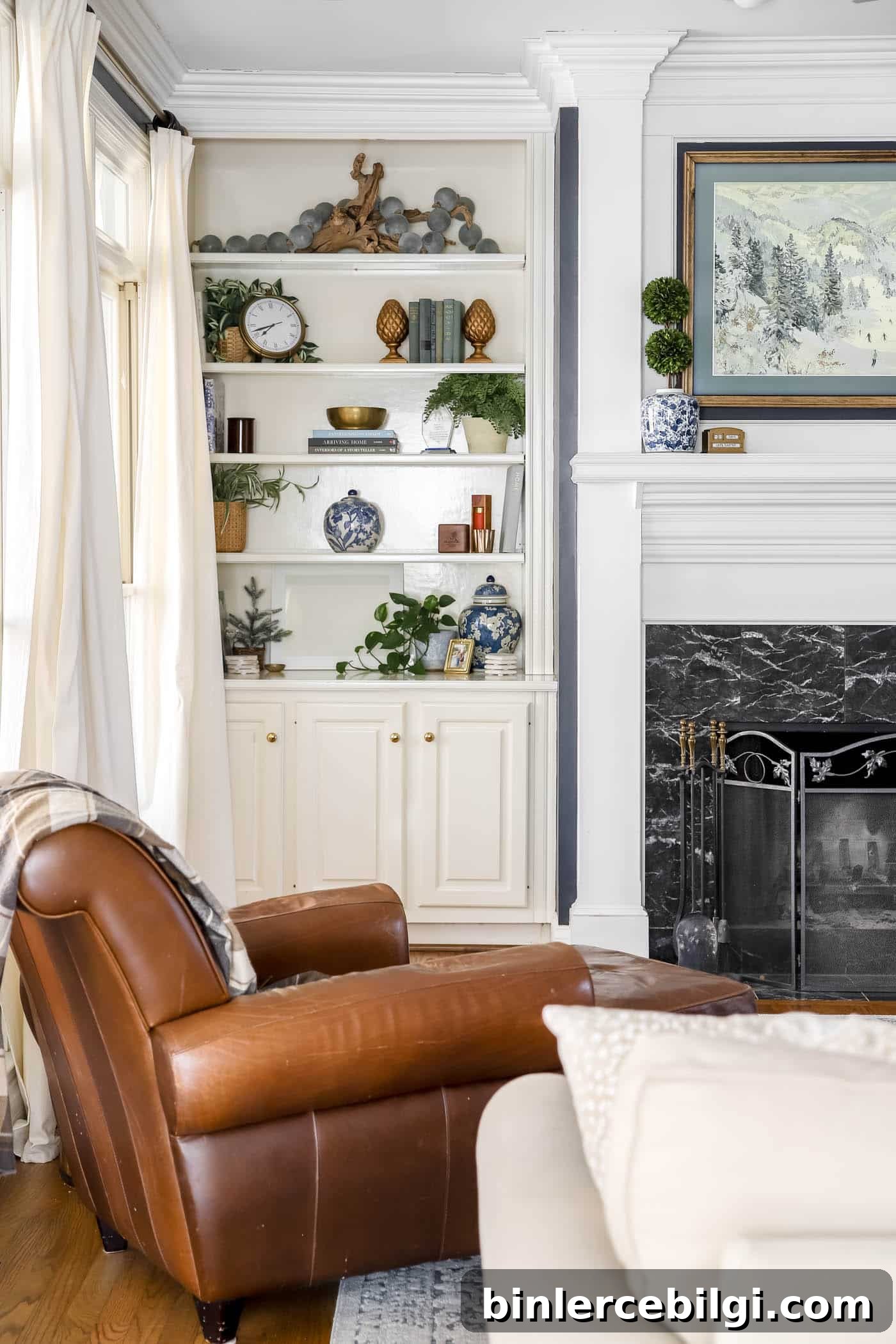
3. Layer Slowly
Add one layer at a time: rugs, textiles, wallpaper, art, and collected pieces. Let one item play the starring role—an armchair, a rug, or a patterned curtain—so other choices can be guided by that piece. Bringing things in gradually prevents a room from feeling overdone and makes it easier to change direction if something doesn’t feel right.
4. Buy With Intention (and Fewer Regrets)
When you slow down, you can:
- Save for pieces you truly love.
- Refuse “good enough” solutions.
- Choose quality over quantity.
- Mix old and new to build a collected, personal style.
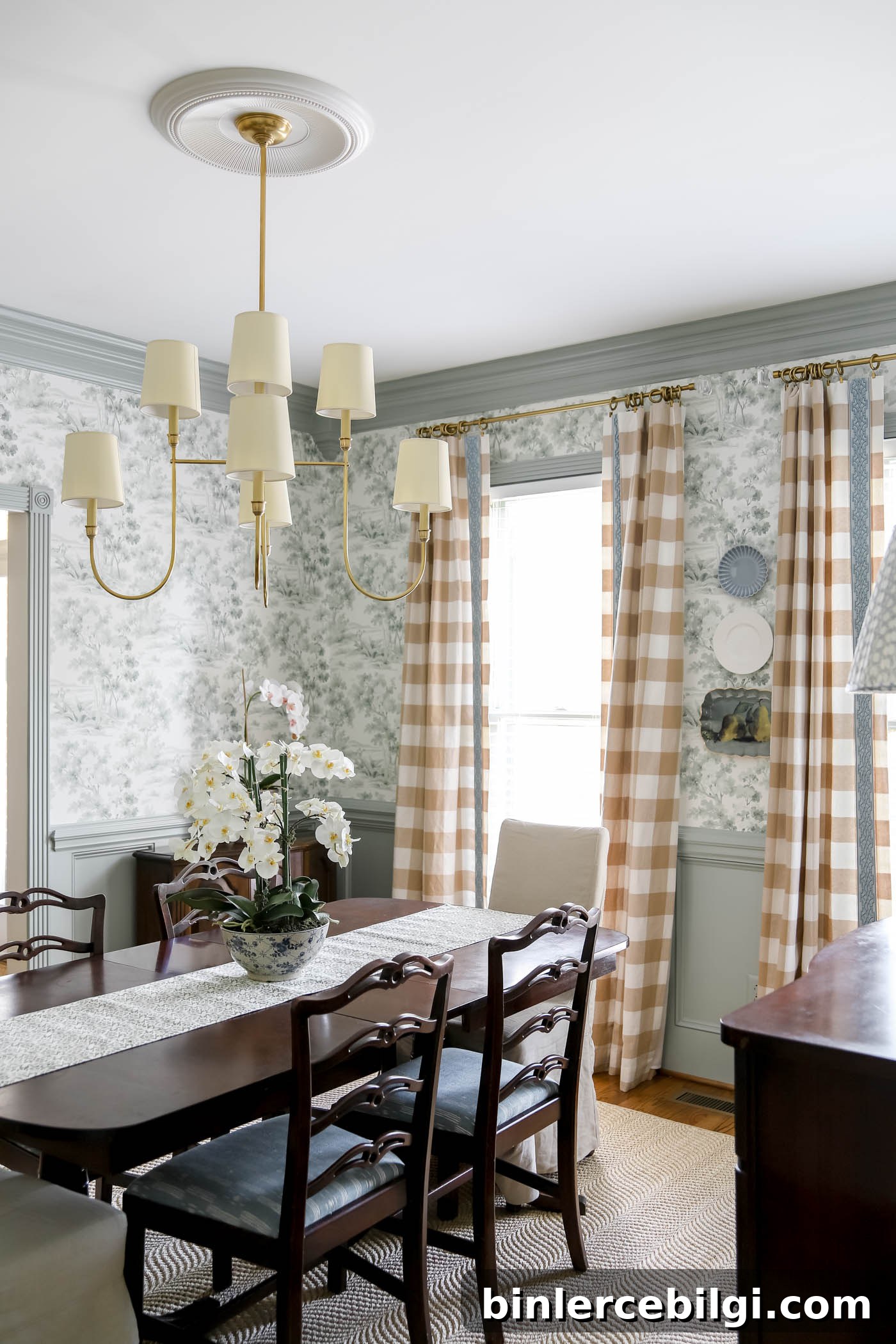
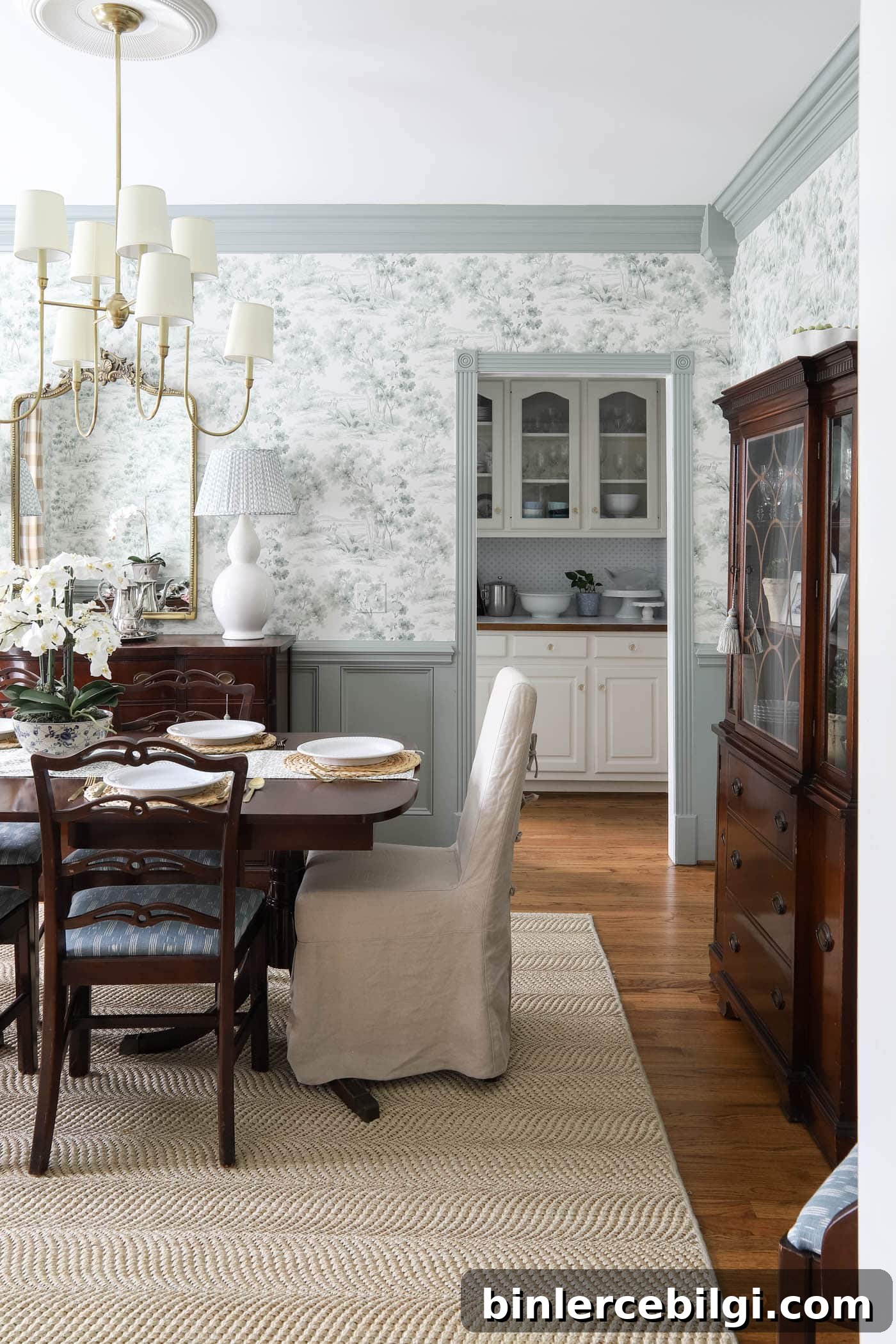
That approach reduces the urge to redecorate constantly. Sometimes DIY or a more affordable option will do, but other times it’s worth saving for a special piece. I splurged on a dining room chandelier that I’d been dreaming about for years—and I’ve never regretted it.
Why Slow Decorating Feels So Right in This Season
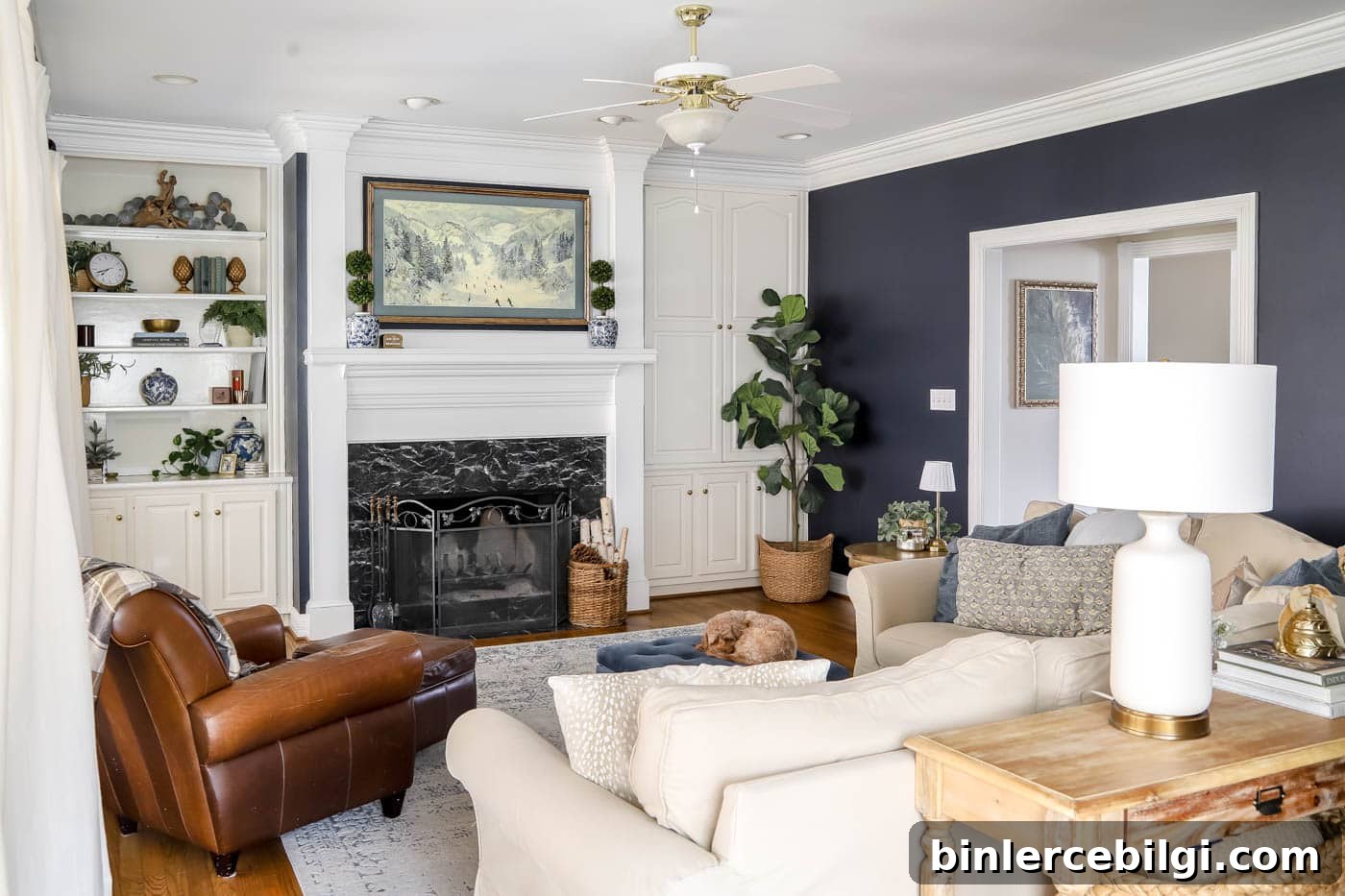
Life can feel full of schedules, responsibilities, and constant noise. Your home shouldn’t add pressure. Slow decorating teaches contentment with the present and helps you stop chasing the next thing. Rooms become layered and lived-in, and your style can mature naturally.
Slow decorating gives permission to change your mind, to let your style develop, and to decorate for your life—not for a deadline. There’s a quiet confidence to a home that unfolds over time.
A Gentle Encouragement
If your home feels unfinished or you’re overwhelmed, consider this your permission slip to slow down. You don’t need to finish everything at once. Start with one corner, one piece, or one small decision.
If you’re in the middle of an “unfinished” space right now, you’re doing it just right.
More posts you may enjoy:
- How to Find Your Decorating Style
- 7 Rental-Friendly Home Decorating Ideas
- Timeless Home Decor Essentials