
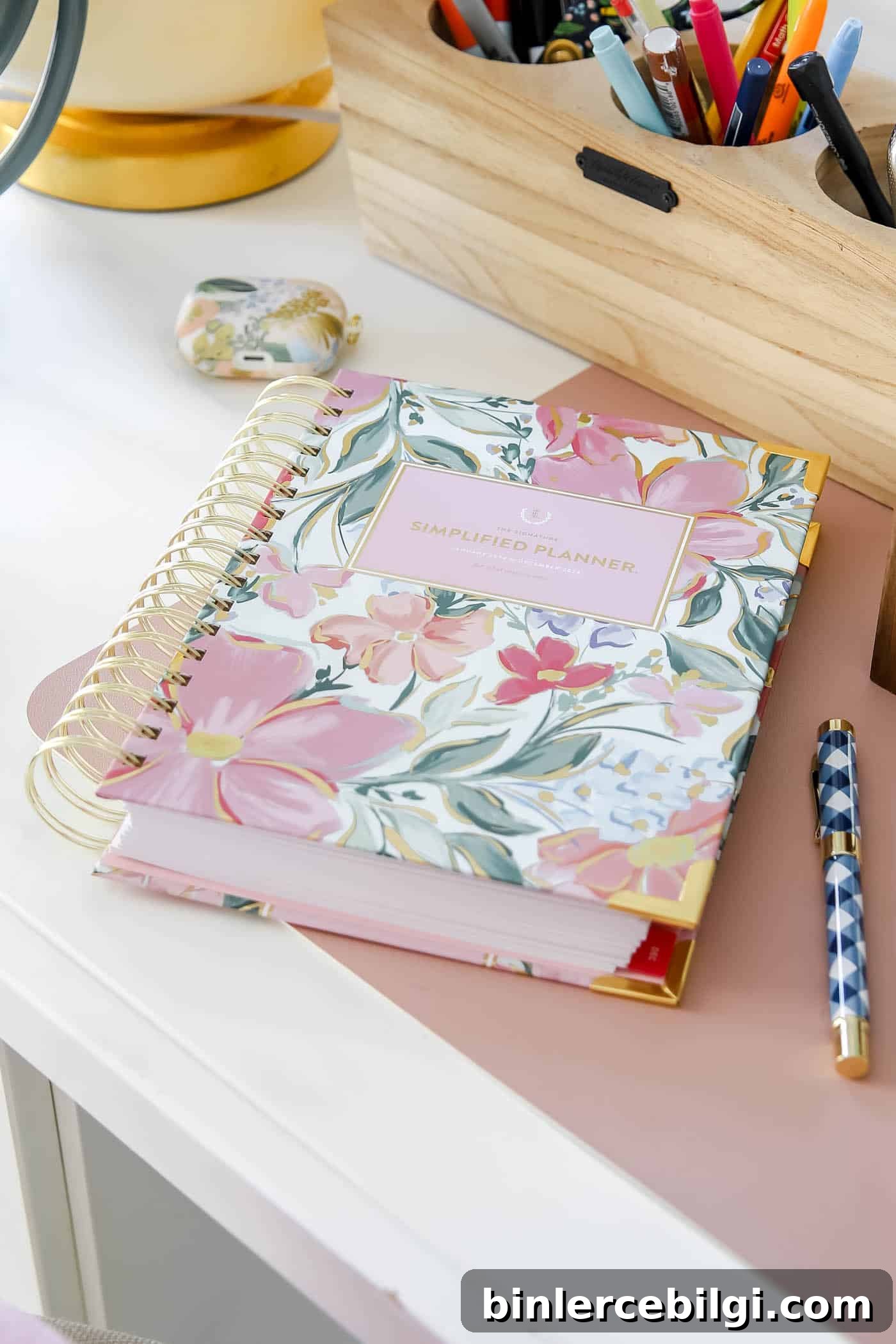
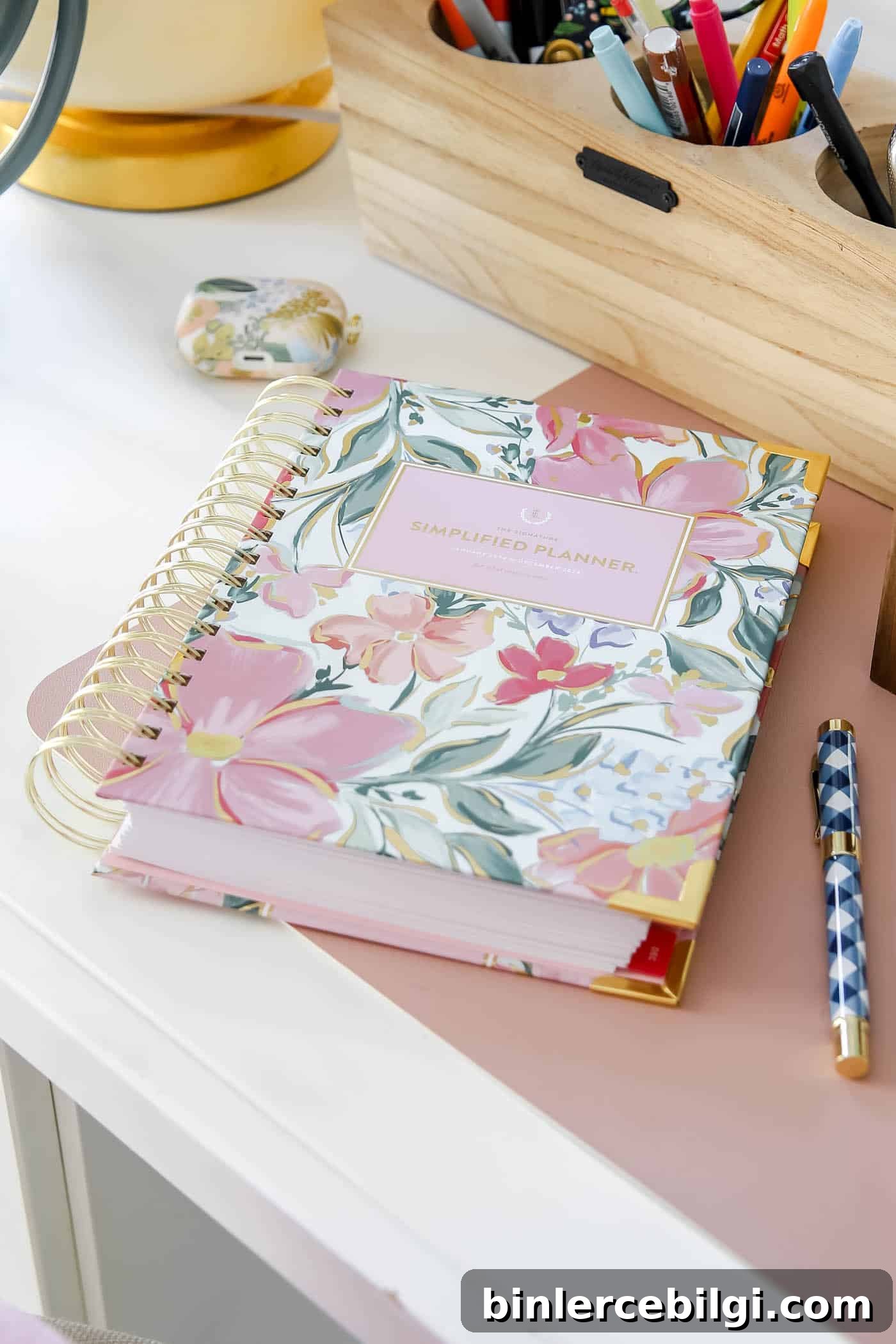
I’ve been using the Simplified Planner for over nine years, and it has changed how I organize my life. From meal planning to managing appointments and priorities, everything stays in one place. Here’s a clear, honest look at why I keep coming back to it.
This post contains affiliate links for your convenience. See my full disclosure policy.
I’m a pen-and-paper person through and through. I’ve relied on physical planners for more than two decades, and in 2015 I began a focused search for a planner that truly fit a busy life. I tested many popular brands, but the one that stuck was the Simplified Planner by Emily Ley. I’ve used a version of it every year for the past nine years.
What draws me to the Simplified Planner is its intentional simplicity. It doesn’t overwhelm with boxes or rigid prompts, and that minimal structure lets you use it in the way that best serves your routine. If you prefer more structure, you can always add stickers or notes, but the clean design is its greatest strength.
They typically release new covers annually—academic planners in early spring and calendar-year planners in September—so there’s usually a fresh design to look forward to each year. In 2025 I switched from the daily format I’d used for years to the spiral-bound weekly planner to try a different layout and to see my week at a glance. I may revert in the future, but it’s been a helpful experiment this year.
Daily Edition Simplified Planner Details
Simplified Planner Specifications
- Calendar Year: January – December; Academic Year: August – July
- Cover size: 7″ x 9.25″ (about 1.25″ thick); sturdy and portable
- Inner pages: 6″ x 8.75″ printed on thick, 80 lb. bright white paper
- Layout: one day per page with shared weekend pages; full month spreads
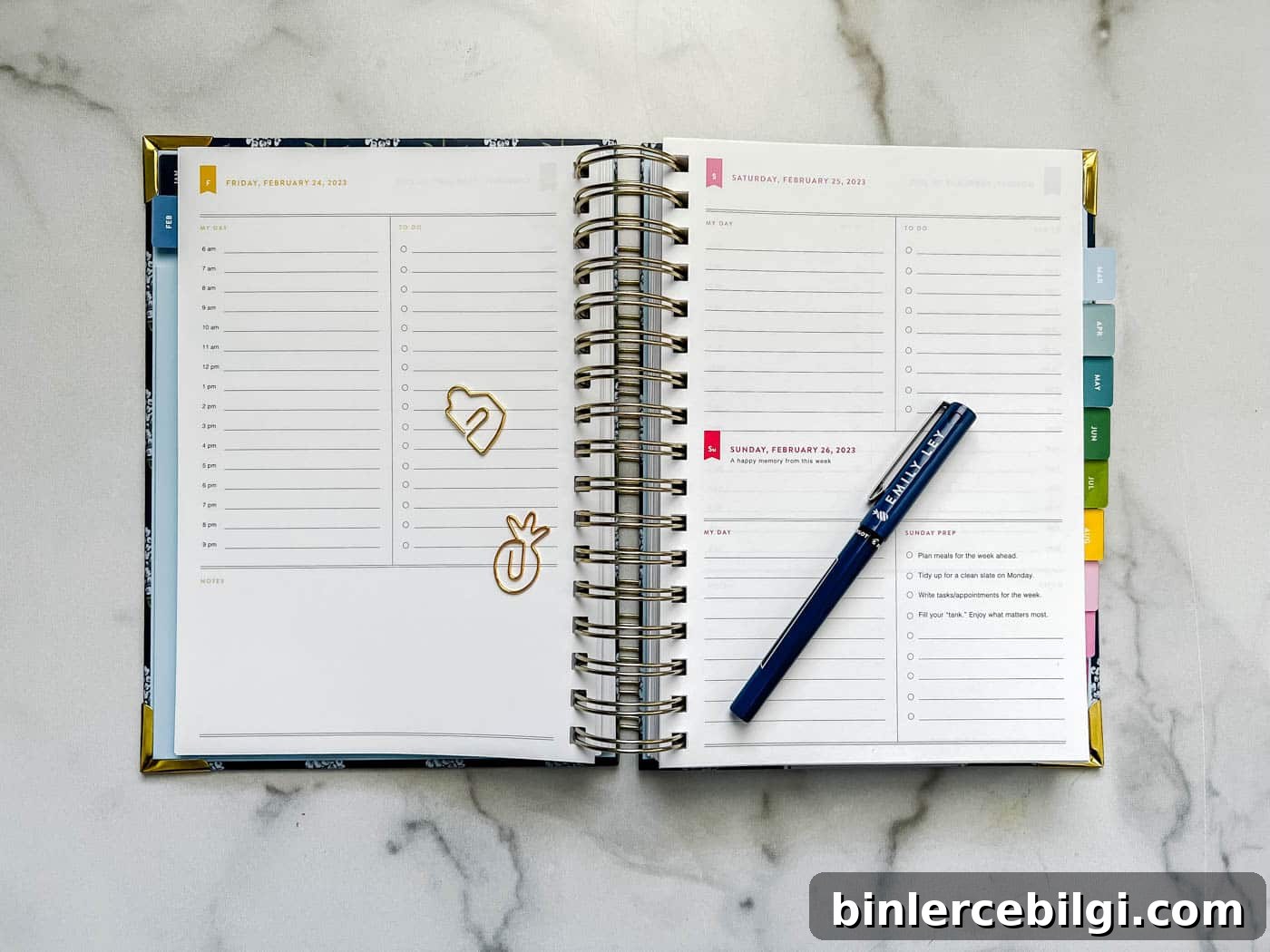
- Daily layout includes space for schedule, to-dos, notes and meals; hourly schedule runs 6am–9pm
- Includes prep-work pages, monthly simplicity tips, and a full-color pattern insert
- Paper resists ink bleed and feels luxurious to write on
Packaging, Cover and Binding
- Gold wire-o binding or spiral options depending on the edition
- Hard covers often have gold foil accents and protective corners
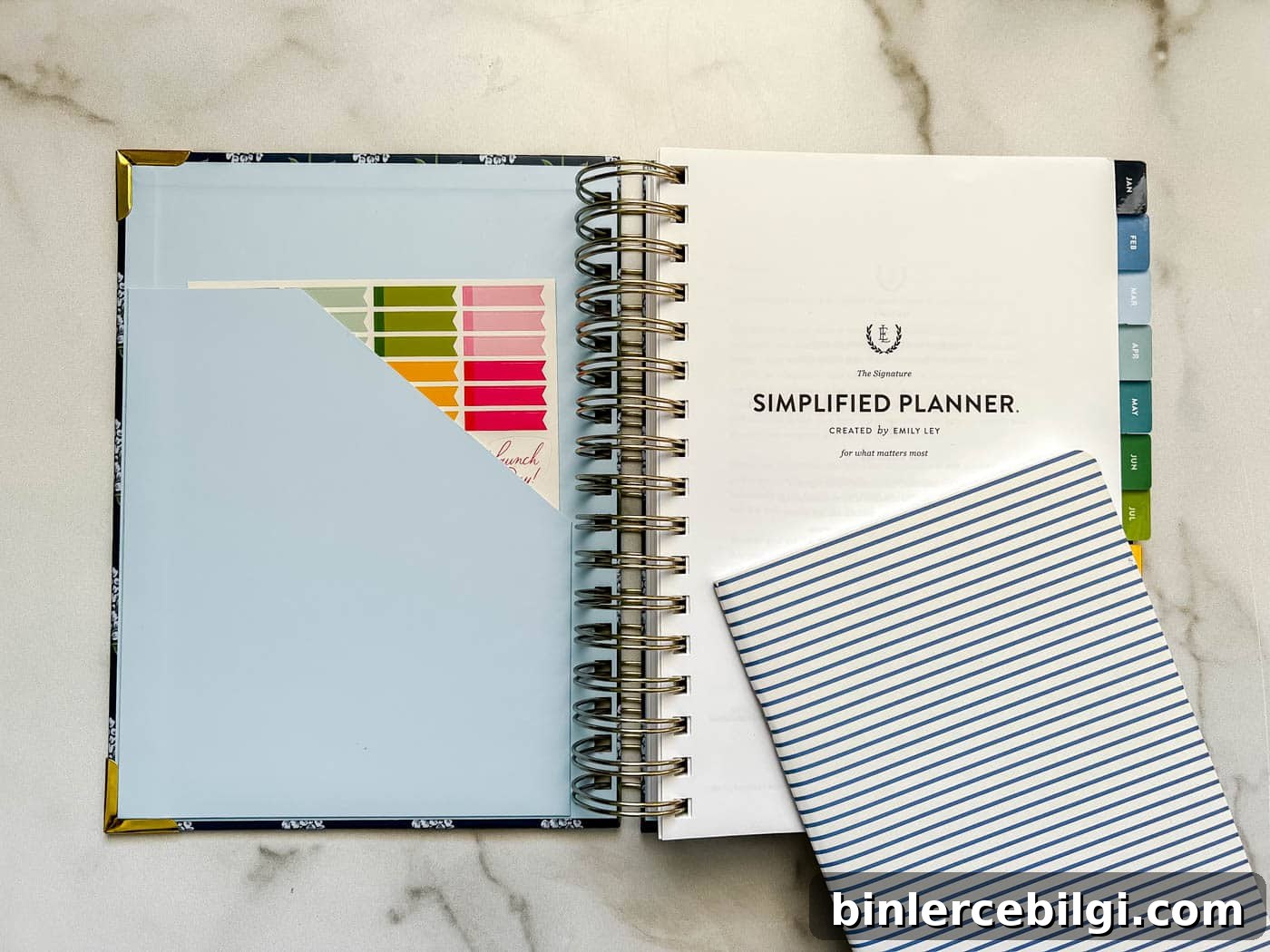
- Interior features such as a navy lining and a front pocket for small papers
- Durable mylar tabs for months and a keepsake box on some editions
One of my favorite features is the generous white space. There’s room to jot quick notes, sketch, or keep a running list. Recent versions also include extra blank note pages for longer thoughts or planning sessions.
Extra Details
Daily planners often include a small sticker sheet tucked into the front pocket. That pocket can hold a few receipts, extra stickers, or a mini notebook, but it’s not meant for bulky storage.
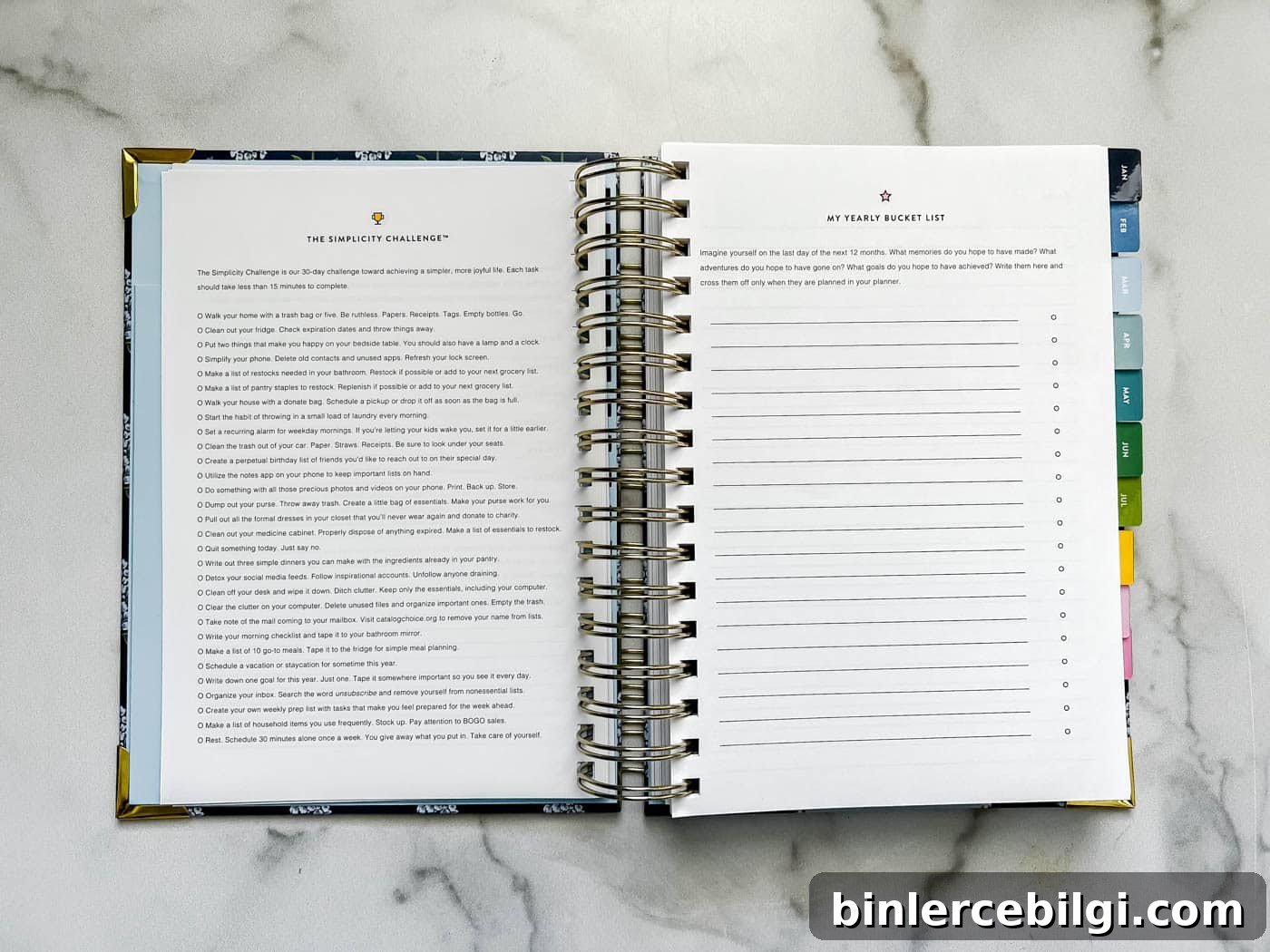
Prep Work & The Simplicity Challenge
At the front of the planner you’ll find a short prep-work section with tools to set intentions for the year. This front material helps you think through goals, routines, and priorities so you start the year with clarity. Typical pages include:
- The Process of Simplifying
- How to Use Your Simplified Planner
- Year-at-a-Glance and holiday lists
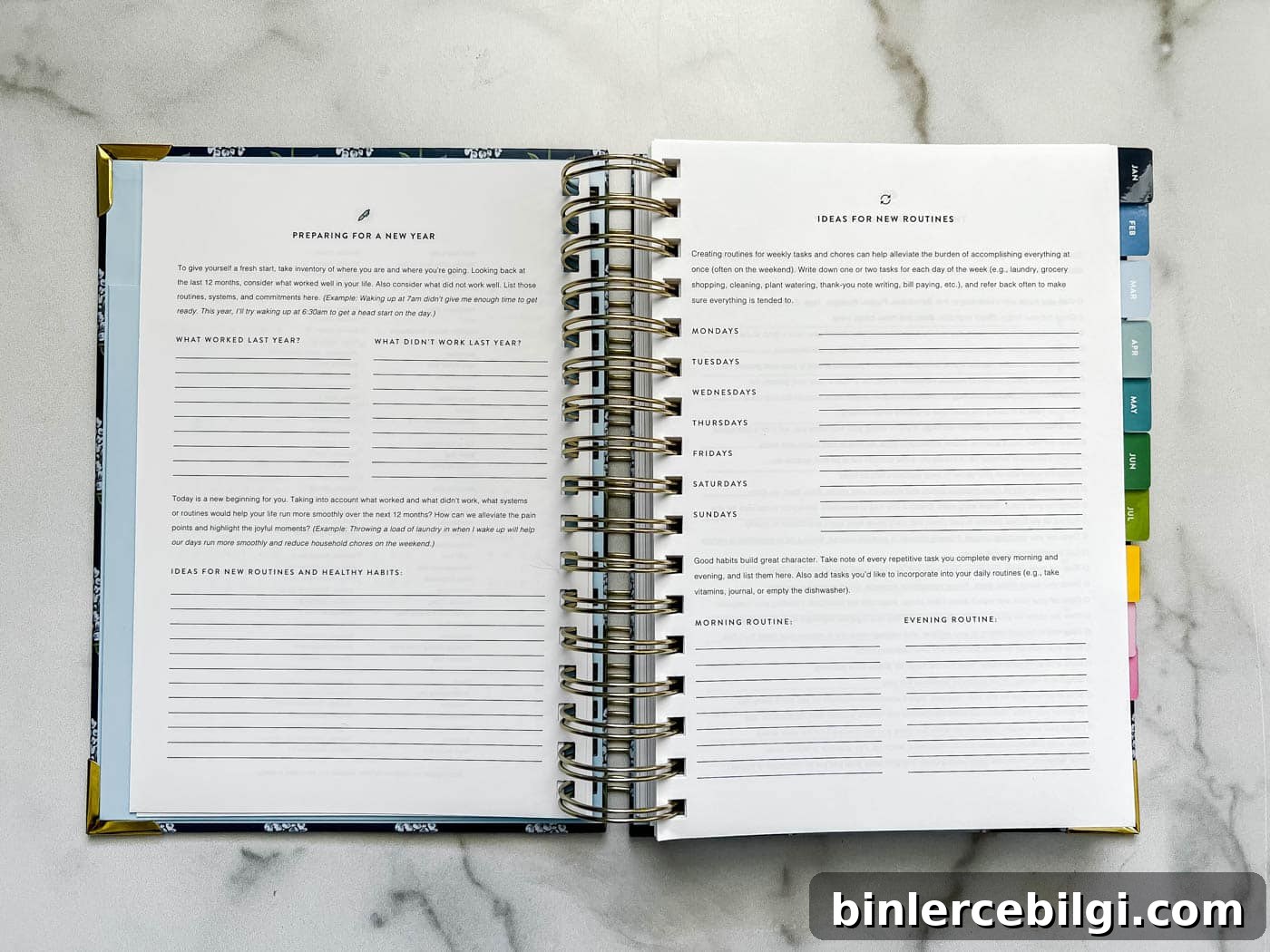
- Ideas for preparing for a new year and new routines
- The Simplicity Challenge checklist and a yearly bucket list
Monthly Spread
The two-page monthly spread is easy to read and sits behind a laminated monthly tab. A small notes area on the left is perfect for reminders, and each monthly spread features a short simplicity tip at the top. I sit down at the start of each month and record events, birthdays, and deadlines—this visual overview helps me plan meals and errands around busy weeks.
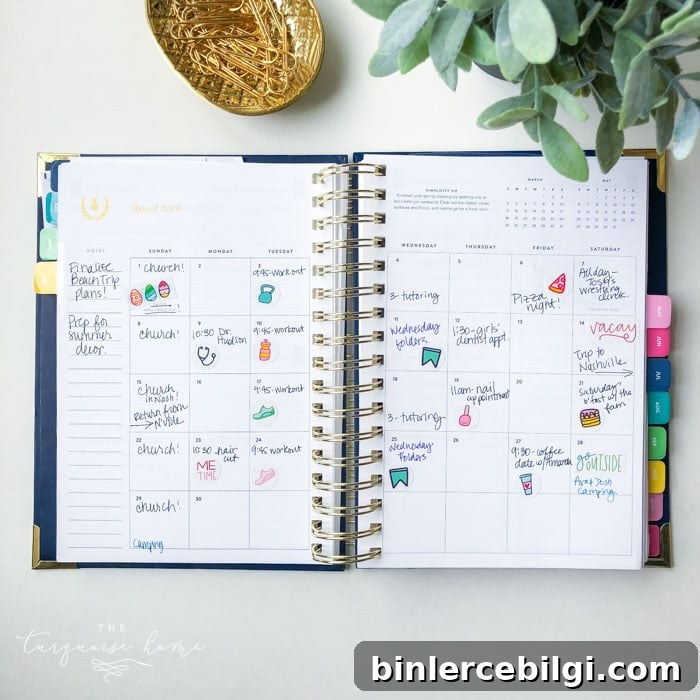
Filling in the month gives me a sense of which weeks will require extra planning, when to order gifts, and which evenings might be good for simpler meals or a slow-cooker night.
Daily Pages
Weekday Pages
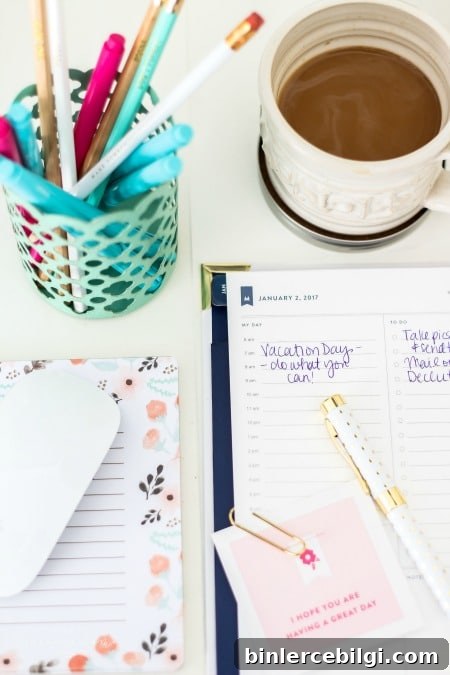
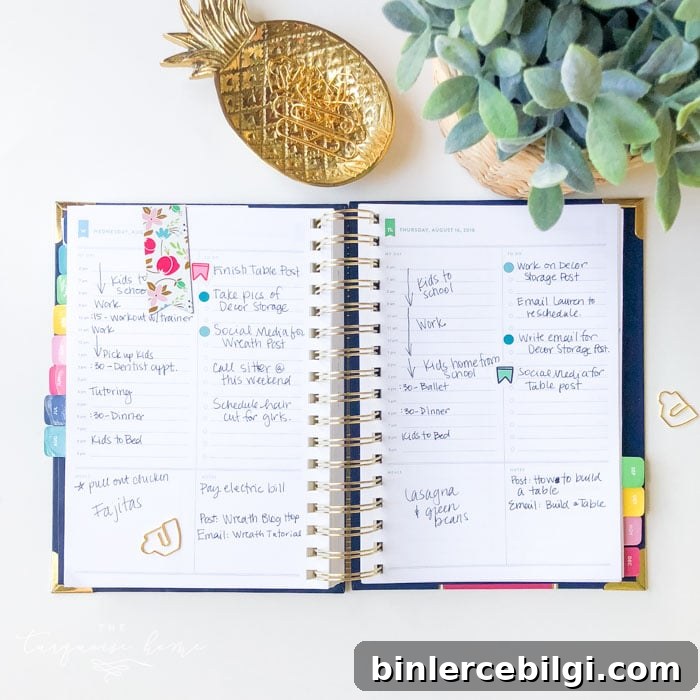
Weekday pages use a two-column layout with a bottom notes section. The left column shows an hourly schedule (6am–9pm) and the right column is a simple to-do list. The bottom unruled area is my go-to for dinner plans, quick reminders, or scribbles.
Weekend Pages
Weekend layout gives Saturday and Sunday side-by-side columns with equal space. Recent updates removed suggested Sunday prompts in favor of open slots for flexibility, to-dos, and notes—perfect for weekend planning or personal time.
How I Use the Daily Pages
I approach daily planning in two ways. First, when I set up the month I enter all known events and deadlines so I can see which weeks are heavy. Second, each night I write the next day’s schedule and my top to-dos. This ritual eases my mind before bed and helps me start the morning focused and productive.
One technique that changed my productivity: limit yourself to the top three to-dos each day. Three tasks is achievable and keeps your day realistic. When you finish those items, you end the day feeling accomplished rather than overwhelmed.
Favorite Pens
I prefer a smooth navy rolling ball pen; a good pen makes planning feel more enjoyable. I buy mine in bulk because I use them constantly.
What I Don’t Do With My Simplified Planner
- Write every routine detail. I block time for “work” rather than logging every small step. Detailed lists live in tools like Asana or in dedicated project notes.
- Color code obsessively. While color coding can be helpful, I keep it simple to preserve the planner’s clean design. I do enjoy using sticker books for occasional decoration.
- Keep it pristine. My planner is a working document—I write in margins, use old pages for conference notes, and cross things out freely.
More Purchasing Options
Emily Ley planners can be an investment. If the flagship daily planner is outside your budget, there are more affordable weekly/monthly editions and retailer variations that offer a similar feel at a lower price. For many, the daily edition’s paper quality and layout are worth the cost, but there are good alternatives if you prefer to spend less.
Shop Planner Accessories on Etsy
Etsy and other small shops offer a wide range of accessories—sticker sets, bookmarks, pockets, and custom add-ons—that pair nicely with the Simplified Planner. I keep my setup basic, but I do use a small hack I’ll detail next to speed up daily tasks.
My Daily Planner Checklist Hack
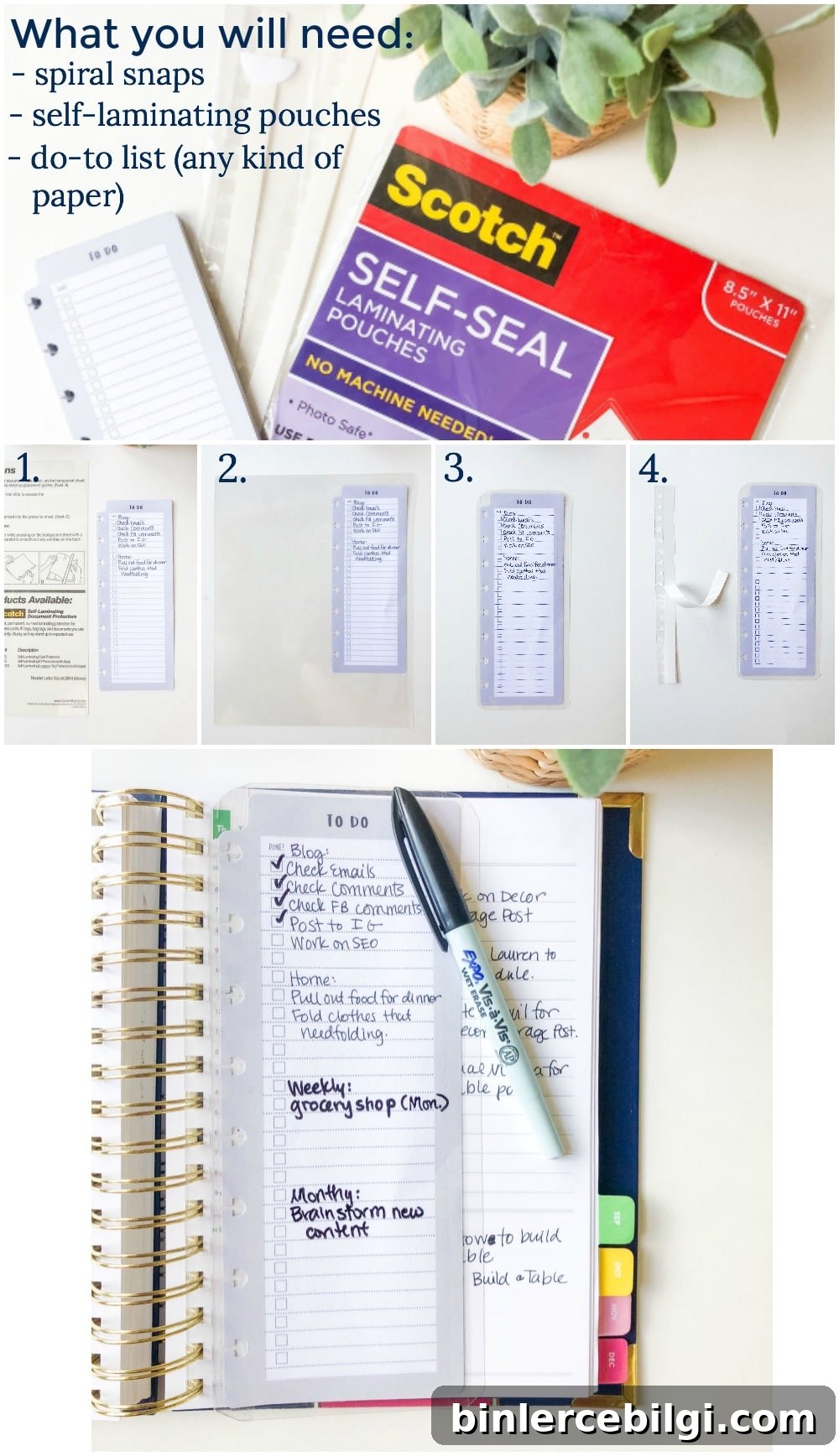
I grew tired of rewriting the same daily and weekly tasks. I solved that by creating a laminated, reusable daily checklist that fits inside my planner and doubles as a bookmark. It’s quick to wipe clean and keeps recurring tasks visible without rewriting them every day.
What I used: a simple printed checklist, self-laminating sheets, coil snap-ins (to attach if you use coil binding), and a wet-erase marker. After printing your checklist, laminate it, trim with a small margin, add it to your planner as a bookmark, and check items off with a wet-erase marker each day. Wipe clean at night and start fresh tomorrow.
Final Thoughts on the Emily Ley Simplified Planner
The Simplified Planner has fit my life for nearly a decade because it gives structure without suffocating detail. Its quality, paper weight, and thoughtful layout make it a reliable planning tool that lasts the whole year. For people who want a practical, attractive planner that helps simplify daily life, it’s an excellent option.
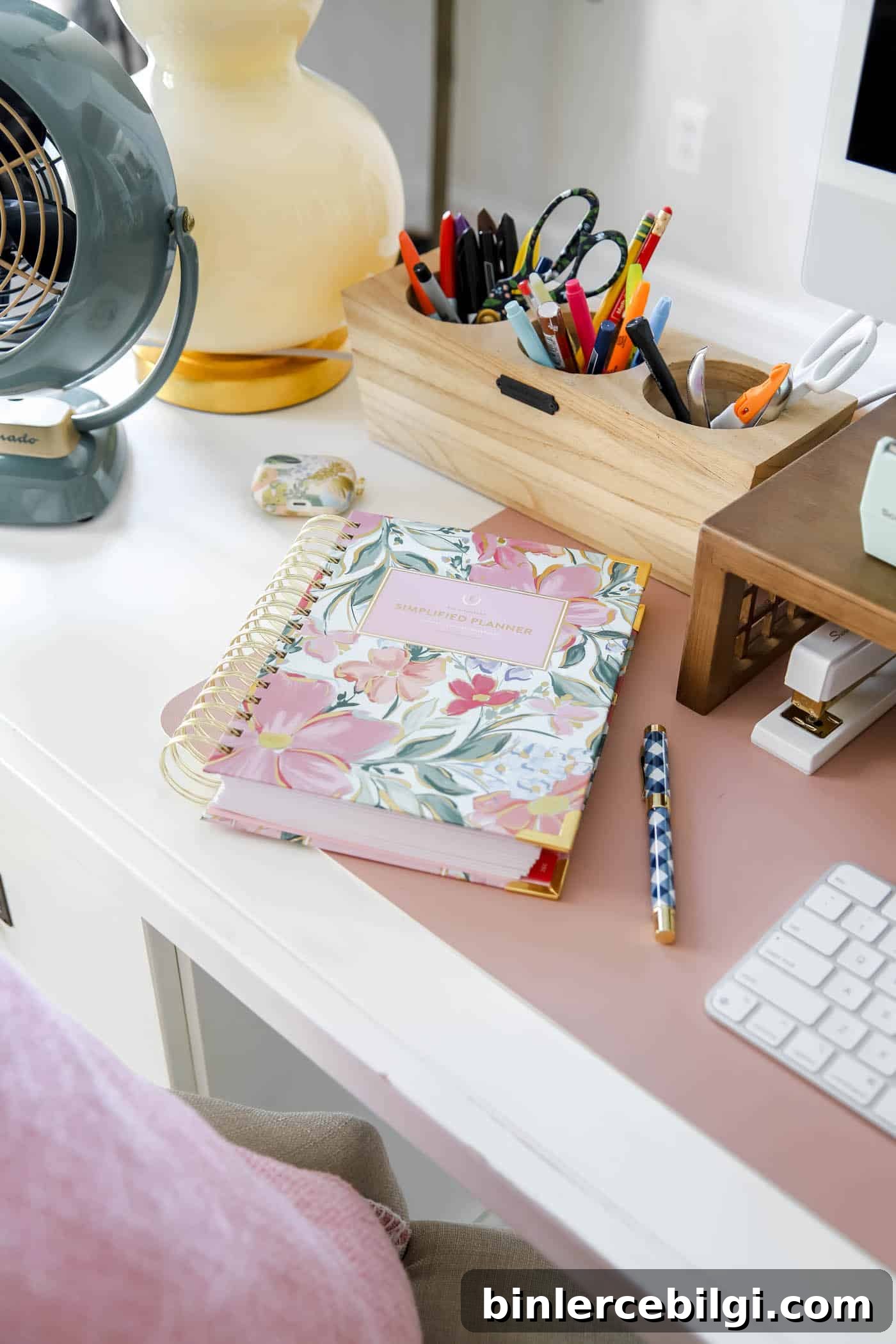
Yes, these planners are an investment, but they are built to last and to help you stay organized with less stress. If you try it, let me know which cover you choose and which features you love most.
More posts you may enjoy:
- How to Organize a Messy Garage
- How to Declutter Your Home in 5 Simple Steps
- How to Organize Christmas Decorations
- How to Organize a Pantry
- Under the Bathroom Sink Storage
- How to Organize a Linen Closet