
Learn how to turn any room into a beautiful, livable space for your family with these practical steps for starting a room makeover.
Staring at an empty room and not knowing where to begin is a common feeling. A room makeover can feel overwhelming, but breaking the process into clear steps makes it manageable and even enjoyable. Below I’ve distilled the approach I use on every project, whether you’re refreshing a single room or planning a full redesign.
I used to select paint first and then struggle to make everything else work. Over time I discovered a more reliable sequence that focuses on function, mood, and a few strategic design choices up front. Follow these steps and you’ll end up with a space that looks great and truly works for your life.
Approach a makeover as a problem to solve: what does the room need to do, how should it feel, and which elements will create that outcome. With those answers in hand, decisions about paint, furniture and accessories become so much easier.
How to Start a Room Makeover
1. Brainstorm your needs
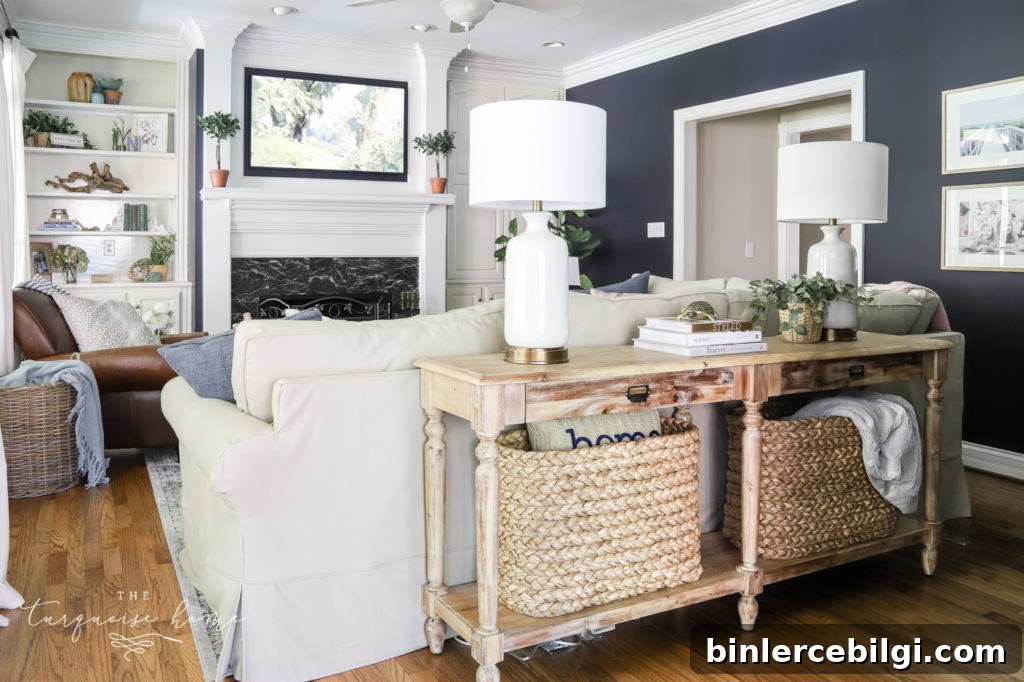
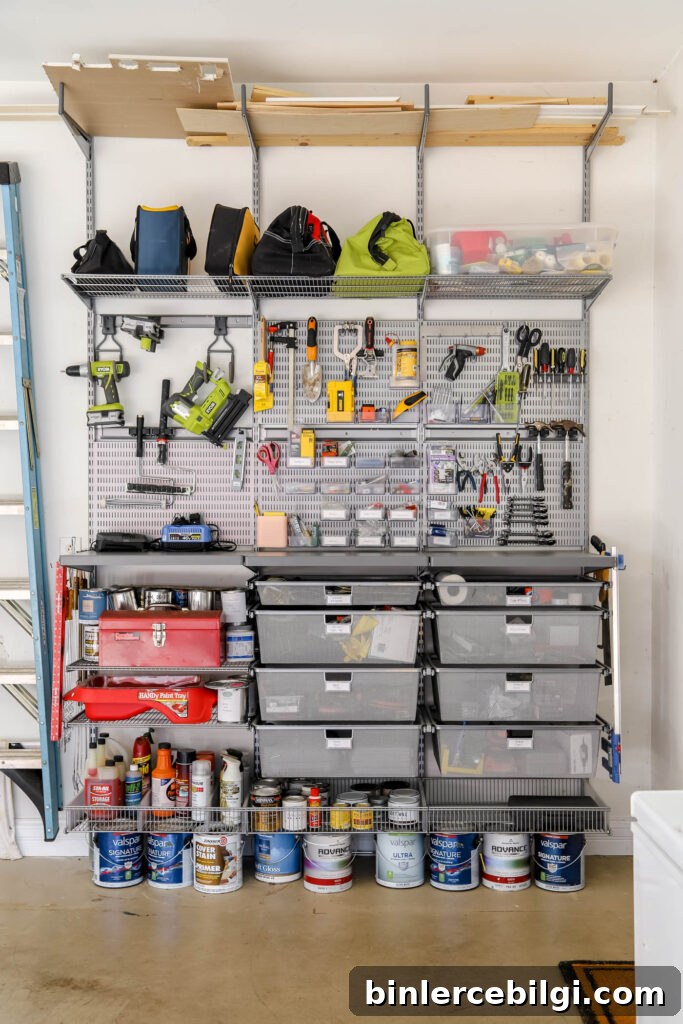
Start with function. List everything you expect the room to do. Will it be a primary living area, a guest bedroom, a homework zone, or a combination? Do you need extra storage or seating for gatherings? Observe how you and your family use the room for a couple of weeks and take notes — what’s missing, what’s getting in the way, and what you wish were different.
Prioritize that list. You may not be able to include every wish, but identifying the top needs ensures the space will be useful first and pretty second.
2. Decide how you want to feel in the room
Design is emotional. Pick three words that describe how you want the room to feel — for example cozy, welcoming, and casual, or light, bright, and airy. Keep these words visible while you make design choices so every decision supports the intended mood.
These feeling-words guide choices in materials, lighting, and finishes. For instance, a cozy feeling suggests layered lighting, soft textiles, and warmer colors, while an airy feeling leans toward light wall tones, minimal clutter, and breezy fabrics.
3. Get inspired
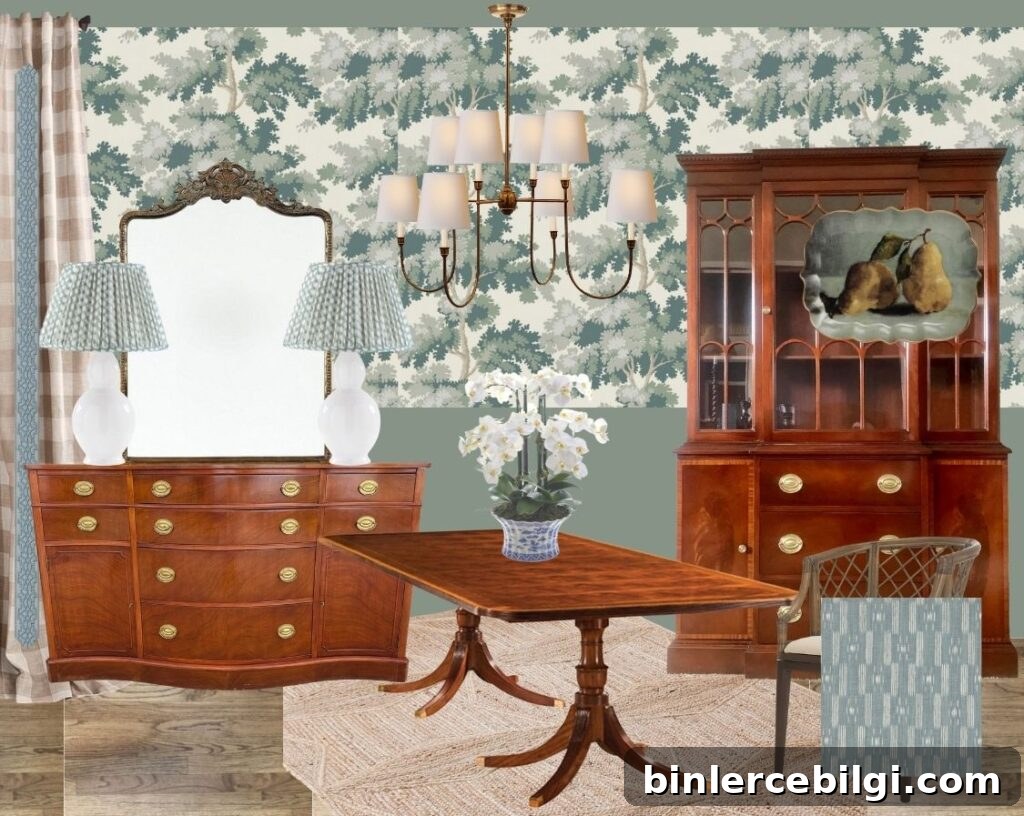
Collect images and ideas that match your desired feeling and function. You can use a physical binder, a digital folder, or a Pinterest board. As you gather images, look for recurring elements — similar wall treatments, furniture styles, textures, or color accents. Those repeated cues will reveal a direction you naturally prefer.
Once you spot consistent threads in your inspiration, use them to guide material and color choices for the rest of the project.
4. Set a budget
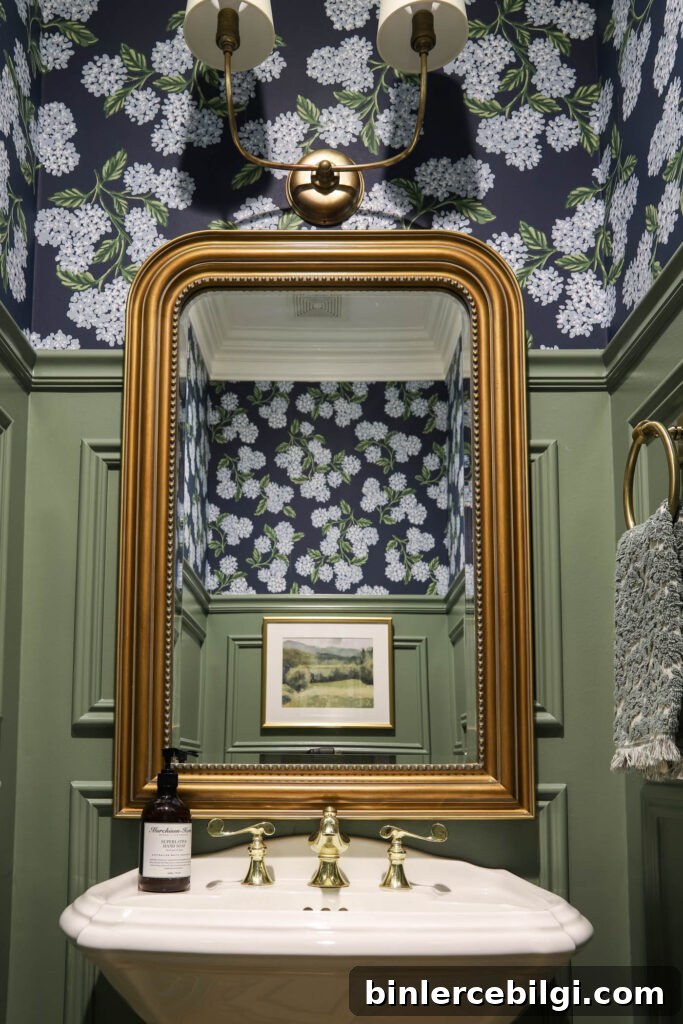
Decide how much you can realistically spend before you start buying. Add a 20% contingency for unexpected costs — shipping delays, extra materials, or small contractor fees. A firm budget keeps choices focused and prevents impulse purchases that blow up your plan.
Break the budget into categories (paint, furniture, lighting, window treatments, accessories, and labor) so you can see where money needs to go and where you can save.
5. Choose fabric or wallpaper first
Once you know the room’s mood and function, decide on fabrics or wallpaper before paint. Patterned fabrics or wallpaper often dictate the palette for the entire room. If you pick paint first, it’s harder to find fabric that coordinates; choose fabric first and match paint to it for a cohesive result.
Even a neutral fabric will influence texture choices and accent finishes, so treat textiles as a design anchor.
6. Choose paint and accent colors
Selecting paint becomes straightforward after fabric. Pick a main wall color that supports the mood and a couple of accent colors drawn from the fabric or wallpaper. Use accent color sparingly to create visual interest — a trim, a piece of furniture, or an accessory.
Test paint colors on the wall and view them at different times of day. Light changes color perception, so live with samples for a day or two before committing.
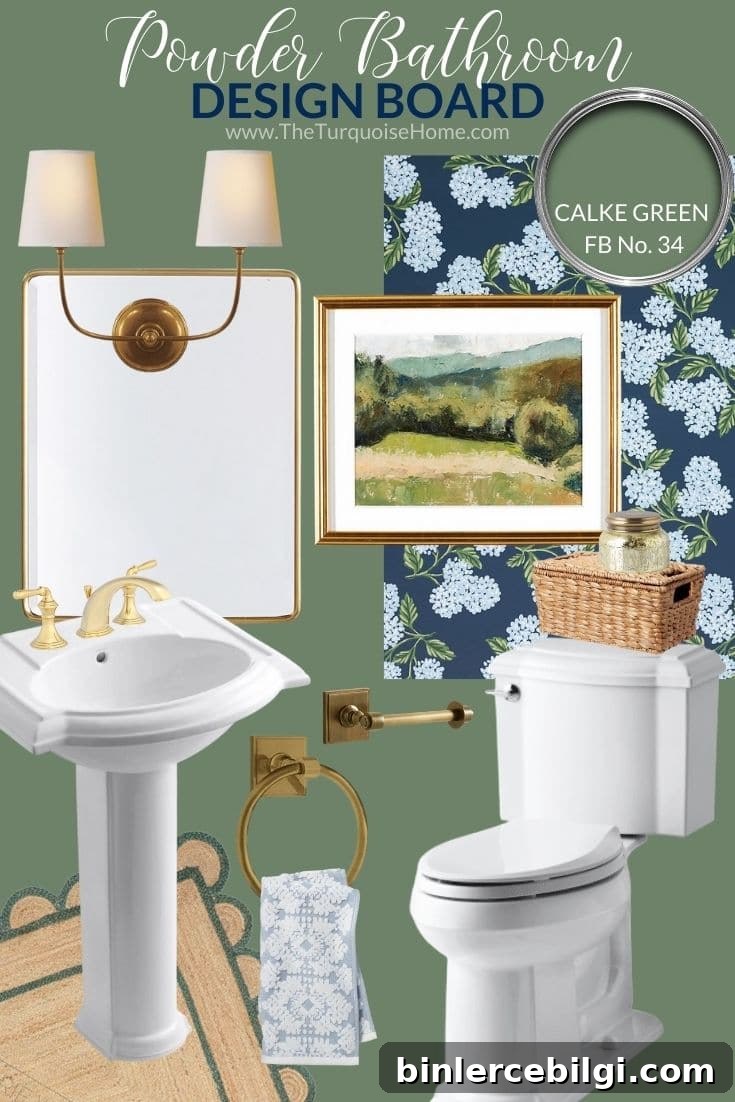
7. Cast the vision with a design board
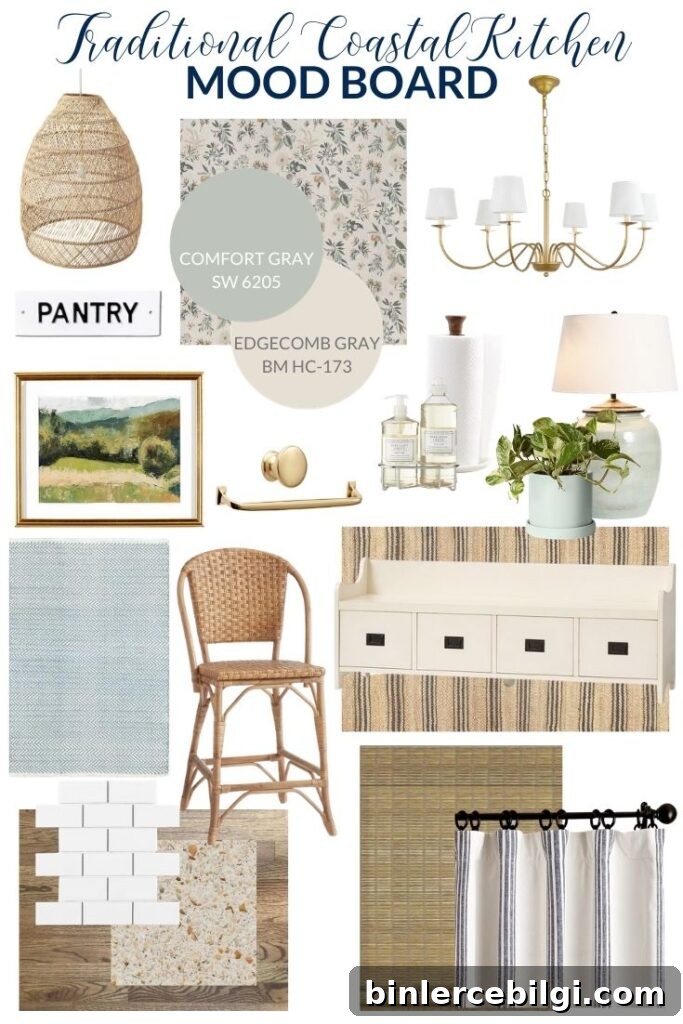
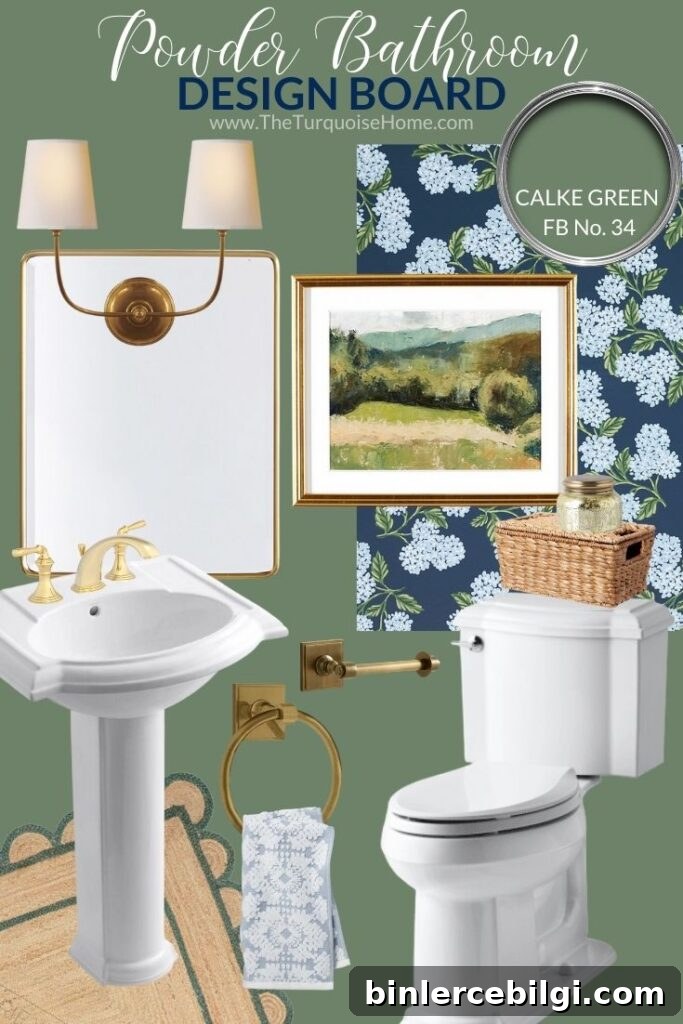
Create a mood board or design plan that assembles your fabric, paint, furniture, lighting, and accessories. This visual blueprint helps you see how pieces work together and saves money by preventing incompatible purchases.
A mood board is flexible — you’ll adjust it as you source items — but having a clear plan keeps the project cohesive from start to finish.
8. Purchase and install
With decisions made and a plan in hand, purchase items and schedule installations. If you’re hiring contractors, book them early. If you DIY, prepare a timeline and order materials with lead times in mind.
Install the major elements first — paint, lighting, and large furniture — then layer in textiles and accessories. Step back frequently and adjust until the room feels right.
These steps help transform uncertainty into a clear process. When you plan for function, mood, and materials first, the rest of the decisions fall into place and the end result is a room you actually enjoy living in.
Have tips of your own or a step you always add? I’d love to hear them. Happy decorating!
MORE POSTS YOU WILL LOVE:
- Bookshelf Decor Ideas for a Stylish Bookcase
- Best Affordable Dining Chairs for Every Style
- How to Decorate a Mantel with a TV Above It
- How to Build a Custom Frame for Your Frame TV
- Spring Bedroom Decor Ideas to Refresh Your Space
- How an Oversized Floor Mirror Transformed a Bedroom Corner
- The Art of Slow Decorating: Why Taking Your Time Pays Off
- After-Christmas Winter Decorating Ideas to Cozy Up Your Home
- How Chinoiserie Lamps Changed a Primary Bedroom