
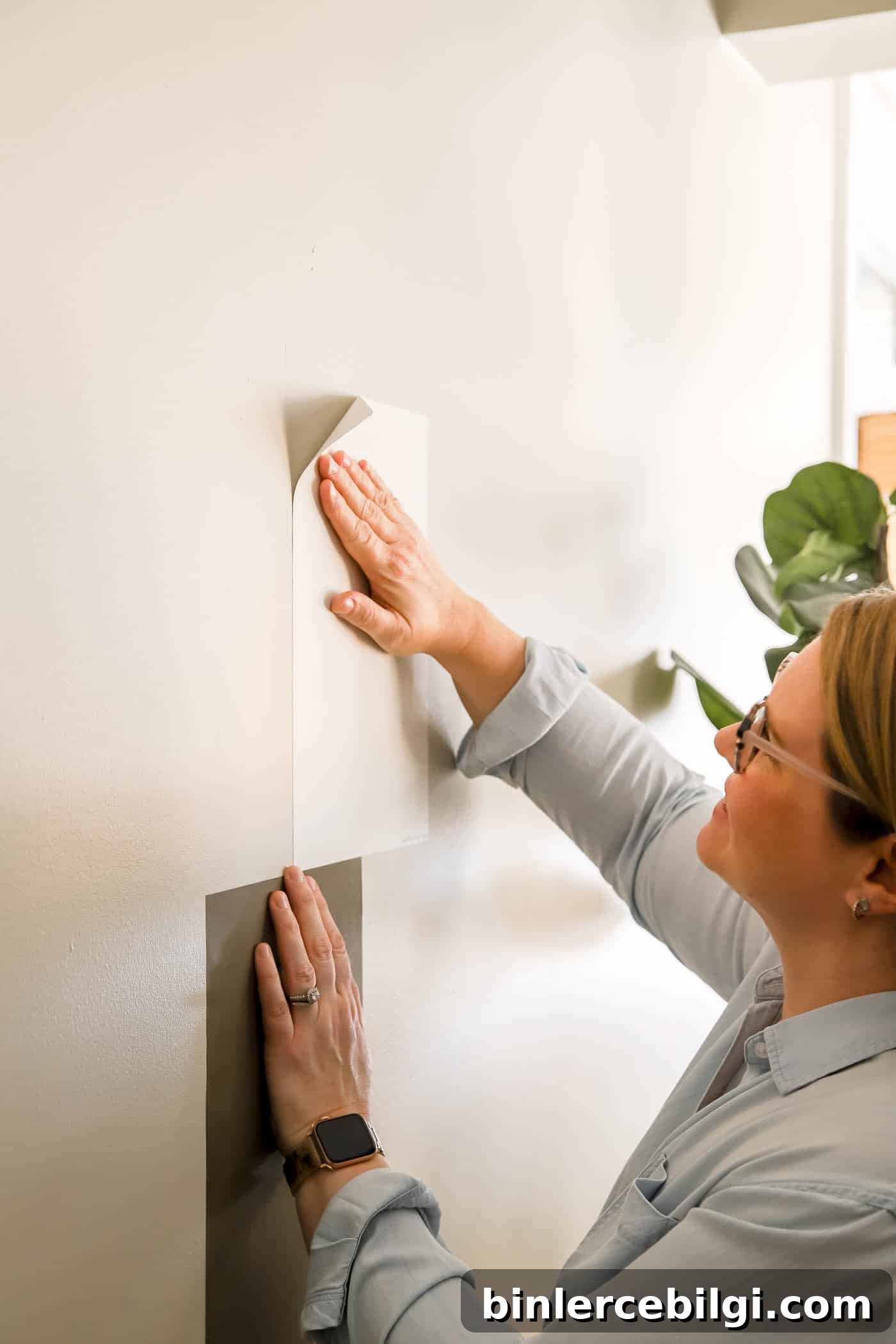
Discover the convenience of peel and stick paint samples. Try Samplize peel-and-stick paint samples to find your perfect color mess-free and with reliable color accuracy.
Choosing paint colors for your home is a powerful way to create a cohesive, beautiful space—but it’s easy to get it wrong. Over the years I’ve shared tips on choosing a whole-house color palette and tested many color-sampling methods. The most reliable way to confirm a color, though, is to sample the actual paint on your walls. That’s where peel and stick paint samples shine.
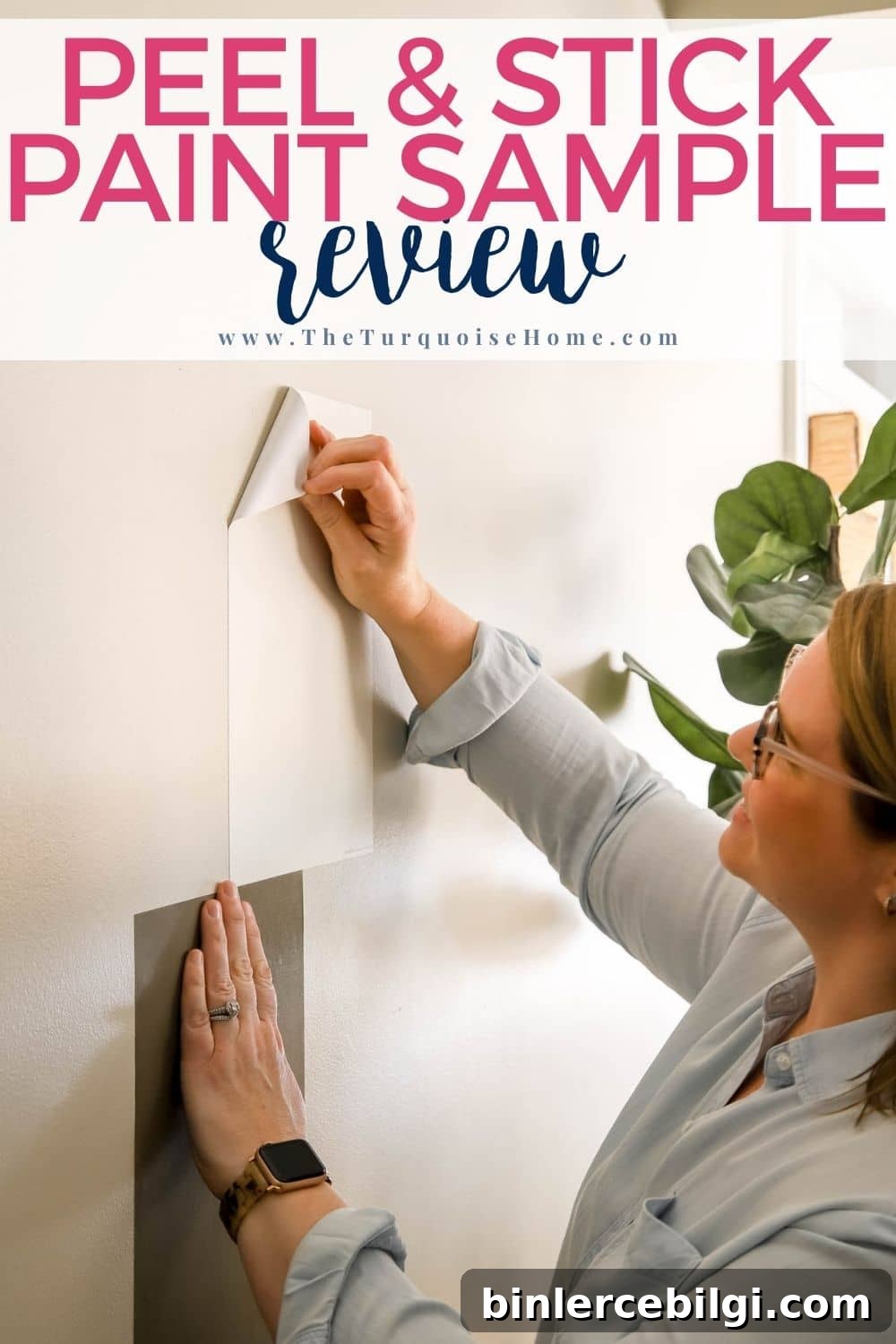
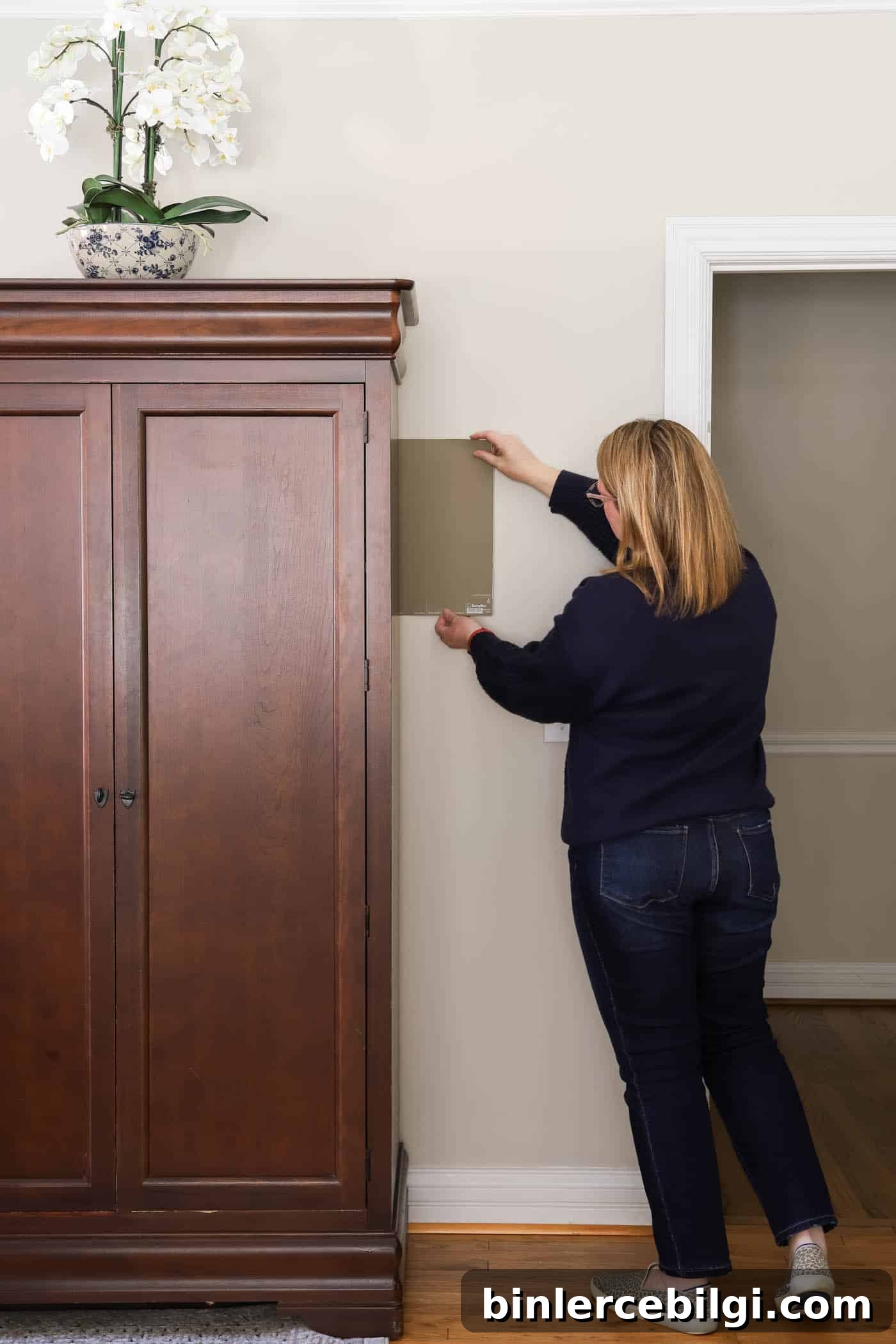
When I’m preparing to paint, I test many colors. For years I used peel-and-stick samples from Samplize because they’re simple to apply, repositionable, and remove the uncertainty of printed paint chips. They use real paint and come pre-coated, so you can compare colors in situ without brushes, mess, or drying time.
This post contains an affiliate disclosure for transparency. I pay for the samples I recommend and use them regularly because they work well for real-world color decisions.
What Are Peel-and-Stick Paint Samples?
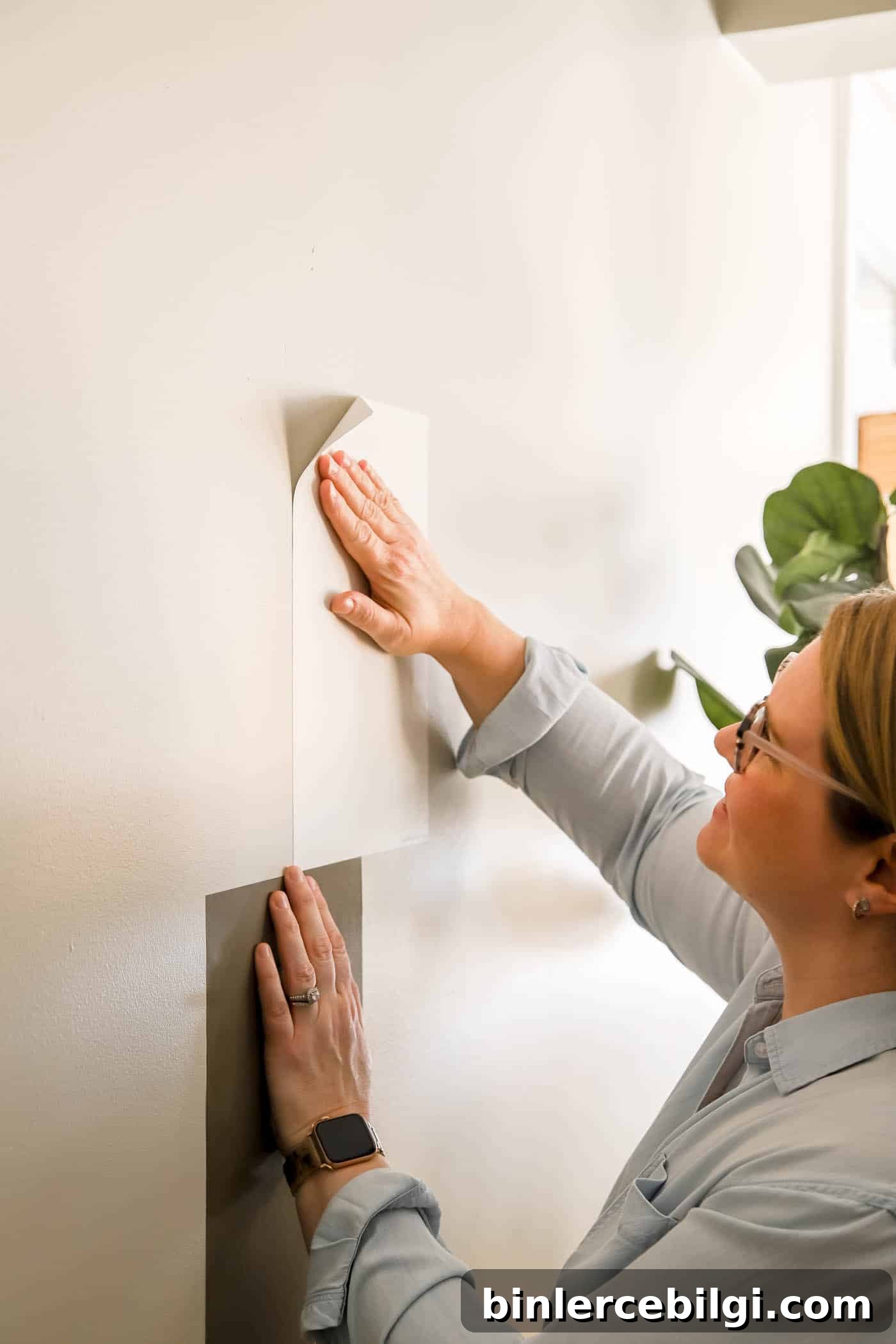
Peel-and-stick paint samples are oversized adhesive swatches coated with actual paint. Unlike printed paint chips, which are only an ink representation, these samples are painted with real paint (usually two coats), offering a true representation of the color and finish. They adhere temporarily to walls and surfaces, letting you test colors in the room you’ll be painting. Because the samples are repositionable, you can compare how a color reads in different rooms and lighting conditions.
Why Not Just Use Paint Chips or Test Pots?
Traditional fan decks and printed swatches are useful for narrowing choices but have limitations:
- Paint chips are printed and don’t show the actual paint color or finish.
- Sample pots require brushes, time to dry, and cleanup. They can leave messy patches on walls or require painting poster board to move swatches around.
Peel-and-stick samples eliminate these hassles. They deliver a larger, accurate color sample made with real paint, without the mess of pots and brushes. Instead of creating your own swatches on poster board, you can quickly test multiple shades on your walls and view them in different lighting.
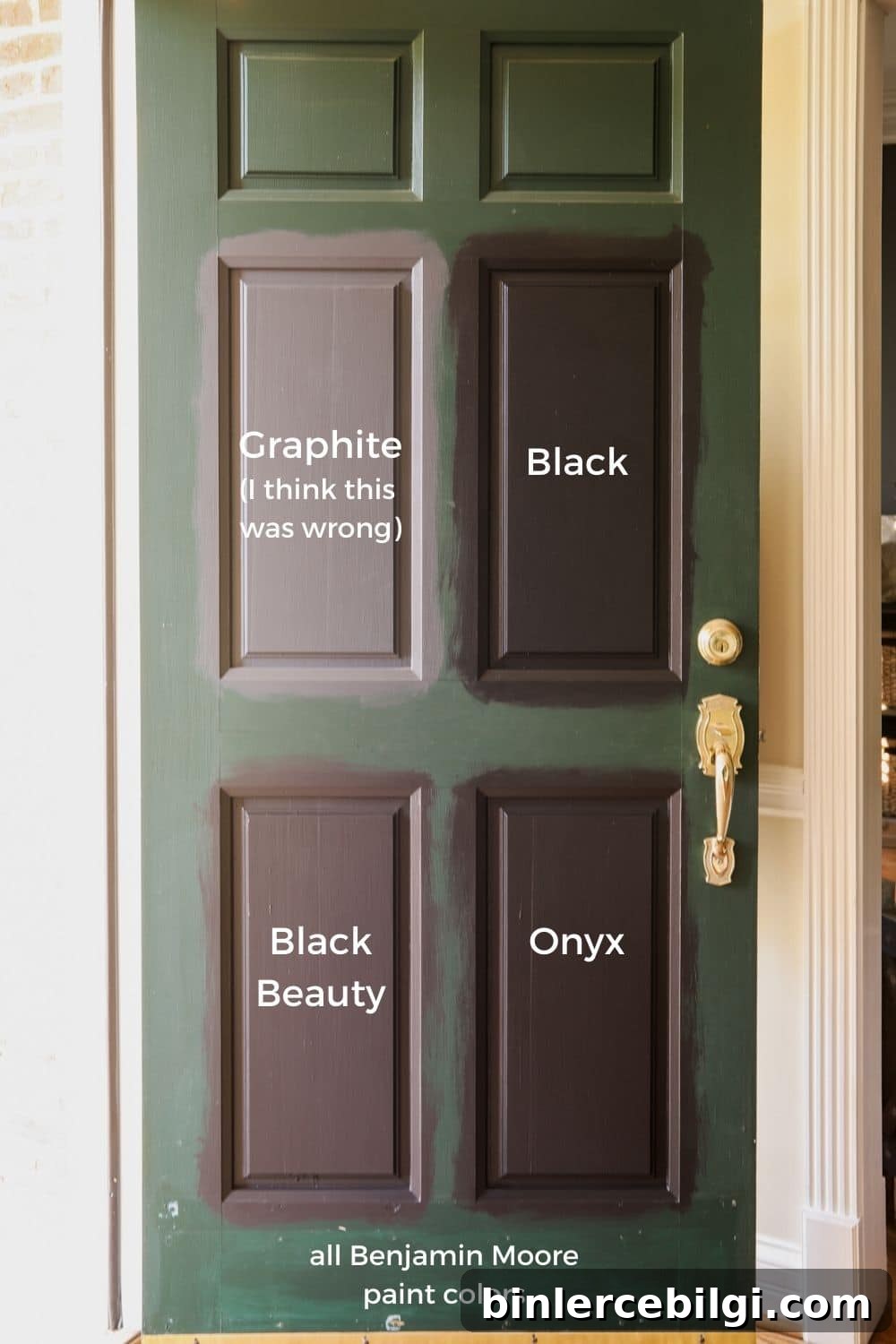
After trying sample pots and making poster-board swatches for years, peel-and-stick samples became my go-to because they’re faster, cleaner, and easier to store for later reference.
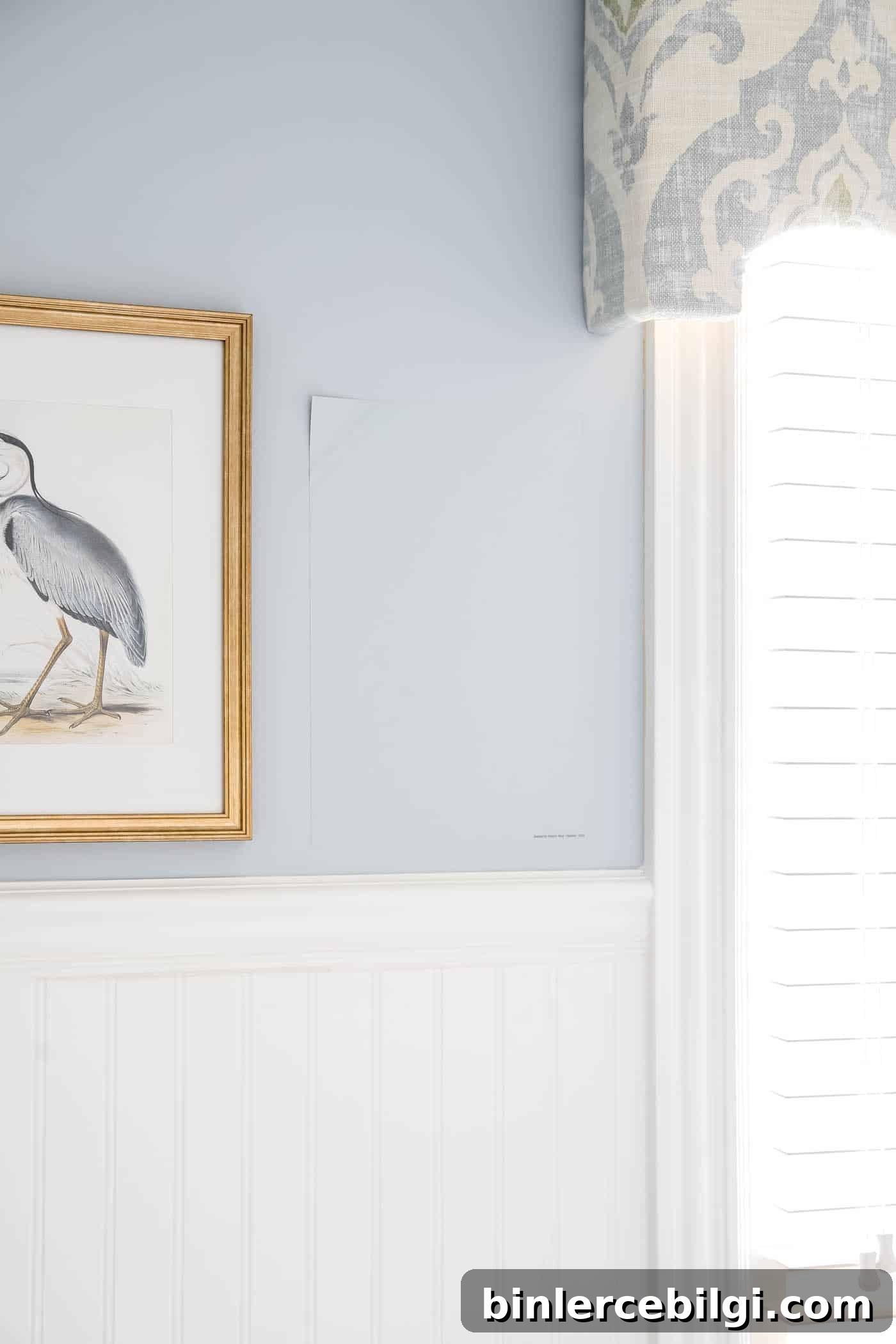
Do Samplize Samples Give Accurate Color?
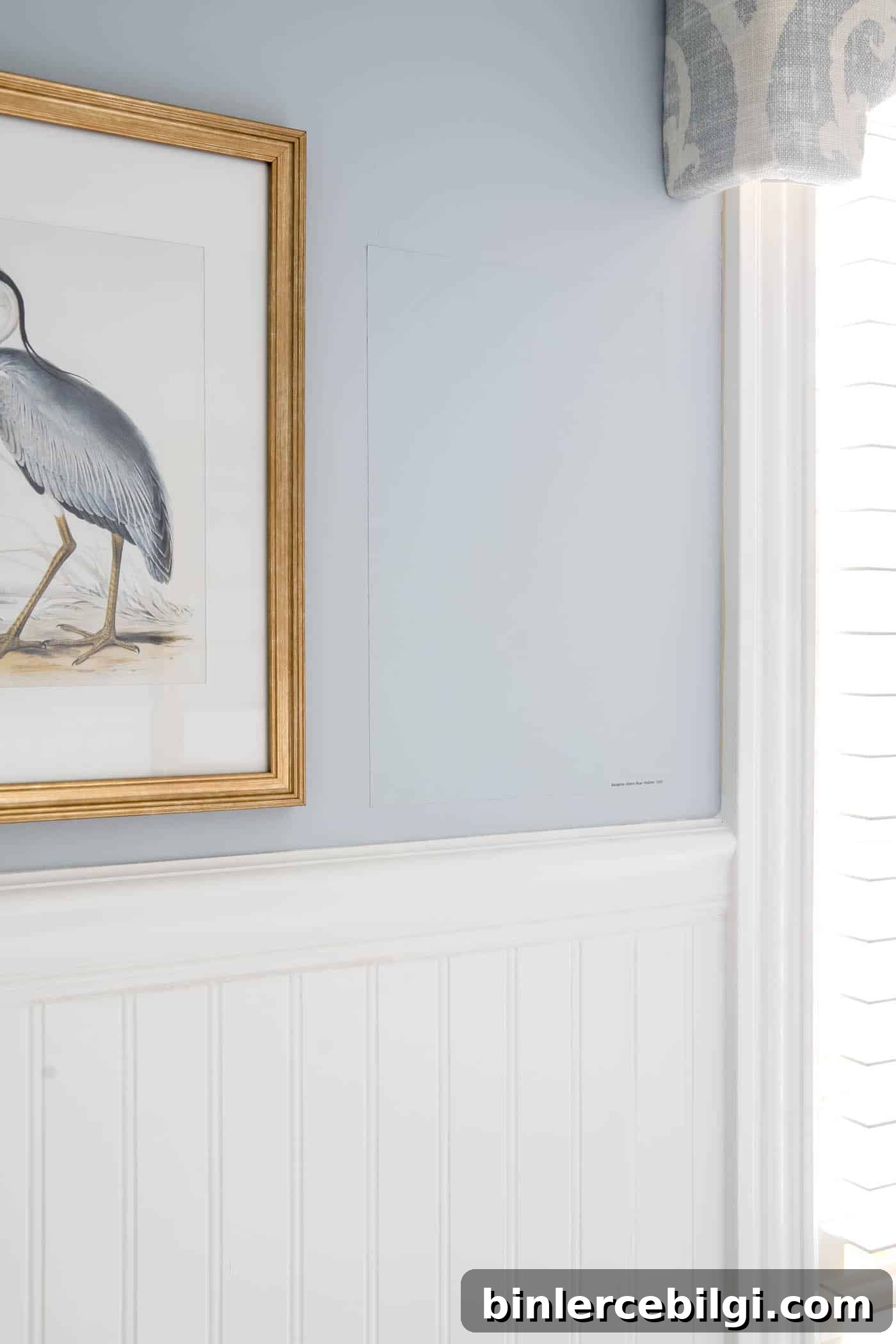
Yes. In my experience, Samplize samples are excellent at matching the true paint color because they’re made with two coats of the actual paint. When placed on a painted wall, they blend in convincingly—so much so that it can be hard to spot the sample once applied. Keep in mind that paint can shift slightly over years due to sunlight or aging, but for current color decisions these samples give an honest preview.
Can You Reuse Peel-and-Stick Paint Samples?
Absolutely. These samples are reusable: peel them off the wall and stick them back onto their backing or tape them in place for safekeeping. I’ve removed and reapplied mine many times and stored them in a file or drawer for future reference. They remain usable even after months or years if stored properly.

Benefits of Peel-and-Stick Paint Samples
If you’re weighing whether peel-and-stick samples are worth it, here are the main benefits:
1. No Mess, No Stress
No brushes, no tarps, no drying time, no cleanup. Peel and stick samples are clean and easy to use—just peel and apply.
2. Accuracy You Can Trust
Because these samples are made with real paint, they offer a true representation of the final color and finish, minimizing surprises.
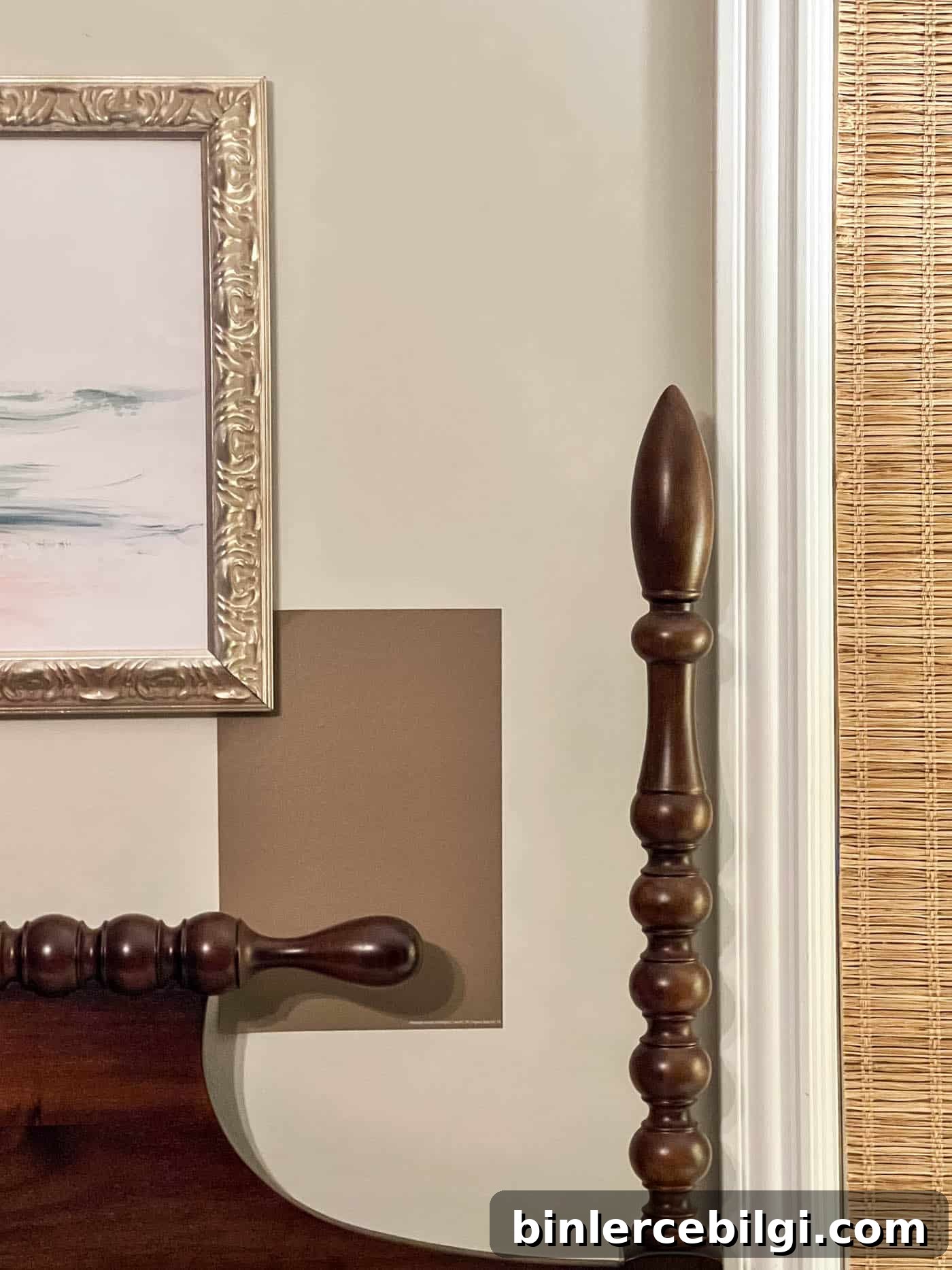
3. Try Before You Buy
Test colors next to your furniture, trim, and artwork and observe how they change with daylight and artificial light. Move samples between walls to see undertone shifts and lighting effects.
4. Saves Time and Money
Purchasing multiple sample pots can get expensive and messy. Peel-and-stick samples are relatively affordable, reusable, and fast to apply.
5. Eco-Friendly Option
Because there’s no leftover paint waste and many sample providers use sustainable materials and packaging, these samples are often a greener choice for testing color.
How to Use Peel-and-Stick Paint Samples
Using peel-and-stick samples is straightforward. Follow these steps to make the most of them:
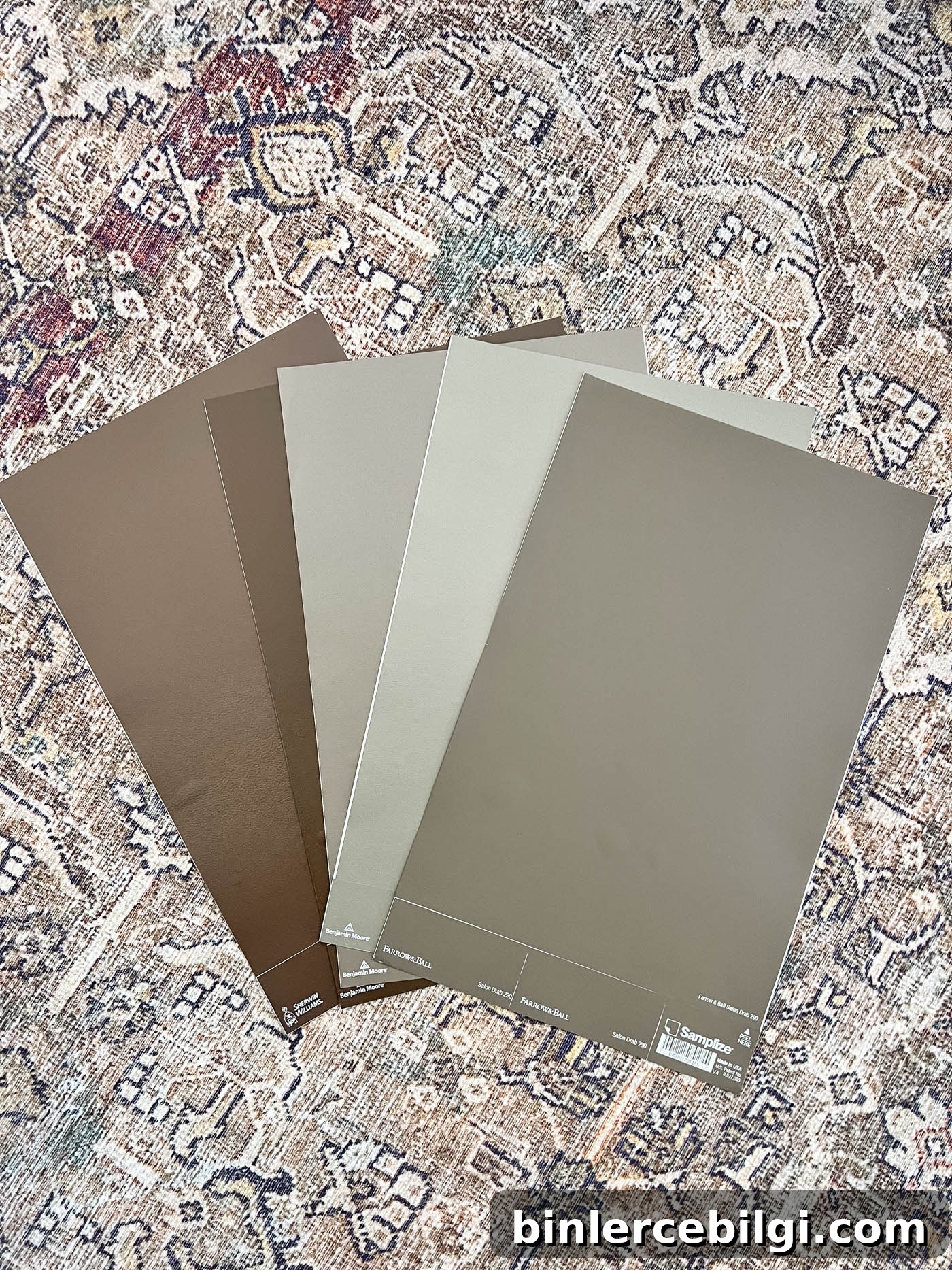
Step 1: Order Your Samples
Choose a selection of shades you’re considering from trusted paint brands. Order several similar shades so you can compare undertones and finishes side-by-side.
Step 2: Peel and Stick
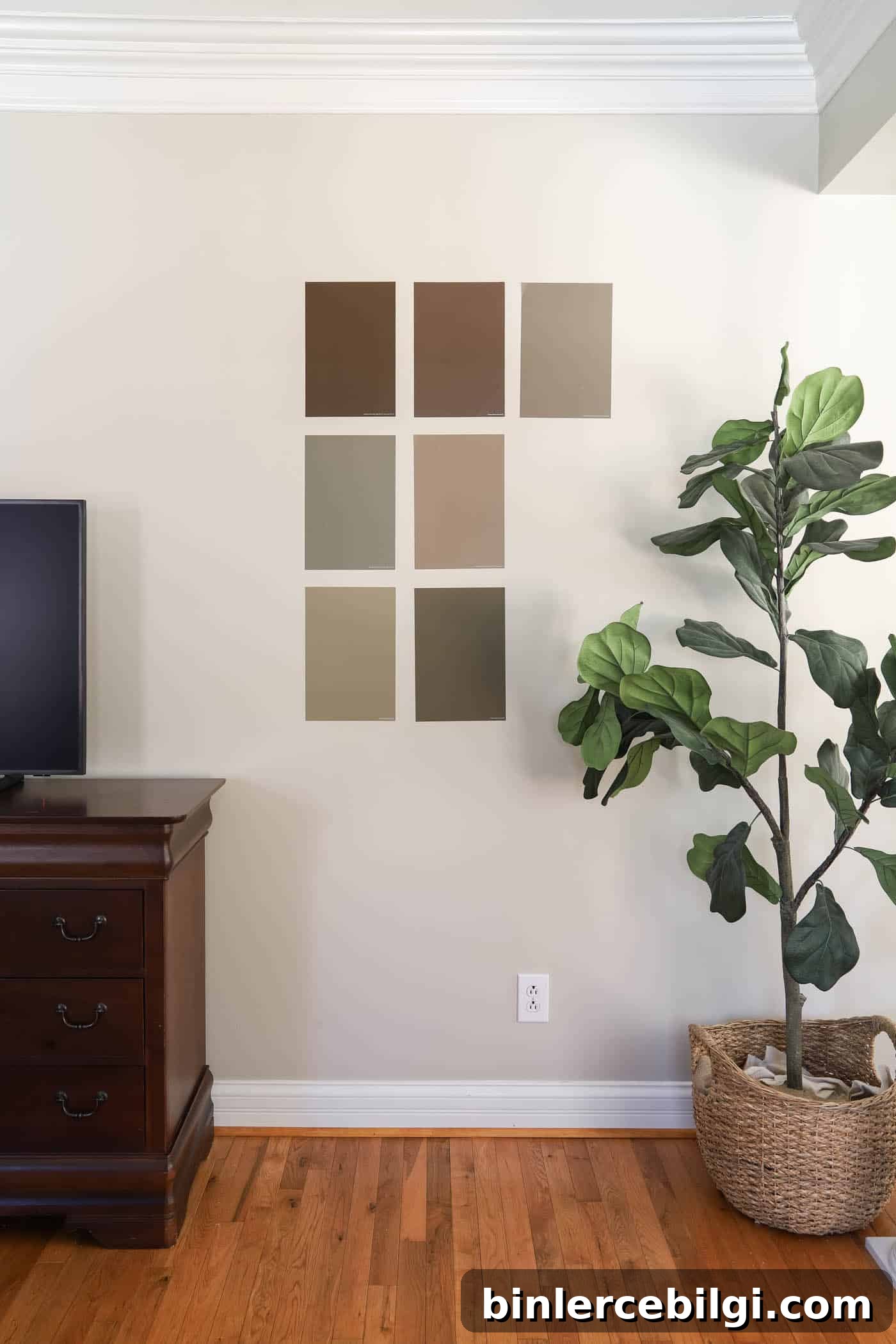
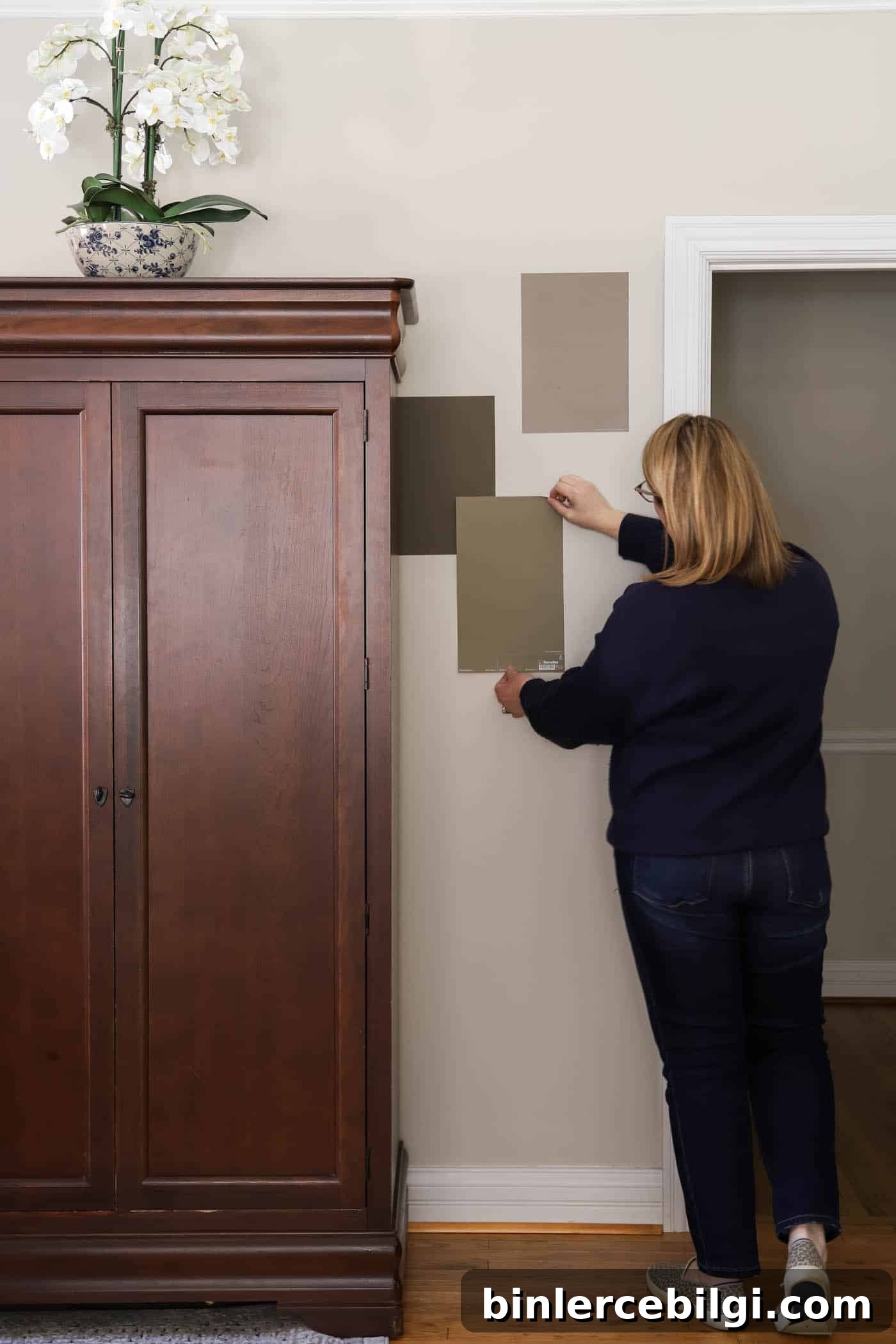
Stick samples to the wall or surface you plan to paint. Test them on multiple walls to observe how the color shifts with different lighting and surroundings.
Step 3: Observe and Decide
Live with the samples for a few days. Check them in morning, afternoon, and evening light. Compare them against furniture, trim, and textiles. Rearrange or add samples until you’re confident.
Step 4: Choose the Winner
Once you’ve confirmed the shade that works best in your space and lighting, buy the paint with confidence and move forward with your project.
Why Samplize Paint Samples Are Helpful
Samplize peel-and-stick samples are widely used because they offer a broad selection of colors from top paint brands, reliable color accuracy, repositionable adhesive, and a reusable format that’s easy to store. Their curated color bundles can also simplify pairing and palette choices.
Tips for Choosing the Right Paint Color
Here are a few practical tips to help you land on the perfect paint color:
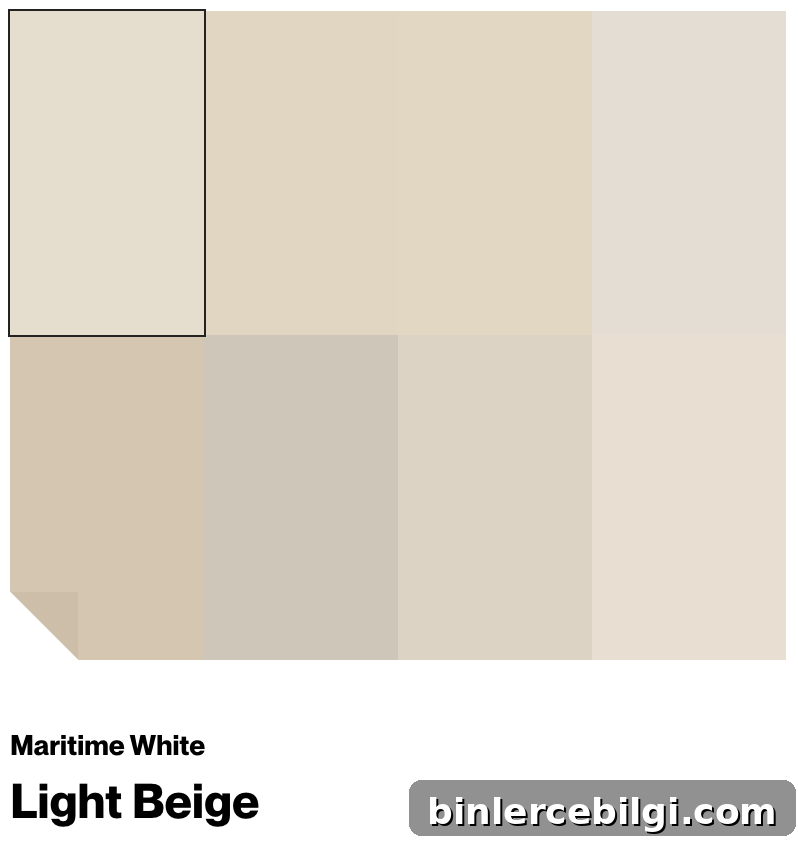
- Start with a neutral base: If uncertain, begin with timeless neutrals like soft gray, warm beige, or classic white.
- Consider undertones: Look for warm (yellow, pink) or cool (blue, green) undertones—these affect how a color reads next to other finishes.
- Test in different lighting: Observe samples throughout the day and under artificial light.
- Trust your instincts: The right color should feel right for the room and make you happy to spend time there.
Transform Your Space with Confidence
Peel-and-stick paint samples make selecting paint colors easier, faster, and more accurate. They remove the mess and guesswork from the process and let you experience colors in the context of your home before you commit. Use them to simplify decisions and bring your design vision to life, one confident color choice at a time.
More posts you might like:
- How to Paint Trim: A Step-by-Step Guide
- How to Paint Outlet Covers
- The Best Green Paint Colors for Your Home
- How to Paint Countertops to Look Like Marble