
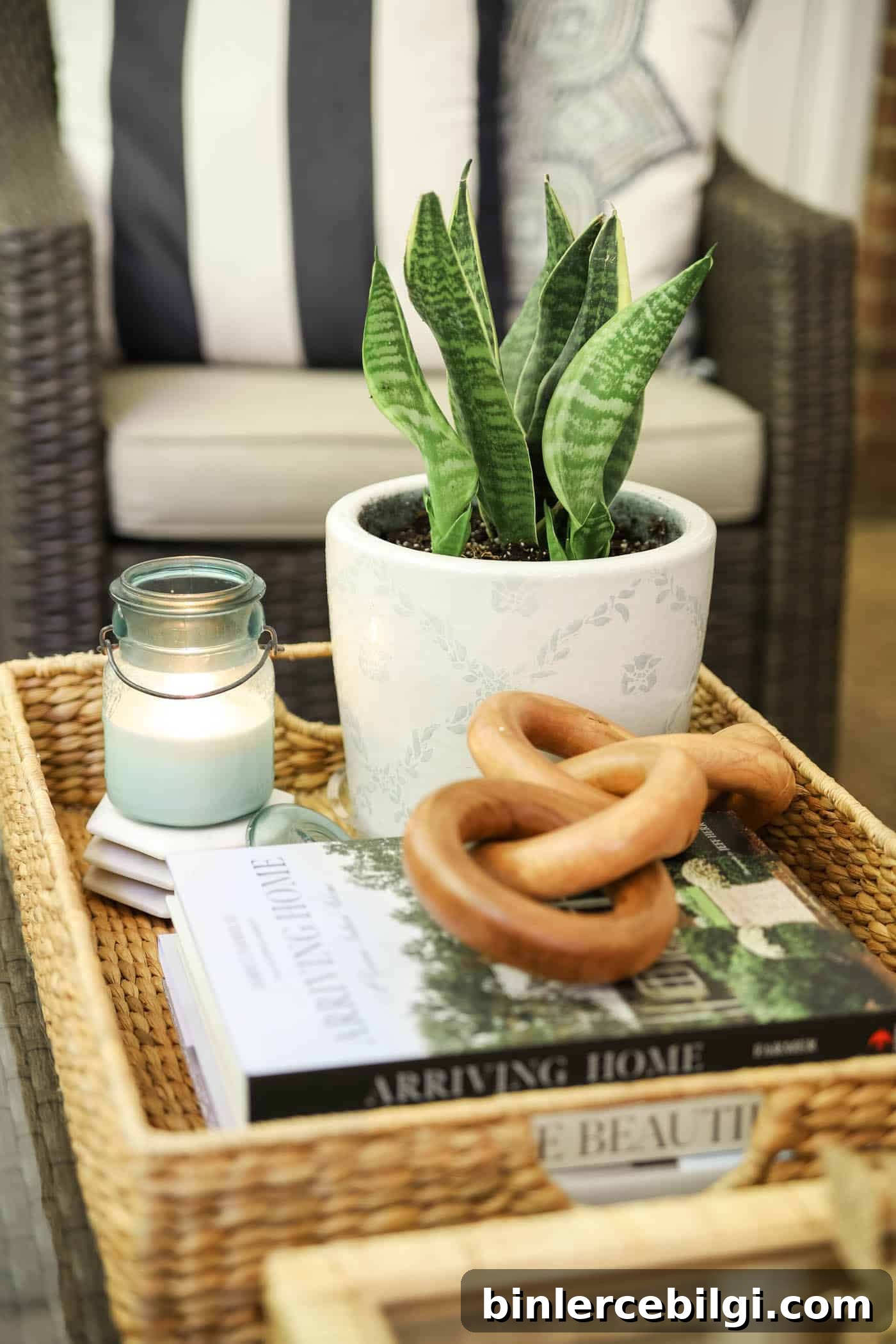
I’ve long admired the humble snake plant for its striking form and easy care. While it’s one of the most forgiving houseplants you can own, a little know-how helps it thrive indoors. Below I expand on why this plant is such a great choice, the popular varieties, how to propagate it, and the practical care tips you need to keep it healthy year-round.

The snake plant—scientifically known as Sansevieria trifasciata and commonly called mother-in-law’s tongue—is a popular, sculptural indoor plant. Some older names and references also call it viper’s bowstring hemp because its strong fibers were once used for cordage.
These plants develop long, upright, sword-shaped leaves that form a bold vertical presence in a room. They can reach impressive sizes under the right conditions and work well as a focal point or as part of a mixed plant display.
I’ve owned several over the years. One that I received at my grandfather’s funeral didn’t survive being left outside in a freeze, so take care not to expose them to temperatures below freezing. I learned the hard way and now keep mine inside most of the year.
Benefits of Snake Plants
- Attractive form: Snake plants offer dramatic vertical foliage—usually dark green leaves with lighter stripes or bands—that suits modern and traditional interiors alike.
- Versatile style: With many shapes and color varieties, they fit nearly any décor and can be used in compact spaces or in larger statement pots.
- Low maintenance: They are among the easiest houseplants to care for and tolerate neglect better than most.
- Air-friendly: Snake plants perform a form of photosynthesis that allows them to continue releasing oxygen at night, making them a popular choice for bedrooms. They’re also known for filtering certain indoor pollutants.

Popular Varieties of Snake Plants
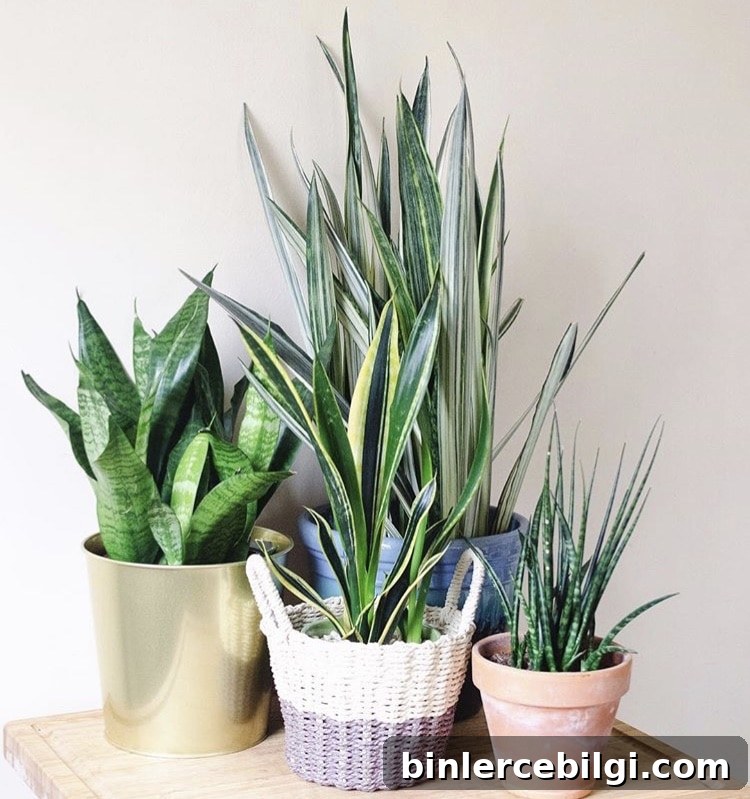
One of the joys of collecting snake plants is the wide range of varieties available. Here are some of the most common types and what sets each apart:
- Sansevieria Laurentii: Narrow leaves with white vertical margins; commonly grows up to about 3 feet.
- Sansevieria cylindrica (African Spear): Cylindrical, spear-like leaves that form a rosette; can grow very tall and often displays horizontal banding.
- Golden Hahnii (Bird’s Nest): A compact, rosette-forming variety with golden-yellow stripes—great for small spaces.
- Twisted Sister (Gold Twist): Notable for its spiral, twisted leaves that add sculptural interest.
- Black Gold: Dark green to nearly black leaves with gold margins for a dramatic contrast.
- Black Robusta: A sturdy, dark-leaved cultivar with a bold presence.
- Futura Superba: Broad, dark green leaves with lighter striping.
- Black Dragon and Black Jack: Deep purple-black to near-black foliage prized for high-contrast displays.
- Bantel’s Sensation: Striking white vertical striping that gives a zebra-like appearance.

How to Propagate Snake Plants from Leaf Cuttings
Propagating snake plants is straightforward and budget-friendly. The water propagation method is beginner-friendly and a great way to multiply your collection or share cuttings with friends.
Follow these steps for water propagation:
- Choose a healthy, mature leaf.
- Cut the leaf cleanly near the soil line with sterile scissors or a sharp knife.
- Divide the leaf into sections of at least 3 inches, keeping track of which end was the bottom.
- Trim a small V-shape into the bottom of each section to expose fresh tissue for rooting.
- Place the cut ends into a jar with a couple of inches of clean water.
- Keep the jar in bright, indirect light—avoid direct sun.
- Change the water weekly and rinse the jar to prevent stagnation.
- After three to four weeks you should see roots forming.
- Once roots are established, pot each cutting into well-draining potting mix.
- Monitor for new leaf growth as the cutting becomes established.
Snake Plant Care Essentials
Below are the key care factors—light, water, soil, temperature, and common issues—to help your snake plant stay strong and attractive.
Light
Snake plants adapt to a wide range of light levels. They tolerate low light, though growth will be slower, and they handle bright, indirect light best. Avoid prolonged direct sun, which can scorch the leaves. Artificial light, such as fluorescent or LED grow lights, also works well when natural light is limited.
Toxicity
Snake plants are toxic if ingested by pets or humans and can cause nausea, vomiting, and diarrhea. Keep them out of reach of curious children and animals.
Watering
Only water every 2–6 weeks depending on light, temperature, and humidity. Check the top inch of soil—if it’s dry, it’s time to water. These plants are drought-tolerant and much more likely to suffer from overwatering than from too little. Reduce watering in fall and winter when growth slows.
Pot size and repotting
Snake plants prefer slightly snug pots. Choose a container 1–2 inches wider than the root ball. Repot every 2–3 years or when the plant becomes root-bound—look for roots coming out of drainage holes or a decline in growth.
Soil
Use a well-draining mix, such as cactus or succulent soil, or amend regular potting soil with perlite or coarse sand. Fertilize lightly with a balanced houseplant fertilizer about once a month during the growing season.
Temperature and humidity
Ideal temperatures are about 60–85°F (15–30°C) with average indoor humidity around 40–60%. They tolerate a range of conditions but avoid prolonged cold or extreme humidity.
Common Problems and Solutions
Even hardy plants can run into trouble. Here are common issues and how to fix them:
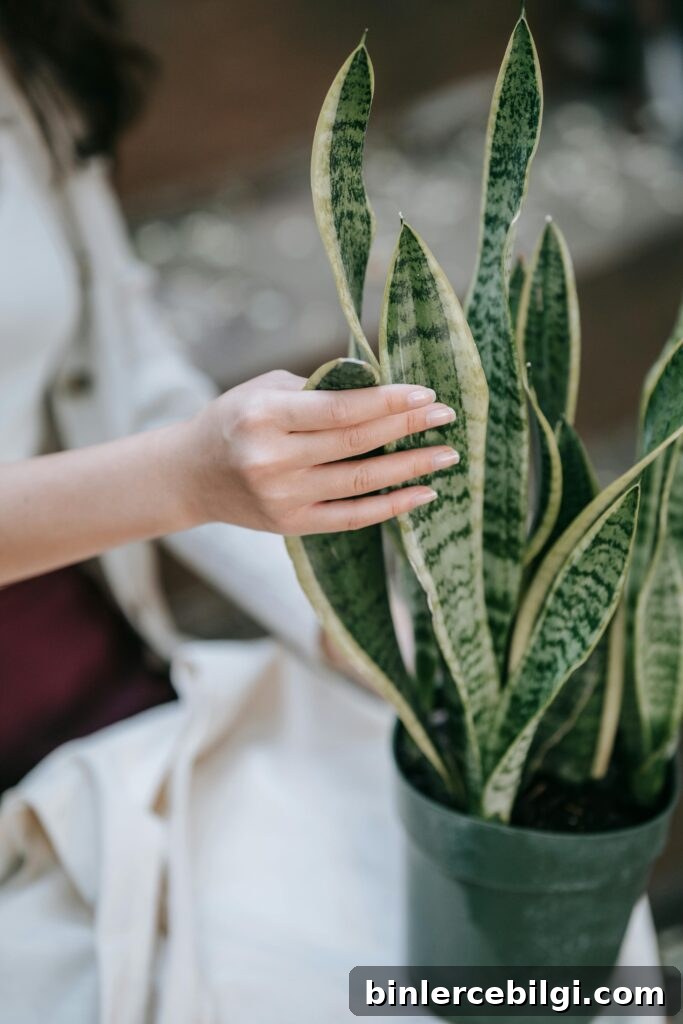
- Poor growth: Often caused by insufficient light, overwatering, nutrient deficiency, or extreme temperatures. Try a brighter location, adjust watering, and refresh soil if the plant is pot-bound.
- Yellowing or wilting leaves: This can indicate root rot from overwatering or pests like spider mites and mealybugs. For pests, treat with neem oil or an appropriate insecticidal soap. For root rot, remove the plant from the pot, trim away rotten roots, and repot in fresh, well-draining soil.
- Unusual blooming: Snake plants occasionally flower, producing small tubular blooms and sometimes berries. Flowering is uncommon and can be triggered by stress or being root-bound; it’s not usually a sign of poor health but rather a rare occurrence.
Helpful Accessories
Some useful items for snake plant care include balanced houseplant fertilizers, self-watering planters for convenience, sturdy plant shelves to optimize light, and a soil moisture/light/pH tester to keep conditions consistent.
If you have more questions about snake plant care, feel free to leave a comment—I’m happy to help or look into anything I don’t already know.
More posts you might enjoy:
- ZZ Plant Care Guide
- Pothos Plant Care Guide
- How to Plant Flowers in a Pot, Planter or Container
- Where to Buy the Best Fake Plants
- How to Get Rid of Gnats in House Plants