
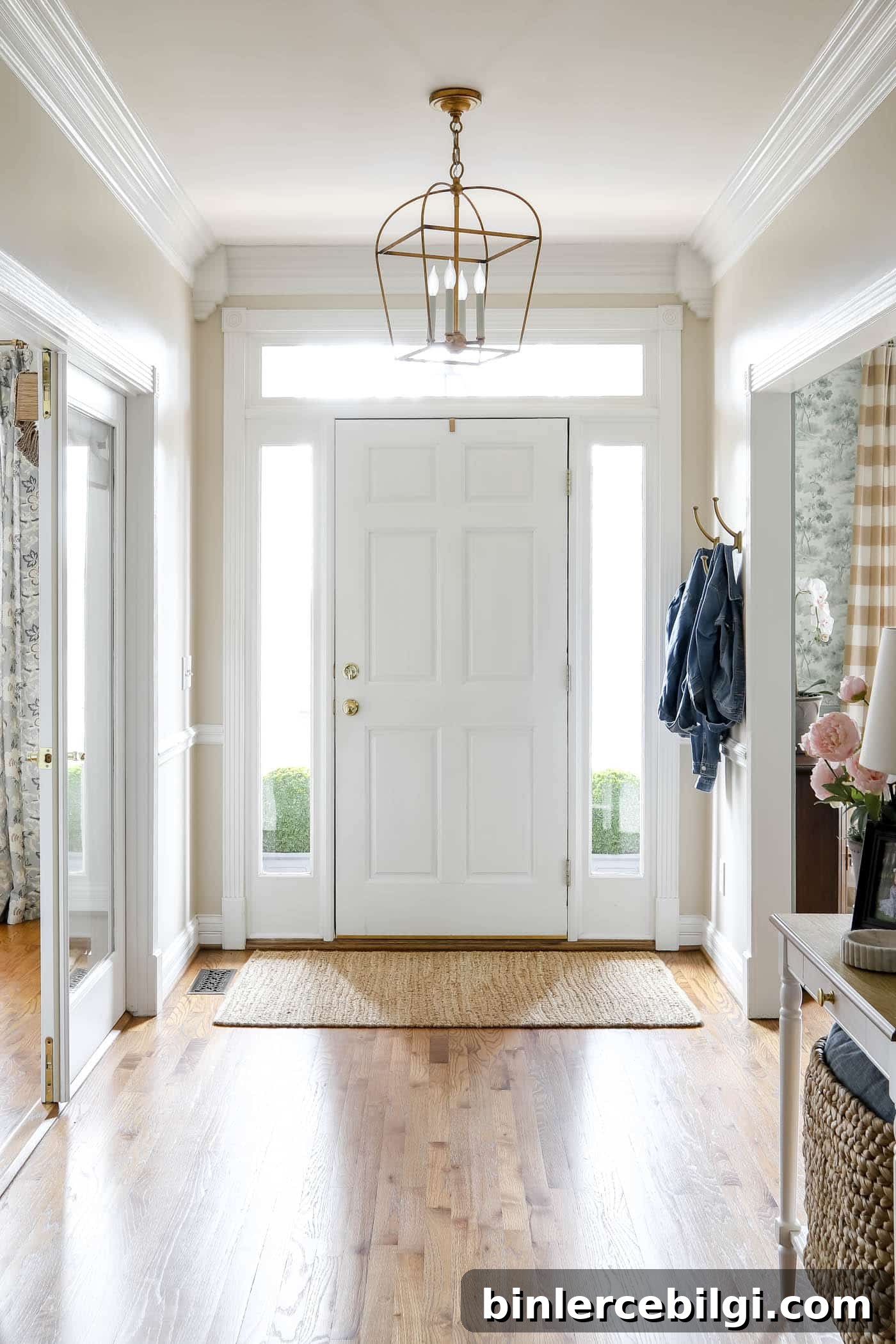
Choosing an entryway rug should be both practical and beautiful. Below are clear, easy-to-follow tips to help you pick the right rug for your home—one that can handle heavy foot traffic while enhancing your entry’s look.
An entryway rug serves two main purposes: it creates a welcoming first impression and helps keep dirt from being tracked into your home. With the right rug, you can combine style and function without compromise. Here are smart guidelines for selecting, caring for, and installing an entryway rug.
This post contains affiliate links for your convenience. See my full disclosure policy.
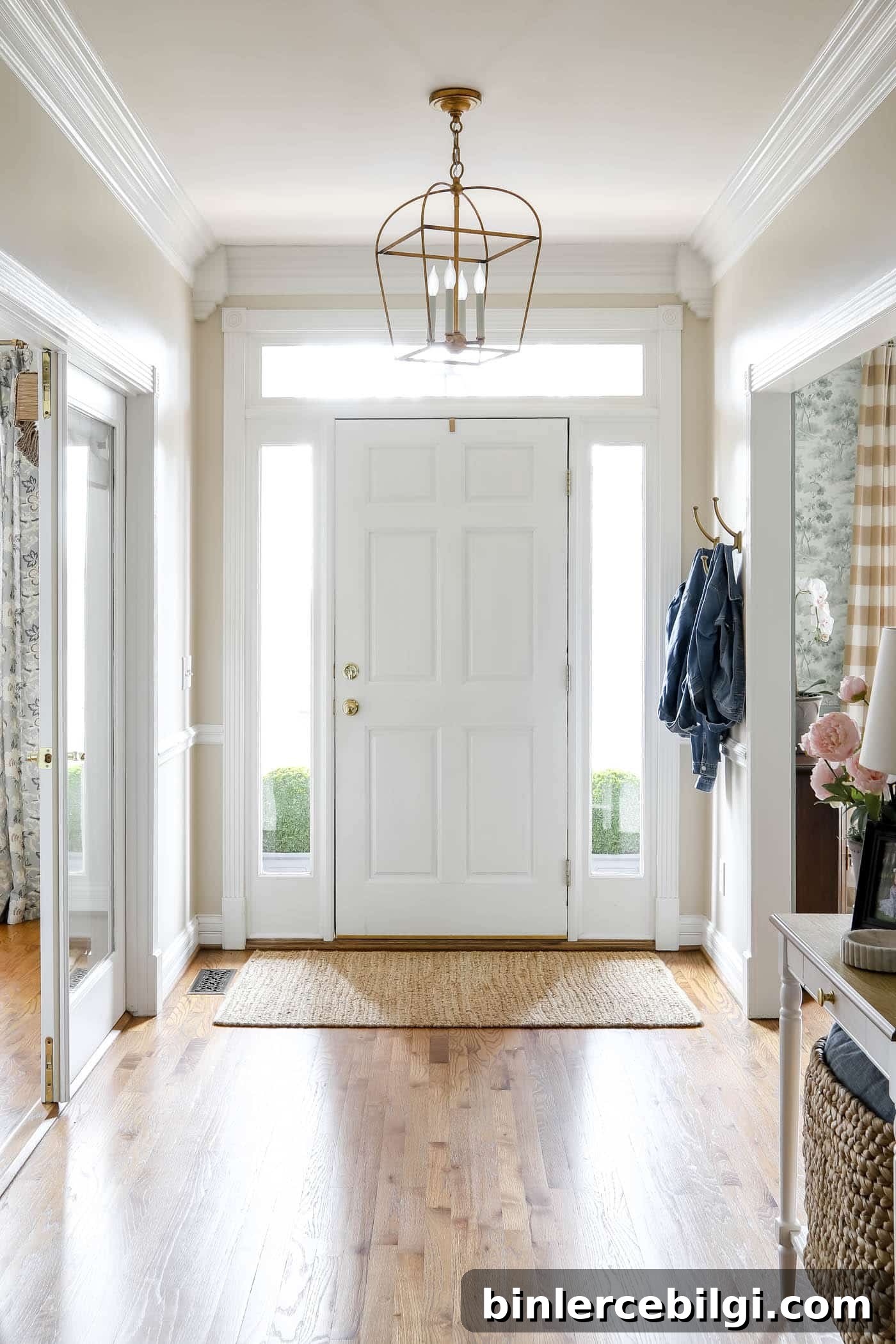
I’ve had a neutral heather jute/chenille rug in front of my door for several years and it’s been perfect. It looks great with my decor, has pleasant texture, is easy to clean, and traps dirt before it reaches the rest of the house.

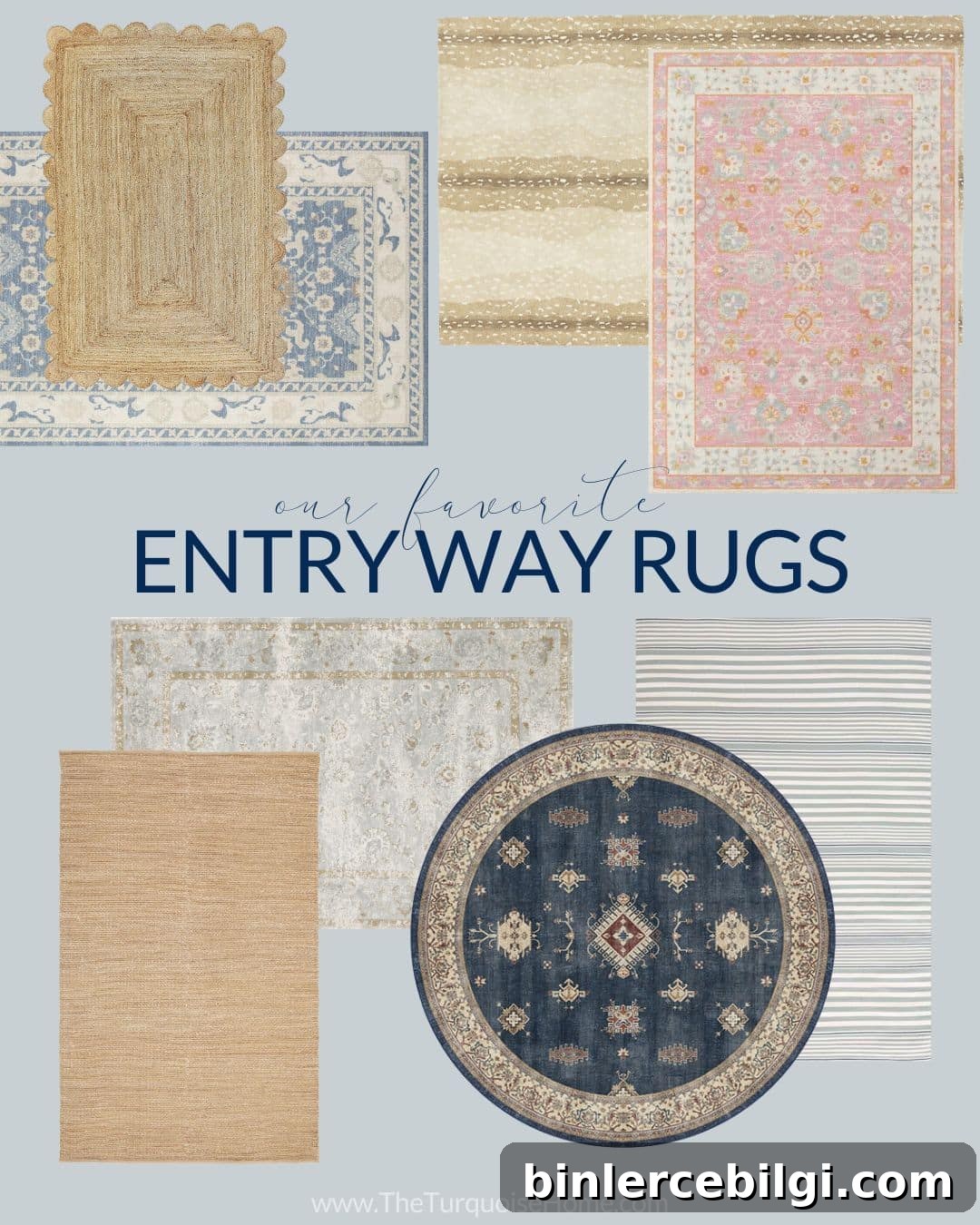
SOURCES: Jute Scallop Rug | Momeni Anatolia Wool Rug | Antelope Hand-Tufted Rug | Pink Rug | Heather Chenille & Jute Rug | Neutral & Sea Blue Rug | Washable Navy Round Rug | Striped Rug
How to Choose an Entryway Rug
Entryway rugs require different considerations than living room or bedroom rugs. They see more traffic, face more dirt, and need to be practical while still complementing your home’s style. Use the seven criteria below to narrow your choices.
1. Size of the Rug
Measure the length and width of your entryway before shopping. The rug should cover high-traffic zones so shoes land on the rug rather than the bare floor. A common and versatile size for many entries is 3′ x 5′, but larger foyers may benefit from a bigger rug or a runner. If you’re unsure, mark the intended rug area with painter’s tape to visualize scale.
2. Rug Material
Durability is essential. Natural fibers like jute, sisal, and coir are hard-wearing and lend organic texture. Wool is durable, comfortable, and resists grime, though it’s usually pricier. Synthetic fibers such as nylon or polyester offer stain resistance and often lower cost. I prefer natural materials for their feel and appearance, but choose the material that best suits your budget and lifestyle.
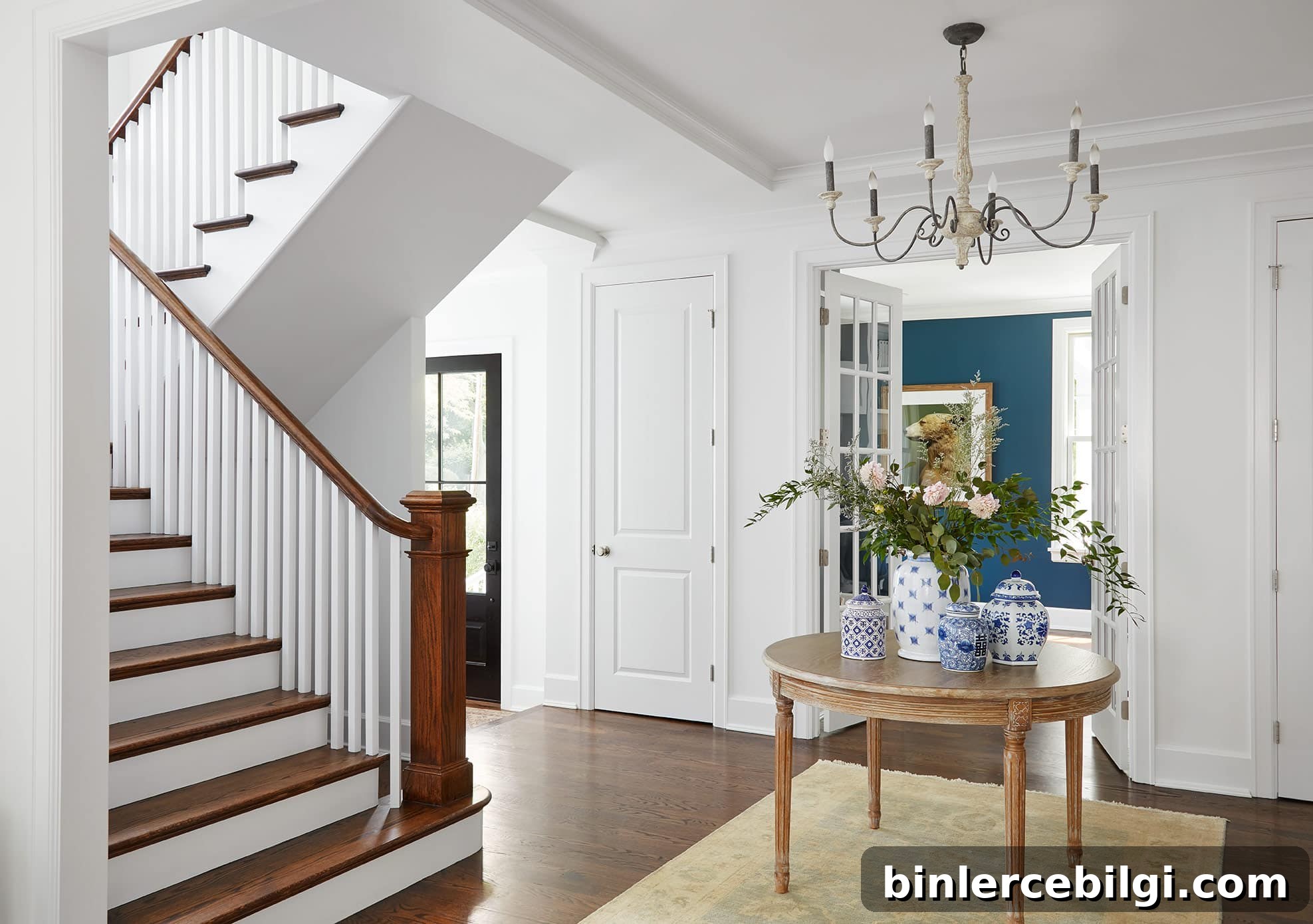
3. Color
Choose colors that hide dirt while matching your entry’s palette. Neutrals—beige, gray, and brown—work well, but patterned rugs or darker hues can disguise stains and add character. Don’t rule out color if it complements your decor.
4. Pattern
A patterned rug can bring visual interest to a neutral entry and also masks wear. If your entry already has strong finishes or furniture, opt for a subtler pattern. For simple spaces, a bold pattern can be a focal point.
5. Texture
Texture affects comfort and safety. Low-pile or flatweave rugs are easier to clean and less likely to cause trips. However, the rug should have enough structure so it doesn’t shift underfoot. Consider a non-slip pad beneath a thin rug to reduce movement.
6. Maintenance
High-traffic areas require rugs that are easy to maintain. Look for materials that vacuum well and hold up to frequent cleaning. I vacuum my jute/chenille rug weekly and haven’t needed to spot-clean it in three years. If you expect heavy soiling, consider washable options or rugs treated for stain resistance.
7. Placement
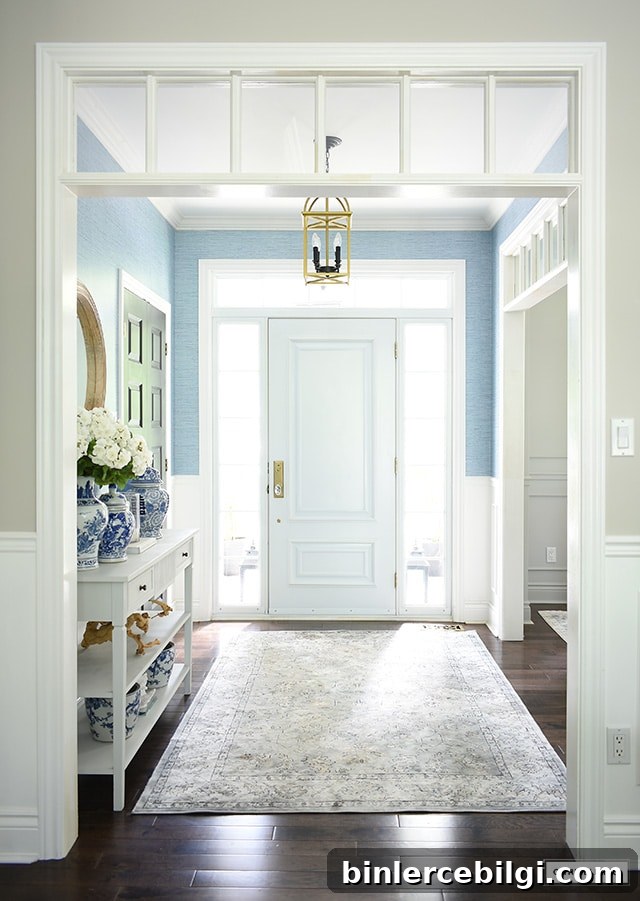
Decide whether the rug will sit directly in front of the door, float in the center of the foyer, or sit under entryway furniture such as a bench or console table. Leave at least 4 inches of floor space around the rug edges for a balanced look, and ensure doors can open freely over the rug.
How to Keep an Entryway Rug in Place
A slipping rug is a safety hazard and an annoyance. The following solutions will keep your rug secure without damaging floors.
1. Rug Pad
A non-slip rug pad is one of the simplest, safest options. Choose a pad slightly smaller than the rug so it won’t show at the edges. Pads also add cushioning and extend the life of the rug. Avoid overly thick pads that could create a tripping edge.
2. Double-Sided Tape or Rug Tape
Heavy-duty double-sided rug tape is effective for keeping rugs in place. There are versions made specifically for rugs that claim not to damage floors, though tape can eventually leave residues and may need occasional replacement.
3. Corner Rug Grippers
Corner grippers adhere to the underside of a rug and use suction or non-damaging materials to hold corners down without applying adhesive to the floor. They help prevent corners from curling and are an excellent alternative when you want a clean look without sticky residue.
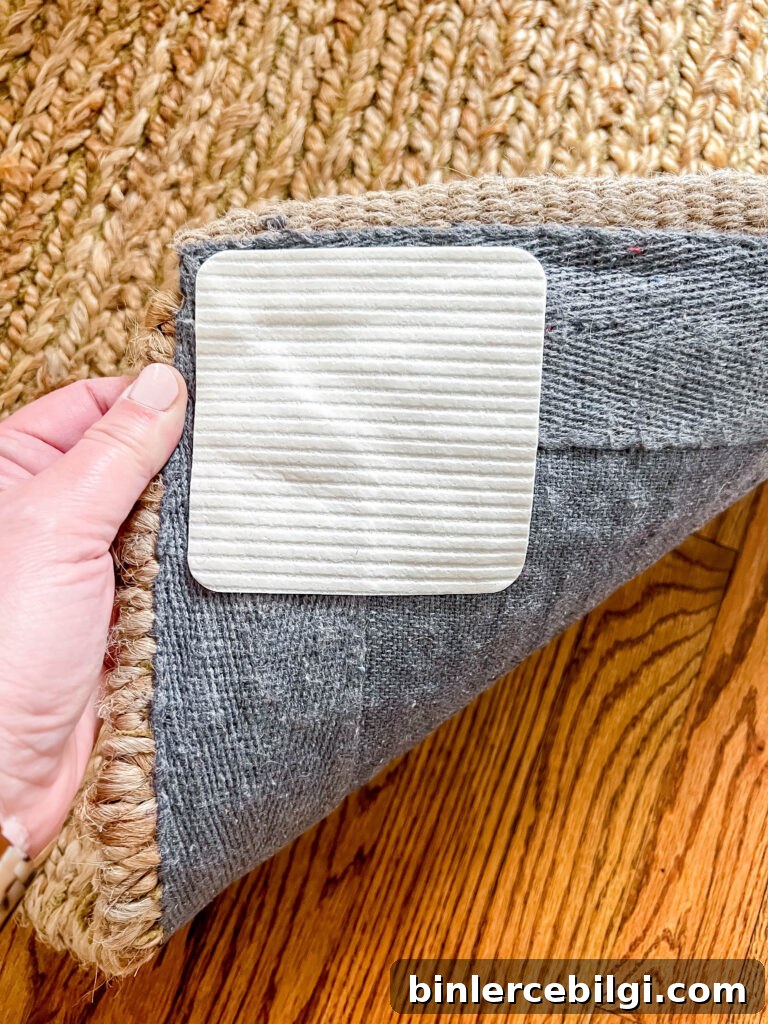
Try one of these three methods to find the best fit for your flooring and rug type.
Entryway Rug Size Guide
Follow these practical tips when selecting the right rug size for your foyer:
1. Measure the Space
Measure the longest and widest points of the entryway, and note door swing and obstacles. This ensures the rug fits without impeding entry or furniture placement.
2. Leave space around the edges
Leave about 4 inches between the rug and the walls for a balanced appearance and to reduce tripping risks.
3. Consider Furniture Layout
If you have a console table, bench, or small table in the entry, make sure the rug accommodates it. A common approach is to have the front legs of furniture sit on the rug for cohesion.
4. Choose a Rug Shape
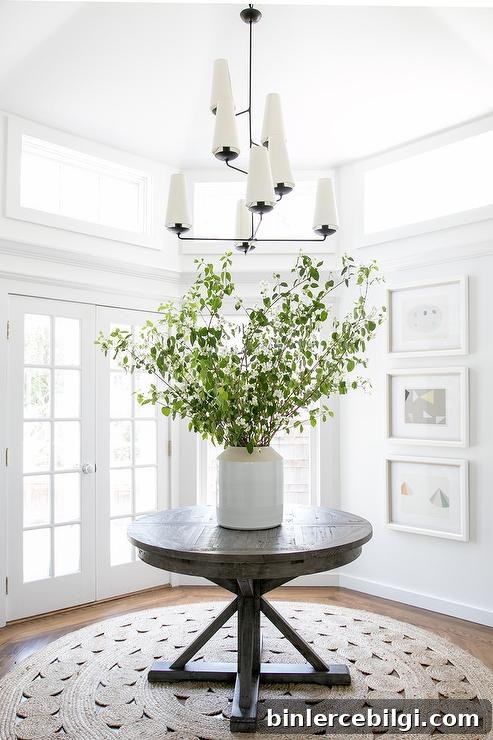
Select a shape that fits the room’s layout: rectangular or runner for narrow halls, round for rotund foyers with a center table, and square for symmetrical areas. Match the shape to your furniture and traffic flow.
5. Don’t Skimp on Quality
Because the entry is a high-traffic zone, invest in a well-made rug from durable materials. A higher-quality rug will look better over time and offer better long-term value.
In short, pick a rug that fits your entry’s size and shape, choose materials suited to your level of traffic, and secure it properly to avoid slipping. With the right selection, your entryway rug will look attractive and perform well for years.
Final Thoughts
Choosing an entryway rug comes down to balancing style, durability, and practical needs. Measure carefully, consider material and maintenance, and use a rug pad or grippers to keep everything in place. Do that, and you’ll have a welcoming, functional entry that reflects your home’s style.
More Posts You Will Love:
- 17 Stunning, Easy-To-Install Entryway Lighting Fixtures
- A Neutral Christmas Entry Way
- 15 Small Entryway Storage Ideas
- My Honest Ruggable Rug Review
- What Rug Sizes Should You Use in Your Home?