
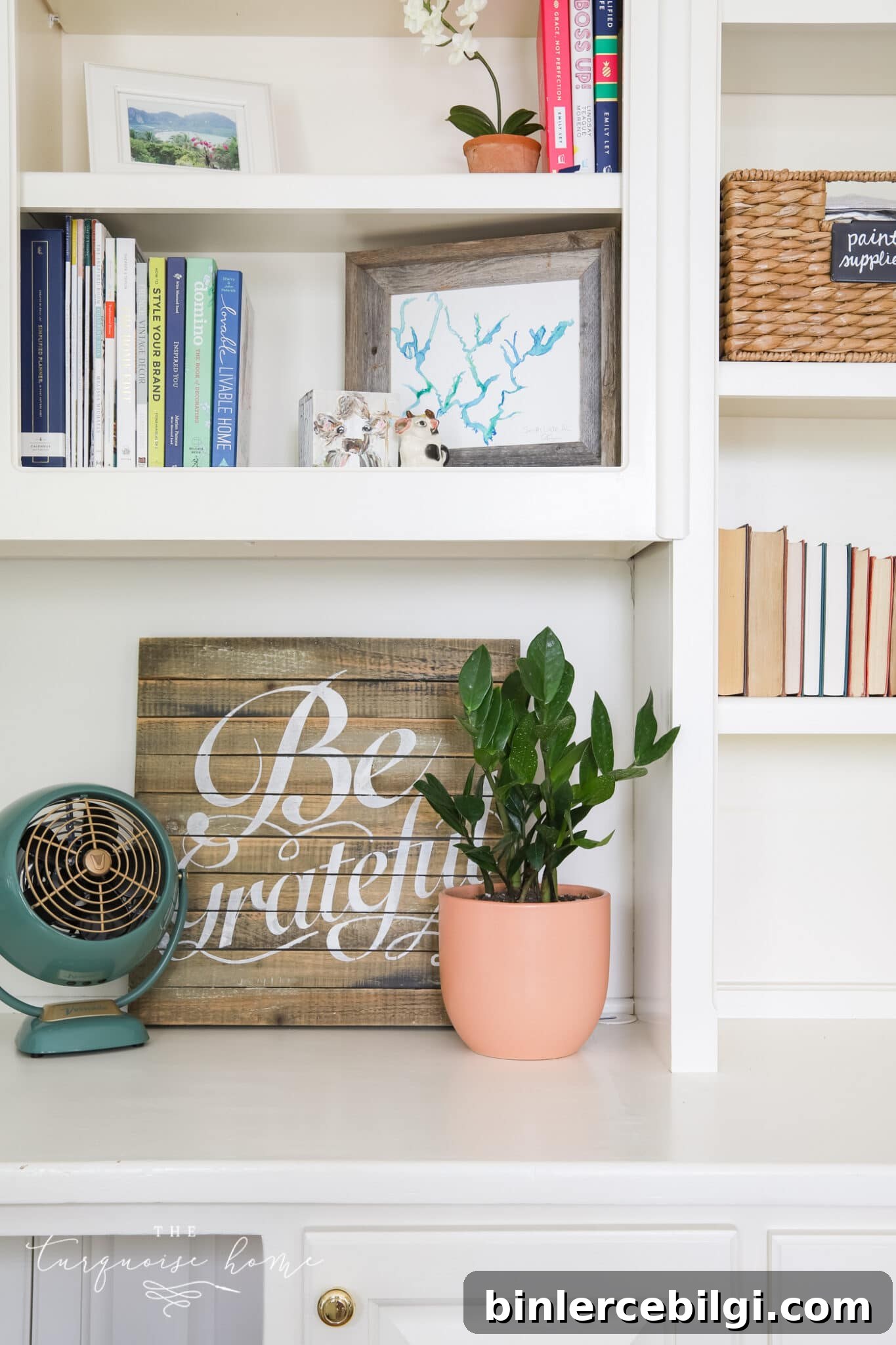
If you want practical, multipurpose decor for your home, houseplants are one of the best choices. The right plants make your space more attractive, healthier, and more relaxing to be in.
Houseplants have become a mainstay in modern home decor, and for good reason. They add texture, color, and a sense of life to rooms—without needing a major design overhaul. If you’re new to keeping plants indoors, you don’t need a green thumb to succeed. I recently inherited a home with a lot of live plants and have been learning what works. Below I share some of the easiest houseplants to grow, practical care tips, and where to start shopping.
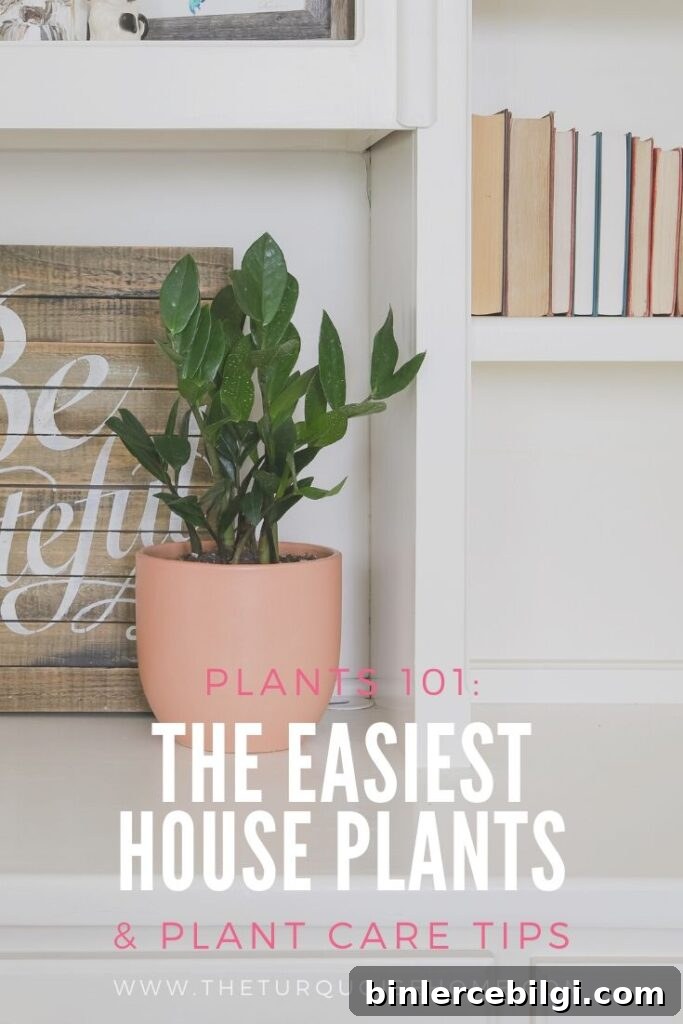
If you prefer the look without the maintenance, realistic faux plants are a fine alternative. Many faux pieces look great and require no watering. But if you’d like to try a few live plants, I’ve listed dependable options that tolerate occasional neglect and varied light conditions.
Easy Indoor Plants For Your Home
Below are three of the most forgiving indoor plants. They are excellent choices for beginners or for anyone who wants attractive greenery with low maintenance. These varieties handle low light, irregular watering, and a range of temperatures better than most.
This content contains references to common products and recommendations for convenience. Always follow product labels and expert guidance for specific plant needs.
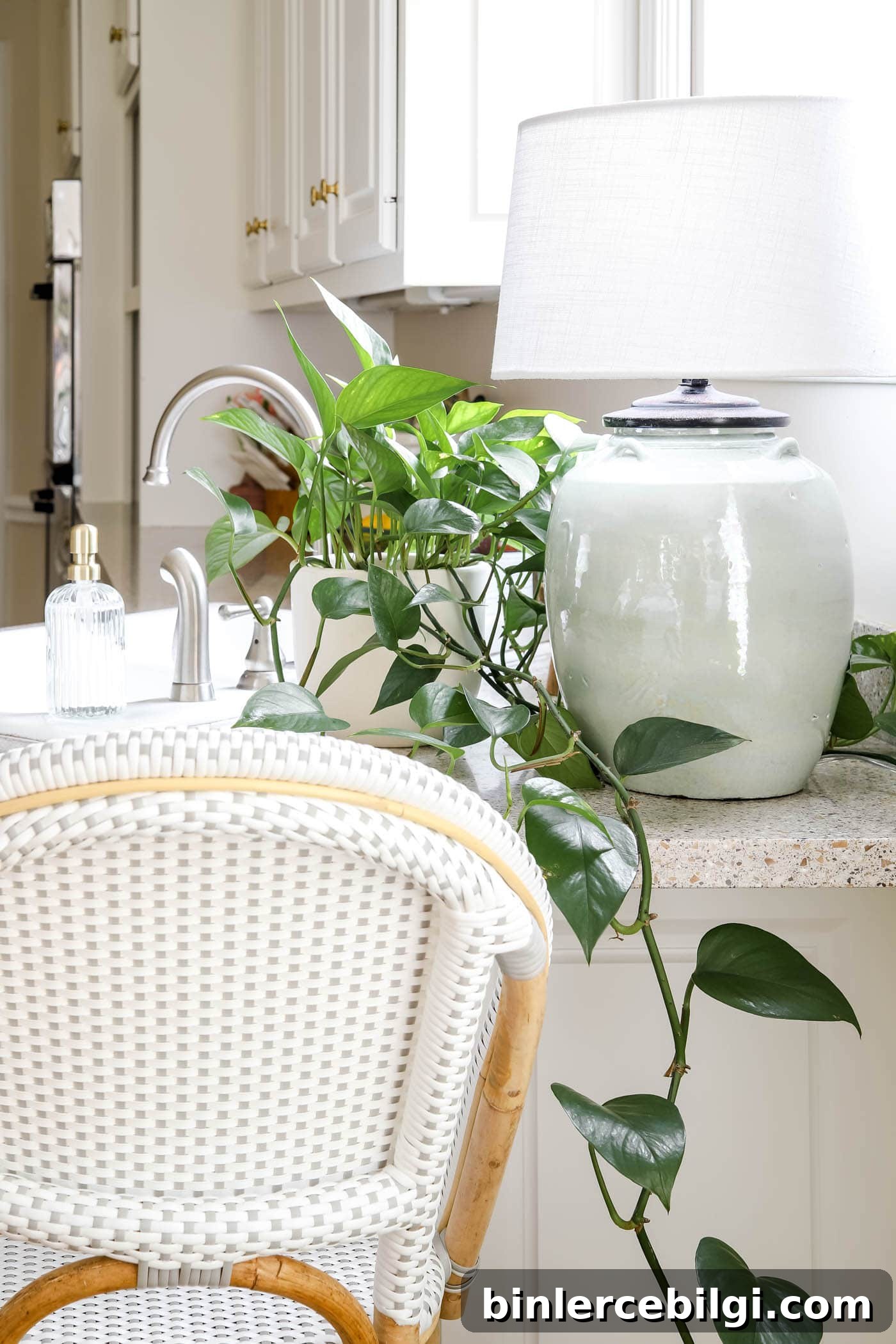
Pothos (AKA Devil’s Ivy)
Pothos is a trailing, vining plant that works well in pots or hanging baskets. It adapts to many light conditions—from moderate indirect light to lower-light corners—making it one of the easiest houseplants to grow. Pothos varieties offer attractive variegation and come in many color patterns, so you can enjoy a coordinated collection throughout your home.
Light Requirements: Moderate indoor light (east or west-facing window) is ideal, though pothos tolerates low light.
Water Requirements: Let the top inch of soil dry between waterings. Drooping leaves usually indicate it’s time to water.
Fertilizer: Use a balanced liquid houseplant fertilizer about once a month during the growing season.
Notes: Pothos is toxic if ingested, so keep it out of reach of pets and small children.
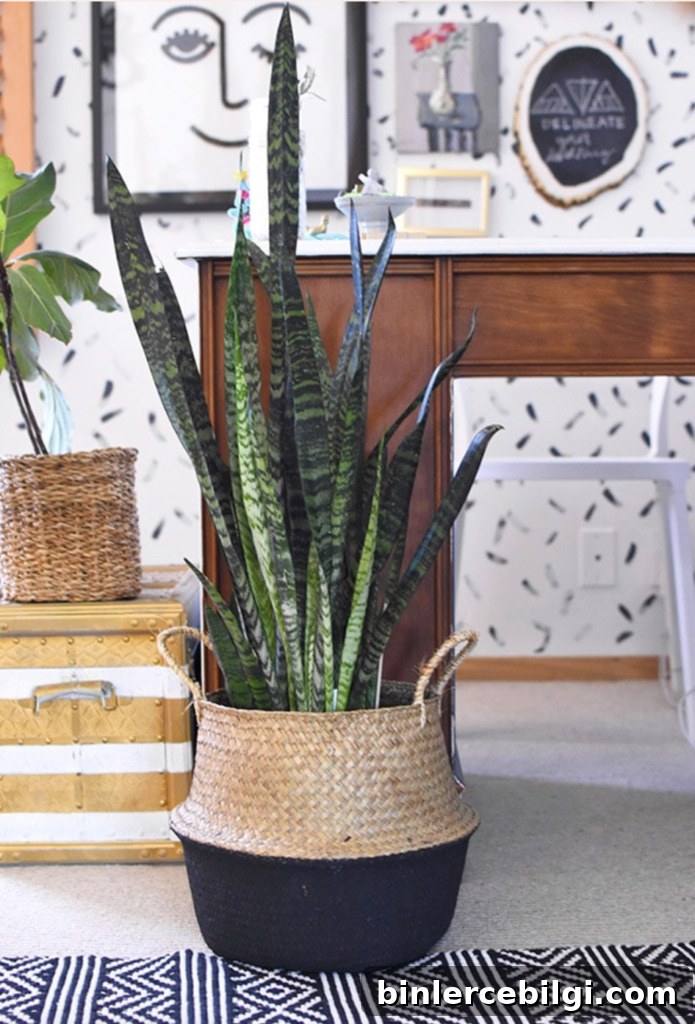
Snake Plant
Snake plants, sometimes called mother-in-law’s tongue, have tall, architectural leaves that make a bold statement in any room. They are essentially succulents and are exceptionally tolerant of drought and low light. Their upright silhouette makes them ideal for filling vertical space or adding contrast to softer decor elements.
Light Requirements: Snake plants prefer medium to bright indirect light but do fine in low light too.
Water Requirements: Water sparingly, allowing the soil to dry out between waterings—overwatering can cause root problems.
Fertilizer: Apply a balanced liquid houseplant fertilizer monthly during active growth.
Notes: Leaves are poisonous if eaten by pets, so place them where curious animals cannot reach.
ZZ Plant
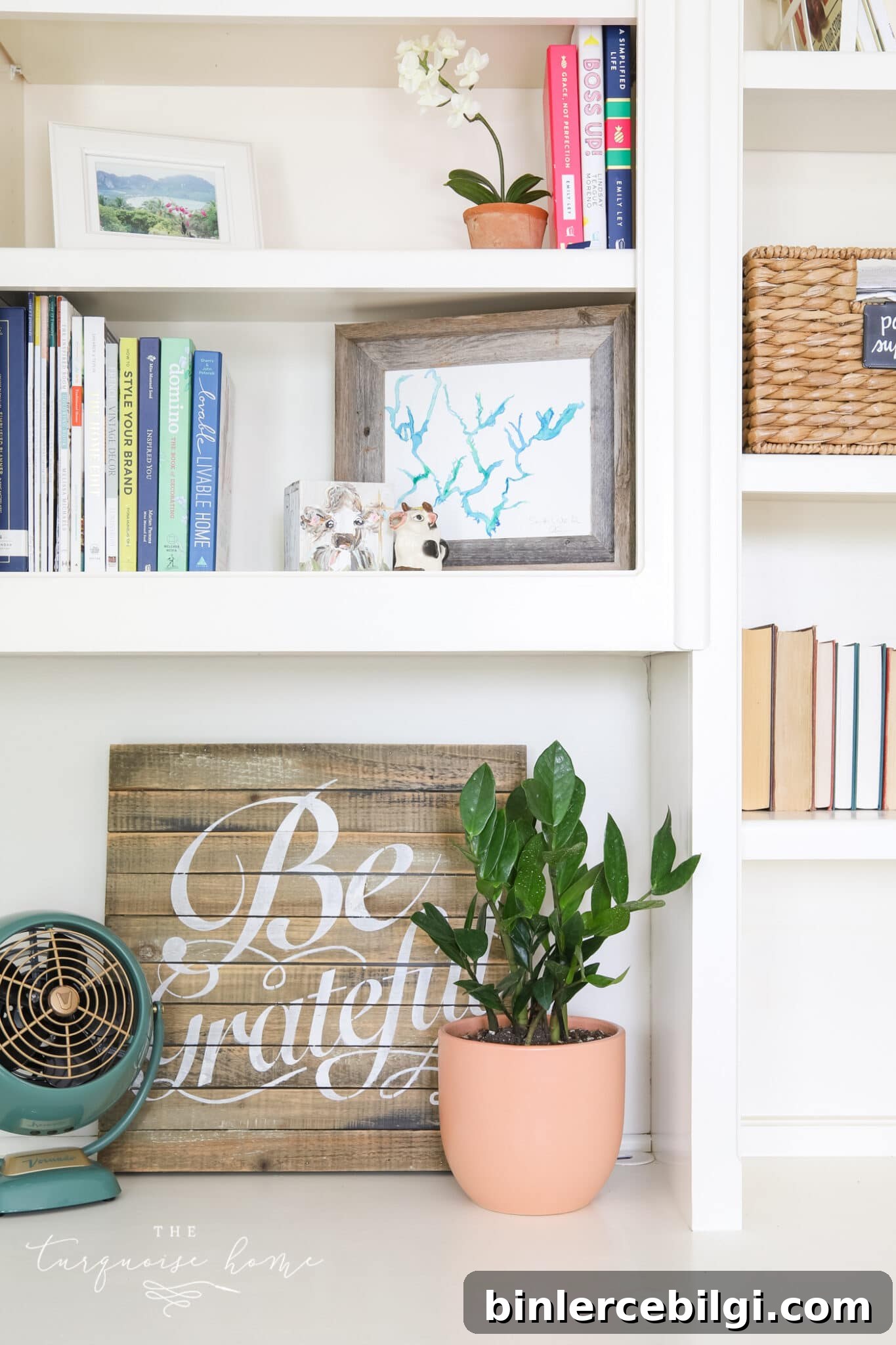
The ZZ plant is one of the most forgiving houseplants available. It has glossy, paddle-shaped leaves on upright stems and tolerates low light, infrequent watering, and a wide range of indoor temperatures. Because it stores water in its rhizomes, the ZZ plant can go longer between drinks—ideal for busy households or first-time plant owners.
Light Requirements: Prefers moderate light but thrives in lower light conditions as well.
Water Requirements: Water roughly every couple of weeks or about three times a month, allowing the soil to dry out between waterings.
Fertilizer: Feed monthly during the growing season with a balanced liquid fertilizer.
Where to Buy Easy House Plants Online
Reputable plant shops and online nurseries are convenient options if you don’t have a plant shop nearby. Many stores offer plants shipped in attractive planters you can choose from, while marketplaces and local sellers provide a wide selection. Local grocery stores and big-box garden centers often carry affordable, healthy starter plants, and visiting a local nursery remains the best option if you want personalized advice from an experienced staff member.
More Places to Buy Your Indoor House Plants
For budget-friendly plants, check grocery stores and large retail garden departments. If you prefer expert guidance or specialty varieties, local nurseries and independent plant shops are worth the extra expense. Online shops can offer rare varieties and curated collections that arrive ready to display.
Important Tips For Indoor House Plant Care
Houseplant Problems To Watch For
Yellow or brown leaves can indicate one of two issues:
- Natural aging: Older leaves turn yellow or brown as they die off. If only a few leaves are affected, it’s usually normal.
- Overwatering or root disease: If new leaves yellow or brown, roots may be suffocating from too much moisture. Reduce watering and inspect the roots for rot.
White spots or visible pests suggest an infestation. To treat most common pests:
- Move the plant outdoors if possible.
- Spray leaves with a gentle solution: mostly water with a capful or two of neem oil or apple cider vinegar and a few drops of dish soap.
- Wipe the leaves and let the plant dry in the sun or air for a couple of hours before returning it inside.
When You Should Fertilize Your Plants
Most houseplants have active growth periods in spring and summer and enter dormancy in cooler months. Fertilize during the growing season and stop or reduce feeding during dormancy. Fertilizing when a plant is dormant can harm roots because the plant isn’t actively using nutrients.
Essential Houseplant Accessories
A few helpful accessories make plant care easier:
- Balanced liquid houseplant fertilizer
- Self-watering planters for forgetful waterers
- Plant stands or shelving to position plants in the best light
- Soil moisture or light meters for checking conditions when unsure
The right houseplant can transform your living space—bringing color, texture, and even air-purifying benefits. Start with one or two of these forgiving varieties, learn the basics of light and watering, and grow your indoor garden over time.
More posts you may enjoy:
- How to Plant Flowers in a Pot, Planter or Container
- Where to Buy Realistic Faux Plants
- Simple DIY Wood Planter Box
- How to Get Rid of Gnats in Houseplants
- A Flower Shop Spring Home Tour