
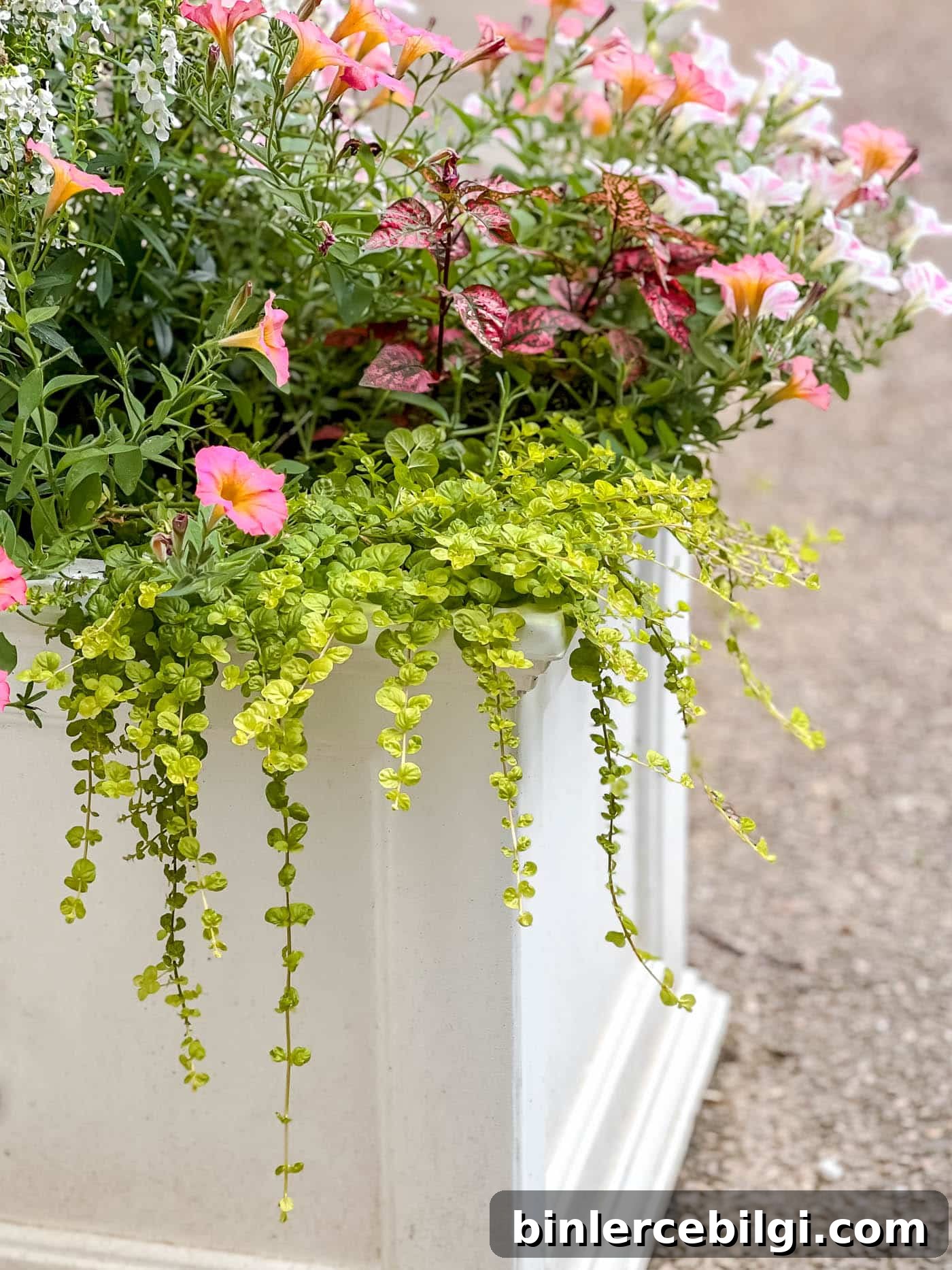
If you dream of a lush, layered garden that feels as relaxed as a summer afternoon, meet one of the best trailing plants for the job: creeping jenny, commonly called moneywort.
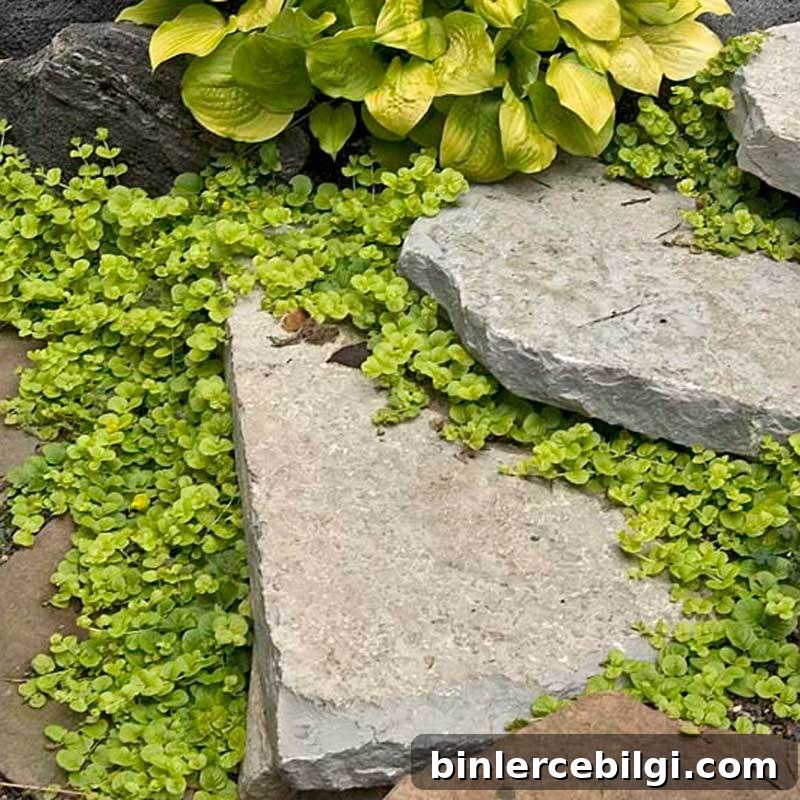
This tough little groundcover is a true garden workhorse. Whether you want to brighten a shady nook, soften the edge of a patio, or fill gaps between stepping stones, creeping jenny delivers with its chartreuse to golden foliage and carefree habit.
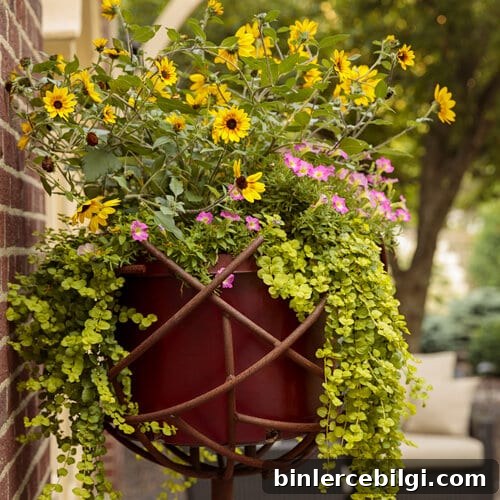
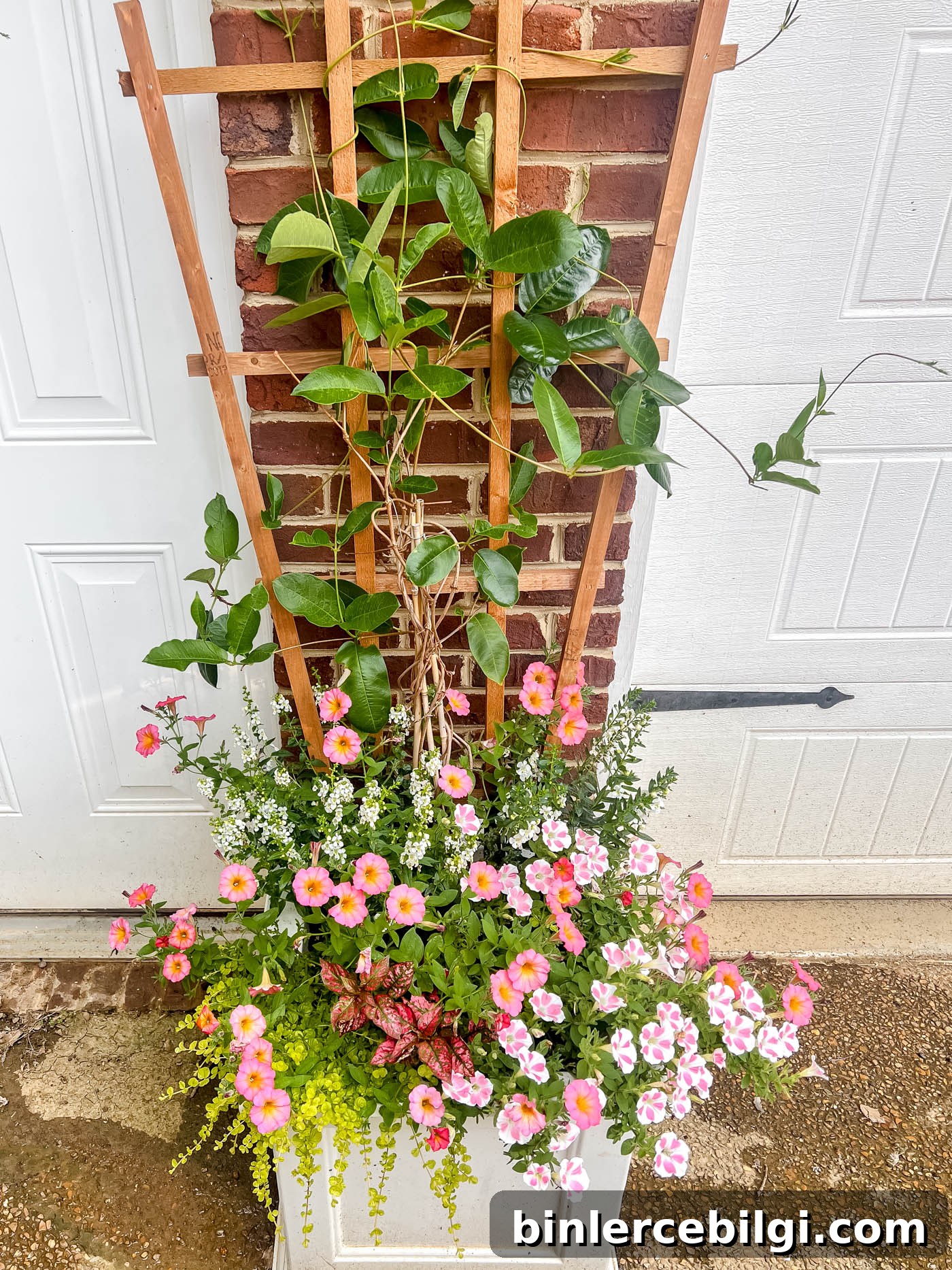
I often use creeping jenny in containers as the “spiller” element in the thriller, filler, and spiller approach—its trailing stems cascade beautifully over the rim and contrast well with upright plants. It’s a reliable way to add that pop of lime color; I sometimes alternate it with sweet potato vine for variety.
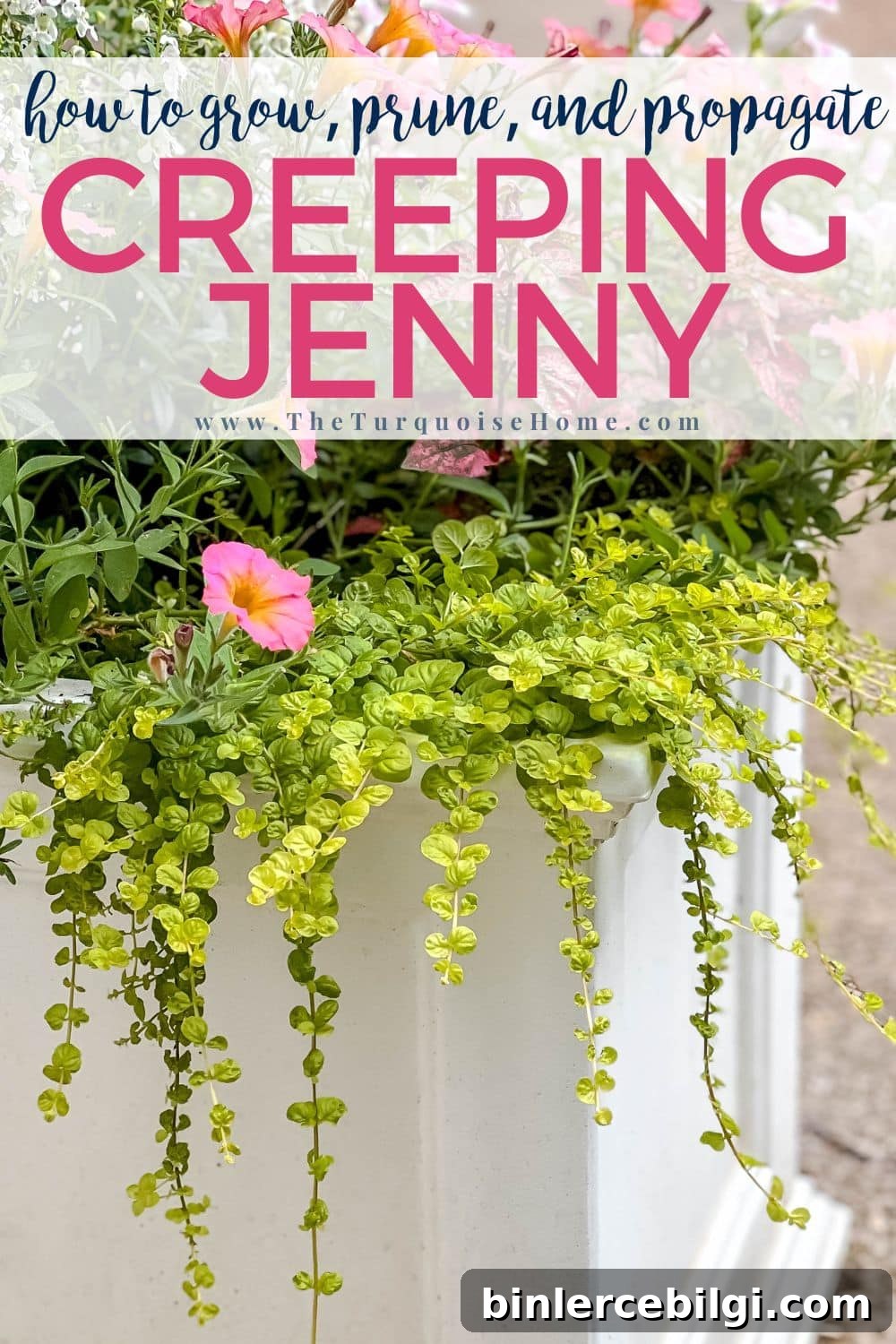
Below you’ll find straightforward, practical guidance on how to grow, prune, and propagate creeping jenny so you can enjoy its color and texture in beds, containers, or on rock walls.
Why You’ll Love Golden Creeping Jenny
- Vibrant color: The lime, chartreuse, or golden-yellow leaves bring fresh contrast to any planting.
- Low maintenance: It tolerates a range of conditions and does well with minimal fuss.
- Versatile: Use it as groundcover, in containers, or let it spill over edges and stonework.
- Fast to establish: It fills bare patches quickly and creates a polished look.
- Economical perennial: It’s inexpensive and typically returns year after year in suitable zones.
How to Grow Creeping Jenny
Creeping jenny (Lysimachia nummularia) is easy to grow. Follow these basic guidelines:
1. Choose the right location
This plant performs well in partial shade to full sun. In very hot climates, provide some afternoon shade to prevent leaf scorch and maintain the brightest color.
2. Prepare the soil
Plant in well-draining, fertile soil that retains some moisture. It tolerates a variety of soils, but heavy clay benefits from the addition of compost to improve texture and drainage.
3. Planting tips
- Space plants roughly 12–18 inches apart for quick coverage.
- Dig a hole twice the width of the root ball and set the plant at the same depth it was in the nursery pot.
- Firm the soil gently and water thoroughly after planting to settle roots.
4. Watering needs
Although creeping jenny tolerates brief dry periods once established, it prefers consistently moist soil. Water deeply about once a week during dry spells and more often in containers or very hot weather.
5. Mulch
Apply a layer of organic mulch to help retain soil moisture, regulate temperature, and suppress weeds around the plants.
How to Prune Creeping Jenny
Pruning creeping jenny is quick and simple. Regular light maintenance keeps it tidy and prevents it from smothering neighboring plants:
- Trim runners: Remove or redirect long runners that spread where you don’t want them.
- Shear in spring: A light trim in early spring encourages denser, fresher growth.
- Remove damaged foliage: Cut away any dead or damaged leaves to maintain appearance and plant health.
These small tasks keep creeping jenny attractive and under control while preserving its trailing habit.
How to Propagate Creeping Jenny
Propagating creeping jenny is one of its biggest perks—you can multiply plants easily without buying more:
1. Division
In early spring or autumn, dig up a clump and separate the root mass into smaller sections. Replant the divisions where you want additional coverage.
2. Stem cuttings
Take healthy stem cuttings and place them in water until roots form, usually within a couple of weeks. Once rooted, pot them up or plant them in soil.
3. Layering
Press a flexible stem into the soil while it’s still attached to the parent plant. When it develops roots at the contact point, sever it and transplant the new plant.
A Few Extra Tips
- Creeping jenny can be vigorous and spread quickly. Monitor its growth and prune back runners periodically to keep it contained.
- It works beautifully as the spilling element in container combinations. Pair it with taller, upright plants for contrast and balance.
- In many gardens, it is hardy across a wide range of climates and reliably returns in appropriate hardiness zones.
Final Thoughts
If you want an easy, colorful way to give your garden a gathered, finished look, creeping jenny is a wonderful choice. Its bright foliage, vigorous growth, and forgiving nature suit busy gardeners and design-minded plant lovers alike. With simple planting, light pruning, and easy propagation, you can enjoy this charming trailing plant throughout your landscape and containers.
Have you grown creeping jenny before? Share your favorite uses and tips for this versatile groundcover.
More posts you may enjoy:
- Decorating with Hydrangeas
- Pothos Plant Care Guide
- The 3 Easiest House Plants + Indoor Plant Care Tips