
Welcome to the 30 Days to Less of a Hot Mess Challenge! Over the next month we’ll declutter, reorganize, and create a calmer, more functional home. If you’re joining for the first time, consider starting at the beginning of the series to follow along day by day.
**************************************************************
How to Organize Your Day
I’ll be honest: I’m a bit of a hot mess when it comes to balancing daily life. I’ve said yes to too many things at times, and that makes staying on top of obligations tricky. The one habit that consistently keeps me grounded is using a daily planner. A simple paper planner is the backbone of my routine—everything from appointments and to-dos to meal plans and routines goes in it.
I know digital calendars and apps are popular, and they work for many people. Still, I firmly believe the most effective daily system for me centers on a paper planner. It’s tactile, visible, and easy to reference throughout the day. I do keep a few important dates in my phone calendar when I need alerts, but my day-to-day life lives on paper.
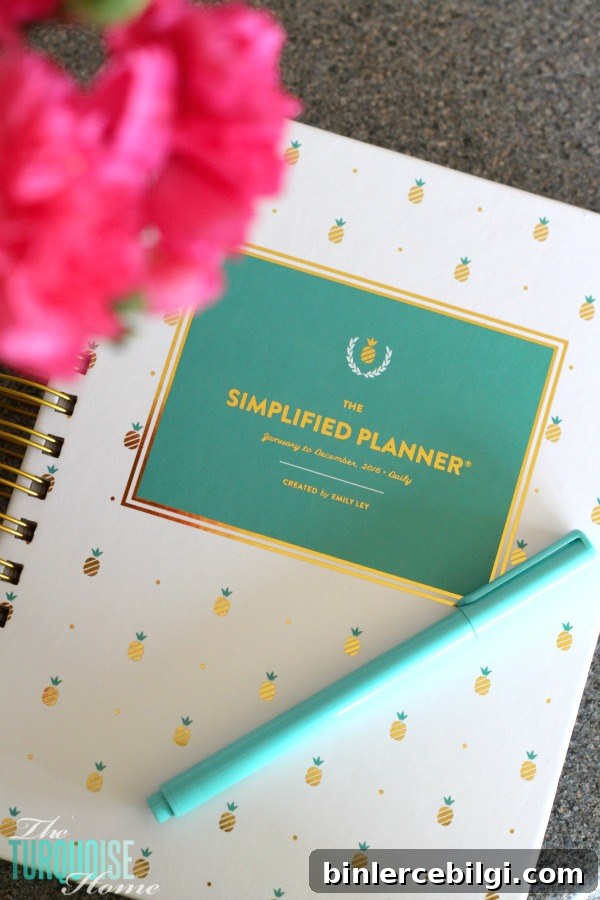
My personal favorite is a simple undated planner that focuses on clarity rather than bells and whistles. The layout lets me see the day at a glance and also includes space for notes and to-dos.
Want to Save This?
If you want a printable reminder, jot down these tips or save this page. Entering your email on the original site will deliver extra resources directly to your inbox.
RELATED: My Favorite Daily Planner to Keep You Organized
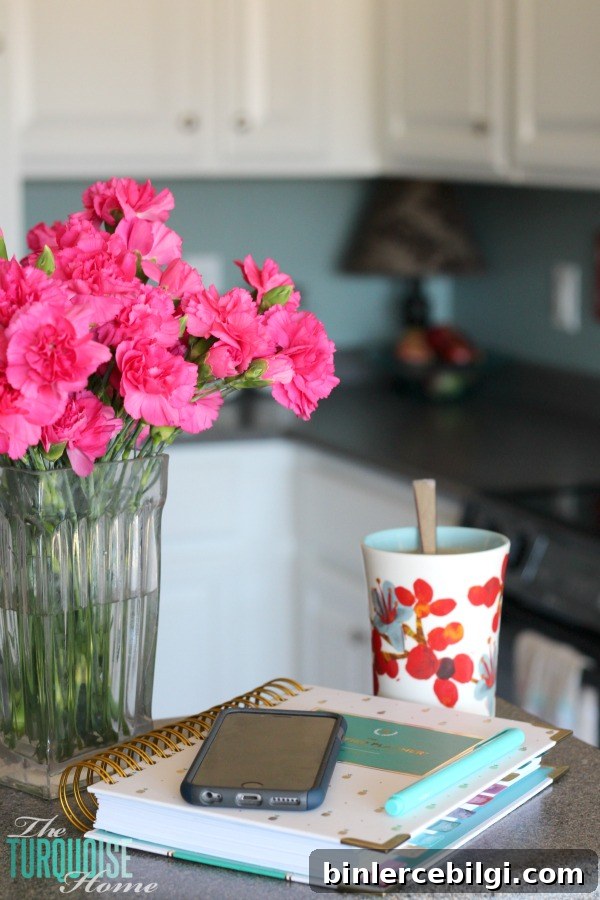
My best tip for using a planner is to commit to it fully. Write everything down—appointments, deadlines, shopping lists, meal plans—and look at it first thing each morning, throughout the day, and again at night. Keep your planner somewhere visible: beside your computer if you work at a desk, or on the kitchen counter during the day so it stays top of mind.
There’s something satisfying about physically checking off tasks with a pen. It’s motivating and helps you see progress. Paper also makes it easy to review past months—useful for remembering annual events, seasonal tasks, or deadlines you’ll want to prepare for next year.
A clear daily layout helps you organize priorities and actions.
Here’s exactly how I use my planner each day:
- I list my to-dos in a dedicated column on the right.
- I time-block my day on the left-side schedule, including tasks like meal prep, kid routines, and breaks. Time-blocking keeps the day realistic and balanced.
- I fit extra tasks into open time slots as the day unfolds and check them off as I go. I also schedule downtime and playtime—important for mental health and family life. While the day rarely follows the plan perfectly, this method helps me accomplish more than I would without it.
On a business note: In addition to my personal planner, I use a separate paper planner specifically for blogging and business tasks. That planner holds post ideas, editorial calendars, and project notes, while the daily planner keeps my everyday tasks in order.
One of the biggest advantages of a paper planner is the ability to flip back to the same week or month from a previous year and remember what you did. That historical context helps you plan recurring events—vacuums for holiday prep, booking vacations, or scheduling seasonal projects—without relying on memory alone.
For example, each year we plan certain activities—vacation timing, birthday parties, or seasonal projects—and seeing those entries from past years helps me set reminders and make notes for the next season.
Weekly Tips for Keeping Your Life Organized
These simple weekly habits have become part of my routine and help keep life running smoothly.
- Every Sunday evening, review the week ahead. What needs to be completed early? Do you need childcare for an event or to order a gift in advance?
- Plan your weekly meals on Sunday or another set day. If your local grocery stores offer curbside pickup, use that service to save time. Plan meals, order groceries, and then pick them up on your way home from an errand or drop-off.
- Identify three simple actions you’ll do each morning and three you’ll do each evening to maintain momentum. Keep the list short so it’s doable. Here are my examples:
- Evenings:
- Quick pickup (put things away)
- Load and run the dishwasher
- Check the planner and write tomorrow’s to-do list
- Mornings:
- Prayer or devotion
- Unload the dishwasher
- Pull out anything needed for dinner (defrost or prep)
- Evenings:
Keep it simple and tangible: a paper planner plus a few consistent weekly and daily habits will help you get more organized over time. If it feels awkward at first, stick with it—practice makes it easier and more natural.
The Messy Work: Write down your three daily morning and evening actions, choose a paper planner, and pick a day each week to plan meals. Those small steps set the foundation for bigger changes.
Tomorrow’s focus will be on creating an organized home binder—see you then!
In the mess with you, Laura
More Posts You Will Love:
- The 10 Easiest Family Command Centers to Get Organized
- How to Declutter Your Home in 5 Simple Steps
- The BEST Holiday Planner Printable Binder
- How To Organize Your Home in 4 Simple Steps
- 10+ Stylish Dog Crate Furniture Ideas