
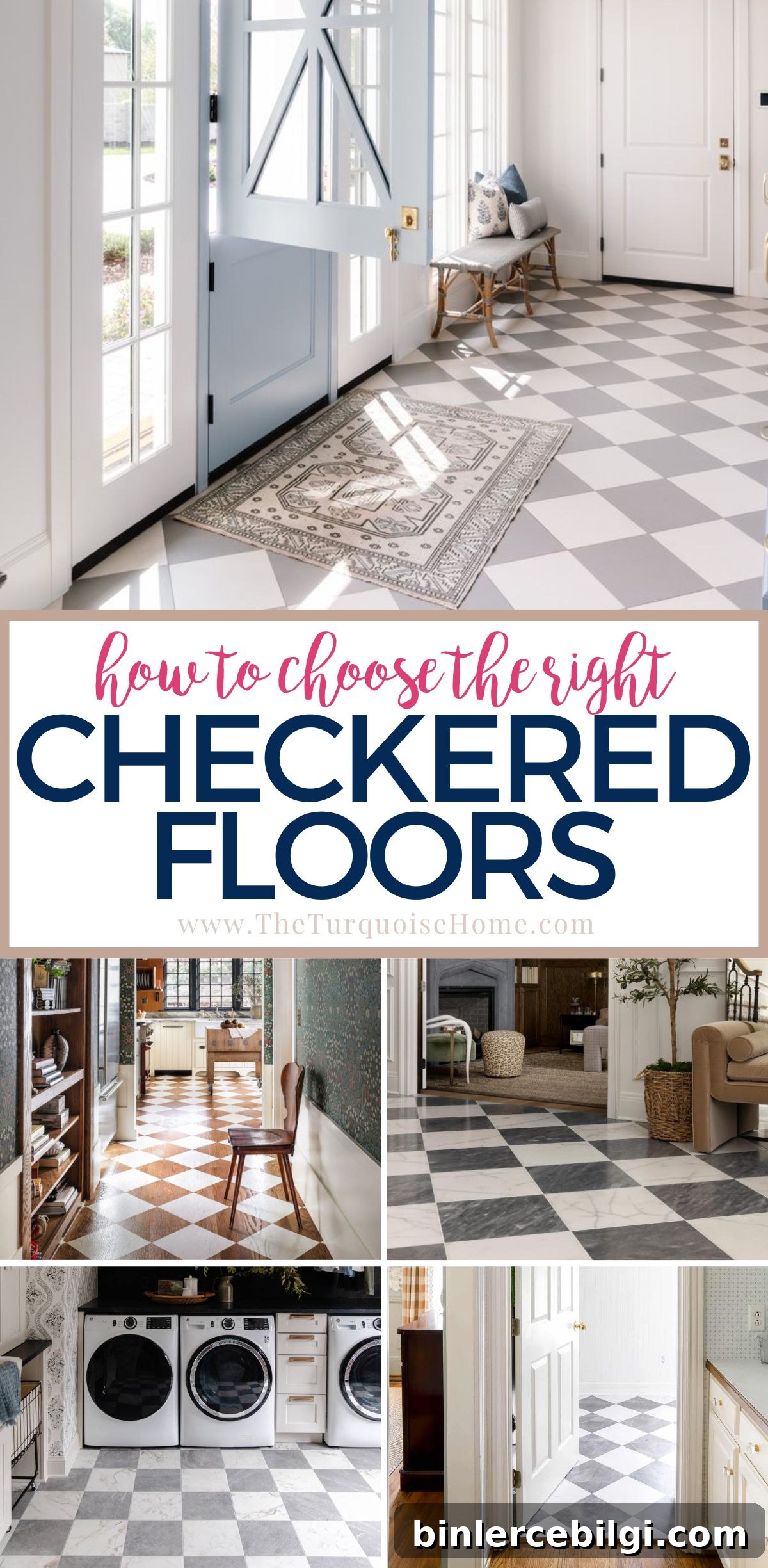
Checkered floors are a timeless classic that never truly go out of style. Their bold contrast and geometric rhythm work across many home styles, materials, and color palettes.
When planning a room, I often begin with enduring design choices—elements that add character and longevity to a space. A checkered or checkerboard floor is one of those reliable picks. Its simple geometry creates an immediate focal point and can be adapted to both traditional and contemporary interiors.
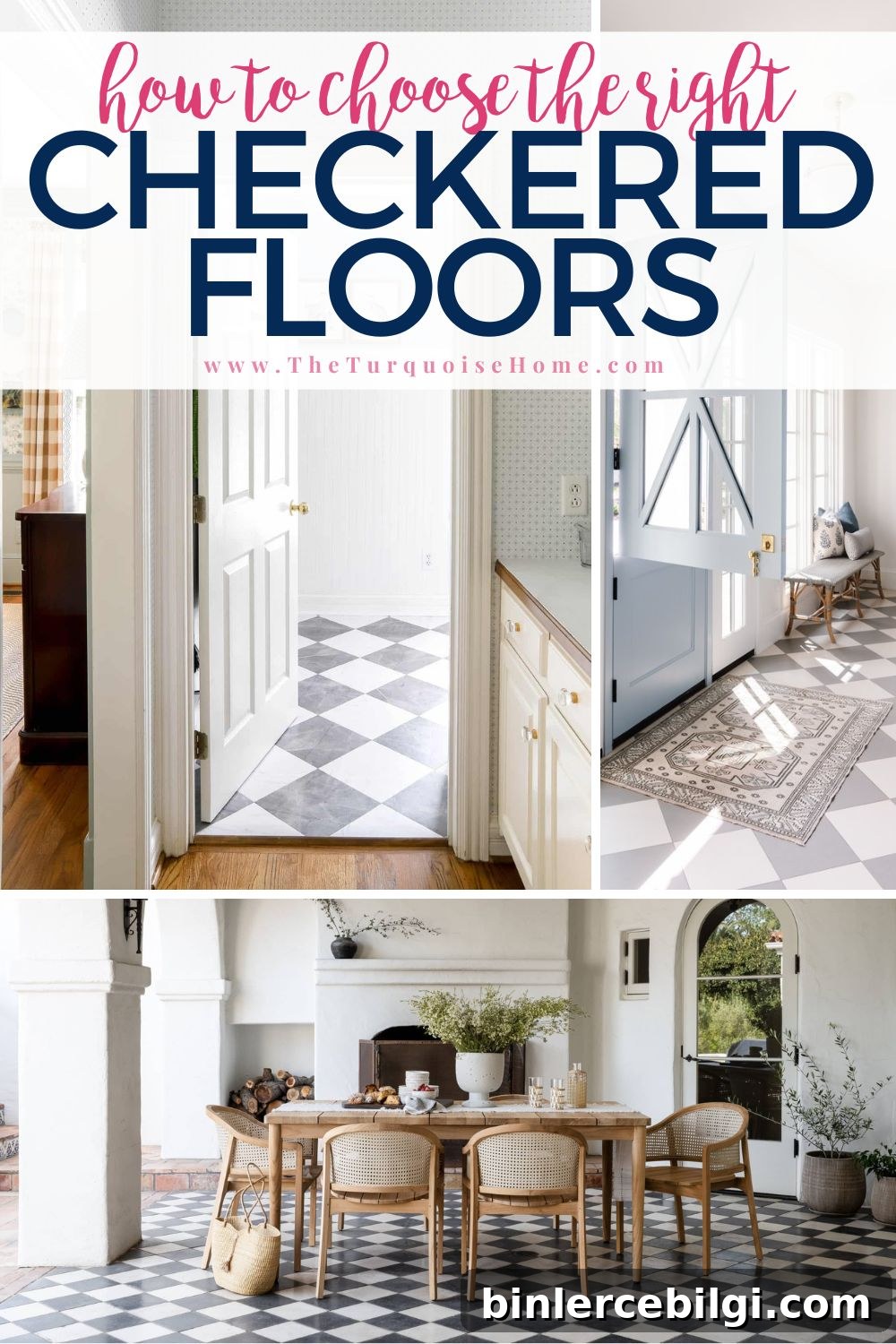
I’ll walk through the pattern’s history, why it stays relevant, the materials and tile sizes to consider, how it performs in different rooms, and a few modern variations to inspire your project. With these ideas, you’ll be better equipped to pick the right checkered floor for your home.
This post originally contained affiliate references and a disclosure. Any references to specific products have been removed here.
A Brief History of Checkered Floors
The checkerboard motif goes back millennia—examples appear in Egyptian sites and Roman baths, and the pattern resurfaced throughout Europe in churches and palaces during the Middle Ages and the Renaissance. In many settings it represented contrasts and dualities, a symbolic device as well as an aesthetic choice.
In later centuries the pattern enjoyed renewed popularity, and by the early 20th century it was a staple of fashionable interiors. With affordable sheet materials like linoleum and vinyl available in the 20th century, checkerboard floors found their way into everyday kitchens and bathrooms. Over time the pattern became associated with retro diners and vintage motifs, but it also retains a long, multi-era pedigree that keeps it versatile for modern use.
Why Checkered Floors Have Stood the Test of Time
Checkered floors endure because they combine strong visual impact with practical durability. The pattern’s geometry creates an instant focal point, while many of the materials typically used—tile, stone, vinyl, linoleum, or painted wood—are hard-wearing and suitable for high-traffic areas.
Harlequin vs. Checkerboard Flooring
It’s useful to know the difference between a traditional checkerboard layout and a harlequin pattern. A classic checkerboard is laid straight-on: squares aligned with the room and walls, like a chessboard. This look often feels retro or mid-century and reads as crisp and orderly.
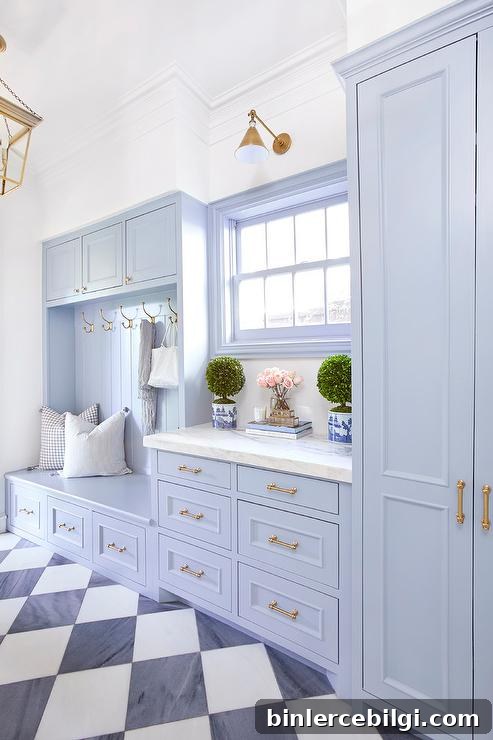
A harlequin installation rotates the squares 45 degrees so they read as diamonds. That diagonal arrangement tends to feel more formal or Renaissance-inspired and can elevate the look. The final impression also depends on tile size, material, and color—so both layouts work well, depending on the style you want to achieve.
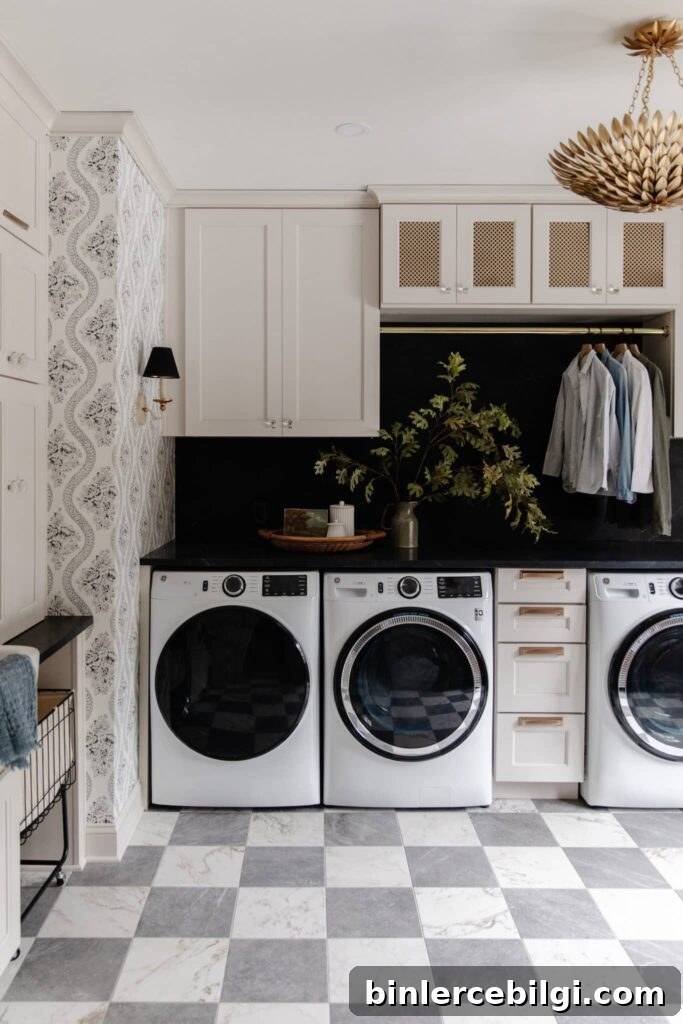
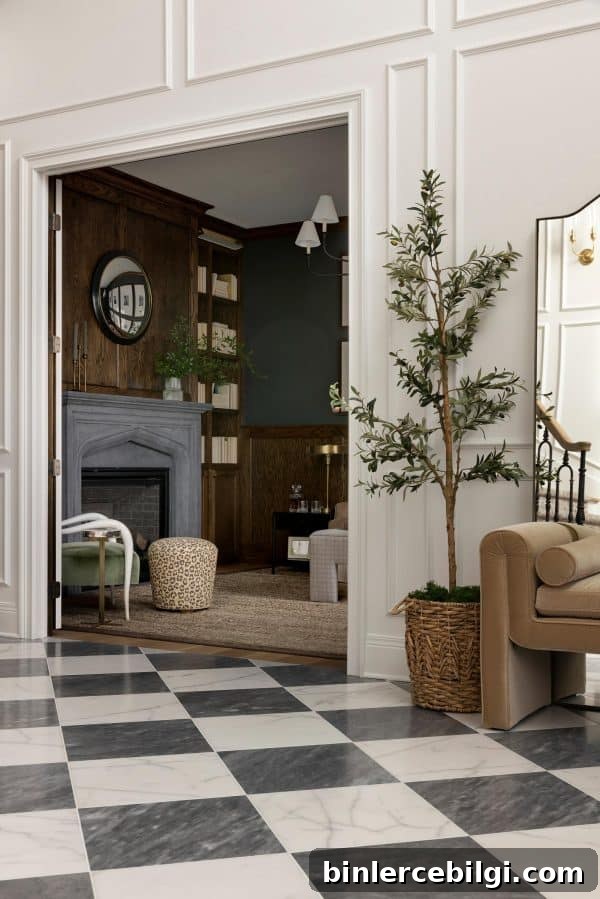
These examples show how the basic checkerboard idea adapts easily across styles—from modern colonial to elevated traditional interiors.
Choosing the Right Material for Your Checkered Floors
Checkerboard floors are achievable in many materials. Each option has trade-offs in cost, appearance, durability, and maintenance. Common choices include:
- Marble tiles
- Ceramic tiles
- Porcelain tiles
- Painted concrete (suitable for patios and outdoor areas)
- Painted wood
- Vinyl tiles
- Granite (good for outdoor-friendly installations)
- Limestone
- Linoleum
- Wood floors using contrasting stains or paint
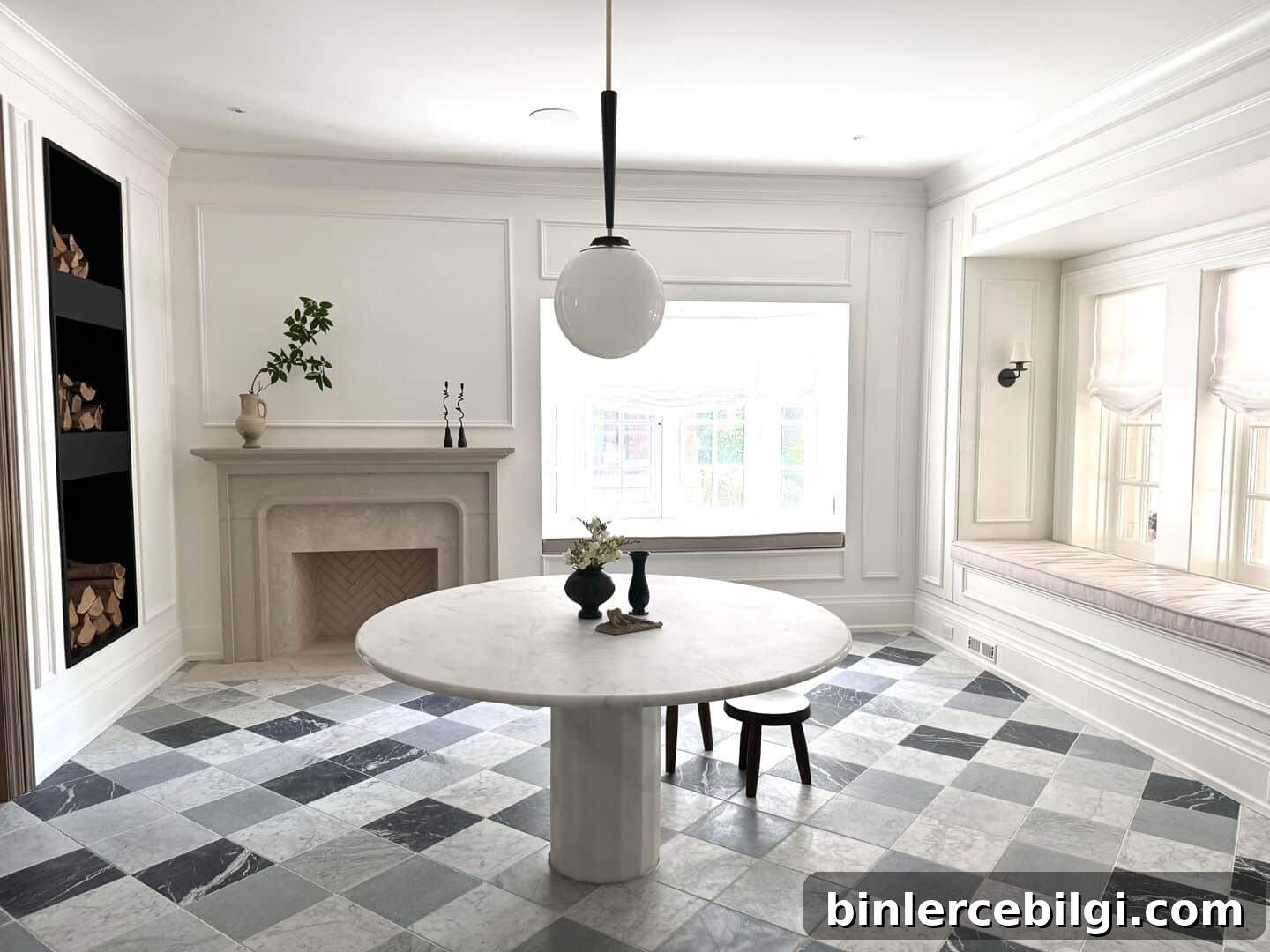
Marble: Marble offers a refined, classic look. Finish choices—tumbled, honed, brushed, or polished—affect both character and maintenance. Tumbled finishes feel rustic; polished finishes feel formal.
Other natural stone: If marble is outside your budget, consider travertine, granite, slate, limestone, or engineered stone-look products. These can provide a similar aesthetic with different price and durability profiles.
Vinyl: An economical, low-maintenance way to mimic stone or tile. Vinyl holds up well in wet or high-traffic areas, though it won’t have the lifespan of natural stone.
Linoleum: Made from natural materials, linoleum is resilient and eco-friendly. It’s durable underfoot but more sensitive to standing water, so vinyl is often preferred in kitchens and bathrooms.
Wood: Painted wood floors can create a warm, textured checkerboard. Alternatively, choose planks in contrasting stains for a subtler effect.
Choosing the Right Size Tiles for a Checkered Floor
Tile size dramatically influences how the pattern reads. Consider these guidelines:
- Assess room dimensions: Larger tiles make small rooms feel more expansive; for compact bathrooms, 12×12 inch (or larger) squares can open the space. In larger rooms, smaller tiles create a detailed, intricate pattern.
- Consider furniture and fixtures: If furnishings have bold patterns, smaller tiles help balance the visual weight. For rooms with simple, streamlined furniture, larger tiles make a strong, modern statement.
- Match your style: Large-scale checkerboards feel contemporary and dramatic; smaller squares suggest classic or traditional styling. Color choices—neutral versus high-contrast—also shape the room’s mood.
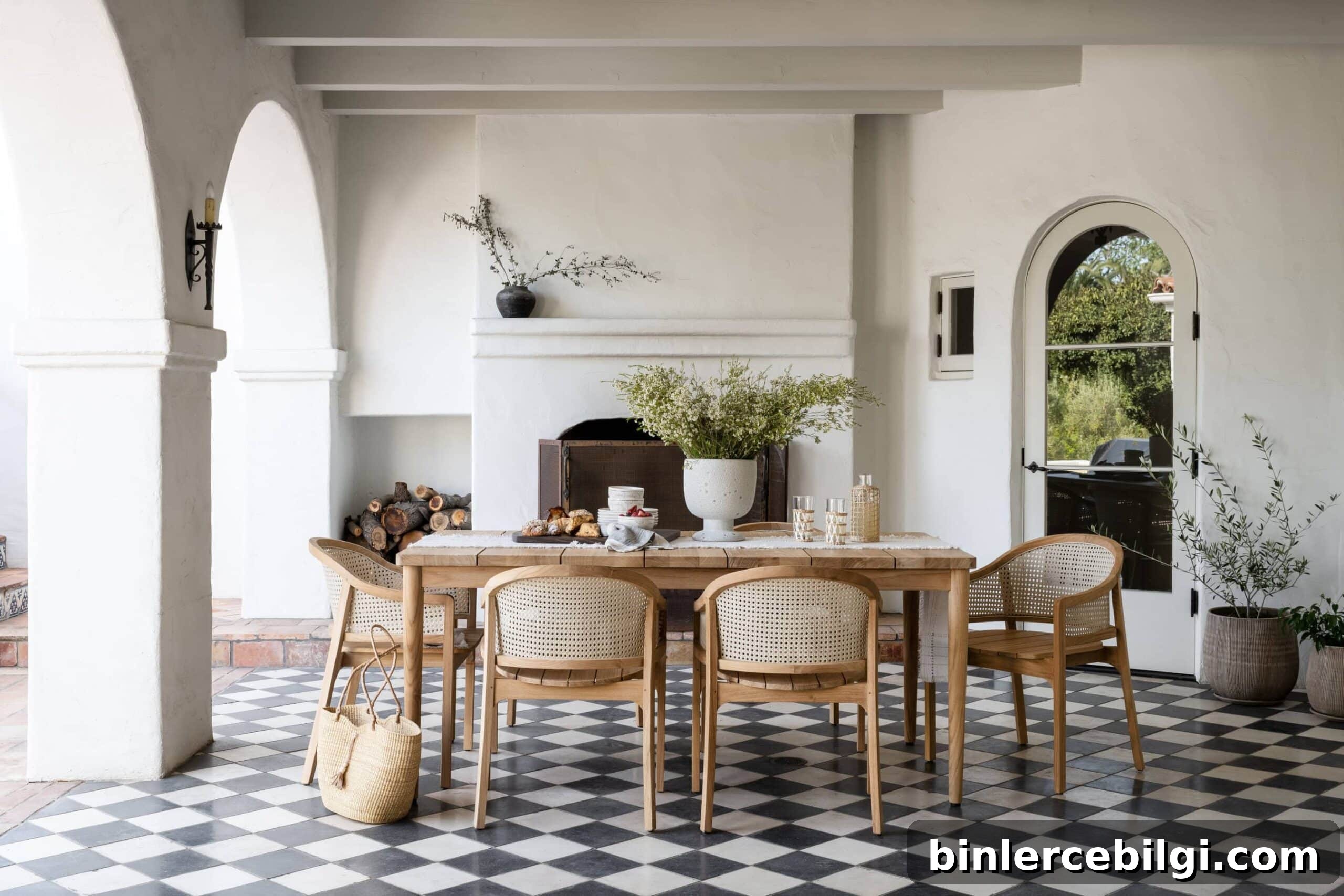
Checkered Floors in Different Rooms
Certain rooms naturally suit checkerboard floors, but the pattern can work anywhere you want visual interest. Popular locations include:
1. Entryway
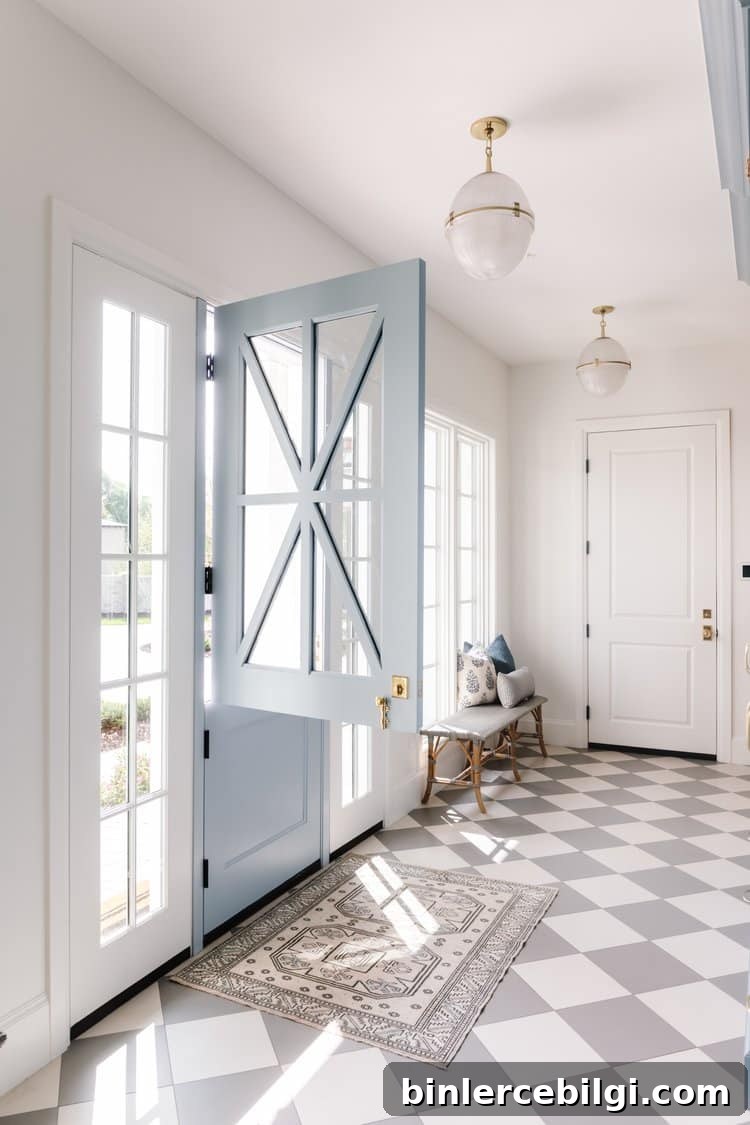
An entryway with a bold checkerboard makes a decisive first impression. The pattern pairs beautifully with natural light and classic architectural details.
2. Kitchen
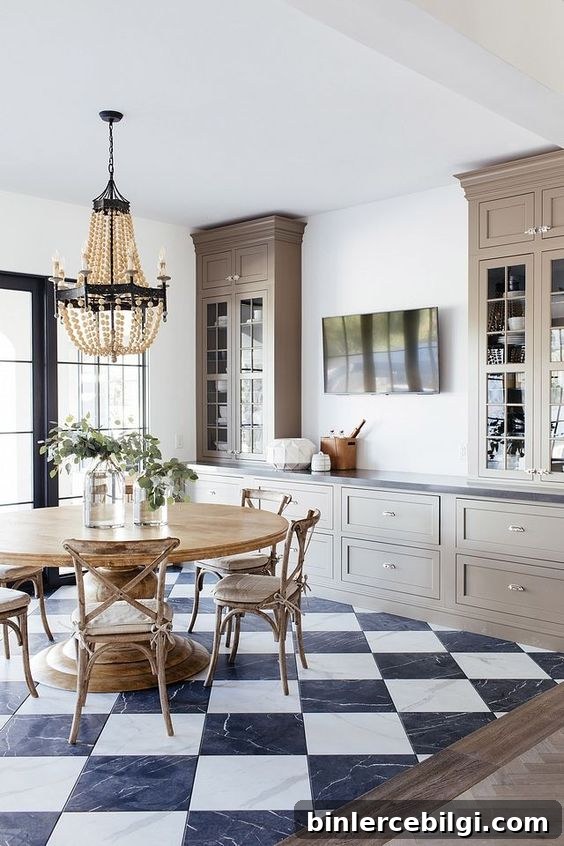
Porcelain or ceramic tiles that mimic marble are practical in kitchens—easy to clean and durable. Varying the contrast (charcoal with white, for example) updates the classic black-and-white look.
3. Bathroom
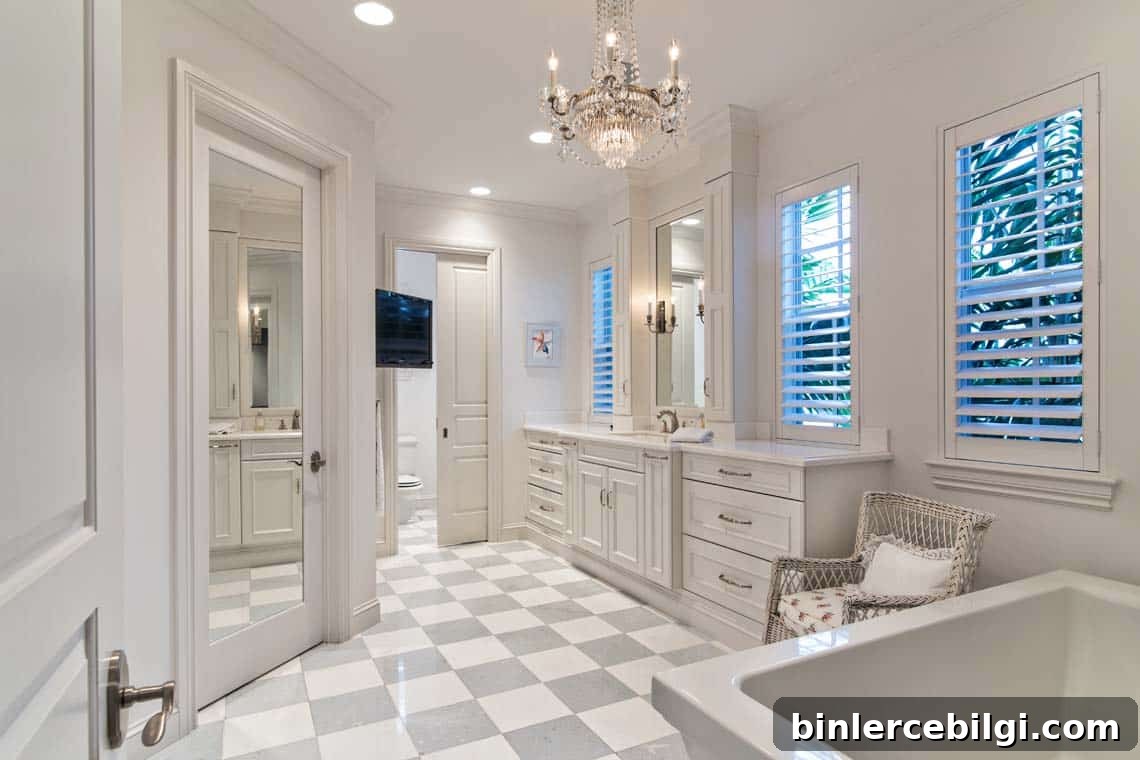
In bathrooms and powder rooms, smaller tiles can visually expand the floor. Soft gray paired with white keeps the space airy while still offering pattern and texture.
4. Laundry Room
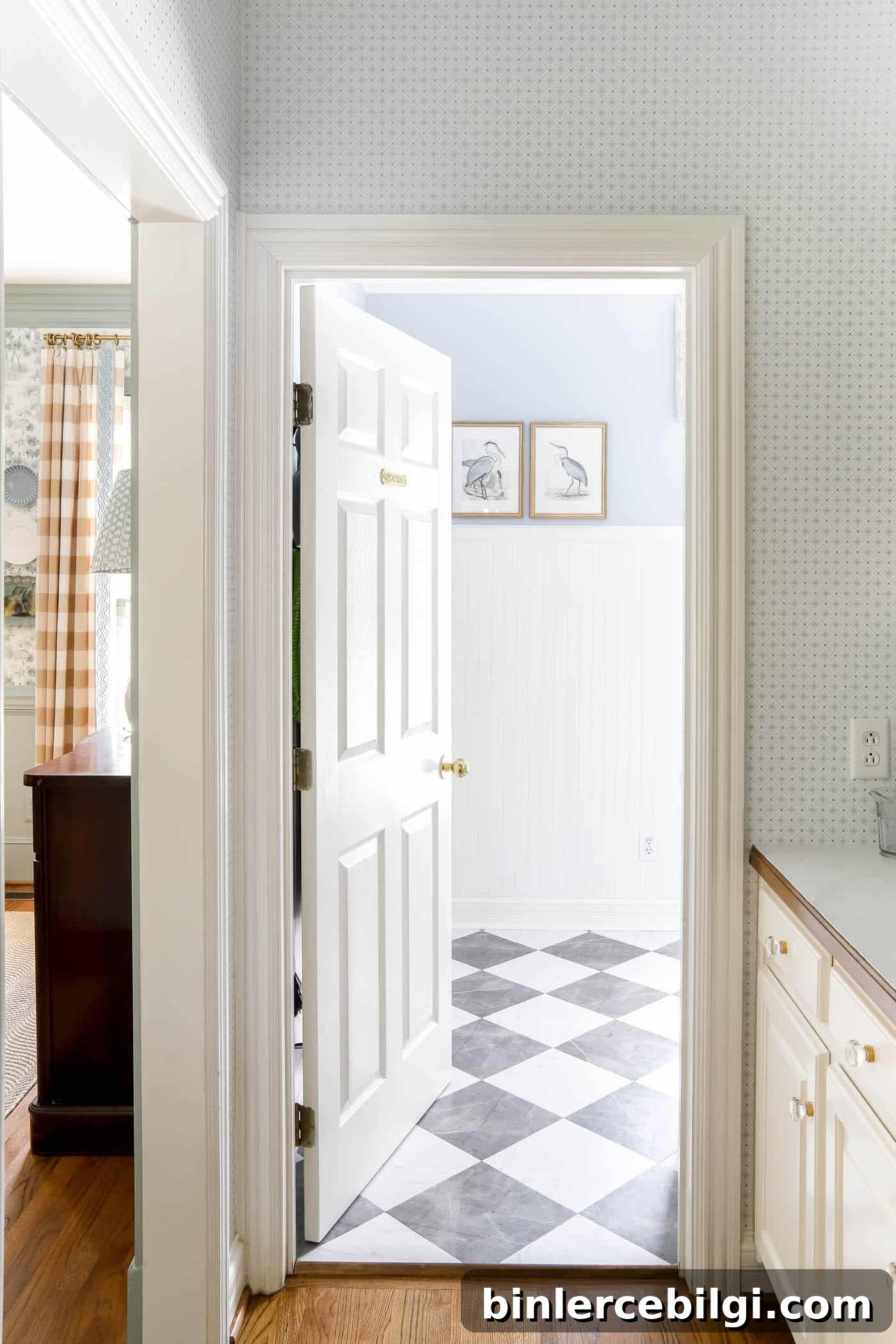
Vinyl peel-and-stick tiles are an economical, practical way to add pattern in a laundry room. They’re easy to install and replace when needed.
5. Sunroom
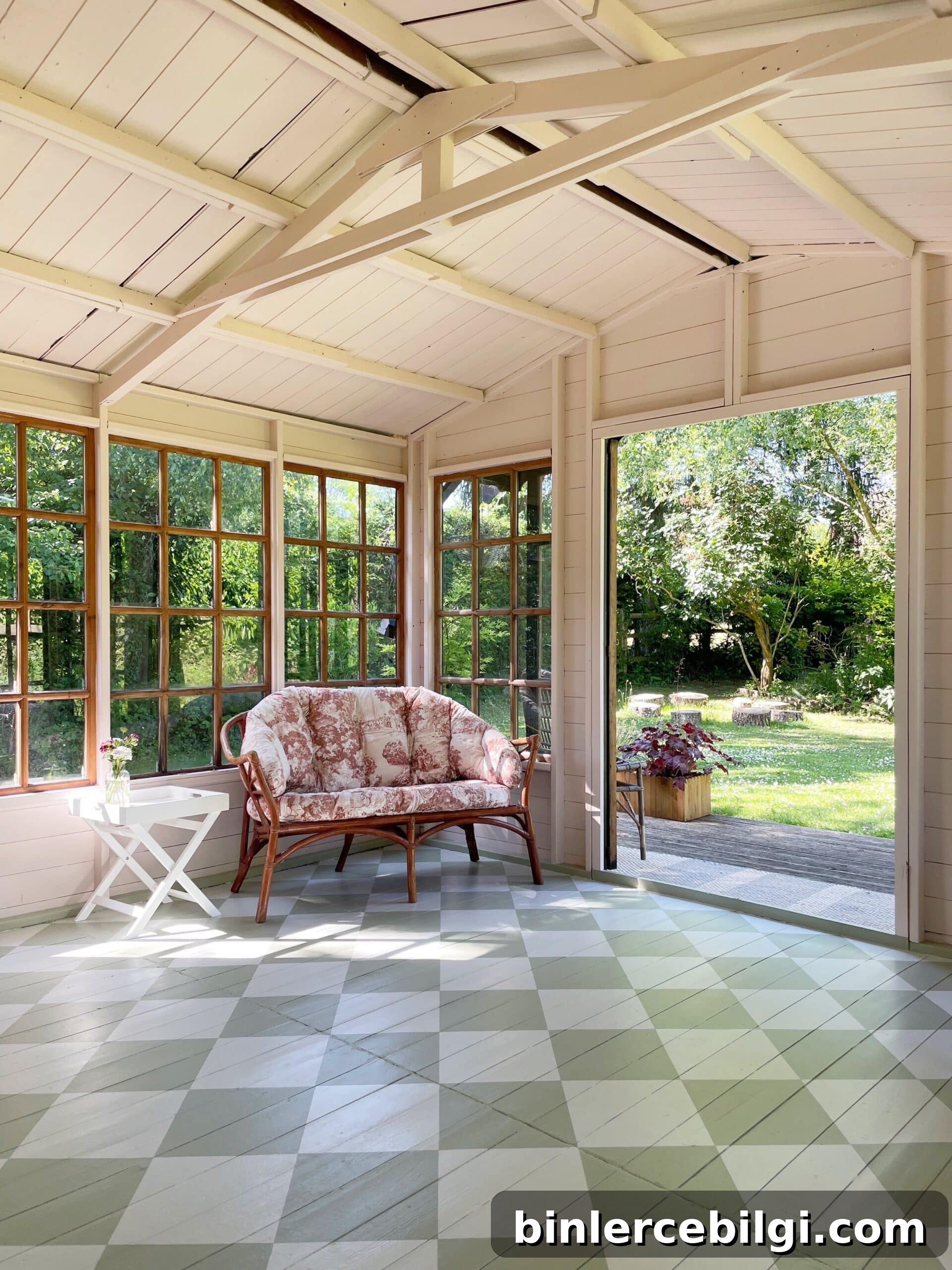
Painted wood in soft, natural colors is ideal for sunrooms that open to the outdoors. A green-and-white palette, for example, helps the interior flow toward the garden.
Modern Twists on the Classic Checkered Floor
If you want a fresh take, consider these variations:
- Maintain woodgrain by painting alternating planks in contrasting tones rather than applying solid color.
- Use plaid or layered stripe motifs to soften the strict grid for a cozier feel.
- Mix finishes—matte and polished tiles—to add texture and depth.
- Try unexpected color pairings such as navy and cream, olive and ivory, or charcoal and blush for a contemporary twist.
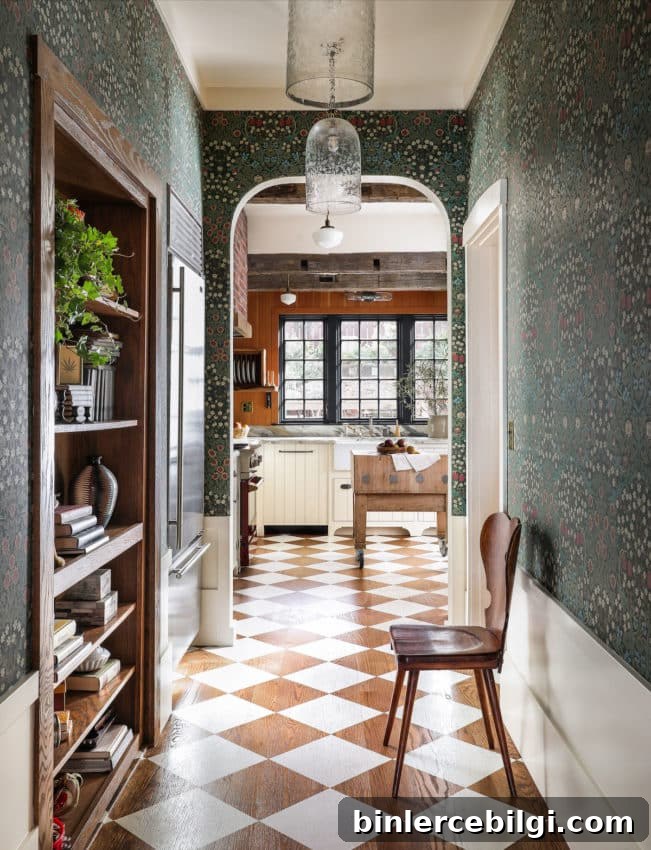
These creative approaches let you keep the classic checkerboard appeal while tailoring the pattern to your personal aesthetic.
Final Thoughts
Although the checkerboard pattern is deceptively simple, there are many decisions that determine the final impact: material, tile size, layout (straight vs. diagonal), and color pairing. Once you settle on the right combination for your home, a checkered floor can transform a room with elegant drama and enduring style.
Related ideas to explore:
- Washable kitchen runner rugs and floor runners
- Budget-friendly flooring updates
- Reviews of luxury vinyl plank flooring
- Coastal-style reading nook makeovers
- Choosing the best entryway rug