
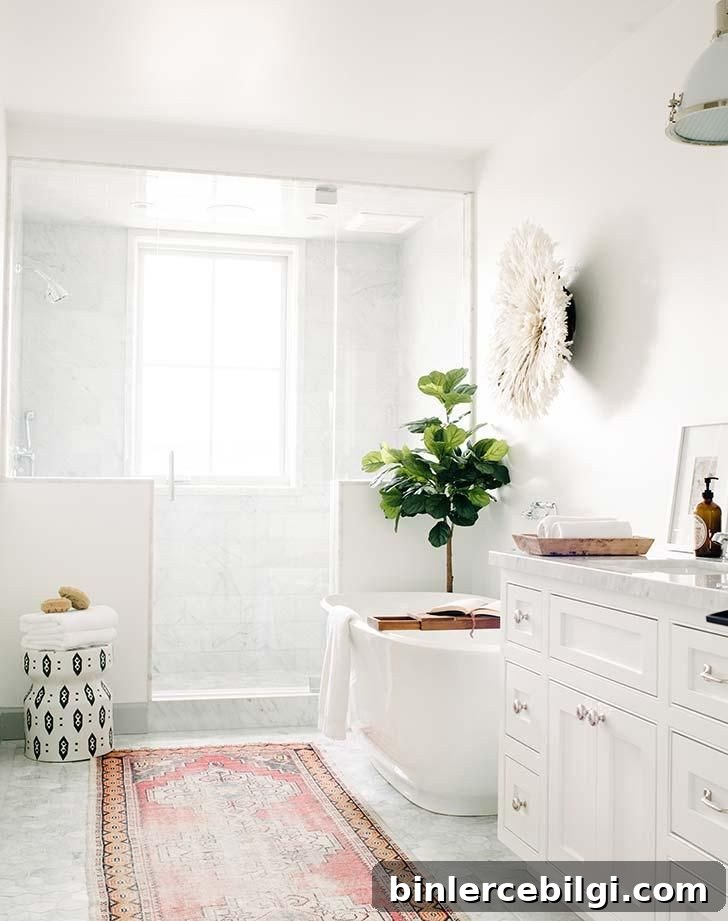
Adding an area rug to a room creates warmth, finishes the look, and ties together your décor. Use these practical tips to size, choose, and place the perfect rug for every room in your home.
When you decorate your home, you usually start with the essentials—furniture, paint, and larger focal pieces—then layer in accessories like art, pillows, and finally area rugs. Rugs are one of the easiest ways to unify a room and add texture, color, and comfort.
This post contains affiliate links for your convenience. See my full disclosure policy.
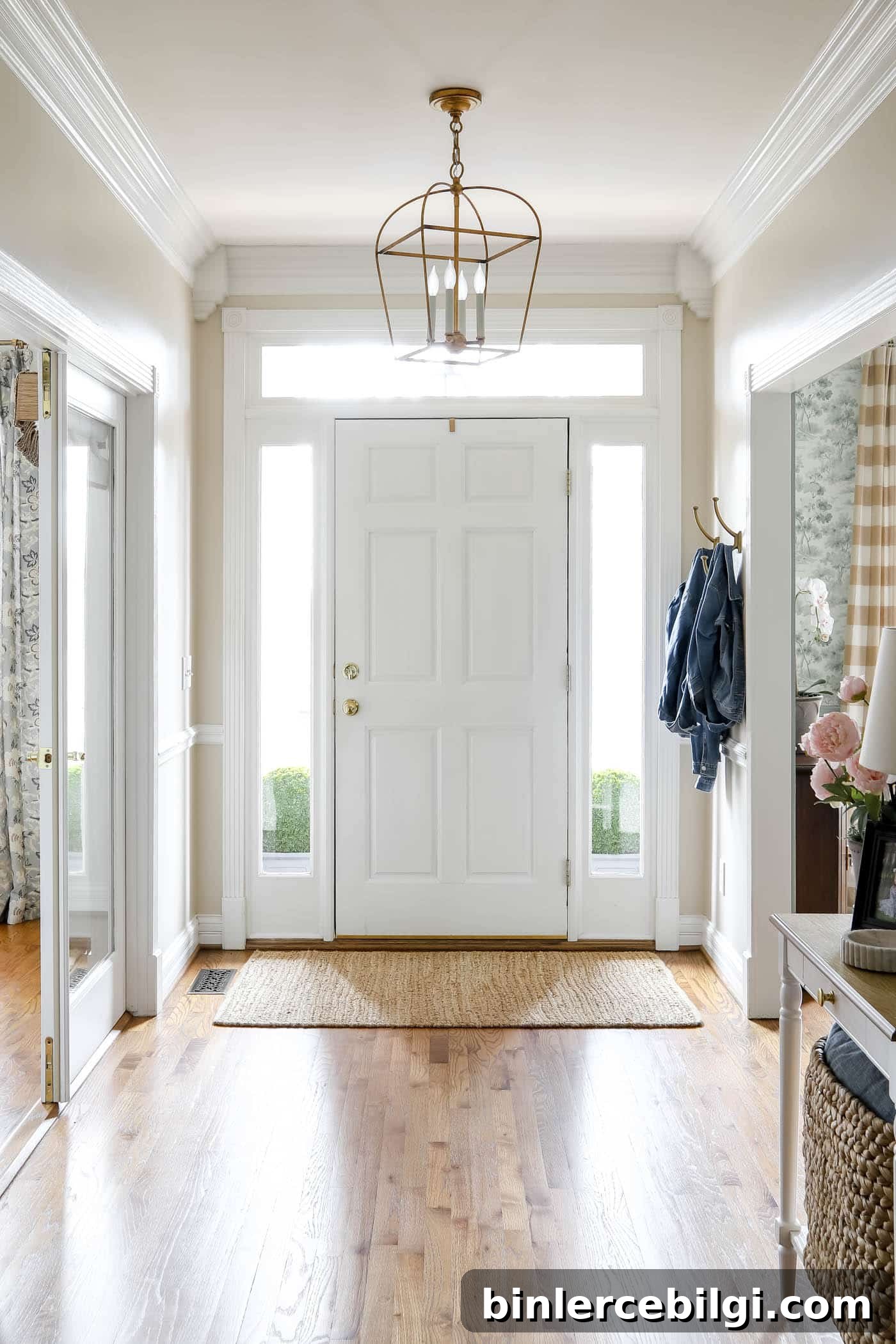
Like well-styled throw pillows, an area rug makes a room feel cohesive and intentional. Size, shape, material, and placement all affect how a rug anchors furniture and defines a space. Below is a room-by-room guide to common rug sizes, how to position them, and furniture placement tips to help you choose confidently.
Your Guide to Rug Sizes by Room
Rug size options—especially online—can be overwhelming. Use these recommended sizes and placement tips for each room to narrow your choices and ensure a balanced, functional result.
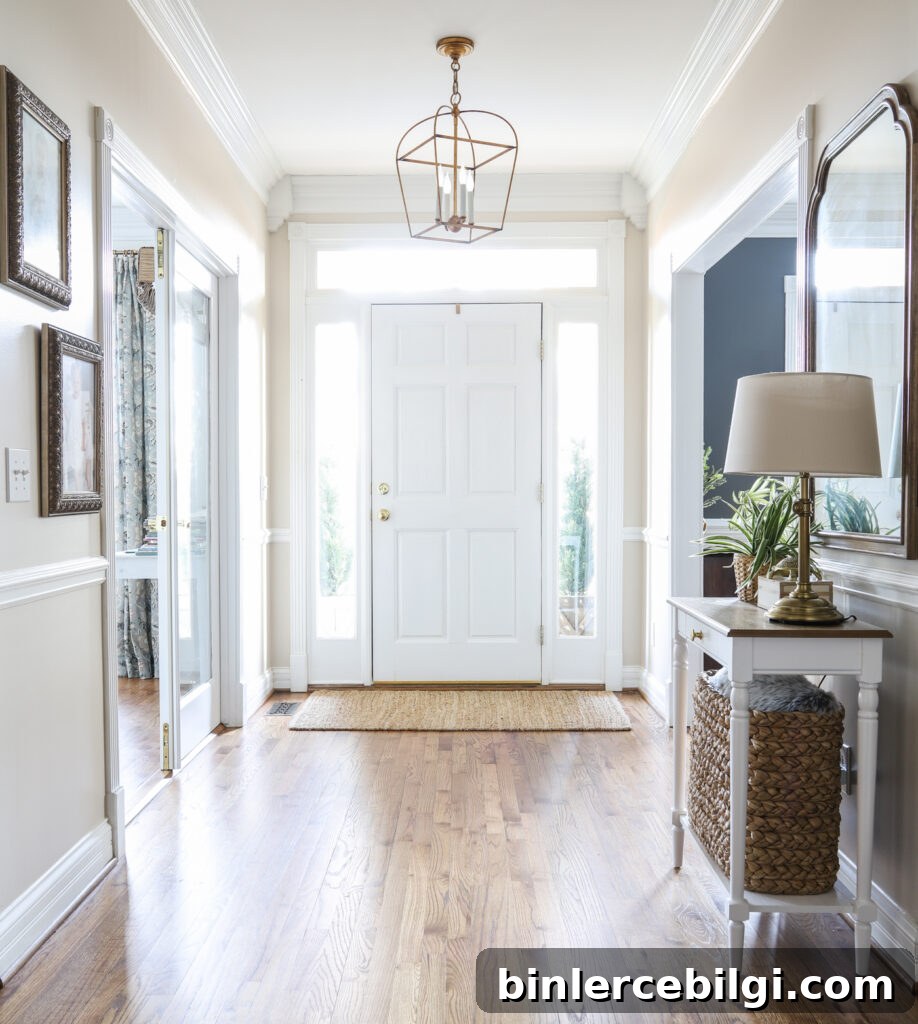
Entryways and Hallways
The entryway is the first impression of your home. A rug here adds warmth, protects floors, and sets the tone for the rest of your décor.
Recommended Sizes: Sizes vary based on the shape of the space. Use a runner for long narrow hallways and choose a shaped or rectangular rug that complements the footprint of your entry.
Placement: Center the rug in the area and align it with the doorway so it welcomes guests without crowding the space.
Furniture: Keep hallways and small entries uncluttered—avoid placing furniture on these rugs so circulation remains clear.
Living Room
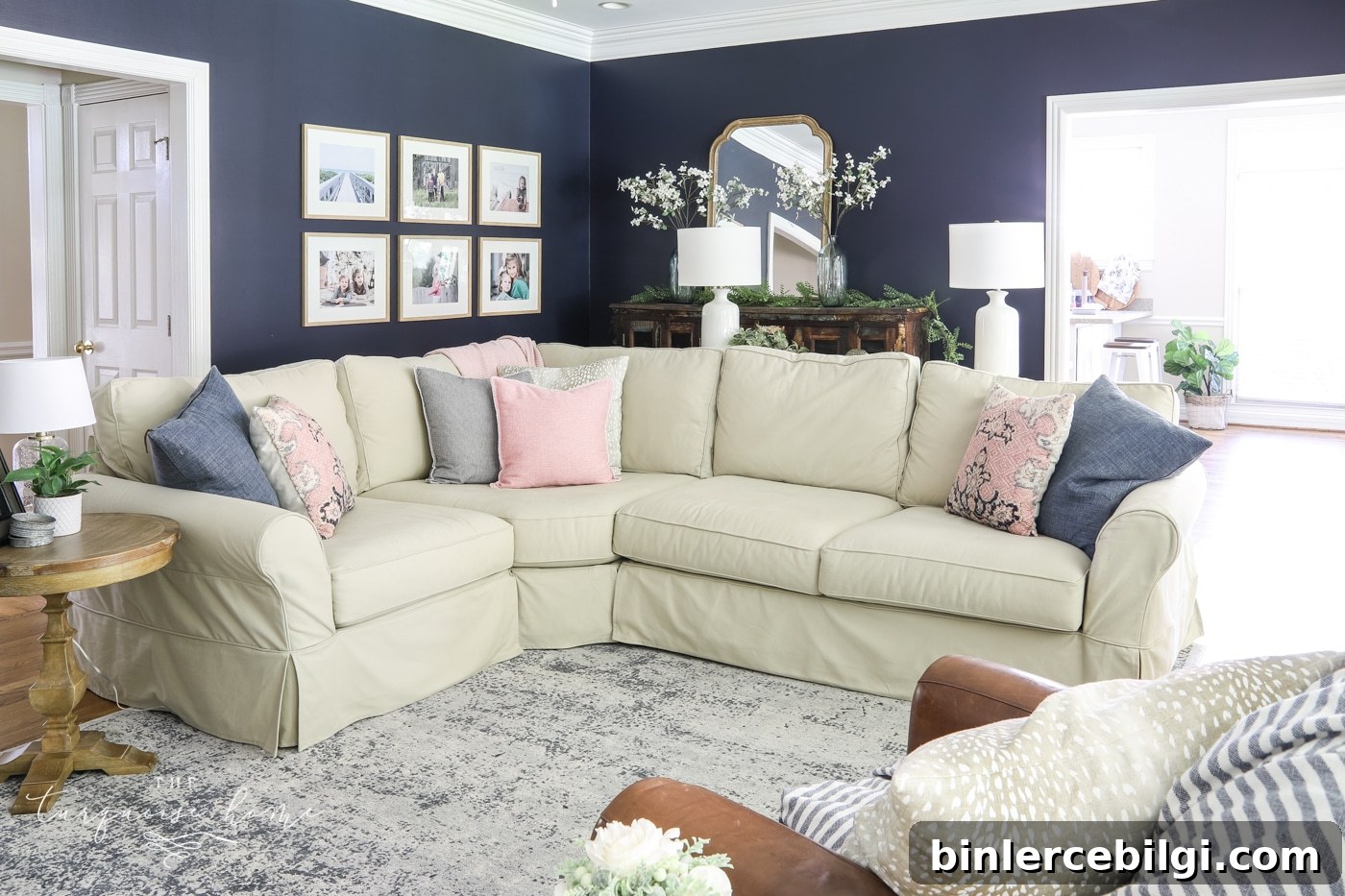
In living rooms, the rug should define the seating area and enhance flow while preserving visual balance with the room’s scale and layout.
Recommended Sizes: Choose a rug big enough to include your main seating. A common rule is to have at least the front two legs of sofas and chairs on the rug. Larger rugs that fit all furniture legs create the most cohesive, cozy feel.
Placement: Position the rug so the space reads as one united area—leave 12–18 inches of floor between the rug edge and the walls to avoid a wall-to-wall look.
Furniture Layout Options:
- All legs on the rug: Best for a full, anchored seating arrangement and a snug cozy feel.
- Front legs on the rug: Ideal when furniture backs up to walls or in open-plan rooms—this defines the seating area without crowding it.
- No furniture on the rug: Works in very small spaces; base rug size on the interior measurements of the seating zone to keep the room feeling larger.
Dining Room
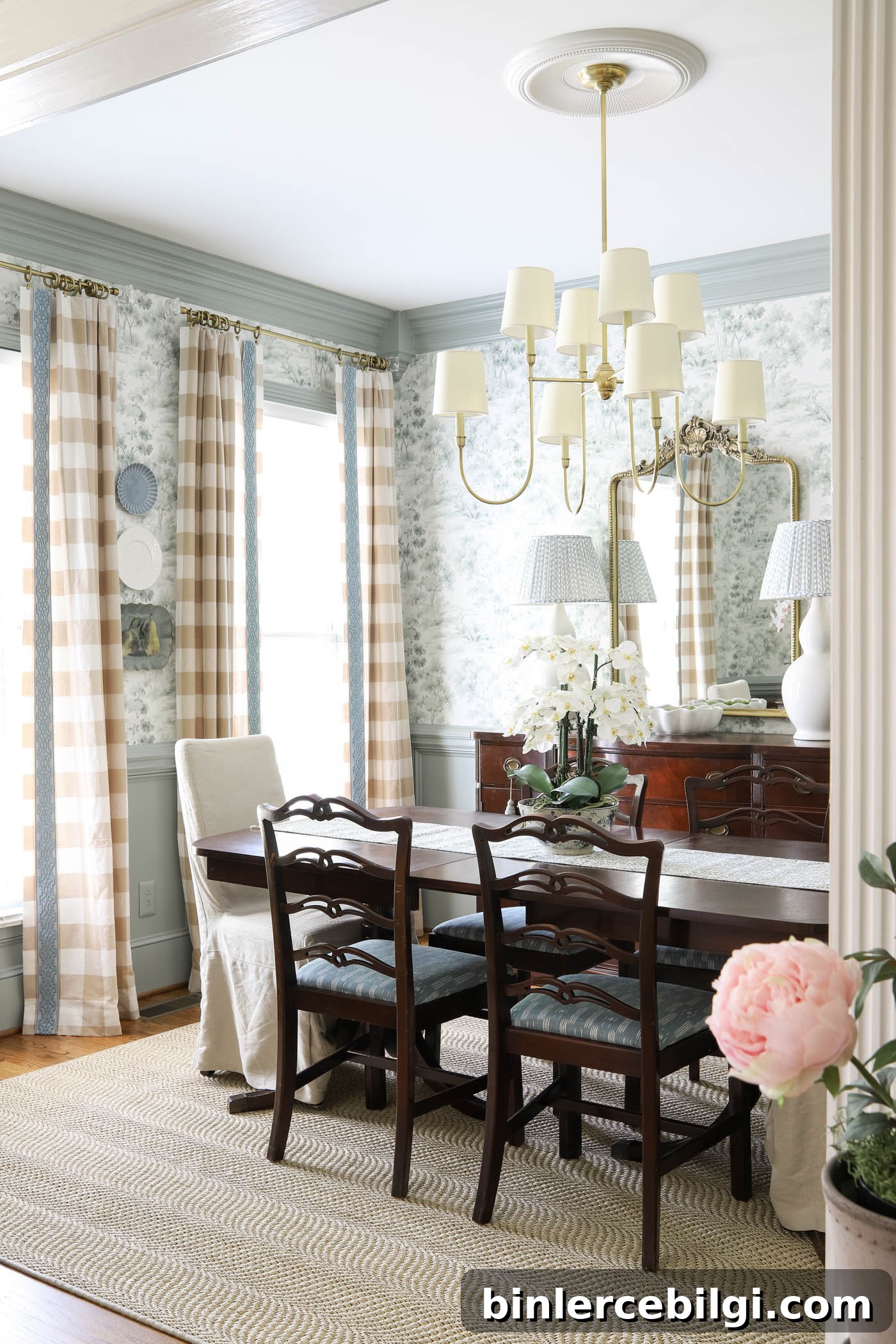
Dining rugs should accommodate both the table and chairs when they are pulled out, so size and shape depend on the table and room layout.
Recommended Sizes: Choose a rug that extends 24–36 inches beyond the tabletop on all sides. If your table has leaves, factor those dimensions in before ordering.
Placement: Center the rug under the table and leave a few inches between the rug edge and the walls for a balanced look.
Furniture: Keep all table and chair legs on the rug so chairs remain stable and level when moved back.
Kitchen
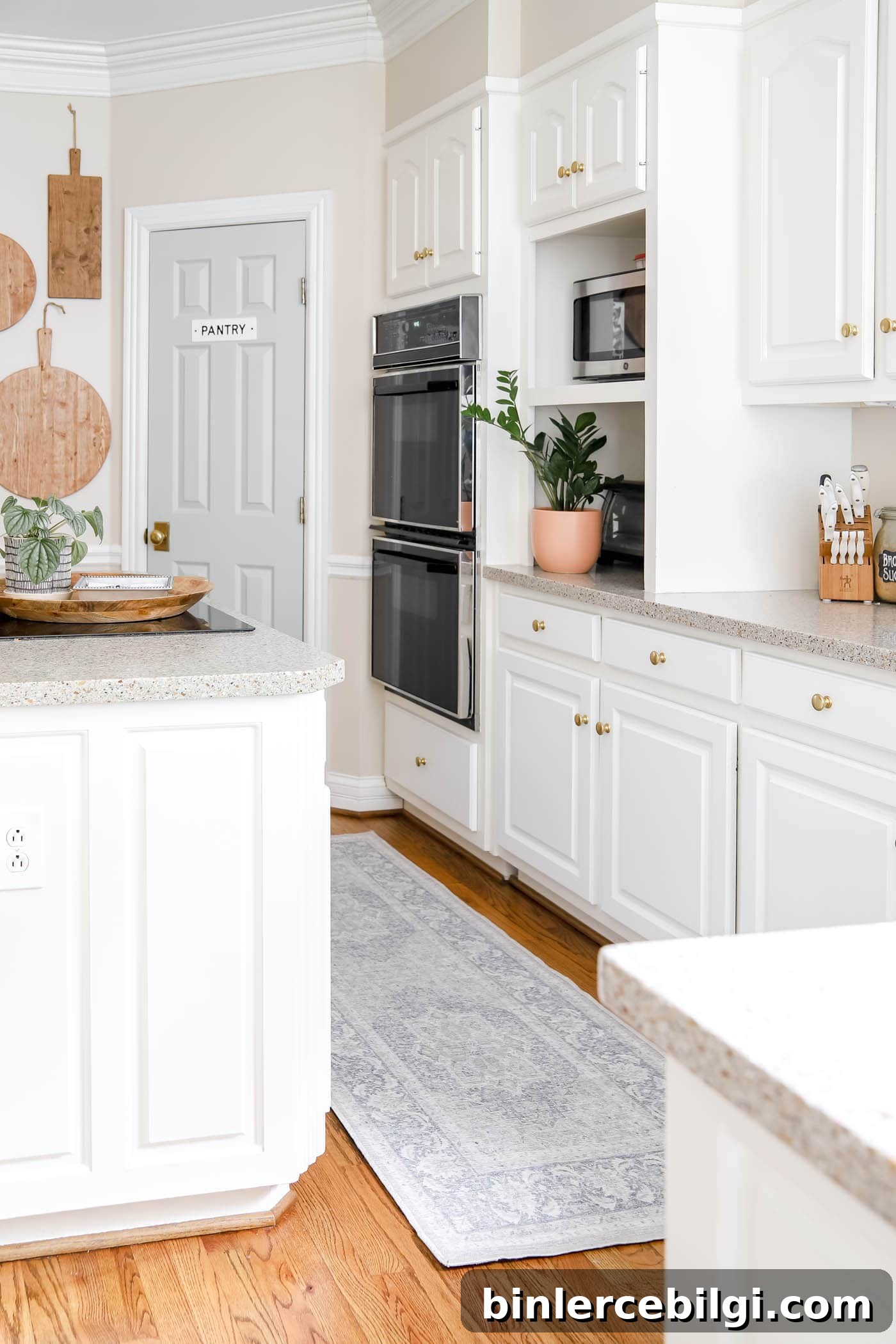
A rug in the kitchen adds comfort and style. Choose a durable, non-slip runner for safety in high-traffic prep areas.
Recommended Sizes: Runners that fit between counters or alongside prep areas work best. Measure the space where you stand most often—near the sink or stove—and size the runner accordingly.
Placement: Center the runner where you work to reduce fatigue and add visual interest.
Furniture: Keep kitchen rugs clear of furniture since this room experiences constant foot traffic and spills.
Bathroom
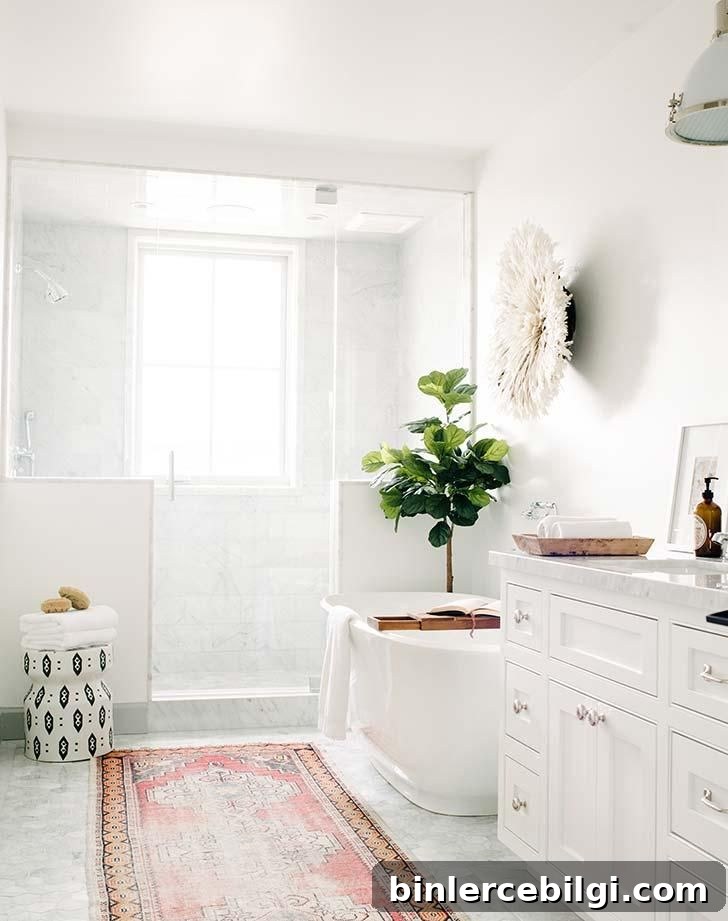
Bathroom rugs add warmth and safety by helping prevent slips when exiting a tub or shower.
Recommended Sizes: Bath runners commonly measure about 24 x 60 inches, but let your bathroom layout guide the exact size.
Placement: Place rugs directly in front of showers, tubs, or vanities where you need traction and comfort.
Furniture: If you have freestanding bathroom furniture, keep legs off the rug to avoid shifting and to ensure stability.
Bedroom
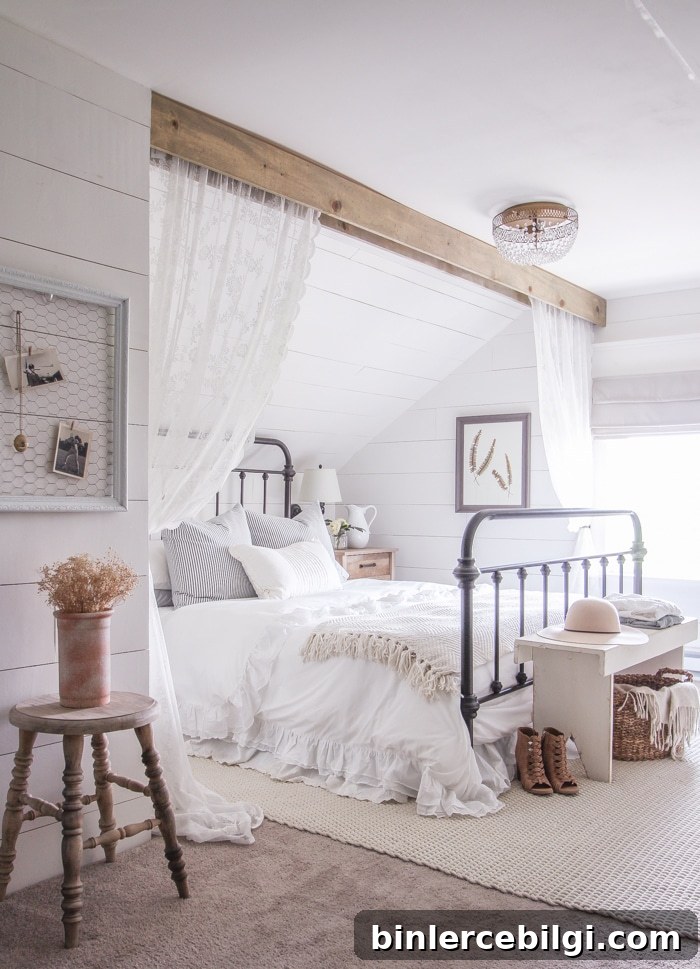
Bedroom rugs add both visual comfort and a soft landing for bare feet. Let bed size and room scale determine the rug dimensions.
Recommended Sizes: Common bedroom rug sizes range from 5 x 8 to 9 x 12. For large beds, opt for larger rugs so the rug extends beyond the sides and foot of the bed.
Placement: Use the bed as the anchor—center the rug under or in front of the bed depending on the layout.
Furniture Layout Options:
- All legs of the bed on the rug for a fully anchored look.
- Two-thirds of the bed on the rug, with the rug extending beyond the foot and sides.
- Runners along each side of the bed for symmetry and soft steps out of bed.
Use these room-by-room guidelines to choose a rug that enhances comfort, complements your decor, and fits your lifestyle. Measuring carefully and visualizing rug placement with tape or cardboard templates makes selecting the right size much easier. And if you’re looking for budget-friendly options, check out my favorite sources for affordable area rugs.
More posts you’ll love:
- 7 Delightfully Simple Hallway Decor Ideas
- Home Decor 101: How to Decorate End Tables
- The Best Window Treatment Options for Every Room
- How to Style a Console Table Behind a Couch (4 ways!)
- 7 Simple Ways to Upgrade Your Home