

Learn how to create margin in your life when it feels like everything is spinning out of control.
Getting organized and staying organized can feel overwhelming. You may be caring for sick relatives, dealing with family crises, juggling work, maintaining a household, and managing bills — all while stress piles up. That’s a lot to carry.
Welcome to Day 27 of the 30 Days to Less of a Hot Mess Challenge. We’re focusing on decluttering, reorganizing, and building simple systems that help create a home you love and a life with more breathing room. If you’re new to the challenge, consider starting at the beginning to get the full series.
I recently heard from many readers after a surprising email mishap. The responses were honest and heartfelt — so many of you shared real struggles and overwhelming seasons in your lives. I want you to know I see you. I run two businesses, parent two small children, and balance a marriage and household. There have been seasons of very little sleep and burned-out days, and I learned the hard way that extreme busyness is not sustainable.

I designed this challenge knowing most participants don’t have hours each day to dedicate to organization. The idea was to give short, practical tasks that build momentum and accountability — little steps that add up. If you truly have no extra time right now, focus on creating small margins that reduce daily friction. When time returns, you can tackle deeper organization projects like the pantry or closets.
Below are simple, practical steps you can take today, no matter how busy your schedule, to create more margin and calm in your days.
How to Create Margin When Your Life is Crazy
1. Nail down your routines. Identify the most stressful parts of your day and design a routine to reduce that stress. For many people it’s mornings and evenings — getting everyone up, out the door, and deciding dinner. I use focused morning routines (devotions, unloading the dishwasher, planning dinner) and evening routines (loading the dishwasher, tidying the living room, writing the next day’s to-do list).
Your routines don’t need to be elaborate. Examples include making lunches the night before, setting out outfits, or shifting bedtime earlier so you can have quiet morning time. Write your routines down and place them where you’ll see them daily until they become habit.
2. Make a Daily Essentials List. Endless chores can drain your energy. Choose 3–5 small, meaningful tasks that keep your home “clean enough” without requiring hours. My essentials are clearing and wiping kitchen counters each night, vacuuming the living room every 1–2 days, doing something with the laundry daily, picking up toys each evening, and sweeping the kitchen frequently.
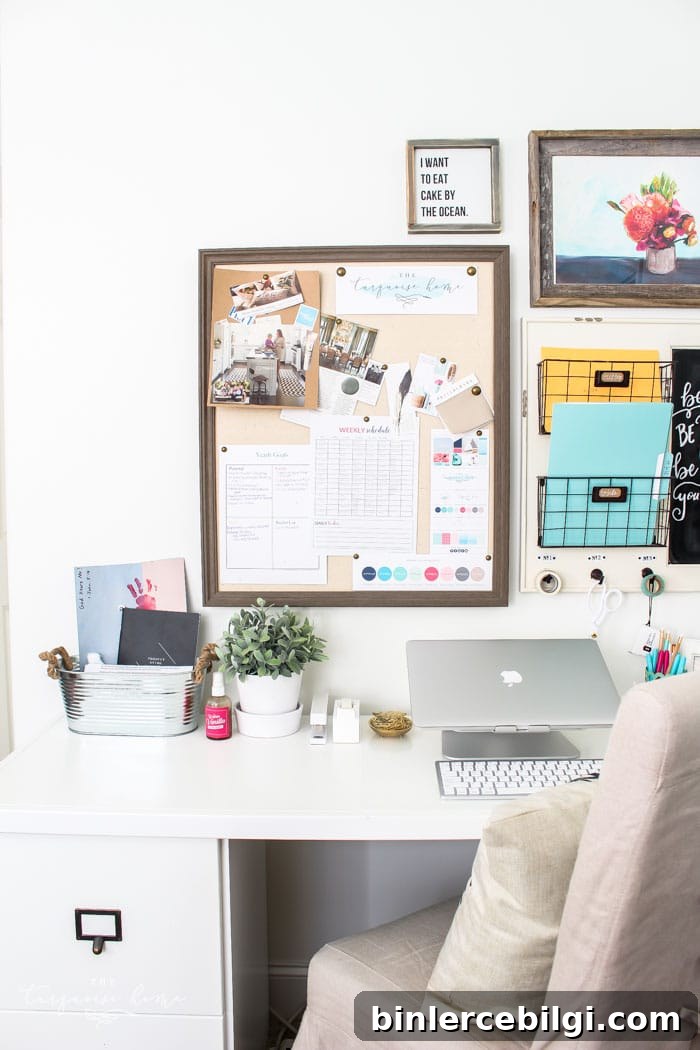
Once the daily essentials are steady, schedule deeper cleaning tasks less often. If budget allows, consider hiring a cleaning service once or twice a month for deep cleaning — it’s a time and energy saver that quickly pays off.
3. Create a place to download your brain. If your mind is constantly full of to-dos and reminders, designate one spot for brain dumps: a planner, notebook, or a pad of paper by your computer. Writing things down reduces anxiety, frees mental space, and makes it easier to prioritize. Capture everything — appointments, errands, ideas — then organize and schedule them from that single source.

4. Just say no. Guard your time by declining commitments that don’t align with your priorities. Start by defining what matters most — usually your family and close relationships. Say yes to those and say no to good but nonessential things that take time away from them.
Ask whether extracurricular schedules, volunteer roles, or social commitments are adding value or simply creating stress. If a child’s activities, frequent evenings out, or extra responsibilities leave you exhausted and eating out, consider simplifying schedules so you can preserve family meals and meaningful downtime. When you prioritize well, you protect energy for the things that matter.
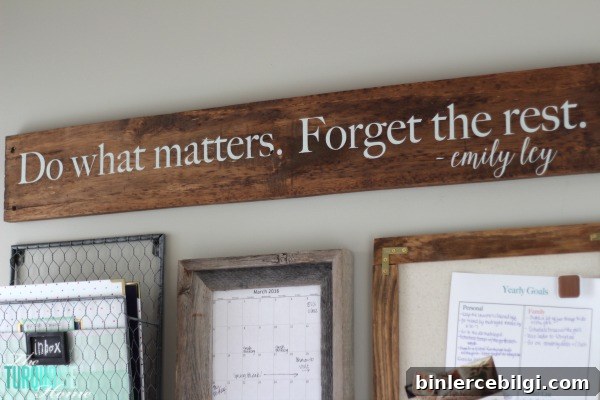
RELATED: DIY Command Center
Reduce digital clutter: unsubscribe from emails, limit notifications, and decline or postpone commitments that aren’t essential. I often turn down opportunities to coordinate extra activities unless they align with my priorities. If friends are hosting sales parties and you want to support them, consider ordering directly rather than attending an event during a busy season.
Those small boundaries add up. When your inbox is short and your calendar has fewer nonessential commitments, you’ll feel calmer and more capable of handling the things that do matter.
In short, establish simple routines, commit to a short list of daily essentials, keep a single place to capture tasks and ideas, and practice saying no to protect your priorities. As you gain a little margin, you’ll have the energy to tackle clutter and deeper organizing projects. Margin builds on itself — small changes lead to bigger relief over time.
The Messy Work: Say no to something today. It could be the thing you’ve been hesitating to decline — practicing this boundary is one of the fastest ways to create margin.
In the mess with you, Laura
More Posts You Will Love:
- Organized Paint Storage | Day 29: 30 Days to Less of a Hot Mess
- How to Organize a Pantry | Day 18: 30 Days to Less of a Hot Mess
- How to Organize Your Day | Day 3: 30 Days to Less of a Hot Mess