
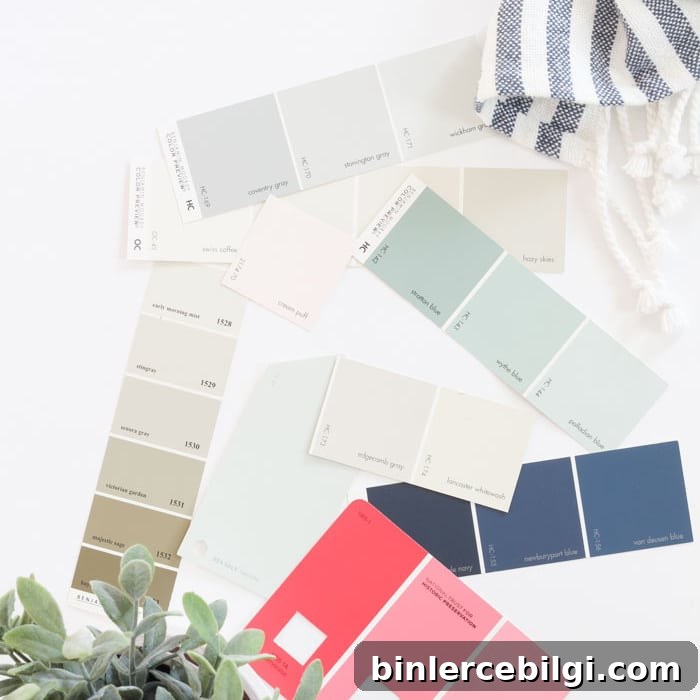
A whole-house color scheme creates a cohesive backdrop for your home and removes much of the guesswork from decorating. Follow this clear, step-by-step guide based on color theory and practical examples to build a unified color palette for your entire home. Using this approach will save you time, money, and stress when making decorating choices.
Choosing a color palette that flows through your entire home—from wall paint to soft furnishings—can feel overwhelming. Many readers ask where to begin, how to choose, and whether they can use a single color throughout the house. The short answer: yes, you can, if you plan thoughtfully. Below I’ll walk you through the simple process I used for the homes I’ve decorated, so you can create a plan that is both flexible and confident.
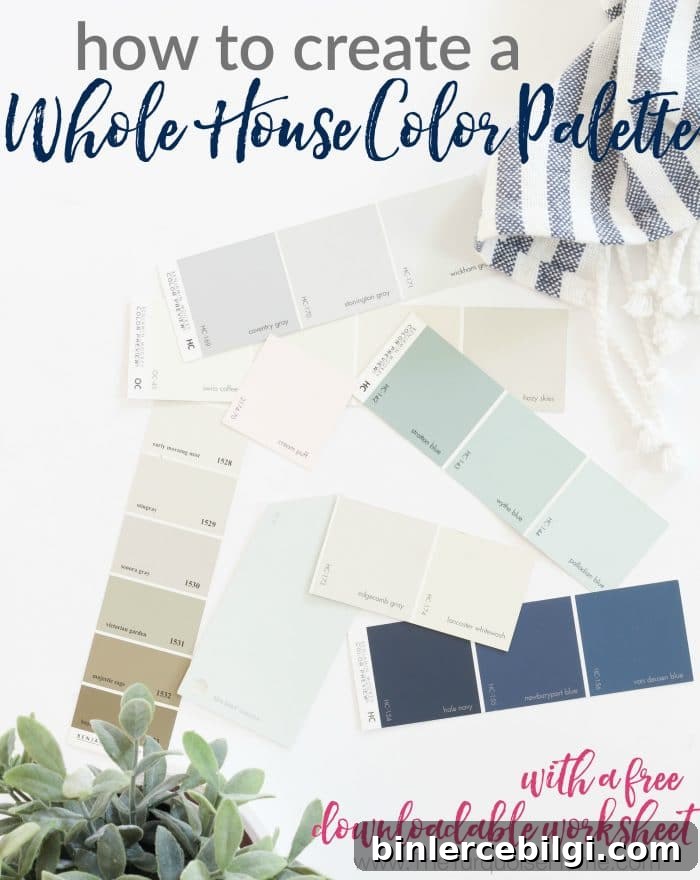
When I moved into each of our homes, I treated the space as a fresh canvas and developed a palette that made decorating decisions easy. My goals were to:
- Make consistent choices for walls, trim, and decor without second-guessing.
- Create a system that helps me quickly decide which store-bought items will work in the house and which won’t—saving impulse purchases and extra trips.
- Ensure every room flows together without looking overly matched.
You don’t need to be an interior designer to pick paint colors. With a few simple principles—finding inspiration, deciding a mood, referencing the color wheel, and considering permanent finishes—you’ll be well on your way.
What to Know Before You Pick Paint Colors
This includes not only wall paint but also floors, furnishings, cabinetry, and accents. Consider all permanent finishes and the items you’ll keep in place for years.
1. Get Inspired
Start by gathering inspiration from what you already own. Look around your home, check your saved images on Pinterest, and glance through your closet. Do you favor neutrals, or are there recurring shades you prefer? Narrow your inspiration down to two or three favorite colors you keep returning to.
2. Choose the Mood
Think about how you want your home to feel. Do you prefer light and airy, calm and cool, warm and cozy, or bold and dramatic? You can relate moods to seasonal palettes to help choose an overall direction:
- Spring – Open and creative: light, bright pastels and fresh hues.
- Summer – Calm and elegant: cool, delicate, muted colors like lavender, mint, and soft blues.
- Autumn – Warm and earthy: rich, muted tones like burnt umber, warm reds, and pale straw.
- Winter – Strong and focused: cool, clear, and intense tones like ice blues, deep navies, and contrast colors.
These associations help guide your choices. You can mix attributes, but most people gravitate toward one general mood.
3. Use the Color Wheel to Your Advantage
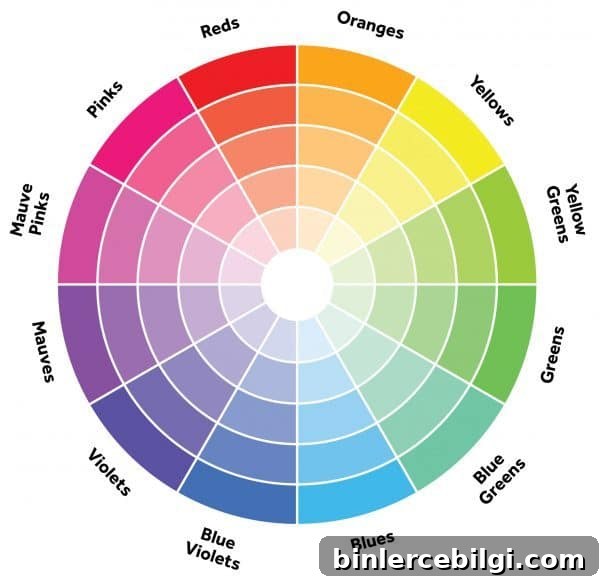
Basic color theory helps you understand how colors interact. The color wheel shows relationships such as:
- Analogous colors (next to each other on the wheel) create harmony and relaxation—ideal for bedrooms and calm spaces.
- Complementary colors (opposite on the wheel) add drama and contrast—great for small pops of color or accents.
- Monochromatic palettes use one color in varying shades and tones for a cohesive, sophisticated look—you can absolutely use one main color throughout the house if you vary its shades.
Warm vs. Cool Colors
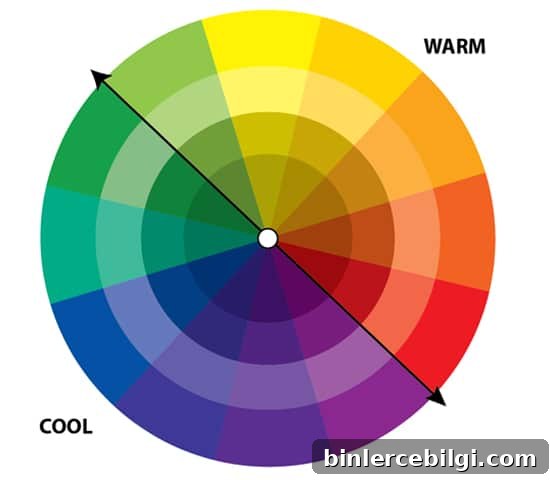
Warm colors (yellows, warm reds, some beiges) create energy and can make rooms feel cozier. Cool colors (blues, greens, cool grays) feel calming and can make spaces appear larger. Many neutrals also carry warm or cool undertones, so be mindful of undertones when choosing your palette.
4. Consider Hard Finishes
Look at the permanent elements in your home—floors, cabinets, countertops. Do your floors have warm or cool undertones? Are cabinets warm wood or cool painted tones? Countertops often pull warm or cool, or a mix of both. Choosing wall colors that coordinate with these fixed elements ensures the palette feels intentional.
One practical tip: a medium brown wood floor typically pairs well with most color schemes, acting like a neutral base that “goes with anything.”
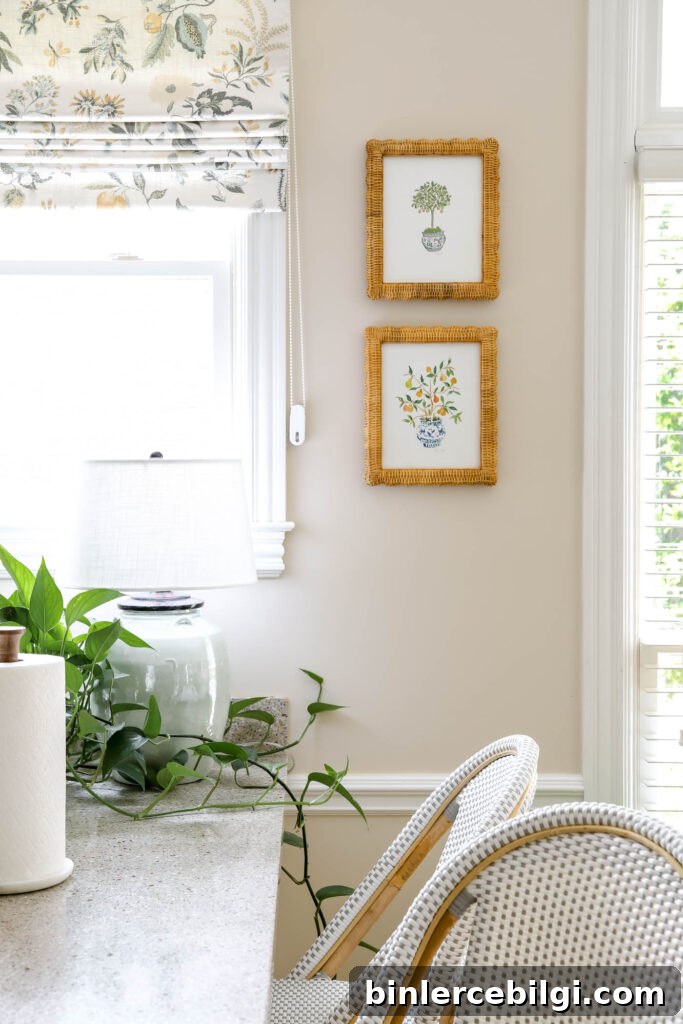
How to Choose a Whole House Color Palette
Follow this ordered process to choose paint colors that work together seamlessly.
1. Choose Trim and Ceiling Paint Color
Start with your trim and ceiling color because these are typically consistent throughout the home. Many people use a clean white or soft off-white for trim and ceilings. If your trim is already a particular shade, build the wall colors to complement it rather than clash with it.
Tip: Painting walls and trim the same color is possible—use a higher-sheen finish (semi-gloss or gloss) for trim and a flatter finish (eggshell or matte) for walls so they read differently even when the hue matches.
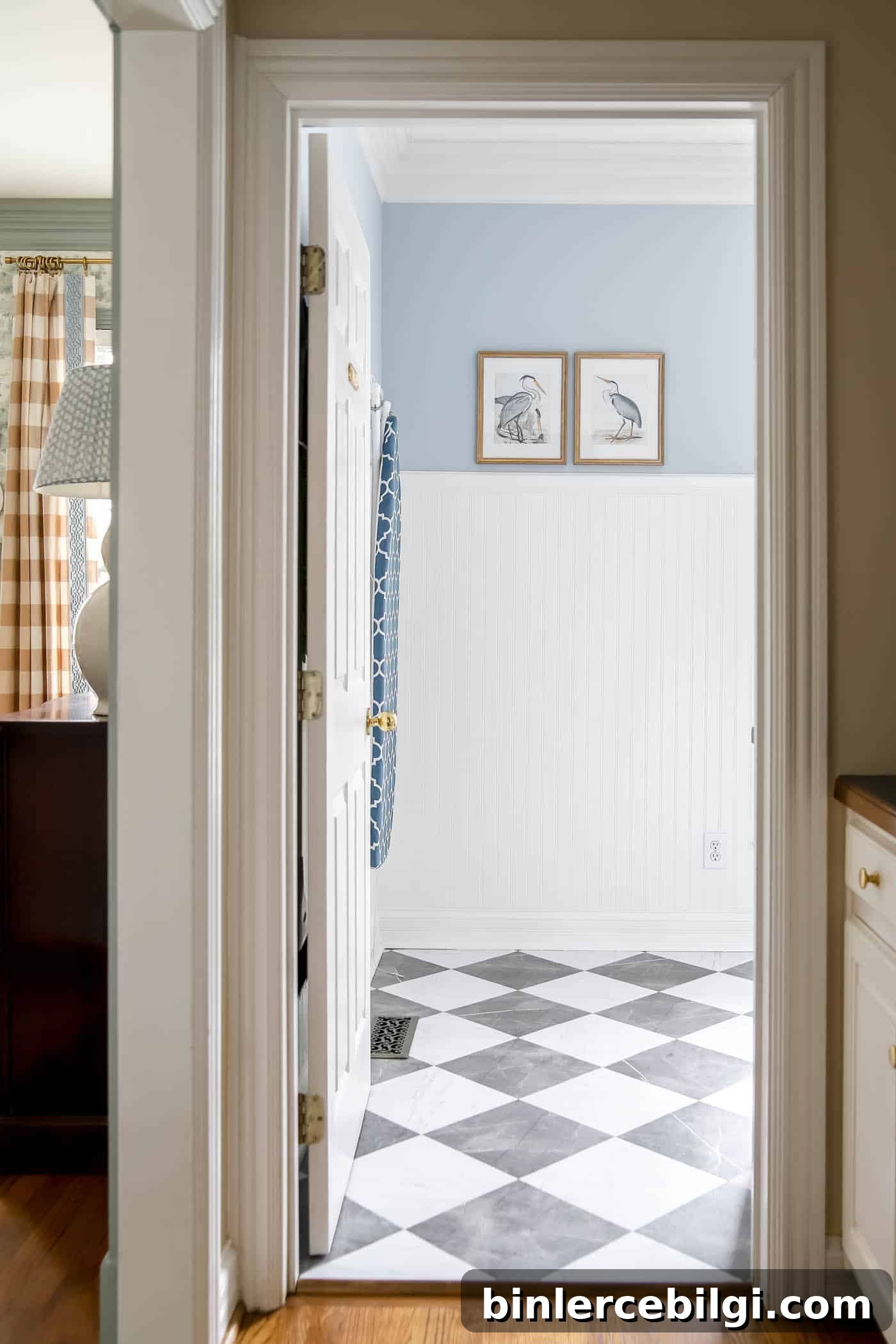
2. Choose Your Primary Neutral for Main Spaces
Select a neutral for shared areas such as living rooms, kitchens, hallways, and entryways. In open floor plans these rooms will flow together and should be treated as one large space. The primary neutral can be a gray, greige, beige, or even a soft white or very light pastel—what matters is that it’s lighter and coordinates with your trim and permanent finishes.
When choosing this neutral, pay attention to undertones (warm vs. cool) so the color pairs with your trim and floors. Always test paint in the room at different times of day before committing.
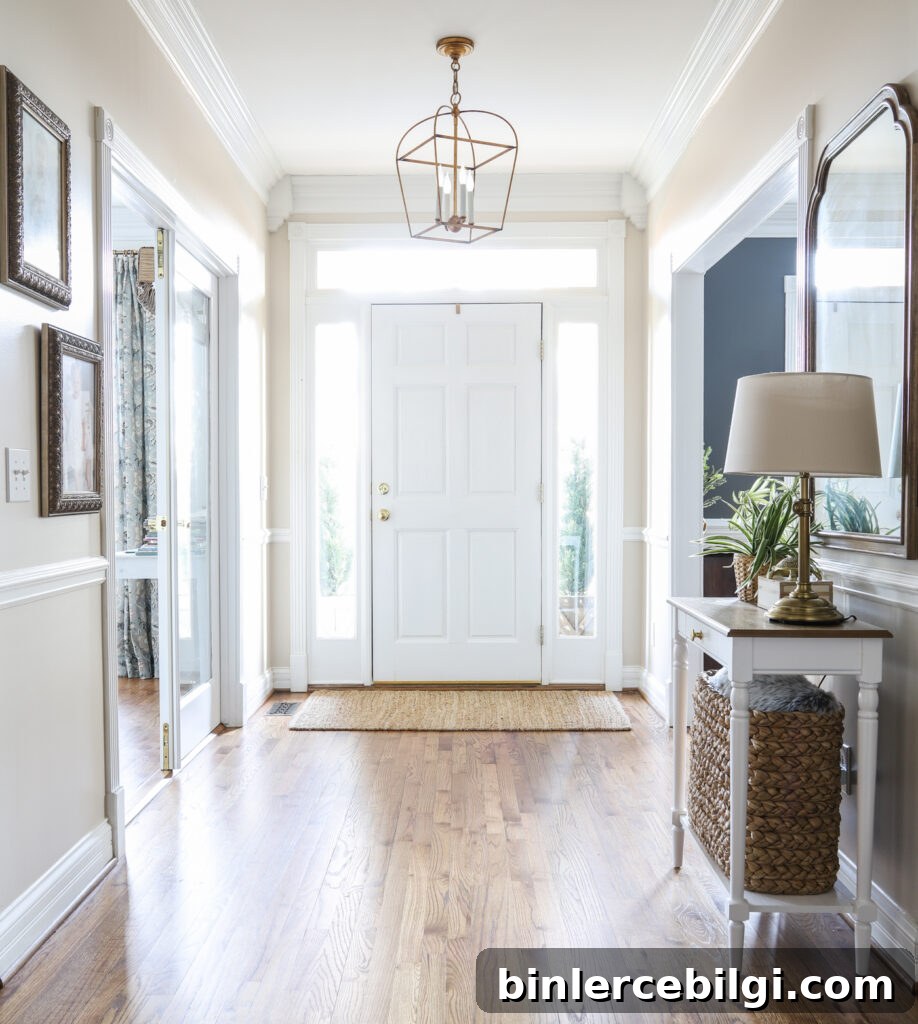
For example, I often choose green-beige or soft greige neutrals for main areas because they harmonize with both warm and cool accents depending on lighting and fabrics.
3. Choose a Second Color for Secondary Rooms
Pick a second color for bathrooms, laundry rooms, and other secondary spaces. This can be another neutral or a colored hue that complements your primary neutral. You can repeat this color in accessories and small accents throughout the home so everything ties together.
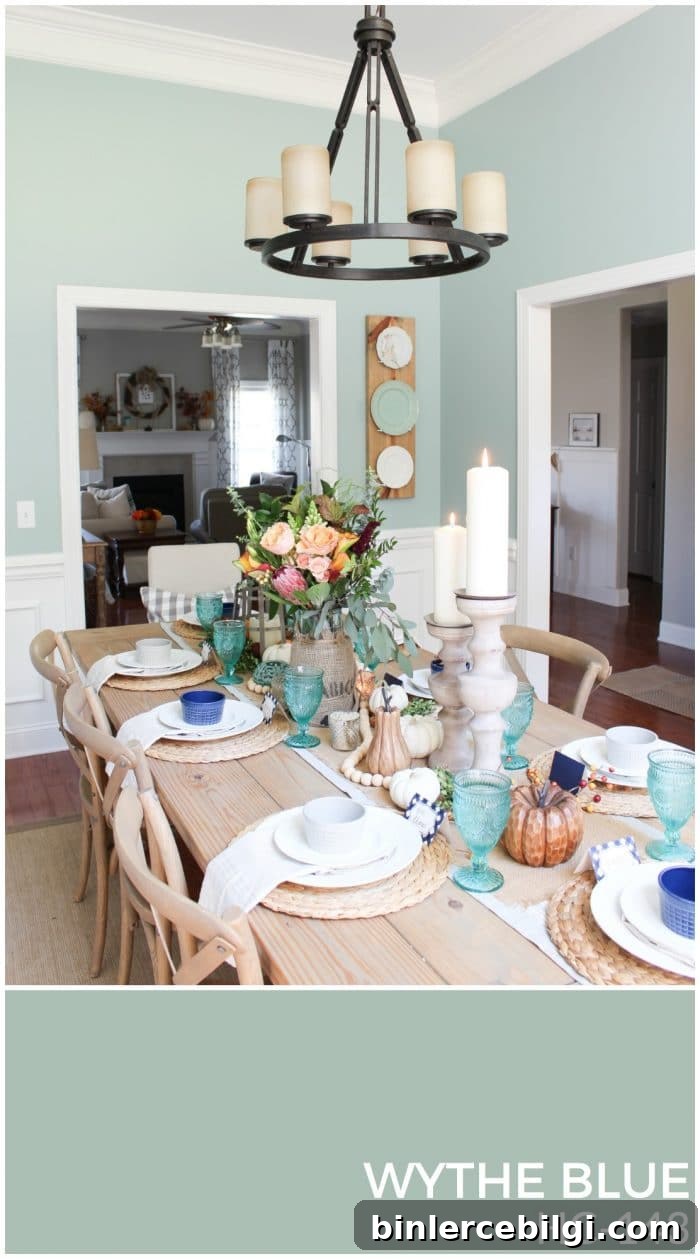
4. Choose an Accent Color for Bedrooms, Small Rooms, and Accessories
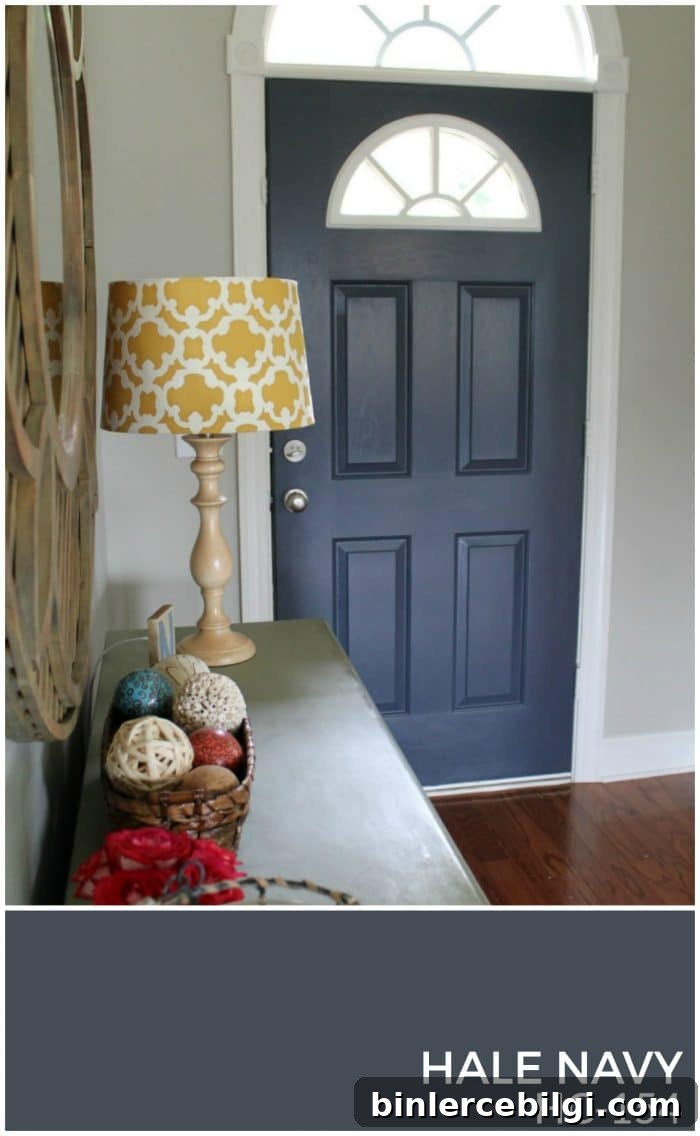
Choose one or two accent colors to be used sparingly—on an accent wall, a door, or in textiles and decor. These colors can be harmonious (next to your main color on the color wheel) or complementary (opposite on the wheel) to create contrast. Accent colors are great for bedrooms, children’s rooms, and special features that don’t need to be visible from every common space.
Frequently Asked Questions
A practical whole-house palette typically includes 4–8 paint colors:
– 1 white/off-white for trim and ceilings
– 1 primary neutral for main living areas
– 1–2 secondary colors for smaller spaces
– 1–4 accent colors for bedrooms, accessories, and accents
No. It helps to select trim and your primary neutral early so the foundation is set. Secondary and accent colors can be chosen as you go.
A Real-Life Whole-House Color Palette
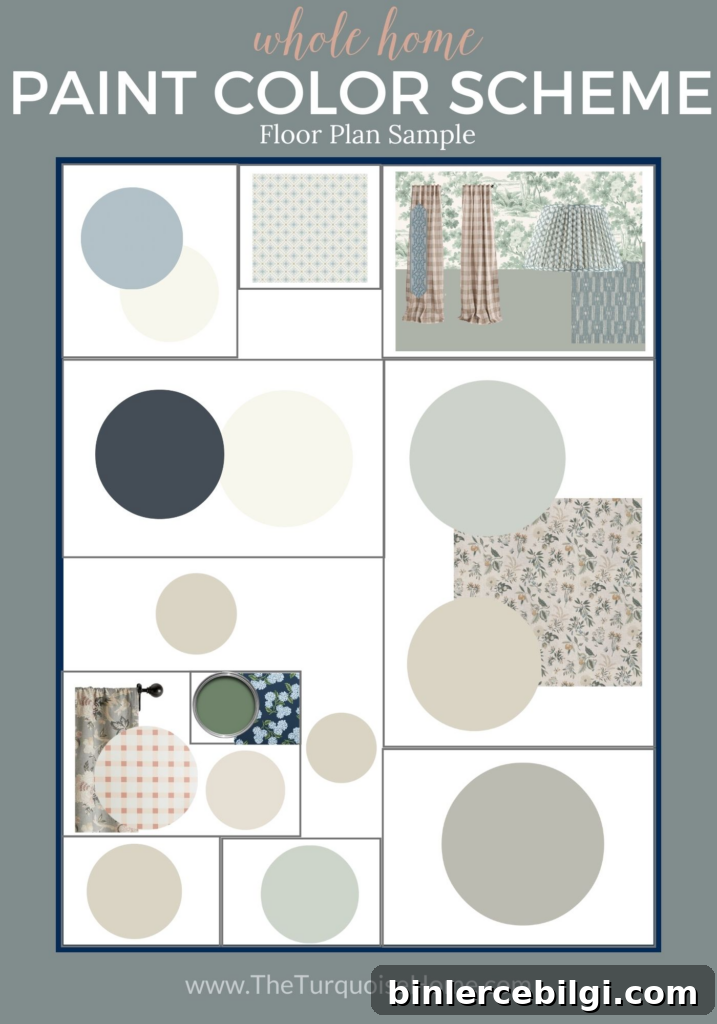
Once you finalize colors, create a visual reference: a printed collage or a digital board using a design tool. Place chosen colors into a simple floor plan or room mockups so you can see how they relate. Collect paint chips, fabric swatches, and photos in a binder to bring when shopping for decor—this keeps choices consistent and confident.
Incorporate Your Palette Throughout the Home
Apply your colors strategically: white on trim and closets, the primary neutral in main living areas, the second color in secondary spaces, and accent colors in small doses. If you’re unsure about painting a room, first test fabrics and textiles that use your chosen colors. Make a mood board for each room to visualize fabrics, wallpaper, paint, and finishes together.
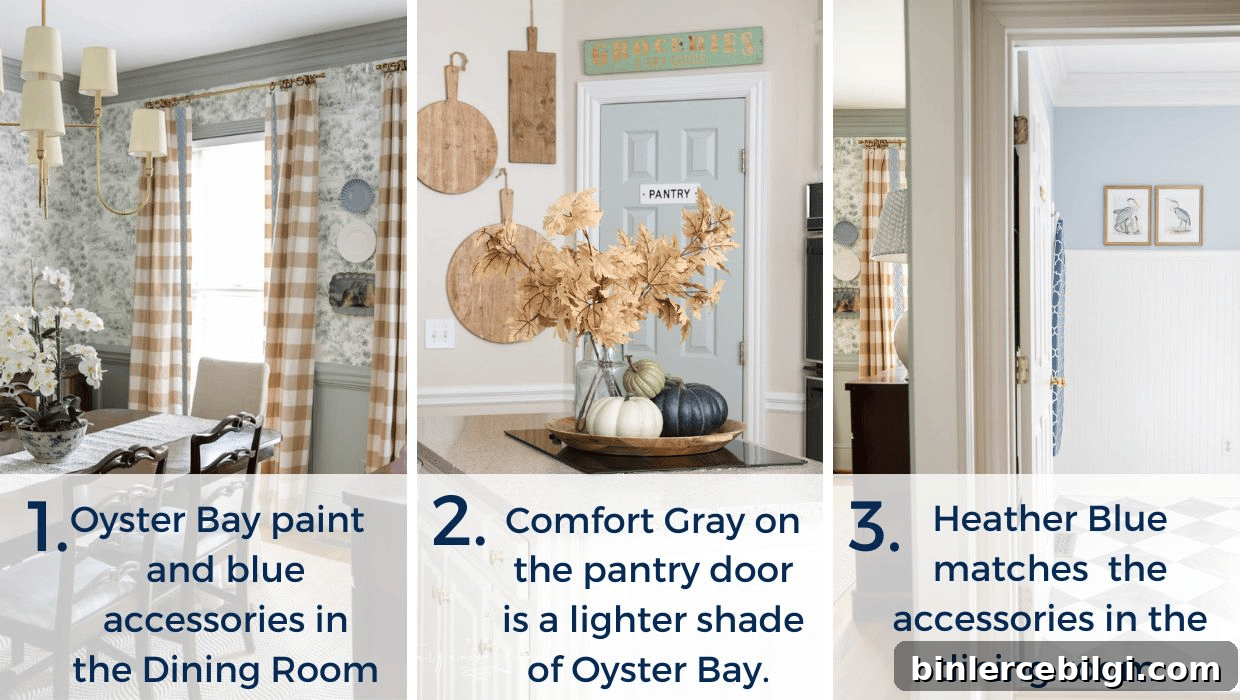
When you know your palette, shopping becomes simple: if something matches the palette, you can buy it with confidence and use it throughout the house.
I hope this guide helps you feel confident choosing a paint palette for your entire home. Simple rules and a little planning go a long way toward a cohesive, beautiful house.
Free Whole-Home Color Palette Worksheet
If you’d like a practical tool to record and organize your colors, consider creating a worksheet or binder with your trim, primary neutral, secondary, and accent colors, plus any swatches and notes for each room.
More posts you may enjoy:
- How to Paint a Concrete Patio
- The Best Gray Paint Colors for Your Home
- The Best Blue Paint Colors for Your Home
- How to Paint Outlet Covers
- Which Interior Paint Finishes to Use