

Shoji White by Sherwin Williams is one of the most popular white paint colors. It’s a warm, creamy white that balances gray and beige undertones while still delivering the brightness many homeowners want.

Not all whites are the same. The range of white paint options can make choosing a single shade feel overwhelming. White often signals freshness and cleanliness and can dramatically change a room’s mood by reflecting light and resetting the palette.
White paint is essentially a mix of all visible wavelengths of light, so subtle variations emerge when different undertones—warm or cool—are introduced. Those undertones influence how the color reads in your space.
What Color is Shoji White (SW 7042)
Shoji White is a warm, creamy off-white often described as a light greige. It leans more toward beige than gray, producing a soft, inviting appearance. In bright natural light it can read like a muted, clean white; in dimmer or north-facing light it may show subtle green or taupe hints. That gentle versatility is a big part of why it’s so widely used.
Where to Install Shoji White
- Open-concept living spaces
- Bedrooms
- Home offices
- Nurseries
- Entryways
- Kitchens and cabinetry
- Exterior siding and trim
Shoji White works almost anywhere—its neutral warmth makes it adaptable to many rooms and design needs.
What Home Style Works Best with Shoji White
Because Shoji White reads as a soft, neutral shade, it pairs well with a variety of design styles, including farmhouse, traditional, transitional, modern, maximalist, and minimalist spaces. Its neutrality helps other finishes and colors stand out without competing.
Shoji White Undertones
Shoji White is an off-white greige with warm beige undertones and, occasionally, a faint green cast depending on lighting. These undertones make the color feel cozy and layered—a great match with wood, natural textures, and warm metals. The green hint can subtly coordinate with earth tones and indoor plants, but it’s never dominant.
Because light can shift the way undertones appear, sampling the color in the actual space at different times of day is essential.
How to Test a Paint Color
Testing paint before committing is the best way to avoid surprises. Two practical approaches:
- Use peel-and-stick samples made from real paint so you can move swatches around the room and compare them against furniture, trim, and flooring.
- Buy a small paint sample pot and brush a large swatch onto white poster board, leaving a white border. Move the board around the space and observe it at various times of day to see how the color shifts.
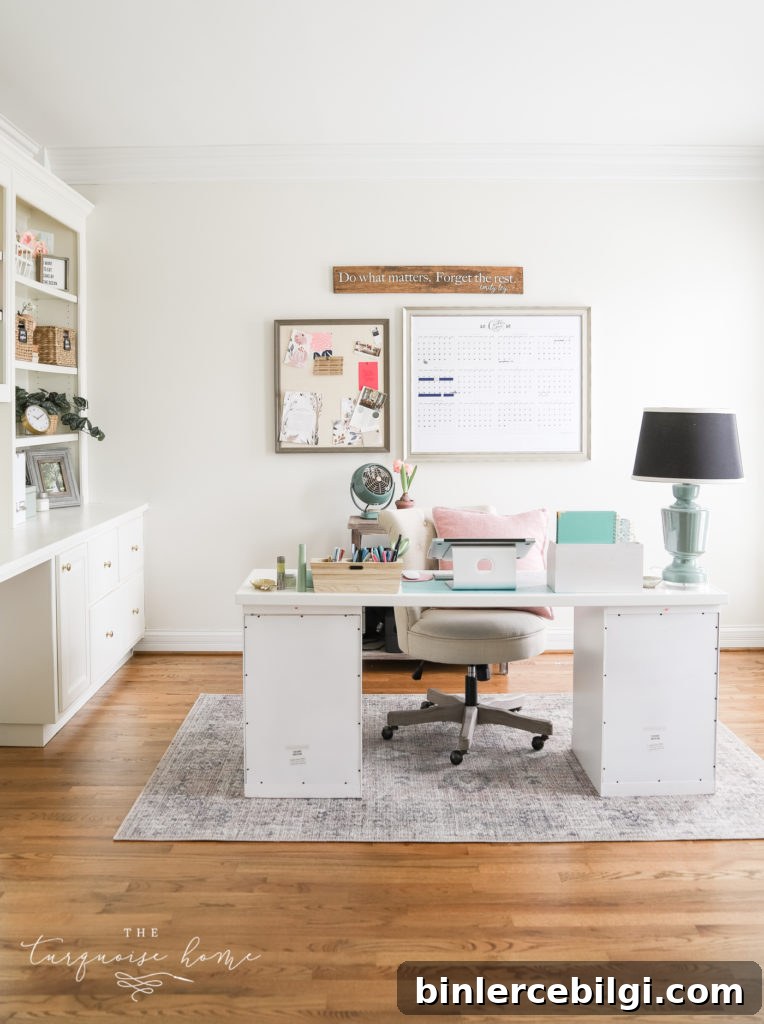
Shoji White in a Home Office
Shoji White reads more saturated than a true white, so it reads as a definitive color rather than a blank backdrop. It provides a crisp, clean look that remains warm and welcoming—ideal for home offices, where balance between brightness and comfort matters. It pairs especially well with off-white built-ins and brighter white trim, creating subtle contrast without starkness.
Coordinating Colors with Shoji White
Shoji White pairs beautifully with many shades, especially other warm neutrals and greiges. Suggested companions include:
- Pure White for trim
- Fawn Brindle
- Worldly Gray
- Edgecomb Gray
- Amazing Gray
- Intellectual Gray
- Porpoise
- Urbane Bronze
- Iron Ore for bold accents
Shoji White Compared to Other Off-Whites
Shoji White vs. Benjamin Moore Alabaster
Benjamin Moore Alabaster is another very popular warm white. Compared side-by-side, Shoji White reads more beige and slightly deeper, while Alabaster tends to appear a touch lighter and equally warm.

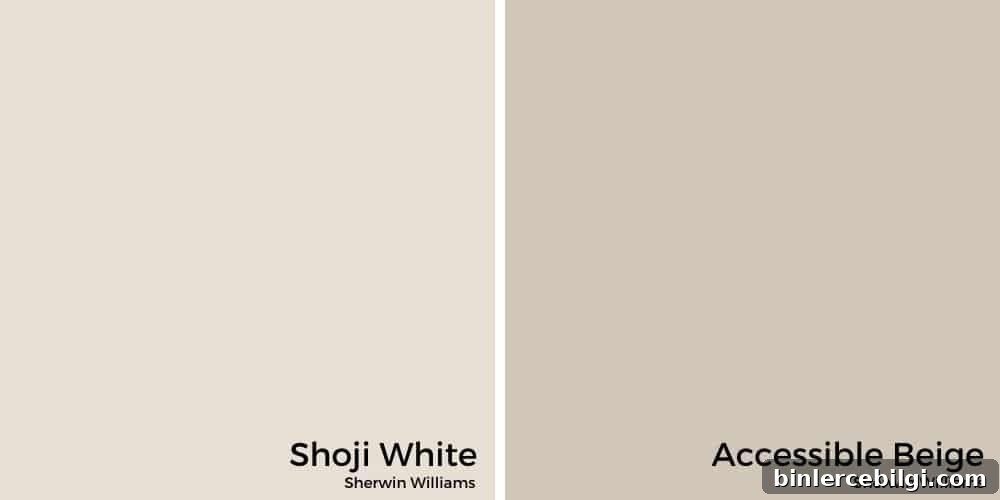
Shoji White vs. Accessible Beige
Accessible Beige is a classic greige and Shoji White is a lighter, subtler option. If you like Accessible Beige but prefer something less pronounced, Shoji White offers a softer alternative.
Shoji White vs. Swiss Coffee
Swiss Coffee can show gray, green, and yellow undertones and sometimes reads slightly golden. Shoji White remains more consistently beige-leaning and clean. Both are warm whites that work in many settings—your choice should depend on the undertone you prefer.

What is the LRV of Shoji White?
LRV stands for Light Reflectance Value, a scale from 0 (black) to 100 (pure white). Shoji White has an LRV of 74, which places it firmly in the off-white category. That LRV makes it bright enough to reflect light in mid- to well-lit rooms, yet soft enough to show contrast against crisp white trim.
How Shoji White Complements Different Rooms
Below are practical examples of how Shoji White behaves in real rooms. Use these as inspiration, but always sample in your own lighting before painting.
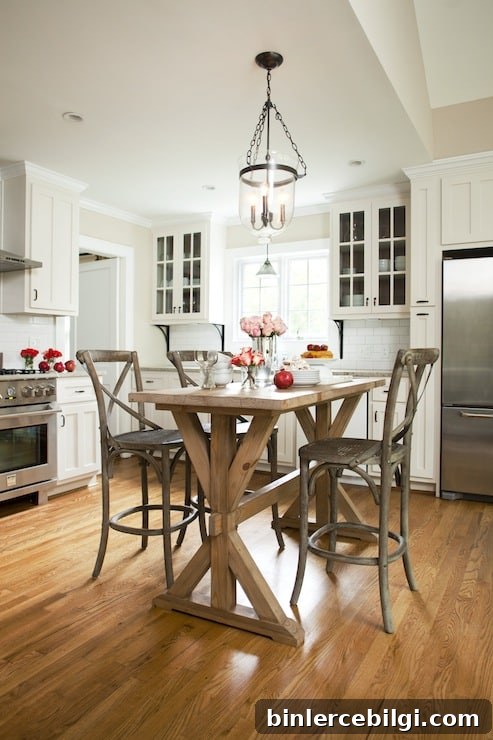
Kitchens
Shoji White warms wood tables, cabinets, and flooring without appearing yellow. It’s an excellent choice for open-plan kitchens where it provides a welcoming backdrop that coordinates with varied materials and finishes.
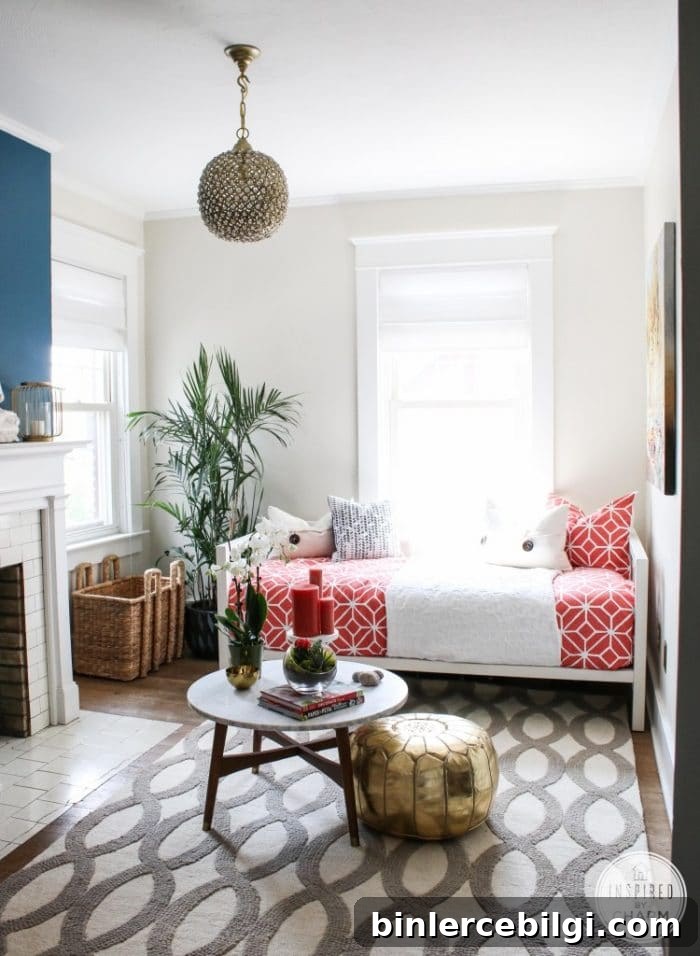
Bedrooms
In well-lit bedrooms Shoji White reads soft and bright, pairing nicely with both warm and cool textiles. It creates a calm, restful environment without feeling stark.
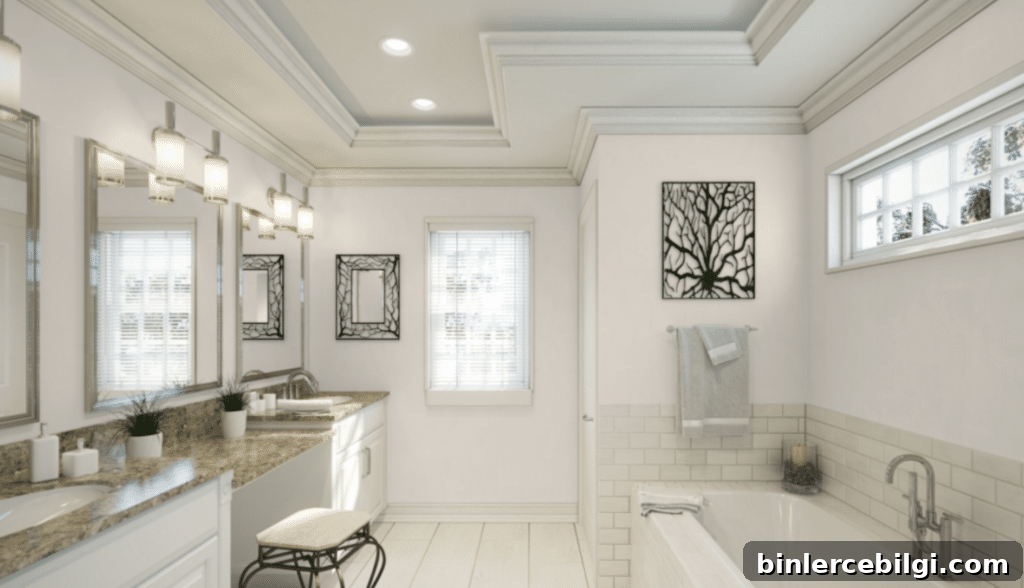
Bathrooms
Shoji White brings warmth and elegance to bathrooms, particularly when contrasted with darker accents or rich tile. It helps spaces feel serene and spa-like.
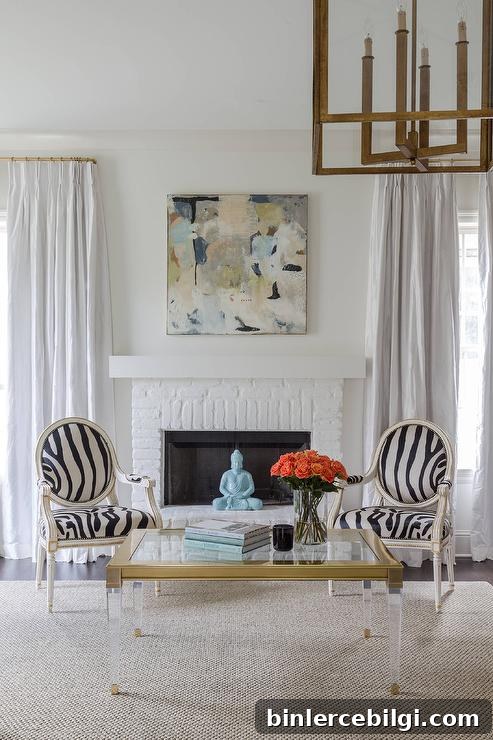
Living Rooms
In living spaces, Shoji White provides a warm neutral backdrop that enhances furnishings and trim. Lighting can push it closer to a muted white or subtly reveal its beige character.
Shoji White as Exterior Paint
Shoji White also makes a handsome exterior color. It reads bright but comfortable on siding and pairs beautifully with greige stone, darker trim, and natural landscaping, giving a home a fresh yet grounded look.

Tips for Painting a Room Yourself
If you plan to paint, prepare with the right tools and techniques. Test samples in the actual room, use quality brushes and rollers, protect floors with drop cloths, and tape edges for clean lines. Painting carefully and methodically will make the finish look professional.
- High-quality paint brushes for smooth edges
- Painter’s tape for clean lines
- Drop cloths to protect floors and furniture
- A paint cup or tray with a comfortable grip for rolling
- Sample pots or peel-and-stick samples to preview the color
Shoji White is a versatile, warm off-white that works in many styles and rooms. Sample it in your space, pay attention to how light affects it, and use it where you want a soft, inviting neutral that still reads like a true color choice.