
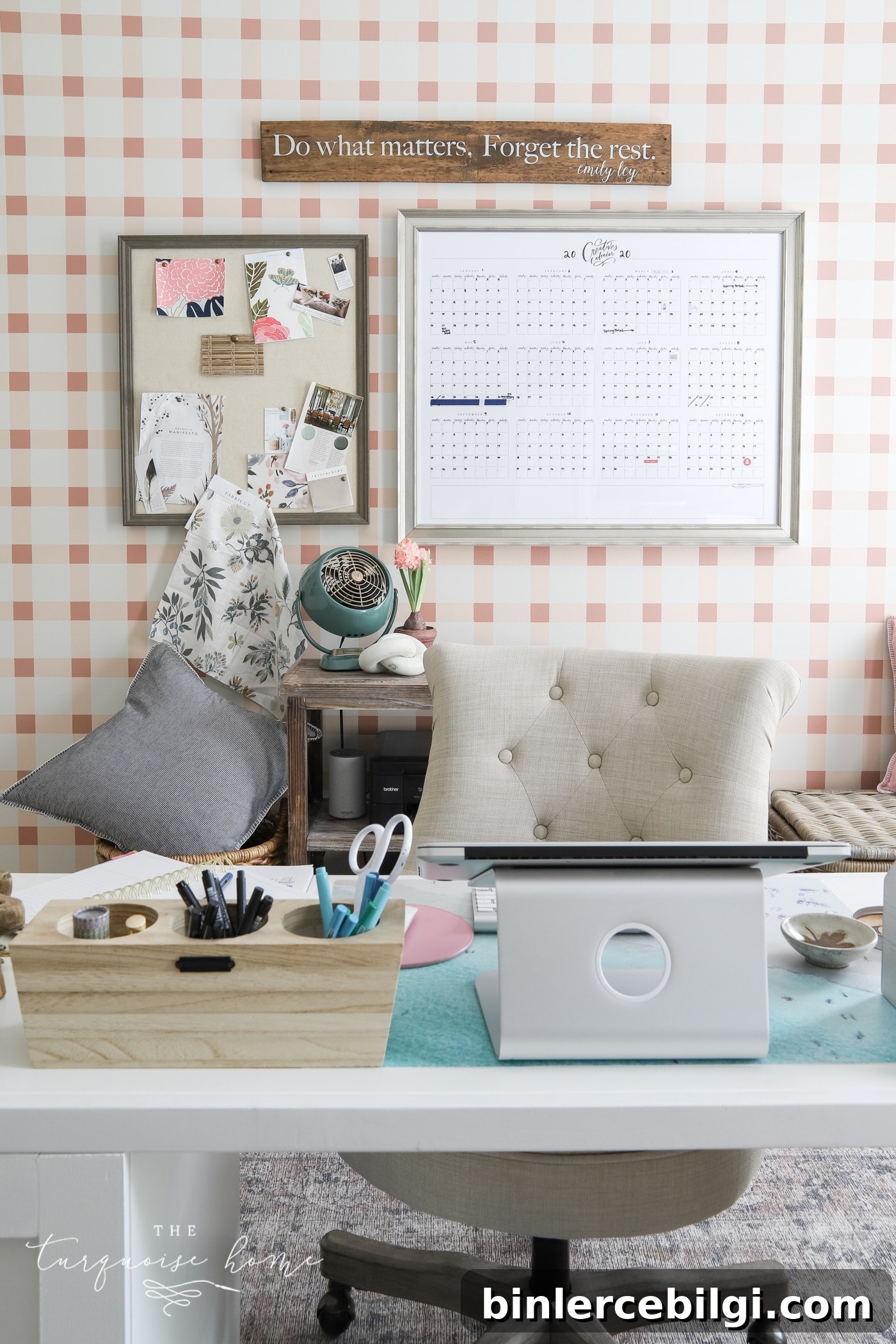
Learning how to budget for home projects removes the overwhelm from a room makeover and helps you focus on what matters most. Let me walk you through a simple, realistic process.
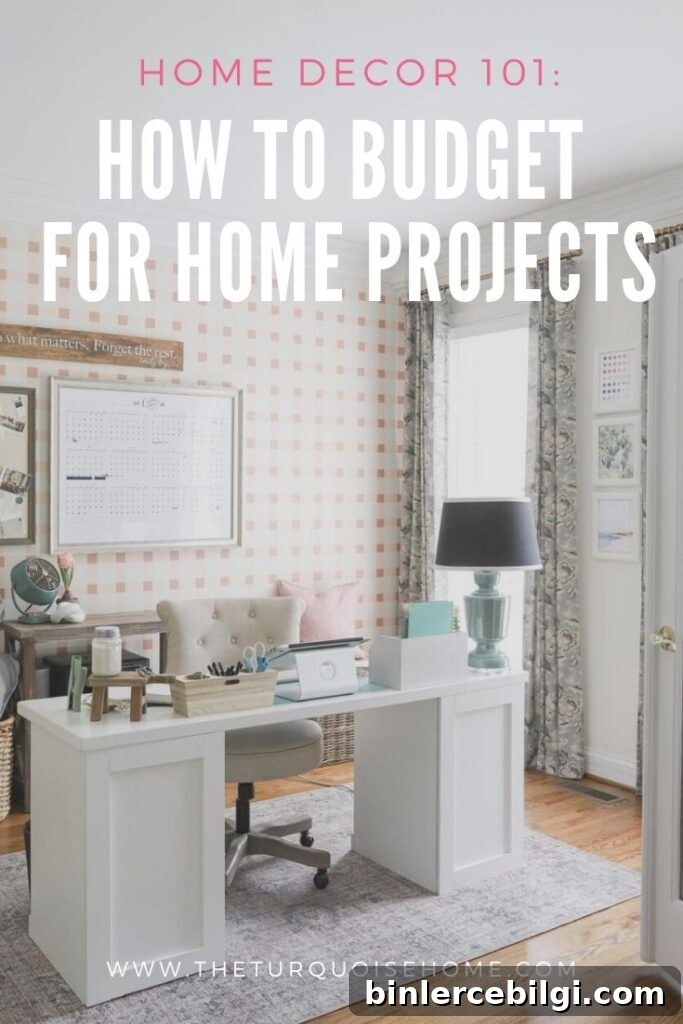
Have you ever stood at the start of a home makeover and had no idea where to begin or how much it would cost? Visual planning—like creating a mood board—helps you define style and direction, but budgeting is the practical next step. Without a plan for costs and timing, small purchases and overlooked labor can quickly push you far beyond your expectations.
How to Budget for Home Projects and Makeovers
Sticking to a budget is one of the less glamorous parts of renovating, but it’s also the most important for a stress-free project. A clear budget keeps decisions practical and helps you prioritize. Below are straightforward steps to create a realistic budget for any room makeover, whether you’re refreshing a single room or planning a larger renovation.
1. Choose a Flexible Overall Budget
Start by deciding how much you are willing to spend overall. Give yourself a target range rather than a fixed number—this reduces pressure and lets you make smarter choices. When you know the ballpark, you can shop for options that fit your financial comfort zone.
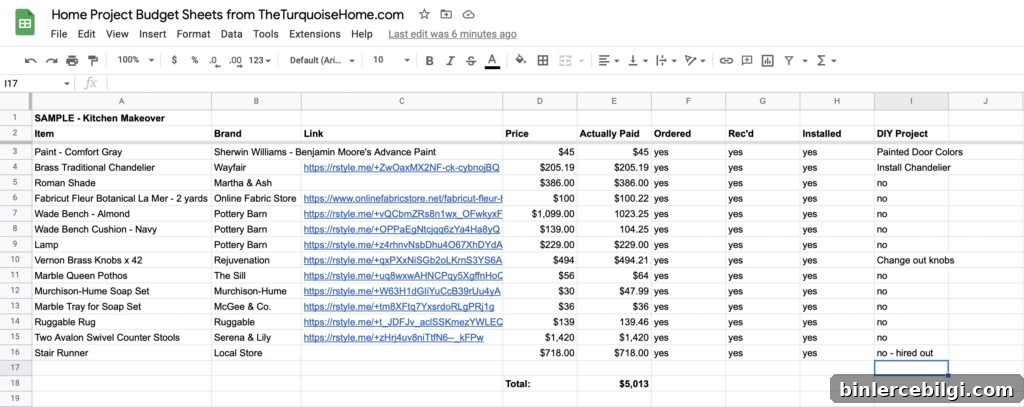
Use a simple spreadsheet to list items, labor, expected prices, and links or notes about vendors. Tracking estimates and actual spending in one place prevents surprises and helps you stay on schedule.
2. Make a Comprehensive Wish List
Write down everything you might want for the space: furniture, lighting, flooring, paint, hardware, textiles, and labor for contractors or tradespeople. Include small items such as trim, filler, and fasteners—those little costs add up. Getting everything on paper makes it easier to evaluate priorities later.
3. Research Real Costs
Price each item on your wish list by researching online and calling local stores or installers. For bigger items like lighting or sofas, find multiple options at different price points so you can trade up or down depending on your final budget. Record estimated delivery times too—long lead times affect when you can complete the project.
4. Plan DIY vs. Professional Labor
Decide which tasks you can tackle yourself and which require professionals. Painting, simple shelving, and minor repairs are often good DIY projects. Plumbing, electrical work, or structural changes should usually be left to licensed pros. Factor in the time each DIY project will take—you need both time and money to finish a makeover.
5. Prioritize Items and Phases
Once your spreadsheet shows a realistic total, prioritize. Which items transform the room most? Which are purely decorative and can wait? If your initial plan exceeds your budget, trim nonessential items or substitute similar pieces at lower cost. Consider phasing the project: complete high-impact items first and add finishing touches later as funds allow.
6. Add a Contingency Buffer
Always build in contingency. A good rule of thumb is to add 15–25% to your estimated budget for unexpected costs: a hidden repair, an extra hour of contractor time, or a pricing change. This buffer avoids the stress of scrambling for money when surprises happen.
7. Save or Stage Purchases
If you don’t have the full amount on hand, calculate how much to save each month and set a realistic start date. When possible, wait until you’ve saved the necessary funds before making major purchases. Alternatively, plan the makeover in stages—order the longest-lead items first and complete other tasks as money becomes available.
8. Order Items and Schedule Installations
With funds in place, order items in the sequence they’re needed—start with pieces that take longest to arrive or that must be installed early in the process. Coordinate delivery dates with contractors and block time in your calendar for DIY work. Clear scheduling prevents delays and reduces doubling-up costs from missed appointments.
A realistic, well-documented budget turns a daunting makeover into a manageable project. It helps you prioritize, reduces decision fatigue, and keeps the work moving without financial surprises. Learning how to budget for home projects is an investment in peace of mind—and it will make the final reveal even more rewarding.
More Posts You Will Love:

Bookshelf Decor Ideas for a Beautiful Styled Bookcase
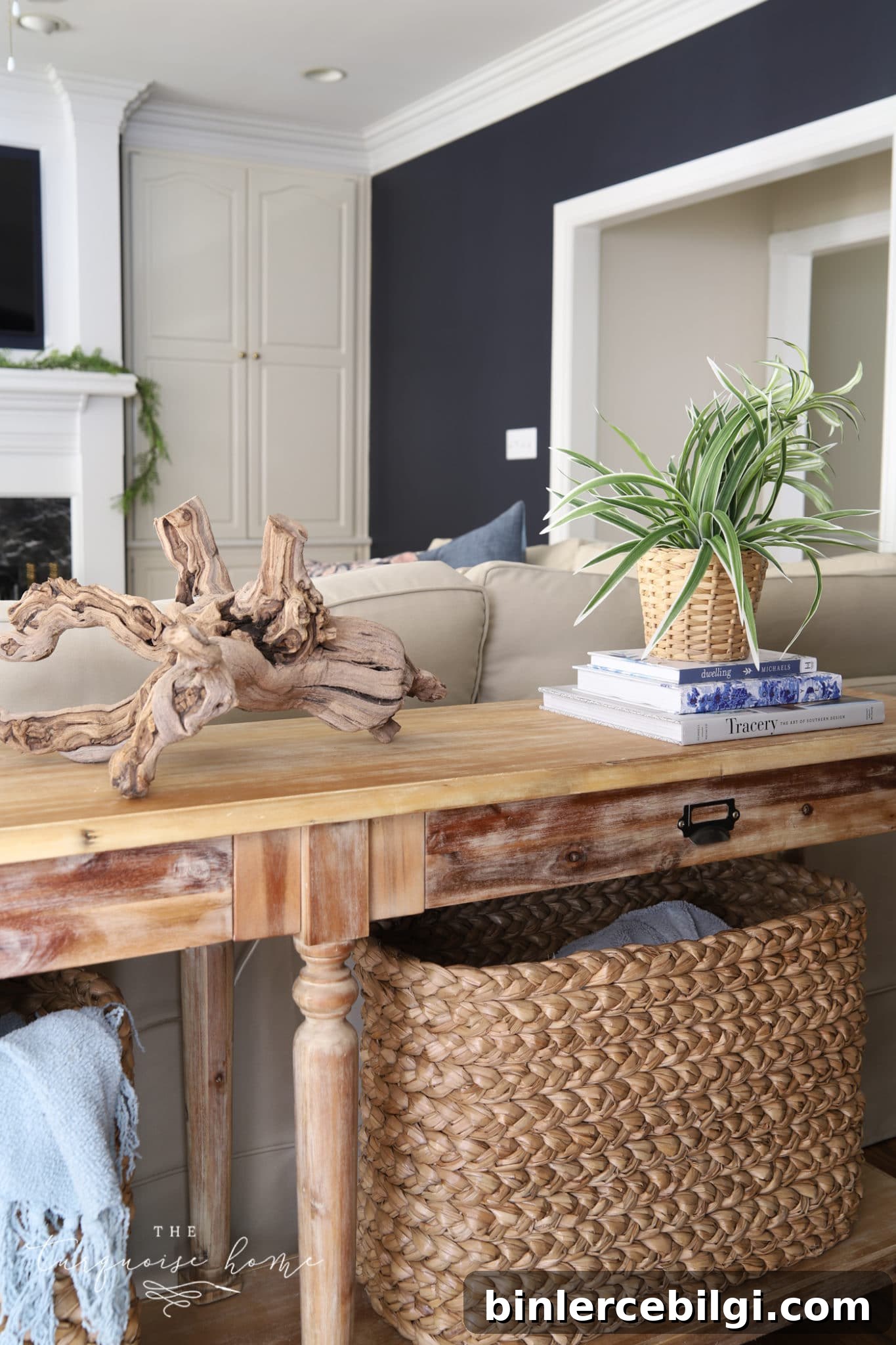
How to Style a Console Table Behind a Couch (4 ways!)