
If you’ve ever ordered a large piece of furniture with a significant price tag, you’ve probably experienced “analysis paralysis.” Buying big items for your home can feel daunting—especially when the purchase will cost hundreds or thousands of dollars.
Will you like it once it arrives? Is it returnable? (Always check the return policy first.) Will it be the right scale for the room? Or will it trigger a chain reaction of other changes to the space? These are the exact questions I’ve been asking myself while searching for a new living room sofa.
This post contains affiliate links for your convenience. See my full disclosure in the site’s disclosure policy.

Want to Save This?
Enter your email below and I’ll send it directly to your inbox!
(Form removed from this version.)
How to Decide on New Furniture
Some answers depend on your personal preferences, but I can share the practical steps I use when deciding on a large furniture purchase. I don’t take these decisions lightly—furniture can be expensive and often non-returnable—so a careful process helps me move forward with confidence.
Below are the methods that have helped me decide and commit, from measuring and testing to timing purchases and knowing when to buy. Use these tips to reduce second-guessing and to make smart, comfortable choices for your home.
Measure the Space
The most reliable way to know if a piece will fit is to measure the space and visualize the proportions. If you’re furnishing a room from scratch, sketch the room to scale on graph paper, marking doors, windows, and traffic flow. Add furniture to the drawing to see how pieces relate to one another.
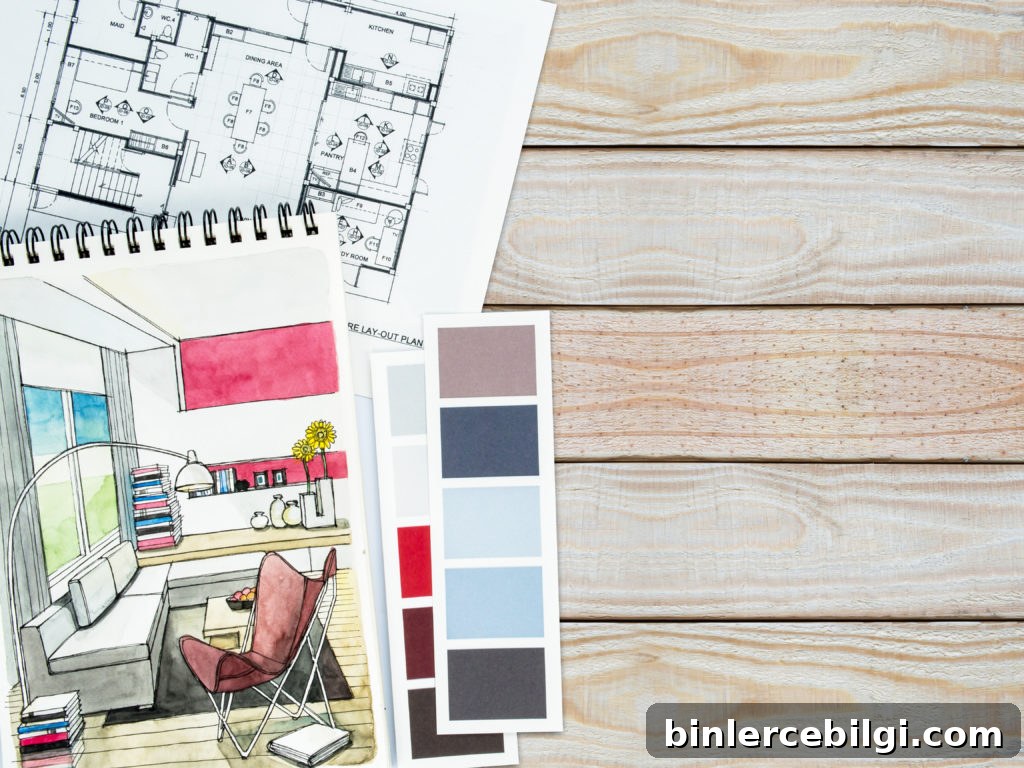
Keep at least 30–36 inches for walkways and space seating groups 3–10 feet apart for comfortable conversation. If you prefer digital tools, many retailers and independent sites offer free design planners and space-planning resources to help with layout and scale.
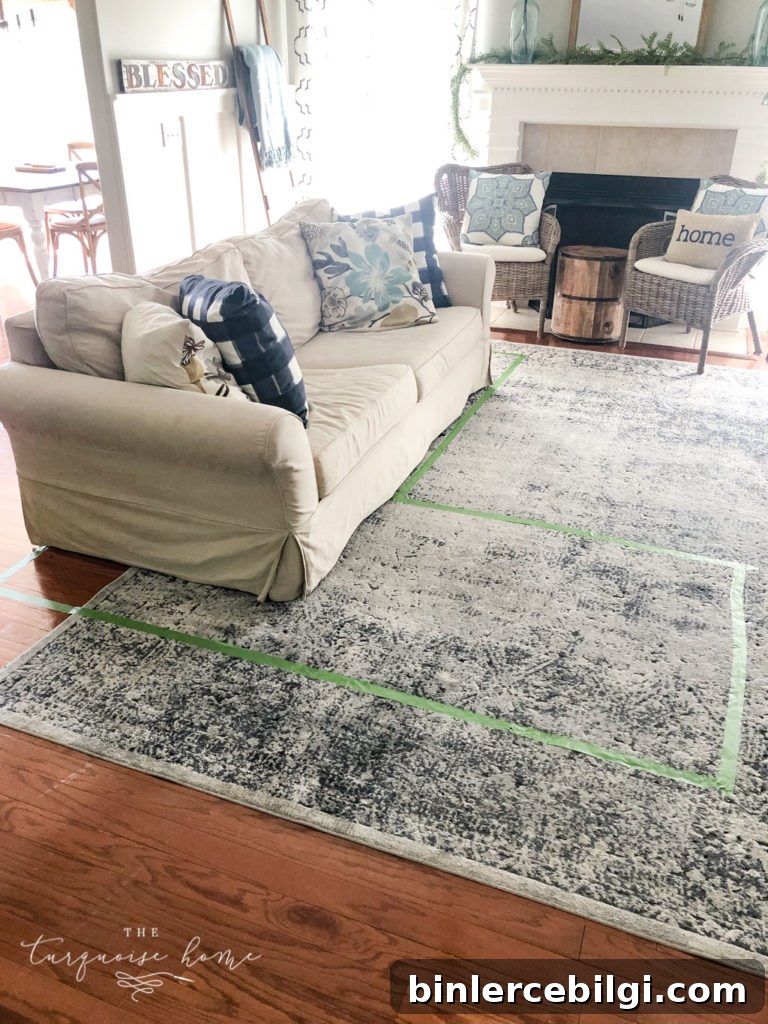
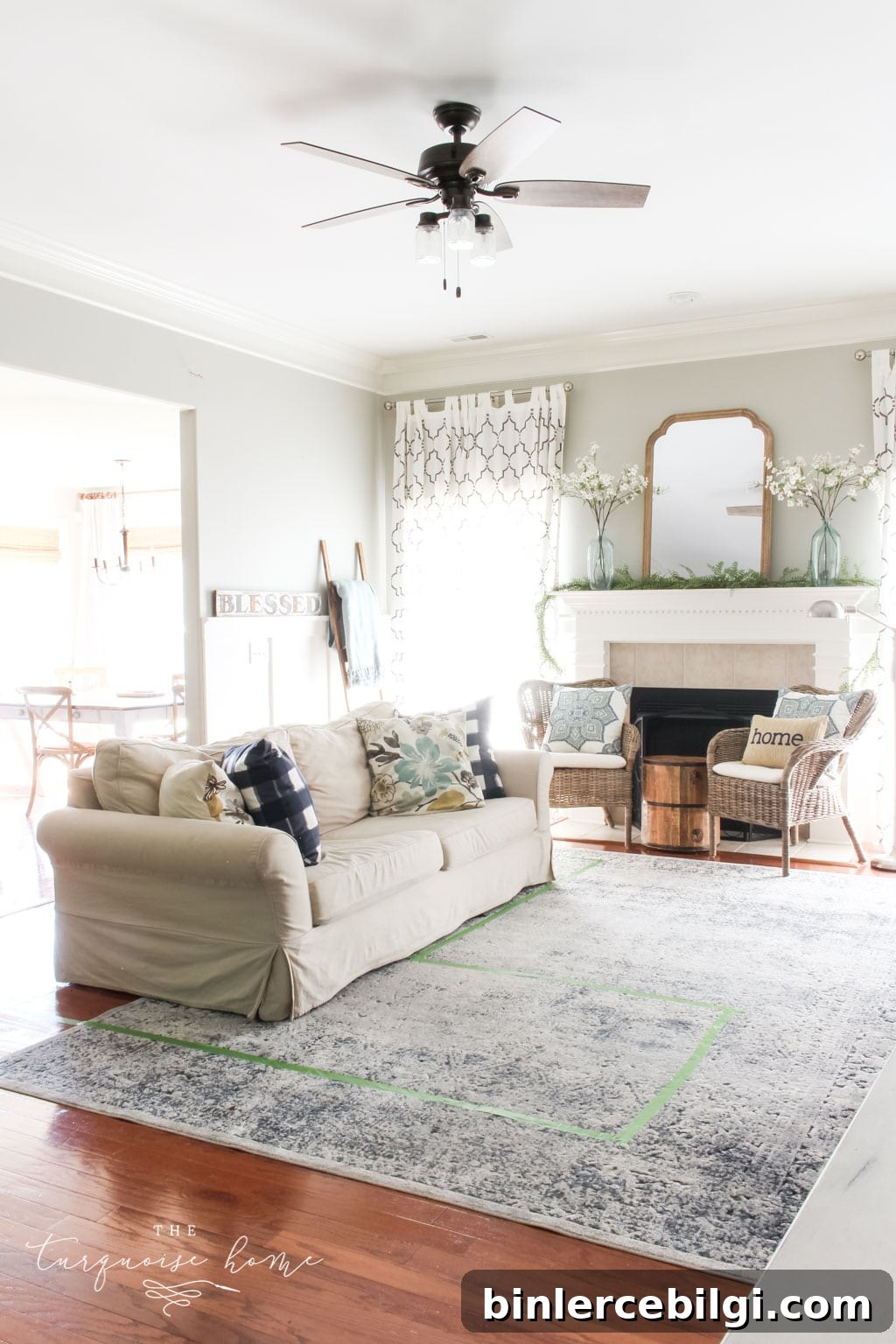
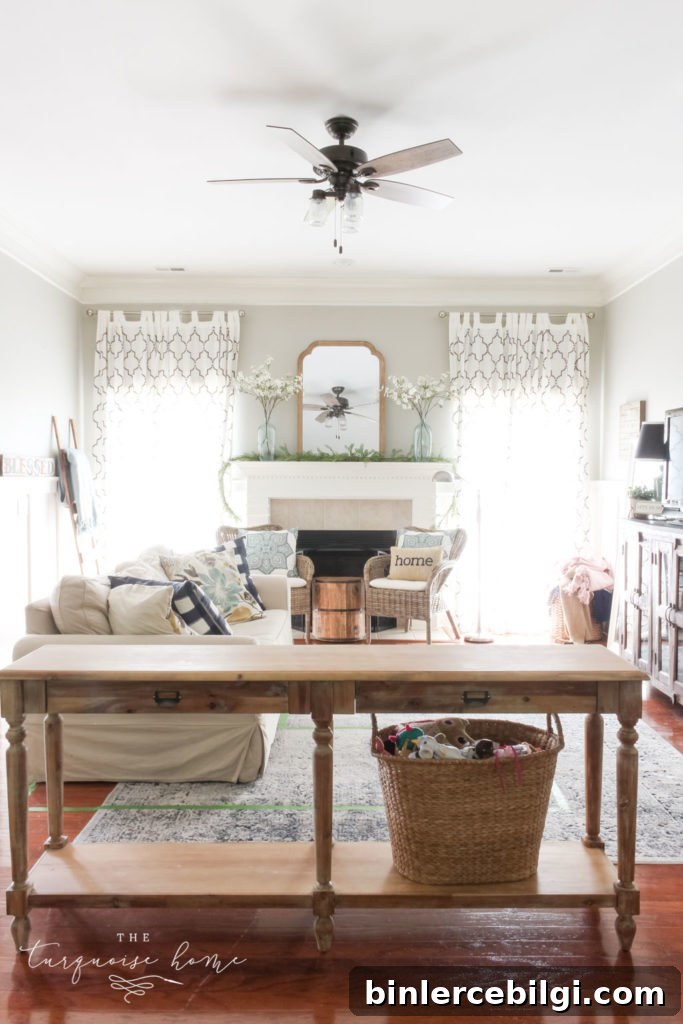
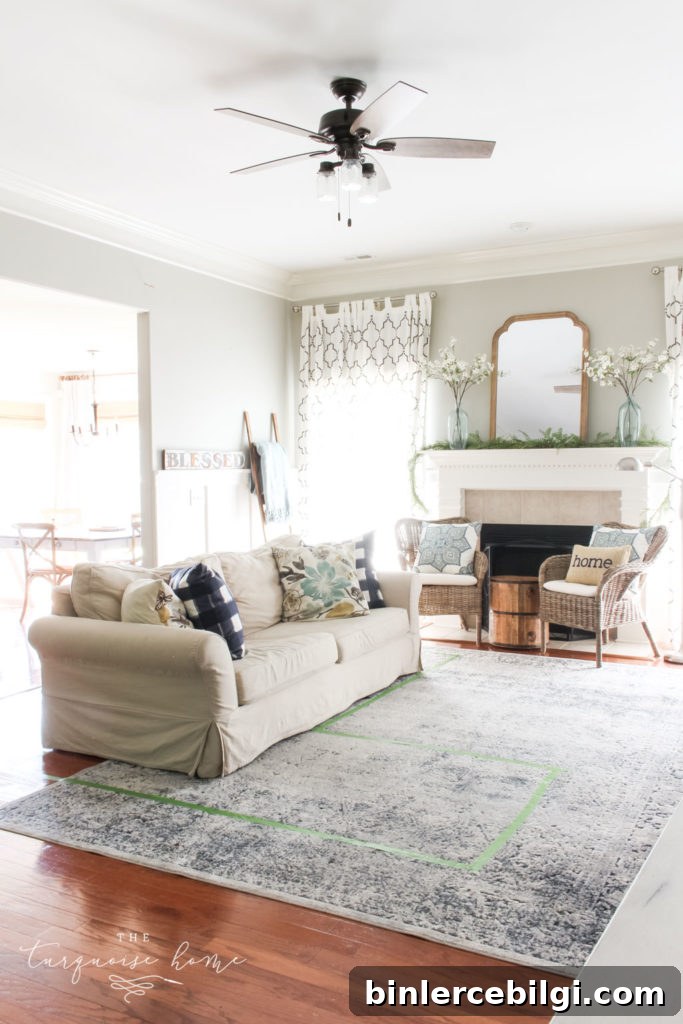
When you already have furniture in place, try the painter’s tape method: outline the new piece on the floor with tape to visualize its footprint. This simple test often reveals whether a layout adjustment is needed, such as moving a desk, console table, or other pieces to make the new furniture work.
Try Before You Buy
If you can, test large pieces in person. Sit on sofas and chairs, lie on mattresses, and inspect finishes up close. Feel the upholstery and evaluate the firmness, support, and comfort; these in-person checks are invaluable for understanding how a piece will perform in daily life.
If the item isn’t available locally, request fabric or finish samples from the manufacturer and test them in your home. Place samples in different light, spill a little water to observe absorbency, and try routine cleaning methods so you know how the material will wear and care for over time.
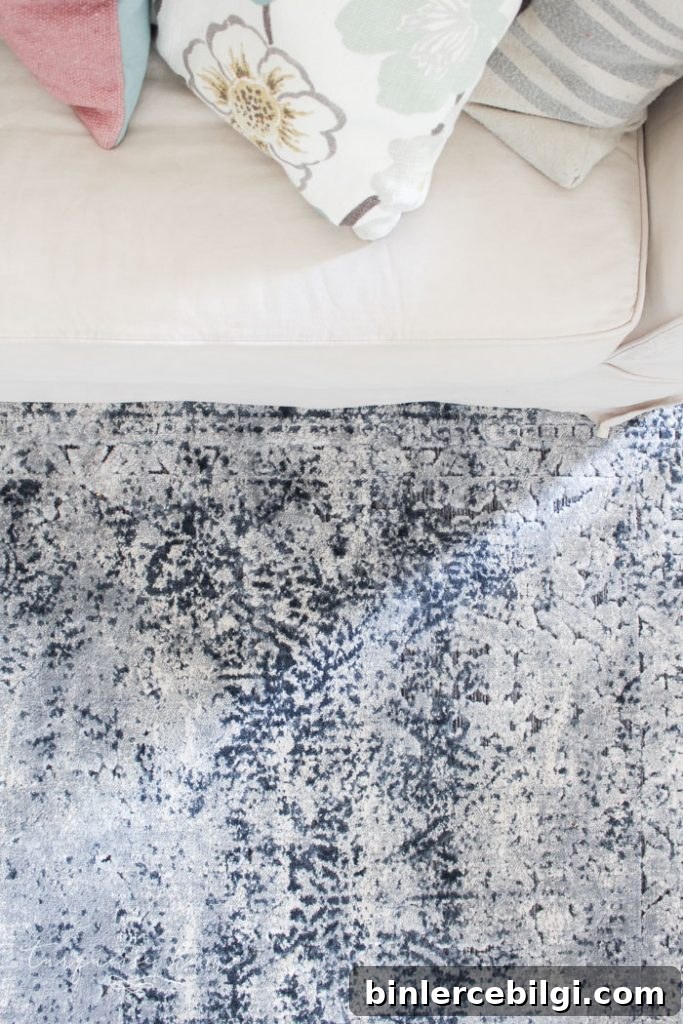
For example, slipcovered sofas with washable canvas or twill fabrics can be a practical choice for homes with kids or pets. Washing and spot-treating samples will give you a good sense of how fabric performs over time.
Watch for Sales
Big-ticket furniture often goes on sale around major retail holidays. If you can wait, tracking a desired item for several months or even up to a year can reveal discount patterns. I usually monitor prices for a long period; if a piece doesn’t dip lower in a year, I take that as a sign there likely won’t be a substantially better deal.
Timing purchases around retailer sales events can result in significant savings, especially on purchases that total several thousand dollars.
Go Ahead and Hit “Buy”
If you’ve measured carefully, tested materials, and watched for the right price, it’s time to commit. No piece of furniture is absolutely perfect, but thorough preparation reduces buyer’s remorse. If a sofa or other item has been on your radar and checks most of your boxes, move forward with confidence.
If you’re curious, the sectional I ordered is featured in my living room reveal and has been a wonderful addition to our space.
Want to Know When to Splurge vs. Save on Home Furnishings?
Knowing when to spend more and when to save is part of a smart furniture strategy. I recommend investing more in pieces you use daily and that benefit from better construction—like a sofa—while saving on accent items that are easier or cheaper to replace.
More Posts You Will Love:
- Home Decor 101: Why does Decorating Matter?
- How to Decorate a Living Room
- How to Decorate a Coffee Table
- The BEST President’s Day Weekend Sales
- Pretty Pink Home Decor