
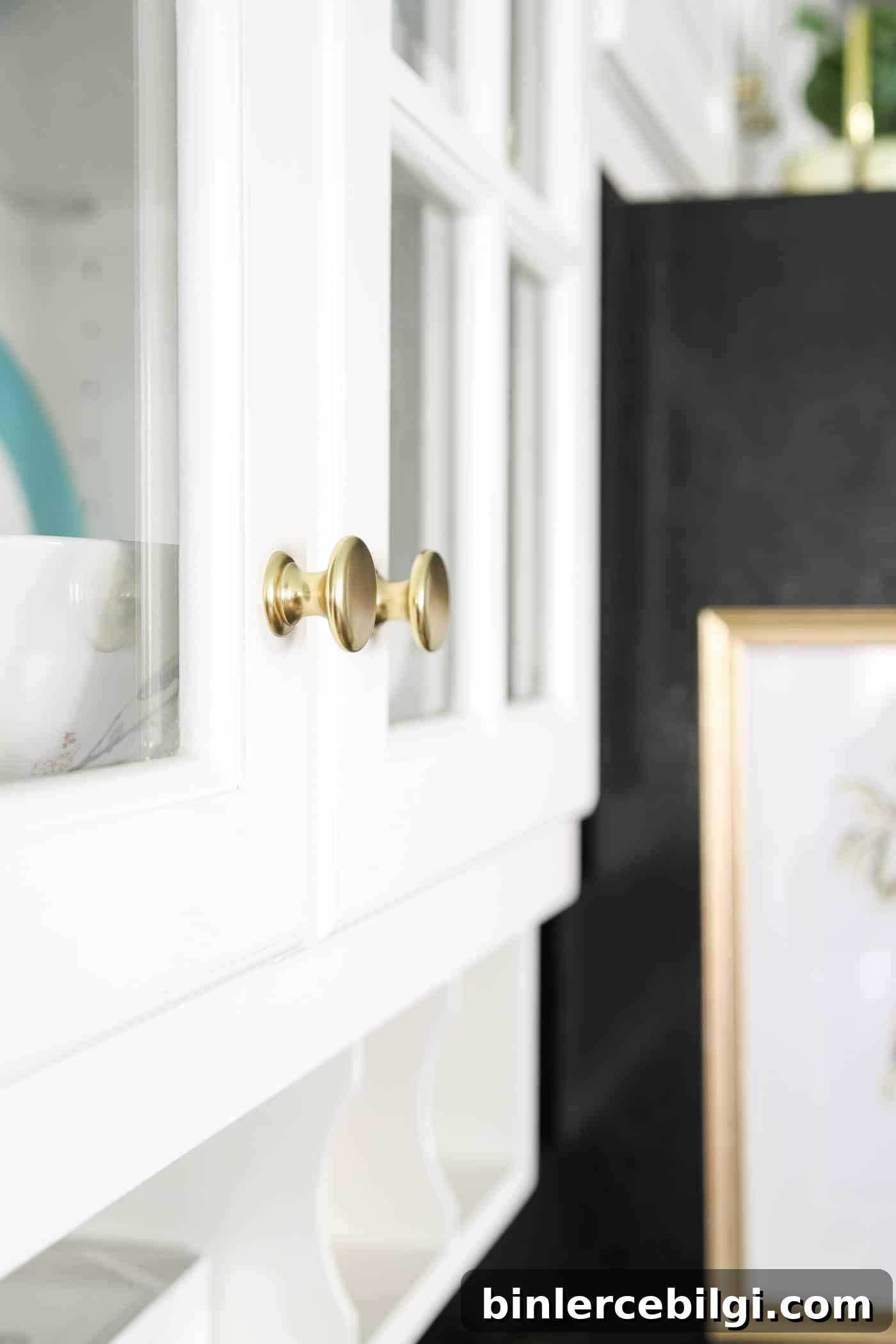
Cabinet hardware is the finishing detail that gives your kitchen character—and the placement of knobs and pulls affects both the look and the function of the space. Use these practical guidelines and styling tips to decide exactly where to place knobs, handles, latches and pulls on your kitchen cabinets.
Choosing where to put cabinet hardware is part function, part style. The right hardware design can complete your kitchen decor, but correct placement has a big impact on how easy and comfortable your cabinets are to use. For example, mounting hardware too close to the top of an upper cabinet may make it hard to reach.
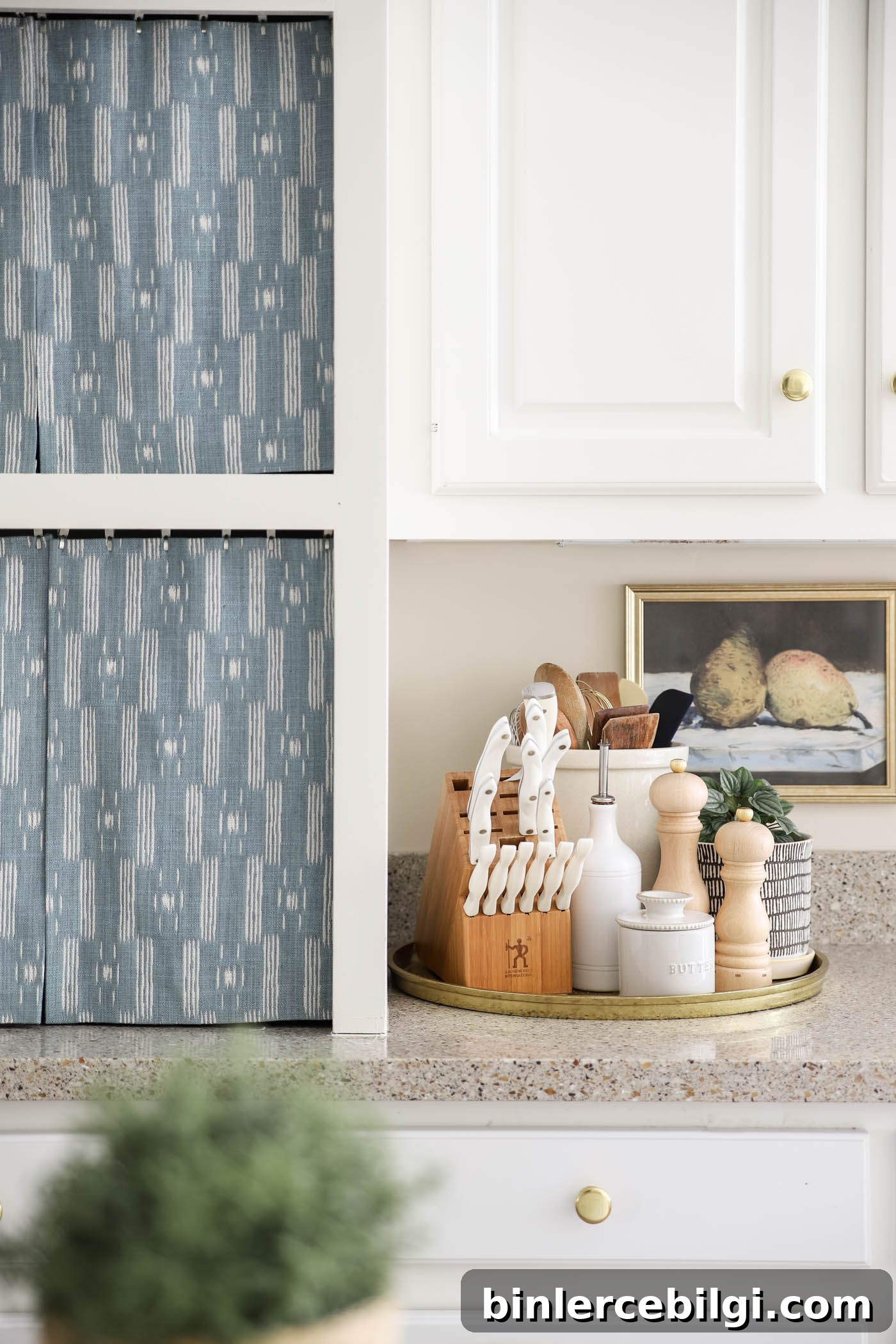
Is there a strict rule for knob and pull placement? Not exactly. There are, however, widely accepted guidelines that balance comfort, accessibility and visual harmony. Below I’ll outline common hardware types, where they typically belong, and simple measuring tips so you can install hardware that looks intentional and works well.
Cabinet knobs and pulls options
If you haven’t visited the cabinet hardware section recently, you may be surprised by the variety available. Understanding the main styles will help you choose pieces that match your kitchen and determine the best placement.
Knobs
Knobs are a classic, easy option—economical and simple to install since each requires only a single hole. Traditional knobs were round and wooden, but today’s choices include square, cylindrical, geometric, glass, wood and natural stone designs. A simple knob can feel timeless, while a distinctive shape or material can become a small focal point on your cabinetry.
Pulls
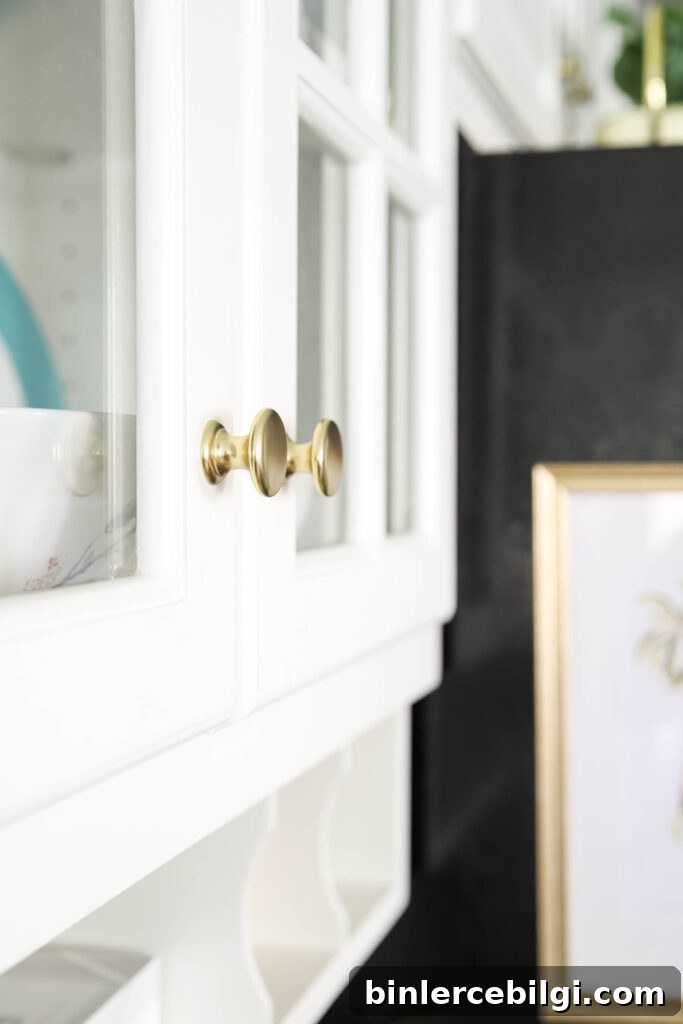
Pulls look like short bars and attach with two screws. They come in many finishes and styles, from traditional to modern. When selecting pulls, consider the proportions of your cabinet doors and drawers: longer pulls generally complement wider surfaces, and you might use different lengths on drawers versus doors for balance.
Cup Pulls
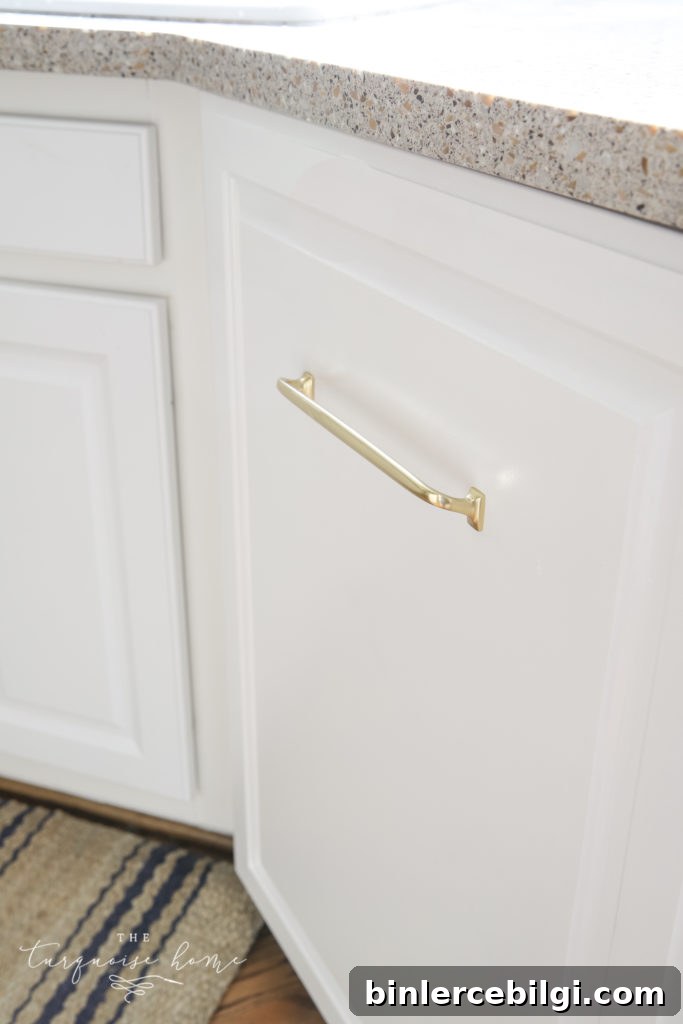
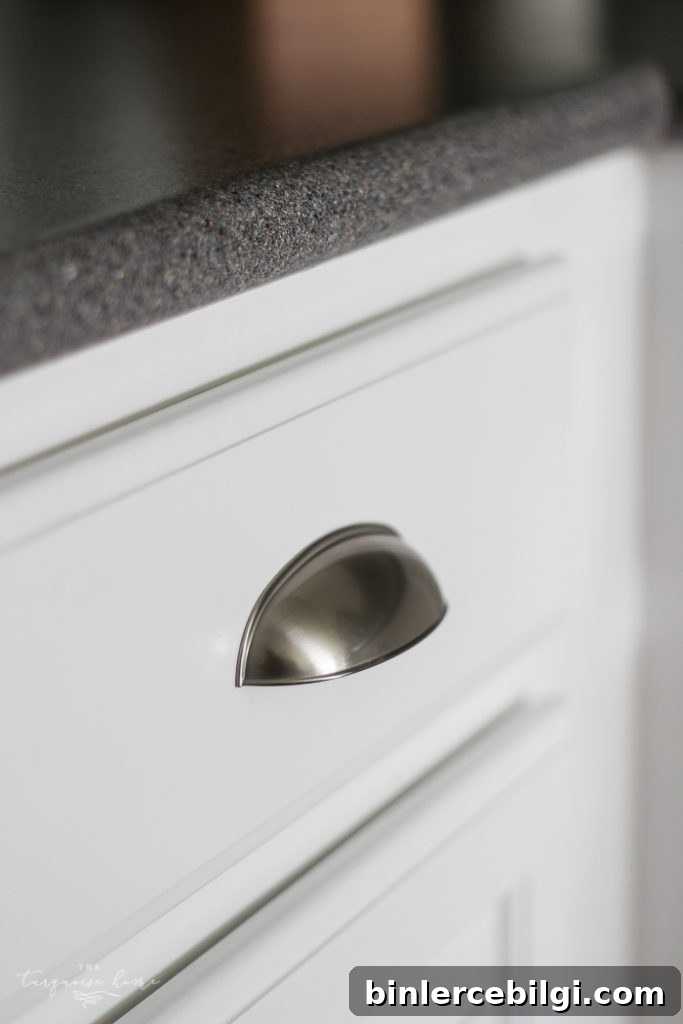
Cup pulls form a curved cup you slip your fingers under to pull. They offer a vintage or timeless feel and are especially practical. Note: because they are designed to be grasped from underneath, cup pulls are best used on base cabinet drawers rather than on upper doors.
Cabinet Latch
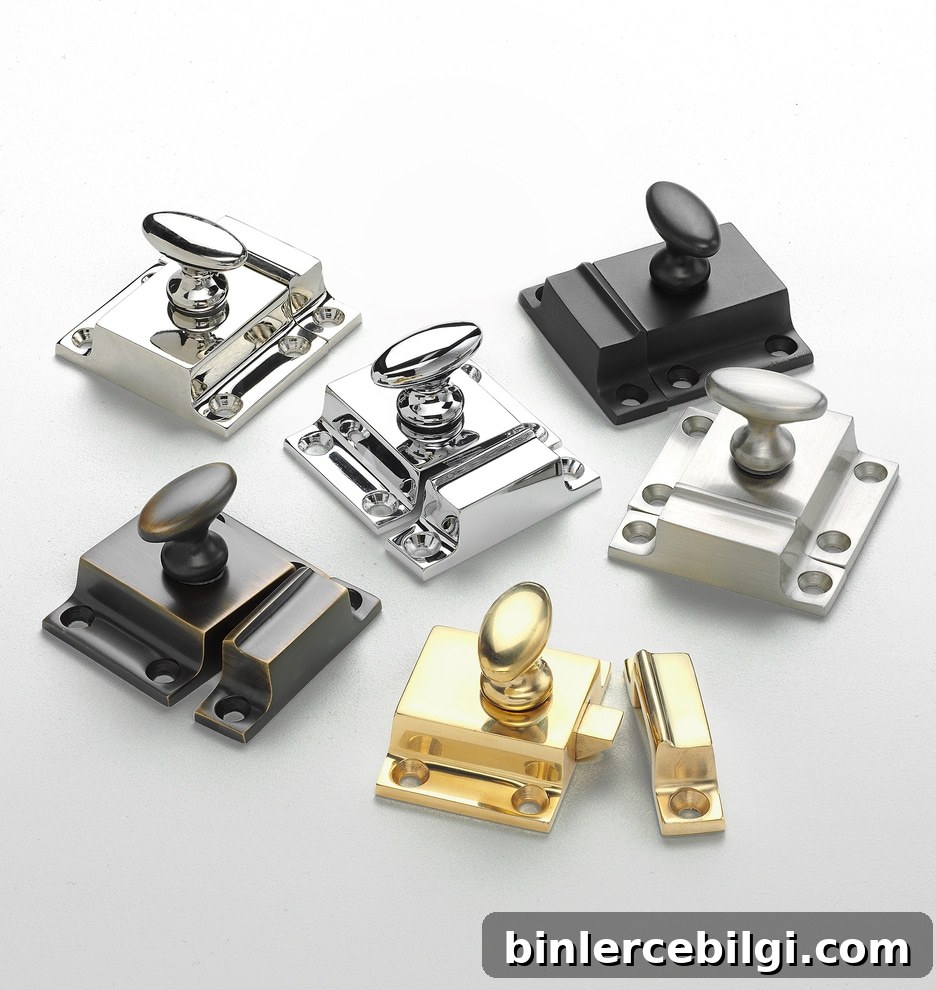
Cabinet latches add charm and a hint of period detail. A latch typically consists of two or three pieces that cross or overlap when the door closes. They work best with inset doors or closely butted overlay doors and are a good fit for storage or occasional-use cabinets rather than everyday cabinet doors.
Finger Pulls or Edge Pulls
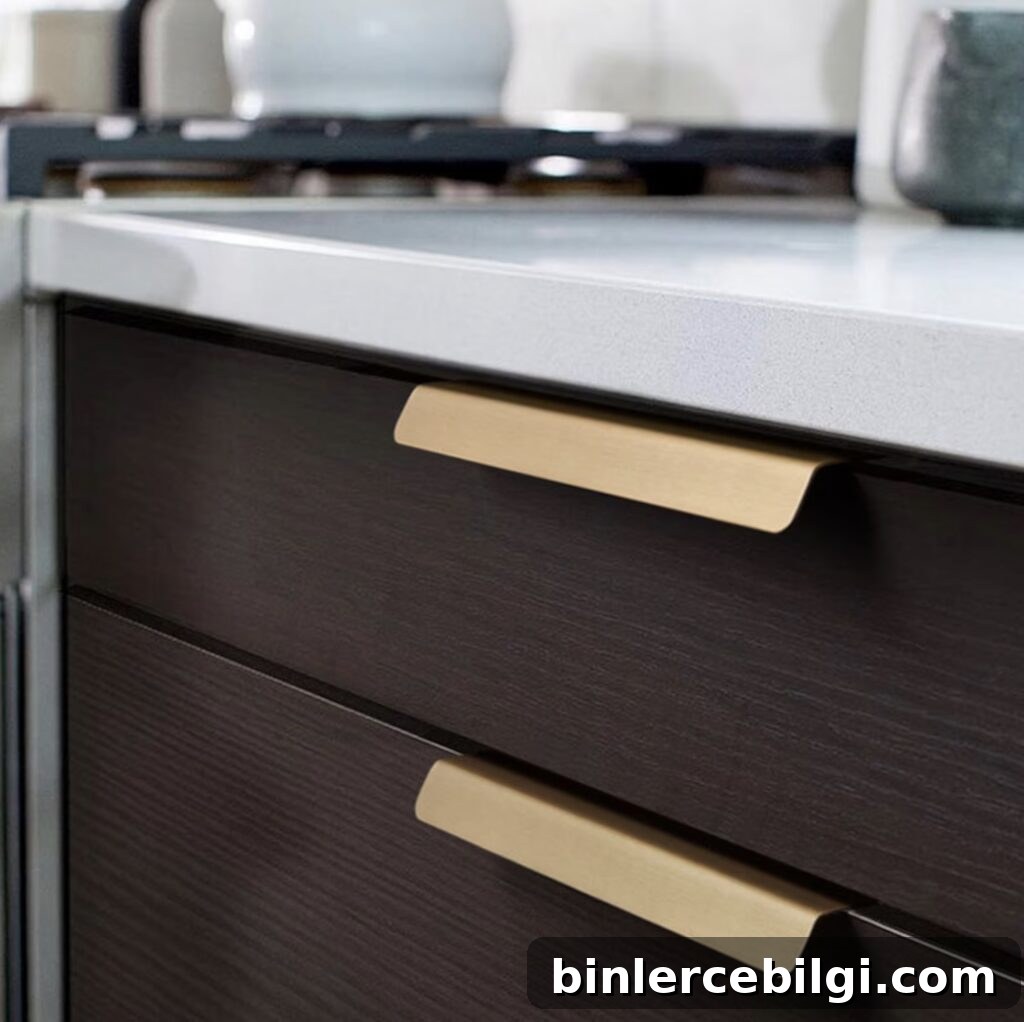
Finger pulls, also called edge pulls or tab pulls, mount on the top edge of a door or drawer and create a small lip to grip. They’re a very clean, modern option that reduces visible hardware on the front of a cabinet and works especially well in contemporary kitchens.
This post contains affiliate links for convenience.
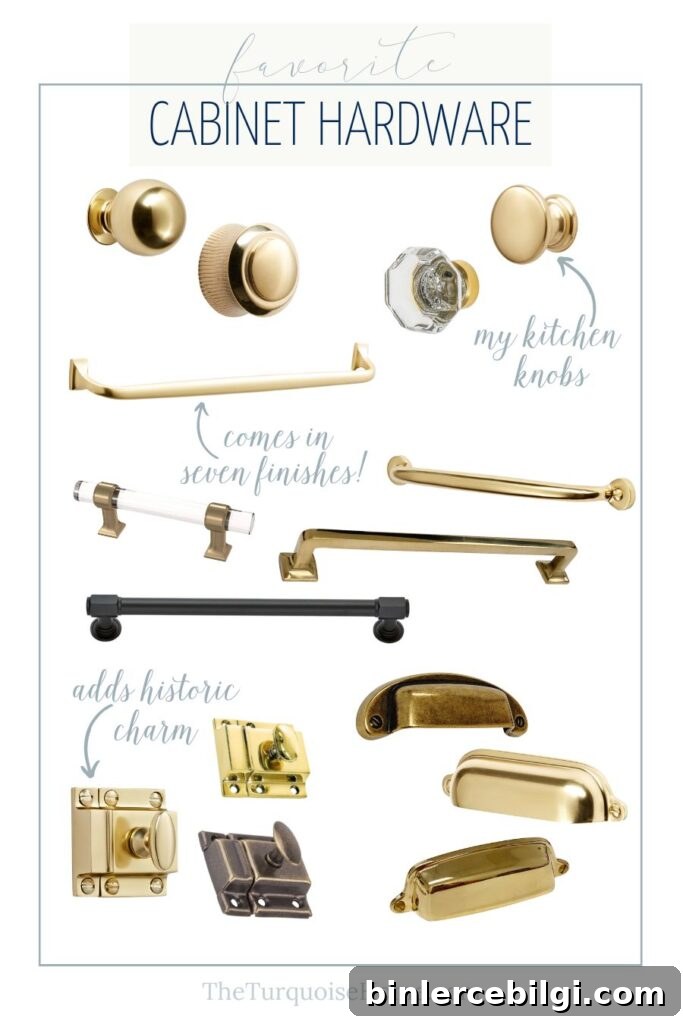
SOURCES: Ball Knob | Rigdon Knob | Waldorf Crystal Knob | Vernon Mushroom Knob | Vernon Brass Drawer Pull | Massey Drawer Pull | Acrylic Drawer Pull | Unlaquered Brass Mission Style Pull | Hassalo Appliance Pull | Oval Cupboard Latch | Unlaquered Brass Latch | Antique Brass Cabinet Latch | Antique Brass Drawer Pull | Vernon Bin Pull | Polished Brass Cup Pull
Knobs vs. pulls
Traditionally, doors are fitted with knobs and drawers with pulls, but this is by no means a fixed rule. Many kitchens mix and match according to style and practicality. Personally, a single knob can be a subtle, classic choice that avoids visual clutter, while pulls add linear rhythm and functionality when used thoughtfully.
Cabinet construction terminology
Before installing hardware, it helps to know a few cabinet terms:
- Rails – the horizontal pieces at the top and bottom (and sometimes middle) of a cabinet door.
- Stiles – the vertical pieces at each side of the door (think “stiles stand”).
- Panels – the center section of the door between the rails and stiles.
Note: some doors are flat slab doors without rails, stiles or panels.
Cabinet hardware placement for doors
These placement guidelines balance comfort and appearance. Treat them as reliable starting points you can tweak for your own cabinets and design preferences.
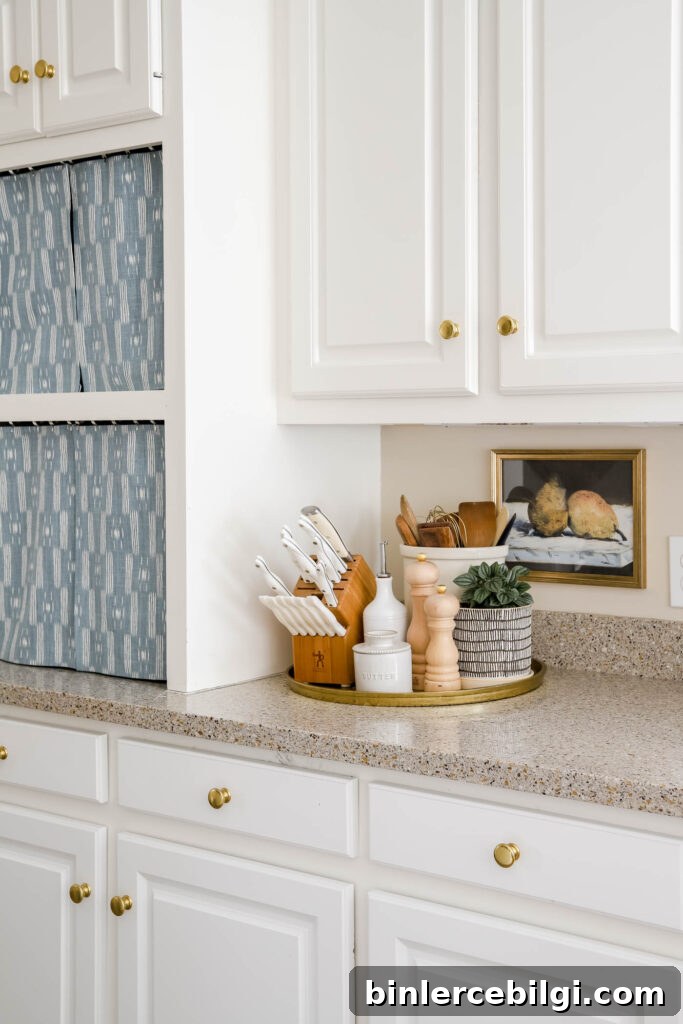
Cabinet knob placement
Place knobs so they align with the inside edge of the rail and mount them on the stile opposite the hinges. A common reference is to position the knob about 2.5″ to 3″ from the corner of the door: for upper doors, place the knob near the bottom corner; for lower doors, place it near the top corner. This keeps hardware within easy reach and visually consistent across cabinets.
Cabinet handle placement
When using pulls on doors, mount them vertically on the stile and follow the same 2.5″–3″ distance as a reference point. For upper cabinets, the lower screw hole typically falls in that range; the upper hole will be at the opposite end of the pull. For base cabinets, invert that logic: position the top hole in the 2.5″–3″ range and space the lower hole according to the pull’s length and the drawer or door width.
Cabinet latch placement
Latches should be mounted on the stile or sometimes on the panel, depending on the style. Use the same 2.5″–3″ guideline: measure up from the bottom of an upper door or down from the top of a lower door so the latch is easy to operate and looks proportionate.
Cabinet hardware placement for drawers
Drawer placement differs because there are no hinges to consider. These tips will help you position knobs and pulls for both small and wide drawers.
Drawer knob positioning
For drawers less than 24″ wide, center a single knob both horizontally and vertically on the panel. For Shaker-style drawers you might instead place a knob centered on the top rail for a more contemporary feel. For drawers wider than 24″, use two knobs for balance. A practical approach is to divide the drawer into thirds and position knobs at the one-third and two-thirds marks.
Drawer pull positioning
Mount pulls horizontally and center them on the panel both vertically and horizontally, or center them on the top rail. For very wide drawers, use two pulls spaced symmetrically—one near the left third and one near the right third for a balanced look.
Drawer cup pulls positioning
With cup pulls, ergonomics matter. Install them in the center of the drawer panel or in the top third so you don’t have to reach down uncomfortably to open the drawer.
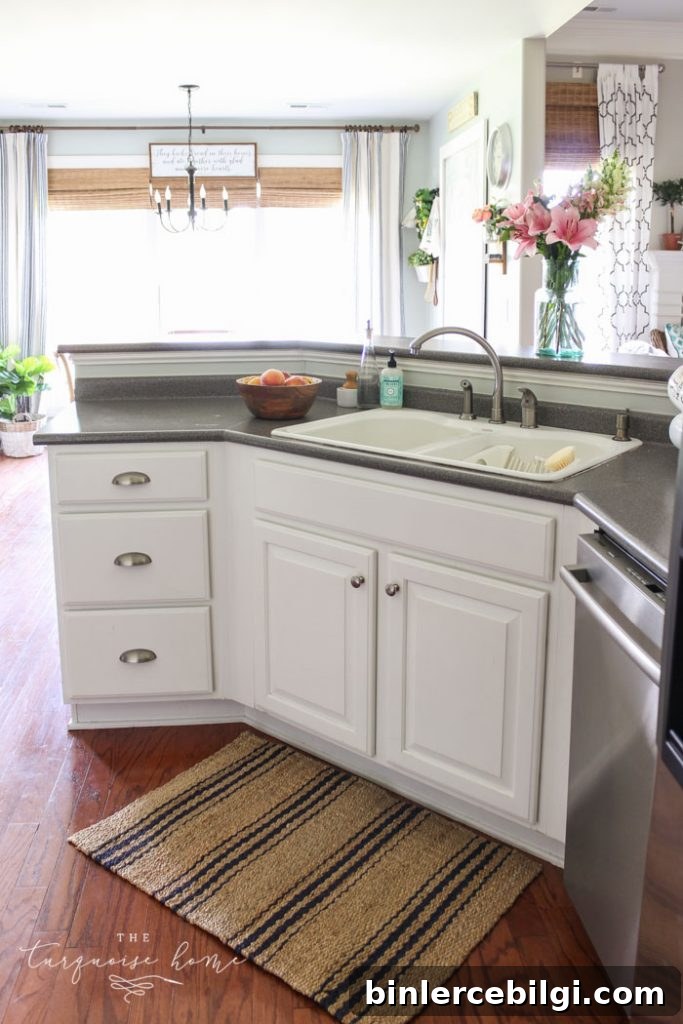
In the photo above, cup pulls are centered on the drawers and provide comfortable access while keeping a symmetrical appearance.
Hardware for appliances
To create a seamless kitchen, many homeowners use panel-ready appliances so the dishwasher or refrigerator looks like cabinetry. However, cabinet hardware meant for lightweight doors and drawers is not always strong enough for heavy appliance panels. Use appliance-specific hardware when attaching handles to paneled refrigerators, dishwashers or microwaves to ensure proper support and function.
Matching appliance handles to your cabinet hardware—same finish and style—helps the panel blend into the overall kitchen design and creates a cohesive look.
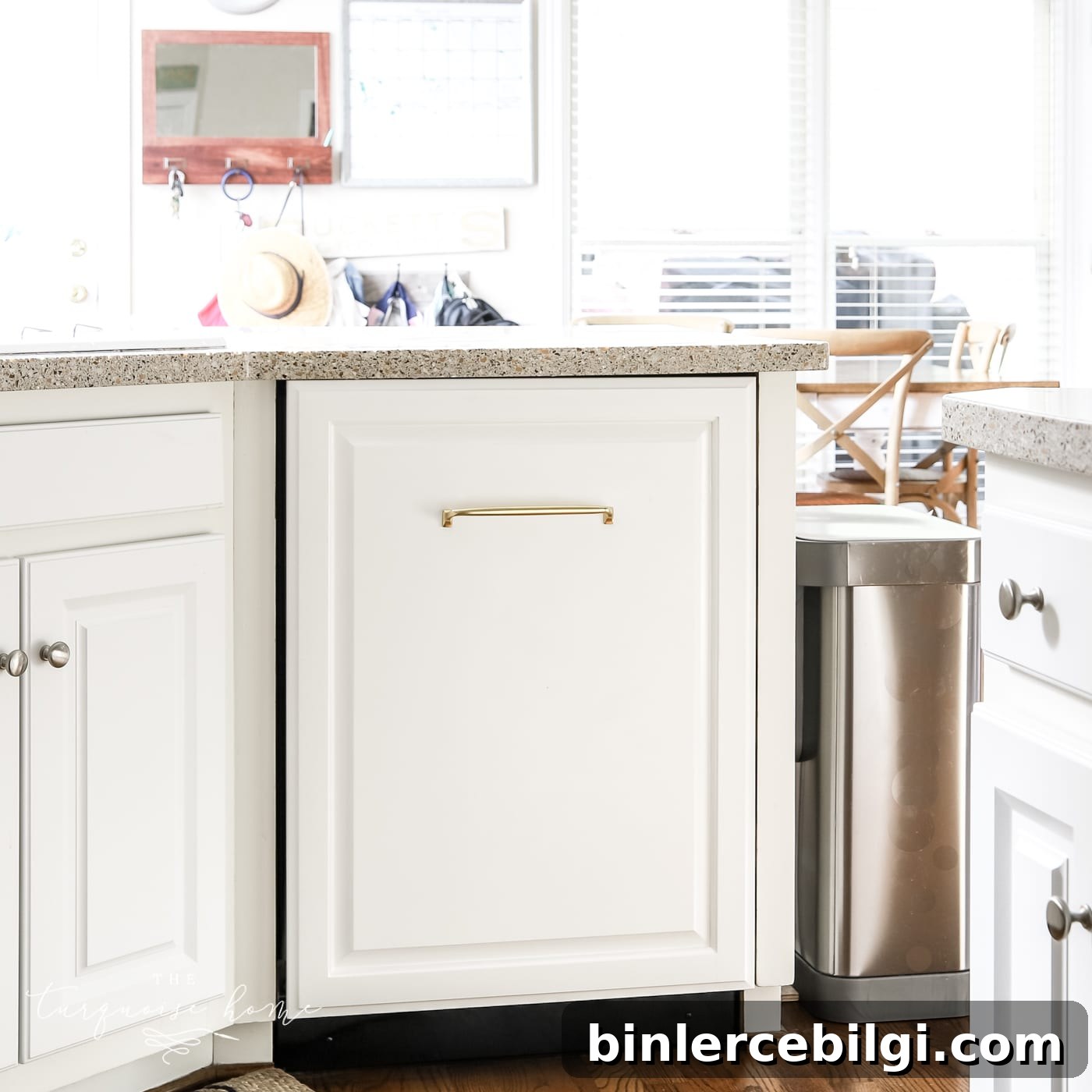
Tips to keep in mind
A few practical tips to make hardware installation easier and more successful:
- If you’re replacing hardware, choose knobs and pulls that match the existing hole spacing when possible so you can reuse holes and avoid patching and repainting.
- Confirm doors and drawers are level before you drill—small misalignments become obvious once hardware is installed.
- For new cabinets, use a pre-measured drilling template so each hole is marked consistently and accurately.
- Comfort and function come first: pick hardware that feels good in your hand and operates smoothly. A beautiful piece that’s awkward to use will quickly become frustrating.
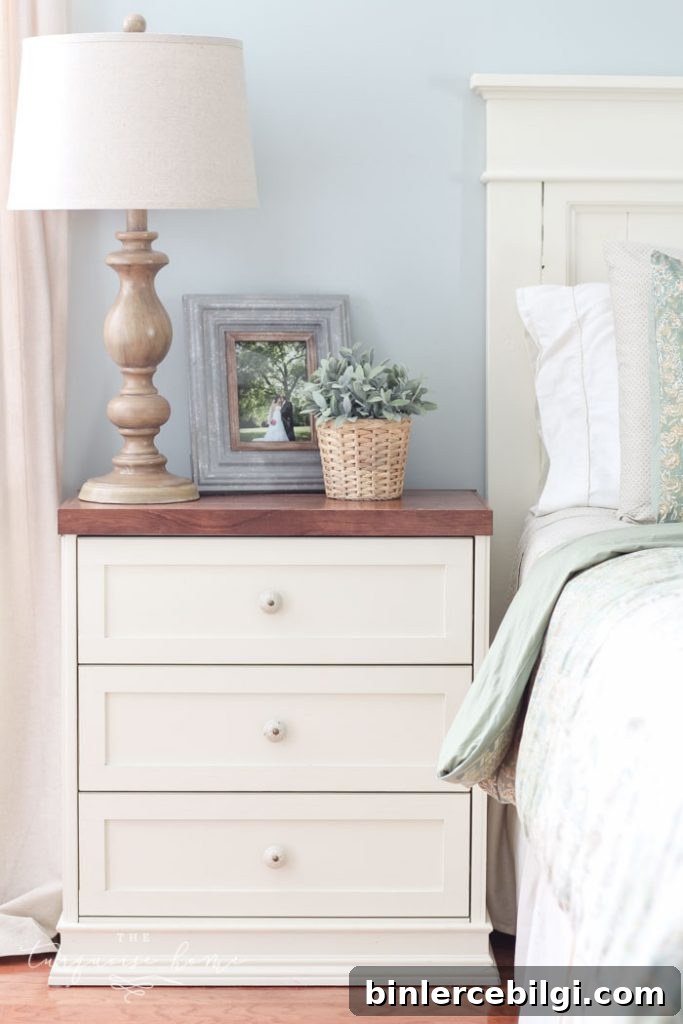
If you’ve been wondering where to place knobs and handles on kitchen cabinets, these guidelines should give you the confidence to measure and install hardware that looks intentional and works well in everyday use. Use the rules above as a starting point, then adjust placements to suit your style and how you use your kitchen.
More posts you may enjoy:
- How to Decorate Kitchen Counters {Decorating 101}
- How To Display Kitchen Cabinet Wreaths
- How to Decorate the Kitchen for Christmas (3-Step Formula)
- 7 Ways to Refresh a Kitchen
- Gorgeous Kitchen Chandeliers You’ll Love