
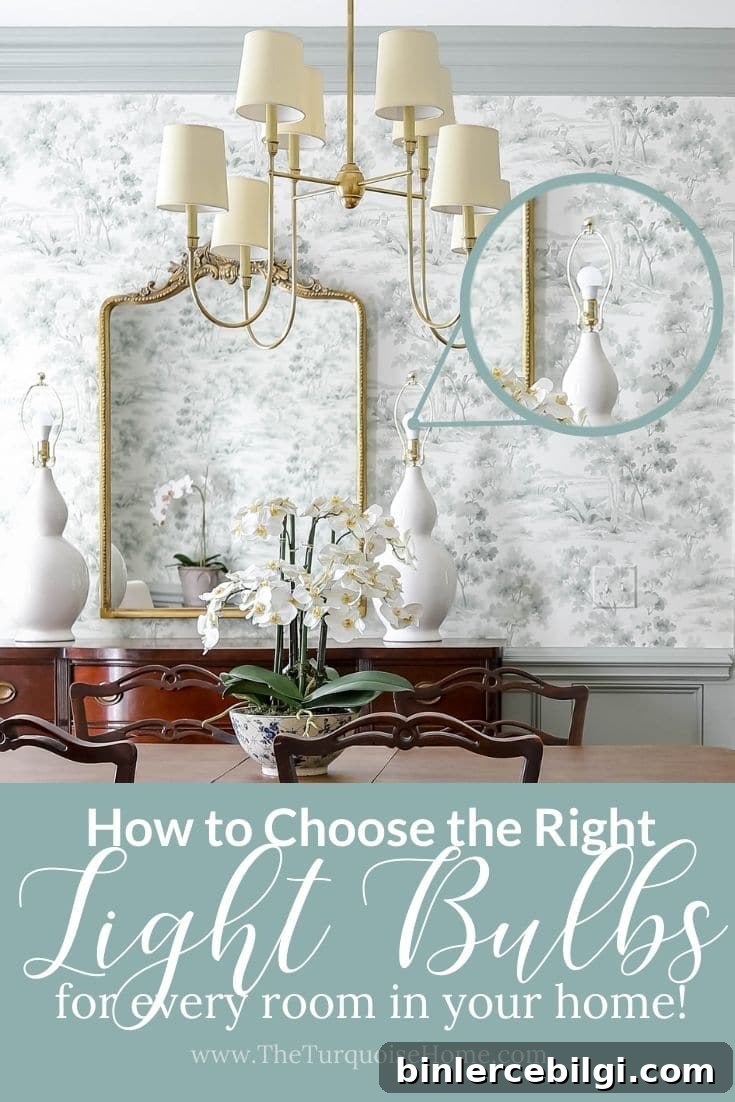
Choosing the right light bulbs for your home is part science, part design — and it can dramatically change the mood and function of each room. This guide simplifies the process so you can pick the best bulbs for every space in your house.
After you select new lamps or chandeliers, the next step is choosing the correct bulbs. The right bulb for each fixture and room affects ambiance, energy use, and how colors and surfaces look in your home.
In recent years, lighting has changed dramatically. Traditional incandescent bulbs have largely been replaced by more efficient options like LEDs and CFLs. That makes it more important to understand lumens, watts, and color temperature so you can match brightness, energy use, and mood to the room.
Gone are the days of simply buying a “60-watt” bulb. New bulbs list lumens and Kelvins in addition to watt-equivalents, and choosing the right combination will give you better results than matching wattage alone.
Lumens vs. Watts vs. Kelvins
Before we look at bulb types, it helps to understand three key terms:
- Lumens – the total amount of visible light a bulb produces (brightness).
- Watts – the amount of energy a bulb consumes.
- Kelvins – the color temperature of the light, which ranges from warm (yellow) to cool (blue).
In the past, people chose bulbs by watts, assuming higher wattage meant brighter light. With modern LEDs, a bulb that uses 10–15 watts can easily produce the same brightness as a 60-watt incandescent. A useful rule of thumb is to multiply LED wattage by about 5 to estimate the equivalent incandescent wattage, but lumens are the most accurate way to compare brightness.
Look for the lumen rating on the package: higher lumens mean brighter light. The Kelvin number tells you whether the light looks warm and cozy (lower Kelvins like 2700K), neutral (around 3000K), or cooler and more clinical (4000K–5000K and above).
This post contains affiliate links for convenience. See disclosure policy if needed.
The Best Light Bulbs by Type (and Energy Use)
Today’s common bulb types are incandescent, compact fluorescent (CFL), LED, and halogen. Each has different advantages and drawbacks:
Incandescent
Incandescents deliver warm, familiar light and are inexpensive to buy. They work well with dimmers and contain no mercury. However, they are inefficient and have a short lifespan, so they’re being phased out for general use. Specialty incandescent bulbs, like certain chandelier shapes, are still available.
Compact Fluorescent (CFL)
CFLs are more energy-efficient than incandescent bulbs and last longer. They contain a small amount of mercury, so handle them carefully and recycle them properly when they burn out. CFLs sometimes take a moment to reach full brightness.
Light-Emitting Diode (LED)
LEDs are currently the best choice for most home applications. They’re highly energy-efficient, long-lasting, and produce little heat. LEDs don’t contain mercury and come in a wide range of colors and brightness levels. While the upfront cost is higher, long-term energy savings and longevity make LEDs the smart investment.
- Use much less energy than incandescents.
- Long lifespan — often decades with typical household use.
- Available in many color temperatures and form factors.
Halogen
Halogen bulbs work like incandescents but hotter and with a shorter lifespan. They produce bright, crisp light and are dimmable, but they’re less efficient and generate more heat. Halogens are still useful for outdoor or workshop lighting where intense, directional light is needed.
Choosing Bulb Shape and Base
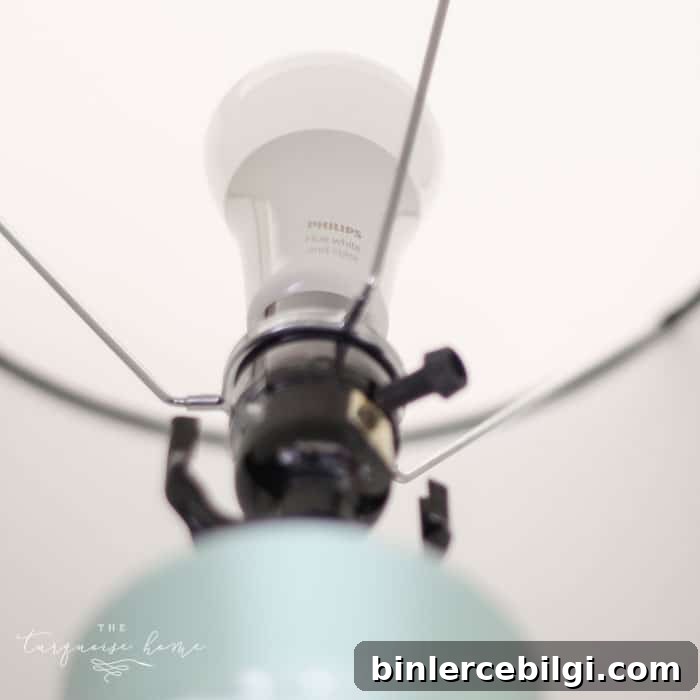
Bulbs come in many shapes and bases. The base must match your fixture, and the bulb’s shape should suit the fixture’s look — especially in exposed fixtures like chandeliers or pendant lights. If replacing a bulb, bring the old one to the store to ensure a correct fit.
How to Choose Bulbs by Room
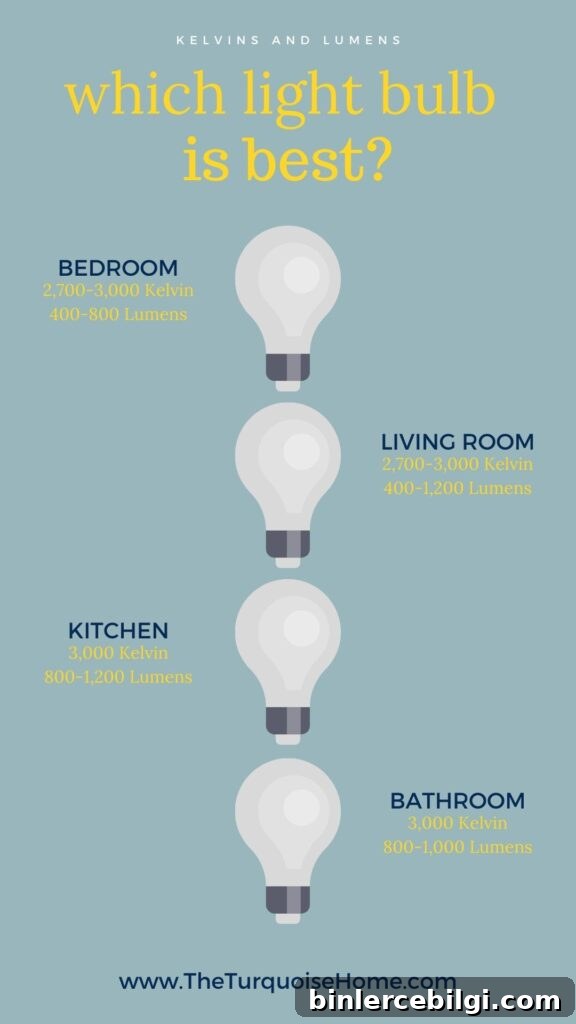
Start by considering how you use each room. Task-focused areas like kitchens and bathrooms need brighter, cooler light for visibility. Relaxation spaces like bedrooms and living rooms benefit from softer, warmer light.
Keeping a consistent color temperature throughout the house (for example, 3000K neutral white) helps maintain a cohesive look, while varying lumens by room meets different lighting needs.
Kitchen
The kitchen is a high-use workspace, so aim for bright, even lighting. Aiming for 800–1,200 lumens per fixture is a good guideline, depending on room size, appliance reflectivity, and natural light. Use task lighting under cabinets and over work areas to reduce shadows.
Bedroom
Bedrooms should feel cozy and conducive to sleep. Keep general lighting softer — around 800 lumens or less per fixture — and warmer in color temperature (2,700–3,000K). Add task lighting for reading or desks rather than raising overall brightness.
Bathroom
Bathrooms need clearer, brighter light for grooming and makeup. Aim for 800–1,000 lumens in main fixtures, and consider a dimmer so you can soften lighting for nighttime use.
Living Room
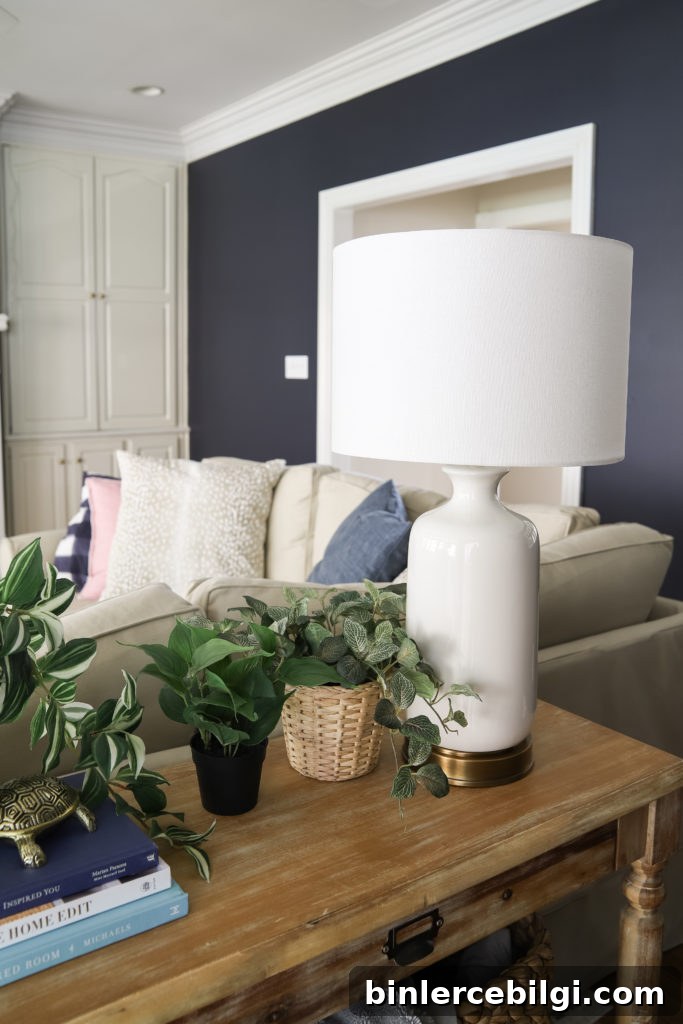
Living room needs vary by use. If you entertain or have high ceilings, you may want 1,000 lumens or more in main fixtures. For relaxing and TV viewing, keep lighting lower — 400–750 lumens — and layer light with floor and table lamps for flexibility.
Smart Bulbs and Smart Plugs
Smart bulbs let you change color and brightness from an app, set schedules, and integrate with voice assistants. They’re convenient but can be pricier and often require a hub. Many people find smart bulbs like Philips Hue useful for living rooms and bedrooms because of their color control and scheduling features.
A lower-cost option is to use smart plugs with regular bulbs. Smart plugs allow scheduling and remote on/off control without the premium cost of color-changing bulbs; they won’t change bulb color or dim unless the bulb itself supports dimming.
Final Thoughts
Choosing the best light bulbs combines practical measures — lumens, Kelvins, and bulb type — with design goals like mood and color rendering. Test different Kelvin and lumen combinations to find what looks best with your paint, furniture, and daily routines.
As a simple starting point: use LEDs for most spaces, aim for 2,700–3,000K for warm-to-neutral light throughout the house, and adjust lumens by room: lower for bedrooms and living areas, higher for kitchens and bathrooms.
More Posts You May Like:
- 15 Best Ceiling Fans for the Stylish Home
- 15 Flush Mount Lighting Ideas For Your Home
- 25+ Amazing Table Lamps For Your Home
- 17 Beautiful Dining Room Chandeliers
- Modern Wall Sconces for Every Budget